Video gaming has become a popular activity for people of all ages. Many children and adolescents spend large amounts of time playing them, although no one should have more than two hours total of screen time in a day. Video gaming is a multi-billion dollar industry, bringing in more money than movies and DVDs combined. Video games have become very sophisticated and realistic and some games connect to the Internet, which allow children and adolescents to play online with unknown adults and peers.
While some games have educational content, many of the most popular games emphasize negative themes. They promote the killing of people or animals, the use and abuse of drugs and alcohol, criminal behavior, disrespect for the law and other authority figures, sexual exploitation and violence towards women, racial, sexual and gender stereotypes, and foul language obscenities and obscene gestures. Examples of video games not acceptable for children because they have these themes include the popular ones Grand Theft Auto, Call of Duty, and Mortal Kombat.
There is growing research on the effects of video games on children. Studies of children exposed to violence have shown that they can become immune or numb to the horror of violence, imitate the violence they see and show more aggressive behavior with greater exposure to violence. Studies have also shown that the more realistic and repeated the exposure to violence, the greater the impact on children. Children and adolescents can become overly involved and even obsessed with video games, leading to poor social skills, time away from family time, school work and other hobbies, lower grades, reading less, exercising less, becoming overweight, and having aggressive thoughts and behaviors.
So how can you, as a parent, protect your child against these types of video games? First, you can check the Entertainment Software Rating Board ratings to learn about the game’s content. Every video game will actually have a label on the front to tell you what type of game it is. If it says M for mature, it’s not for your child.
Play the video games with your child to experience the game’s content and know exactly what your child is playing. Set clear rules about the game’s content for both playing time in and outside of your home. Strongly warn your children about the potential serious dangers of Internet contacts and relationships while playing online. There are a lot of online predators that will look for children specifically playing video games and this can lead to them meeting in real life. Finally, remember that you are a role model for your child. Make sure the video games you play as an adult are ones that you would want your child to play.
If you are concerned as a parent that your child is spending too much time playing video games or your child starts becoming obsessed with aggressive or violent video games, make sure you set some limits. You’re not allowed to play games for one hour after all the homework is done and encourage your child to participate in other activities so they’re not drawn to those video games. By being aware of what games are out there, you can help your child make appropriate decisions about gaming no matter where your child plays.
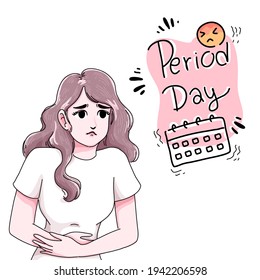
No one likes getting their periods. It comes with a lot of mood swings, bloating, cramps, and the will to die. Growing up, I have always searched for ways on how to make my period cycle less painful. I am here to share a few things that made me feel better. But every woman goes through different levels of pain. These might not work for all of them. But giving them a try would definitely make you feel better.
Get moving: When we are menstruating, we obviously don’t feel like getting up from our bed. But, exercising does release endorphins which help block pain receptors. Even taking a walk can be very helpful. I remember in lockdown when I would not really move so much. I had faced the worst cramps so, trust me moving does help.
Yoga: There are yoga poses you can try depending on which body part your cramps are at. You can always look up the internet to see what yoga pose would help relieve your cramp. Yoga does not even require you to move.
Stay hydrated: we are more dehydrated during our periods which leads to more cramps. So, it is best to increase our intake of water. It will also help reduce bloating. If you are not fond of the taste of water, you can try drinking fruit-infused water. You can also try eating water-based fruits such as cucumber and watermelon.
Do not skip meals: during our period, we often don’t feel hungry because we are already bloated. But skipping meals only makes it worse. We can then experience abdominal cramps.
Resting: during our cycle, we are more tired. So having a good sleep is very important. Sleeping will also make you feel well-rested.
Avoiding a few foods: caffeine, alcohol, excess salty and, fatty food will make your cramps worse. So, you might want to skip on that. For all the people who cannot start their day without a morning coffee, you can try drinking ginger tea instead. I know it is not the best substitute, but ginger helps soothe muscles.
A few foods you can enjoy during your cycle:
Dark chocolates: This is by far my favorite tip because I love dark chocolates. Dark chocolates are a great source of iron, potassium, and magnesium. We must also avoid sugary food during our periods as it makes matters worse, so eating dark chocolate might help.
Banana: they are rich in potassium, and they help avoid bloating. I always eat bananas during my periods.
Leafy green vegetables: I personally do not like green leafy vegetables, but they do help in relieving cramps. What I like doing instead is drinking a green juice that has kale, spinach, lemon, ginger, and lettuce. It surprisingly does not taste bad.
Fruits: fruits are rich in all the vitamins that our body needs during our cycle. They can also help prevent your sugar cravings. If you crave ice cream. You can always try eating frozen fruits with dark chocolate syrups. It is tasty and fun to eat. You can also try dipping fruits in nut butter. Nut butter is also a great source of protein.
I know these tips seem like a lot of work because all we want to do is eat, sleep and eat junk food during our cycle. But, I try to avoid the foods that would make my cramps worse. I’d rather eat healthily and follow these tips than suffer in pain. So, you can give these tips a try.
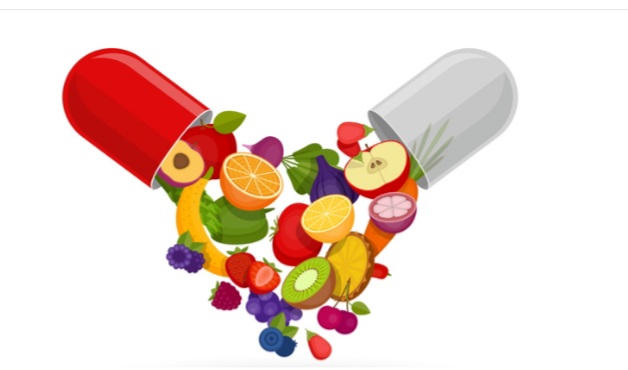
Vitamins and minerals are very important for everyone to be fitter and healthier. It is very important to consume the food which is rich in vitamins and minerals. And there are many side effects of not consuming vitamins and minerals like vitamin deficiency. Vitamins and minerals are good source of energy.
Nutrients are very important to consume and have good cause. An individual must prefer nutritious food than the junk food. It is very important to eat the fruits and vegetables rather than eating the high calorie food.
Many of the people does not include those fruits and vegetables in their diet. When they do not include the fruits and vegetables it leads to the malnutrition sometimes.
Types of vitamins :
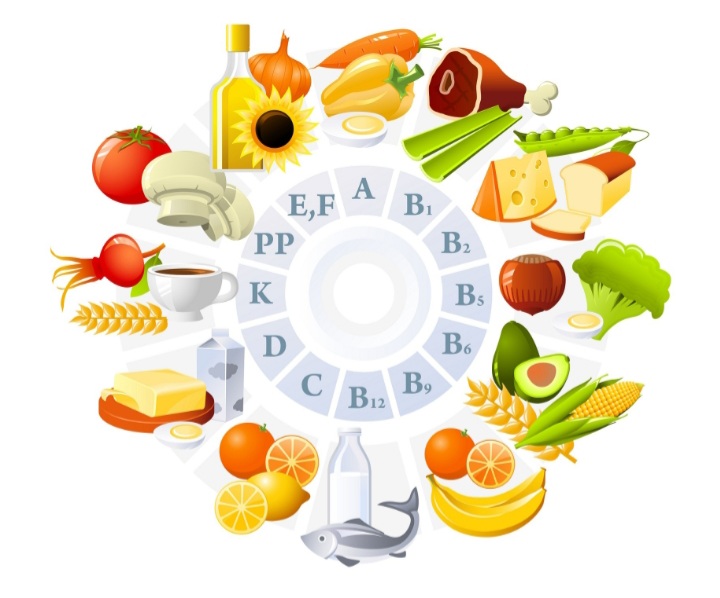
There are 13 essential vitamins. They are vitamins A,C,D,E,K, and the B vitamins (thiamine, riboflavin, niacin, pantothenic acid , biotin,B6, B12, and folate). Vitamins have different jobs to help keep the body working properly. Some vitamins help you resist infections and keep your nerves healthy, while others may help your body get energy from food or help your blood clot properly.
Food sources :
* vitaminD from fatty fish, fish liver oils, fortified milk products, and fortified cereals.
* vitamin B12 from meat, fish, poultry milk, and fortified breakfast cereals. Some people over age 50 have trouble absorbing the vitamin B12 found naturally in foods. They may need to take vitamin B12 supplements and eat foods fortified with this vitamin.
* calcium is a mineral that is important for strong bones and teeth, so there are special recommendations for older people who are at risk for bone lkss. You can get calicium from milk and other dairy, some forms of tofu, dark green leafy vegetables, soyabeans, canned sardines and salmon with bones, and calcium – fortified foods.
* Magnesium is found in foods containing dietary fiber, such as green leafy vegetables, whole grains, legumes, and nuts and seeds. Breakfast cereals and other fortified foods often have added magnesium. It is also present in tap, mineral, or bottled drinking water.
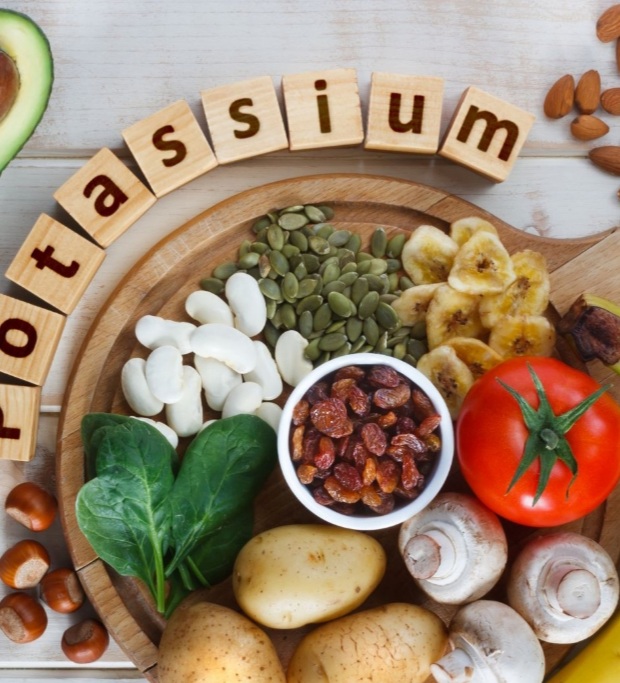
* pottasium is found in fruits, vegetables, meat, and dairy foods. Foods high in potassium include dried apricots, lentils and potatoes. Adults get a lot of their potassium from milk, coffee , tea and other nonalcoholic beverages.
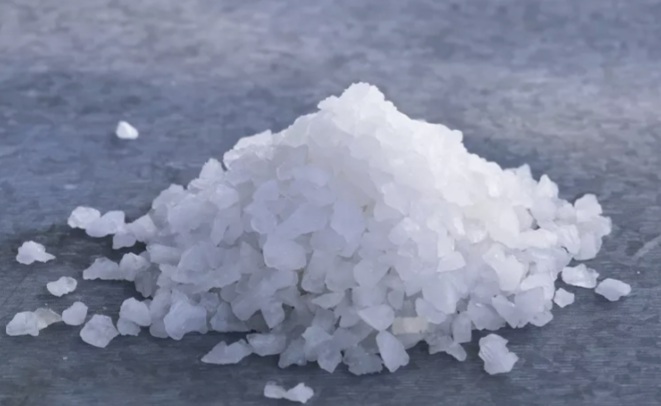
* preparing your own meals at home without using a lot of processed foods or salts will allow you to control how much sodium you get.
* vitamin B6 is found in a wide variety of foods . The richest sources of vitamin B6 include fish, beef liver, potatoes and other starchy vegetables, and fruit ( other than citrus).
* vitamin A can be found in products such as eggs and milk. It can also be found in vegetables and fruits, like carrots and mangoes.
* vitamin C is found in some of the best fruits and vegetables. Citrus fruits, tomatoes, and potatoes can be large source of vitaminC
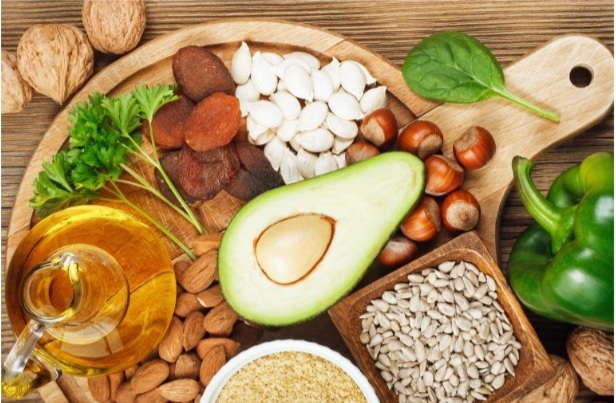
* vitamin E can be found in nuts like peanuts and almonds and can be found in vegetable oils, too. It can also be found in green vegetables, like broccoli and spinach.
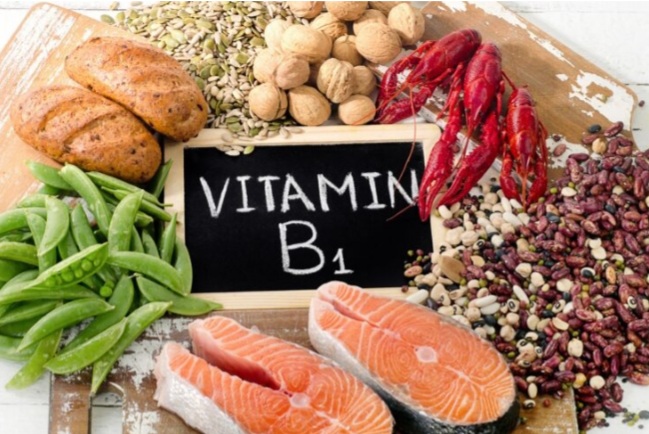
* vitamin B1 in meat- especially pork- and fish. It’s also in whole grains and some fortified breads, cereals, and pastas.
* vitamin B2 in eggs and organ meat, such as liver and kidneys, and lean meat. It is found in green vegetables, like asparagus and broccoil.
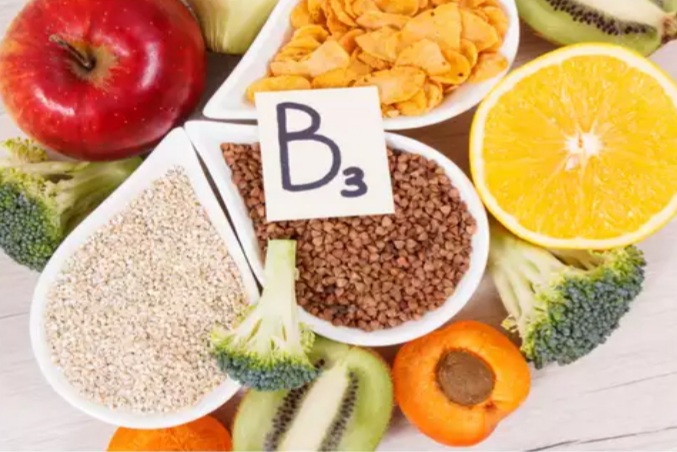
* vitamin B3 can be found in some types of nuts, legumes, and grains. It can also be found in poultry , beef, and fish.
* vitamin K can be found in many foods including green leafy vegetables, like spinach and kale and in some fruits, such as blueberries and figs . It can also be found in cheese, eggs and different meats.
* Folate can be found in vegetables and fruit, such as broccoli brussel sprouts, spinach, and oranges. It can also be found in nuts ,
Most of the teenagers consume junk food instead of eating the healthy food that is the fruits and vegetables. The junk food contain some preservatives in it and they’re also rich in fats and carbohydrates which are not so good. Doing a mistake is acceptable but doing the mistake even after knowing the truth is a bad one. So, all the teenagers must know the need of the situation and must bring the awareness among the people who are addicted to the junk food. They must motivate the people who are in it all the time.
If anybody is reading what I am about to say, please your life is important this is not the way. Now a days, now and then I find posts about people committed suicides, which is very disheartening to see. I wonder what happened to our generation, why they are running away from their lives. “Suicide is a permanent solution to a temporary problem, It doesn’t end the pain it just passes it on to your loved ones.” Please take positive action, reach out for help from loved ones, save your life.
“The unthinkable is that we’re distorting this atmospheric balance. We’re shifting the chemical balance so that we have more poisons in the atmosphere – ozones and acid rain on ground level – while we’re also changing the thermal climate of the earth through the greenhouse effect and – get this – simultaneously causing destruction of our primary filter of ultraviolet light. It’s incredible. Talk about the national-debt crisis – we’re piling up debts in the atmosphere, and the piper will want to be paid.”
~ Michael Oppenheimer
Introduction
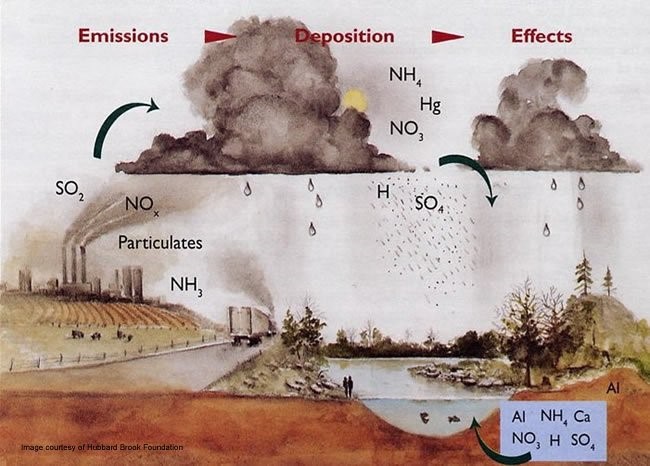
Acid rain, or acid deposition, is a broad term that includes any form of precipitation with acidic components, such as sulfuric or nitric acid that fall to the ground from the atmosphere in wet or dry forms. This can include rain, snow, fog, hail or even dust that is acidic.
Acid rain is caused by a chemical reaction that begins when compounds like sulfur dioxide and nitrogen oxides are released into the air. These substances can rise very high into the atmosphere, where they mix and react with water, oxygen, and other chemicals to form more acidic pollutants, known as acid rain.
It can have harmful effects on plants, aquatic animals, and infrastructure.
Effects of Acid Rain
The ecological effects of acid rain are most clearly seen in aquatic environments, such as streams, lakes, and marshes where it can be harmful to fish and other wildlife. As it flows through the soil, acidic rain water can leach aluminum from soil clay particles and then flow into streams and lakes.
Acid rain has been shown to have adverse impacts on forests, freshwaters, and soils, killing insect and aquatic life-forms, causing paint to peel, corrosion of steel structures such as bridges, and weathering of stone buildings and statues as well as having impacts on human health.
Acid rain also causes the corrosion of water pipes. Which further results in leaching of heavy metals such as iron, lead and copper into drinking water.
Prevention
1. The only precaution that we can take against acid rain is having a check at the emission of oxides of nitrogen and sulphur. 2. We have so far seen the details of acid rain and its harmful effect on animals, plants and the monuments. 3. Being responsible citizens, one should be aware of the harmful effects they cause and of the industries which give out nitrogen and sulphur compound wastes unethically. 4.A great way to reduce acid rain is to produce energy without using fossil fuels. Instead, people can use renewable energy sources, such as solar and wind power. Renewable energy sources help reduce acid rain because they produce much less pollution.
Acid Rain in India
Analysis of rainwater samples from Nagpur, Mohanbari (in Assam), Allahabad, Visakhapatnam and Kodaikanal in the decade 2001-2012 showed a pH level varying from 4.77 to 5.32, indicating that these places have actually been receiving ‘acid rain’. Rainwater with pH below 5.65 is considered acidic.
As energy requirements in India will grow rapidly in tune with the economy, coal dependence is expected to increase threefold over the current level of consumption, making the clouds of acid rain heavier over many highly sensitive areas in the country – the northeast, parts of Bihar, Orissa, West Bengal ,etc ,.
The rains in the Indian Ocean and the Arabian Sea and the Bay of Bengal have become acidic. Studies show the importance to regularly monitor more places for acid rains. But the mechanism to study acid rains is at present inadequate in India. imd stations are not located in the most polluted areas in the country.
Biological warfare, also known as germ warfare, is the use of biological toxins or infectious agents such as plagues, bacteria, viruses, insects, and fungi with the intent to kill, harm or incapacitate humans, animals or plants as an act of war.
Deadliest bio weapon
Bacillus Anthracis (Anthrax)
Bacillus anthracis bacteria, which causes anthrax, is one of the most deadly agents to be used as a biological weapon. It is classified by the US Centres for Disease Control and Prevention (CDC) as a Category A agent, posing a significant risk to national security.
when it is actually started ?
One of the first recorded uses of biological warfare occurred in 1347, when Mongol forces are reported to have catapulted plague-infested bodies over the walls into the Black Sea port of Caffa (now Feodosiya, Ukraine), at that time a Genoese trade centre in the Crimean Peninsula.
Biological warfare is distinct from warfare involving other types of weapons of mass destruction (WMD), including nuclear warfare, chemical warfare, and radiological warfare. None of these are considered conventional weapons, which are deployed primarily for their explosive, kinetic, or incendiary potential
Biological weapons may be employed in various ways to gain a strategic or tactical advantage over the enemy, either by threats or by actual deployments. Like some chemical weapons, biological weapons may also be useful as area denial weapons. These agents may be lethal or non-lethal, and may be targeted against a single individual, a group of people, or even an entire population. They may be developed, acquired, stockpiled or deployed by nation states or by non-national groups. In the latter case, or if a nation-state uses it clandestinely, it may also be considered bioterrorism.
With the onset of World War II, the Ministry of Supply in the United Kingdom established a biological warfare program at Porton Down, headed by the microbiologist Paul Fildes. The research was championed by Winston Churchill and soon tularemia, anthrax, brucellosis, and botulism toxins had been effectively weaponized. In particular, Gruinard Island in Scotland, was contaminated with anthrax during a series of extensive tests for the next 56 years. Although the UK never offensively used the biological weapons it developed, its program was the first to successfully weaponize a variety of deadly pathogens and bring them into industrial production. Other nations, notably France and Japan, had begun their own biological weapons programs.
How to stop bio weapon ?
Elements of preparedness include vaccinating military personnel against anthrax and other diseases caused by biological weapons; developing methods for the rapid detection of biological threat agents; developing and stockpiling vaccines and antimicrobial drugs that could be used to protect the public against diseases
When the United States entered the war, Allied resources were pooled at the request of the British, and the U.S. established a large research program and industrial complex at Fort Detrick, Maryland in 1942 under the direction of George W. Merck. The biological and chemical weapons developed during that period were tested at the Dugway Proving Grounds in Utah. Soon there were facilities for the mass production of anthrax spores, brucellosis, and botulism toxins, although the war was over before these weapons could be of much operational use.
Investigating the latest trends in medical science, comes Google’s new innovation, Derm Assist. The new AI tool provides people to identify skin, hair and nail conditions. As such, it is a powerful tool for the ongoing situation but it raises concern from experts and specialists. The main concern comes from the fact that self-diagnosing and treating without understanding the real cause problems and such practices can result in creating side effects and conditions which can’t be irreversible. Experts are also worried about the impact of such AI tools to their profession. They believe that their expertise and potential cant be made use of. They believe such tools can initiate the growth of a new culture where people substitute in-house consultation with new AI tools and the use over-the-counter medications. By doing this, they may complicate their physical condition and it will be difficult to treat afterwards. Experts believe information on the internet can be misleading and even if the information is correct, language/content can be so complex that it can create confusion among masses.
Skin is the largest organ on the human body, but is often neglected. Studies shows that billions of people search for skin, hair and nail related issues over the internet annually. But it is always recommended to seek professional advice so that one can get a full diagnosis and put a treatment plan in place. Even if we consult a General Practitioner for a skin condition, he will advise us to seek help from a dermatologist. This shows that even experts in the same field recommends a specialist for these cases and showcases the risk involved in self-medication.
The main dermatological concern in the gulf region are pigmentation and sun damage. These arid areas are too hot that it can damage our skin. It can cause skin conditions such as early aging and in the worst case, skin cancer. If we take moles as an example, there are criteria that differentiate between normal ones and that are a cause for concern. It is not an easy task to determine whether they pose a risk. Only experts who have studied for a long time and are well-versed in the anatomy of moles can differentiate between the two. A normal human being cannot detect the difference, even with the help of the new AI tools.
There is so much of concern about the new technology. But adopting and engraving desirable features to the currently established system can make a huge difference. By saying this, experts ensures that AI can be the future of the medical industry, if strict regulations and the use should be restricted to qualified people. There should be a well scripted and developed system where professionals and patients can benefit from.
Nowadays people have become fascinated about their money and beauty but they are not giving due care to their mental health. Stress is a mental tension caused by demanding ,taxing , burdensome circumstances and our increasingly busy lives.A life full of stress is something which is not acceptable and desirable by a person because when a person is in stress the hormones called CORTISOL and ADRENALINE are released into the blood stream thereby suppressing the functioning of the immune, digestive and reproductive system.
Also we need to understand every stress is not considered the bad one because stress is actually the survival response, when our body thinks that it is in danger it is also called as fight or flight response. The problem arises when the situation is constantly prevailing causing stress in the lives and a person don’t know how to manage it. That’s why stress management is tremendously important for our health, quality of life and relationships.
Migraines due to stress
Ways to Overcome Stress
1- Avoid Caffeine , Alcohol and Nicotine:
Many people try to overcome their stress by consuming alcohol , nicotine and rich in caffeine drinks but this is the big mistake people are committing which needs to be stopped first. Caffeine and Nicotine are stimulants which increases the level of stress rather than reducing it. Also alcohol is not ultimately helpful as it is a depressant when consumed in large quantities and a stimulant in small quantities. Herbal and other natural drinks must be consumed for keeping a person hydrated and to avoid these harmful stimulants.
2-Get more sleep:
Sleep plays an important role in maintaining a well being of an individual both physically and mentally. Lack of sleep is also an ultimate cause of stress. The environment of the bedroom must be calming and relaxing for a person so that they can have a sweet sleep also it is important to make sure that the bedroom is a tranquil oasis with no items of causing stress. There must be a fixed schedule for a person to sleep everyday so that the body get used to a predictable bedtime routine.
3-Talk to someone:
Communication allows a person to either distract them from their stressful situations or helps in reducing the built up tension by discussing it . In most of the situations a good friend and a colleague or a family member can guide us in a better way and also can provide us with the best solution for our stress.
4-Stress Diary:
In order to overcome stress the most significant thing is to understand what is the situation causing it so a person must have to maintain a stress diary in which they can write about their feelings and different situations along with their date ,time and the people they were with . This will eventually let them know what triggers them. It is basically a effective stress management tool to avoid stressful situations and to handle them with ease.
5-Physical activities:
Accompanying the daily life with proper exercises ,games and meditation will also help in avoiding stress as they can be used as a surrogate to metabolize the excessive stress hormones and restore the body in more calm state.
‘Water is a driving force of all nature’- Leonardo Da Vincci.
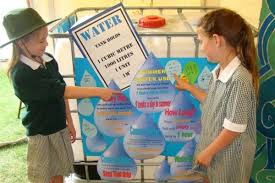
A children holding a poster with the request SAVE WATER is actually sending across a severe warning……………
We are headed for a water crisis and a very serious one at that. Do you really think it is an issue we can dare to neglect? I do not think so.Water is very essential for all life forms to survive and grow. For any personal, commercial, industrial, or any other use the water is required.Life without water is impossible. Also, the drinkable water is quite low and if we continue to wastewater at the speed we do today, the day is not far when we will have to fight for water. But still, let me ask you one question, are we actually working in the direction of saving water? The rightful answer would be no.
Water management & conservation of resources:
The problem with these issues (water management and conservation of resources) is that there are numerous parties with vested interests that tend to play down these serious threats staring us in the face in a not so distant a future. While most authorities that are respected are unanimous in their conclusion of global warming as a serious threat, there are others who look upon the very phenomenon of global warming as a typical case of environmental Cassandras trying to hog the limelight. If you have to seriously address issues like global warming or water crisis, one leading to the other, corporate houses which depend on numerous factories that create all the filth shall have to take steps that would seriously create a big dent in their pockets. No corporate house would be eager to do this.
Therefore, they purposely overlook the fact that the sources of fresh water are limited. If you are so concerned with your immediate profit that you tend to overlook the disastrous results in the long run for all life on this earth, you are no less than plain stupid! The extent to which the corporate sector can be callous can be clearly understood from the following example:-
A proposal by South India Bottling Company Private Limited (SIBCL), a Coca-Cola franchisee, to set up a 280 million (US $ 6,500,000) soft -drinks unit in Gangaikondan village of Tirunelveli district in southern Tamil Nadu, has run into trouble. Many local residents, political parties and environmentalists have raised concerns that the water-intensive plant will deplete and contaminate groundwater and draw from Tamiraparani River, that cannot fully meet even drinking water and agricultural needs of local communities. Research by the India Resource Centre revealed a number of discrepancies and misinformation in SIBCL’s public statements regarding its water usage and daily production. We can also remember in this context that the world leaders really fight it out when something as dangerous as poisonous gas emissions bave to be curtailed. Indeed, how myopic can people be!
However, blaming corporates and factories would not be a complete part of the solution. There is the other side of the picture too. A 2006 United Nations report focuses on issues of governance as the core of the water crisis, saying There is enough water for everyone’ and “Water insufficiency is often due to mismanagement, corruption,lack of appropriate institutions, bureaucratic inertia and a shortage of investment in both human capacity and physical infrastructure.” Official data also shows a clear correlation between access to safe water and GDP per capita.
While the observation made by the UN is true, the role of climate change in aggravating a terrible water crisis around the globe is also An Inconvenient Truth as Al Gore calls it. According to a UN climate report, the Himalayan glaciers that are the sources of Asia’s biggest rivers-Ganga, Indus, Brahmaputra, Yangtze, Mekong, Salween and Yellow-could disappear by 2035 as temperatures rise. Approximately 2.4 billion people live in the drainage basin of the Himalayan Rivers. India, China, Pakistan, Bangladesh, Nepal and Myanmar could experience floods followed by droughts in coming decades. In India alone, the Ganga provides water for drinking and farming for more than 500 million people. The west coast of North America, which gets much of its water from glaciers in mountain ranges such as the Rocky Mountains and Sierra Nevada, would also be affected.
What would happen if this wastage of water is allowed to continue? News reports about the Gangotri Glacier receding have become fairly common. Can you imagine India without the Ganga? Are we going to silently bear with the progressive destruction of the most precious resource, and leave our future generations to face some bloody war for the control of water resources?
How can we Save Water?
you know there is many points you can do in your day to day life for water conservation.Each of these methods of water conservation is simple and easy and certainly things that anyone can take advantage of.
1. Turning the water off when brushing your teeth or washing your hair can save a lot of water. In fact, as much as 160 gallons of water can be conserved each month when you turn the water off.
2. Purchase water-efficient products and appliances for your home. This includes dishwashers, sink systems, bathtubs and more. These products pay for themselves in no time at all.
3. Plant you garden in the spring and you can save since water requirement levels are less during this season.
4. Do not use water to defrost foods. Although many people do use this method it requires a lot of water consumption to do this.
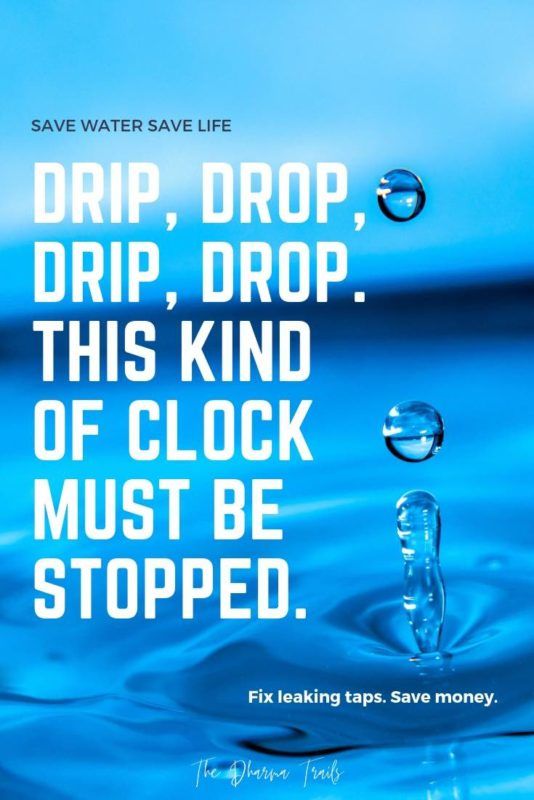
5. Check for leaks. This includes the toilet and the sinks in the home. Even a small leak could cause an extensive amount of extra water usage and more money added to the water bill.
6. Stop using extra water when you flush by avoiding placing anything in the toilet. This includes tissue and cigarette butts. Using this method to eliminate these items will cost you an additional 5 to 6 gallons of water per flush.
7. Insulate your pipes. This will prevent them from freezing in the winter while also helping heat water up faster, among other benefits.
8. When washing clothes, make sure that you are washing full loads of laundry only. You are wasting a lot of water washing only half of a load.
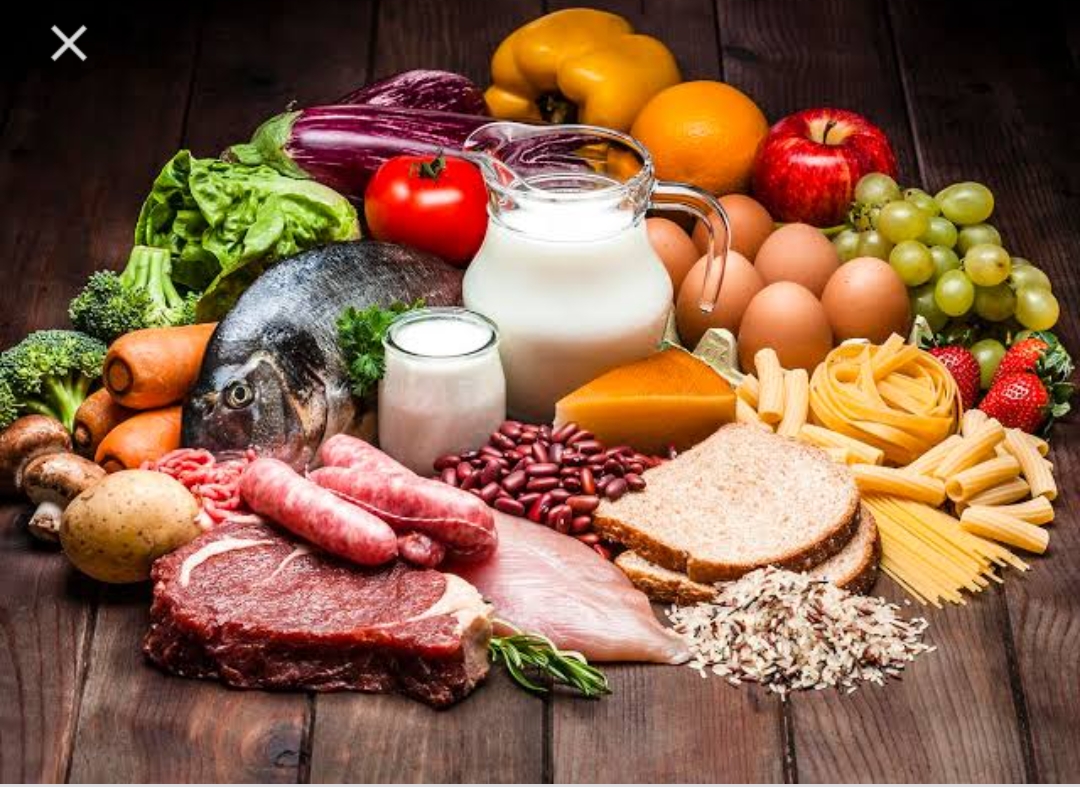
What is a balanced diet? A balanced diet gives your body the nutrients it needs to function correctly. To get the nutrition you need, most of your daily calories should come from:
What to eat for a balanced diet A healthy, balanced diet will usually include the following nutrients:
vitamins, minerals, and antioxidants carbohydrates, including starches and fiber protein healthy fats
balanced diet will include a variety of foods from the following groups:
fruits vegetables grains dairy protein foods Examples of protein foods include meat, eggs, fish, beans, nuts, and legumes.
Food groups in your diet eat at least 5 portions of a variety of fruit and vegetables every day (see 5 A Day) base meals on higher fibre starchy foods like potatoes, bread, rice or pasta. have some dairy or dairy alternatives (such as soya drinks) eat some beans, pulses, fish, eggs, meat and other protein.
Precious metals like silver, gold, and platinum are all used in medicine to aid treatments as diverse as wound healing and cancer therapies. Gold nanoparticles (AuNPs) are small gold particles with a diameter of 1 to 100 nm which, once dispersed in water, are also known as colloidal gold.
Nanoparticles at a glance.
How did gold get to earth?
Gold, the shiny yellow metal prized for its beauty, malleability and used in many different industries, is actually created inside massive stars when they explode into a supernova. Here lies the history-
Gold, like most heavy metals, are forged inside stars through a process called nuclear fusion. In the beginning, following the Big Bang, only two elements were formed: hydrogen and helium. A few hundred million years after the Big Bang, the first stars were blazing away with their nuclear fires. These nuclear fires forced lighter elements together to make slightly heavier elements, and these nuclear reactions released a huge amount of energy.
Gradually, these early stars began making elements such as carbon, nitrogen, oxygen — working their way up through the periodic table towards iron. But there was still no gold in the Universe. Once these earlier stars ran out of light elements to burn, they kicked in on the heavier ones.
Finally, as they burnt silicon to make iron, they exploded as a supernova, and for a few short moments, each star would release as much energy as all the regular stars in that galaxy put together. In that cataclysmic explosion, for the first time, atoms of gold were manufactured — and then hurled out into the Universe, along with the other debris from that explosion.
On Earth, gold finally reached us some 200 million years after the formation of the planet when meteorites packed with gold and other metals bombarded its surface. During the formation of Earth, molten iron sank to its centre to make the core. This took with it the vast majority of the planet’s precious metals — such as gold and platinum. In fact, there are enough precious metals in the core to cover the entire surface of Earth with a four-metre thick layer.
Cancer treatment
Colloidal gold, the suspension of gold nanoparticles in liquid, has been used for hundreds of years, from staining glass in the Middle Ages to early experiments with photography in the Victorian era. But it was only 160 years ago that gold nanoparticles were given any serious scientific examination, when scientist Michael Faraday created the first pure sample of colloidal gold in his basement laboratory at the Royal Institute in London. Faraday’s early experiments were forays into what would ultimately become the fields of nanoscience and nanotechnology.
“Scientists have pioneered a revolutionary approach in the use of gold nanoparticles that could lead to the development of a new generation of broad-spectrum antiviral drugs.”
Targeted drug delivery is better than conventional drug therapy because these drugs target the main effected area, so it minimizes the side effects caused..
Gold nanoparticles have the ability of bio-imaging of the effected cancerous cells for therapy. Cancer DNA has a special 3D structure that has an affinity for gold, according to one study, and nanoparticles change color when that DNA is present. Simple, fast tests could detect cancer in 10 minutes.
Gold nanoparticles have unique physical, chemical properties and strong binding attraction for thiols, proteins, carboxylic acid and disulfides, so they have been extensively used in drug delivery for cancer therapy.
Alzheimer’s-
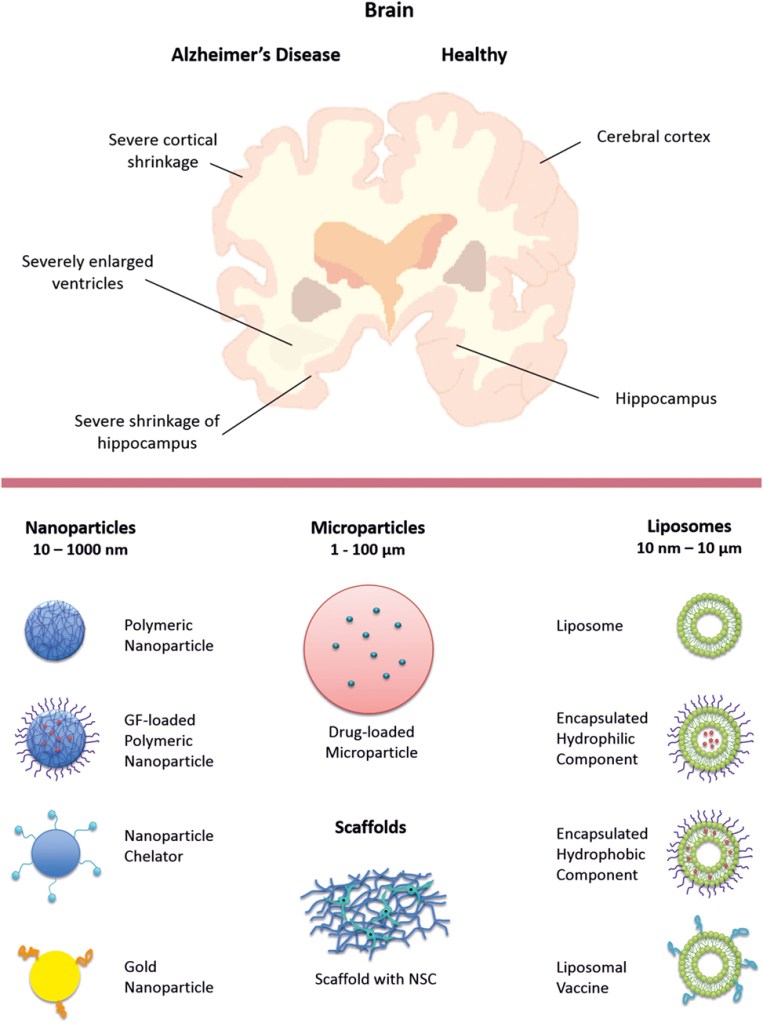
Illnesses associated with ageing are under the microscope too. Scientists are using gold nanoparticles to see the knot-like structures in the brain that cause Alzheimer’s and other neurodegenerative diseases. By labelling these structures–called amyloid fibrils–with gold they can see the knots more clearly and identify their weak spots for treatment.
Another global health problem shows promise for gold use in medicine. Tropical disease malaria, transmitted by mosquitoes, infected 219 million people in 2017 and killed 435,000. Nanoparticles used in rapid diagnostic tests are cheap to use, can give results in 15 minutes, and help doctors target treatment for malaria where it is most needed.
image description
Immunity
Immunotherapists are also harnessing the special properties of spherical nanoparticles to deliver a boost to the body’s immune system. Polymer-coated spheres of gold interact with B lymphocyte immune cells and can deliver drugs or vaccine to where it is most needed. In this way they hope to treat hard-to-reach brain tumors.
Going forward there is exciting potential for nanoparticles to help combat HIV and blood diseases. Medics use the gene editing tool CRISPR to deliver new genetic information to cells, but current methods can damage or even kill cells. Gold nanoparticles mounted with CRISPR can quickly cross the cell membrane into the nucleus to edit genes.
Thankfully, even though gold is a rare commodity compared to other metals, in microscopic quantities it can improve our lives immeasurably. Nanoparticles measuring billionths of a meter are used as tiny detectors to develop the most sensitive chemical tests.
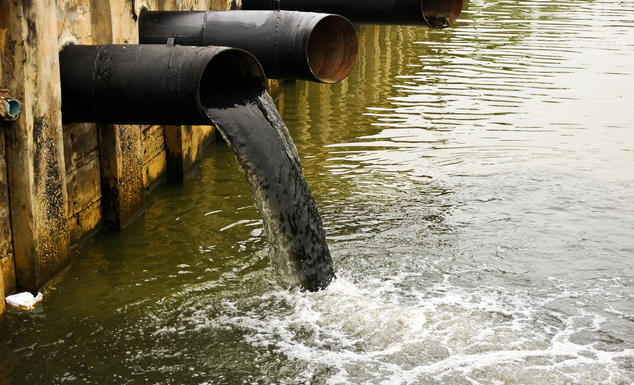
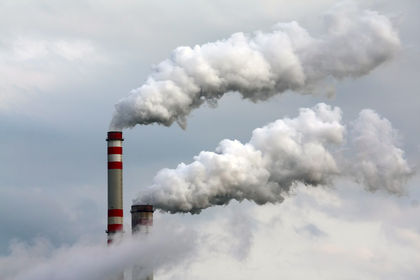
Thermal pollution is a real and persistent problem in our modern society. Thermal Pollution may be defined as ‘the excessive raising or lowering of water temperature above or below normal seasonal ranges in streams, lakes, or estuaries or oceans as the result of discharge of hot or cold effluents into such water’. Thermal Pollution is harmful because its increase water temperature in streams, rivers, lakes, or occasionally, coastal ocean waters. Thermal pollution is caused by either dumping hot water from factories and power plants or removing trees and vegetation that shade streams, permitting sunlight to raise the temperature of these waters. Like other forms of water pollution, thermal pollution is widespread, affecting many lakes and vast numbers of streams and rivers in the United States and other parts of the world. A temperature increase as small as 1 or 2 Celsius degrees (about 2 to 4 Fahrenheit degrees) can kill native fish and plants or drive them out in favor of other species, often with undesirable effects.
Definition :-
Pollution, the idea of thermal pollution often doesn’t come to mind. People will first think of things like carbon emissions, personal pollution and waste, and a variety of other changing factors. However, thermal pollution is a real and persistent problem in our modern society. In layman’s terms, thermal pollution is when an industry or other human-made organization takes in water from a natural source and either cools it down or heats it up. They then eject that water back into the natural resource, which changes the oxygen levels and can have disastrous effects on local ecosystems and communities. Thermal pollution is defined as a sudden increase or decrease in temperature of a natural body of water, which may be ocean, lake, river or pond by human influence. This normally occurs when a plant or facility takes in water from a natural resource and puts it back with an altered temperature. Usually, these facilities use it as a cooling method for their machinery or to help better produce their products. Plants that produce different products or wastewater facilities are often the culprits of this massive exodus of thermal pollution. In order to properly control and maintain thermal pollution, humans and governments have been taking many steps to effectively manage how plants are able to use the water. However, the effects are still lasting today.
Causes of Thermal Pollution: – It looks like thermal pollution occurs mainly due to industrial activities, there are geothermal sources as well. These are:
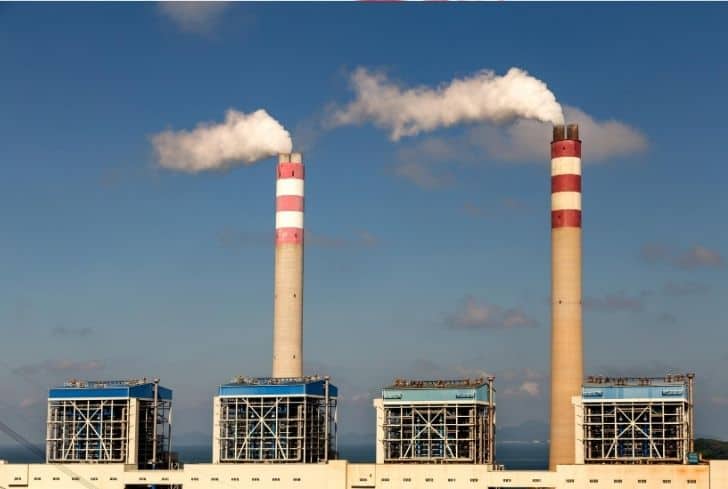
1. Heavy Industries :- Industries such as power, chemical, nuclear & manufacturing are the primary source of thermal pollution. These industries use water as a coolant and discharge it back at an elevated temperature that affects the ecosystem. Water bodies that are near the nuclear power plants get heated due to emissions from nuclear reactors. Warm water decreases the dissolved oxygen content that results in thermal shock causing adverse effects on aquatic life.
2. Domestic & Industrial Effluents :-
Household and industrial effluents that include drainage from hospitals and research institutions too are often discharged with minimum or no treatment. Normally sewage treatment plants operate at a higher temperature and when discharged in natural water bodies the effective temperature increases. Thus, domestic & industrial effluents are one of the main sources of thermal pollution.avement gets quite hot, which creates warm runoffs that get into the sewer systems and water bodies.
3. Runoff From Paved Surfaces :- Urban runoff discharged to surface waters from paved surfaces like roads and parking lots can make the water warmer. During summer seasons, the pavement gets quite hot, which creates warm runoffs that get into the sewer systems and water bodies.
4. Soil Erosion :- Soil erosion causes the top layer of soil to break and washed away into the natural water bodies. The level of water bodies rises due to consistent soil erosion and sedimentation, which makes it directly exposed to the sunlight. Massive removal of vegetation and trees speeds up the soil erosion process, thus contributing to thermal pollution.
5. Deforestation :- Trees and plants prevent sunlight from falling directly on lakes, ponds or rivers. When deforestation takes place, these water bodies are directly exposed to sunlight, thus absorbing more heat and raising its temperature. Deforestation is also the main cause of the higher concentrations of greenhouse gases, i.e. global warming in the atmosphere.
6. Geothermal Activities :- Natural causes like volcanoes, geothermal vents can trigger warm lava to raise the temperature of water bodies. Lightening can also introduce a massive amount of heat into the oceans. This means that the overall temperature of the water source will rise.
Harmful Effects of Thermal Pollution :-
Specific ecological imbalances occur due to increased water temperature affecting the associated ecosystem. Here are some major effects of thermal pollution.
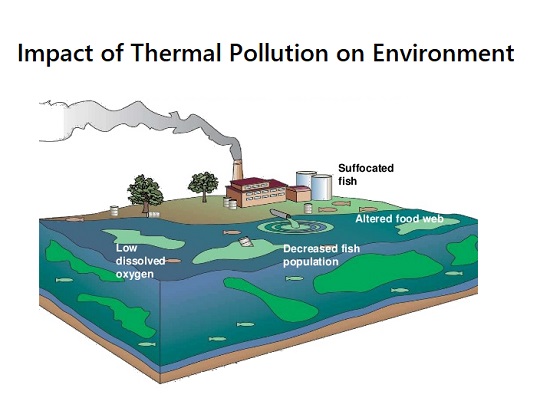
Reduction in Dissolved oxygen level :- The warm temperature reduces the levels of DO (Dissolved Oxygen) in water. The decrease in DO can create suffocation for plants and animals such as fish, amphibians and copepods, which may give rise to anaerobic conditions. Warmer water allows algae to flourish on the surface of the water, and over the long term, growing algae can decrease oxygen levels in the water.
Changes in water quality :- A high temperature of the water changes the physical and chemical properties of water. When the viscosity of the water decreases, the vapour pressure increases rapidly.
Increase in Toxicity :- The concentration of the pollutant is the factor in the increase in the temperature of water, due to which the poisoning in the water increases the toxicity. Which can increase the death rate of aquatic life.
Interference in Reproduction Rates :-Thermal pollution adversely affects the natural reproductive cycles of fishes and other aquatic organisms. Due to thermal pollution, the temperature gradient of water bodies gets disturbed and affects whole aquatic organisms. Due to thermal shock, mass killing of fishes and other aquatic organisms can occur when there is a very rapid water temperature change.
Control of Thermal Pollution :- There are a number of ways to minimize the harmful effects of Thermal Pollutions.
Cooling Ponds :- Cooling ponds or reservoirs constitute the simplest method of controlling thermal discharges. Heated effluents on the surface of water in cooling ponds maximize dissipation of heat to the atmosphere and minimize the water area and volume. This is the simplest and cheapest method which cools the water to a considerable low temperature. However, the technique alone is less desirable and inefficient in terms of air-water contact.
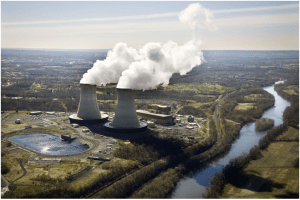
Cooling Towers :- After using water from water sources for cooling purposes, it is subsequently returned to the water body after passing through the condenser, which is termed as the cooling process. Therefore cooling towers are designed to control the temperature of water to make the cooling process more effective. Cooling towers are mainly used to dissipate the recovered waste heat to eliminate the problems of thermal pollution.
Cogeneration (Combined heat and power; CHP) :- Cogeneration is the use of a heat engine or a power station to simultaneously generate both electricity and useful heat. All power plants emit a certain amount of heat during electricity generation. This can be released into the natural environment through cooling towers, flue gas, or by other means. By contrast CHP captures some or all of the by-product heat for heating purposes, either very close to the plant or as hot water for district heating with temperatures ranging from approximately 80 to 130 °C. This is also called Combined Heat and Power.
Artificial Lake :- Artificial lakes are man-made water bodies that offer a possible alternative. The heated effluents may be discharged into the lake at one end, and the water may be withdrawn from the other end for cooling purposes. The heat is eventually dissipated through evaporation. However, these lakes have to be rejuvenated continuously.
Spray Ponds :- In spray ponds, the water coming out from the condensers pass into the pond through water sprayer nozzles. The fine water droplets dissipate into the atmosphere as its area is maximized and cooled rapidly.
Other Preventive Measures:- Water Recycling Afforestation along with the riverbank Stricter Rules & Regulations Spreading Awareness Use of alternative cooling agent ( fan coolers use air to cool).
There are plenty of times in a life of woman when she doesn’t wish for her menstrual cycle to come because ofsome special vacation lined up. There are some pills which can help delay the flow of your periods. But it’s not everyone’s cup of tea, it may have some side effects. So, there are some all-natural, non-medical ways to delay your periods for a while.
Avoid eating spicy food because it increase the heat inside our body, which will trigger the period before date and if you want to delay your period, then you have to stop taking spicy food. But this method is not proven scientifically, it’s just a home remedy. You can not totally depend only on this method.
Start taking the lemon water. You just have too take one lemon and squeeze it in a glass of water. Start taking it before two or three days before your periods date.
Drinking more water. Water makes your period lighter, and helps in reducing heavy bleeding. Drinking more water with other remedies, make it effective in slowing down your period.
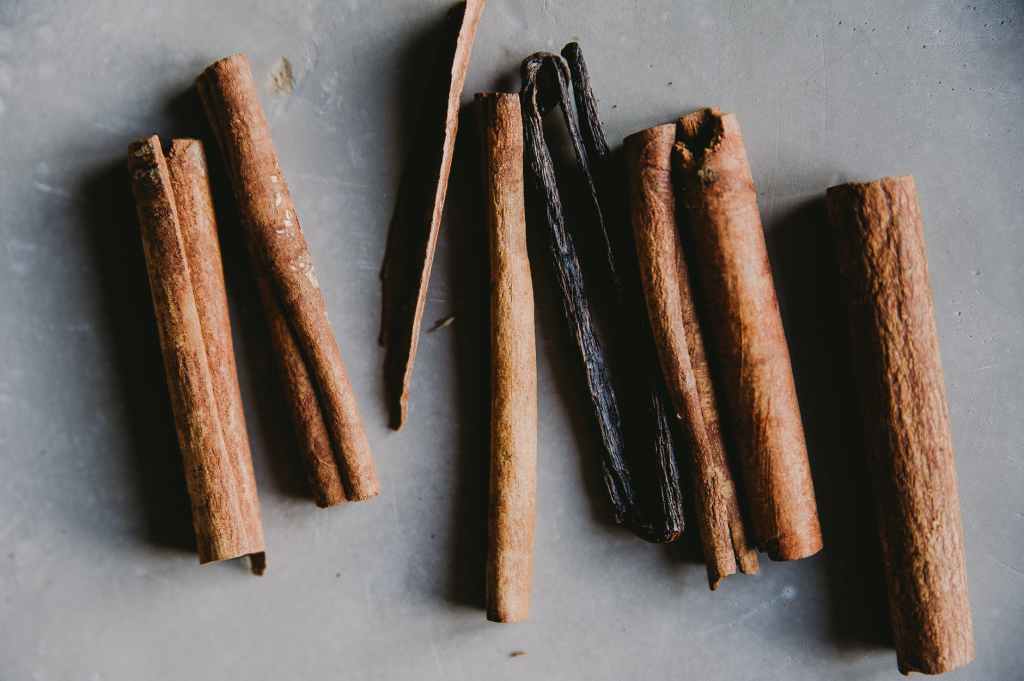
Cinnamon tea. Take two or three cinnamon stick, boil them in the water, and when water remains half the actual quantity. Your cinnamon tea is ready. Drink it twice a day before a week atleast.
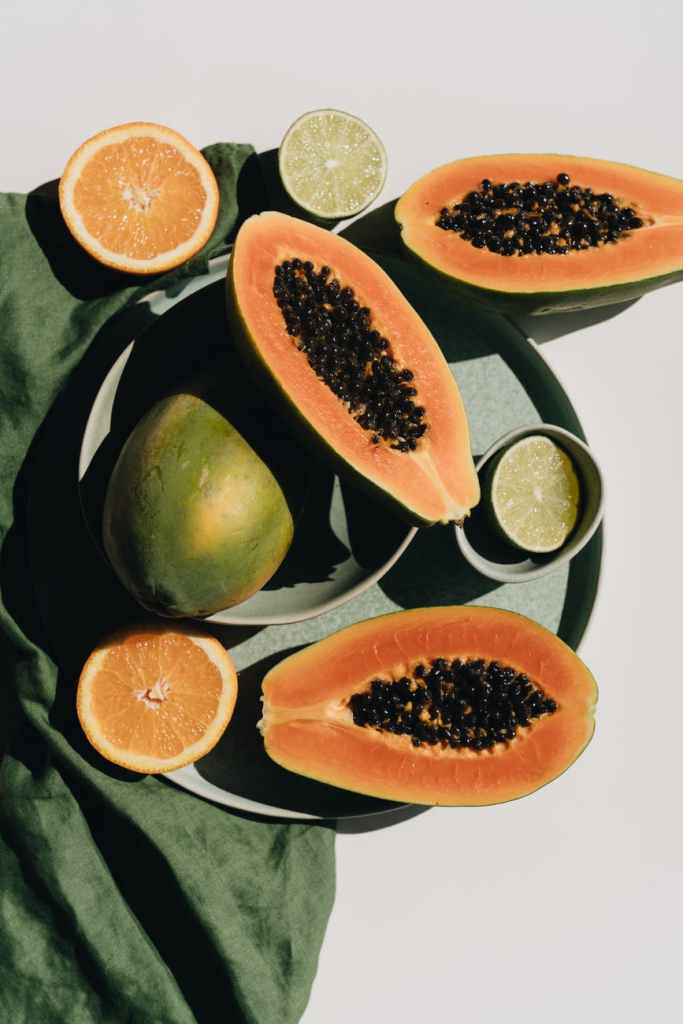
Eating papaya and carrot.It’s safe and natural way to delay periods. Papayas are rich in carotene which triggers estrogen levels in the body leading to changes in the uterine blood flow.
French beans. Take the French beans, it’s easily available in the market, boil them in the water, take that water and add some lemon in it. Start drinking this water. It will help you.
Mustard seeds. Powder the mustard seeds and then add this powder to lukewarm milk, add some honey or you can add sugar also according to your taste. And then you have to take this mixture two or three times a day before the expected date can prove to be helpful. Antioxidant-rich chia seeds may be helpful in a similar manner.
Gram lentil. Fry some gram lentils, till they become soft. Now, grind them to make a thin powder. Now make a thick soup with this powder, and consume it daily.
Coriander seeds. Boil coriander seeds in the water, after boiling you can drink this water 2 or 3 times a day. Start this method before two or three weeks from the start date of your period.
Before applying any of these methods, consult your doctor. While these methods are safe to try, they may not be the most effective or work for everyone. These are not foolproof remedies, there can also be chances of irregular bleeding.
The theory of narco-terrorism stems from the realization that the two phenomena of drugs trafficking, and terrorism are inextricably linked, and that, as a result, a coordinated anti-drug and anti-terror policy can and must be employed to effectively combat both threats. Because of its nefarious partnership with terrorist groups, narcotic trafficking, which began as an organized cross-border crime, has now evolved into a menace to nation states.
Although it has been known for decades that there is a relationship between the drugs trade and terrorist organizations, as suggested by the name narco-terrorism, the international focus on terrorism after September 11, 2001, has intensified the attention given to the issue of narco-terrorism.
The Golden Crescent is the world’s greatest illegal opium production. In 1999, Afghanistan and Pakistan alone accounted for over 6000 metric tonnes of total illegal output. Because of this high-level production, narco-terrorism is increasingly linked to the reigns of central and southeast Asia. India being the southern part of Asia is concerned because these narcotics are a key source of money for Pakistani-sponsored terrorism in our nation. Also, India is the sole licit provider of opium to the international pharmaceutical sector, with an annual export income of roughly Rupees 209 crores in 1999. The economy of the Pak-Afghan border is based on poppy and cannabis cultivation. The drug money is being smuggled into the Indian money market in an unorganized but methodical way because of which financial institutions suffer.
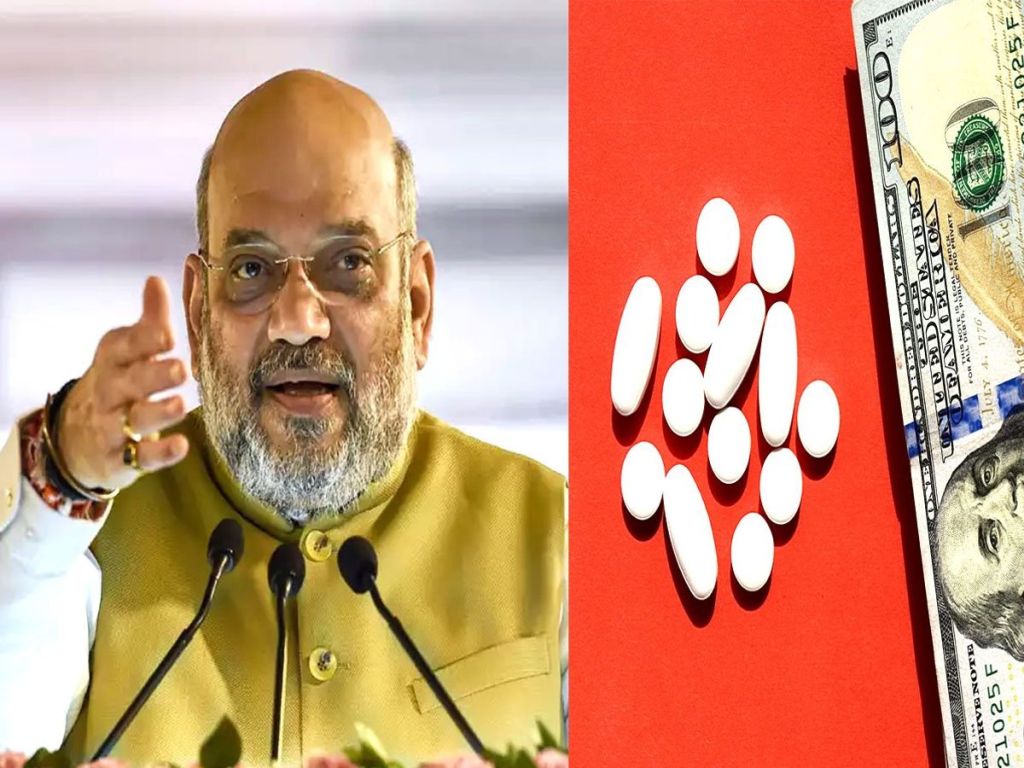
Because of illicit drug trafficking from Afghanistan and Pakistan poses a threat to India’s polity and economy. This issue requires serious attention from policymakers and law enforcement organizations before it is too late to intervene. Similar contention was also made by India’s home minister, Amit shah. He recently visited the National Forensic Sciences University (NFSU) in Gandhinagar to unveil the Centre of Excellence for Research and Analysis of Narcotic Drugs and Psychotropic Substances, which was established during Prime Minister Narendra Modi’s term as Chief Minister of the State of Gujrat. There he announced that India now faces the threat of narco-terror because of the rise of narcotics where drug traffickers and peddlers use drug money to promote their unlawful and disruptive operations. So to tackle this ongoing issue the Government has determined that narcotics would not be let into the nation, and that India will not be used as a transit point. He also mentioned that It is critical to put an end to this threat.
Talking about the inauguration he said that this Centre was chosen to be connected to Gujarat’s Forensic Science University when the government was constituted for the second time under Prime Minister Narendra Modi because to appreciate the university’s outstanding services, the union government had designated it as a national center of excellence. He further added that the administration emphasized the need of using scientific techniques to conduct faster and more effective criminal investigations. Therefore, Forensic science will play a significant part in this. He also commended the forensic science institution for its contributions to criminal investigations into cyber and drug-related crimes.
The theory of narco-terrorism stems from the realization that the two phenomena of drugs trafficking, and terrorism are inextricably linked, and that, as a result, a coordinated anti-drug and anti-terror policy can and must be employed to effectively combat both threats. Because of its nefarious partnership with terrorist groups, narcotic trafficking, which began as an organized cross-border crime, has now evolved into a menace to nation states.
Although it has been known for decades that there is a relationship between the drugs trade and terrorist organizations, as suggested by the name narco-terrorism, the international focus on terrorism after September 11, 2001, has intensified the attention given to the issue of narco-terrorism.
The Golden Crescent is the world’s greatest illegal opium production. In 1999, Afghanistan and Pakistan alone accounted for over 6000 metric tonnes of total illegal output. Because of this high-level production, narco-terrorism is increasingly linked to the reigns of central and southeast Asia. India being the southern part of Asia is concerned because these narcotics are a key source of money for Pakistani-sponsored terrorism in our nation. Also, India is the sole licit provider of opium to the international pharmaceutical sector, with an annual export income of roughly Rupees 209 crores in 1999. The economy of the Pak-Afghan border is based on poppy and cannabis cultivation. The drug money is being smuggled into the Indian money market in an unorganized but methodical way because of which financial institutions suffer.
Because of illicit drug trafficking from Afghanistan and Pakistan poses a threat to India’s polity and economy. This issue requires serious attention from policymakers and law enforcement organizations before it is too late to intervene. Similar contention was also made by India’s home minister, Amit shah. He recently visited the National Forensic Sciences University (NFSU) in Gandhinagar to unveil the Centre of Excellence for Research and Analysis of Narcotic Drugs and Psychotropic Substances, which was established during Prime Minister Narendra Modi’s term as Chief Minister of the State of Gujrat. There he announced that India now faces the threat of narco-terror because of the rise of narcotics where drug traffickers and peddlers use drug money to promote their unlawful and disruptive operations. So to tackle this ongoing issue the Government has determined that narcotics would not be let into the nation, and that India will not be used as a transit point. He also mentioned that It is critical to put an end to this threat.
Talking about the inauguration he said that this Centre was chosen to be connected to Gujarat’s Forensic Science University when the government was constituted for the second time under Prime Minister Narendra Modi because to appreciate the university’s outstanding services, the union government had designated it as a national center of excellence. He further added that the administration emphasized the need of using scientific techniques to conduct faster and more effective criminal investigations. Therefore, Forensic science will play a significant part in this. He also commended the forensic science institution for its contributions to criminal investigations into cyber and drug-related crimes.
Antioxidants are substances that prevent cell damage due to free radicals. It delays the oxidation rate.
Antioxidants help to maintain weight and proper vision. Supports immune system and improves mental health.
Free radicals cause chronic diseases like cancer, heart diseases, aging diseases. If free radicals are not efficiently removed, body does not function well.
Chewing tobacco, smoking, pollution, stress and radiation are some of the factors that excessively produce free radicals.
Antioxidants include well known enzymes and substances like Vitamin C, Vitamin E that counter damaging effects of oxidation.
Antioxidants can be natural or artificial. Food products like vegetable oils and prepared foods contain antioxidants to avoid reduction from the action of air. Fruits and vegetables have Vitamin C and E that are known to be effective antioxidants.
Foods Rich in Antioxidants –
Vegetables
Vegetables like broccoli, carrot, beetroot, avocados, radish, potatoes are all high in antioxidants. These vegetables have Vitamin C and E.
Green, leafy vegetables have excellent number of antioxidants. Green, leafy vegetables have more antioxidants compared to other vegetables.
Artichokes recommended to be included in a diet as it has nutrients and antioxidants for a good heart and liver. It is seen that boiling artichokes produces good antioxidant levels.
Red cabbage contains Vitamin C, A and K. It prevents cancer, helps reduce inflammation and maintains weight.
Fruits
Guava, mangoes, peaches, oranges, papaya, figs are all packed with vitamins. These fruits are highly recommended as they are rich in antioxidants.
Berries are well known for foods with vitamins and minerals. Usually, berries are consumed through bakery goods or salads. Raspberries and strawberries are both healthy foods for regulating high cholesterol levels.
Another health benefit of raspberry is that it is highly effective in case of breast cancer.
Nuts
Nuts are also known to have a lot of nutritional value. Nuts like macadamia, almond, cashews, hazelnuts should be part of your diet. You can start your morning with oatmeal and cereals to give your breakfast a healthy twist.
Pecans have high level of antioxidants and minerals. Eating pecans on a daily basis reduces risk of high cholesterol and increases blood levels.
Herbs and spices
Paprika, coriander, onions, ginger, garlic, cinnamon, cardamom are recommended for healthy diet.
Herbs like oregano, basil, tarragon contribute a punch of flavor to the meal and also have high antioxidant.
Dry Fruits
Dry fruits are quick and healthy snack. Can be carried easily anywhere you go. They are said to be rich in antioxidants as much as fruits. Raisins, plums, peaches can have added sugars so such dried fruits with added sugar should be avoided as it results in weight gain and high sugar levels. You should add dry fruits to your everyday meal.
Dark Chocolate
Chocolate is loved by children and adults. So, while eating chocolate make sure you eat dark chocolate, because it has impressive amount of antioxidant. It helps to reduce the risk of heart diseases and is beneficial for people with high blood pressure. High blood pressure is commonly found among people these days. The chances of high blood pressure can be decreased by consuming dark chocolate. It promotes good cholesterol in the body.
For a healthy body, one should include these foods that have high health benefits. Antioxidants are required by a body to reduce risks of potential chronic diseases and subsidize production of free radicals. All these foods are good source of antioxidants.


























 Eduindex News
You must be logged in to post a comment.