Over the years, Amul, one of the most beloved brands of our country, has become the taste of India, just as its tagline claims. Every Indian millennial has grown up listening to the jingles of its many dairy products, and the Amul girl, the brand’s mascot in the polka-dotted dress, has become a nostalgia-evoking symbol. Amul has truly come a long way since its founding in 1946.
The beginning
Amul was formed as a part of a cooperative movement against Polson Dairy in Anand, Gujarat, which procured milk from local farmers of Kaira District at very low rates and sold it to the then Bombay government. Everyone except the farmers benefited from this trade. The farmers took their plea to Sardar Patel, who had advocated farmers’ cooperatives since 1942. The result was the formation of the Kaira District Co-operative Milk Producers’ Union Limited in Anand.
The union started pasteurising milk produced by a handful of farmers for the Bombay Milk Scheme and grew to 432 farmers by the end of 1948. The rapid growth led to problems including excess production that the Bombay Milk Scheme couldn’t accommodate. To solve this issue, a plant was set up to process all that extra milk into products such as milk powder and butter.
Amul is born
The late Dr. Verghese Kurien, rightly called the Milkman of India, was Amul’s true architect. His journey at Amul began in 1949 when he arrived in Anand to manage a dairy as a government employee. He went from helping farmers repair machinery to revolutionising India’s dairy industry with the White Revolution (or Operation Flood), the largest dairy development programme in the world.
The new dairy with the milk processing plant was ready for operation in October 1955, the year that also saw a breakthrough in dairy technology —buffalo milk was processed to make products for the first time in the world. The word ‘Amul’, derived from ‘Amulya’, which means ‘precious’ or ‘priceless’ in Sanskrit, was used to market the range of milk products developed by the Kaira Union. It is also an acronym for Anand Milk Union Ltd.
Dr Kurien had a vision. He wanted to offer small-scale dairy farmers quality-control units and centralised marketing, which were missing at the time in the dairy economy. Thus, the Gujarat Cooperative Milk Marketing Federation (GCMMF) was created in 1973 to market milk and all milk products produced by six district cooperative unions in Gujarat. GCMMF is the largest exporter of dairy products in India and Amul is the umbrella for all of its products.
Awards, accolades, and a global presence
Over the years, Amul, together with GCMMF, has won numerous awards. Some of these include the Rajiv Gandhi National Quality Award, 1999; the Golden Trophy for Outstanding Export Performance, 2009-10; Best Marketing Campaign, 2014; and World Dairy Innovation Award, among many others. Amul earned recognition all over the world when GCMMF introduced it on the Global Dairy Trade (GDT) platform, where only the six top dairy players across the world sell their products.
More than a mere slogan
Amul’s famous slogan, which is now a part of its logo, was created in 1994 by Shri Kanon Krishna of a Mumbai-based advertising agency called Advertising and Sales Promotion (ASP). According to Amul, the Taste of India slogan is more than just corporate positioning or advertising jargon. This slogan lends meaning to the brand’s never-ending commitment to taking quality food and products to the rural man, which he otherwise couldn’t have afforded.
The Butter Girl
Amul did not always have the round-eyed moppet as its mascot. The Butter Girl was born in 1966 when Sylvester daCunha, the then MD of the advertising agency handling Amul butter’s account, created her for its campaign. It was a pleasant change from the dull, corporate ads that the previous agency had come up with. Being a seasoned marketer himself, Dr Kurien gave daCunha complete creative freedom to create and release the ads without taking the company’s permission. 30 years later, the Utterly Butterly Girl still wins hearts wherever she is, whether on a billboard or on the packet of butter.
Amul is not just a brand; it is also a movement that represents farmers’ economic freedom. The name is now a household term that is here to stay, and the chubby-cheeked Amul girl will continue to cast a spell on the public.
Many people believe that being physically healthy is a sign of good health, but do they even consider their mental health? Today I am going to discuss this particular topic called “Mental health of a human being”.
Today youngsters and even old people are very particular about their physical health. They join gyms, participate in various cardio activities to make themselves physically fit but what about their mental health? How people would understand whether they are mentally fit or not? And if they know, then how will they overcome it? Today in this era of competition in everything, being in studies or fashion or anything else, everyone is running a race and is trying to outshine each other. Because of this, they have forgotten that their mind should also be taken care of like anything else.
Anxiety and depression have now became a common issue for every individual. Some people try to hide their anxiety by talking too much or by remaining extremely quiet.
Have you ever wondered, everybody, talks about an illness like cancer, heart attack, migraine, etc very freely but when it comes to mental health, they often hide from everyone and consider it a shameful thing? No one openly talks about their mental illness because somewhere they think that it is shameful to share it with anyone. Even, if he/she talks about it openly then they get very little support and is stabbed by their friends in tougher times, which makes them weaker and lonely even when surrounded by a crowd. Nowadays there are some who understand this problem and openly help such victims. Else, earlier they used to tag that person insane and didn’t look after them.
But I want to convey to such people to come out, express yourself whatever you are feeling, either share it on your social media or talk with your loved ones, there are definitely people who will help you to overcome it. This is not something to be ashamed of, it is also a part of your health. Never feel low because of love failure, study stress or family problems, etc.
You are not alone in this. Your loved ones are standing behind you to support you.
And in the end, I would like to convey my message to those who take mental health for granted that please don’t judge people in any way. You have no idea about what a person is going through. So, LIVE AND LET LIVE.
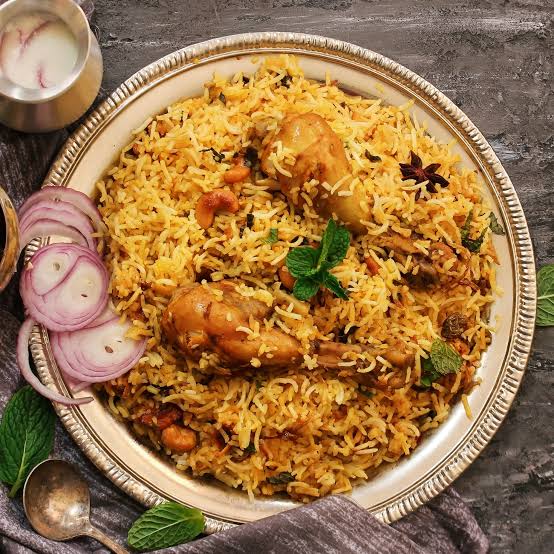
The origin of biriyani in India is uncertain. Many theories are put forward in the origin of Biriyani in our country. The delicacy is considered as a food pride of our country. According to historian LizzieCollingham, the modern biryani developed in the royal kitchens of the Mughal Empire (1526–1857) and is a mix of the native spicy rice dishes of India and the Persian pilaf.Indian restaurateur Kris Dhillon believes that the dish originated in Persia, and was brought to India by the Mughals. Pratibha Karan the author of the book “Biriyani” says that it is derived from a South origin dish called pilaf . She speculates that the pulao was an army dish in medieval India. Armies would prepare a one-pot dish of rice with whichever meat was available. Over time, the dish became biryani due to different methods of cooking, with the distinction between “pulao” and “biryani” being arbitrary.
Biriyani ❤️
INGREDIENTS
The spices and condiments used in biryani may include ghee (clarified butter), nutmeg, mace,pepper, cloves, cardamom, cinnamon, bay leaves, coriander, mint leaves, ginger, onions, tomatoes, green chilies, and garlic. The premium varieties include saffron.
The main ingredient that usually accompanies the spices is chicken or goat meat; special varieties might use beef or seafood instead. The dish may be served with dahi chutney or raita, korma, curry, a sour dish of aubergine (brinjal), boiled egg, and salad.
The taste of India
VARIETIES OF BIRIYANI
There are many types of biryani, whose names are often based on their region of origin. For example, Sindhi biryani developed in the Sindh region of what is now Pakistan, and Hyderabadi biryani developed in the city of Hyderabad in South India.
Some have taken the name of the shop that sells it, for example: Haji Biriyani, Haji Nanna Biriyani in Old Dhaka, Fakhruddin Biriyani in Dhaka, Students biryani in Karachi, Lucky biryani in Bandra, Mumbai and Baghdadi biryani in Colaba, Mumbai. Biryanis are often specific to the Muslim communities where they originate; they are usually the defining dishes of those communities.
KOLKATA BIRIYANI
Calcutta or Kolkata biryani evolved from the Lucknow style, when Awadh’s last Nawab Wajid Ali Shah was exiled in 1856 to the Kolkata suburb of Metiabruz. Shah brought his personal chef with him. The Kolkata biriyani is characterized by the unique presence of potato in it, along with meat. It is said that the Nawab, having is lost his kingdom, could not afford meat, so his chefs tried to compensate by adding potato.
Kolkata biriyani
Biriyani is a dish which brings pride to our food culture Anuj Das
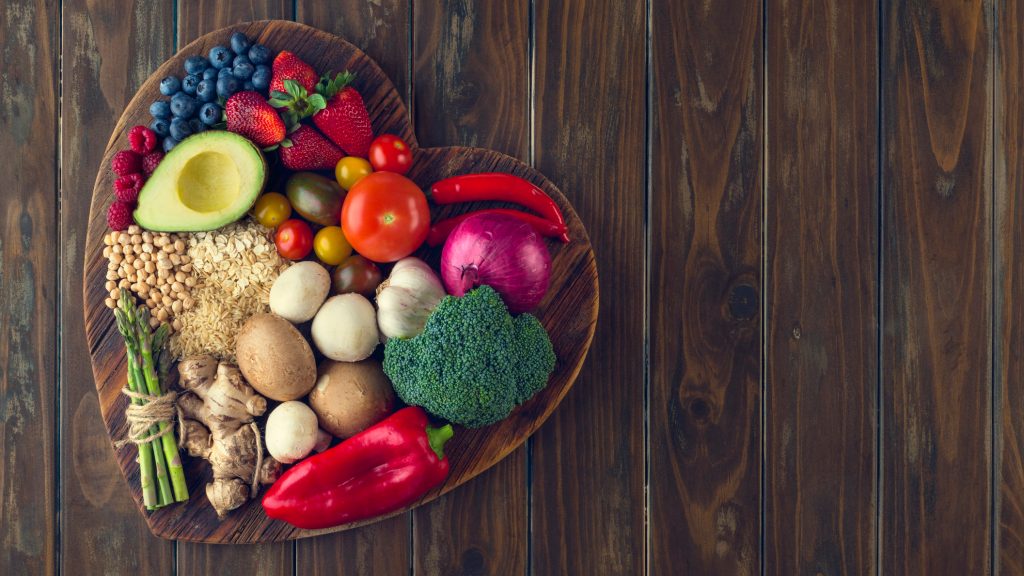
As we all know “Health is Wealth “, we all should take a good care of our health .A good health is equal to valuable treasure .With a good healthy body & mind you will be able to live a long & diseases pain free life , able to get success , & have a happy everyday lifestyle . There are some factors which will helps you to gain in this important field.
Yoga Practices : Yoga is some mental , physical spiritual actions for good mental & physical health .Some research already prove that yoga is an effective exercise for not only fitness of the body but also in mental health with other good improvement in health. WHO also have given positive feedback on yoga & made an 2018-2030 action plan for yoga practice .United Nation announce 21st June as the World Yoga Day .There are various types of yoga with various benefits . Naukasana (Boat Posture) ,Vakrasana((Twisted Posture) for belly-fat lose , Dhanurasana (Bow Posture) for weight-loss . Sukhasana (Easy Posture) ,Kakasana (Crow Posture), Bhujangasana (Cobra Posture), Sarvangasana (Stand On Shoulder Posture) ,Shirasana (Stand on Head Posture) etc are some yoga asana which help in many physical(Blood Circulation, Mussel Growth , Nervous System, Respiratory System, Blood circulation etc) & mental Health ( Relaxation, Mind-peace, sleeplessness, concentration, stress etc) .Only one yoga poster have many remarkable benefits which help to prevent some harmful diseases. Now a days many YouTube channels ,apps ,communities are there for as a yoga instructors . Even some school, college ,company have included yoga in their curriculum keeping the benefactor of yoga in mind .
Regular Exercise or, Workout at gym : Exercise or workout are also very helpful in maintaining fitness . You can do it in a gym using some workout machine & heavy weight equipment or you can do some workout exercise for body fitness as both are effective .Although some research show that there are some negative effects also .Exercise or workout helps in body fat loss , increase muscle strength , improve blood circulation, expand endurance level etc. Some machine used in gyms for workouts are mechanical treadmill , spring stretcher , Adjustable bench ,barbell stand ,cable crossover, lifting etc. Push-up ,aerobic exercise ,walk, squat, swimming ,cycling are some effective exercise . You can take a help from some apps , YouTube channels ,community ,gym ,professionals for doing such exercise or workout for fitness .
Eating Healthy Food: Yoga & exercise help in good health but health foods are also very important in this case .As we all know every vegetables ,fruits ,animal products have some nutritious value and help our body to gain protein ,vitamins, carbohydrates, fat in perfect amount for healthiness if we consume them in a systematic manners . Some nutrition value , and health benefits are mentioned below — 1)Spinach: It is a green vegetable with lots of Calcium, Iron, Vitamins (Vita-K ,Vita-A ,Vita-C) ,antioxidants .It helps in physical energy , clean blood for oxygen circulation, blood pressure reduction for good heart etc. which prevents some health issues . 2) Kale: It is leafy greens . It has 7 calories & some vitamins(A,C,K) as nutrition .It decrease the amount of BP , bad cholesterols & sugar in our blood . 3) Beets: It is a red- pinkish vegetable with good cholesterols , potassium ,antioxidants which helps greatly in diabetes & BP . 4) Carrots: It is a orange colors vegetables but it can also be purple or yellow . It has %2 types of calories , Vitamin A & a lot of amounts of beta carotenes which helps in skin problems , breast cancer ,eyesight . 5) Edible Mushrooms: It has various categories with special shapes ,size colors & very delicious . It has a great amount of Vitamin B-6 ,Vitamin C ,iron , protein & non-fat which it prevents cancer , diabetes , heart problem etc. 6) Lemons: it is sour juicy fruit lots of Vitamin C & antioxidants which works on cold flu , weight loss ,cancer , diabetes etc. 7) Apple: It is a popular health benefiting fruit which contains calories ,carbohydrates ,fibers , potassium etc. & works on cardio-vascular diseases . 8) Avocado: It is green creamy & quit expensive fruit with high amount of potassium ,calories & antioxidants & helps in lowering cholesterols &chances of heart disease . This is just given as an example for showing that every fruits & vegetables have good health nutation. As for animal products like milk , meat , eggs etc. also have lots of protein & other elements with is important for our body growth . So we can see every edible foods have certain amount of nutriments & we should consume them as much as our body needed . Neither less nor more . You can take a help from any app , nutrition in this case .
Good Habits : With the healthy foods , exercise & yoga ,we should develops some good habits for better health benefit , prevention of diseases . Some good habits are mentioned below —– 1) Early To bed & early to rise ,2) Drinking water after raising 3) Don’t go to bed as soon as your lunch or dinner is finished ,4) consume lots of water in a day ,5) do some exercise after eating , 6) yoga after raising 7)drinking mild hot water with lemon or honey in morning instead coffee 7) check about weight on daily or weekly basis 8) Do exercise or yoga in morning daily 9) Don’t drink cold water 10) Bath in morning 11) a healthy breakfast with fruits ,eggs . There are so many healthy habits & you should practices them as you needed but they are important .
The role of sports programs in promoting academic success, health and fitness, responsible social behaviors and self confidence among young people and how such programs could be expanded to reach those in great need. While sports can encourage good study habits as well as the expression of ethical behaviors such as fair play, integrity, sportsman spirit and compassion and the result can be counterproductive if these values are not modelled by parents and coaches. Polo has been referred to as “the sport of kings”. This sports requires more energy and enthusiasm , youth is the best age to begin participating in it. It is more than just a game; it is something to be enjoyed with all of one’s heart. Only when we enjoy what we are doing can we contribute our full potential to it.
Polo is not only for men, but women can also play it, and there is an equal increase in that. many people have a passion for this sport but they abandon their dreams because they do not receive enough support and encouragement from their family. polo is an expensive sport where one has to spend money to buy horses and the clothing’s etc. There are many sponsors who are ready to spend for the expenses, if the person financially not stable. There are numerous corporate entities eager to assist players. Most major cities have academies, including the Rajasthan Polo Club in Jaipur, the Greater Mahalaxmi Race Course in Mumbai, and the Jindal Academy in Noida. If there are people who can help them financially, there will be a large number of young people who want to play.
This game, like any other, has more risk factors. Only when the person is on top of the horse and maintains proper posture and balance will he be able to play smoothly. It necessitates greater concentration, as the player must maintain a keen focus on the ball, his opponents, and then ride the horse; all in all, it is extremely dangerous. When it comes to risk factors, young people find it more exciting because they enjoy adventure, and in this game, the player must be both mentally and physically active. A major issue for at-risk youth is that they have not had the kinds of experiences that success in life necessitates, such as personal discipline and the ability to persevere. Athletics can be an effective tool for teaching life lessons.
Polo helps to improve your balance, coordination, and motor function. When hitting a ball with a mallet on a moving horse, hand-eye coordination is put to the test to the fullest. According to research, polo has numerous cardiovascular and muscle conditioning benefits. Power to your muscles and a lower risk of injury come from your core, which is strengthened by polo. According to research, an hour of activity can burn the same amount of calories as a 30-minute jog or cycle. Increased ride speed and duration will increase the intensity of your workout and burn more calories.
It is critical to raise awareness among young people that participation in sports promotes their healthy development. It is critical that these awareness campaigns begin at home, where parents should teach their children the value of playing games and encourage them in any way they can. In schools, students have one period allotted to them outdoor where they can play whatever games they want. However, not a single school provides students with polo guidance, despite the fact that these students are more familiar with cricket and football. This could be because polo is played on the top of a horse, and as a result, schools may not be able to discuss it, proper guidance that is what needed. So, just like any other sport, polo should be well known among students, and let us hope for a world where there are children who are as enthusiastic about polo as they are about cricket and football.
When a young person uses the Internet or technology to harass, threaten, embarrass, or target another person, this person is called a cyberbullying. Typically, cyberbullying involves tweens and teens; but it’s not uncommon for adults to experience cyberbullying and public shaming as well. Even if someone deletes a mean post, chances are it’s still available in some form such as in a screenshot or a shared text message. Worse yet, those targeted by cyberbullies often don’t know who is bullying them, so they often have no way to bring it to an end.
Impact of Cyberbullying
If your child is being targeted by cyberbullying, it’s important that you work with them to report the cyberbullying and do everything you can to get the victimization to stop. Additionally, you should talk to their pediatrician or a mental health professional about what your child is experiencing. Expecting your child to cope with the cyberbullying on their own is not realistic. Cyberbullying also can lead to increasing levels of anxiety and depression. One study found that as many as 93% of kids victimized by cyberbullies reported feelings of sadness, hopelessness, and powerlessness.
Coping with Cyberbullying
Encourage your child to reclaim control. Cyberbullying can make teens feel like their lives are out of control. For this reason, you want to give them opportunities where they feel like they have some control. One way to do this is to encourage your child to use what they have experienced and turn it into something good like helping others going through the same thing.
Focus on learning from the experience. Whether your child needs a boost to their self-esteem or they need to learn to think positively, help your child identify what they can learn from this experience. You also can help them reframe their experience and focus on the good that has come from it rather than the pain that it caused.
The monsoon rain is believed to be a blessing as well as a curse. When the rain comes down in sufficient quantity, it is a blessing for us after the scorching heat of summer and also for the farmers because the crops grow in abundance. After the dry summer spell the rivers fill up. Fed by the monsoon rain the rivers become furious in size and volume in the rainy season. At that time water runs down from hills and mountains and strong currents overflow the banks of the rivers. Sometimes crops are washed away by flood water on both sides of the river. When the flood becomes more furious, some domestic animals are drowned. The roads and national highways are inundated, and people become homeless. They are bound to starve for a number of days. The whole system of economy of the rural areas as well as urban areas is miserably hampered by the floods in the rivers. The heavy rains in the highland regions cause soil erosion. The rainwater gushes down bringing with it all the top soil and plants. This makes the river water very muddy. Sometimes big trees are uprooted and they too flow down the river.
So, to control floods dams are erected on some of the rivers to check such devastating floods. When the volume of water is controlled through dams, flood is stopped, and it causes good harvest by the useful use of the river water. Thus, sometimes the rivers become a curse and sometimes a boon in the rainy season.
So we always hope for moderate but sufficient rainfall so that the rivers in the rainy season remain manageable.
This pandemic has proven dangerous to human breed, in the past two years the humankind has experienced a lot of negativities and we still are. When, a year passed into the pandemic people were like better days be coming. its just a phase, it will pass and we all will be back to normal but, somehow the flashing headlines on TV which are now forecasting third wave is making things complicated for many. Currently, every single person is been affected by the ongoing pandemic it can be in the form of financial loss or even the loss of mental health. During this whole time no matter how much, we try to get detached from that unusual feeling which can look like boredom, constant pressure and stressing about future or present or not trying to make efforts we often end up thinking about the same whole day.
This is the influence of a global pandemic. Just like social media can influence a person in a good or bad way same goes with the ongoing situation. We are experiencing some unusual changes in our daily life many people have updated their habits healthy eating, meditation, yoga etc. reason can be that they have observed that health is important than anything else on the other hand there must be people who used to be happy and cheerful can be sitting alone in the house, not in contact of any close friend and depressed. We can not say its totally normal because adapting to few things is still a difficult task just like taking online classes can be normal but, not when they are imposed permanently and there is no other option left Afterall we have to get our degree. Many people among us must be thinking that they are missing out so much by just sitting home and yes we are. Every age group is missing out on something or the other and also wondering how different I was two years back or how I was enjoying so much two years back. But, we should all be thankful and grateful for what we have right now. Yes we cannot go out and have fun but, at least we are able to afford the basic necessities of life, we are safe in our houses, we have family and friends. as there are people who are suffering right now who are in the worst situation.
We live on hope, it is what keep us alive and motivate us to keep going. As humans we are still hopeful for better days to come, things will be in better condition. The important thing is to learn our lesson and keep looking forward instead of stressing on past, present or future facing the current situation and accept things the way they are but, not forgetting to improve ourselves be it personally, professionally, mentally, emotionally or physical. Focusing on the positive aspect of life is the main aim, it will not only save you from negativity that can spread but, it will surely strengthen us inside.
The activities human does has its impact directly on the environment which in turn affect humans in the long term . In the last two centuries the concern for the environment protection arose first during the Industrial Revolution in Europe which changed the entire dynamics of the world leading to revolutionary changes but the burning of coal to run the machines in the industries led to smoke pollution. With time as the number of industries increased globally so did the number of harmful pollutants released in the air causing high smog level, acid rain , respiratory diseases among many other things. It was not just the air but also the water where the waste from industries was directly released making water misfit for humans as well as posing threat to the animals in there. Everything on the surface of earth is interrelated , the cycle of destruction which once starts consumes everything within it fueled by the human greed. Extensive mining , improper waste disposal, excessive noise from honking of cars and other sources leads to different forms of air, soil and noise pollution . Over the years, different governments have come up with different plans to preserve and protect the natural resources and environment along with various methods to reduce the negative impact of globalization and industrialization on the environment.
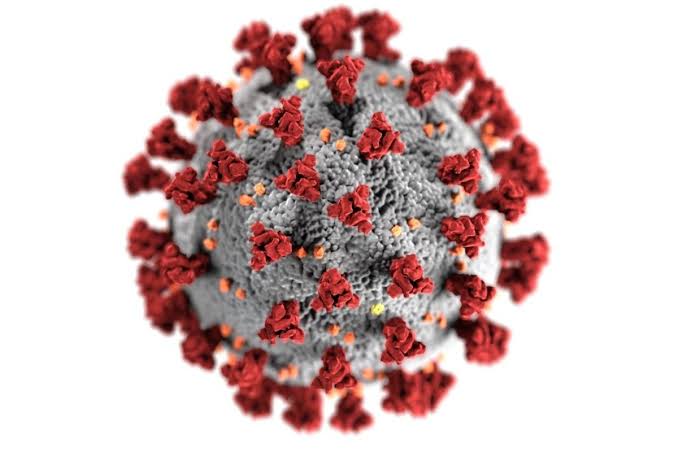
The covid-19 pandemic which hit the world in early 2020 and has claimed almost a million lives till now had the countries going into the complete lockdown to prevent the further spread of the disease. Lockdown ceased the normal routines of the people as everyone was caged inside their houses with many loosing their jobs, many getting rest from the normally hectic lives, the conditions of the medical professionalists being worse as they had to deal with a foreign deadly disease which they had no idea about. The lockdown which closed all industries and workplaces brought down the world economy to a major level. Despite all these hardships, the only positive thing which happened was the clearance of the environment such as air and water which had been polluted beyond repair by the humans.
Everything has its own pros and cons. This blogs will tell you about the positive and negative impact of covid-19 on environment.
Positive impacts
There was a phenomenal reduction observed in the emission of green house gases such as carbon dioxide , methane and nitrous oxides due to closed industries and shut down of transportation which led to cleaner air. According to a study, China which had an average of 2,00,000 metric tones of carbon dioxide emission saw the emission being reduced by 25% which according to the Earth system scientists saved the lives of over 77000 people in two months. The decrease in air pollution brought with it 50% reduction of nitrogen dioxide and oxides of carbons levels which also decreased the rain in that particular time period being acidic. Acid rain which had led to many diseases and corrosion of metals and monuments such as our mighty Taj Mahal is caused by the combination of nitrogen dioxide with oxygen and water vapor present in the atmosphere which leads to the production of the harmful nitric acid along with water.
India, where the AQI(Air Quality Index) had worsen in the last decade, saw a drastic improvement in the air quality. The AQI obtained by the Central Pollution Control Board(CPCB) was assessed by comparing the level of pollutants degrading the air quality( PM10, PM2.5, Carbon monoxide and sulphur dioxide) in the unlock (pre covid-19) phase to that in the four lockdowns which the country experienced. It was observed that there was a gradual to rapid reduction in the level of these harmful pollutants and increment in ozone concentration due to the reduction in Nitrogen dioxide concentration by almost 80%.
Water Pollution which is a major problem in India and Bangladesh with industries releasing their waste water without its proper treatment in the water bodies causing the decrease in oxygen level in the water affecting the aquatic life present there and also making it unfit for human use. According to various reports, the Ganga and Yamuna rivers of the country which were one of the highly polluted rivers due to the dumping of garbage and industrial releases pre covid showed the signs of rejunevation during the lockdown. No discharge of harmful affluent in these water bodies led to the decline in nitrite concentration in water increasing the dissolved oxygen level. Further, it was reported that the districts in Ganga river basins experienced 60% more rainfall than what it normally experiences which led to the increased discharge of water in river further contributing towards the dilution of remaining pollutants.
Also, the animals which were rarely found in open such as the sea turtles finally retreated to their original natural habitant with many sea turtle and rare species of fishes being spotted in the open and on the beaches which were deserted in the lockdown.
Negative Impacts
People were advised to use masks and gloves as a precaution against covid-19. The inappropriate disposal of masks and gloves along with other bio medical waste which was used to treat the covid-19 patients will lead to more harm in the long term. Governments advised people against the open disposal of the bio medical wastes but lack of proper knowledge led people to do the otherwise contributing in the water and soil pollution.
Also, the flora and fauna which was protected by human guards against the illegal human activities was also at risk. As with lockdown, decrease in man power guarding the reserved forests and sanctuaries decreased which led to the increase in illegal deforestation, wildlife hunting among other things.
Covid-19 can be seen as the nature’s warning to humans to stop interfering in the natural things and to mend its relation with the environment , else the consequences will be terrible.
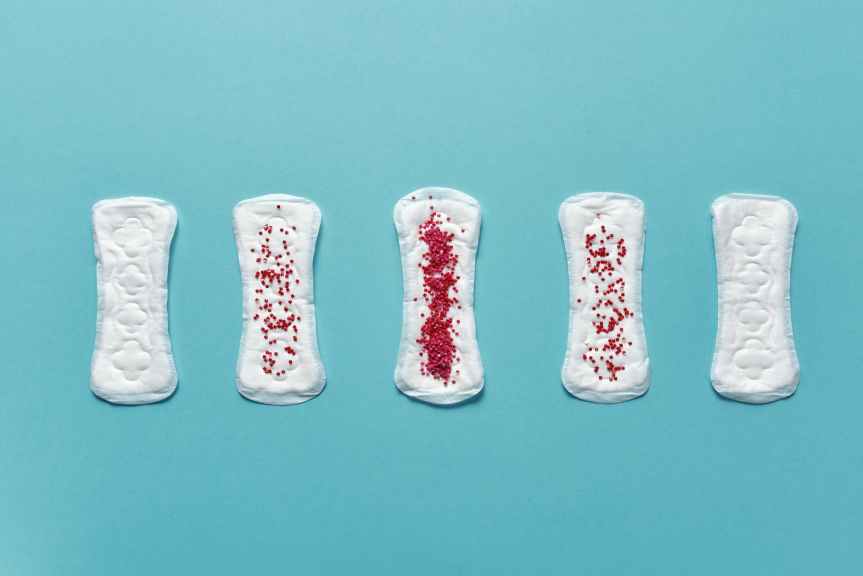
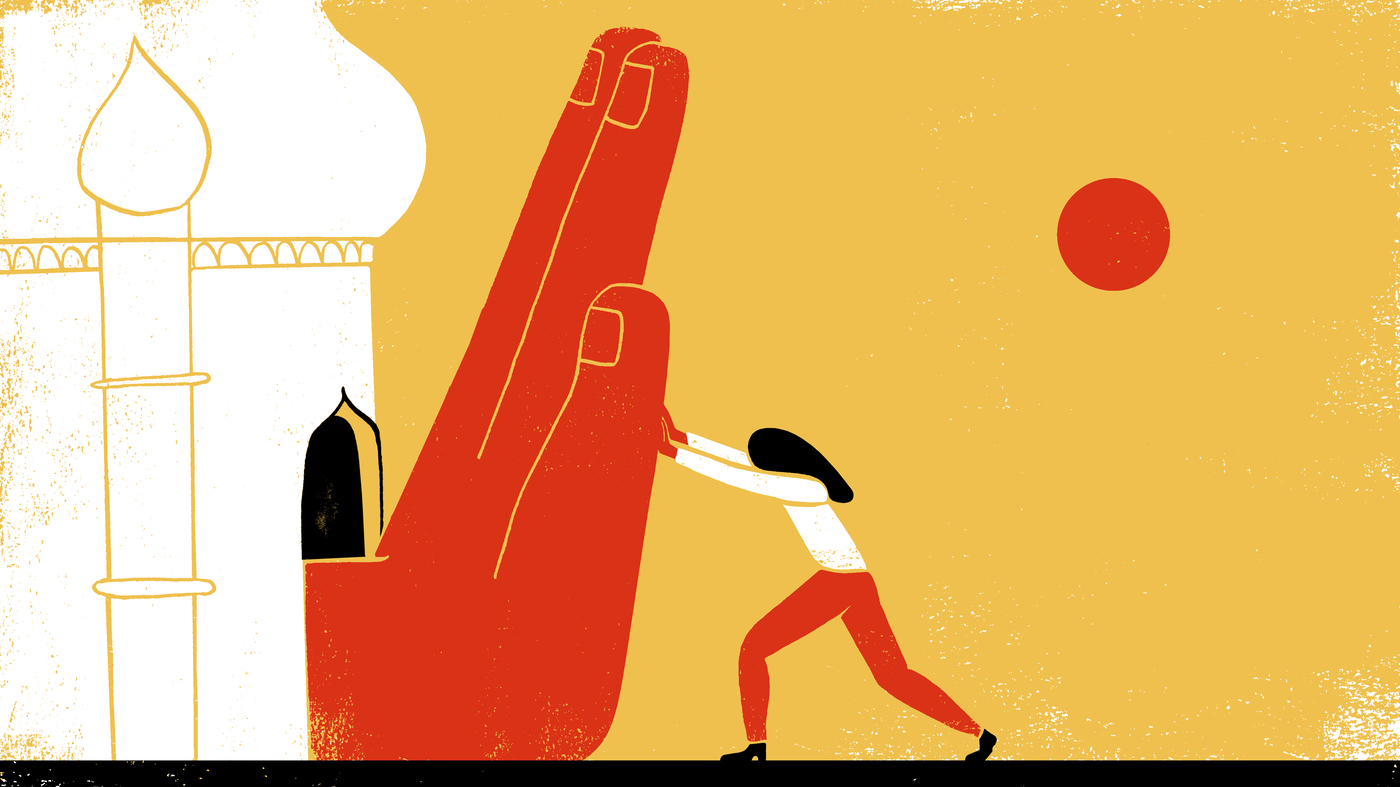
Menstruation has always been surrounded by taboos and myths that exclude women from many aspects of socio-cultural life. Not entering the temples and kitchens during menstruation is a major restriction for rural girls and women from orthodox families. They are believed to be unhygienic, inpure and unclean and hence their touch is considered to be contaminating.
“A menstruating woman is impure, she cannot enter holy places”
“Don’t enter the kitchen, don’t cook or touch the food, it will go sour”
Such taboos about menstruation present in many societies impact on girls’ and women’s emotional state, mentality and lifestyle and most importantly, health. About 23% of girls in India, mostly from less economically developed areas drop out of school when they begin menstruating. The monthly menstruation period also creates obstacles for female laborers. The gender – unfriendly work environment, infrastructure and the lack of adequate menstrual protection alternatives and clean, safe and private sanitation facilities for female workers undermine the right of privacy. Over 77% of menstruating girls and women in India use old cloth, which is often reused. This increases susceptibility to infection, putting them at the risk of being stigmatized.
The first and foremost strategy in this regard is raising the awareness among the adolescent girls related to menstrual health and hygiene. The need of the hour is to disseminate the same knowledge and normalize this concept among the male community, since most women shy away from discussing about it due to lack of support from their male partners and other family members. Provision of sanitary napkins and adequate facilities for sanitation and washing should be made available with the gender perspective.
We need to rise above all odds and link physical infrastructure and sanitation projects to health education and reproductive health programs and address the issue in more holistic ways because
Menstruation is a very normal biological phenomenon, and society should understand that women have the power of procreation just because of this virtue. TALK ABOUT IT!
Pandemic has a huge impact on the sleep pattern of the people around the world. Some of them are tossing side to side to get a proper sleep during night time, other stay long awake but unable to regulate their usual pattern. Many experts also suggested that these days people often faces troubled sleep, with many going to bed far later and sleeping longer than usual.
Image: Shutterstock
Our sleep schedules do vary from person to person, depending in large part on the environmental causes. Because according to our circadian clock , that control our sleep schedules are sensitive to light like things like how much sunlight we’re exposed to throughout the day and what types of light we’re exposed to at night affect our sleep schedules. It’s really a huge problem, having a disrupted sleep schedule can result in deteriorating sleep pattern. But this will led to severe health ailments linked to several chronic health problems, such as sleep disorders, obesity, diabetes, depression, bipolar disorder, and seasonal affective disorders etc.
Image: Banala lite
But there are some suggested ways to get our disrupted sleep back on track:
A proper bed time routine: Try to stick to a schedule of sleep, like keeping your sleep-wake cycle the same. Our bodies have a circadian rhythm and walking up at different times disrupts it. The less you deviate from your normal bed and wake up times, the better you sleep. To get to sleep earlier, even doctors recommends going slowly and in small increments, adjusting no more than 15 minutes earlier every two to three days.
A touch of nature: Get a good amount of sunlight every morning. It serves an important purpose: it shuts down the release of melatonin, this hormone promotes sleep. Aim to get at least 15 minutes of sunlight every morning.
Image: NPR
Cut off caffeine before sleep: Caffeine has a half-life of six to eight hours and a quarter-life of 12 hours. That means if you drink coffee at 4 pm, you’ll still have a quarter of the caffeine floating around in your brain at 4 am.
Limit your drinking habit: Alcohol suppresses REM sleep cause sleep disruptions. If you drink alcohol, limit that to two drinks or stop the intake at least three hours before bed.
Limit the screen timings: Avoid screen timings just before going to bed. As blue light of mobile screen interfere with sleep habits by sending wrong signals to stay awake. But many of us do it anyway. Avoid screen time before 2 hours of going to bed.
Journaling: You can’t get a proper sleep if something is bothering you, it’s always better to pen down your worries in a diary. Making this a habit can lessen your worries. Sit down with a blank piece of paper one to two hours before bed each night. Writing down your thoughts, especially anything that is bothering you. It will help you to schedule your activities and calm your mind.
Image: Unsplash
Meditation and Music: Meditation eases your woes by giving a direction to your thoughts. To get a proper sleep one should practice this 10 minutes daily routine. On the other hand, music calms mind and listening to a relaxing one will help to achieve sleep.

Avoid sleeping at day time: To promote better sleep one should avoid day time nap, so as to get a better sleep at night.
Environment: Make a good sleeping environment like switching off unnecessary lights and put on the curtains to prevent the entry of noise and lights. Take a warm bath and play some relaxing music, for instance. Make sure your bed is comfortable, the room is dark, and the temperature is not too warm.

These are the ways which enable us regain our disturbed sleep pattern. Sleep, itself promotes body healing. So, this is advised to get a proper 7-8 hours of sleep during night time.
This article of mine will fill you with the knowledge of how mare the method of growing a vegetable, grains, fruits, leads you to good health, & how those grains will fill you with energy. Every one have heard of the slogan, “ EAT ORGANIC , STAY FIT” , but do you know how these organic foods or grains are grown ? Organic food is grown without the use of synthetic chemicals, such as human-made pesticides and fertilizers, and does not contain genetically modified organisms (GMOs). They are free from man made pesticides & fertilizers & hence leads to good heath.
Organic refers to the way farmers grow and process agricultural products. Practices vary worldwide; however, organic foods are generally grown without synthetic pesticides, fertilizers or routine use of antibiotics or growth hormones. Organic farming supports biodiversity by choosing appropriate species of plant & animal. Farmers use crop rotation technique , this is a technique in which different types of crops are grown over different seasons on the very same land , it helps in controlling soil erosion & maintaining soil fertility.
I think you all will love to know the benefits of organic food , after all all of us are interested in living a healthy life . some of the core benefits of organic food are :
Organic food have no pesticides , hence its free from harmful chemicals.
organic food is often fresher because no preservatives are used & that is what makes it last longer than usual grains.
When it comes to meat and milk, organic products can have about 50% more omega-3 fatty acids, a type of unsaturated healthy fat, than conventionally produced products , which is good for health .
Last I would like to conclude , Organic products are more expensive than conventional ones, and whether they’re really worth the extra cost is certainly a matter of choice. “If you can afford all organic, that’s fantastic, but it’s not feasible for most people,” , but just to inform you all , those extra money which you will spend on organic food will be worth for , specially to you health.
While mass vaccination drive is going on around the whole globe,news of emergence of Third wave of coronavirus have started to surface. WHO (world Health organisation) have also warned about the third wave in Europe. Cases recorded in this wave are of ‘Delta-variant’ of coronavirus.
Second wave of coronavirus caught us all off-guard and hit us hard and many lives were lost and there was a State of panic amongst us all for few months, due to this wave of coronavirus. After, passing of this second wave, people flocked the hill stations and flouted covid norms. Even, in markets people are walking without masks and not taking necessary precautions.
Tourists in Manali
Alarmed by this situation government of India have warned the citizens about this 3rd wave. Lav Agarwal, Joint Secretary, Health Ministry, on Tuesday said that the third wave of Covid-19 may be caused due to the gross violation of covid appropriate behavior. He told that :
We would like to request to everyone- when we talk about the third wave (of COVID-19), we are taking it as a weather update and not understanding its seriousness and our responsibilities associated with it
Lav Agarwal (joint secretary, Health ministry, GOI)
According to union health ministry data on Tuesday there were 32,906 new cases of Covid-19 and 2020 related fatalities, which pushed the overall tally to 30,905,819 and the death toll to 410,784.
Markets are open and govt offices and school’s are running with 50% capacity, but the way in which common people are violating the covid-19 precaution guidelines, day is not far when we’ll have to pay for this type of behaviour. If situation remains like this, then the government in order to control the spread may impose lockdowns and come up with strict measures.
Hill Stations will be there,if we’ll be safe,then we can visit there later on. We need to learn from our mistakes commited during the second wave of pandemic and try not to repeat them this time.
Government is preparing on its behalf to face up with the inevitable third wave of pandemic. We all as a responsible citizen should adhere with the government guidelines and take precautions,then we can defeat this pandemic.
In short, yes, dogs can eat apples, but there are a few things to consider before feeding them to your dog. These fruits are high in nutrients that are good for your dog’s health, but there are some things to avoid, such as the cores and seeds. Moderation is crucial with apples, as it is with anything nice, because too many apples can cause stomach discomfort in dogs.
However, before offering the apple to your dog, make sure it is free of the core and seeds. The seeds contain a very small quantity of cyanide, which is released only when they are eaten. Therefore, eating a couple of pips is unlikely to cause issues, just as it is in people.
They are healthy occasional snacks that can be quite refreshing and pleasant if served carefully and safely to your dog. Before offering your dog human foods, such as apples, you should always consult your veterinarian.
Apples are an excellent source of vitamin A, vitamin C, and dietary fiber for your dog’s diet. They also assist in keeping your dog’s teeth clean and freshening their breath.
What Benefits Do Apples Have For Dogs?
Apples can be a low-cost, high-nutrient food for dogs, as long as they’re offered in moderation. They’re low in protein and high in fiber, which can help with digestion and make them an excellent option for dogs on restricted diets that don’t allow for a lot of protein and fat. This is particularly beneficial for senior pets or canines suffering from specific ailments.
They’re also high in calcium and phosphorus, as well as vitamins A, C, and K. These fruits’ antioxidants may aid in the prevention of cancer and the treatment of joint disease symptoms. Dogs’ dental health and breath can also be improved by eating apples.
When Is It Bad For Dogs To Eat Apples?
When giving apples to dogs, the seeds and cores are the most important items to keep an eye out for. The seeds contain cyanide, which is poisonous in trace levels. It would take a large number of seeds to cause cyanide poisoning, so if your dog consumes a few, he is unlikely to be harmed. Even so, putting your dog’s health in danger is unnecessary. Therefore, remove the seeds before feeding your dog apples. Some people believe that stems are also hazardous, therefore it’s preferable to remove them as well. The apple’s core is solid and difficult to eat for most dogs. It is a choking hazard and can cause gastrointestinal blockage if ingested.
Because apples contain sugar, they should be consumed in moderation. Sugar can cause difficulties for dogs with cancer or diabetes, which is another reason to consult your veterinarian before providing it to your pet. Furthermore, even in healthy dogs, eating too many apples might cause stomach distress or diarrhoea.
Sugar, artificial flavors, and chemicals are frequently included in apple-flavored or apple-containing items. Always check the labels before giving your dog any human foods, and stay away from additional sugars, artificial sweeteners like xylitol, and new substances, as they can be hazardous. Because many apples from shops are coated with additives that make them shiny, it’s best to buy organic apples. Any fruit you purchase should be washed because they may contain herbicides or pesticides. It’s possible that your dog will be allergic to it, just like most foods. Anaphylaxis, a potentially fatal illness, can occur in rare cases as a result of allergic responses. Stop feeding these fruits to your dog if you notice any signs of an allergic response, such as coughing, sneezing, swelling, hives, difficulty breathing, or other symptoms. Contact your veterinarian right away.
What Is The Best Way To Feed Apples To Your Dog?
Before feeding your pets human food, consult your veterinarian. Apple consumption may aggravate medical issues in some dogs. Once your veterinarian has given you the go-ahead, wash any fruits you wish to feed your dog, remove the stems, seeds, and cores, and chop them into bite-sized pieces. Apples can be served to dogs in a variety of ways. You can freeze them and eat them as a cool summer snack. They can be blended with other nutritious fruits to produce a wonderful smoothie, mashed into a homemade applesauce, or mixed in with your dog’s food for a sweet treat.
To summarize, dogs can eat apples, but they must be consumed in moderation. Apples are only treats, not a replacement for the dog’s usual diet. It means that your dog only needs one apple each day. Don’t be afraid to give your dog apples as a treat. Just remember to core the apple and discard all of the seeds inside. Keep the portions small enough so your dog’s coat shines, he doesn’t get diarrhoea, and he’s a happy camper.
Coffee is a daily ritual in the lives of millions of humans around the globe. coffee is the most valuable legally traded commodity in the world. We love it, we rely on it, and we drink it in massive quantities. It is estimated that 2.25 billion cups of coffee are consumed each day worldwide. New Yorkers are said to drink 7 times the amount of any other U.S. city, which is why it may seem like there is a Starbucks on every corner of Manhattan. Famed French writer and philosopher Voltaire was rumored to have drunk 40 – 50 cups per day.
As with most foods that have been around for centuries, coffee’s beginnings are enveloped in mystery and lore. There is a popular Ethiopian legend wherein coffee is discovered by a goat herder named Kaldi, who found his goats frolicking and full of energy after eating the red fruit of the coffee shrub. Kaldi tried the fruit for himself and had a similar reaction. After witnessing their strange behavior, a monk took some of the fruit back to his fellow monks; they too spent the night awake and alert. Of course, they would have been reacting to coffee’s high dose of caffeine. This natural stimulant also serves as an inborn plant pesticide, protecting the coffee fruit from insects.
Before coffee became our morning beverage of choice, it appeared in a variety of different preparations. In its most basic, unprocessed form, coffee is a cherry-like fruit, which becomes red when ripe; the coffee bean is found at the center of the red coffee fruit. Early on, the fruit were mixed with animal fat to create a protein rich snack bar. At one point, the fermented pulp was used to make a wine-like concoction; incidentally, a similar beverage was made from the cacao fruit, before the advent of chocolate, which goes to show that humans are especially adept at finding new ways to imbibe. Another drink that appeared around 1000 A.D. was made from the whole coffee fruit, including the beans and the hull. It wasn’t until the 13th century that people began to roast coffee beans, the first step in the process of making coffee as we know it today.
HISTORY OF COFFEE:
Wild coffee plants, probably from Kefa (Kaffa), Ethiopia, were taken to southern Arabia and placed under cultivation in the 15th century. One of many legends about the discovery of coffee is that of Kaldi, an Arab goatherd who was puzzled by the strange antics of his flock. About 850 CE Kaldi supposedly sampled the berries of the evergreen bush on which the goats were feeding and, on experiencing a sense of exhilaration, proclaimed his discovery to the world.
The modern version of roasted coffee originated in Arabia. During the 13th century, coffee was extremely popular with the Muslim community for its stimulant powers, which proved useful during long prayer sessions. By parching and boiling the coffee beans, rendering them infertile, the Arabs were able to corner the market on coffee crops. In fact, tradition says that not a single coffee plant existed outside of Arabia or Africa until the 1600s, when Baba Budan, an Indian pilgrim, left Mecca with fertile beans fastened to a strap across his abdomen. Baba’s beans resulted in a new and competitive European coffee trade.
Coffee was introduced into one European country after another throughout the 16th and 17th centuries. Many accounts are recorded of its prohibition or approval as a religious, political, and medical potion. By the end of the 17th century, coffeehouses were flourishing across Britain, the British colonies in America, and continental Europe.
By the 20th century the greatest concentration of production was centred in the Western Hemisphere—particularly brazil. In the late 19th and early 20th centuries, industrial roasting and grinding machines came into use; vacuum-sealed containers were invented for ground roasts; and decaffeination methods for green coffee beans were developed. After 1950 the production of instant coffee was perfected. The popularity of instant coffee led to increased production of the cheaper Robusta beans in Africa.
In 1616, the Dutch founded the first European-owned coffee estate in Sri Lanka, then Ceylon, then Java in 1696. The French began growing coffee in the Caribbean, followed by the Spanish in Central America and the Portuguese in Brazil. European coffee houses sprang up in Italy and later France, where they reached a new level of popularity. Now, it is de rigueur for Parisians to indulge in a cup of coffee and a baguette or croissant at the numerous coffee cafes throughout Paris.
By the late 1800s, coffee had become a worldwide commodity, and entrepreneurs began looking for new ways to profit from the popular beverage. In 1864, John and Charles Arbuckle, brothers from Pittsburgh, purchased Jabez Burns’ newly invented self-emptying coffee bean roaster. The Arbuckle brothers began selling pre-roasted coffee in paper bags by the pound. They named their coffee “Ariosa,” and found great success selling it to the cowboys of the American West. It wasn’t long before James Folger followed suit and began selling coffee to the gold miners of California. This blazed the trail for several other big name coffee producers, including Maxwell House and Hills Brothers.
PROCESSING OF GREEN COFFEE :
HULLING :
The ripened fruits of the coffee shrub are known as coffee cherries, and each cherry generally contains two coffee seeds (“beans”) positioned flat against one another. About 5 percent of cherries contain only one seed; called peaberries, those single seeds are smaller and denser and produce, in the opinion of some, a sweeter, more-flavourful coffee.The cherries are processed by disengaging the coffee seeds from their coverings and from the pulp and by drying the seeds from an original moisture content of 65–70 percent water by weight to 12–13 percent; all beans must be removed from their fruit and dried before roasting. Three techniques are used for processing the coffee: the dry, or “natural,” process, the wet (and washed) process, and a hybrid process called the semi-washed, or “pulped natural,” method. The coffee resulting from those processes is called green coffee, which is then ready for roasting.
THE DRY PROCESS :
The oldest and simplest method of processing coffee, requiring little machinery, is practiced in dry climates such as those of Brazil and Ethiopia. After the fruits have been sorted (often by hand) and cleaned (via running water or washing canals or in large tanks), they are placed in the sun to dry on concrete, brick patios, or raised mats. The cherries are frequently raked or turned by hand to shift them onto the driest surface and to prevent fermentation and mold. The drying process may take several days or up to four weeks. The drying process is critical: overdried coffee will break, forming defective beans, and coffee too moist can deteriorate quickly if attacked by fungi and bacteria. When the fruits have been dried to a water content of about 12–13 percent, they are mechanically hulled to free the seeds from their coverings. In rainy regions where humidity and rains during harvest time are common, the dry process is obviously not practical.
THE WET PROCESS :
The wet process requires more equipment than the dry method but produces beans that are better preserved and more homogenous and have fewer defects. Most Arabica coffees are produced by the wet method, and they generally command a higher price.In the first step of the wet process, the skin and the pulp of the fresh fruit are removed by a pulping machine, which consists of a rotating drum or disk that presses the fruit against a sharp-edged or slotted plate, disengaging the pulp from the seed. Pulp still clings to the coffee seed, however, as a thin mucilaginous layer. That layer is eliminated by fermentation, actually a form of digestion in which naturally occurring pectic enzymes decompose the pulp while the wetted seeds are held in tanks for one to three days. Washing clears all remaining traces of pulp from the coffee seeds, which are then dried either by exposure to sunlight on concrete terraces or by passing through hot-air driers. The dry skin around the seed, called the parchment, is then mechanically removed, sometimes with polishing.
The “pulped natural” process:
A third method, called pulped natural, is a hybrid of dry and wet processing. Pulps are removed mechanically, but the beans are dried without any intermediate fermentation, and the mucilage is not removed until after drying. Beans thus treated have a good balance of sweet and acidic notes.
GRADING AND STORAGE :
The practice of grading and classifying coffee gives sellers and buyers a guarantee concerning the origin, nature, and quality of the product to aid their negotiations. Each coffee-producing country has a certain number of defined types and grades—based on characteristics such as growing altitude and region, botanical variety, method of processing, roast appearance, and bean size, density, and defects—but there is no universal grading and classification system. Fair Trade coffee, part of the larger Fair Trade movement, arose to ensure that coffee is harvested and processed without child labour and dangerous herbicides and pesticides and that growers and exporters, particularly in the poorer regions of the coffee-growing world, are paid a fair price. In moderate climates the conservation of dry lots does not pose a problem as long as they are stocked in well-ventilated places.
PROCESSING OF THE BEAN :
Decaffeination:
The process of decaffeination was initially solvent-based (in the early 20th century using benzene but later using methylene chloride or ethyl acetate). In the direct method, the coffee beans are steamed and then rinsed by the chemical agent. In the indirect method, the chemical agent never touches the beans but treats the water-base coffee solution in which the beans are first soaked. Although some high-volume companies still decaffeinate by using solvents (mainly ethyl acetate, as methylene chloride is considered a possible carcinogen), the process is regulated such that the chemicals are removed before the coffee is roasted.
Roasting:
The aromatic and gustatory qualities of coffee are developed by the high temperatures to which they are subjected during roasting or broiling. Temperatures are raised progressively from about 180–250 °C (356–482 °F) and heated for anywhere from 7 to 20 minutes, depending on the type of light or dark roast desired. Roasting releases steam, carbon dioxide, carbon monoxide, and other volatiles from the beans, resulting in a loss of weight between 14 and 23 percent. Internal pressure of gas expands the coffee beans by 30 to 100 percent. The beans become a deep, rich brown, and their texture becomes porous and crumbly under pressure. The most-important effect of roasting is the appearance of the characteristic aroma of coffee, which arises from very complex chemical transformations within the bean. Roasting too long can destroy volatile flavour and aroma compounds. For that reason, Robusta beans are often deliberately overroasted to rid the coffee of its natural harshness.
Regardless of the method used, the coffee, after leaving industrial roasters, is rapidly cooled in a vat, where it is stirred and subjected to cold air propelled by a blower. Good-quality coffees are then sorted by electronic sorters to eliminate those seeds, either too light or too dark, that roasted badly and whose presence downgrades the overall quality.
Grinding :
Some coffees are left as whole beans to be ground at the time of purchase or by the consumer at home. Much coffee, however, is ground, or milled, by the manufacturer immediately after roasting. In most modern roasting plants, grinding is accomplished by feeding the coffee through a series of serrated or scored rollers, set at progressively smaller gaps, that first crack the beans and then cut them to the desired particle size.The degree of fineness is important. If a coffee is too coarse, water filters through too fast to pick up flavour; if it is too fine, water filters through too slowly and retains particles that deposit at the bottom of the cup.
Packaging :
Effective packaging prevents air and moisture from reaching the coffee. Ground coffee alters rapidly and loses its aromatic qualities within a few days if it is not put into hermetically sealed containers immediately.The air, especially in humid atmospheres, causes rancidity through the oxidation of fatty components. Modern packaging materials, plastic films such as polyethylene and complexes of aluminium and cellulose, are capable of conserving the quality of coffee for a time. The most-satisfactory solution to the problem, however, is packing under vacuum or in an inertgas, in rigorously impervious containers.At the turn of the 21st century, manufacturers responded to consumer desire for freshness and easy-to-brew systems by producing single-cup coffeemakers using coffee capsules—small disposable containers filled with a premeasured amount of coffee and sealed airtight to maintain freshness.
Brewing and Drinking:
There are both hot and cold methods of extracting flavour and aroma from ground coffee, and the caffeine content varies with the variety of bean and method of brewing. In steeping or boiling, pulverized coffee is measured into hot water, which is set or boiled before being poured off the grounds. In percolation, water is brought to a boil in an urn and fed up a tube to a basket holding the coffee. After filtering through the coffee, the water drips back to the urn, where it is forced back up the tube and recirculated until the brew has reached the desired strength. In the filter, or drip, method, hot water is slowly filtered through the coffee and dripped into a receptacle; it is not recirculated.
Finally, high temperature is not needed to brew coffee—as long as one is willing to wait about 12 hours. In cold-water extraction, dampened grounds are left to sit and steep. When strained after some 12 hours, the resulting brew is a robust but smooth taste without the bitter acids and oils that traditionally accompany hot-water extraction methods. The cold concentrate keeps well for up to two weeks when refrigerated, and it is ideal as a cooking ingredient, as when making coffee ice cream.
INSTANT COFFEEMETHOD:
In the manufacture of instant coffee (called soluble coffee in the industry), a liquid concentration of coffee prepared with hot water is dehydrated. This can be done by spray drying or by freeze drying (a dehydration process known as lyophilization). The operations are complex, and methods vary among manufacturers. The resulting soluble powder, on the addition of hot water, forms reconstituted coffee. The average yield is 25 to 30 percent by weight of the ground coffee, thereby lowering shipping costs. Instant coffee is obviously quicker to make than brewed coffee, and it enjoys a longer shelf life than coffee beans, but it picks up moisture readily and must be kept dry. The taste of instant coffee is also widely considered inferior to brewed coffee.
COFFEE SHOP FRANCHISE BUSINESS :
A Coffee shop is not just a place to have a cup of coffee. It is a place where you can meet friends, family, co-workers or maybe even close a business deal. India, as an emerging nation, is growing at a fast pace to become one of the top coffee markets in the world. Coffee shops capture the imagination of sipping customers by providing a relaxed ambience that caters to youngsters, working professionals or just about anybody.
Cafe Coffee Day:
A part of India’s biggest coffee concoction, is the favorite coffee shop among all Indians. This largest retail cafe chain is ideal for the young and the old to unwind.
Indian Coffee House:
The oldest coffee franchise run by a set of working cooperative society members has a strong hold in this sector with almost 400 chains all over India. This cafe is owned and managed by the employees itself.
Barista Cafe and Restaurant:
Barista is a leading developer of Indian cafe culture. They have authentic flavors of coffee with cafes spread over many cities in India. This cafe is ideal for people to catch up and relax over a cup of coffee in their comfortable and friendly surrounding. This place also offers a wide range of snacks to go along with coffee.
Costa Coffee :
Costa coffee was first introduced by the Costa brothers Sergio and Bruno who worked to give special Mocha Italian blend of coffee to its customers. Now this coffee franchise has many outlets all over India and is planning to expand over the years.
Starbucks coffee company :
Globally famous American based coffee company is the world’s largest coffee chain. With more than 20,000 outlets all over the world, it has around 10 outlets in India committed to serve great quality coffee.
Cafe Mocha:
Cafe Mocha is one of India’s popular coffee chains which has its inspiration from coffee houses of Morocco and turkey where people gather to spend time over coffee, Hookah and conversations. Indian now enjoys the simple pleasures of life in the cafe with beautiful surrounding, good food and great coffee.
HEALTH EFFECTS :
Coffee consumption has been associated with various health benefits and health risks. In general, moderate consumption, amounting to three or four cups daily, is linked to a reduced risk of cardiovascular diseases, type -2 diabetes mellitus, liver cancer, and Parkinson disease. Research has also linked moderate coffee consumption to a longer life span.
Excessive coffee consumption can cause sleep disturbances, anxiety, jittery sensations, and heartburn. Studies conducted in the 20th century suggested a causative link between coffee and cancer. In 2016, however, the World Health Organization (WHO) removed coffee from the list of possible carcinogens because multiple studies had debunked a possible causative association between coffee consumption and cancer.
You must be logged in to post a comment.