World population day is celebrated on 11th July every year.this day was initiated to spread awareness about issues related to population growth. This day was established by the governing council of United Nations development programme in 1989. This day was inspired by the population growth in 11th July in 1987 as the population became 5 billion . This day is used to spread awareness regarding population growth, poverty, unemployment ,health issues and discrimination.The day was suggested by Dr. K.C.Zachariah in which population reaches Five Billion when he worked as Sr Demographer at World Bank .As population has become more than 7 billion now .
This population growth has causing a lot health issues as there are not enough facilities for everyone . Hospital are not available and because of which people are having health issues which is having an impact on the economy of the country and the whole world. People are making babies without any family planning which leads to a lot of issues. They are not able to Fulfill all the needs of a their kids and they grow up to be illiterate. We should understand how important family planning is . We should only produce Bab es if we can provide them with all the facilities. People in rural areas give birth till they get a boy which is causing discrimination between boys and girls . Such girls are not given proper education and are been married off at early age . Thus population growth is also causing lack of employment which directly leads to poverty . Which affects the economy and the s not good for the country in any way .
This population growth leads to global warming and pollution which is causing lack in natural resources . Fossil fuels are decreasing day by day and cannot be renewed further .People should realise how dangerous this growth is for all humans and mother earth . It is our duty to control population growth and help nature and maintain the balance . We should use condoms to control population growth and have family planning which we can afford to give to the child
When a human being performs a particular task a few times he starts building a habit of doing that. Habits are an effortless way of doing things. Habits can be both constructive as well as destructive depending.
Do you possess a lot of destructive or bad habits? Some people are unable to figure it out whether they possess any bad habit or not. While on the other hand there are a few people who know very well that they possess bad habits but are unable to break the habits even if they want.
Building a habit takes time you consciously do tasks over and over again until they establish tracks in your subconscious mind. In the same way, breaking a bad habit takes time.
Here are a few tips on how to break a bad habit :
1. Always focus more on why you want to break that bad habit.
2. Take the support of your family members or your friends.
3. Think about the positive impacts or the benefits of breaking the habit and bring that mental picture each time you think of doing the task which you consider as a bad habit.
4. Meditate every day for at least 15-20 minutes, it helps you bring control over your mind.
5. Try to reward yourself each time you can avoid the bad habit.
Once you follow these tips, I assure you within a few weeks or months, you will be able to break that bad habit.
Mental health is all about behavioural and emotional well being. Mental health refers to how we feel, behave and think. Sometimes we feel low and sometimes we feel extreme rush of happiness. It’s not a big deal if you feel sad or happy or furious because we all are human beings afterall, we all have feelings and emotions. But what if those emotions take over our mind so harsh that it’s almost impossible to control them? What if you’re sad continuously for one weeks or months?This is something to worry about. This is what we call mental illness when a person himself can’t control his emotions and ultimately it ruins his life. Sometimes, the burden is so much that people often have suicidal thoughts and some even commit suicide because self killing seems easier than dealing with those emotions.
Anxiety is your body’s natural response to stress. It’s a feeling of fear or apprehension about what’s to come. The first day of school, going to a job interview, or giving a speech may cause most people to feel fearful and nervous.
But if your feelings of anxiety are extreme, last for longer than six months, and are interfering with your life, you may have an anxiety disorder.
Anxiety is your body’s natural response to stress. It’s a feeling of fear or apprehension about what’s to come. The first day of school, going to a job interview, or giving a speech may cause most people to feel fearful and nervous.
But if your feelings of anxiety are extreme, last for longer than six months, and are interfering with your life, you may have an anxiety disorder.
This type of anxiety may cause you to stop doing things you enjoy. In extreme cases, it may prevent you from entering an elevator, crossing the street, or even leaving your home. If left untreated, the anxiety will keep getting worse.
Anxiety disorders are the most common form of emotional disorder and can affect anyone at any age. According to the American Psychiatric Association, women are more likely than men to be diagnosed with an anxiety disorder.
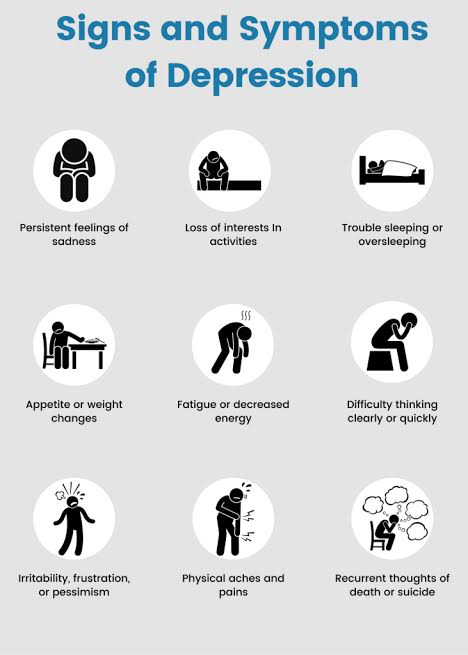
Depression is classified as a mood disorder. It may be described as feelings of sadness, loss, or anger that interfere with a person’s everyday activities.
People experience depression in different ways. It may interfere with your daily work, resulting in lost time and lower productivity. It can also influence relationships and some chronic health conditions.
not eating enough or overeatinghaving insomnia or sleeping too much distancing yourself from other people and favorite activities feeling fatigue even with enough sleep feeling numbness or lacking empathy experiencing unexplainable body pains or achiness feeling hopeless, helpless or lost smoking, drinking, or using illicit drugs more than ever before feeling confusion, forgetfulness, irritability, anger, anxiety, sadness, or fright constantly fighting or arguing with friends and family having extreme mood swings that cause relationship problems having constant flashbacks or thoughts that you can’t get out of your head hearing voices in your head that you can’t stop having thoughts of hurting yourself or other people
being unable to carry out day-to-day activities and chores
How to overcome:-
Get plenty of sleep
Eat well
Avoid alcohol, smoking and drugs
Get plenty of sunlight
Manage stress
Activity and exercise
Do something you enjoy
Connect with others and be sociable
Do things for others
Ask for help
Conclusion:-
Mental illness is a bigger concern for today’s generation. It is a serious issue and no one should take it lightly. If you’re facing some sort of mental illness then please do cure as soon as possible. It’s not a myth, but a harsh reality that everyone needs to be understood.
Traveling the world is valuable and who doesn’t want such worthwhile experience. Even In this trying times, everyone has an urge to travel the globe to experience the beauty of the world and have incredible experiences to add up in their brain’s memory bank.
But are you the one who is vaccinated by covaxin but can’t be treated as vaccinated and be permitted to travel across international borders?
Well, here are the reasons why covaxin is not approved by world health organization yet.
First of all, we need to understand the process of getting a vaccine approved By WHO. It consists of four parts, Namely,
1. acceptance of the manufacturer’s expression of interest,
2.A pre submission meeting between WHO and the manufacturer,
3. Acceptance of the dossier for review by WHO,
4.Decision on status of assessment and the final decision on approval.
Now If we talk about the approval of covaxine which was manufactured by Bharat Biotech. The first step itself is not completed yet. That is the acceptance of the manufacturer’s expression of interests is not accepted by the WHO and more information is needed as reported by Who in order to clear the first stage. Bharat Biotech, located in Hyderabad, submitted 90 percent of the documents required for the WHO’s Emergency Use Listing in April month. The rest of the paperwork would be presented this month, according to the statement provided by the manufacturing company.
The second step which consists of a pre submission meeting between WHO and the bharat biotech will also be held in this month Meanwhile, the WHO authorized the Pune-based Serum Institute of India (SII), which manufactures Astrazeneca’s Covishield vaccine, on February 15 after passing the same four phases. The approval procedure is classified, and it is unclear what papers are needed at this time to approve covaxine. Therefore, the Indian people who got fully vaccinated by covaxine are sceptical of it’s authorization by WHO because recently, US food and drug administration also rejected Bharat Biotech’s proposal for an emergency use authorization (EUA) of Covaxin, delaying the company’s vaccine launch in that country.
The government of india’s take on US FDA disapproval is that it respects the FDA’s decision not to grant Covaxin an EUL, but claims it will have no influence on India’s immunisation programme. Union minister of information and broadcasting prakash javedekar said in the press briefing that “The World Health Organization (WHO) has not made a judgement on whether or not persons who have been vaccinated with Covaxin should be prohibited from travelling. Covaxin is a vaccination that has shown to be one of the most successful to date.”
So, when can we expect the authorization of covaxin by world health organization is a question we all needs answer for. On June 9 bharat biotech said that the company will reveal all of Covaxin’s phase 3 trial results in July 2021, after which it will commence the phase 4 trial while concurrently applying for a complete license in India. The submission of trial results are important because it is a prerequisite for Obtaining the WHO Emergency Use Listing.
A good news for the people who got inoculated by covaxine is that so far, few countries like Iran, Philippines, Mauritius, Mexico, Nepal, Guyana, Paraguay and Zimbabwe have approved the Covaxin. But, The European Union and the United States are unwilling to let Indians who have been vaccinated with Covaxin to enter their countries since WHO authorisation is still pending.
“What about the world of a schizophrenic? Maybe it’s as real as our world. Maybe we cannot say that we are in touch with reality and he is not, but should instead say, His reality is so different from ours that he can’t explain his to us, and we can’t explain ours to him. The problem, then, is that if subjective worlds are experienced too differently, there occurs a breakdown in communication … and there is the real illness.”
When, Philip K. Dick questioned about the reality we live , didn’t it remind you of Francesca Zappia the author of Made You Up quoting ,
“Sometimes I think people take reality for granted.”
And then there are people who have no luxury to take reality for granted because their reality may not really be real . It may be hallucinations or delusions or just random voices in the head or all of them together which is notably entitled as Schizophrenia .
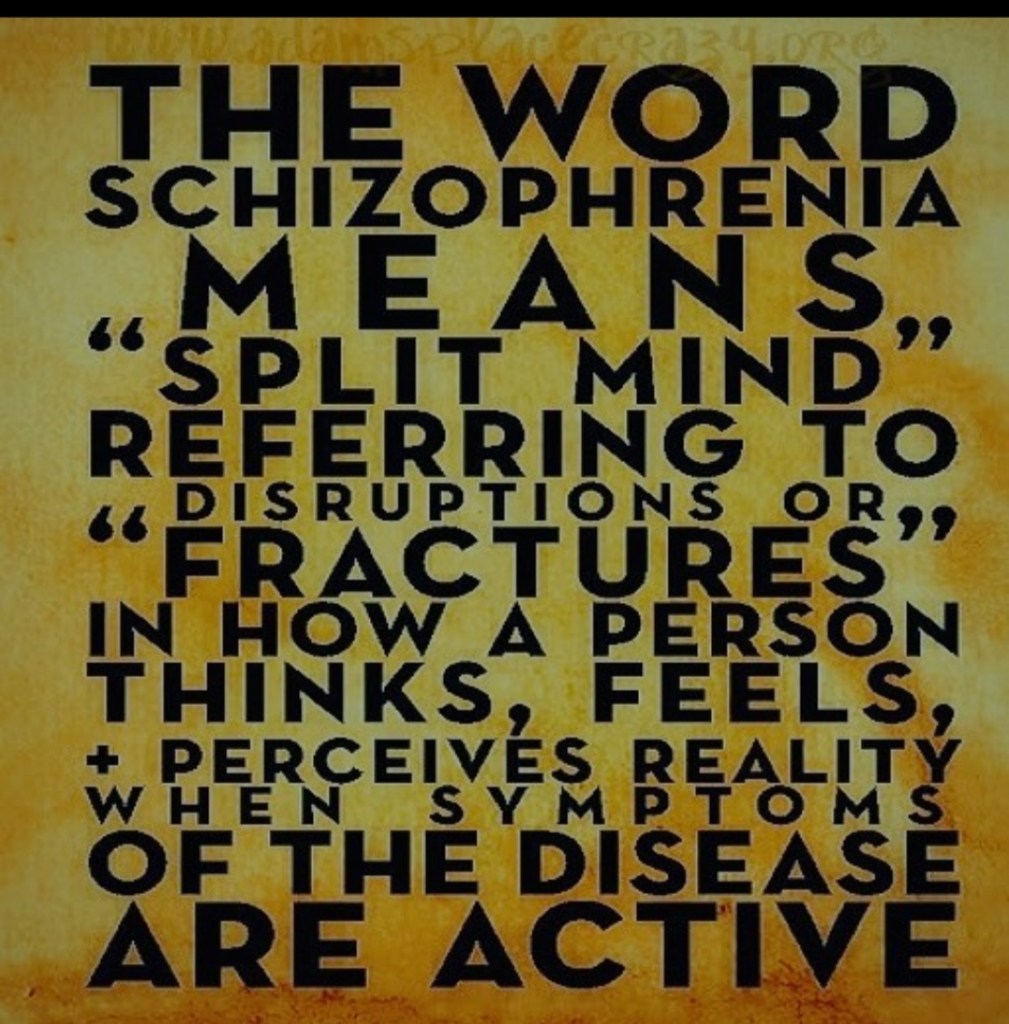
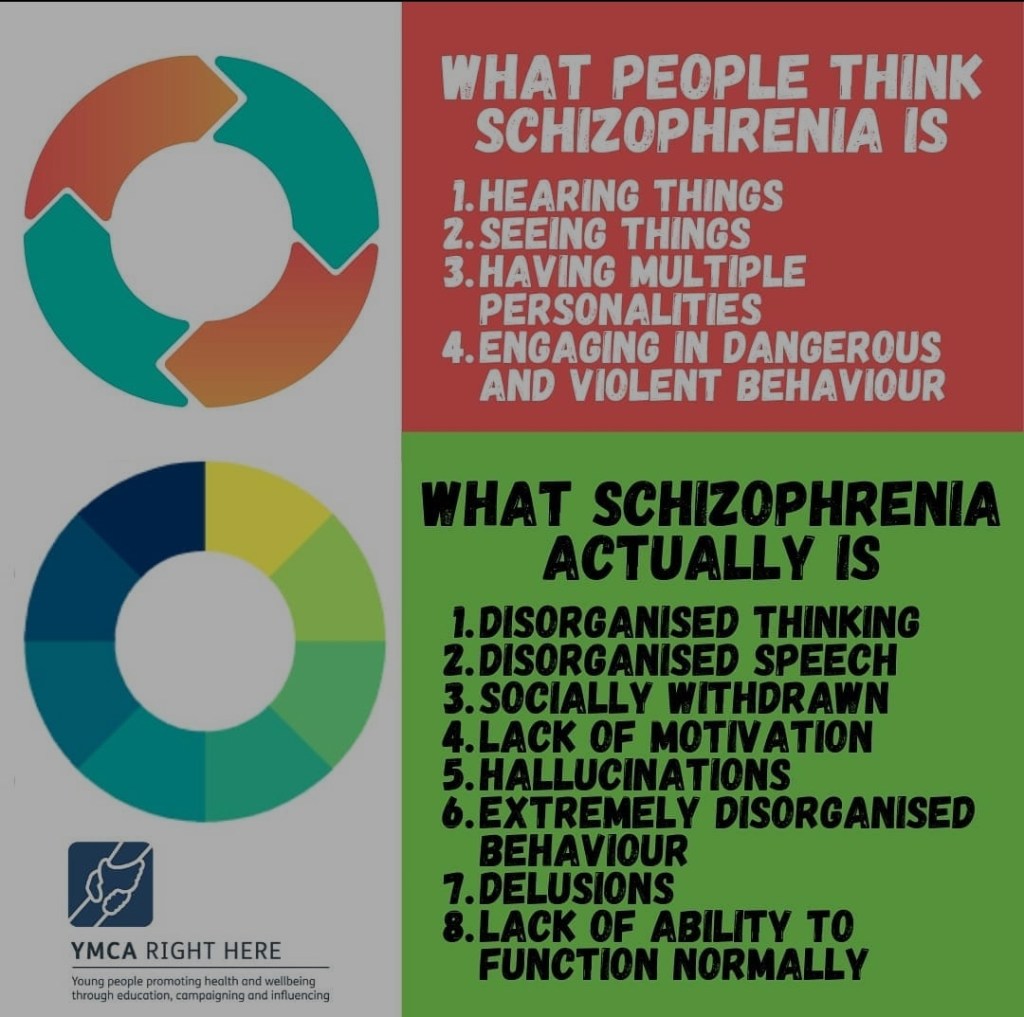
Schizophrenia is a long-term mental disorder . Schizophrenia has its origin from Greek word :- skhizein ‘to split’ + phrēn ‘mind’. Due to its origin ,Schizophrenia is among the most misunderstood of mental health disorders. The etymology of the word schizophrenia has led many to confuse it with multiple personality disorder ( Dissociative Identity Disorder).
The term “schizophrenia” was first used in 1911 by a Swiss psychiatrist, Eugen Bleuler. He used this term to emphasize the mental confusion and random thinking characteristic of people with a disorder . But people confused the actual meaning with split or multiple personality confusion which has become an ingrained myth regarding schizophrenia that continues to this day.
So what is really Schizophrenia ?
Schizophrenia is a chronic and severe mental disorder . People with schizophrenia may be said to have lost touch with reality leading to unsound perceptions and actions , fantasies and delusions .
Schizophrenia is a mental disorder that affects how a person acts, thinks, and feels. It can keep one from seeing the world in a normal way , making their own reality different from us . People with schizophrenia have difficulty in distinguishing reality from fantasies .
Schizophrenia affects men and women equally. Schizophrenia can occur at any age , the most common age to be diagnosed with schizophrenia is late teen to early 20s for men and late 20s to early 30s for women .
Some people with schizophrenia are dishevelled and disorganized n That doesn’t mean a person with schizophrenia can’t live a normal life .
“I have schizophrenia. I am not schizophrenic. I am not my mental ill. My illness is a part of me.”
– Jonathan Harnisch, (Novelist, artist, filmmaker )
There are people who have actually lived with schizophrenia and have managed to lead highly productive and satisfying lives.
People like :-
John Nash Jr. , one of the world’s most brilliant mathematicians. The Nobel Prize winner Economics suffered from paranoia, delusions, and other symptoms of schizophrenia.
Eduard Einstein ,
The youngest child of Albert Einstein was studying medicine when he was diagnosed with schizophrenia at age 20.
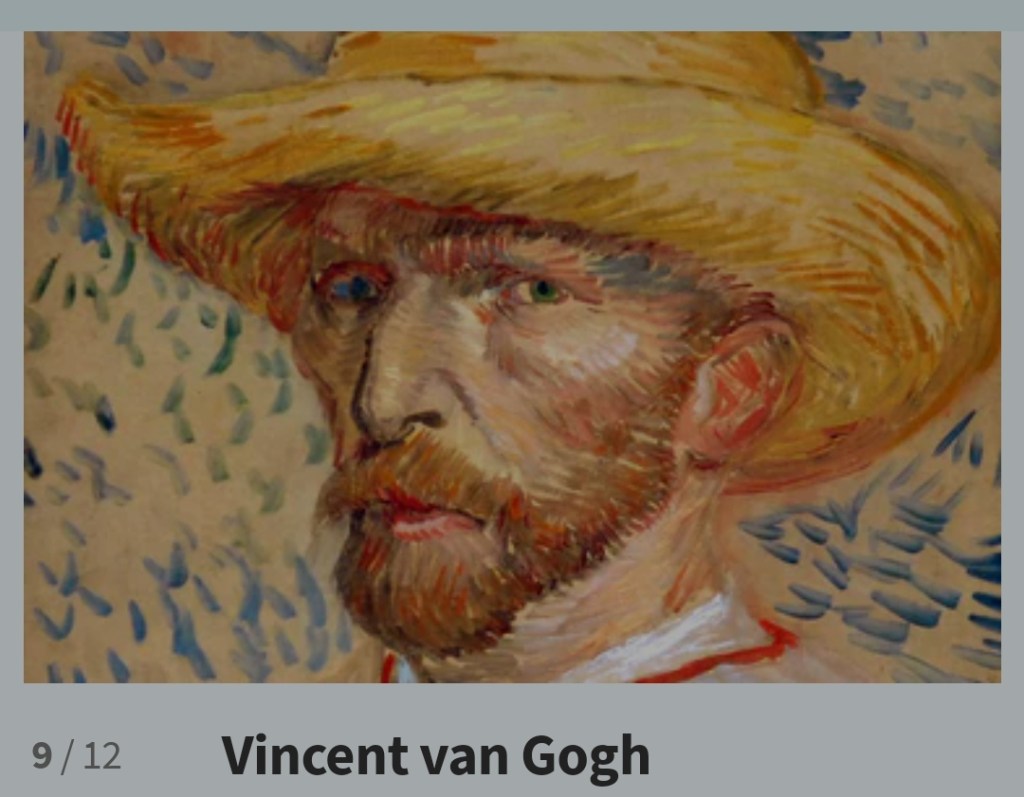
Vincent van Gogh, the Dutch post-impressionist painter who posthumously became one of the most famous and influential figures in the history of Western art, suffered from several common symptom of schizophrenia like Hallucinations, including hearing voices .
Contrary to other people’s opinion , people with schizophrenia have no split or multiple personalities and most pose no danger to others . It is possible to live well with schizophrenia.
Symptoms :-
People diagnosed with schizophrenia are characterized by episodes in which the person is unable to distinguish between real and unreal experiences.
The symptoms fall in three categories :-
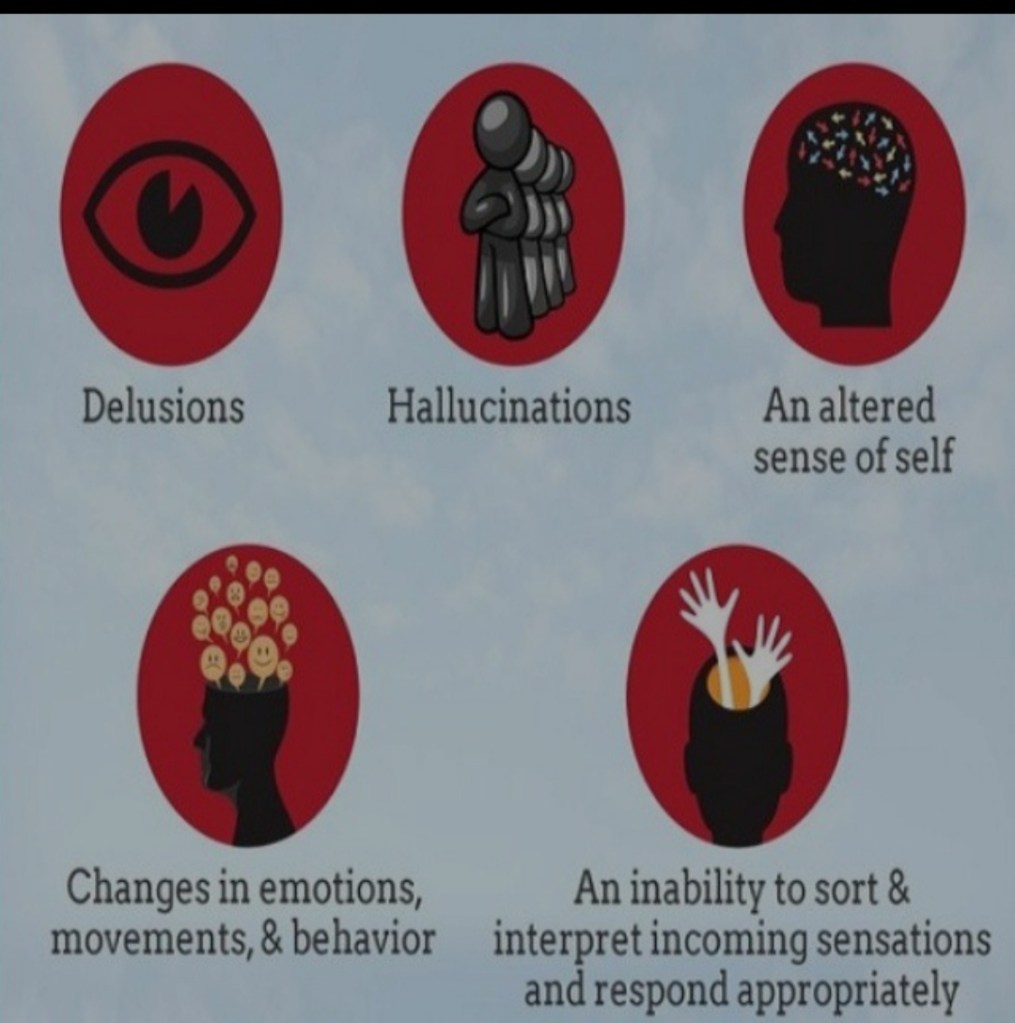
1: Positive symptoms: these symptoms are those that are abnormally present . They can be mild or severe depending on its nature. They include
• Hallucinations ( hearing different multiple voices which may be critical and threatening , hallucinations can affect all the senses like for instance, for example, a person may also see, feel, taste, or smell things that are not really there.)
•Delusions ( experiencing delusions may believe that something is true when there is no strong evidence for it to be unrealistic , paranoid , confused thoughts , false beliefs )
• Thought disorder ( dysfunctional thoughts making it difficult to put cohesive thoughts together or make sense of speech )
2: Negative symptoms: These symptoms are those that are abnormally absent in most of the patients . These symptoms disrupt a person’s normal ability .
These includes :-
• A loss or a decrease in the ability to initiate plans • Finding no pleasure in living . • Disorganized symptoms. • lack of facial expression • lack of emotional expression • lack of motivation • difficulty concentrating • Neglecting everyday activities, including self-care. • Withdrawal from social life ( possibly through fear that somebody is going to harm them.)
3: Cognition symptoms :-. These symptoms are another area of functioning that is affected in schizophrenia leading to problems with attention, concentration and memory, and to declining educational performance. Patients with cognitive symptoms find it hard to lead a normal life .
These includes :-
• Anosognosia ( a lack of ability to perceive the realities of one’s own condition. It’s a person’s inability to accept that they have a condition that matches up with their symptoms or a formal diagnosis)
• Trouble in paying attention or focusing .
• Problem with working memory ( difficulty understanding and using information.)
Severe psychotic symptoms often decreases as the person becomes older Like any illness, the severity, duration and frequency of symptoms vary from person not person however, in persons with schizophrenia.
Schizophrenia is a lifelong condition, but treatment can help manage the symptoms.
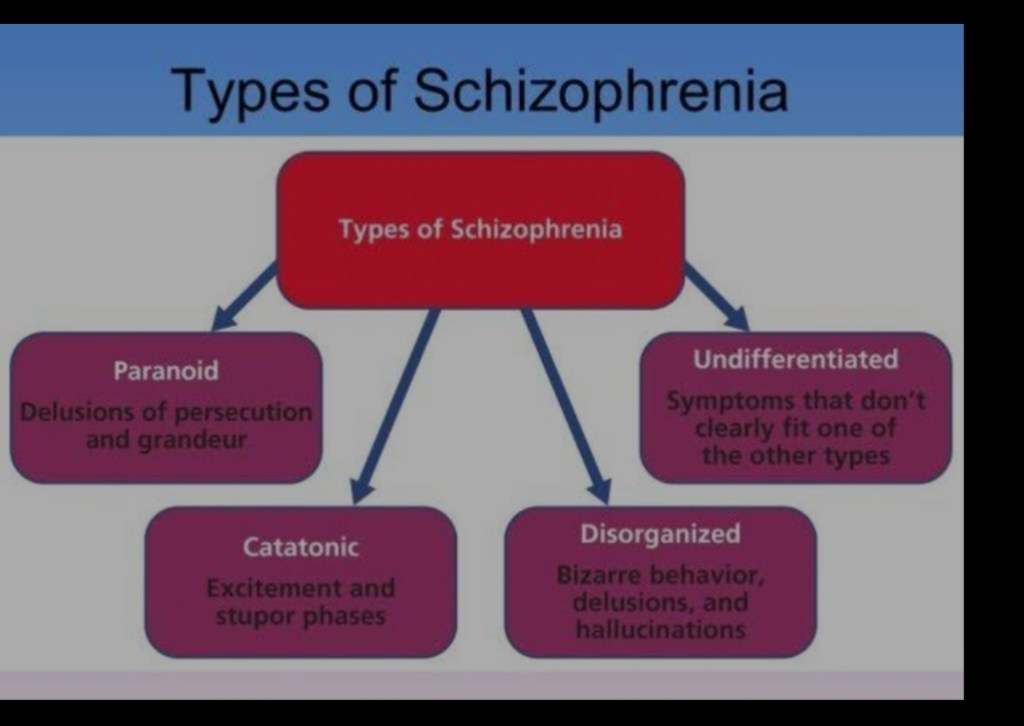
Types of schizophrenia
There are several types of schizophrenia.
Paranoid schizophrenia :-
This is the most common type of schizophrenia. Symptoms include hallucinations and/or delusions, but your speech and emotions may not be affected.
Hebephrenic schizophrenia :-
Also known as ‘disorganised schizophrenia’, Symptoms include disorganised behaviours and thoughts, alongside short-lasting delusions and hallucinations.
Catatonic schizophrenia :-
This is the rarest schizophrenia diagnosis, characterised by unusual, limited and sudden movements. The patient may often switch between being very active or very still. They may not talk much, and you may mimic others’ speech and movement.
Undifferentiated schizophrenia :-
This type of schizophrenia may have some signs of paranoid, hebephrenic or catatonic schizophrenia, but it doesn’t obviously fit into one of these types alone.
Residual schizophrenia :-
You may be diagnosed with residual schizophrenia if you have a history of psychosis, but only experience the negative symptoms (such as slow movement, poor memory, lack of concentration and poor hygiene).
Simple schizophrenia :-
This includes both positive and negative symptoms . Symptoms such as slow movement, poor memory, lack of concentration and poor hygiene are most prominent early and worsen, while positive symptoms such as hallucinations, delusions, disorganised thinking are rarely experienced.
Cenesthopathic schizophrenia :-
People with cenesthopathic schizophrenia experience unusual bodily sensations.
Treatment :-
“ There’s a tremendous need to implode the myths of mental illness, to put a face on it, to show people that a diagnosis does not have to lead to a painful and oblique life… We who struggle with these disorders can lead full, happy, productive lives, if we have the right resources.” – Elyn R. Saks
As the cause of schizophrenia is unknown there is no cure . So a doctor’s treatment includes medications that can ease symptoms and prevent them from coming back.
Such treatments include :-
Antipsychotics:
These medications tame Psychosis ( delusions , hallucinations , etc.) The medications doctors prescribe most often for schizophrenia are called antipsychotics. This medication is taken as pills or liquid form . Some antipsychotics included injections given once or twice a month . These drugs work on chemicals in the brain such as dopamine and serotonin.
Schizophrenia patients are most likely to have to take schizophrenia medication their entire life .
Psychosocial Treatment :-
The term psychosocial refers to an individual’s psychological development in and interaction with their social environment. Psychosocial treatments (interventions) include structured counseling, motivational enhancement, case management, care-coordination, psychotherapy and relapse prevention.
Coordinate Speciality care :-
“There are a number of things that family and friends can do to help a person with schizophrenia. One of the simplest and most effective is to create a positive environment around the person.” – Milt Greek (Mental health advocate and author of Schizophrenia: A Blueprint for Recovery)
Creating a positive environment and showing support can make schizophrenia patients believe in the reality we live in rather than the reality they think is real .
Coordinate Speciality care includes model integrated medications and psychotherapist , family support , education and employment support etc.
Recovery After an Initial Schizophrenia Episode (RAISE) project. The goal of RAISE was, and is, to help decrease the likelihood of future episodes of psychosis, reduce long-term disability, and help people to get their lives back on track so they can pursue their goals.
Schizophrenia can make it hard to stick to a medication plan. One needs a strong support system to continue the medication.
Medication for schizophrenia can improve symptoms and sometimes help keep them from coming back.
Therapy can help people living with schizophrenia learn to recognize signs of an episode and explore strategies to manage symptoms and the distress they cause.
One must support in positive, supportive ways without making the patient feel criticized or helpless.
Schizophrenia is NOT A Character Flaw
Just like any other mental disorder schizophrenia is not a choice nor it is a character flaw , it’s a disease which needs to be treated .
People with schizophrenia have no luxury of taking reality for granted . But that doesn’t stop them from living in a reality which is different from ours . Their multiple voices doesn’t make them psycho or split personalities , those voices are voices of the subconscious that’s much more superficial than others .
“I thought of the voices as… something a little different from aliens. I thought of them more like angels … It’s really my subconscious talking, it was really that… I know that now.” – John Forbes Nash, Jr. (Nobel Prize winning mathematician )
The stigmatisation that often accompanies mental illness can be cruelest .
This stigma unfairly causes people to feel ashamed for something that is out of their control and prevents many from seeking the help they need.
This stigmatization is due to the misconceptions or myth that mental illnesses are usually the cause of laziness or personal behaviour , a weakness that can be controlled on its own .
In reality a mental illness is not a character flaw. It is an illness that has nothing to do with being weak or lacking willpower.
Seeking appropriate help is a sign of strength, not weakness. Mental illness should not be treated as a problem rather it should be accepted as part of self that needs little more care and self love .
Since there’s no cure of schizophrenia ,it seems a lot more scary .
But as Elyn R. Saks said ,
” My good fortune is not that I’ve recovered from mental illness. I have not, nor will I ever. My good fortune lies in having found my life.”
A person with schizophrenia is not schizophrenic. He is not his mental illness rather it is a part of him . They are not different than us they just think differently .
Mental illness is not contagious . Hence being kind towards people diagnosis from any kind mental illness can’t hurt us . Support and spread awareness . Make them feel their worth which is much more than their illness .
The first covid-19 outbreak came to existence on Dec 2019 31st in China city Wuhan. Thereby the disease called corona virus was related with group of RNA virus which caused diseases in birds and mammals. In case, of humans and birds they affect the respiratory system which causes the symptoms of common cold, headache, body pain, fever. In case, of mammals they cause diarrhea.
When we look into the nature of virus it belong to Realm Riboviria in the class of pisoniviricetes in the order of Nidovirales rales it belong to the orthocoronaviridae and the to the sub family og orthocoronavirinae. Looking into the structure of the corona virus it ranges from approximately 26 to 32 kilobarer and it is the one of the largest among the virus in RNA. When we look into the history of corona virus infection caused in the domesticated chickens which caused a big draw back in the cells of the new born chicks which was characterized by gasping and listlessness with a very highest mortality rates between 40 to 90%.
Now lets look into the change in the lifestyle of the people by joining with family and creating their old and precious memories come into existence again. The most important features that changed was social distancing, shut downs, self-isolation, face masks and work from home this impact will be felt by years to come by the deadly virus. The corona virus pandemic had made us fear to shake hands and feel safe in social distancing. Other features of pandemic may include adoption of digital tools, focusing on Protein and healthy lifestyle, online shopping and entertainment. When we look into the cause of covid in the Indian Economy it had been created a big and long term impact nu giving a decline or negative flow in various sectors and Gross Domestic Product rates. The entities such has financial markets, manufacturing, agriculture, publication, arts, entertainment, sports, retail, restaurant, event management, import and export, tourism, science and technology, transportation, gambling and betting. And most importantly unemployment rate are increasing to its maximum by affecting the poor and middle class family suffer gor their 1 meal per day.
The Government as come up with various schemes and policies to help all the sources and people’s class to run their day to day life with no any barriers. With the best support from the Government India had been initiated the vaccination process to all the individual which will help to come out of the deadly diseases. The vaccine helps to save lives , save money , eradicate disease, helps in long run and protects others as well.
With all our pray and tears we hope that we will overcome all this unconditional situation and connect with the life that does not make lose any life in the earth and live happily. So let’s get vaccinated.
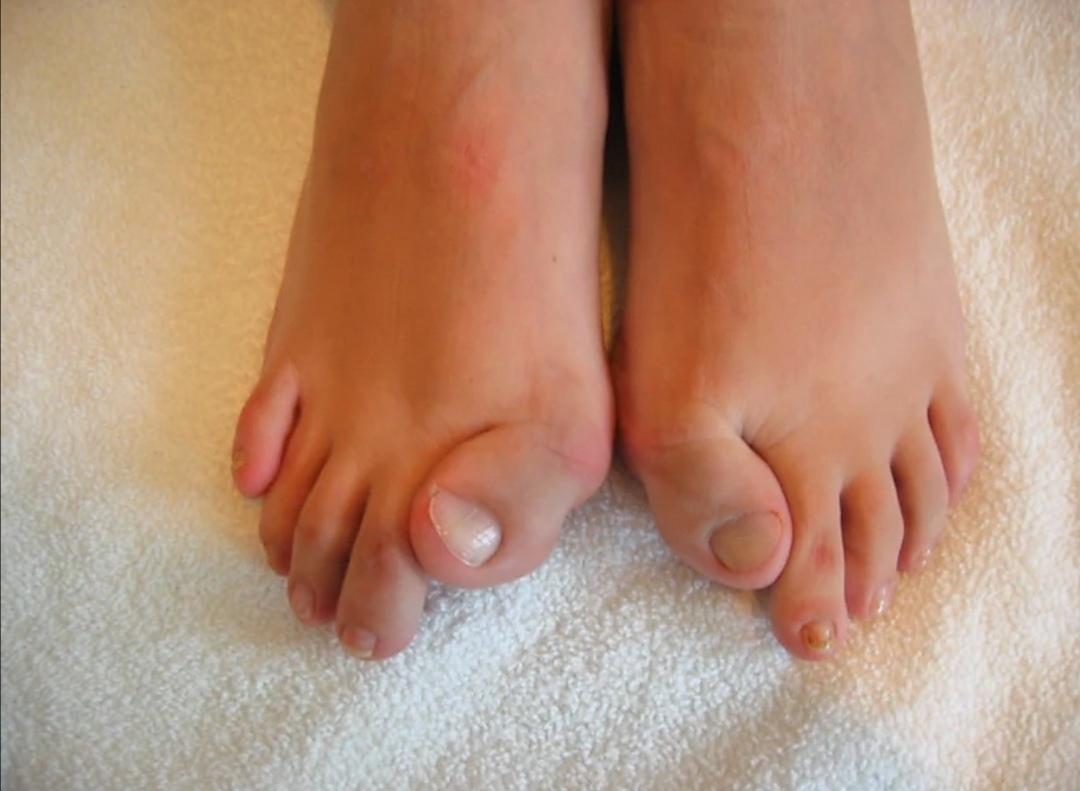
In UK ,a five month old, baby is turning into a stone due to some unusual diesease. Lexi Robin born on 31 January is ‘turning to a stone’ due some extremely rare genetic diesease .Her X-ray in April shows that she has bunion on her feet and double -jointed thumb.This condition is known as Fibrodysplasia ossificans progresiva (FOB) which turns muscle into bones.Its perceived that such conditions generally turns a body into stone.
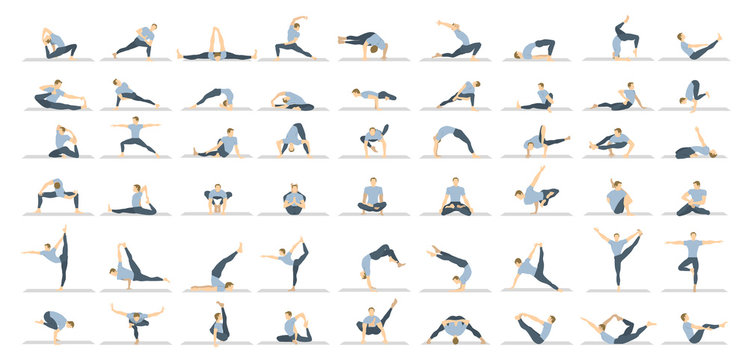
Indeed , it is an astonishing fact that a yogic tradition , which is more than five thousand years old , has recently become a popular way of life . Presently , people consider that yoga is a significant means to achieve a healthy as well as a positive lifestyle . In fact , the power of yoga lies in its simplicity , flexibility and diversity . As a matter of fact , yoga helps in improving our flexibility , lowers our stress level and increases our confidence and finally contributes to a healthier lifestyle on the whole . There are various lifestyle diseases like obesity , diabetes , asthma , hypertension , back pain , migraine and depression which can be prevented and treated up to some extent with the help of certain yogic exercises .
Asanas As Preventive Measures
According to Patanjali , asana means , “sthiram sukham aasanam “ i.e,. ” that position which is comfortable and steady ” . In Brahamanopanishad , “ To sit in a comfortable position or posture for everlasting period is called asana “. Asana is that state of body in which the body may be positioned easily . As a matter of fact , the ability to sit comfortably for an extended period of time in any position is called asana . In asanas , body is kept in various positions in such a way that the activities of organs and glands of body become more effective and eventually the health of mind and body is improved .
In fact , asana is a means through which physical and mental development is achieved . Prevention of diseases and delay in ageing are the desired effects that can be achieved through yogic exercises .
There are different types of asanas which include meditative asanas , relaxative asanas and corrective asanas . Regular practice of the above- mentioned asanas significantly affects various systems or organs of our body . Asanas can be used as preventive measures because they provide the following physiological benefits , which ultimately help us in avoiding various lifestyle diseases such as diabetes , obesity and cardiovascular diseases .
Many of us are taking steps to reduce carbon footprints. We responsibly recycle glass, metal, paper, plastic waste each week. However, unknowingly we are contributing to carbon emissions through light pollution which intrudes the delicate ecosystem. Light pollution in many countries is neglected and not regulated.
The excessive, misdirected, or unnecessary use of artificial outdoor lighting is known as Light pollution a.k.a Luminous pollution, or Photopollution. Light pollution alters the color and contrast of the nighttime sky, natural starlight, and disrupts the circadian rhythms, which affects the environment, inhabitants, and astronomy research.
As countries are developing, the need for artificial outdoor lighting has also increased and light pollution has spread into suburban and rural areas.
Types of light pollution:-
1) Light Trespass
2) Glare
3) Sky Glow
4) Light Clutter
What are the causes of light pollution?
Poorly designed residential, commercial and industrial lights contribute significantly to luminous pollution. Also, the use of unnecessary outdoor artificial lights contributes to luminous pollution. Approximately about 30℅ of light is wasted due to poorly designed artificial outdoor lights.
Let’s have a look at the effects of light pollution.
As mentioned above, light pollution has effects on our environment and its inhabitants, and also on astrology. Mentioned below are some of the known effects of light pollution:-
Effect on the environment: Excessive nighttime lighting releases more than 12 million tons of carbon dioxide every year into the atmosphere, which would take around 702 million trees to absorb.
Luminous pollution also increases air pollution by resisting a natural occurring radical that cleans the air at night, called Nitrate radical.
Effect on wildlife: Light pollution can alter the feeding, mating, sleeping, and migration cycles of the entire wildlife. Wildlife can also feel the disorientation of time due to excessive light pollution.
Effect on energy: According to a study by IDA( International Dark-Sky Association) in 2007, it is estimated that about 30% of the light emitted by public outdoor light fixtures is wasted, which equals 22 TWh/year of energy wastage. That is equivalent to the following:
★About 3.6 million tons of coal per year.
★ About 12.9 million barrels of oil per year.
Effect on Astronomy: Astronomers are most affected by luminous pollution. As it makes it harder to view and find extraterrestrial bodies for the astronomers even with the aid of a telescope.
Effect on Humans: Like plants and animals, humans are also regulated by circadian rhythms. The rhythms respond to the light and darkness around any organism, which when altered can result in various health hazards like sleeping disorders, depression, diabetes, cancer, cardiovascular disease, obesity, etc.
How to prevent light pollution?
Given below are some ways to prevent light pollution:-
I) By using warm white lightning as it scatters less.
II) By using shielded outdoor light fixtures.
III) By picking the right exterior light fixtures with the right cutoff angle, which prevents light from escaping above the horizontal plane.
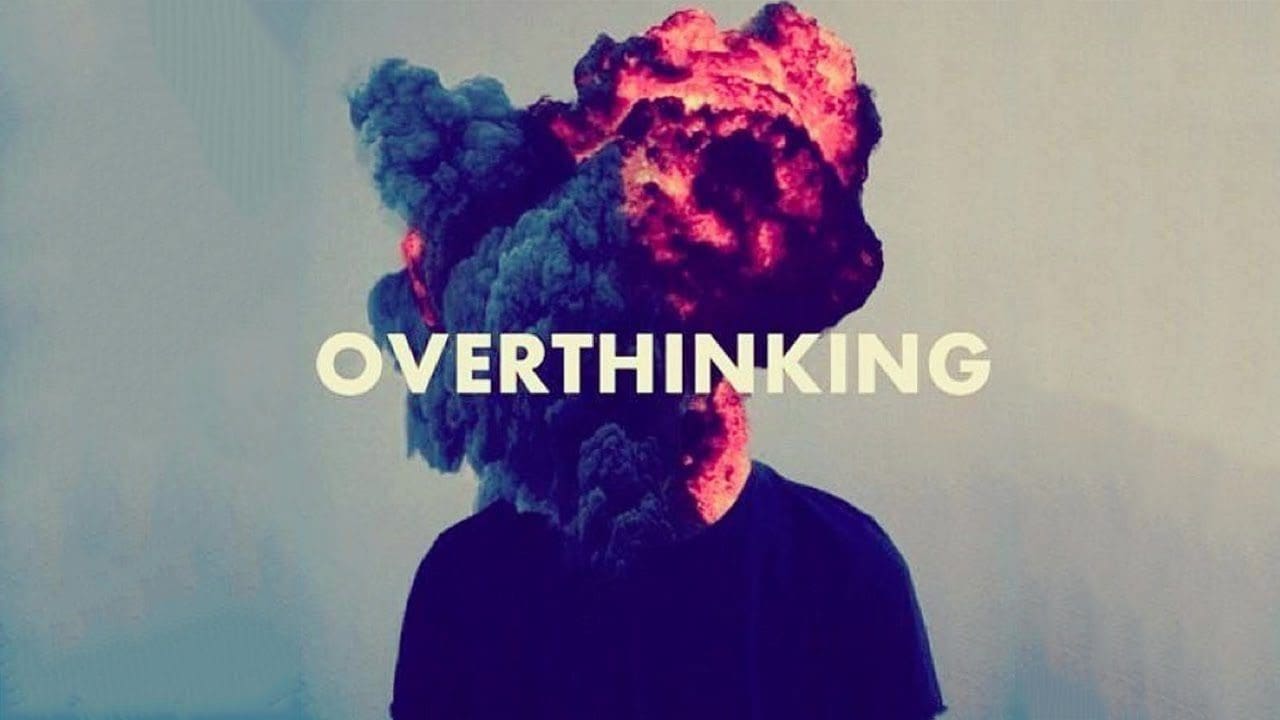
Overthinking is simply what its name suggests – thinking too much. Overthinking is going over the same thought again and again, analyzing the simplest of situations or events until all sense of proportion has gone. The overthinking brain cannot translate these thoughts into actions or positive outcomes, so therefore creates feelings of stress and anxiety. The phrase “overthinking” is often used quite flippantly these days. (You can picture the social media posts: “I’m overthinking my holiday packing. Lol.”) But for the genuine overthinker, there is nothing shallow or light-hearted about their thoughts. Overthinking is like a problem which every 2nd or 3rd person is going through right now. It is something where you tend to think about a lot, which tends to control your mind, and you waste so much of your energy and you tend to lose time on something which doesn’t even matter to you that much and over the time you start doubting on yourself.
Why does we overthink?
Thinking a lot is a habit, much like biting our nails. Where overthinking becomes problematic is when we continually overlook the underlying need behind the behavior. It’s something we start doing because we’re coping with feelings that might be uncomfortable, or with needs that are not met. An intelligent or creative person’s mind needs to be fed. It needs “food for thought”. When this type of person does not provide their mind with intriguing or stimulating information on a regular basis, they’ll feel an unmet need. It’s quite possible the person will start to think or fantasize about things they have no control over, simply to fill the space. It becomes entertaining to think a lot, it provides stimulation. We tend to overthink when something bothers us. But if it starts to bother a lot than it also effects one’s health.
How to stop overthinking?
Step back and look at how you’re responding
The way you respond to your thoughts can sometimes keep you in a cycle of rumination, or repetitive thinking.
The next time you find yourself continuously running things over in your mind, take note of how it affects your mood. Do you feel irritated, nervous, or guilty? What’s the primary emotion behind your thoughts?
Having self-awareness is key to changing your mindset.
Find a distraction
Shut down overthinking by involving yourself in an activity you enjoy.
This looks different for everyone, but ideas include:
learning some new kitchen skills by tackling a new recipe
going to your favorite workout class
taking up a new hobby, such as painting
volunteering with a local organization
Take a deep breath
You’ve heard it a million times, but that’s because it works. The next time you find yourself tossing and turning over your thoughts, close your eyes and breathe deeply.
Meditate
Developing a regular meditation practice is an evidence-backed way to help clear your mind of nervous chatter by turning your attention inward.
Not sure how to get started? We’ve got everything you need to know in this how-to guide. All you need is 5 minutes and a quiet spot.
Look at the bigger picture
How will all the issues floating around in your mind affect you 5 or 10 years from now? Will anyone really care that you bought a fruit plate for the potluck instead of baking a pie from scratch?
Don’t let minor issues turn into significant hurdles.
Do something nice for someone else
Trying to ease the load for someone else can help you put things in perspective. Think of ways you can be of service to someone going through a difficult time.
Does your friend who’s in the middle of a divorce need a few hours of childcare? Can you pick up groceries for your neighbor who’s been sick?
Realizing you have the power to make someone’s day better can keep negative thoughts from taking over. It also gives you something productive to focus on instead of your never-ending stream of thoughts.
So don’t just overthink, whenever you feel that it’s happening just take a deep breath and it will be fine!
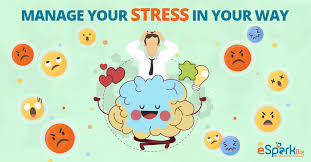
It may seem that there’s nothing you can do about your stress level. The bills aren’t going to stop coming, there will never be more hours in the day for all your errands, and your career or family responsibilities will always be demanding. But you have a lot more control than you might think. In fact, the simple realization that you’re in control of your life is the foundation of stress management. Managing stress is all about taking charge: taking charge of your thoughts, your emotions, your schedule, your environment, and the way you deal with problems. The ultimate goal is a balanced life, with time for work, relationships, relaxation, and fun – plus the resilience to hold up under pressure and meet challenges head on.
Identify the sources of stress in your life: Stress management starts with identifying the sources of stress in your life. This isn’t as easy as it sounds. Your true sources of stress aren’t always obvious, and it’s all too easy to overlook your own stress-inducing thoughts, feelings, and behaviors. Sure, you may know that you’re constantly worried about work deadlines. But maybe it’s your procrastination, rather than the actual job demands, that leads to deadline stress. Think about the ways you currently manage and cope with stress in your life. Your stress journal can help you identify them. Are your coping strategies healthy or unhealthy, helpful or unproductive? Unfortunately, many people cope with stress in ways that compound the problem. Unhealthy ways of coping with stress: These coping strategies may temporarily reduce stress, but they cause more damage in the long run: • Smoking • Drinking too much • Overeating or undereating • Zoning out for hours in front of the TV or computer • Withdrawing from friends, family, and activities • Using pills or drugs to relax • Sleeping too much • Procrastinating • Filling up every minute of the day to avoid facing problems • Taking out your stress on others (lashing out, angry outbursts, physical violence)
Learning healthier ways to manage stress: If your methods of coping with stress aren’t contributing to your greater emotional and physical health, it’s time to find healthier ones. There are many healthy ways to manage and cope with stress, but they all require change. You can either change the situation or change your reaction. When deciding which option to choose, it’s helpful to think of the four As: avoid, alter, adapt, or accept. Since everyone has a unique response to stress, there is no “one size fits all” solution to managing it. No single method works for everyone or in every situation, so experiment with different techniques and strategies. Focus on what makes you feel calm and in control. Not all stress can be avoided, and it’s not healthy to avoid a situation that needs to be addressed. You may be surprised, however, by the number of stressors in your life that you can eliminate. ●Learn how to say “no” – Know your limits and stick to them. Whether in your personal or professional life, refuse to accept added responsibilities when you’re close to reaching them. Taking on more than you can handle is a surefire recipe for stress. ●Avoid people who stress you out – If someone consistently causes stress in your life and you can’t turn the relationship around, limit the amount of time you spend with that person or end the relationship entirely. ●Take control of your environment – If the evening news makes you anxious, turn the TV off. If traffic’s got you tense, take a longer but less-traveled route. If going to the market is an unpleasant chore, do your grocery shopping online. ●Avoid hot-button topics – If you get upset over religion or politics, cross them off your conversation list. If you repeatedly argue about the same subject with the same people, stop bringing it up or excuse yourself when it’s the topic of discussion. ●Pare down your to-do list – Analyze your schedule, responsibilities, and daily tasks. If you’ve got too much on your plate, distinguish between the “shoulds” and the “musts.” Drop tasks that aren’t truly necessary to the bottom of the list or eliminate them entirely. ●Express your feelings instead of bottling them up. If something or someone is bothering you, communicate your concerns in an open and respectful way. If you don’t voice your feelings, resentment will build and the situation will likely remain the same. ●Be willing to compromise. When you ask someone to change their behavior, be willing to do the same. If you both are willing to bend at least a little, you’ll have a good chance of finding a happy middle ground. ●Be more assertive. Don’t take a backseat in your own life. Deal with problems head on, doing your best to anticipate and prevent them. If you’ve got an exam to study for and your chatty roommate just got home, say up front that you only have five minutes to talk. ●Manage your time better. Poor time management can cause a lot of stress. When you’re stretched too thin and running behind, it’s hard to stay calm and focused. But if you plan ahead and make sure you don’t overextend yourself, you can alter the amount of stress you’re under. ●Focus on the positive. When stress is getting you down, take a moment to reflect on all the things you appreciate in your life, including your own positive qualities and gifts. This simple strategy can help you keep things in perspective. ●Set aside relaxation time. Include rest and relaxation in your daily schedule. Don’t allow other obligations to encroach. This is your time to take a break from all responsibilities and recharge your batteries. ●Connect with others. Spend time with positive people who enhance your life. A strong support system will buffer you from the negative effects of stress. ●Do something you enjoy every day. Make time for leisure activities that bring you joy, whether it be stargazing, playing the piano, or working on your bike. ●Keep your sense of humor. This includes the ability to laugh at yourself. The act of laughing helps your body fight stress in a number of ways.
Learn the relaxation response: You can control your stress levels with relaxation techniques that evoke the body’s relaxation response, a state of restfulness that is the opposite of the stress response. Regularly practicing these techniques will build your physical and emotional resilience, heal your body, and boost your overall feelings of joy and equanimity.
The effects of fibrodysplasia ossificans progressiva, a disease which causes damaged soft tissue to regrow as bone.
Lexi Robins, 5 month old from the UK is “turning to a stone”due to an extremely rare genetic condition Fibrodysplasia Ossificans Progressiva (FOP) that turns muscles into bones.
Lexi Robins
Lexi Robins was born on January 31 and seemed like any other normal baby, except she didn’t move her thumb and had bigger toes.
Lexi was diagnosed with a life-limiting disease called Fibrodysplasia Ossificans Progressiva (FOP), which affects just one in two million.
Due to the disorder, Lexi’s condition may worsen rapidly if she suffers any minor trauma, as simple as falling over. She cannot receive injections, vaccinations and dental care and cannot give birth.
FOP is a severe, disabling disorder with no current cure or treatment. It is the only known medical condition where one organ system changes into another. Fibrodysplasia ossificans progressiva is caused by a mutation of the gene ACVR1.
The FOP can lead to bone formation outside skeleton and restrict movement. It is believed to replace muscles and connective tissues, such as tendons and ligaments, with bone. Thus, it is generally perceived that the condition turns a body into stone.
People with this disease, which has no proven treatment, can be bedridden by the age of 20 and their life expectancy is around 40 years.
With increasing comfort in our day to day life, we have given invitation to deadly diseases in us. Our busy life has made us so involved in it that we don’t have time to look after our physical well being. 2 out of every 5 person is suffering from this disease- Diabetes, but lesser they know about what causes this disease, it’s types, symptoms and treatment.
WHAT IS DIABETES?
Diabetes mellitus commonly known as just diabetes, is a disorder in which the body does not produce enough or respond normally to insulin, causing blood sugar(glucose) levels to be abnormally high. Doctors often use the full name Diabetes mellitus, rather than diabetes alone, to distinguish this disorder from Diabetes insipidus. Diabetes insipidus is a relatively rare disorder that does not affect blood glucose levels but just like Diabetes mellitus, also causes increased urination.
The three major nutrients that make up most food are carbohydrates, proteins, fat. Sugars are one of the three types of carbohydrates along with starch and fiber. There are many types of sugar such as simple and complex based on the number of carbon atoms they are made of. Table sugar(sucrose) is made of two simple sugars called glucose and fructose. Milk sugar(lactose) is made of glucose and a simple sugar called galactose. The carbohydrates in starches, such as bread, pasta, rice and similar foods are long chains of different simple sugar molecules. Once the body absorbs simple sugars, it usually converts them into glucose, which is an important source of fuel for the body. Glucose is the sugar that is transported through the bloodstream and taken up by the cells. The body can also make glucose from fats and proteins. Blood “sugar” really means blood glucose.
INSULIN
Insulin, a hormone released from the pancreas(an organ behind the stomach that also produces digestive enzymes) controls the amount of glucose in the blood. Glucose in the bloodstream stimulates the pancreas to produce insulin. Insulin helps glucose to move from blood into the cells. Once inside the cells, glucose is converted to energy, which is used immediately, or the glucose is stored as fat or the starch glycogen until it is needed. The level of glucose in the blood vary normally throughout the day. They rise after a meal and return to pre-meals levels within about 2 hours after eating. If the body does not produce enough insulin to move the glucose into the cells or if the cells stop responding normally to insulin(called insulin resistance), the resulting high levels of glucose in blood and inadequate amount of glucose in the cells causes diabetes.
TYPES OF DIABETES
TYPE-1 DIABETES:- (formerly called insulin-dependent diabetes or juvenile-onset diabetes) the body’s immune system attacks the insulin producing cells of pancreas and more than 90% of them are permanently destroyed. The pancreas produces little or no insulin.
TYPE-2 DIABETES:- (formerly called non-insulin-dependent diabetes or adult-onset diabetes) the pancreas often continues to produce insulin, sometimes even at higher than normal levels, especially early in the disease. The insulin producing ability of the pancreas decreases.
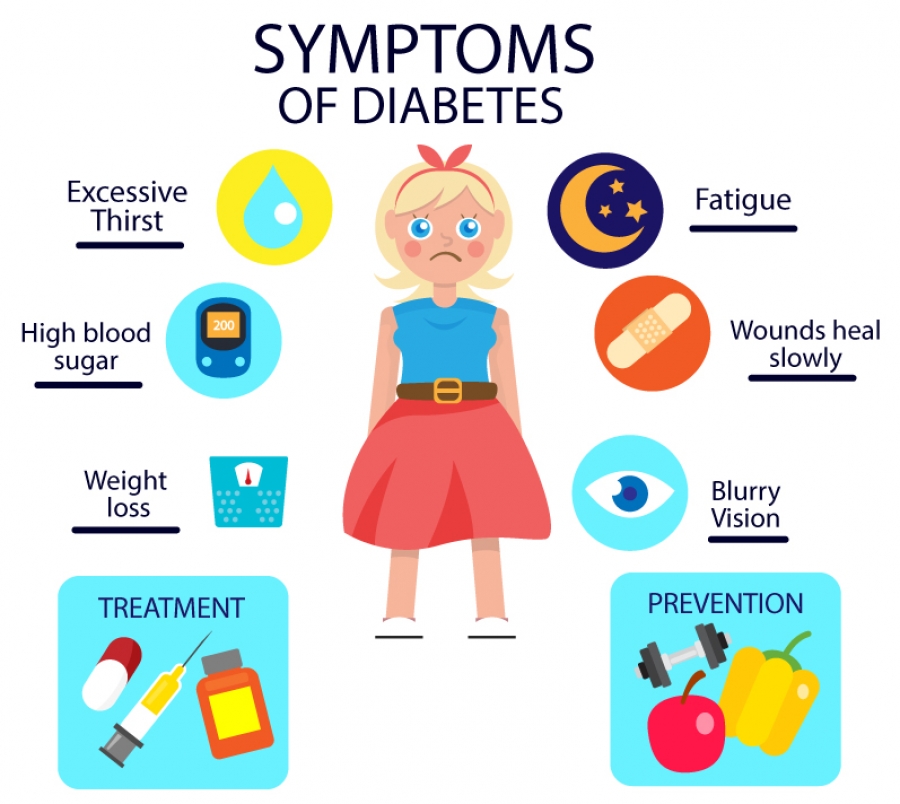
SYMPTOMS OF DIABETES MELLITUS
The symptoms of high blood glucose levels include:-
increased thirst
increased urination
increased hunger
when the blood glucose level rises above 160 to 180 mg/dL glucose spills into the urine. When the levels of glucose in the urine rises even higher, the kidneys excrete additional water to dilute the large amount of glucose. Because the kidneys produce excessive urine, people with diabetes urinate large volumes frequently(polyuria).
Other symptoms of diabetes include:-
blurred vision
drowsiness
nausea
decreased endurance during exercise.
Treatment:-
Diet
Exercise
Weight loss
Education/ awareness
In type-1 diabetes, insulin injections are given.
In type-2 diabetes, often drugs by mouth and sometimes insulin or other drugs by injection are given.
To begin with we first need to understand what exactly introversion and extroversion is. Introverts become exhausted when they are with other individuals, but when they are alone, they restore their vitality, whereas extroverts are the people who gets energetic when they are surrounded by people but when they are alone, they grow exhausted and gloomy. We must understand that there is nothing wrong with being either especially the people who are introverts because they are the one’s who are often looked down upon because of their personality traits of being diffident and timid. But they are the ones who have creative and original mind and are a great problem-solvers.
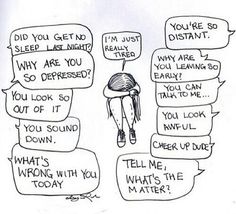
However, a prominent symptom of depression is withdrawal from people which is also a personality trait of introverts who likes to be in solitude away from others. Thus, someone who doesn’t know the introvert well might believe that the person have depression or social anxiety based on these traits. But a closed one can motivate the introvert to seek professional help.
REASONS WHY INTROVERTS ARE MORE PRONE TO DEPRESSION
1.BRAIN ACTIVITY IN INTROVERTS
Introverts don’t want or crave more stimulation from other people because they already have a lot on their minds. Because of which their brain activity is significantly higher than that of extroverts, according to neurological research. But this has a negative as well as positive aspect since such brain activity can be used as strength because introverts typically are brilliant thinkers and creators but but it can also be a disadvantage because they may overthink certain ideas and emotions especially overthinking negative emotions like guilt, embarrassment, and helplessness as a result of social isolation can cage their minds and make them more vulnerable to mental health disorders.
2. Traits of being a perfectionist and self-assertive
There are many self-help books which claim that being a perfectionist will not help you in gaining power over others or do not exhibit self- confidence instead it develops negative emotions. Introverts do have this personality trait of being a perfectionist and are very self-assertive because of which they feel unsatisfied with themselves and with their lives of not doing good enough. And it leads to mental exhaustion and creates anxiety and they become more prone to depression. So, a gentle reminder to all the people who are being harder on themselves, to relax and be gentler and cautious of these traits.
3.Tendency of being alone
Being at ease with oneself and enjoying alone should be viewed as a strength but As we all know that excess of everything is dangerous. So, Excessive seclusion is a harmful habit that can lead to depression and other psychological problems and is the one thing the introverts should be mindful about.
Many studies were conducted to see the linkage between introversion and depression, and it has been found out that introversion contribute to the onset of depression. A research was conducted in 2017 which suggests that people with lower extroversion tends to have more social anxiety and depressive thoughts such as suicide because they have higher levels of neuroticism which means experiencing negative feelings.
So people with introversion are more likely to have a higher risk of depression and if someone is suffering from depression or other mental health condition should seek mental health professional help in order to correctly diagnose, treat, and analyze such diseases because recovery takes time and asking for help is a brave move.
We have been conditioned in such a way that it is believed, that women are supposed to be fragile and sensitive in nature where as men are supposed to be thick-skinned and emotionally numb. However, in reality emotions are gender neutral. It’s not manly to be strong and harsh. And similarly, it’s not feminine to be weak and to cry. The experiences faced by men or women might be different but since they are both humans and have emotions, it is not wrong to express it. (So, the next time someone tells you to man up and stop crying, you know what to say)
SHARING RESPONSIBILITIES AND RESPECTING THE OPINIONS OF YOUR PARTNER DOES NOT MAKE YOU A ‘JORU KA GULAM‘
Understanding, Compassion and Mutual – Respect should be the basis for any healthy relationship. It is the basic need of a human to be heard and acknowledged. Hence, it doesn’t make a man a ‘JoruKa Gulam’ if he is respectful to the opinions of his partner and understands him/her. Society in general tends to question and mock those changes that question their years of belief. In order to avoid their inner-conflict, they discourage the progressive mass so that they don’t have to change and no one can question them. (Yes, kind of like a defence mechanism – Pointing fingers at the other person before they point at you).
FAMILY RESPONSIBILITY SHOULD NOT BE THE SOLE RESPONSIBILITY OF A MAN OR A WOMEN.
Two people form a relationship and they are called partners for a reason. They are part responsible for every aspect of a household. So why should the burden of the entire family fall on the shoulders of a single person. It is normal for a woman to have a successful career and to support a family financially. (No, it doesn’t make him less manly by earning less or letting his wife handle finances). Similarly, household chores should not be the sole responsibility of a women. It doesn’t make a man submissive if he cooks for his partner or does basic household chores. Rather, such relationships are built on mutual respect and compassion which tend to last longer.
STRONG, BRAVE AND INDEPENDENT ARE NOT TERMS SYNONYMOUS WITH MEN.
It is acceptable for a women to be strong yet sensitive, to be scared yet courageous enough to face it. Adjectives like strong, brave are often used for men, whereas it’s completely normal for a women to have each of those qualities. We have women officers who are equally as brave as the men. There are men who prefer household work over finances and it doesn’t make them dependant on their partners or submissive in any way.
You must be logged in to post a comment.