About the phenomenon: Amrita Pritam

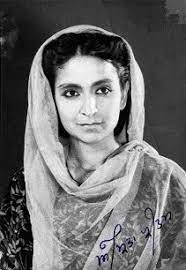
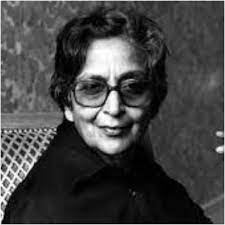
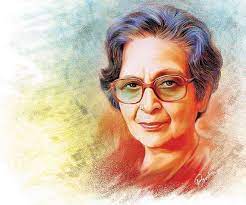
A woman of India, a woman of our hearts. Amrita Pritam was a poet and author, primarily adept in writing Punjabi and Hindi poems. She was born in the year of 1919, on the 31st day of August, in a village named Gujranwala, Punjab(British Raj) to Raj Bibi, a school teacher, and Kartar Singh Hitkari, a writer and poet, as Amrit Kaur. With the grief of her mother passing away when she was just 11, she felt her inside hollow and dark. And to express that utter emptiness, she started writing, and she never stopped. Gradually, along with expressing that sorrow, writing filled her hollow, thriving her into publishing her first anthology at 16 named Amrit Lehran (immortal waves), the same year, she got married to a guy named Pritam Singh. and hence, she was now called as Amrita Pritam. No one knew then, that in a few years, this name was going to be in everyone’s hearts.

After a few years of anguish, pain and numbness, her marriage fell apart. To have a living of her own, Amrita started working in the radio. she worked their till 1961, a year after her marriage ended. the partition of 1947 started to scar her thoughts, a Punjabi refugee, she shifted from Lahore to Delhi while having her son in her womb. In those devastating days, she wrote a poem called ‘aaj aakhaan waris shah nu‘ meaning ‘I ask Waris Shah today’, to enlighten her on how the world was falling apart and if he could help from the grave he was in. How could w=one know that this poem itself would be the infinite reminder of how depressive the world had gotten during the partition and how Amrita was rendered a legend the minute she rested her pen down when finishing this beautiful work of art.

Her novel Pinjar, published in 1950, described where the riots of 1947 left the women of the countries, and how badly they suffered the wrath of the communities, of the religions. this novel, which was then made into a film, was one of the greatest works of Amritaji.

She edited nagmani, a Punjabi literary magazine which she ran with Imroz for 33 years, though after the partition, she started writing in Hindi as well. she was the first recipient of the Punjabi Rattan Award. She also started writing spiritual themed books, like kaal chetna, agyat ka nimantran etc. her autobiographies included, Rasidi Ticket, Kala Gulab etc. The list of her works is almost endless, this phenomenon wrote more that 100 books containing poems, novels, autobiographies, and what not. These were then published in over 50 languages all over the world.

One of the most highly controversial women in India, she had an indefinite affection for the known, Sahir Ludhianvi, who found comfort in singer Sudha Malhotra, rather than the lovestruck Amrita. In a matter of time, she found her solace in painter Imroz. After many years of illness and disease, she left in peace, in her sleep at the of 85. Though her body died, her legacy lived on. she is still an asset to the world and its poets, and loved dearly on both sides of the India-Pakistan border. this is called a life well lived.

Thoughts Are Yours But Not YOU

Thoughts do not define you.


Isn’t it sounding dumb? Let’s introduce you to a new perspective.

Most of the humans inhabit in themselves a computer which runs in accordance to the instructions. It goes without saying which part of a human it is. It is none other than our brain. The reasons behind our race’s excelling heights but also the main culprit behind its sadness. But it does not define us

How? Still unanswered!

Because the brain is hard to control. Why do you think a person requires a psychiatrist or a psychologist or a therapist to understand their thoughts, reactions and behaviours?

And also…why do you think you want to keep a part of YOU under control?

Because it is not you. And applause to those who become aware of it and consult the right person.

But how do I justify what I just explained?

The subconscious brain acts in accordance to the our thoughts/perspectives and how it usually makes us react to a particular kind of situation.
For example: We may have a habit of getting angry out of nowhere when someone intimidates us . That’s our usual way of thinking in such situation. Fight back!

•Or,we may get worried when smallest of things are left undone. Maybe because our thoughts murmur all possible negative consequences the undone tasks may have

•Or,We may get frustrated when something does not go our way because our thoughts might just block out any possible scope of understanding.

How many times do we end up crying or saying to ourselves “This was not me. I didn’t meant to do it” to ourselves or to the person concerned?

What is similar in these three examples?

Guilt. Surprise. Cluelessness. Breakdown. All of which takes place after we have reacted. But why?

Because it induces toxicity in us. We do not want to react that way but we feel imprisoned.

The kind of thoughts which we nurture towards a certain situation(negative thoughts)stimulate such reactions and when the reaction is delivered, it makes us feel terrible. We end up questioning, why did we act like that?

The answer is, because of our own perspective!
The way in which we usually perceive a situation gets registered deep inside our subconscious mind and its so deeply registered that mostly, we cannot stop ourselves from perceiving things the same way in every situation.
The subconscious mind has observed you thinking one particular way and it has understood how to think thereafter.

Then how do we change the instructions which we gave to this computer?

Be aware of the instructions you give to it. Being aware is the key to controlling your thoughts.
Be aware of the development of this habit of thinking negatively. Be aware of your perspective and how it is controlling you.

Every situation is neutral. We are not really controlled by a situation but by our thoughts regarding the situation.
A positive mindset diverts our mind to the brighter side of the situation. To the goodness present in it. Such a mindset gives us happiness and makes us humble.

A negative mindset is rather cynical. It makes us feel terrible about the situation and thus,we end up acting terribly.
In such a situation we do not control our thoughts but it controls us.

A negative mindset attracts negative vibes, things and sometimes negative self proclaimed prophecies may end up becoming our reality.

But how do we control it?

Consult a psychiatrist or a therapist. I put it the first because it is important too. The fact about getting medical assistance for mental health is talked about so rarely that I decided to put it as a possible and probably one of the best ways to control your thoughts. Speak it out to them.

Meditation. Changing your thoughts require you to calm yourself down the first. Meditation gives you an understanding of the true nature of your thoughts by making you calm and relaxed. When calm, you can question your thoughts and be crystal clear about the reason behind its existence. Delete the instructions from the computer by questioning its importance.
Be calm to hear the voices in you

Engage in positive activities. After deleting the old instructions which your computer was habituated to, you require a set of improved instructions.
Meditation can be the best instruction because it teaches us how to control our thoughts and get a clear understanding of our emotions. Reading self help books help further in understanding your subconscious mind and therefore, helping you understand how to instruct it and get control over it. Yoga helps you to stay active, healthy and can greatly control the stimulation of anger and frustration by assisting you in controlling your thoughts. Pursue new habits. Keeping yourself busy with habits which add up to your growth and development can do wonders to your perspective.
Drinking enough water can equally boost your thoughts. Water absorbs energy and when you surround yourself with positive activities, habits and people, it absorbs the best. Remember, more than half of your body is water. Travelling is an all time favorite therapy for most. Its benefits goes without saying. Go somewhere far and spend time with YOU. YOU and your soul deserves attention.
Practice helping and humility. You can never ever absorb the N of NEGATIVITY in you when your soul is open for all.

At the end of it all, if you are confused between thoughts and emotions, let me explain my take on it.

Thoughts stimulate emotions which in turn stimulate reaction.
Understand your emotions and control your thoughts. The lock is the subconscious mind and awareness is the key.


IMPORT PROCEDURE

The buying
of goods and services from outside the nation is called importing. Usually, it
is done in case the country is not able to produce that good themselves
efficiently due to lack of resources. The process of importing is a lengthy
one. There are lots of paperwork and decisions made in order to trade
internationally. Let’s have a look at the procedure here.


1.TRADE
ENQUIRY

The first
and foremost step is to enquire and collect all the information about the
countries and the firms that can export the required goods in the importing
nation. The importer comes into contact with the exporter with the help of a
‘trade enquiry’ where he requests for all the details related to the goods need
to be imported.

In response
to the enquiry, the importer receives a ‘Performa Invoice’ which
contains all of the information that he asked for.


2.IMPORT
LICENSE AND IEC NUMBER

Some goods
can be shipped across nations freely without any restrictions. But some goods
need a license to be imported to a certain territory. This list of restricted
goods can be checked through the ‘Export Import Policy’ (EXIM). A
license must be acquired if the required goods falls under this list.

Also, in
India, it is necessary for all the importers to register themselves under the
Directorate General Foreign Trade (DGFT) and get an Import Export Code (IEC)
which must be mentioned on the import documents.

3.FOREIGN
EXCHANGE

Now, the
importer has to arrange for foreign exchange as the payment for the goods must
be made in the currency of the exporting country. For instance, India will have
to pay in US Dollars if the goods are being imported from USA. In India, these
exchanges can be procured by the Exchange Control Department of Reserve Bank of
India.


4.PLACE
ORDER

After the
foreign exchange is procured, the importer has to place an order to the
exporter with all the necessary information such as quantity, quality,
insurance, weight, date and time of delivery, packaging and lot more. This
order can either be directly placed by the importer or could be placed through
a middleman.


5.LETTER
OF CREDIT (LOC)

An exporter
needs to be sure about the financial condition of the importer to secure his
payment. For this reason, he demands for an LOC from the importer which is
issued by the importer’s bank as a guarantee that the importer is financially
stable enough to make the payments. This LOC will only be issued by the bank if
they are sure about his credibility.


6.FINANCE
ARRANGEMENT

The importer
has to pay for the goods when they arrive in order to retrieve them. Therefore,
he must arrange the finance way before the delivery of the goods so that he
won’t be penalized for letting the goods stay at the port due to insufficient
funds.


7.RECEIPT
OF SHIPMENT ADVICE

After the
exporter has loaded the goods on the ship, he prepares a ‘shipment advice
for the importer which contains information such as description of the goods,
bill of lading, date and time, name of the ship, invoice number and more.


8.IMPORT
DOCUMENTS

After the
shipment of the goods, the exporter hands over the important documents like
bill of lading, packaging list, marine insurance police, certificate of origin
etc. to the banker of the importer to be sent to the importer. These documents
are only delivered to the importer when he accepts the bill of exchange.


9.ARRIVAL
OF GOODS

At the
arrival of the goods, the one in charge of the ship informs the in charge of
the dock and provides him with a ‘general manifest’ which contains all
the information regarding the imported goods. The unloading of the goods in the
importing country takes place on the basis of this document.


10.CUSTOMS
CLEARANCE

In order to
take the delivery, the importer has to clear the customs duty. Firstly, the
importer has to get a delivery order by the shipping company in order to take
the delivery. Then he must pay the dock charges for receiving the goods on the
port. After this, a ‘bill of entry’ has to be filled by the importer for
the assessment of the customs duty. This bill of entry consists of the name and
address of importer and exporter and information about the goods.

Only after
the completion of these process is the importer allowed to take away the
consignment with him.

Weight Loss & Metabolism

Weight loss is of two types. Healthy And Unhealthy and most of the time the main concern of this generation is the body. They overlook the diet. For most of the people,weight loss means skipping meals and increasing exercises. This technique is rather an illogical and harmful way of loosing weight. We may end up loosing some pounds by following such techniques but we also gain fatigue,weakness,low immunity and no proper metabolism. Eating low calorie,less nutritious foods throughout the day without no proteins or intake of other vitamins,minerals and fibres can lower down our metabolism and if metabolism slows down it can cause a slower pace in achieving a healthy weight loss,severe constipation which can make us feel uneasy and a prolonged constipation can lead to a swelled up stomach or the development of stones which can cause jaundice and cancer.
Thus overlooking the metabolism while loosing weight can effect us in adverse way.


There are different ways of increasing metabolism for a healthy weight loss. First,before anything else,we should look after our digestive system. Easily digestible and healthy foods increase the digestion rate and thus enhances metabolism. Its easy to digest healthy foods and can easily provide us energy by breaking down at a faster pace and the calories from such foods are easier to burn. It is already said,a person who has a balanced diet with nutritious foods in it,they can easily loose weight if they follow a proper exercise and physical health routine. The body burns more calories while digesting proteins rather than fats or carbohydrates. Thus,to make the diet more healthier,we can add eggs,meat,fishes and beats in our diet.On the other hand,a person who has a disbalanced diet,concentrating on only one nutrient or comprising of just junk food will find it difficult to burn the calories and the extra fats.which gets stored in their bodies. Junk foods take longer time to break down and the calories they contain do not burn easily. This is how a proper diet leads to a proper digestive system which in turn stimulates better metabolism which helps in weight loss. We may also added vitamin B1,B2 and B6 as they are equally important for increasing metabolic rate


The body is a machine. If it’s not active,it gets rusted. A balanced diet cannot help unless there is a presence of a PROPER exercise routine. Even if for half an hour,high intensity workouts help to burn the calories and steadies the metabolism rate. Full body exercises,stretches and basic exercuses for the abdominal muscles can be a good start for the beginners.
Increasing metabolism is not possible if the consumption of calories is more than the calories which get burned but sometimes even after trying alot our metabolism may not increase. It can be due to presence of any diseases in our body like hypothyroidism. In such a case,diet and exercises should be decided after consulting a doctor.
Building muscles does not only makes our body look fitter and more attractive but it also has many hidden benefits. People with more muscles have a better metabolism rate as one pound of muscles uses 6 calories to sustain whereas each pound of fat uses 2 calories. Thus,muscle training can help us to a great extent to burn fats and engance the metabolism rate. But however,aerobic exercises are equally useful.


And the major ingredient to a better health?drink lots of water. Water doesn’t just calm our thirst but also our body. People who drink 8-9 glasses of water have a good metabolism rate as calories need water to be processed and burn. Water is important for digestion. If our body is dehydrated,the process kf metabolism slows down. Thus,to increase the metabolism rate one should nwver underestimate the power of water. The best part is water doesn’t have much calories but helps to burn hundreds of calories. Drinking water before and after every meal will help the body to break down the food easily while keeping us hydrated. Cucumbers,tomatoes and other such vegetables and fruits with high water content can also be consumed to boost up our calorie burning capacity.


Last but not the least,never cheat on sleep. When sleeping our body produces a hormone named ghrelin(increases hunger)and releases less of the hormone reption(helps a person to feel full). Thus,enough sleep balances the hormones and prevents overeating

TOP FIVE EXERCISE TO BUILD MUSCLES

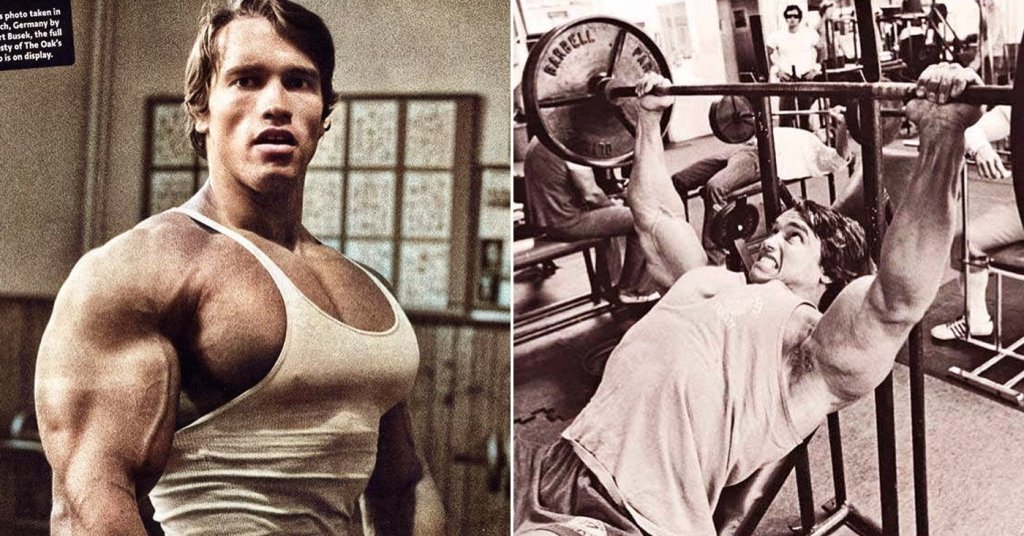
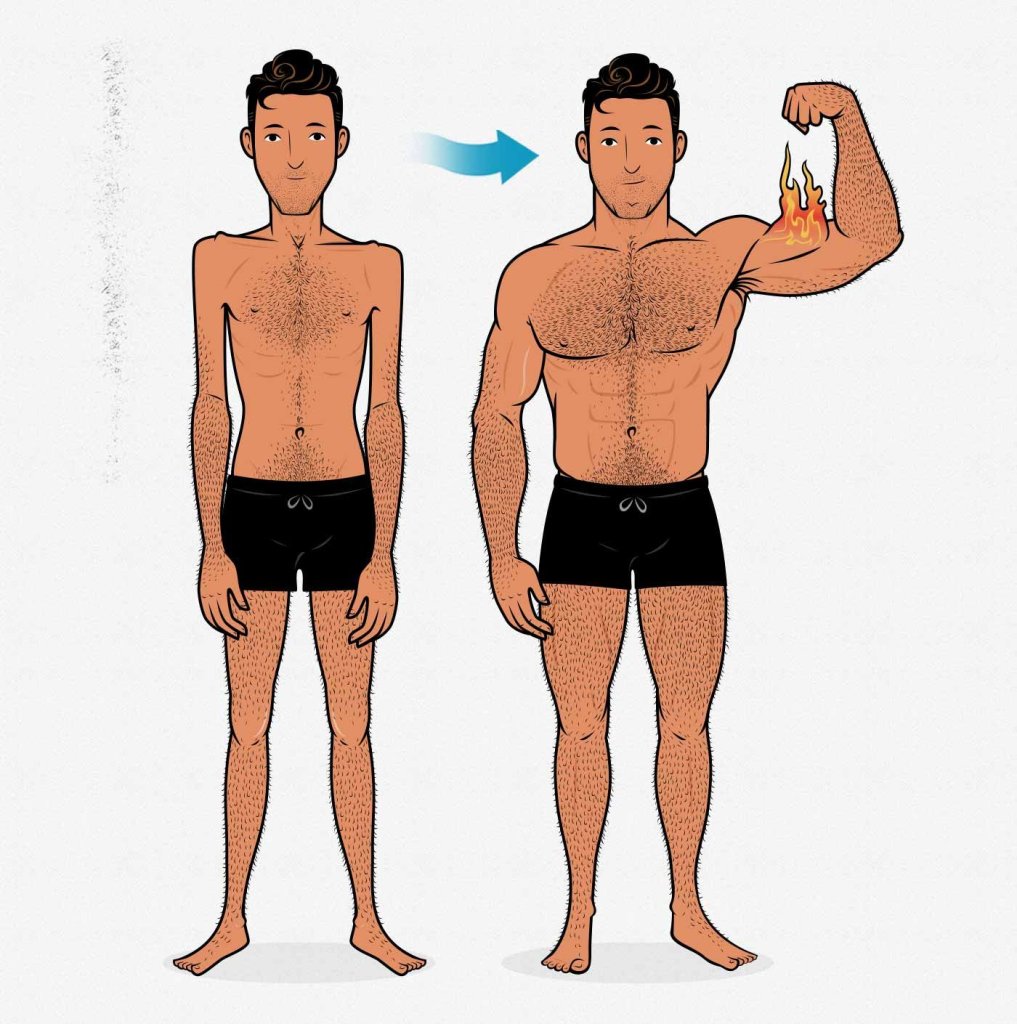
There are so many people who are in skinny body so they fell low in confident, attraction. Here I came with few exercises to build muscle and attractiveness to yourself. But also it’s to done consistently for the optimistic results.

1) SQUATS

A squat is a strength exercise in which the trainee lowers their hips from a standing position and then stands back up. During the descent of a squat, the hip and knee joints flex while the ankle joint dorsiflexes; conversely the hip and knee joints extend and the ankle joint plantarflexes when standing up. https://en.m.wikipedia.org/wiki/Squat_(exercise)

Here are some advantages of squats: 1) Strengthens your core. 2) Reduces the risk of injury.
3) Crushes calories.
4) Strengthens the muscles of your lower body.
5) Boosts athletic ability and strength.

2) DEADLIFTS

The deadlift is a weight training exercise in which a loaded barbell or bar is lifted off the ground to the level of the hips, torso perpendicular to the floor, before being placed back on the ground. It is one of the three powerlifting exercises, along with the squat and bench press. https://en.m.wikipedia.org/wiki/DeadliftA barbell deadlift is a compound exercise and works the gluteus maximus with further work on the quadriceps femoris, hamstrings, trapezius, lats, and erector spinae. The quadriceps, hamstrings, adductor magnus, and soleus serve as synergists during the exercise.

Here are few advantages of DEADLIFTS:

  • Muscle building workout
  • Improves stamina
  • Good for heart
  • Helps in growth hormones

3) BENCH PRESS

The bench press, or chest press, is an upper-body weight training exercise in which the trainee presses a weight upwards while lying on a weight training bench. The exercise uses the pectoralis major, the anterior deltoids, and the triceps, among other stabilizing muscles. https://en.m.wikipedia.org/wiki/Bench_press A conventional bench press uses the pectoralis major, anterior deltoids, and Triceps brachii to horizontally adduct the shoulder. It also uses predominantly triceps and anconeus to extend the elbows.

Here are some advantages of beach press:

  1. Good for upper body.
  2. Enables confidence.
  3. Better feel than yesterday

4) LUNGE

A lunge can refer to any position of the human body where one leg is positioned forward with knee bent and foot flat on the ground while the other leg is positioned behind. https://en.m.wikipedia.org/wiki/Lunge_(exercise) Doing this exercise will promote your legs bigger and better. This lunge exercise will improve in legs and avoid leg injuries.

Here are some advantages of lunges:

  • Good for hamstrings
  • Relief pain from joints
  • Improve posture

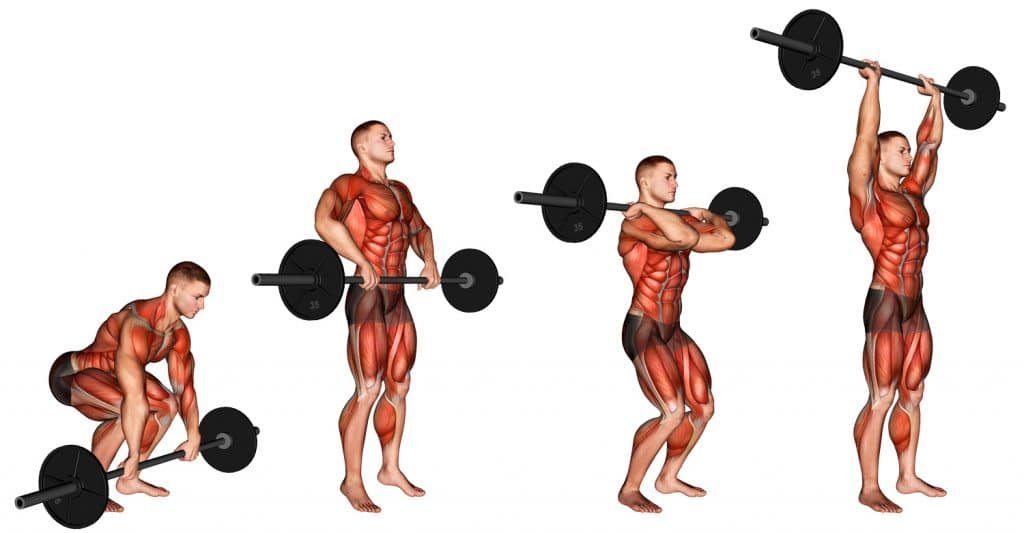
5) CLEAN AND PRESS

The clean and press is a two-part weight training exercise whereby a loaded barbell is lifted from the floor to the shoulders and pushed overhead.https://en.m.wikipedia.org/wiki/Clean_and_press The main muscle worked in a clean and press is your shoulders, but the movement also works your traps, triceps, middle and lower back, abdominals, glutes, quadriceps, hamstrings, and calves. It is a full body exercise, which not only can be performed for hypertrophy, but also for strength.

Here are few advantages of clean and press:

  • Good for abs, triceps, biceps,
  • Promote stamina
  • Helps in good posture
  • Enables slow-aging
  • Fell better than yesterday

What Islam says about hygiene

HOW DO WE KNOW THAT CLEANLINESS IS VERY IMPORTANT IN ISLAM? We must bathe at least once a day and we must do Wudu before our prayers. We should also wash and dry ourselves properly everytime we use the toilet and remember to wash and clean our hands.

THE significance of cleanliness and hygiene cannot be overlooked by any society. Every faith and civilisation stresses the importance of cleanliness. Historically, cleanliness has been considered one of the important factors by which to judge a civilisation’s or society’s development.

Islam places great emphasis on cleanliness and purity, both physically and spiritually. In Islam, spiritual purity is linked to physical cleanliness and purity. More importantly, cleanliness is termed an indispensable fundamental of faith.

However, this fundamental and powerful tenet of our faith, unfortunately, is not reflected in our society practically. Serious reflection is required on our individual as well as collective practices in order to make this valuable principle of Islam part of our lives.

There are many verses in the Holy Quran which reflect the importance of cleanliness. For example, Allah says “…Truly, Allah loves those who turn to Him constantly and He loves those who keep themselves pure and clean” (2:222). In the Quran worship and seeking Allah’s love is conditioned with cleanliness and purity as the Holy Book says “…In it [mosque] are men who love to clean and to purify themselves. And Allah loves those who make themselves clean and pure” (9:108). Furthermore, in one of his sayings, the Holy Prophet (PBUH) has termed cleanliness as half of faith.

Gandhi Jayanti

 By: Astha Raghav. 

Gandhi Jayanti is celebrated on October 2 every year to mark the birth anniversary of Mohandas Karamchand Gandhi, popularly known as Mahatma Gandhi. Known as the ‘Father of the Nation’, the ideologies, struggles and kindness of Gandhi drove India to its independence. One of the most prominent leaders of India’s independence movement, Gandhi was the man behind non-violent civil disobedience.

This year will mark the 152nd birth anniversary of Mahatma Gandhi and the entire world observes this day as ‘Gandhi Jayanti’. It is a national holiday in India to honour the legendary leader without whom India wouldn’t have tasted independence. The United Nations also observe Gandhi Jayanti as ‘International Day of Non-Violence’ every year.

Gandhi played a key role in India’s freedom movement and his philosophies towards India have impacted people’s lives. His method of non-violence inspired many civil rights movements in the world and he also fought to bring significant changes in society.

Who was Mahatma Gandhi?

Born on October 2, 1869, in Porbandar in Gujarat, Mahatma Gandhi is considered as the nation’s tallest leader of the independence movement. As a child, he always expressed his feelings about patriotism and united India with his thoughts and ideologies to fight for freedom.

He successfully led India’s non-violent movement against the colonial British empire. He went to South Africa to study law and led nationwide campaigns for farmers and labourers and also fought against caste  of athall age groups discrimination and was vocal about expanding women’s rights. 

Thank You!

Unemployment

 By: Astha Raghav. 

Unemployment is measured by the unemployment rate, which is the number of people who are unemployed as a percentage of the labour force (the total number of people employed added to those unemployed).

Unemployment can have many sources, such as the following:

  • new technologies and inventions
  • the status of the economy, which can be influenced by a recession
  • competition caused by globalization and international trade
  • policies of the government
  • regulation and market

Unemployment and the status of the economy can be influenced by a country through, for example, fiscal policy. Furthermore, the monetary authority of a country, such as the central bank, can influence the availability and cost for money through its monetary policy.

In addition to theories of unemployment, a few categorisations of unemployment are used for more precisely modelling the effects of unemployment within the economic system. Some of the main types of unemployment include structural unemployment, frictional unemployment, cyclical unemployment, involuntary unemployment and classical unemployment. Structural unemployment focuses on foundational problems in the economy and inefficiencies inherent in labor markets, including a mismatch between the supply and demand of laborers with necessary skill sets. Structural arguments emphasize causes and solutions related to disruptive technologies and globalization. Discussions of frictional unemployment focus on voluntary decisions to work based on individuals’ valuation of their own work and how that compares to current wage rates added to the time and effort required to find a job. Causes and solutions for frictional unemployment often address job entry threshold and wage rates.

According to the UN’s International Labour Organization (ILO), there were 172 million people worldwide (or 5% of the reported global workforce) without work in 2018.

Because of the difficulty in measuring the unemployment rate by, for example, using surveys (as in the United States) or through registered unemployed citizens (as in some European countries), statistical figures such as the employment-to-population ratio might be more suitable for evaluating the status of the workforce and the economy if they were based on people who are registered, for example, as taxpayers.

Thank You!

International Business

By: Astha Raghav 


 It is defined as business transactions that takes place across national boarders.  This broad definition includes the very small firm that exports ( or imports) a small quantity to only one country, as well as the very large global firm with integrated operations and strategic alliances around the world. 

International business refers to the trade of goods, services, technology, capital and/or knowledge across national borders and at a global or transnational scale.

It involves cross-border transactions of goods and services between two or more countries. Transactions of economic resources include capital, skills, and people for the purpose of the international production of physical goods and services such as finance, banking, insurance, and construction. International business is also known as globalization.

To conduct business overseas, multinational companies need to bridge separate national markets into one global marketplace. There are two macro-scale factors that underline the trend of greater globalization. The first consists of eliminating barriers to make cross-border trade easier (e.g. free flow of goods and services, and capital, referred to as “free trade”). The second is technological change, particularly developments in communication, information processing, and transportation technologies.

Thank you!

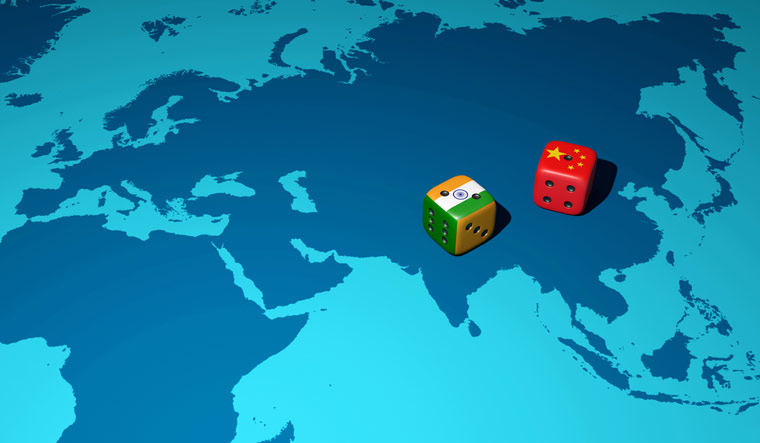
INDIA – CHINA Relation

China–India relations, also called Sino-Indian relations or Indo–Chinese relations, refers to the bilateral relationship between China and India. China and India had historically peaceful relations for thousands of years of recorded history. But the tone of the relationship has varied in modern time, especially after the rule of Communist Party in China; the two nations have sought economic cooperation with each other, while frequent border disputes and economic nationalism in both countries are a major point of contention. The modern relationship began in 1950 when India was among the first countries to end formal ties with the Republic of China (Taiwan) and recognize the People’s Republic of China as the legitimate government of Mainland China. China and India are two of the major regional powers in Asia, and are the two most populous countries and among the fastest growing major economies in the world. Growth in diplomatic and economic influence has increased the significance of their bilateral relationship.

Cultural and economic relations between China and India date back to ancient times. The Silk Road not only served as a major trade route between India and China, but is also credited for facilitating the spread of Buddhism from India to East Asia. During the 19th century, China was involved in a growing opium trade with the East India Company, which exported opium grown in India. During World War II, both British India and Republic of China played a crucial role in halting the progress of Imperial Japan.

Relations between contemporary China and India have been characterized by border disputes, resulting in three military conflicts – the Sino-Indian War of 1962, the Sino-Indian war of 1967, and the 1987 Sino-Indian skirmish. In early 2017, the two countries clashed at the Doklam plateau along the disputed Sino-Bhutanese border. However, since the late 1980s, both countries have successfully rebuilt diplomatic and economic ties. In 2008, China became India’s largest trading partner and the two countries have also extended their strategic and military relations.

Despite growing economic and strategic ties, there are a lot of hurdles for India and the PRC to overcome. India faces trade imbalance heavily in favor of China. The two countries failed to resolve their border dispute and Indian media outlets have repeatedly reported Chinese military incursions into Indian territory. Both countries have steadily established military infrastructure along border areas including amidst the 2020 China–India skirmishes. Additionally, India remains wary about China’s strong strategic bilateral relations with Pakistan, and China’s funding to the separatist groups in Northeast India, while China has expressed concerns about Indian military and economic activities in the disputed South China Sea.

Should more money be spent on space exploration?

Poverty still rising all over the world, COVID-19 pandemic made it even worse. About 1.89 billion people, or nearly 36% of the world’s population, lived in extreme poverty. Nearly half the population in developing countries lived on less than $1.25 a day. Why should we spend money on space exploration when we already have so many problems here on Earth? Is it really that important? It’s like What if our ancestors thought that it would be a waste of time to figure out agriculture while we can do hunting? Or why should we spend so much time on exploring new lands while we have so many problems in our land? Each year, space exploration contributes to a lot of innovations on earth. It gave answers to many fundamental questions about our existence, and a lot of questions there to be answered if only we could increase our investment on space exploration. NASA’s annual budget is 23 billion dollars but, its only 0.1% of the total revenue. even if we were to increase the international budget 20 times it would only be a small fraction of GDP. isn’t our future worth a quarter of a percent?

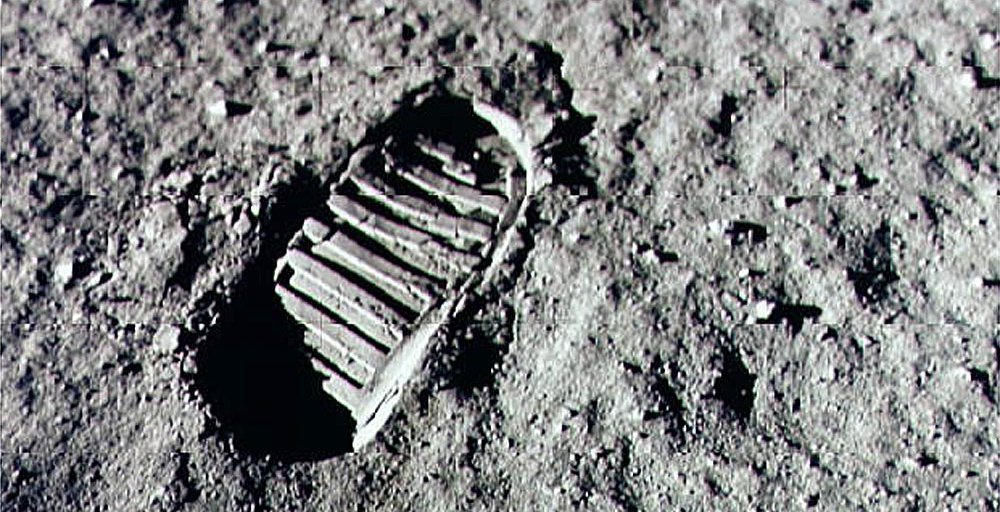
“That’s one small step for man, one giant leap for mankind”.

Benefits of space exploration:

    Improves our day to day life

       Since 1969, Neil Armstrong became the first human to ever set foot on moon, our interest in science and technology has improved a lot. In 22nd February 1978, US space agency launched the first satellite for its program of global positioning system (GPS). Currently there are 31 global positioning system (GPS) satellites orbiting the earth.Space exploration helped us to create many inventions like television, camera phones, internet, laptops, LED’s, wireless gadgets, purifying system of water and many more that we are using in our day to day life. There are nearly 3,372 active satellites providing information on navigation, business & finance, weather, climate and environmental monitoring, communication and safety.

   Improving health care

       The international space station plays a vital role in health and medical advancements. The Astronauts who works on the ISS able to do experiments that aren’t possible on earth due to the difference in the gravity. The project of Exomedicine – the study of medicine and micro-gravity, gravity has an effect on a molecular level so working in an environment where it can be eliminated from the equation allows discoveries that would otherwise be impossible. Medical advancements due to space exploration include,

  • Diagnosis, treatment, and prevention of cardiovascular diseases
  • Treatment of chronic metabolic disorders
  • Better understanding of osteoporosis
  • Improvements in Breast cancer detection
  • Programmable pacemakers
  • Laser angioplasty
  • NASA’s device with Space technology for Asthma
  • ISS plays vital role in vaccine development
  • Early detection of immune changes prevents shingles
  • Development of MRI s and CT or CAT Scans
  • And invention of ear thermometers
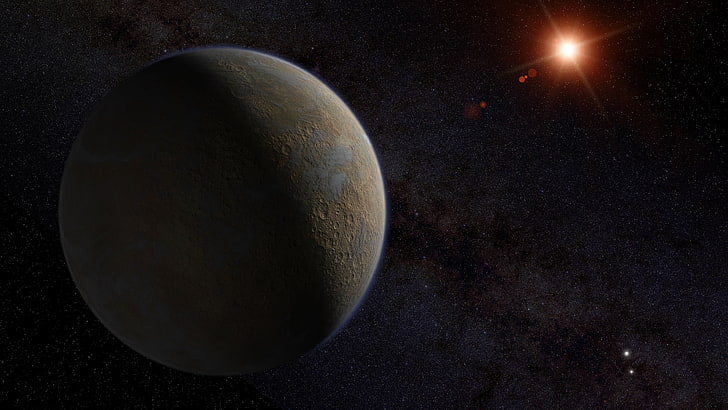
Proxima Centauri b is an exoplanet orbiting the red dwarf star Proxima Centauri

Need for space colonization

       Overpopulation is one of the major crises in our planet. Currently we have 7.8 billion people alive on earth. Experts predict that there will be 9.7 billion people by 2050 and 11 billion by 2100, our earth can carry only 9 billion to 12 billion people with the limited food and freshwater resources. That means we have to find an exoplanet with suitable conditions soon. We already went to moon 6 times, we already sent a rover to Mars. Robotic missions are cost efficient, but if one is considering the future of human race we have to go there ourselves. Elon Musk announced that SpaceX is going to send people to Mars I 2022. NASA planned to make a colony on Mars by 2030. These missions are not something we need at this moment. But it may play an important role on our future. Proxima Centauri b is an exoplanet which is 4.24 light years away from us. With our current technology, it is impossible to reach it in our lifetime. But we should make it as an aim for interstellar travel over the next 200 to 500 years. Stephen hawking said that the human race has existed as a separate species for about 2 million years. Civilization began about 10,000 years ago, and the rate of development has been steadily increasing. If the human race is to continue for another million years, we will have to boldly go where no one has gone before.

The day we stop exploring is the day we commit ourselves to live in a stagnant world, devoid of curiosity, empty of dreams. –Neil deGrasse Tyson

NOSTALGIC CHILDHOOD MEMORIES involves cartoons that today’s kids will never know

As we grow older, we sometimes forget about how much fun we had as children and how much we use to love waking up on Saturday morning and after returning from school to watch cartoons. Now that we are all grown up, it is easy to get lost in our long lists of things-to-do and forget to appreciate the little things.

The mind is a complicated thing, and although we have pushed back many of our childhood memories, it still harbours every theme song, character and saying that we use to live by. So, all it would take is for someone to hum a certain tune, and once recognized, you would probably be able to sing it out — word by word.

If you recently happened to flip through the channels, you might have caught a glimpse of today’s cartoons and been slightly disappointed at what you saw. Times are changing and with that the quality of TV shows are rapidly disintegrating. So be happy that you were born when you were and make sure to take a trip down memory lane every once in a while.

SOME MOST APPRECIATED AND ENJOYED CARTOON DURING MY TIME

  • BOB THE BUILDER

Bob the builder is one of my favorite cartoon show and I thoroughly enjoyed watching it as a kid. And the title track of this cartoon is super iconic, it just freshes up all the beautiful memories of my childhood. The show focused on Bob a building contractor who solves all the problems with a positive attitude along with his vehicles who can actually talk.

  • THE POWERPUFF GIRLS

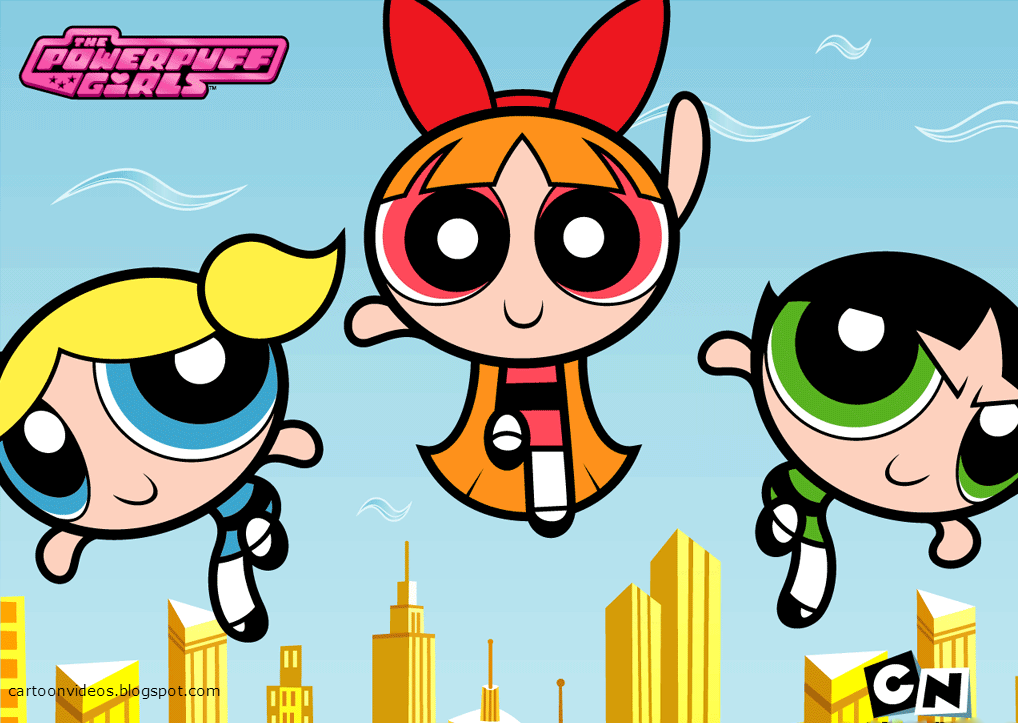
Whenever I think of  Cartoons, the first thing that pops into my head is “Powerpuff Girls”. The Powerpuff Girls – Blossom, Bubbles, and Buttercup were created by Professor Utonium in an attempt to create the “perfect little girl” using a mixture of “sugar, spice, and everything nice”. However, he accidentally spilled a mysterious substance called “Chemical X” into the mixture, creating three girls and granting all three superpowers including flight, superhuman strength, superhuman speed, superhuman senses, nigh-invulnerability, x-ray vision, red heat vision, energy projection, space survivability, and thermal resistance. Despite being the main characters of the show, the villain of the show was most popular character i.e. MOJO JOJO and his popularity was so high that you could do a freaking show on Mojo JoJo alone!

  •  Ed, Edd n Eddy

The show is based on three adolescent boys, Ed, Edd n’ Eddy. They hang around their suburban neighborhood of Peach Creek Estates, coming up with scams to con their peers for cash, so they can buy themselves a handful of their favorite treat, jawbreakers. Their plans normally fail though, leaving them in predicaments and situations that always go hay-wire. The characters almost never leave the neighborhood, and adults are nowhere to be seen, as well as any other kids.  The characters are funny and the jokes are creative. Most of the episodes are funny with the Ed’s and my favorite one is Ed because he is stupid in a funny way and comes up with the most things he says. My least favorite characters are the Kanger Sisters, Kevin, Sarah, and Jimmy.

  • JOHNNY BRAVO

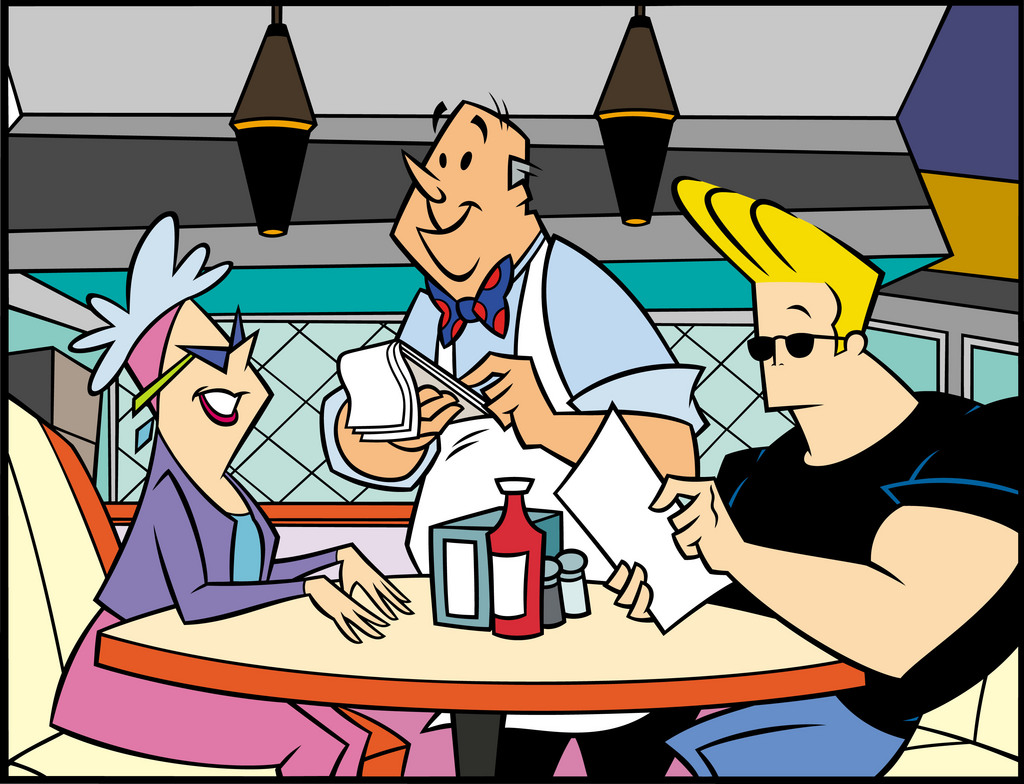
This is a show I grew up with. And probably the only show on this list that I’ve watched on and off for over a decade. Regardless of what age I was at,  “Johnny Bravo” has *always* made me laugh! And it made me laugh *a lot*! As you probably already know, Johnny is a 20 age something egotistical super-star wannabe.   What makes “Johnny Bravo” such a great show isn’t just the settings. It’s purely the main character! Constant Banters between Johnny and his mother were the most hilarious one of all things.

  • RECESS

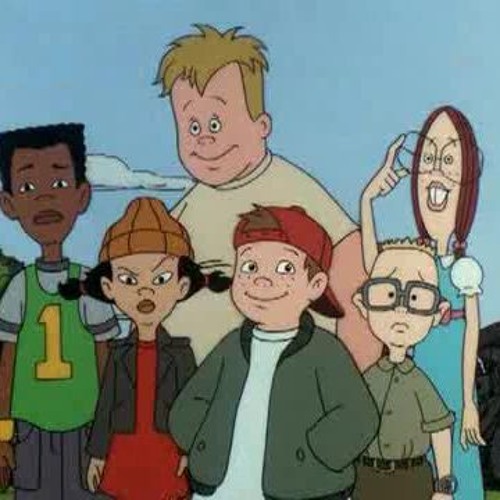
Recess is an American animated show that revolves around 6 brave elementary school kids. This cartoon show was best, it used to come on Disney channel. Almost every 90s kid has grown up watching recess in their childhood. It was just great watching recess after coming from school, this cartoon show holds so many beautiful childhood memories. This was the time where these idiotic storyline made me to cause ruckus in my own school and get punished very tough and fun time that was.

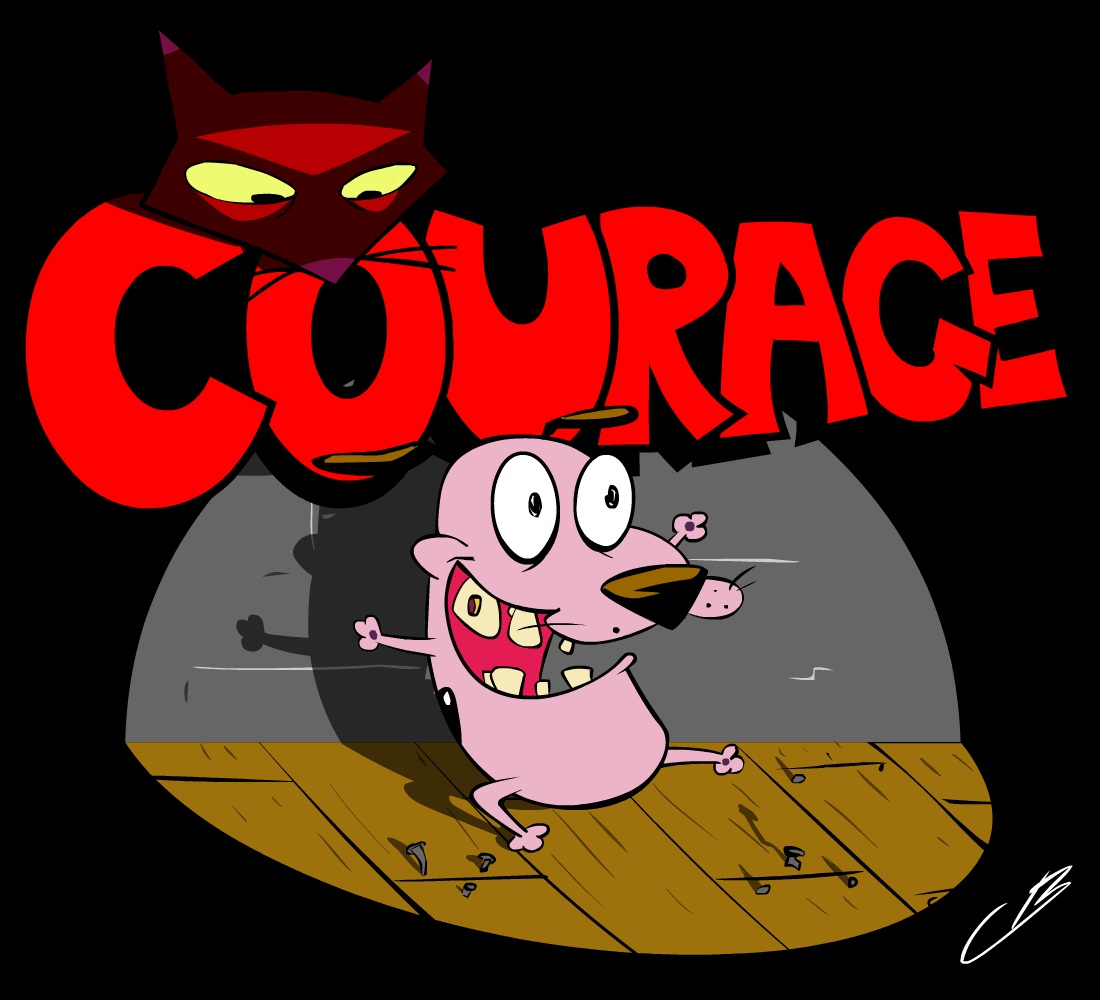
  • COURAGE THE COWARDLY DOG

“Courage the Cowardly Dog”   I Watched “Courage” when I was 10 years old it was one of the 1st times I remember feeling… genuinely disturbed while watching a cartoon. There was a real sense of atmosphere in these settings. The colors were this strange contrast of bleak, yet alien. It really added to the sense of mystery in the show. All with alien, curses , psychopaths follows the dogs like a bad mojo and add to it the hilarious abuse he get from his male owner. I watched it both in English and Hindi, I seriously found it more hilarious in Hindi dude that psycho barber episode really give me goosebumps.

  • DEXTER’s LABORATORY 

 It mentions a scientific genius who conducts countless experiments in his secret laboratory while always keeping his eyes on his elder sister Dee Dee. This boy even has to use both his teeth and fingernail to prevent her from invading his lab. 

  • POWER RANGERS FRANCHISE

Power ranger was one of the most enjoyed show of all times especially in my time, kids were hooked on the special postures and tag lines to transform in the super gears. Popularity of power ranger over the kids was equally in both gender despite having some violent fight sequence it didn’t affected its popularity.  Each series revolves around a team of youths recruited and trained by a mentor to morph into the eponymous Power Rangers, able to use special powers and pilot immense assault machines, called Zords, to overcome the periodic antagonists.

These were some of my favourite show which was cherished and enjoyed not only by me but all from my age and still do.

Casteist Of Them All

Growing up in India, belonging to a caste which is not deemed as “prestigious” or “glorified” as some others, because certain classiest men believe it to be the best way of managing a society, cannot be and does not have to be easy. The fact that these casteist men are able to pull the scam of calling names to people of a caste different to them and blaming it to be their fault requires guts to another level. Caste system has been around for so long that now when someone prefers to not to state their surname so as to avoid any sort of casteist slurs or just to promote the feeling of unity or equality they are forced to introduce themselves with their full name. The feeling that one caste is superior to another leading to subjugation of the so called inferior caste to the degree that it becomes everyday business for some and normal for others is problematic and definitely needs urgent attention. With years of development and advancement there has to be some difference in the way “dominant” look at the “survivors”, but with lack of access to education and technology the gap has only grown further, making things worse for the “non-dominants”.

Entrenched In Past

History of caste system dates back to the “SATYUG”. At the time of RAMAYANA and MAHABHARTA, the caste system started taking shape although it was not as watertight as it appears to be today but still existed. A lot of scholars argue that it was VARNA system that existed then and that CASTE system is its corrupted and un-required form. It has long been believed that there are/were four strata of society each originating from different body parts of GOD BRAHMA. With Brahamanas taking birth from the head, Kshatriyas from arms, Vaishyas from thighs and finally Shudras from feet. They were assigned tasks on the basis of this division as their capabilities matched. Although there was this division of duties and responsibilities but people could change or shift from Varna to another if they had the capability for the same. And those who did not want to change remained in the same, but were never subjected to disrespect or violence for belonging to a particular Varna.

As the society shifted its YUGA, the system of Varna also started to change. It went through a dramatic change to become present day caste system- a system way worse than Varna system. With the involvement of traditions and customs and rules that were not to be broken the Varna system soon started becoming more rigid and difficult to cut through. People were now assigned the Varna on the basis of their birth and they were to follow their parents’ leads and indulge in the same occupation as them with no adherence to their own capabilities. As society progressed towards the present times, Varna system achieved its highest level of rigidity and was now termed as caste system. The caste system did not allow anything outside the caste and was seen as an assault on the whole system. Anyone who tried to break through this system was termed anti-traditions and given capital punishment. And thus, these roots became so deep that it is difficult to cut them off even in the present day.

Data on Vulnerability

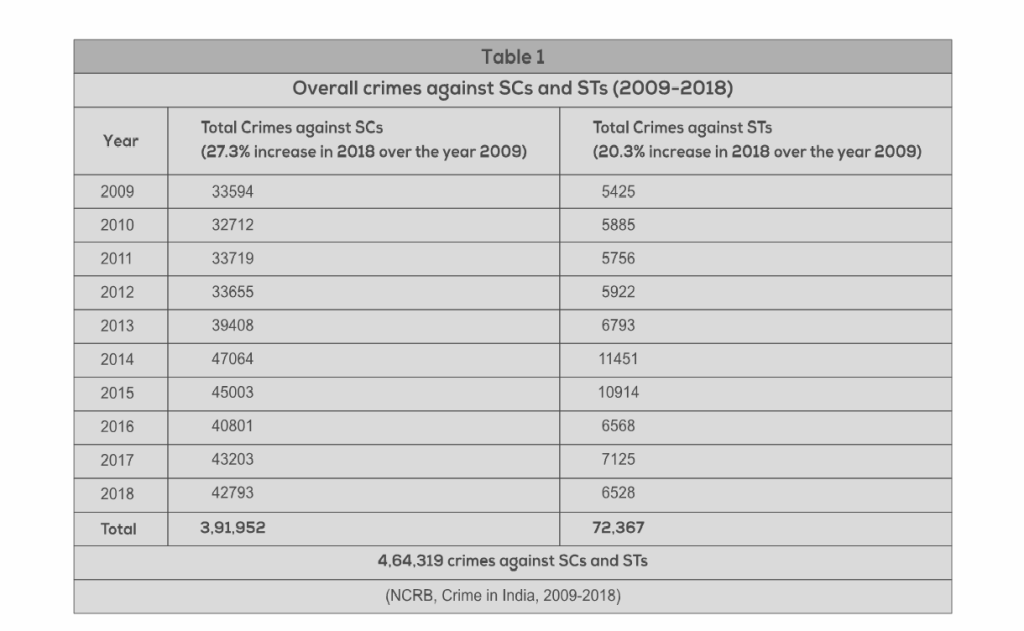
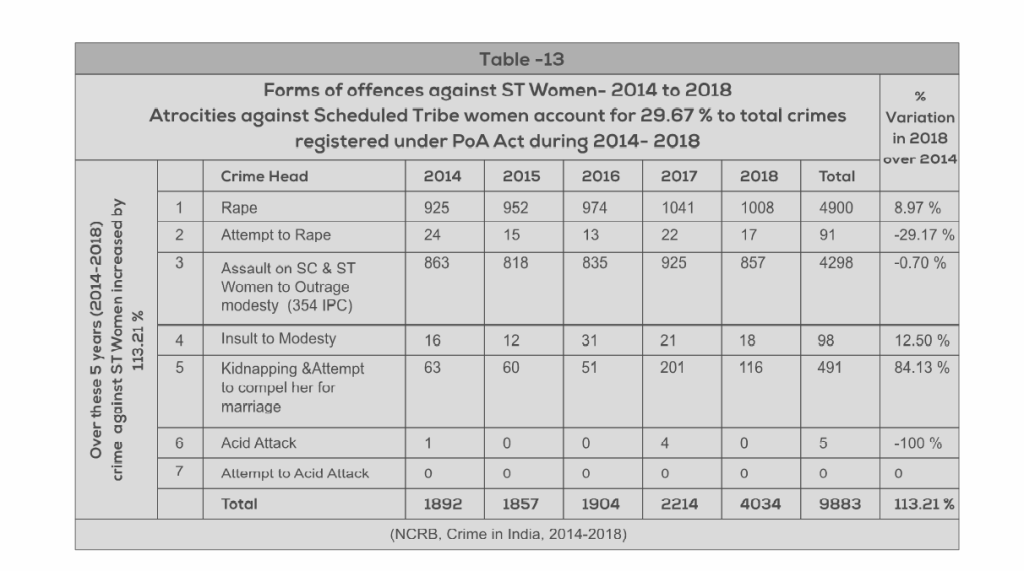
Today, we witness a number of cases of violence, brutality, discrimination and barbarity against the India’s “UNTOUCHABLES”. The graph of these cases has only been rising ever since. Sexual and physical and even mental torture continues in the name of protecting the society from the ills of SCs and STs causing a substantial number of deaths every year. The members of other caste take the responsibility onto themselves of ensuring that the audacity of these marginalized sects or caste remains in check through use of economic, political and violent power and resources, making it difficult for SCs and STs to live equally in this country as everyone. The women belonging to the discriminated castes face violence and sexual harassment more than those not belonging to these castes. According to National Crime Records Bureau of India as much as ten SC women are raped everyday and there has been a rise in their proneness to cruelty for about 44% in past ten years.

Picture Credit: https://bit.ly/39RBZpr

Present Times

In present times there have been a change in attitude of a lot of people with movies like, ARTICLE 15, MASAAN, THE WHITE TIGER and many more, the harsh reality has come in limelight and tried to change the perspective of the society towards the weaker sections. The big cities have never cared about the caste of a certain person, it is mostly the smaller towns and villages where the caste is so deeply engraved in the mindset of people that it will take time for the better and equal future. Though it will take time till this menace is shot dead in our Indian society and we could seize being Casteist of them All but still got to work for it together.

India and Unemployment

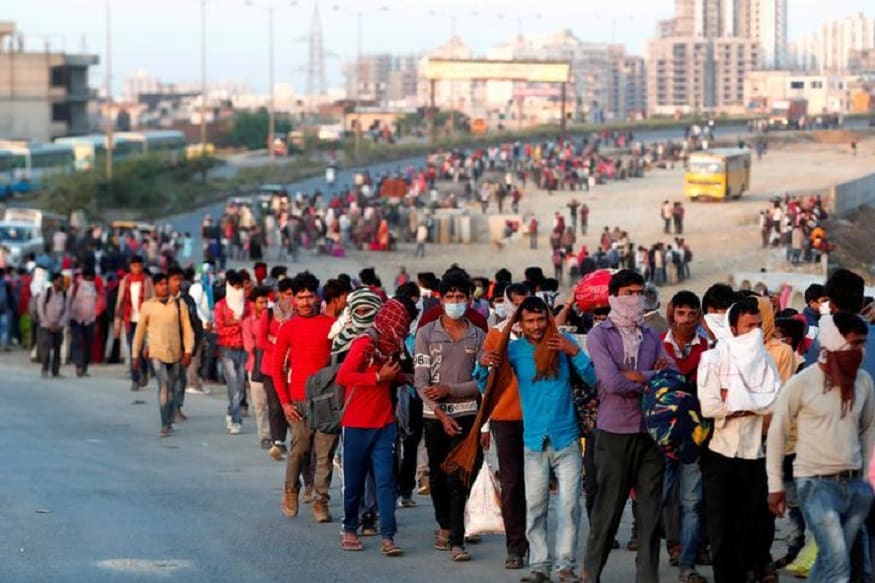
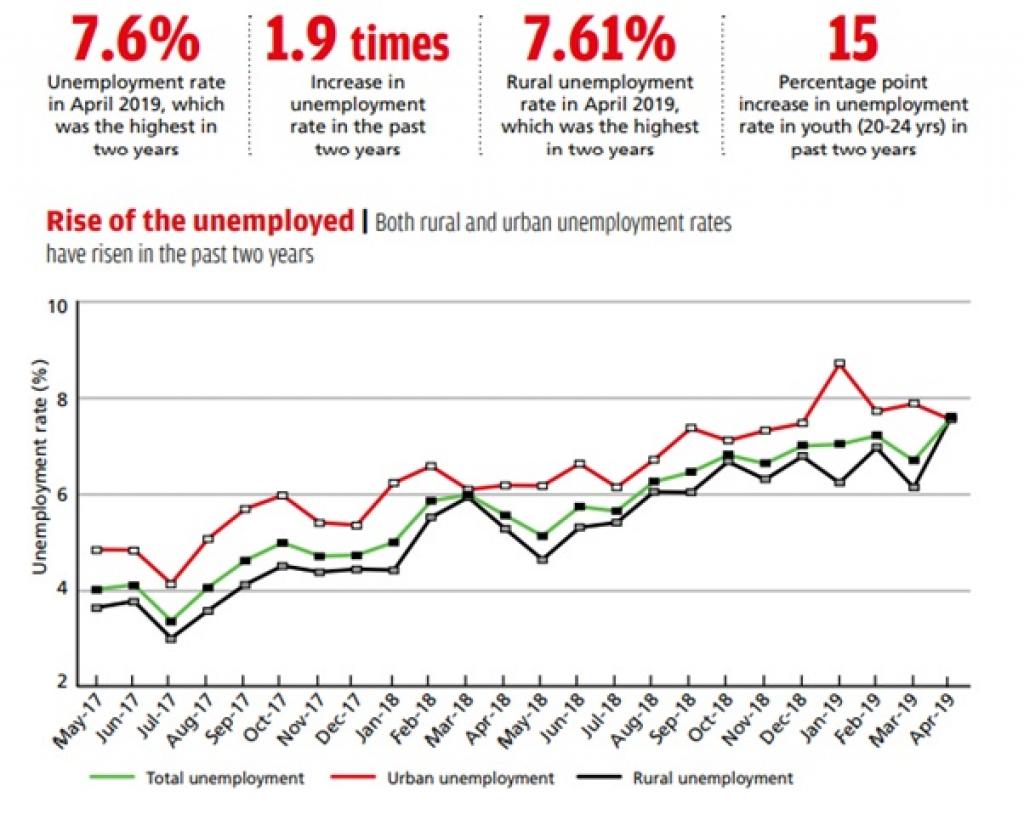
One of the major social issues in India is unemployment. As the Indian labour laws are inflexible and restrictive, and its infrastructure is poor, which is actually the main reason for India’s unemployment situation, according to The Economist. As of September 2018, according to the Indian Government, India had 31 million jobless people. The scenario of Assam, in the case of unemployment, is also worst. As per statistics made available by the state Skill Employment and Entrepreneurship department, the total numbers of registered employed in the state is 19,63,376; of them, 16,65,866 are educated or skilled ones and  2,97,510 unskilled ones. Further, as per statistics, the state has 942 unemployed medical graduates, 7,804 jobless engineering graduates, 327 jobless veterinary graduates, 832 jobless Agri graduates, 16575 postgraduates, 3,97,824 general graduates, 6,82,796 H.S.- passed candidates, 5,67,340 HSLC passed candidates and 46,137 others. The highest number of unemployed have their names registered in Guwahati which is almost 3 lakh. The lack of skill-based education in schools and colleges is the main reason for unemployment. Our education system is primarily concerned with the quality and knowledge and written examination more than practical based tasks. For these reasons, after completion of graduation, while facing interviews, students find themselves lacking in confidence and skills. The rapid growth of population also being the burden on cultivation, low productivity in the agriculture sector, defective economic planning, lack of capital etc are also some of the foremost reason for unemployment. The overall result of the unemployment is rate is already not so good; while now due to the coronavirus effect, it has left a devastating impact on the economy of India. The world has changed in the last few months, because of the rare disaster coronavirus pandemic has resulted in a tragically large number of human lives being lost. As the countries already implemented necessary quarantine and social distancing practices to prevent a pandemic, the whole world has been put in a Great Lockdown. There is uncertainty about its impact on people’s live and livelihoods. In addition, many countries are now facing multiple problems -a health crisis, a financial crisis, and a collapse in commodity prices which interact in complex ways. The COVID-19 crisis has led to a severe economic loss of the country. Within a month, unemployment rose from 6.7% on 15 March to 26% on 19th April. During the lockdown, an estimated 14 crore ( 140 million) people lost employment. It is reported that, compared to the previous year, more than 45% of households across the nation’s income is dropped. The Indian economy was expected to lose over 32,000 crore every day during the first 21 days of complete lockdown. The country’s unemployment rate rose to 27.11 % for the week ended May 3, up from the under 7% level before the start of the pandemic in mid-March, the Centre for Monitoring Indian Economy (CMIE) has said. The Mumbai-based think tank said the rate of unemployment was the highest in the urban areas, which constitute the most number of red zones due to the coronavirus cases, at 29.22%, as against 26.69% for the rural areas. When it was announced on March 25 by Prime Minister Narendra Modi to put the country under lockdown to arrest the spread of coronavirus infections; analysts had warned about the unemployment issue ever since then.  The government has so far announced income and food support to the vulnerable people as part of an Rs. 1.70 lakh crore fiscal stimulus to the economic -financial- and possibly humanitarian crisis. But it is a worst-case scenario, that 100 million and more Indian jobs will be at risk during and after the Covid-19 lockdown stage. From the end of March, most companies have come up with the three main decisions – dismissing the people, asking employees to go on indefinite leave without pay and slashing salaries by as much as 85%. During May-July, 2018, the beginning of the year of Narendra Modi’s government said the lack of employment opportunities and rising prices are India’s most pressing challenges. The lockdown has left tens of millions of migrant workers unemployed. They are often from rural areas but live most of the year in India’s megacities serving as day laborer’s, construction workers, or domestic help. Advocates for the poor say that while they support the lockdown to save lives, the way it has been rolled out with apparently little guidance for the poorest of India’s poor- may mean the lockdown itself endangers more lives than the coronavirus. India’s finance minister Nirmala Sitharaman announced more than 22 billion in coronavirus relief money. Sitharaman told reporters  “ to reach food to the poorest of the poor, to reach money in the hands of those who need it immediately.” But according to many economists, that’s not enough, “ we need a much, much larger stimulus- at least two or three times that amount”, says Jayati Ghosh, professor of economics at Jawaharlal Nehru University in New Delhi. Migrant workers fled India’s cities after Narendra Modi’s lockdown left them suddenly unemployed. Now the employers that let them go may need to offer big incentives to lure them back, “ the country has seen two lockdowns till now, both different in certain aspects, and now we have to think of the way ahead. Prime Minister Narendra Modi noted on Monday that the country will have to give importance to the economy as well, because the lockdown, has severely affected the economy.

In this ongoing crisis where coronavirus has spread the entire world, the economic condition of India, as well as  Assam too has seen a massive downfall. Assam’s educated unemployment rate stands at 17 lakh, as per data provided in the assembly on December 2019. In Assam too, the economic slowdown unfolded across the state, due to lockdown. Migrant workers and students from Assam stuck on different places of India have returned already. State Government has arranged food and lodging for them. The migrants who have returned to Assam say they won’t go back outside of Assam. They feel that it was a lack of opportunities that took them away, but now they will create opportunities locally. Assam Chief Minister Sarbananda Sonowal ordered to create jobs for the migrants who returned from the different parts of the country. He also mentioned prioritizing the skills of the migrant workers. “The Chief Minister directed the panchayat and rural development department to allot jobs under MGNREGA at the earliest.” An official release said. There is no clear indication as to when the country as a whole might emerge from the lockdown. So, it is also high time for the Government to look into the matter of unemployment seriously along with tackling the rare corona pandemic.

Top Non-Fiction Books of 2021 far till now

“Think Again: The Power of Knowing What You Don’t Know” by Adam Grant

Adam Grant is an organizational psychologist who studies how people find motivation and meaning. In this book, Grant encourages people to not only learn from being wrong, but explore how it makes us feel. He examines why we’re uncomfortable “thinking again,” how we can develop greater introspection, and how we can teach others to think again in a way that is often more productive than getting everything right the first time. This book encourages readers to overcome overconfidence and embrace not knowing everything.

“How To Avoid A Climate Disaster: The Solutions We Have and the Breakthroughs We Need” by Bill Gates

Backed by ten years of research, Bill Gates uses this book to explain why and how we must work towards a goal of zero greenhouse gas emissions. Split into three main parts, Gates describes the environmental fate we currently face, the ways in which technology can function to help us reduce or eliminate our greenhouse gas emissions, and an accessible, well-defined plan by which all individuals, corporations, and governments can abide to reach this goal. This read is urgent and practical, an ambitious plan but one that is optimistic about the future of our environment. 

“Between Two Kingdoms: A Memoir of a Life Interrupted” by Suleika Jaquad

In a trans formative story that grips readers from the first pages, we meet Suleika Jaquad in the summer after graduating from college with a world of opportunities ahead of her. After a swarm of strange itches, inescapable exhaustion, and a flurry of tests, Suleika is diagnosed with leukemia just before her 23rd birthday. After four years in a hospital bed, Suleika finally beats cancer to find a new set of challenges ahead of her: How to live rather than survive. Full of emotional truths, this is a story of heartbreak and triumph from a survivor with a chance to begin again. 

“Broken (in the best possible way)” by Jenny Lawson

Jenny Lawson is a popular blogger known for her sarcasm and unique outlook on life. She’s been open about her struggles with depression and her mental health journey and, with this book, encourages readers to humanize and destigmatize mental health in her own notoriously hilarious ways. With a series of funny anecdotes, Jenny hopes readers feel less alone in their own experiences with depression and anxiety, especially in a time where more people are struggling with their mental health than ever before. 

“Crying in H Mart: A Memoir” by Michelle Zauner

Michelle Zauner explores growing up Korean American, feeling the high expectations of her mother, and bonding with her grandmother over late-night food in Seoul. As she grows into adulthood, she feels more and more distant from her Korean heritage — until her mother is diagnosed with terminal pancreatic cancer. Forced to reconnect with her identity, Zauner offers the truest look at her most difficult days, portraying every bit of grief and conflict mixed with stunning food descriptions.

“Four Hundred Souls: A Community History of African America, 1619-2019” edited by Ibram X. Kendi and Keisha N. Blain

This is a chronological account of 400 years of previously silenced Black history in America. Curated by two historians, this book begins with the arrival of 20 enslaved Ndongo people in 1619 and continues to tell stories of slavery, segregation, and oppression over 80 chapters. There are also celebrations of African art and music, a life-changing collection that concludes with an essay from Alicia Garza on the Black Lives Matter movement.

“A Swim in a Pond in the Rain” by George Saunders

George Saunders teaches Russian short stories to MFA students at Syracuse University, focusing on what makes stories great, what fiction can tell us about ourselves, and the ways in which literature reflects our world today. This book is a version of his class, using Russian short stories across seven essays to demonstrate how relevant great writing still is. This book is highly accessible, abandoning complex literary concepts in the search for more straightforward answers, making it a perfect new publication for those who loved Stephen King’s “On Writing”. 

“The Light of Days: The Untold Story of Women Resistance Fighters in Hitler’s Ghettos” by Judy Batalion

This is a nonfiction book that reads like a thrilling historical fiction novel, a previously forgotten story of Jewish women who became resistance fighters in World War II after watching the Nazi destruction of their communities and the murders of their family members. The author is the granddaughter of Polish Holocaust survivors, transporting readers to 1939 where Jewish women bribed German soldiers, paid off guards, hid revolvers, and bombed train lines to fight for the freedom of their people.

“The Sum of Us: What Racism Costs Everyone and How We Can Prosper Together” by Heather McGhee

Heather McGhee is an economist who explains how racism and white supremacy have negative social and economic effects on white people, too. She uses the concept of “zero-sum” (the idea that progress for some comes at the expense of others) to introduce her own new concept: The Solidarity Dividend, an idea that progress is felt amongst all when people come together across race and achieve what cannot be done alone. Heather uses historical examples and individual stories to explain how racism against minorities has had negative consequences for everyone, and to offer real solutions for a better future.

“Aftershocks: A Memoir” by Nadia Owusu

“Aftershocks” is a memoir from a woman who was raised all around the world, struggling to understand all the pieces of herself. Nadia Owusu’s memoir is a beautifully written story about a complicated earthquake of a young life and understanding the aftershocks of trauma and vulnerability. When Owusu’s mother abandoned her at two years old and her father died when she was 13, she was raised by her stepmother, unable to shake the feelings of loneliness. Her story is a weave of memoir and generational history, a journey of understanding the compilation of experiences and cultures that comprise an identity. 

“You’ll Never Believe What Happened to Lacey: Crazy Stories About Racism” by Amber Ruffin and Lacey Lamar

Amber Ruffin and Lacey Lamar are sisters who collaborated to create a compilation of what seem like absurdly unreal stories of racism, yet are all true and sometimes regular experiences for Black people. Told with hilarious sibling banter, the sisters swap stories of people mistaking them for Harriet Tubman, putting their whole hand in their hair, and their interaction with a racist donut store owner. Amber and Lacey shed light on these ridiculous moments of racism with which Black people can commiserate and others can learn from.

“Last Call: A True Story of Love, Lust, and Murder in Queer New York” by Elon Green

This is a true crime book about the Last Call Killer, a serial killer who targeted gay men in New York in the 1980s and ’90s. Because of the high murder rates, the AIDS epidemic, and the sexuality of the victims, the Last Call Killer had been mostly forgotten despite the graphic and horrifying nature of the murders. This book traces the decades-long search for the murderer while also sharing the stories of the victims and the resilience of the gay community.