Stress management

It may seem that there’s nothing you can do about your stress level. The bills aren’t going to stop coming, there will never be more hours in the day for all your errands, and your career or family responsibilities will always be demanding. But you have a lot more control than you might think. In fact, the simple realization that you’re in control of your life is the foundation of stress management.
Managing stress is all about taking charge: taking charge of your thoughts, your emotions, your schedule, your environment, and the way you deal with problems. The ultimate goal is a balanced life, with time for work, relationships, relaxation, and fun – plus the resilience to hold up under pressure and meet challenges head on.

Identify the sources of stress in your life:
Stress management starts with identifying the sources of stress in your life. This isn’t as easy as it sounds. Your true sources of stress aren’t always obvious, and it’s all too easy to overlook your own stress-inducing thoughts, feelings, and behaviors. Sure, you may know that you’re constantly worried about work deadlines. But maybe it’s your procrastination, rather than the actual job demands, that leads to deadline stress. 
Think about the ways you currently manage and cope with stress in your life. Your stress journal can help you identify them. Are your coping strategies healthy or unhealthy, helpful or unproductive? Unfortunately, many people cope with stress in ways that compound the problem.
Unhealthy ways of coping with stress:
These coping strategies may temporarily reduce stress, but they cause more damage in the long  run:
• Smoking
• Drinking too much
• Overeating or undereating
• Zoning out for hours in front of the TV or computer
• Withdrawing from friends, family, and activities
• Using pills or drugs to relax
• Sleeping too much
• Procrastinating
• Filling up every minute of the day to avoid facing problems
• Taking out your stress on others (lashing out, angry outbursts, physical violence)
Learning healthier ways to manage stress:
If your methods of coping with stress aren’t contributing to your greater emotional and physical health, it’s time to find healthier ones. There are many healthy ways to manage and cope with stress, but they all require change. You can either change the situation or change your reaction. When deciding which option to choose, it’s helpful to think of the four As: avoid, alter, adapt, or accept.
Since everyone has a unique response to stress, there is no “one size fits all” solution to managing it. No single method works for everyone or in every situation, so experiment with different techniques and strategies. Focus on what makes you feel calm and in control.
Not all stress can be avoided, and it’s not healthy to avoid a situation that needs to be addressed. You may be surprised, however, by the number of stressors in your life that you can eliminate.
●Learn how to say “no” – Know your limits and stick to them. Whether in your personal or professional life, refuse to accept added responsibilities when you’re close to reaching them. Taking on more than you can handle is a surefire recipe for stress.
●Avoid people who stress you out – If someone consistently causes stress in your life and you can’t turn the relationship around, limit the amount of time you spend with that person or end the relationship entirely.
●Take control of your environment – If the evening news makes you anxious, turn the TV off. If traffic’s got you tense, take a longer but less-traveled route. If going to the market is an unpleasant chore, do your grocery shopping online.
●Avoid hot-button topics – If you get upset over religion or politics, cross them off your conversation list. If you repeatedly argue about the same subject with the same people, stop bringing it up or excuse yourself when it’s the topic of discussion.
●Pare down your to-do list – Analyze your schedule, responsibilities, and daily tasks. If you’ve got too much on your plate, distinguish between the “shoulds” and the “musts.” Drop tasks that aren’t truly necessary to the bottom of the list or eliminate them entirely.
●Express your feelings instead of bottling them up. If something or someone is bothering you, communicate your concerns in an open and respectful way. If you don’t voice your feelings, resentment will build and the situation will likely remain the same.
●Be willing to compromise. When you ask someone to change their behavior, be willing to do the same. If you both are willing to bend at least a little, you’ll have a good chance of finding a happy middle ground.
●Be more assertive. Don’t take a backseat in your own life. Deal with problems head on, doing your best to anticipate and prevent them. If you’ve got an exam to study for and your chatty roommate just got home, say up front that you only have five minutes to talk.
●Manage your time better. Poor time management can cause a lot of stress. When you’re stretched too thin and running behind, it’s hard to stay calm and focused. But if you plan ahead and make sure you don’t overextend yourself, you can alter the amount of stress you’re under.
●Focus on the positive. When stress is getting you down, take a moment to reflect on all the things you appreciate in your life, including your own positive qualities and gifts. This simple strategy can help you keep things in perspective.
●Set aside relaxation time. Include rest and relaxation in your daily schedule. Don’t allow other obligations to encroach. This is your time to take a break from all responsibilities and recharge your batteries.
●Connect with others. Spend time with positive people who enhance your life. A strong support system will buffer you from the negative effects of stress.
●Do something you enjoy every day. Make time for leisure activities that bring you joy, whether it be stargazing, playing the piano, or working on your bike.
●Keep your sense of humor. This includes the ability to laugh at yourself. The act of laughing helps your body fight stress in a number of ways.

Learn the relaxation response:
You can control your stress levels with relaxation techniques that evoke the body’s relaxation response, a state of restfulness that is the opposite of the stress response. Regularly practicing these techniques will build your physical and emotional resilience, heal your body, and boost your overall feelings of joy and equanimity.
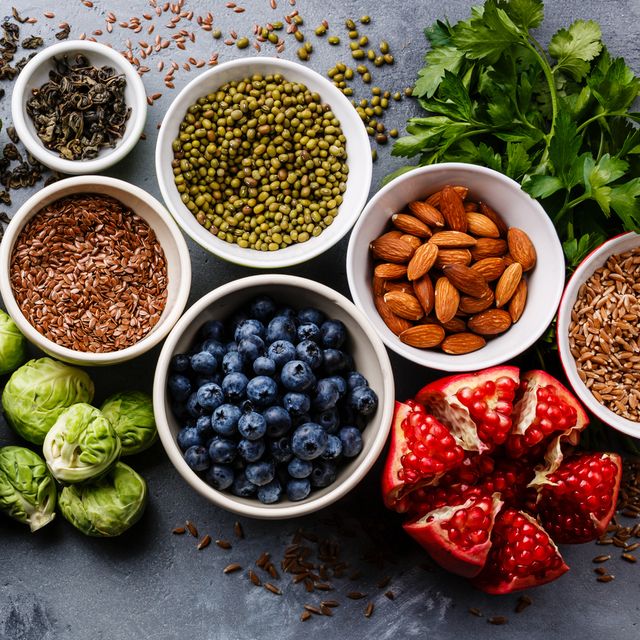
BALANCED DIET

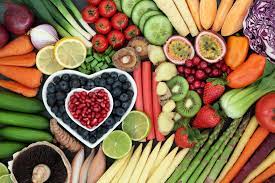
Balanced Diet - Components, Types & Benefits - Safar Medical

No doubt that everyone wants to remain fit and healthy . Food and nutrition play a very vital role in our growth and development . These are helpful for maintaining good health . The requirement of nutrition is essential for every individual but it is indispensable for the individuals who actively participate in games and sports . With the help of appropriate nutrition , sportsperson can enhance their performance . Even some supplements are also required to provide proper nutrition to sportsperson.

Meaning of a Balance Diet

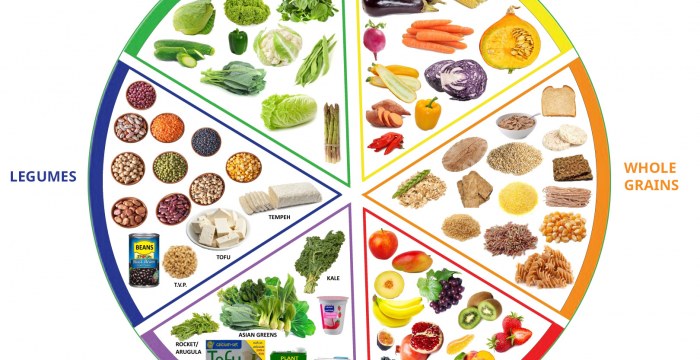
A balanced diet refers to the intake of edibles which can provide all the essential food constituents necessary for growth and maintenance of the body , in definite amount in which they are required by the body .A balanced diet means eating the right amount of foods from all food groups .

A diet which consists of all the essential food constituents , viz., protiens , carbohydrates , fats , vitamins , minerals and water in correct proportion is called a balanced diet.”

In other words , ” Balanced diet is that diet which contains of various constituents of food in accurate and appropriate quantity and quality according to the requirement of an individual .”

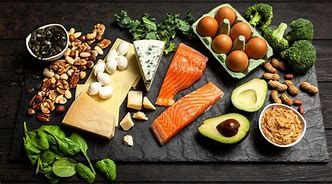
A Balanced Diet – The Ultimate Guide - lyonsdenfitness

In fact , every individual does not require same type of diet . The diet differs from individual to individual . The following points sum up a balanced diet .

  1. A balanced diet must contain all the essential constituents in adequate amount
  2. There must be definite proportion between the different constituents of food .
  3. The food should be easily digestible .
  4. Cooking of food is necessary because it sterilizes foodstuff and makes it palatable and easily digestible.

Think Before You Eat

Can our eating habits effect our environment? What we today will be responsible for tomorrow’s destruction? Is there a relation between between global warming and food we eat? Answer to all these questions is a big “YES”

The relation between food and environment can be understood through chain of carbon foot print. ‘Carbon footprint’ is amount of greenhouse gases that emits due to human activities which obviously includes ‘eating habits’. Almost every food we consume emits carbon gases in certain amount. But consumption of meat releases highest carbon gases as compared to other food products. The carbon hierarchy within meat is as follows-

Beef > lamb > pork> poultry.

According to Agriculture Organisation of United Nations (FAO) emission from global live stocks is estimated at 7.1 gigatons of carbon dioxide each year. Not only consumption but also food that we waste emits carbon gases. Decomposition of waste food is a long process and throughout this process certain amount of green house gases is released , thus, deteriorating the condition of our planet. According to FAO around 1.3 billion tons of food produced for human consumption are either lost or wasted every year.

So the question arises, how can we save our planet from further destruction ? Answer is quite simple — changing our diet. Planning our diet in a careful manner may create a huge impact not only globally but also in our individual health. Eating more leafy vegetables and cutting down meat consumption will surely contribute to a noble cause. We often ignore the food choices we make and try our best to satisfy our tummy. So next time before consuming food lets ask one question, is it good for my planet and my health? This simple question may change our future.

A Survivor : The Story of Lakshmi Agarwal

She was just a 15 year old girl . A girl , full of life . But what happened to her .

It’s her story . A story of a survivor.

She was powerful not because she wasn’t scared but because she went on so strongly, despite the fear.”

– Atticus

At the age of 15 , when a girl or a boy makes happy memories and learn about life . She was attacked in the market full of people . She was attacked because she rejected an old jerk of 32 years old.

A 32 year old proposed a marriage proposal to a 15 year old girl , who lives near the neighborhood. She ignored and rejected him and he planned an acid attack .

Her name is Lakshmi Agarwal , she was attacked at the age of 15 in 2005 in New Delhi after rejecting the romantic advances of Naeem Khan . She didn’t inform anyone about the scenario because she believed her parents and society would have blamed her and stopped her study .

After 10 months , Lakshmi was in the market and Naeem asked her again through message about the marriage proposal but she didn’t respond . And in no time , Kamran (Naeem’s older brother ) and his girlfriend attacked her with acid . He was in the motorcycle and his girlfriend Rakhi threw acid on Lakshmi , when Kamran called her name and she looked behind for response.

She fainted on the road and when she regain consciousness she went middle of the road asked for help and met with multiple accidents but no one stopped to help her . She was burning in fire and her skin was melting.

A man named Arun Singh called PCR and told police about the situation . Someone threw water to help her but it turned out opposite and the acid burnt her neck . Arun think it might be late , so he helped her on the backseat of his car , later the seat cover turned into black hole due to the acid .

Arun admitted her in the hospital , called police and her family . Lakshmi went through many surgeries and operations including eye surgery. Four days later Naeem Khan got arrested but was bailed after a month later .

Protests and media attention.

After many protests and media attention Naeem got life imprisonment .

Lakshmi’s story was one of the series in the Hindustan Times. Lakshmi was scared after the attack because most of her face and body parts were not same as before . But she didn’t loose hope ,she fought for justice , asked for help for the victims of acid attacks and pleaded the law for the ban on sale of acid.

Meanwhile government failed to frame policies on acid sale and chemical attacks .

Seriousness is not seen on the part of the government in handling the issue,” the bench headed by Justice RM Lodha.

In 2013 , the plea of Agarwal was heard and later claims that “ Acid is freely available in shops. Our own volunteers have gone and purchased acid easily. In fact, I have myself purchased acid,” she said. “We have launched a new initiative called ‘Shoot Acid’.

After , the law passed by Supreme court . Lakshmi founded NGO named Chhanv Foundation to help acid attack survivors in India.

In 2019, she was honored with the International Women Empowerment Award from the Ministry of Women and Child Development, the Ministry of Drinking Water and Sanitation and UNICEF for her campaign of Stop Acid Sale. In 2014, she received the International Women of Courage award at the hands of First Lady Michelle Obama.

And the movie Chhapaak is based on her life and stars Deepika Padukone in her role.

“And one day she discovered that she was fierce, and strong, and full of fire, and that not even she could hold herself back because her passion burned brighter than her fears.”

– Mark Anthony

Link

Healthy Foods To Avoid Stress!

[ By Bhoomika Saini ]

Feeling Stressed?

Maybe Healthy Eating Is The Key.

It's not about eating. It's about using the food to deal with anxiety and stress.

Staying at home during the time of this pandemic invited a lot of stress and anxiety for every individual. Since, many of us had become lazy during this time. We have stopped eating healthy as it is easy to order unhealthy food from online stores rather than cooking healthy and learning at home. This habit made us unhealthy, also it is harming our health day by day. Stress along with unhealthy eating is like inviting problems in your own home.

A healthy diet builds a solid, more enduring foundation for your body by reducing oxidation and inflammation and by helping to reduce weight gain.

There are many ways that can reduce your stress and make you feel better. Here, we’ll be discussing about one of them. And it’ll begin from eating healthy during the time of stress. Healthy food can bring wonders to oneself, so stop eating unhealthy food and start eating healthy today. One step to drive away your stress shall begin from here.

Also, there’s a huge difference between eating healthy during stress and stressful eating. One can be beneficial and other one could bring huge disadvantages to you. Moreover, adding some exercise in the routine wouldn’t hurt much.

So, here are some foods that can help you to avoid unhealthy eating and to drive your stress away.

Stay healthy , stay fit
Stay healthy ,stay fit

  1. Sweet Potato– To calm down the stress, sweet potato might work well as it contains potassium, beta-carotene and other vitamins that also reduces the urge to eat carbohydrates and sweets, thus helping you to avoid the urge to eat more.
  2. Eggs- They are packed with vitamins, minerals, amino acids and antioxidants that play an important role in relieving stress.
  3. Chickpeas- They are packed with stress-fighting vitamins and minerals, including magnesium, potassium, B vitamins, zinc, selenium, manganese, and copper that can help in stress reduction.
  4. Dark Chocolate- Many experts say that it helps in reducing stress as it contains flavonoids and magnesium that may reduce the depression symptoms too.
  5. Turmeric- Curcumin in tumeric may help lower anxiety by reducing inflammation and oxidative stress that often increase in people experiencing mood disorders, such as anxiety and depression.
  6. Yogurt- It contains healthful bacteria, Lactobacillus and Bifidobacteria. There is emerging that these bacteria and fermented products have positive effects on brain health.
  7. Green Tea- Theanine in green tea has anti-anxiety and calming effects and may increase the production of serotonin and dopamine.
  8. Warm milk- It has loads of B vitamins that reduce anxiety and improve mood. For instance, vitamin B6 (pyridoxine) raises serotonin levels to perk you up.
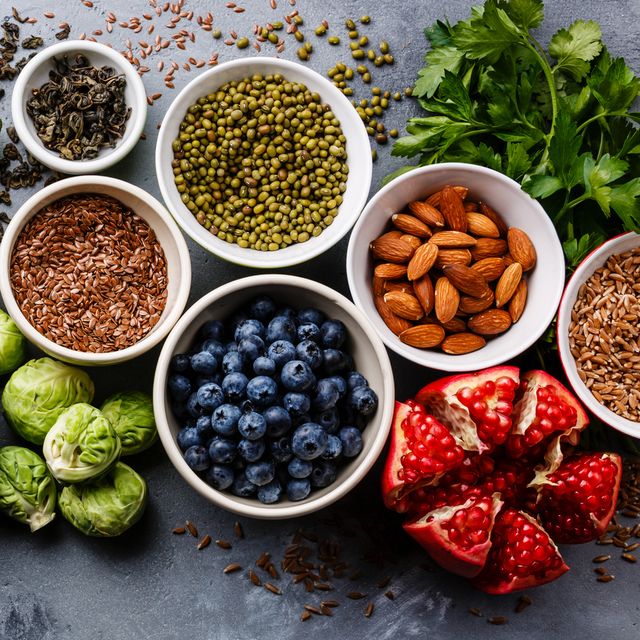
  9. Nuts- Nuts are full of nutrients, including B vitamins, along with healthy fatty acids. B vitamins are an important part of a healthy diet and can help reduce stress.
  10. Citrus foods- Flavonoids found in citrus fruits have anti-inflammatory capabilities that are thought to help protect against the chain of events that causes the nervous system to deteriorate.
  11. Oatmeal- Oatmeal is warm and comforting-and it also helps your brain generate the destressing neurotransmitter serotonin.
  12. Green Leafy Vegetables- Green leafy vegetables like spinach contain folate, which produces dopamine, a pleasure-inducing brain chemical, helping you to keep calm.

Start eating right today to nourish your body. So, first step to drive your stress away starts today.

SEASONAL FOODS

“Your diet is a bank account. Good food choices are good investments.” – Bethenny Frankel

Seasonal food refers to the times of year when the harvest or the flavour of a given type food is at its peak. This is usually the time when the item is harvested, with some exceptions; an example being sweet potatoes which are best eaten quite a while after harvest. It also appeals to people who prefer a low carbon diet that reduces the greenhouse gas emissions resulting from food consumption . Macrobiotic diets emphasise eating locally grown foods that are in season.

Some weather conditions, found only in a particular season, are favourable for the growth of the fruit. For example,  mango fruit, it needs the hot temperature of the summer to ripen, along with some light summer showers.

The seasonal fruits and vegetables have all the vitamins and nutrients that our body needs in that particular season. So, it is wise to eat the fruits and vegetables when it’s their season because the seasonal fruits are affordable and since they are more abundant, we can stock them up.

➡️Benefits of Eating Seasonal Products :

• Reduced Carbon Footprint

• Reduced Pesticide Consumption

• High Intensity Nutrients

Seasonal fruits and vegetables that naturally ripen in the sun are fresher, taste better and have the highest amount of nutrition, antioxidants . Consumption of seasonal products closer to the time of harvesting provides the most nutrition.

Some of the seasonal fruits and vegetables are –
Mango and litchi in summer.
Corn and jamun in rainy season.
Oranges, Guava , Strawberries and Grapes in winter.

Seasonal food refers to the times of year when the harvest or the flavour of a given type food is at its peak. This is usually the time when the item is harvested, with some exceptions; an example being sweet potatoes which are best eaten quite a while after harvest. It also appeals to people who prefer a low carbon diet that reduces the greenhouse gas emissions resulting from food consumption . Macrobiotic diets emphasise eating locally grown foods that are in season.

Some weather conditions, found only in a particular season, are favourable for the growth of the fruit. For example,  mango fruit, it needs the hot temperature of the summer to ripen, along with some light summer showers.

The seasonal fruits and vegetables have all the vitamins and nutrients that our body needs in that particular season. So, it is wise to eat the fruits and vegetables when it’s their season because the seasonal fruits are affordable and since they are more abundant, we can stock them up.

➡️Benefits of Eating Seasonal Products :

• Reduced Carbon Footprint

• Reduced Pesticide Consumption

• High Intensity Nutrients

Seasonal fruits and vegetables that naturally ripen in the sun are fresher, taste better and have the highest amount of nutrition, antioxidants . Consumption of seasonal products closer to the time of harvesting provides the most nutrition.

Some of the seasonal fruits and vegetables are –
Mango , melon, water melon and litchi in summer.
Corn and jamun in rainy season.
Oranges, Guava , Strawberries and Grapes in winter.

“Healthy eating is a way of life, so it’s important to establish routines that are simple, realistically, and ultimately livable.” – Horace