WORLD POPULATION DAY – JULY 11

Image Source: google.com

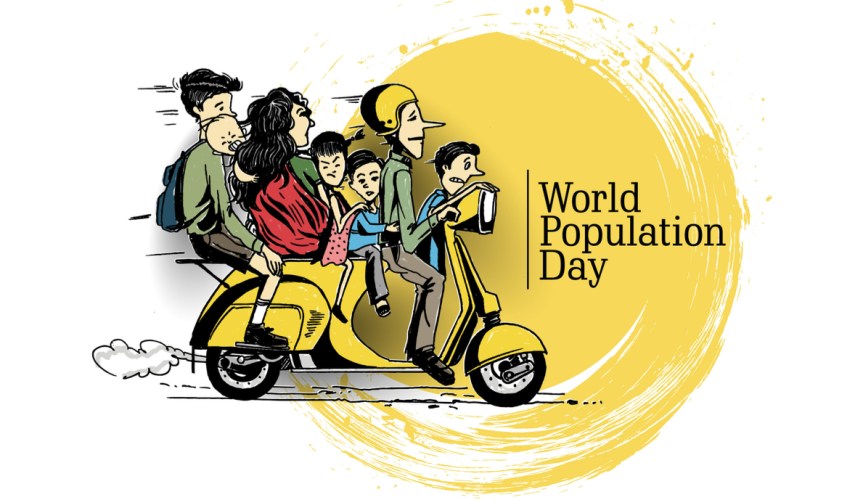
One of the biggest challenges that we are facing still now is the rise of world population. World population day is annually celebrated on July 11. The main purpose this is to bring awareness about the rising population issues and how to tackle these issues. Population issues includes family planning, gender equality, child marriage, human rights, right to health, baby’s health, etc. World Population Day was established by the Governing Council of the United Nations Development Programme in 1989. It was inspired by the public interest in Five Billion Day, the approximate date on which the world’s population reached five billion people on July 11, 1987.

Every year there is a specific theme for World Population Day and the theme of World Population Day 2021 is “Rights and choices are the answer: Whether baby boom or bust, the solution to shifting fertility rates lies in prioritizing the reproductive health and rights of all people.”

US, India and China are the top three countries that have the largest population count. The size of a nation’s population has a major impact on its development and operations. Population growth has always been a concern. The number of human beings is increasing every year, but the resources that sustain human life are still unable to regenerate. The growth rate has also been increasing rapidly. Put this fact in perspective: the population broke the 2 billion marks in 1927. By 1999, the population was recorded as 6 billion. Therefore, the population growth rate has increased significantly year by year. It is very urgent to control the population. It causes some irreparable damage to the environment and atmosphere. A large number of people means the rapid and unfair consumption of environmental resources. Natural resources such as land, water, and air are limited. They cannot be manually produced. The rapid consumption of these resources has caused huge losses.

According to UN Secretary-General Antonio Guterres,” Sustainable Development 2030 agenda is the world’s blueprint for a better future for all on a healthy planet. On World Population Day we recognise that this mission is closely interrelated with demographic trends including population growth, aging, migration, and urbanisation”.

The Population Division works closely with agencies, programs, funds and bodies of the UN system in order to execute work program on population. Activities organized on this day include seminars, discussions, educational meetings, open competitions, slogans, workshops, debates, songs, etc. Not only that, even TV channels, news channels, and radio programs broadcast various programs related to the importance of population and family planning. Demographic issues also create tensions in society: there are more heinous crimes committed in the field of gender inequality and human rights than ever before, especially in developing countries.

The government of each country must formulate effective policies and plans to control the growing population. Without immediate control, the ever-increasing world population will lead to some unbearable situations. Policies such as family planning and use of birth control should be implemented on a large-scale basis.
Are Covid-19 Vaccines Safe for Pregnant Women

See the source image

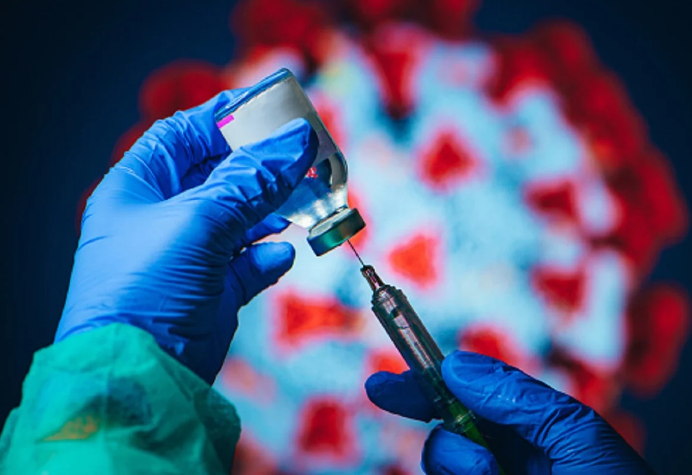
In a major policy shift, the Health Ministry on 2th July 2021 announced that pregnant women can now get vaccinated against Covid-19. Covid-19 vaccinations can save both pregnant woman and the child, said Dr N K Arora, Chairman, National Technical Advisory Group on Immunization. The Covid-19 vaccination has been expanded to include all citizens above 18 years of age, making more than 69 per cent of the population eligible, of which nearly half 48 per cent are women. Recent studies have shown that pregnant women who get infected with Covid-19 are more likely to require intensive care. Coronavirus infection during pregnancy can result in rapid deterioration of health and affect the fetus also. The health ministry released a fact sheet and detailed information for Medical Officers for counselling pregnant women. All pregnant women need to register themselves on the Co-WIN portal or may get themselves registered on-site at the Covid-19 vaccination center. The process of registration for pregnant women remains the same as of the general population and as per the latest guidance provided by Health Ministry from time to time.

Why should pregnant women take vaccine

Pregnancy does not increase the risk of Covid-19 infection. Most pregnant women will be asymptomatic or have a mild disease, but their health may deteriorate rapidly, affecting the fetus. It is also important for pregnant women to take all precautions to protect themselves from acquiring Covid-19, including taking vaccination against Covid-19. It is therefore advised that a pregnant woman should take Covid-19 vaccines. Multiple studies and experts have recommended that vaccines available in the market are safe for pregnant women to take.

How does covid-19 affect the health of pregnant women

Over 90 percent pregnant women recover without any need for hospitalization. A recent study by the Indian Council of Medical Research (ICMR) revealed that the case fatality rate in pregnant and postpartum women was 5.7 percent in the second wave as compared to just 0.75 percent in the first wave. Moreover, 28.7 percent of pregnant and postpartum mothers had severe symptoms in the second wave, as compared to 14.2 percent who showed any symptoms in the first wave. Those who are symptomatic appear to be at a higher risk of severe infection and death. In case of severe disease, they will need to be hospitalized. Pregnant women who are older than 35 years of age, and those who have underlying health conditions such as high blood pressure, obesity, are at higher risk of getting severe illness.

Precautions which need to be taken

Taking precautions against COVID-19 is extremely important for pregnant women, and so, it is advised that they take the COVID-19 vaccine. Multiple studies and experts have maintained that vaccines available are safe for pregnant women to take. The Covid-19 vaccination schedule can be started anytime during pregnancy. If a woman has been infected with Corona virus during the current pregnancy, she should be vaccinated soon after the delivery. Practice Covid appropriate behavior : wearing a double mask, frequent handwashing, maintaining physical distance and avoiding crowded areas to protect themselves and those around from spreading the COVID-19 infection.

Ways to Make Your Daily Walk Feel More Like a Walking Workout. [PART 2]

[Bhoomika Saini]

1. Use elevation to your advantage.

Heading up hills naturally increases the intensity of your walk even if you’re moving at the same pace or slower. “A walking incline can be even harder than running. Declines also serve their purpose, activating your core and strengthening your mind-muscle connection as you focus on each step.

Those lucky enough to live near undulating trails or roads can simply plan their route accordingly. If you’re largely on flat land, find any suitable slope—even a sledding hill or a parking-lot ramp—and do four to five hill repeats, walking up purposefully and down intentionally.

2. Do an out-and-back where you can do some stair climbs at the halfway point.

One simple way to add extra intensity into your workout is to incorporate some stairs into your routine. A common way to do this is to map your route to include regular walking as a warm-up, then hitting a flight of stairs for some higher-intensity work, and then walking back home as a cooldown.

Someone who lives a mile or so away could plot a route to their base, then climb up and down a couple of times before briskly walking home again.

3. Mix in some bodyweight moves.

Even if there aren’t stairs in your vicinity, you can still break up a walk with a burst of calisthenics. If you have access to a track or a park with a looped path, try walking the curves and doing dynamic or bodyweight moves on the straightaways, for instance, walking lunges, walking planks, or single-leg hopping. No track? Try it by time—for instance, two minutes of walking, then one minute of strength moves.

If you’re near an open playground and don’t mind toting along hand sanitizer, you can do pull-ups or monkey bars. Prefer not to touch? Try toe taps on a curb, step-ups on park benches, or a split squat with one foot elevated on a ledge.

4. Walk to music with a quicker tempo

There’s a reason group fitness classes blast power pop—music not only boosts your mood, research shows it can actually make hard efforts feel easier. What’s more, it can also work as a kind of metronome guiding your pace.

Spotify has playlists for songs of various beats per minute for keeping the tempo up. Choose one that’s comfortably challenging—say, 130 to 140 BPM—and will last for the duration of time that you want to walk, and aim to keep up with it. (You can also try our SELF playlist of the best workout songs for some motivation, too.)

Or use music as a cue for more intense segments. Walk easy for verses and fast during the chorus. Bodyweight circuit at the start of every other tune: 10 squats, 10 split squats on each leg, 10 lateral lunges per leg, and 10 push-ups, either on the ground or with your hands on a bench to make it easier.

5. Or even twirl, prance, or twerk.

Sprinkling a few moves into your walk elevates your heart rate and gives you an opportunity to move in different directions—critical for those of us hunched at desks and over our devices all day. Some moves are air punches, grapevines, lateral shuffles, and strutting on the balls of your feet, which works your calves and quads.

Don’t let self-consciousness or a lack of dance training hold you back.

Let go of everything that’s in your head and don’t worry about what people think.”

6. Use technology to your advantage (or leave it behind).

This is another time when it’s important to consider the purpose of your walk. If it’s a mind-clearing, meditative stroll, it might be best to leave your GPS watch at home and your phone in do-not-disturb mode. But if you’re aiming for fitness benefits, you can use digital tools as motivators.

If you have a watch or fitness tracker with a step count, try to take a few more steps during each 30- or 60-minute walk.

Stress and anxiety can affect what’s known as your rate of perceived exertion, or how hard it feels like you’re working to power through each step.

“You need to listen to your body,” even if the message is to slow down or back off. “If you’re used to hitting a certain number or certain metric, don’t be disappointed. You should be more excited and proud that you did something as opposed to nothing.”

7. Close it out with a stretch session.

Taking a few minutes to further loosen warm, limber muscles after a walk can ease some of the strain and fatigue you’ve built up and also give your session a sense of closure. “Often we walk and get to our car or back to our house and that’s it,”.

“Stretching makes it complete.”

Stress and Stress Management.

Everyone goes through stress in their day-to-day life. Also, everyone goes through different types of stress and has different ways to manage it. But, do we know our stress? How to manage our stress? And do we know stress can be positive also? Well, some of us do and some of us don’t. So, let’s find about Stress and how to manage it. 

What is Stress? 

Stress is the psychological, physiological, and behavioral response by an individual when they perceive a lack of equilibrium between the demands placed upon them and their ability to meet those demands, which, over some time, leads to ill-health.                                                        (Palmer, 1989)

What are types of stress? 

There are three commonly known stresses and they are:-

I) Acute Stress:- 

The most common stress we encounter in day-to-day life is Acute stress. It is short-term stress that can either be positive or negative. 

II) Chronic Stress:-

It is the opposite of Acute stress. Chronic stress feels never-ending and has serious impacts on life. For example, the stress of bad marriage, traumatic experiences.

III) Episodic Acute Stress:-

When a person experiences Acute stress more frequently then that stress is known as Episodic Acute stress. Episodic Acute stress can be very exhausting both physically and mentally. 

How do you know if you’re going through stress?

As mentioned above, everyone goes through different types of stress. Mentioned below are some of the common symptoms of stress:-

★ Difficulty sleeping;

★ Weight gain or weight loss;

★ Stomach pain;

★ Heartburn;

★ Excessive sleeping;

★ Social isolation;

★ Fatigue;

★ Nausea;

★ Irritability;

★ Teeth grinding;

★ Panic attacks;

★ Headaches;

★ Difficulty concentrating;

★ Sweaty hands or feet;

★ Feeling overwhelmed;

★ and obsessive or compulsive behaviors.

Now that you know enough about stress, its types, and its symptoms, let’s know about stress management and some stress management techniques. 

What is Stress management?

Stress management is what it sounds like, it is a set of techniques and programs planned to help people with stress. 

Mentioned below are some different Stress management techniques and strategies:-

I) Take a break from technology. 

II) Manage your time. 

III) Stop overthinking. 

IV) Create healthy boundaries.

V) Make changes in your diet and exercise regularly.

VI) Start Meditating.

VII) Get enough sleep.

VIII) Talk to your family and friends.

IX) Build resilience.

X) Practice Mindfulness.

Stress can affect you and your surrounding. So be aware of what kind of stress you are going through. And start practicing the techniques mentioned above for your well-being. Take time to time breaks from your work. And always remember not every stress has a negative impact, some of the stress pushes you to make the best out of it. 

Live your life, live your dreams, live it with more positive stress than negative. 


Benefits of Aloe Vera

[By Bhoomika Saini]

An evergreen perennial, it originates from the Arabian Peninsula, but grows wild in tropical, semi-tropical, and arid climates around the world. It is cultivated for commercial products, mainly as a topical treatment used over centuries. The species is attractive for decorative purposes, and succeeds indoors as a potted plant.

It is used in many consumer products, including beverages, skin lotion, cosmetics, ointments or in the form of gel for minor burns and sunburns. There is little clinical evidence for the effectiveness or safety of Aloe vera extract as a cosmetic or topical drug. The name derives from Latin as Aloe and Vera (“truth”).

Lets see what benefits it offers us.

Heartburn relief

Gastroesophageal reflux disease (GERD) is a digestive disorder that often results in heartburn. A review suggested that consuming 1 to 3 ounces of aloe gel at mealtime could reduce the severity of GERD. It may also ease other digestion-related problems. The plant’s low toxicity makes it a safe and gentle remedy for heartburn.

Keeping produce fresh

A study published online by the Cambridge University Press looked at tomato plants coated with aloe gel. The report showed evidence that the coating successfully blocked the growth of many types of harmful bacteria on the vegetables. Similar results were found in a different study with apples. This means that aloe gel could help fruits and vegetables stay fresh, and eliminate the need for dangerous chemicals that extend the shelf life of produce.

An alternative to mouthwash

In a study, researchers found aloe vera extract to be a safe and effective alternative to chemical-based mouthwashes. The plant’s natural ingredients, which include a healthy dose of vitamin C, can block plaque. It can also provide relief if you have bleeding or swollen gums.

Lowering your blood sugar

Ingesting two tablespoons of aloe vera juice per day can cause blood sugar levels to fall in people with type 2 diabetes. This could mean that aloe vera may have a future in diabetes treatment.

But people with diabetes, who take glucose-lowering medications, should use caution when consuming aloe vera. The juice along with diabetes medications could possibly lower your glucose count to dangerous levels.

A natural laxative

Aloe vera is considered a natural laxative. A handful of studies have looked into the benefits of the succulent to aid digestion. The results appear to be mixed.The gel made from typical aloe vera houseplants was able to relieve constipation.

Aloe vera can be used to relieve constipation, but sparingly. They advise that a dose of 0.04 to 0.17 grams of dried juice is sufficient.

Skin care

You can use aloe vera to keep your skin clear and hydrated. This may be because the plant thrives in dry, unstable climates. To survive the harsh conditions, the plant’s leaves store water. These water-dense leaves, combined with special plant compounds called complex carbohydrates, make it an effective face moisturizer and pain reliever.

Potential to fight breast cancer

Therapeutic properties of aloe emodin, a compound in the plant’s leaves tells us that the succulent shows potential in slowing the growth of breast cancer. However, more studies are needed to further advance this theory.

The takeaway

There are a number of ways to use the aloe vera plant and the various gels and extracts that can be made from it. Researchers are continuing to discover new methods to put this succulent to use. Be sure to consult your doctor if you plan to use aloe vera in a medicinal manner, especially if you take medication.

UP Draft Population Control Bill 2021

With the aim to provide stabilization in population growth and welfare to public, the Uttar Pradesh government has come up with draft of “Population Control Bill 2021”. The Uttar Pradesh Population (Control, Stabilisation, and Welfare) Bill, 2021 invites suggestions on it. The suggestions have been invited to improve the bill and have to be sent through e-mail – statelawcommission2018@gmail.com or by post, latest by July 19, 2021.

According to state census 2011, Uttar Pradesh is the most populous state with a population of 19.96 crores. The least populated state is Sikkim with a population of 6,07,688.

BPL couple with single child, who undergoes voluntary sterilization shall be benefited with one-time-lump sum amount of 80,000 if it is a boy and 1 lakh if it is a girl.
Whosoever procreates after the commencement of the Act shall be ineligible to contest in elections.
If the child is born at the time of enactment of the law, necessary applications must be undertaken within an year of commencement of Act.
It shall be the duty of government to inroduce a compulsary subject relating to population control in the state schools.

Measures in Mizoram

In contrary to this bill, recently the Mizoram minister had announced that he would reward a living man or woman having the largest number of offspring within his Aizawl East-2 assembly constituency with a cash incentive of ₹1 lakh. According to the minister, the infertility rate and the decreasing growth rate of the Mizo population have become a serious concern. Mizoram’s population was 1,091,014, according to the 2011 census.

“Mizoram is far below the optimum number of people to attain development in various fields because of the gradual decline in its population. The low population is a serious issue and hurdle for small communities or tribes like Mizos to survive and progress,”

Royte

Criticism

It is a good step towards population control. However the process of sterilization of BPL couple shall be done with great care because there have been reports of infections and death post operation.

Why Diet Pills, Fat Burners, And Herbal Tea Harm Are Harmful To Our Health?

Excessive weight gain is known for causing a great deal of stress in so many individuals. It restricts your capacity to appreciate life’s joys in the same manner which others do. Excess weight restricts breathing and movement, increases tiredness, and is very harmful to the heart.

There’s also the difficulty of getting clothing that fits you properly. To maintain the body in shape, health specialists recommend a healthy weight control regimen. They advise you to consume less portions of specific foods and to exercise to burn calories and extra body fat. And when this isn’t possible through diet and exercise, many people turn to diet pills, fat burners and herbal tea to help them lose weight. 

Weight loss pills are frequently labelled as ‘organic’ or ‘herbal.’ It doesn’t mean they’re safe to consume in large quantities. Furthermore, nutritional supplements and weight reduction medications are not required to go through stringent quality and safety review processes by appropriate regulatory bodies.

These products can be easily sold despite the fact that they lack solid scientific data from well-designed clinical control studies to demonstrate its efficacy and safety. Herbal slimming tea, detox juices, morning smoothies, and meal replacements are all common weight loss aids.

According to Allied Market Research, the weight loss and weight management diet market was valued at $192.2 billion in 2019 and is expected to touch $295 billion by 2027.

What exactly do these supplements consist of?

Meal replacement smoothies, fat burners, diet pills, processed soups, weight loss tea, and other weight reduction products are made by mixing several ‘natural’ substances. These are especially popular with young people who are health enthusiasts, busy corporate professionals, and many others who might not have the time to prepare meals, eat healthily, or exercise.

Meal replacement shakes, among the most common weight reduction products, contain heavily processed ingredients like protein isolates, sweeteners, and artificial flavours. Artificial sweeteners account for around 40% of the calories for each portion of these smoothies. 

Major health issues you should look out for

These fat burners and weight reduction pills have been linked to a variety of side effects, including liver damage, hypertension, and anxiousness. There have been numerous instances of persons taking weight reduction pills suffering from immediate, clinically obvious liver damage.

A 2007 Israeli research identified 12 incidences of liver damage in individuals who used a ‘herbal’ dietary supplement, including one case each of stage I primary biliary cirrhosis and hepatitis B. Another 2010 research looked into three instances from Canada and the United States who used two popular weight loss pills. According to the investigators, all three patients’ liver biopsies revealed results consistent with drug-induced acute liver damage. All of these are red flags. Often, a temporary fix might result in long-term harm.

Many of the chemicals in fat burner tablets or powders have been linked to increased hypertension. Substances that stimulate the central nervous system (CNS) to regulate hunger, such as phenylpropanolamine, fenfluramine, and ephedrine, can raise blood pressure. Bitter orange extract, caffeine, and yohimbe supplements can cause a headache as well as anxiety.

Caffeine is a prevalent component in many  fat burners and is frequently present in high concentrations. Caffeine in excess might have a negative impact on your heart. If you have a history of cardiac problems, it is best to avoid highly caffeinated fat burners.

Many weight-loss medications/pills suppress hunger by generating an anorectic effect on the human body, which can lead to distress and diarrhoea. Nausea and vomiting may occur while using fat burners including guar gum, carnitine, green tea extract, chromium, or chitosan.

It is important to consult a healthcare expert before beginning any dietary supplement to reduce weight. Individuals who have high blood pressure, diabetes, heart disease, liver disease, or other medical problems should be especially cautious. It is always better to attempt to lose weight healthily and gradually by including a calorie-restricted diet, regular exercise, yoga, meditation, 7 to 8 hours of good rest, and good mental health into your life.

How continuous sleep loss can impact on our mental and physical health..?

Recently a new study took place to see what will happen if we sleep less than 6 hours a day and if it is continued for 8 days, what type of consequences we will face.

The results of a recent study suggest that, all it takes is three consecutive nights of sleep loss to cause our mental and physical wellbeing to greatly deteriorate.

Scientists said that minimum eight hours of sleep is necessary for an adult to main physical and mental health.

“”Many of us think that we can pay our sleep debt on weekends and be more productive on weekdays.””

“However, results from this study show that having just one night of sleep loss can significantly effects our daily functioning.”

After the study, experts said that we will experience symptoms like angry, nervous, lonely, irritable and frustrated feelings as a result of sleep loss. We will also experience more physical symptoms, such as upper respiratory issues, aches, gastrointestinal problems and other health concerns.

It is necessary and important to balance both the health and work. Take enough rest , stay healthy both physically and mentally.

DISABILITY ETIQUETTES

Disability Etiquette - United Spinal Association

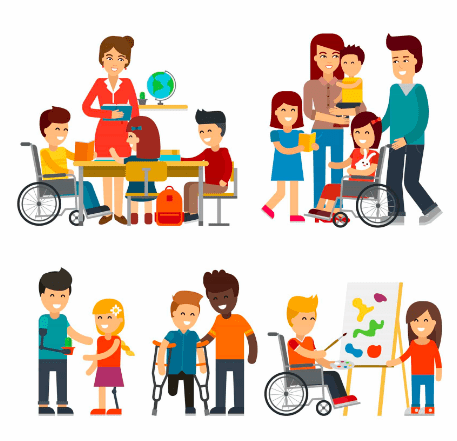
Disability etiquette is a set of guidelines dealing specifically with how to approach persons with disabilities . Before knowing about disability etiquettes , it is essential to understand certain basic things such as if someone has a disability don’t assume he/she needs help . In fact , adults with disabilities wants to be treated as an independent persons , So offer help only if the person with disability seems to need it . Physical contact should be avoided . Always speak directly to the person with a disability , not to his/her friend . Persons with disabilities are the best judge of what they can or can’t do .

General Disability Etiquettes

Disability Etiquette | OSU TOPS Program

The general disability etiquettes are stated below :

  • Always put the person first , i.e., say ‘person with disability ‘ rather than ‘disabled person’ . Always avoid the outdated words like handicapped , retarded , physically challenged or differently – abled . For example , refer to ‘person who are blind ‘ rather than ‘ blind person ‘.
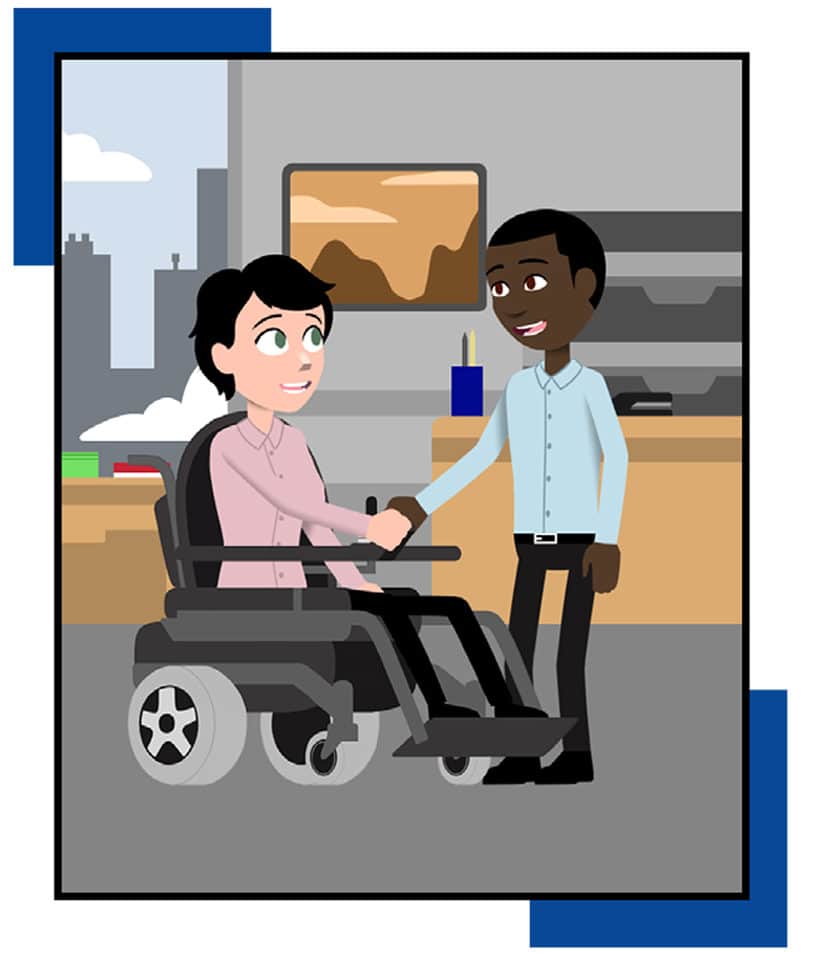
  • In case of introduction to a person with a disability , it is appropriate to shake hands .
  • When you meet a person with a visual impairment , always identify yourself and others who may be with you .
  • Leaning or hanging on a person ‘s wheelchair should always be avoided because such act is generally considered annoying . In fact , the chair is the part of the personal body space of the person who uses it.
  • Always listen carefully as well as attentively when you are having conversations with a person who has difficulty in speaking . Have patience and wait for the person to finish rather than correcting or speaking for that person . Generally , ask short questions that require short time .
  • When talking with a person who is on a wheelchair or person who uses crutches , keep yourself at eye level in front of the person to facilitate the talk .
  • To get the attention of a person who is deaf or having hearing impairment , tap the person on the shoulder or wave your hand . You should look directly at the person and speak clearly .
  • Never patronize person who use wheelchairs by patting them on the head or shoulder .
  • Always introduce yourself to persons who are blind using your name .
  • Always avoid asking personal questions to an individual who is differently-abled .
  • Always give additional time to a person with any disability to do or to say something .
  • Always have conversation at a normal tone of voice . Don’t talk in high pitch to such individuals .
  • Don’t pretend to understand if you are facing problem in doing so .
  • If you need to leave a person who is blind , inform him that you are leaving and ask him if he needs anything before you leave .

Depression And Self care

The term depression is quite common these days which is a serious matter of concern. To know the cure we must know what depression is .In simple words depression is mood disorder that causes a persistent feeling of sadness and loss of interest. It can range from mild depression to chronic depression.

According to data published in times of India — 43% of Indians are suffering from depression. Just to think that almost half of the nation is scary and terrifying. This rate is increasing ever since the Covid 19. The feeling of being trapped and difficulty to cope with the situation is pushing people to fall into the pit of depression. Not only this India also accounts for 36.6 % of suicides globally and suicide has surpassed maternal mortality as the leading cause of death is among women and teenage girls aged 15-19 years. It should be noted that depression may not always lead to suicide or suicidal thoughts.

Anyone can be a prey of depression , so it very important to know how to cope up with this overwhelmingly gloomy feeling. So here is certain tips—

1) Journaling – experts say that journaling and writing down your feeling can lift up your mood.

2) Set attainable goods – Instead of trying to do whole work altogether , your should divide your work into small chunks. This will save you from being overwhelmed by the work

3) Creating routine – Having routine set for the next day always helps to control the day you want. This way you will not feel as if everything is out of your hand

4) Listening to music – Research shows music can be a great way to boost your mood and improve symptoms of depression. It may also help to strengthen your reception of positive emotion

5) Being true to your feelings – Always be true to your feelings , never try to deny it. If you feel like seeking the help of expert , go for it, don’t hesitate.

What Is Survivor’s Guilt?

Some of us thank our lucky stars when tragedy happens, those we cherish while we remain unharmed, while others feel guilty. “Why should I be the only one? “What could I have done differently to avoid this?” we wonder. ” These are the defining characteristics of survivor guilt, an unofficial but very real condition.

Survivor guilt occurs when a person believes they have done something wrong by surviving a catastrophic incident in which others have died or otherwise succumbed. It can take many forms, ranging from bittersweet emotions to outright sadness. It is most frequently associated with large-scale disasters (such as combat casualties or plane accidents), but it can also manifest itself in unexpected ways.

The term “survivors’ guilt,” according to experts, has its origins in the Holocaust. There are people, for example, who refuse to forget and  instead feel obliged to ‘remember’ by an inner sense of responsibility; they purposefully deny and refuse themselves any happiness in living. Some wish to erase the memories but are unable to do so.

Most psychologists agree that survivors’ guilt is not a medically diagnosable syndrome, but it appears emotionally and physically in those who survive a terrible incident; guilt has traditionally been associated with war veterans, survivors of natural disasters, catastrophes, and sicknesses.

Survivor’s Guilt often falls into one of the the three overarching themes:

  1. Feeling guilty over one’s survival – When we think about survivor guilt, we usually think of this: if you were unharmed while others have been injured, you may believe you didn’t deserve to be protected and should’ve been hurt as well. You doubt the world’s fairness and justice.
  1. Feeling guilty over what you could have done – You’re regretful that you didn’t go above and beyond. You should’ve known better, and you should’ve tried harder. Perhaps you attempted but failed to save someone. There’s an exaggerated feeling of disappointment or blame: “If only I’d done things differently.”
  1. Feeling guilty over what you had done – You could also feel bad about something you did, such as shoving people out of the way to flee an armed gunman or abandoning your family for greater chances abroad. Alternatively, you may experience a great deal of guilt over things that happened by chance.

HOW TO COPE WITH SURVIVOR’S GUILT

  1. Embrace and let yourself feel the emotions – Survivor’s guilt is a known response to trauma, even if it is not particularly rational. Embrace and allow yourself to feel the emotions that emerge. Allow yourself time to absorb the feelings of guilt, sadness, anxiety, and sadness that often come with a traumatic incident and the death of a loved one. It is critical to get treatment if these feelings become overpowering or do not become more tolerable with time.
  1. Build relationships with others – Share your emotions with your loved ones. Search for an appropriate support group if loved ones are not able to comprehend your feelings. Survivors may interact with others, vent emotions, and offer advice in both face-to-face support groups and online forums.
  1. Make use of mindfulness exercises – People who have experienced tragedy may benefit from mindfulness, particularly amid flashbacks or moments of strong and unpleasant emotions. Focusing on the breathing, touching close fabrics, and hearing sounds both within and outside the space are some grounding strategies to try.
  1. Practicing self-care – It is terrifying and upsetting to see a loss or potential loss of life. Survivors can benefit from engaging in pleasurable activities. It is also critical for a person to get adequate sleep, maintain a well-balanced diet, and start exercising on a regular basis.
  1. Do something good towards others – Survivors of traumatic incidents might feel much better if they help others in some manner.

According to studies, some individuals experiencing survivor’s guilt and other symptoms  get better without therapy during the first year of the occurrence. Yet, at least one-third of individuals will experience the symptoms for three years or more. If an individual feels they would be unable to manage on their own, or if the symptoms are getting worse or becoming persistent, then it is critical to seek help.

Veggie Licious!

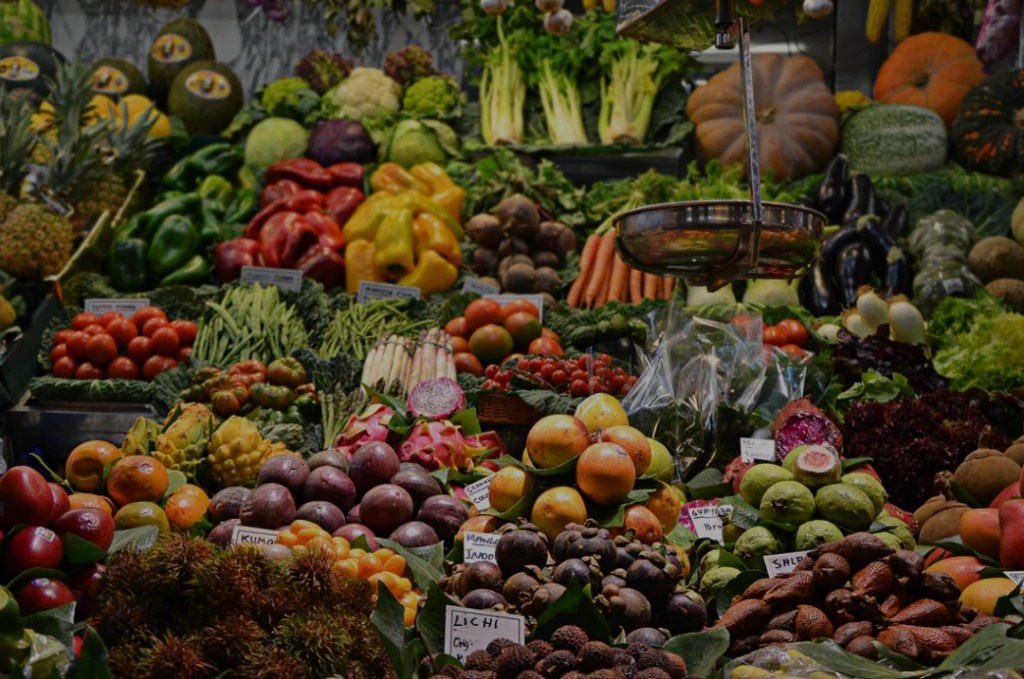
You may hate them or love them, but you certainly can’t dismiss the importance of vegetables and other vegetarian ingredients in your daily diet. Take a look at some exotic food that are slowly finding their way into Indian homes and restaurants…..


Couscous
Couscous is crushed durum wheat semolina formed into small granules or spheres. It’s commonly served in North African, Moroccan, Tunisian, and Algerian cuisine. It’s a protein rich food.


Brussels sprouts
The Brussels sprout is a member of the Gemmifera Group of cabbages, grown for its edible buds. The leaf vegetables are typically 1.5–4.0 cm in diameter and resemble miniature cabbages. The Brussels sprout has long been popular in Brussels, Belgium, from which it gained its name. These sprouts are rich in Vitamins K, C, B and B6, as well as other minerals. These also have anti cancer properties.


Arugula
Arugula or rocket is an edible annual plant in the family Brassicaceae used as a leaf vegetable for its fresh, tart, bitter, and peppery flavor. It is written Vitamin C and potassium, the flowers and seeds of this plant can also be eaten. Arugula can be eaten raw in salads or prepared in diverse ways of Mediterranean European and Turkish dishes. Peak season of this green leafy vegetable is early springs and fall.


Bok choy
It’s a type of Chinese cabbage. Chinese’s varieties do not form heads and have green leaf blades with lighter bulbous bottoms instead, forming a cluster reminiscent of mustard greens. Chinese’s varieties are popular in southern China, East Asia, and Southeast Asia. It tastes like, spinach with very mild bitterness. Bok choy is rich in Vitamin A, C and also has cancer prevention compounds.


Kale
Kale, or leaf cabbage, belongs to a group of cabbage cultivars grown for their edible leaves, although some are used as ornamentals. Kale plants have green or purple leaves, and the central leaves do not form a head. Kale is the powerhouse of nutrients as it is rich in Calcium, Vitamin K, Vitamin C and beta carotene. Kale has been known to block the growth of cancerous ces and can also lower cholesterol levels.


Zucchini
The zucchini, courgette or baby marrow is a summer squash, a vining herbaceous plant whose fruit are harvested when their immature seeds and epicarp are still soft and edible. It is high in Vitamin A and potassium. It is extremely low on calories so wait watchers, you can have a new friend. Zucchini is used in Turkish, Mexican, French and Italian cooking.


Quinoa
Quinoa, a grain, is native you to South American regions. It’s a good source of Vitamin B, B6 and E, along with zinc, iron, potassium and magnesium. Cooked quinoa consists of 71.6% water, 21.3% carbohydrates, 4.4% protein, and 1.92% fat. One cup (185 grams) of cooked quinoa contains 222 calories.

Dill
Dill is an annual herb in the celery family Apiaceae. It is the only species in the genus Anethum. Dill is grown widely in Eurasia, where its leaves and seeds are used as an herb or spice for flavouring food. Dill has antibacterial and antimicrobial qualities.


Oregano
Oregano is native to the hills of the Mediterranean countries and western Asia and has naturalized in parts of Mexico and the United States. The herb has long been an essential ingredient of Mediterranean cooking and is widely used to season many foods. With visas gaining acceptance in Indian culinary scene, Oregano has become synonyms with the little sachets of toppings one can use. It also has antifungal properties.

Food Items that boost your Immunity

Immunity is important for everyone, including you and me. Immunity is the body’s ability to prevent the invasion of pathogen. Pathogens are bacteria and viruses. In this pandemic situation immunity is must to fight against the Covid-19 pandemic. In this blog, I am going to tell some food items that will boost your immunity.

Image Credit: The Image is Credited to https://www.favorece.net/ 

FOOD ITEMS THAT BOOST YOUR IMMUNITY

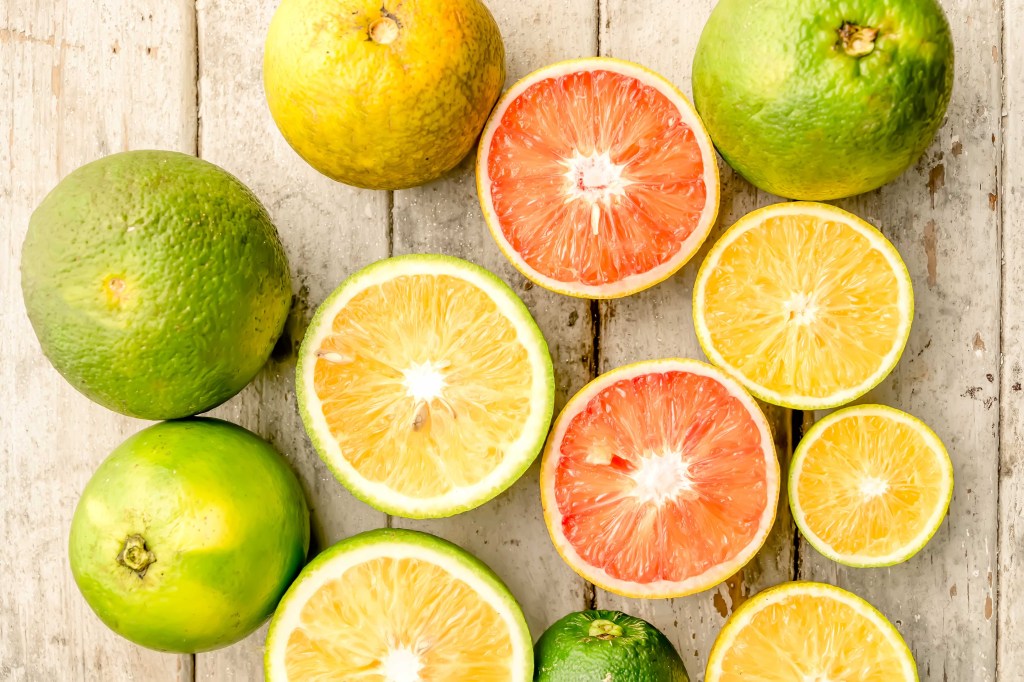
  1. Citrus Fruit

Citrus are not only delicious they are also rich in multiple nutrients such as Vitamin C, Fiber and Flavonoids. Almost all citrus fruits are high in Vitamin C. Vitamin C will increase the production of white blood cells which help to fight diseases. They help to prevent conditions like cancer and diabetes. These are some of the citrus fruits oranges, lemon, limes, tangerines, grapefruit.

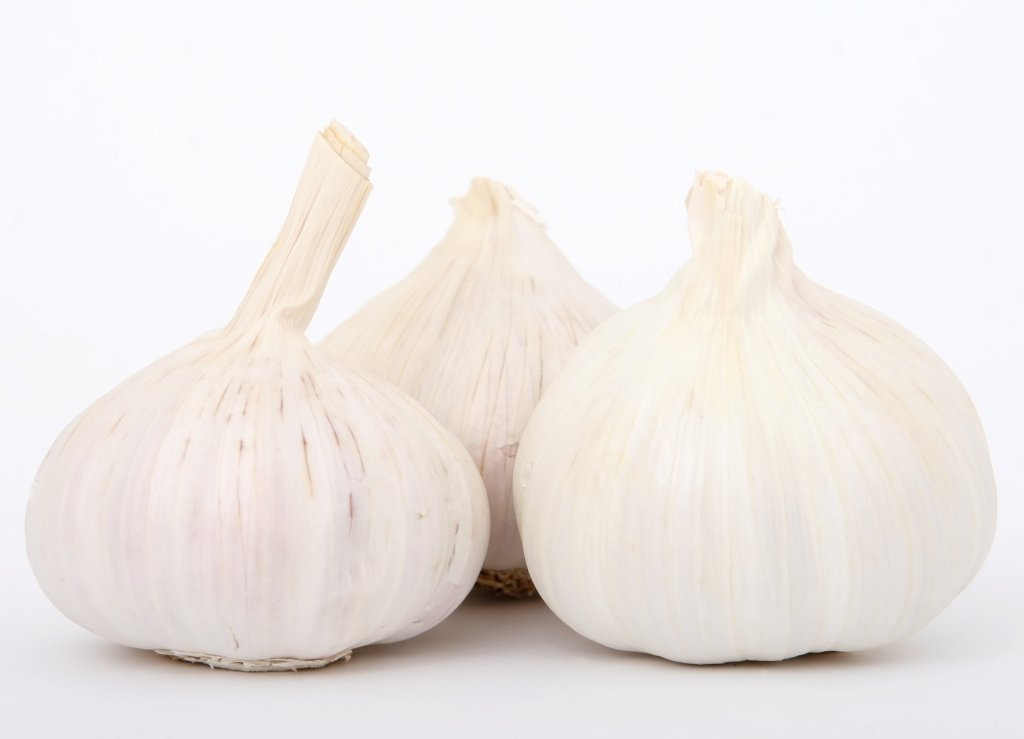
2. GARLIC

Garlic is the important cuisine found everywhere in the world. Garlic is another food item that boost our immunity. Garlic is highly nutritious with very low calories. Our ancestors used garlic to prevent from various diseases. Garlic help to reduce clotting of blood. Garlic has many immune boosting properties like allicin. Garlic an antiseptic and antifungal agent. It help our body to resist and destroy viruses.

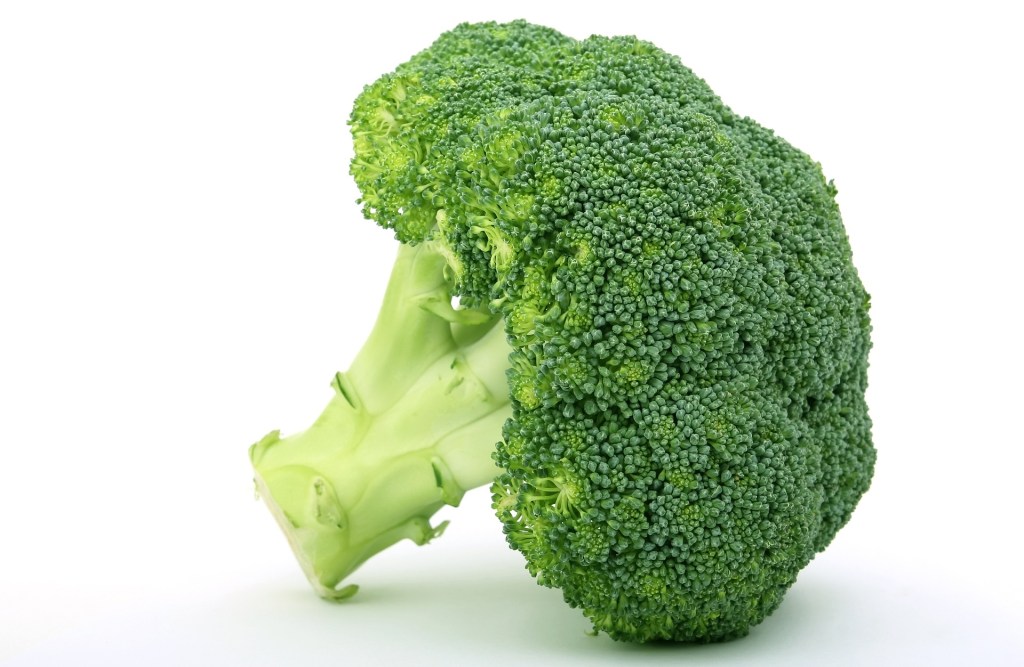
3. BROCCOLI

Broccoli is full of fibers and proteins, it contains iron, calcium, potassium and magnesium. It also contains Vitamin A, C, E, K. It is one of the healthiest vegetable in the world. A study shows that consuming broccoli reduces the risk of cardiovascular disease. Broccoli contains many antioxidants that protect you from viruses and other diseases. Consuming broccoli will help you to build strong bones.

4. SPINACH

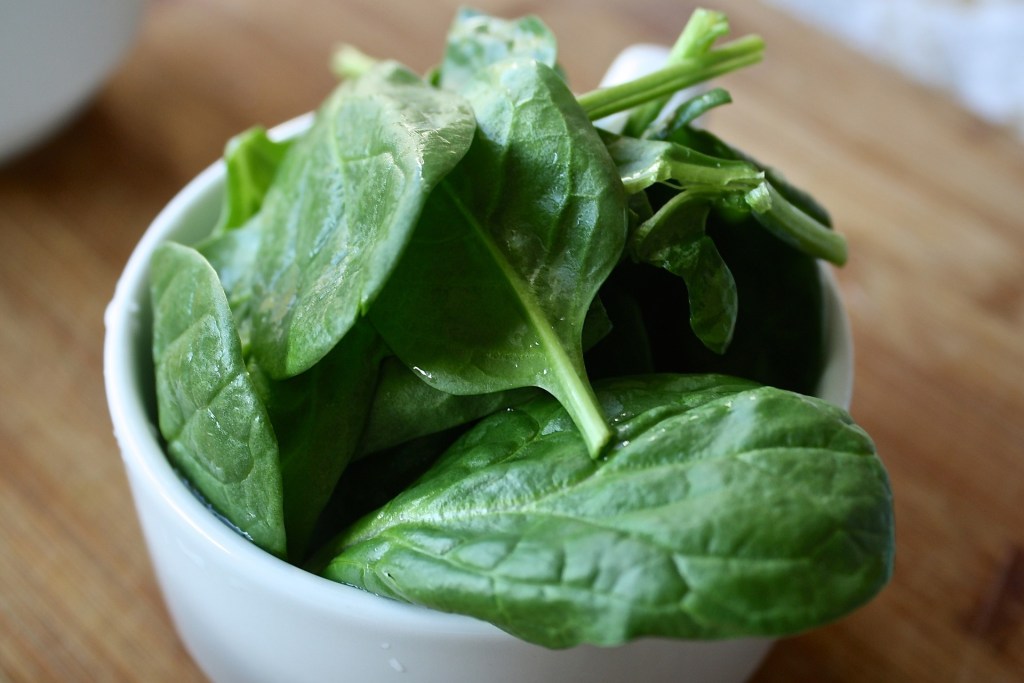
Spinach contain vitamins A, C and K1. It has tons of nutrients in it with low calories. The benefits of eating spinach are it prevent from cancer, it provide good nutrients for eyes, reduce blood pressure levels. Like broccoli it is also one of the healthiest foods. It is very simple to cook spinach.

5. ALMONDS

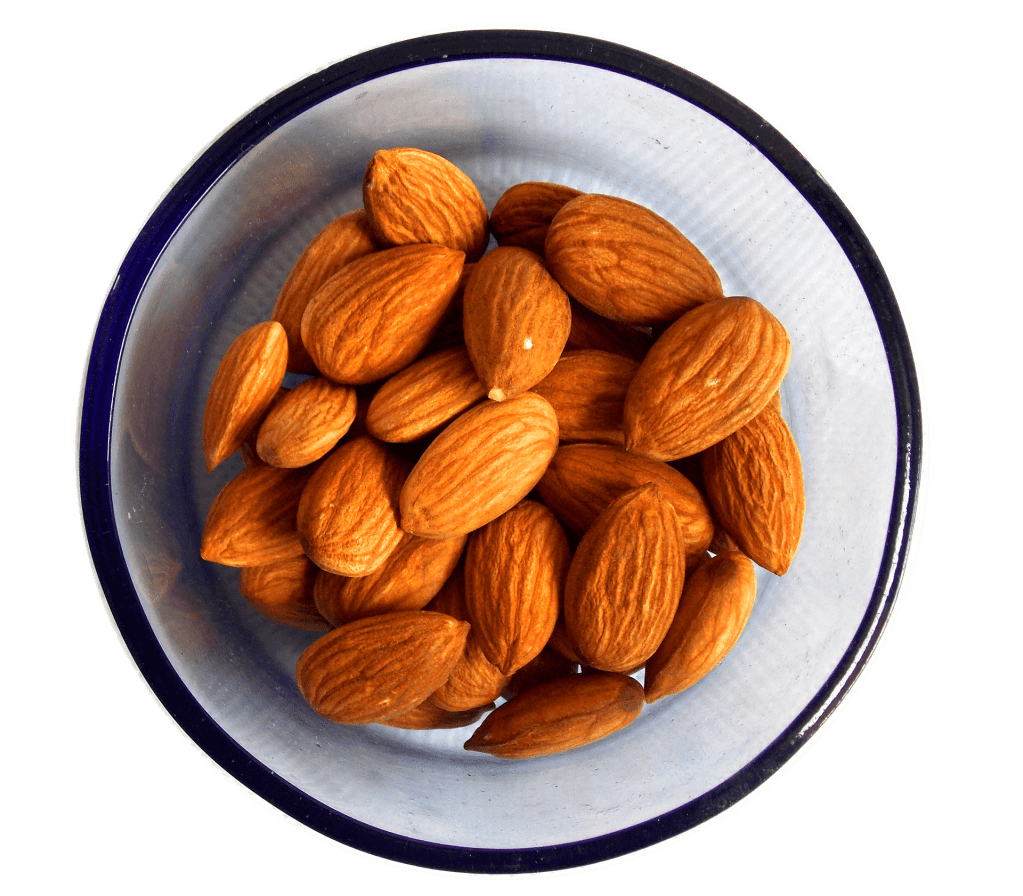
Almonds have a massive amount of nutrients. They are high in antioxidants. They are high in Vitamin E, which fat soluble antioxidants these help to build membrane in our body which help our body protecting from oxidative damage. They increase the circulation of blood, strengthen our bones, and help in control of sugar levels. Almonds contain magnesium, which help to control our blood pressure levels. They will increase the immune system defense against viruses.

6. GINGER

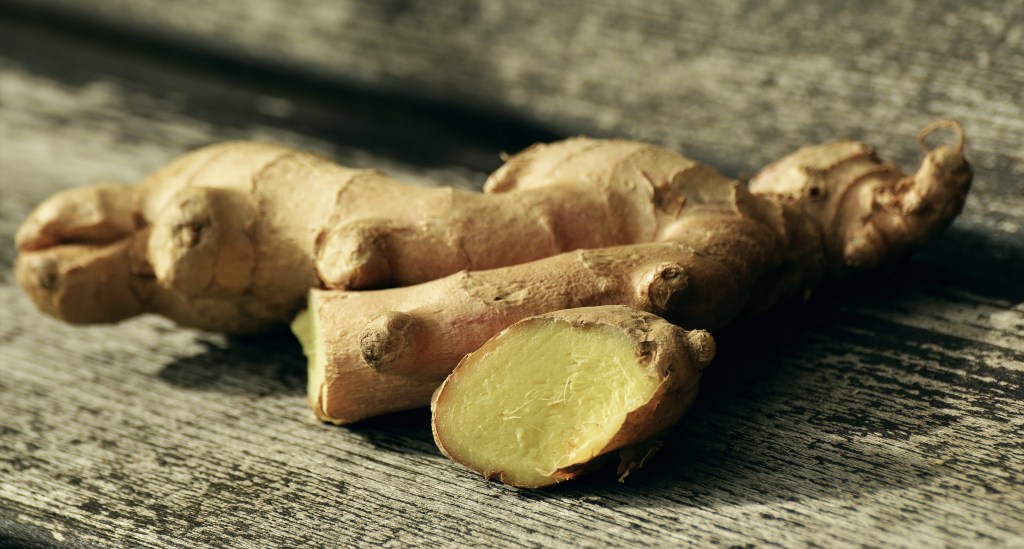
Ginger is another food item that boost your immunity. Since early ages, ginger is used in Ayurvedic medicines and medical purposes. Ginger of anti-inflammable which reduce swelling. Ginger also decrease chronic pain. In 2016, a study found that ginger may help to reduce weight. Ginger contains gingerol which helps to prevent cancer. It also helps to cure nausea.

7. YOGURT

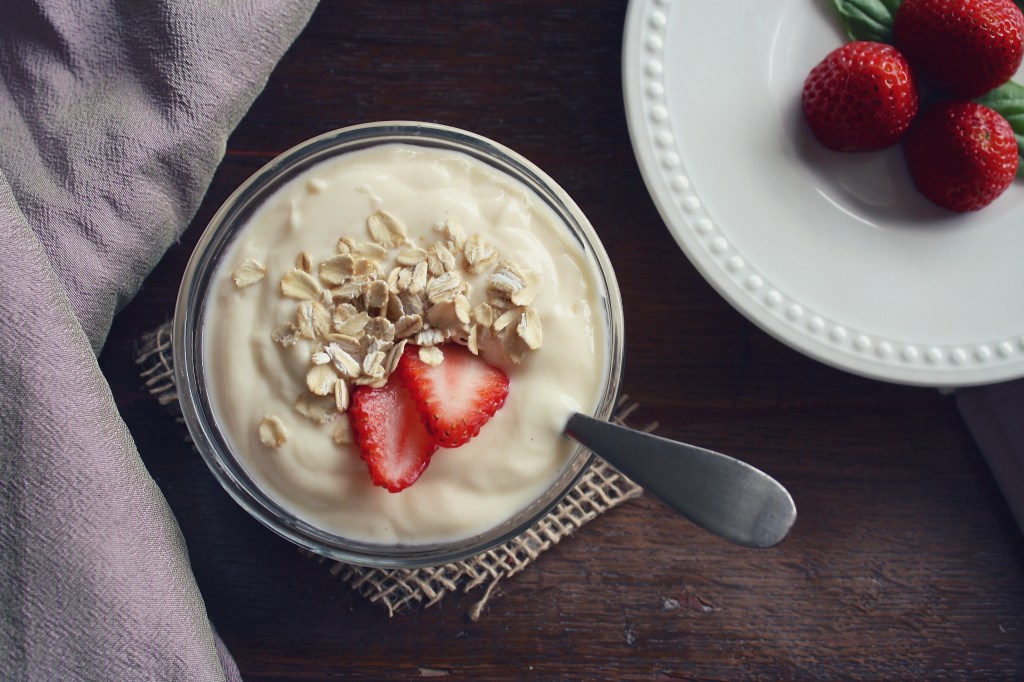
Yogurt contain Vitamin D, which helps to regulate our immune system and boost our body’s natural defense system against the infections and viruses. Yogurts are high in proteins, calcium, vitamins, and probiotics which can enhance the gut microbiota. It offers protection to bones and teeth. It also prevent digestive problems. Yogurt is best choice for you if you are in weight-loss diet. Probiotics will boost the immune system of our body.

All these will boost your immune system. If you like this article please like and rate it.

Pituitary gland and hormones secreted by it.

Pituitary gland is one of the most important endocrine glands. It secretes a number of hormones which control a wide range of body functions. Pituitary gland is situated just below the mid brain behind the optical chiasma and lies in the cavity of sphenoid bones called Sella turcica. It is about 10mm in diameter and average weight is 0.5-0.6g in males and 0.6-0.7g in females.

It has two lobes. The anterior lobe called adenohypophysis and the posterior lobe is called neurohypophysis.

Hormones secreted by the anterior lobe or adenohypophysis are:

  1. Somatotrophic hormone: It is also called as growth hormone. It stimulates the body growth by influencing protein synthesis. Mobilization of fat from the adipose tissue and the free acids in the blood is accelerated by this hormone.

It also increases the intestinal absorption of calcium as well as its excretion. As it stimulates the growth of long bones and also the soft tissues, maintains retention of other minerals such as potassium, phosphate, sodium, magnesium and chloride.

Deficiency of this hormone in childhood retards growth and leads to dwarfism and over secretion causes gigantism.

  • Thyroid stimulating hormone: It mainly controls the activity of the thyroid gland. These hormones speedup oxidative energy releasing process, thus controlling the rate of metabolic activities and growth.

It also influences the release of thyroxine from the thyroid gland.

Hypersecretion of TSH shows that person has hypothyroidism and thyroid gland is underactive. Less amount of TSH in blood shows thyroid gland is producing too much thyroid hormone, and the condition is called hyperthyroidism.

  • Adrenocorticotropic hormone: It regulates the normal functioning of adrenal cortex and release of glucocorticoids and mineralocorticoids. It helps in the increase of the total protein synthesis and also causes the synthesis of steroid hormone from cholesterol.

Increased secretion of this hormone results in Addison disease, Cushing syndrome etc.

  • Follicle stimulating hormone: In females this hormone stimulates the growth and maturation of graafian follicles and prepares them for ovulation and the action of Luteinizing hormone and enhances the release of estrogen. Hence, we can say that this hormone is very active during menstrual cycle.

In males, it stimulates growth of seminal tubule and testicular growth and early stages of spermatogenesis, the process of generation of sperms.

High FSH level shows low chances of getting pregnant. In males shows damaged testicles. It may also indication of Klinefelter syndrome.

  • Luteinizing hormone: This hormone continues the action of follicle stimulating hormone and helps in maturation of graafian follicle and ovulation. This also involves in the development of corpus luteum. This hormone also stimulates the secretion of estrogen and progesterone.

In males, this hormone stimulates the interstitial cells of the testes to secrete testosterone thereby maintains the spermatogenesis.

Increased LH secretion may cause irregularities in menstruation and troubles to get pregnant.

  • Prolactin or Lactogenic hormone: This hormone promotes the growth of mammary glands during pregnancy. This hormone also helps in milk secretion after delivery of the baby. Prolactin is secreted in high amount if a female is pregnant or a new mother.
  • Melanocyte stimulating hormone: It influences the melanin secretion and deposition on human skin by acting on melanocytes. Increased levels of the hormone mean increased melanin deposition.

 Hormones secreted by posterior lobe or neurohypophysis are,

  1. Oxytocin: This hormone controls the contraction of muscles of the uterus during labor. It also helps in stimulation of lactation after child-birth. This is also a chemical messenger to the brain and controls the reproductive system.
  2. Vasopressin: this hormone has a major role in controlling the water balance of the body. This increases the reabsorption of water from the distal tubules of nephron. If there is failure in secretion of enough amount of this hormone, large amount of dilute urine which causes excess amount of thirst. This condition is called diabetes insipidus.

What do we know about Music?

“Music is the language of the spirit. It opens the secret of life bringing peace, abolishing strife.”

Kahlil Gibran

“Music is the moonlight in the gloomy night of life”

John Paul Friedrich Richter

“Music is the universal language of mankind”

Henry Wadsworth Longfellow

Introduction

These quotes on music give us a little idea about what music is to people and how it makes them feel. Music is defined as vocal or instrumental sounds or both combined in such a way as to produce beauty of form, harmony, and expression of emotion. Music is an art and so it is usually influenced by culture and it becomes an important part of all cultures. Music does not only have to be professional, even a mother singing a lullaby for her baby is music.

History of Music

The history of music is almost as old as humanity. Archaeologists have found a primitive flute made of bone and ivory which can be dated back to almost 43,000 years old. A lot of musical styles could have been oral and so there is not much evidence on that. The oldest song by man is known to be the “Hurrian Hymn No. 6” which was an ode to the goddess Nikkal composed in cuneiform by ancient Hurrians around 14th century B.C. But the earliest piece of music was found on a 4000-year-old Sumerian clay tablet which had instructions on how to play the hymn in honour of the ruler Lipit-Ishtar. The oldest musical composition to have survived is known to be from the first century A.D., a Greek tune called the “Seikilos Epitaph”. This song was found engraved on an ancient marble.

Types of Music

The world is filled with several music genres and music styles. Some of the common music genres with examples are:

  • Classical – Moonlight by Ludwig Van Beethoven
  • Country – You should be here by Cole Swindell
  • Electronic Dance Music (EDM) – Fade by NCIS
  • Hip Hop – Gangsters Paradise by Coolio
  • Indie Rock – Heaven Knows I’m Miserable Now by The Smiths
  • Jazz – A Kiss to Build a Dream on by Louis Armstrong
  • K-pop – Butter by BTS
  • Metal – Diary of Jane by Breaking Benjamin
  • Pop – Shape of You by Ed Sheeran
  • Rap – These Guys by Blay Vision
  • Rhythm & Blues (R&B) – You Got it Bad by usher
  • Rock – Stairway to Heaven by Led Zeppelin
  • Blues – Sultans of Swing by Dire Straits

Benefits of Music

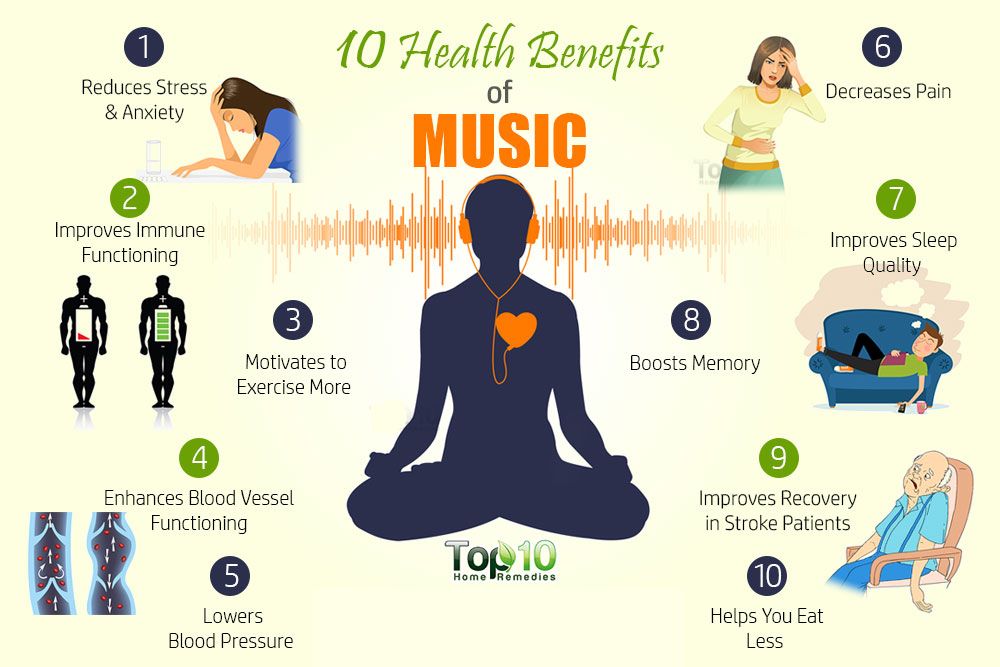
  • Research shows that music helps in keeping your heart healthy. Blood flows more easily when music is played, heart rate gets reduced, blood pressure lowers, it also decreased cortisol levels which is the stress hormone and it increases serotonin and endorphin in blood.
  • Music boosts the brain’s production of dopamine which helps in relieving anxiety and depression.
  • Music triggers some biochemical stress reducers which then help in reducing stress.
  • People going through depression are recommended to listen to music and it is supposed to help.
  • Music therapy is used for people suffering from Alzheimer’s or dementia. This music therapy relaxes the patients.
  • Music therapy also helps in managing the pain, it reduces the perceived intensity of pain.
  • Music is supposed to increase the workout endurance one might have.
  • For some people, music helps in concentration and minimizes the chances of getting distracted.
  • Music helps in regulating and understanding your emotions.

Conclusion

Music has existed for a very long time and that too in many forms. Most of us listen to different kinds of music just because we feel like it, without realizing the benefits it has. So, music isn’t just some sound with some instrument, it indeed is the moonlight in the gloomy night of light.

References