5 alarming signs that you might not be doing okay

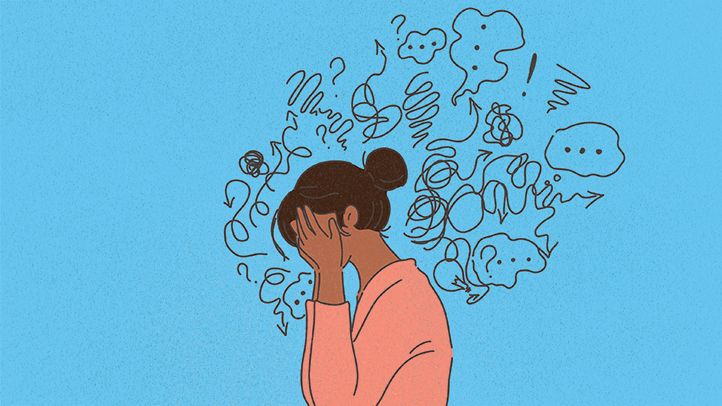
Here is a small poem that represents the mind(thoughts) of a person dealing with anxiety or depression, 

I wake up everyday wishing,

my eyebags to not be heavier than my emotional baggage

and my room to not be messier,

than the thoughts inside my head

is this something that everyone

wishes for at my age?

or is it just me?

who stares at the ceiling every night

while lying on her bed


why does only the night sky see me cry?

why does my shadow just show up in daylight and not at night,

when I’m ready to embrace it all?

why my secrets, darker than the sky, seem deeper than the silence the night holds.

the silence comforts sometimes,

but sometimes it just creeps straight into every vein in my body,

I never wished for much,

but my thoughts to not be louder,

than the silence the night holds

– Sadhana K


How to Cope With Anxiety and Depression | Everyday Health

Source – https://www.thestatesman.com/

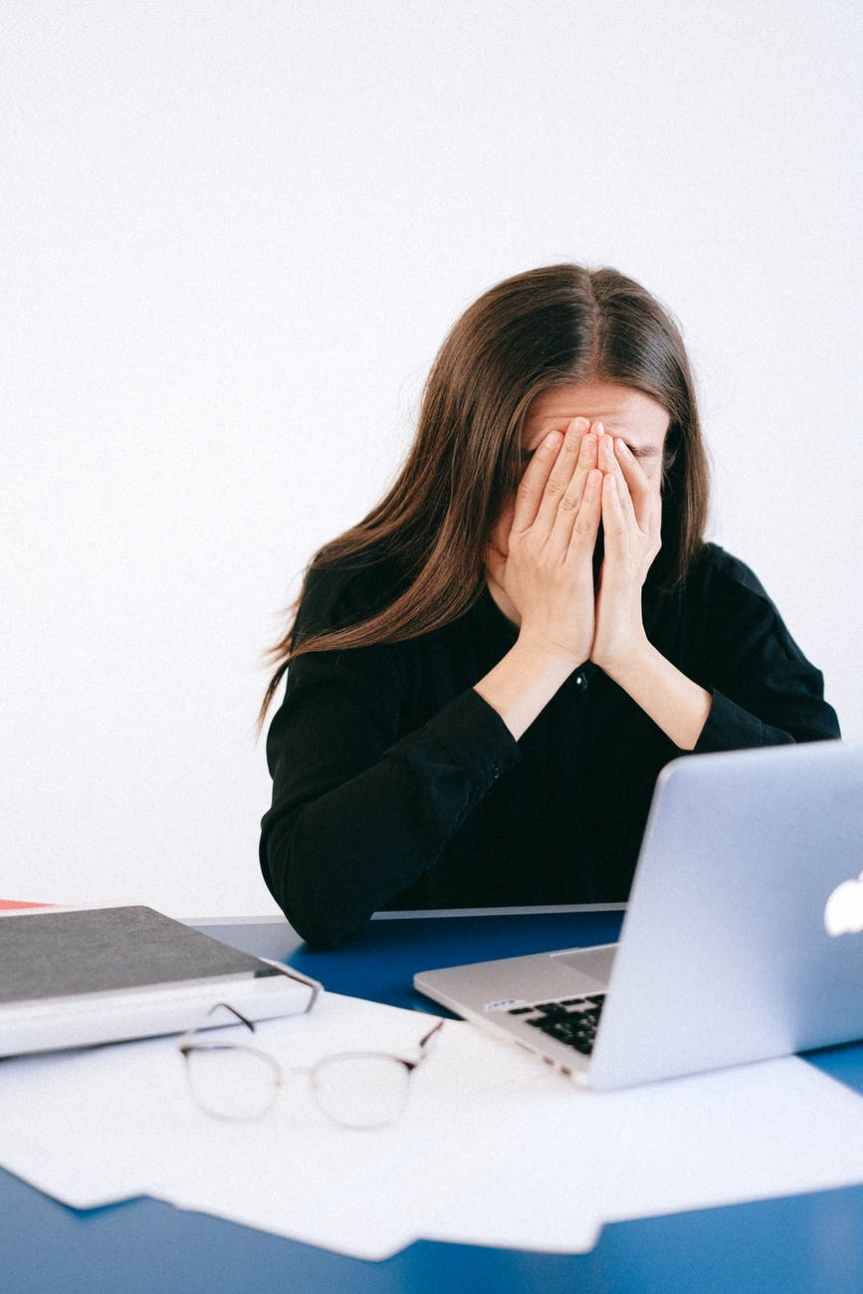
You know those feelings of general discontent, sadness, and hopelessness? If you have them, don’t ignore them. They could be signs of something much worse, like depression. Let’s check out the signs-

1. You feel fatigue and don’t sleep (or sleep too much)

Depression strips you of your energy and makes you feel lethargic. You stop doing things you enjoy because you feel exhausted, and begin sleeping excessively, or not sleeping at all (insomnia).

2. Your emotions are all over the place.

One moment, you’re feeling irritable and going off on someone in a full display of anger. The next, you’re crying. Depression can swing your moods uncontrollably.

3. Your topics of conversation have turned morbid.

Suicides rarely come without the symptoms that show up beforehand. Depressed people will often talk about it. If you’re in the company of a good friend who has flipped the morbid switch to “on” and is now talking about death and dying, stay close and monitor him. He may be on the doorstep of a suicide attempt.

4. Your outlook on life has done a 180.

Having a hopeless outlook on life is the most common symptom of depression. Associated feelings of worthlessness, self-hate, or inappropriate guilt may ride shotgun. You vocalize thoughts like “It’s all my fault,” and “What’s the point?”

5. You’ve lost interest in the things you enjoy.

Depression can rob you of the things you love, making you withdrawing from the very activities you once looked forward to — sports, socializing with friends, hobbies, etc.

What to do…

If depression has crept in, don’t despair. With professional help and a strong support system of loving family and friends, you can overcome it. Here’s what you can do:

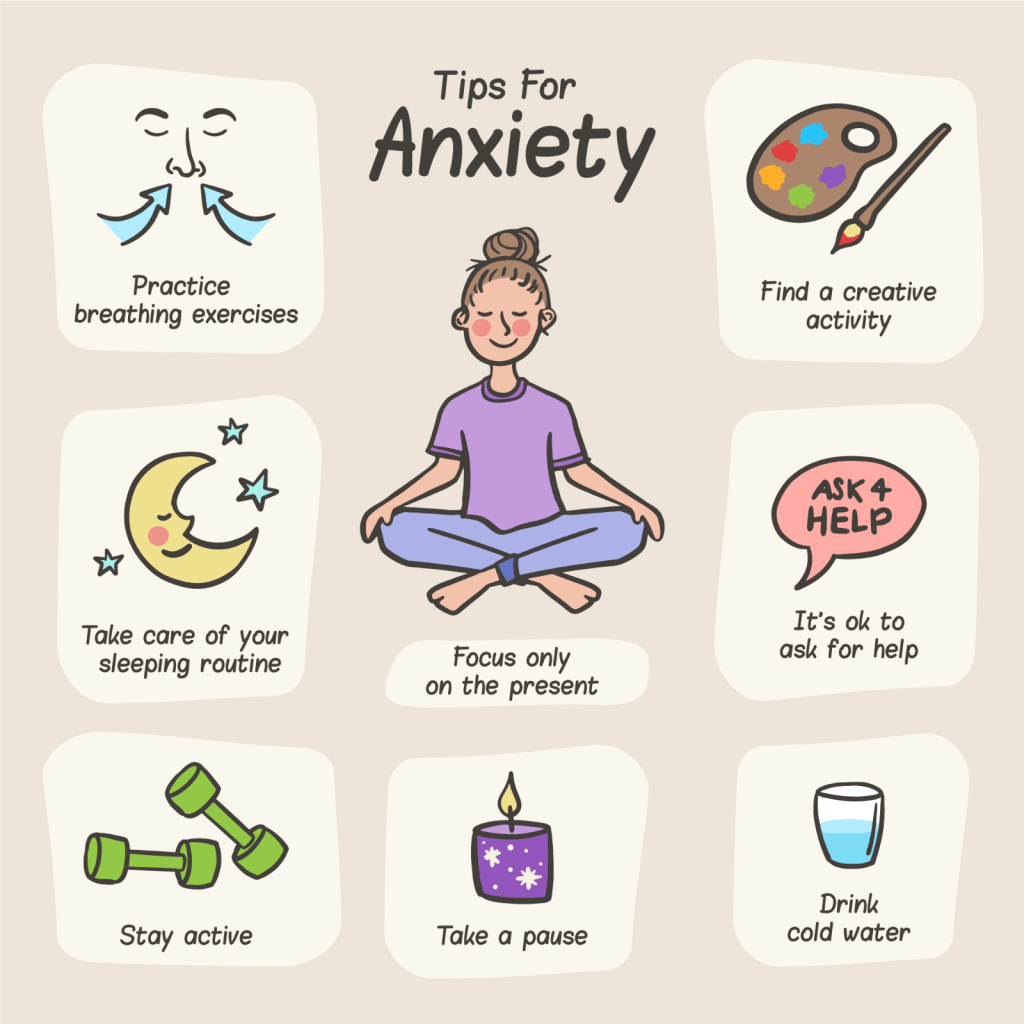
  • Please sleep. Don’t set the alarm. Just sleep until you wake up.
  • Do not isolate yourself—find community and support.
  • Don’t internalize your feelings. Be totally present with them.
  • Express gratitude.
  • Journal your feelings daily to help release those negative emotions.
  • Lean on your faith, or something greater than you.
  • Rediscover the activities and hobbies that bring you peace, joy, and vitality.
  • Exercise daily. Fifteen minutes of cardio is all it takes.
  • Practice mindfulness.


How to cope with stress in your daily life

Stress is a natural part of life, and like many things, it’s important to learn how to manage it. If you’re suffering from stress, here are some helpful tips for coping:

Find a hobby

If you’re looking for a way to manage stress and unwind, a hobby can be an excellent option. It doesn’t have to be something specific or intense; you could simply enjoy doing something that inspires you every day.

Whatever it is that makes your heart race with excitement, there’s probably an outlet for it in your life—if not now then at some point in the future. Taking up knitting or painting might seem like an odd choice when you’re stressed out by midterms and finals, but these activities can become routine sources of relaxation as well as hobbies!

When we were kids growing up, many of us were fond of playing sports: football or baseball games were favorite pastimes at our houses during the summer months because they gave us something physical (and occasionally competitive) to do together after school hours were over. Nowadays however there are plenty other ways for parents and kids alike alike enjoy getting involved together outside on weekends – whether through volunteering with community organizations like Habitat For Humanity; going camping together on family camping trips; taking part in organized activities such as dance lessons where everyone learns new moves together while having fun at once too 🙂

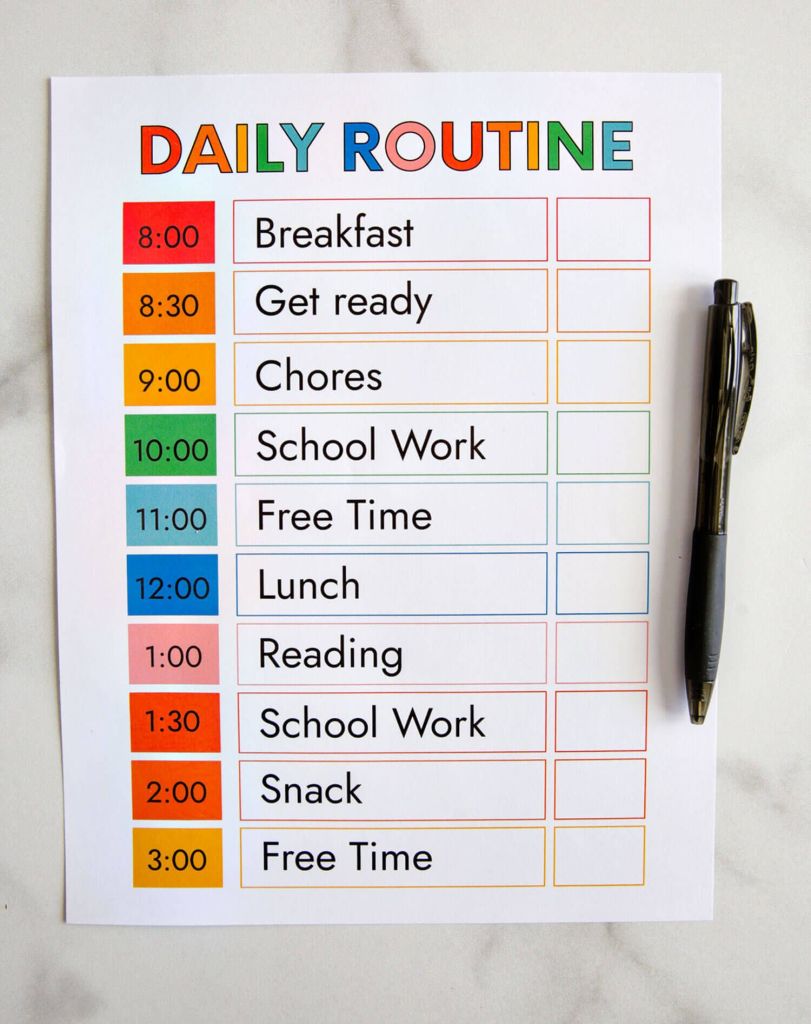
Build a daily routine

The first step to managing stress is building a daily routine. A morning routine, afternoon routine and evening routine are all good places to start.

Make sure you have your coffee (or tea) before 7:30 AM. This will help you get going in the morning and prevent late-night cram sessions later on in the day when you’re tired or distracted by something else that needs doing.

Get through at least one workout session per week—even if it’s just walking around campus for 30 minutes with friends or playing basketball with teammates after class! Exercise helps burn off energy so that mentally challenging tasks don’t seem insurmountable anymore; moreover, exercise has been shown to reduce anxiety levels as well as improve moods overall.* Go grocery shopping once per week rather than buying food from convenience stores because they tend to have higher prices than supermarkets do; however replacing fast food with healthy alternatives like salads instead of burgers will save money while still providing nutritious meals throughout each day.* Try not using social media sites like Facebook or Twitter too frequently either during lunch breaks at work because this causes users’ lives outside office hours become blurred together into one giant blur which makes everything seem more difficult than before since now there’s no separation between work life & personal life anymore.

Eat healthy food

Eating a balanced diet is key to managing stress. It helps you feel more energized and less tired, which can help you avoid getting sick or stressed out by hunger pangs. If possible, eat a healthy breakfast every morning—this will give you the energy boost that makes it easier for you to get through your day!

If eating junk food is something that stresses out your stomach (and let’s be honest here: who doesn’t love pizza?), try finding healthier snacks like fruit salad bites or even granola bars instead of sugary ones. The key here is moderation; no one should ever eat too much junk food because this will only make them feel worse afterwards.

Get in touch with your family

Stress is a normal part of life and as such, it’s important to find ways to manage your stress. One way you can do this is by talking with your family about how they can help.

Family members are a great source of support when it comes to helping you manage stress—and they may not even realize how much they’re helping! If you have parents or siblings who live nearby, consider asking them if they’d like some help managing their own lives and those around them. You could even offer up some of your time (or money) in exchange for their assistance so that everyone benefits from their efforts together.

Get enough sleep

Sleep is important for learning and memory.

It’s also linked to stress reduction.

Getting enough sleep can help reduce your stress levels, which will make you more productive at school or work.

Go for a walk

You can get away from the stress of school by going for a walk.

Go for a walk alone or with friends if you’d like, but don’t worry about being seen—the point of walking is just to move your body, not impress others. Listen to music while you walk (or listen in silence), and try to take in some fresh air too. Take your dog for a long walk around the neighborhood; they’ll love it! If possible, try walking at least 10,000 steps each day—that’s equivalent to running one mile per hour continuously for 30 minutes straight! When I was younger and had more energy than I do now as an adult who’s trying everything she can think of not only stay healthy but also keep fit at age 55+.

Listen to music


Music is a great way to relax and de-stress. You can listen to any music you like, but try not to choose something that’s too hard or fast. Music can also help you focus on what’s important in your life, which will help keep things in perspective when they get overwhelming.

Music can also help with sleep! I recommend listening before bed because it helps calm your mind enough so that it doesn’t keep tossing and turning at night because of all the stressors going through your head during the day (or even week).

Meditate

Meditating is a great way to relax and unwind. It can help you deal with stress, anxiety and depression, improve your memory and creativity, even slow down the aging process.

If you’re new to meditation or have never tried it before there are plenty of ways that beginners can begin:

Sit comfortably in a comfortable position (sitting or lying down).

Close your eyes if possible – this might help you focus better on what you are doing (most people choose not to cover their eyes).

Start by breathing normally through both nostrils for one minute without counting the breaths or trying anything else at first; this will help clear any thoughts from your mind so that when they come back again later on during meditation they won’t distract us from our task at hand which is meditating.

Talk to someone about your stressors

Talking to someone about your stressors is an important part of managing them. You can talk to your friends and family, but it’s also helpful to talk about the stressors with a therapist or counselor. If you feel comfortable talking about this issue with a doctor, go for it! The same goes for religious leaders, coaches and mentors who have experience dealing with similar issues in their own lives. And if none of these people are available yet, teachers are usually willing to listen when students come seeking guidance from them (or even just want advice on how they should handle their own problems).

Few more steps to encounter stress

Stress can be caused by a variety of factors including work-related issues, relationships with friends and family members or even just having too much on your plate at once. In order to manage stress effectively there are some steps that you can take:

Start taking breaks from time to time during the day (even if only for 5 minutes). This will help you relax and recharge so that when you return back into work mode again; everything feels fresh again.

Try getting outdoors more often during the day so that there’s less time spent indoors where all these feelings tend to accumulate over time because there isn’t much else going on besides watching TV shows while eating pizza as opposed being outside enjoying nature around us all… You get what I mean? 🙂


I hope this article has given you some useful tips for managing your stress. Remember that the best way to deal with a stressful situation is to stay calm and take action. Use our tips above and find something that helps you relax, like giving yourself time away from your responsibilities or getting some exercise – anything will do.

How to cope with stress in your daily life

Stress is a natural part of life, and like many things, it’s important to learn how to manage it. If you’re suffering from stress, here are some helpful tips for coping:

Find a hobby

If you’re looking for a way to manage stress and unwind, a hobby can be an excellent option. It doesn’t have to be something specific or intense; you could simply enjoy doing something that inspires you every day.

Whatever it is that makes your heart race with excitement, there’s probably an outlet for it in your life—if not now then at some point in the future. Taking up knitting or painting might seem like an odd choice when you’re stressed out by midterms and finals, but these activities can become routine sources of relaxation as well as hobbies!

When we were kids growing up, many of us were fond of playing sports: football or baseball games were favorite pastimes at our houses during the summer months because they gave us something physical (and occasionally competitive) to do together after school hours were over. Nowadays however there are plenty other ways for parents and kids alike alike enjoy getting involved together outside on weekends – whether through volunteering with community organizations like Habitat For Humanity; going camping together on family camping trips; taking part in organized activities such as dance lessons where everyone learns new moves together while having fun at once too 🙂

Build a daily routine

The first step to managing stress is building a daily routine. A morning routine, afternoon routine and evening routine are all good places to start.

Make sure you have your coffee (or tea) before 7:30 AM. This will help you get going in the morning and prevent late-night cram sessions later on in the day when you’re tired or distracted by something else that needs doing.

Get through at least one workout session per week—even if it’s just walking around campus for 30 minutes with friends or playing basketball with teammates after class! Exercise helps burn off energy so that mentally challenging tasks don’t seem insurmountable anymore; moreover, exercise has been shown to reduce anxiety levels as well as improve moods overall.* Go grocery shopping once per week rather than buying food from convenience stores because they tend to have higher prices than supermarkets do; however replacing fast food with healthy alternatives like salads instead of burgers will save money while still providing nutritious meals throughout each day.* Try not using social media sites like Facebook or Twitter too frequently either during lunch breaks at work because this causes users’ lives outside office hours become blurred together into one giant blur which makes everything seem more difficult than before since now there’s no separation between work life & personal life anymore.

Eat healthy food

Eating a balanced diet is key to managing stress. It helps you feel more energized and less tired, which can help you avoid getting sick or stressed out by hunger pangs. If possible, eat a healthy breakfast every morning—this will give you the energy boost that makes it easier for you to get through your day!

If eating junk food is something that stresses out your stomach (and let’s be honest here: who doesn’t love pizza?), try finding healthier snacks like fruit salad bites or even granola bars instead of sugary ones. The key here is moderation; no one should ever eat too much junk food because this will only make them feel worse afterwards.

Get in touch with your family

Stress is a normal part of life and as such, it’s important to find ways to manage your stress. One way you can do this is by talking with your family about how they can help.

Family members are a great source of support when it comes to helping you manage stress—and they may not even realize how much they’re helping! If you have parents or siblings who live nearby, consider asking them if they’d like some help managing their own lives and those around them. You could even offer up some of your time (or money) in exchange for their assistance so that everyone benefits from their efforts together.

Get enough sleep

Sleep is important for learning and memory.

It’s also linked to stress reduction.

Getting enough sleep can help reduce your stress levels, which will make you more productive at school or work.

Go for a walk

You can get away from the stress of school by going for a walk.

Go for a walk alone or with friends if you’d like, but don’t worry about being seen—the point of walking is just to move your body, not impress others. Listen to music while you walk (or listen in silence), and try to take in some fresh air too. Take your dog for a long walk around the neighborhood; they’ll love it! If possible, try walking at least 10,000 steps each day—that’s equivalent to running one mile per hour continuously for 30 minutes straight! When I was younger and had more energy than I do now as an adult who’s trying everything she can think of not only stay healthy but also keep fit at age 55+.

Listen to music

Music is a great way to relax and de-stress. You can listen to any music you like, but try not to choose something that’s too hard or fast. Music can also help you focus on what’s important in your life, which will help keep things in perspective when they get overwhelming.

Music can also help with sleep! I recommend listening before bed because it helps calm your mind enough so that it doesn’t keep tossing and turning at night because of all the stressors going through your head during the day (or even week).

Meditate

Meditating is a great way to relax and unwind. It can help you deal with stress, anxiety and depression, improve your memory and creativity, even slow down the aging process.

If you’re new to meditation or have never tried it before there are plenty of ways that beginners can begin:

Sit comfortably in a comfortable position (sitting or lying down).

Close your eyes if possible – this might help you focus better on what you are doing (most people choose not to cover their eyes).

Start by breathing normally through both nostrils for one minute without counting the breaths or trying anything else at first; this will help clear any thoughts from your mind so that when they come back again later on during meditation they won’t distract us from our task at hand which is meditating.

Talk to someone about your stressors

Talking to someone about your stressors is an important part of managing them. You can talk to your friends and family, but it’s also helpful to talk about the stressors with a therapist or counselor. If you feel comfortable talking about this issue with a doctor, go for it! The same goes for religious leaders, coaches and mentors who have experience dealing with similar issues in their own lives. And if none of these people are available yet, teachers are usually willing to listen when students come seeking guidance from them (or even just want advice on how they should handle their own problems).

Few more steps to encounter stress

Stress can be caused by a variety of factors including work-related issues, relationships with friends and family members or even just having too much on your plate at once. In order to manage stress effectively there are some steps that you can take:

Start taking breaks from time to time during the day (even if only for 5 minutes). This will help you relax and recharge so that when you return back into work mode again; everything feels fresh again.

Try getting outdoors more often during the day so that there’s less time spent indoors where all these feelings tend to accumulate over time because there isn’t much else going on besides watching TV shows while eating pizza as opposed being outside enjoying nature around us all… You get what I mean? 🙂

I hope this article has given you some useful tips for managing your stress. Remember that the best way to deal with a stressful situation is to stay calm and take action. Use our tips above and find something that helps you relax, like giving yourself time away from your responsibilities or getting some exercise – anything will do.

Education system in India

Photo by Pixabay on Pexels.com

Since ancient times, education has been a dominant force in society. The only change that has occurred is the substitution of teachers and schools with gurus and gurukuls. However, one crevice that is often overlooked is the true meaning of education in Indian society. We can see what perfect education is by breaking down this large issue into a few parts. The process of obtaining or imparting fundamental information, particularly at the school or university level, is characterized as education.

Education is a crucial aspect that contributes to the country’s improved literacy rate. The Indian government has primarily concentrated on providing education to all citizens since independence, and it has developed new initiatives to improve Indian education for many years.

The Indian education system is divided into four stages: lower primary, which is for children aged six to ten years, and upper primary, which is for children aged eleven to twelve years. High school, in which students begin school at the age of 13 and graduate at the age of 16, with the completion of upper secondary school occurring between the ages of 17 and 18. The Indian education system is regarded as the world’s oldest education system. It is not the greatest, despite being the oldest. The Indian education system is unproductive and inconvenient due to a lack of changes and improvements. Education, rather than being a formidable tool for shaping students into better beings with practical knowledge, has been reduced to an illusion of practicality due to several flaws. This eventually caused the system to fail, since it was no longer advantageous to pupils, eventually resulting to EXAM STRESS. Let’s see how things turn out.

The Indian education system has always been structured for a child to learn from a book and write tests in order to acquire excellent scores. While it aids in the development of children’s reading and writing skills, it does not aid in the acquisition of life skills. We frequently hear on the news that India’s unemployment rate is rising, and that many graduates with advanced degrees are unable to find work. So, what’s the deal with that? Our educational system is the answer. The Indian educational system was created to educate students how to achieve excellent grades and score high scores, but it was never intended to teach them how to live in this world. I completely agree that the education and information we gain from reading diverse books is unrivalled. However, while the Indian education system gives theoretical information to students, it is equally critical to educate them how to use that knowledge effectively, which many students fail to do, and this is one of the reasons why India’s unemployment rate is increasing at an exponential rate. Furthermore, the educational system is only a mirror of ideas, making it incredibly difficult for pupils to understand.

Failure to consider the balance in education, as well as how to deal with pressure, frequently leads to stress, with pupils becoming depressed as a result. It is the instructors’ obligation to allow pupils to think in new ways. Teachers should also instill in students the importance of classroom learning and teach them how to put it into practice. Furthermore, teachers must be open to the concept of learning new things from their students. If significant efforts are taken, our educational system may be improved. Instead than encouraging kids to prepare for exams by just mugging up textbooks for the goal of getting a good grade, more practical information should be imparted to them. The educational authority should provide pupils with opportunity to put what they’ve learned in the textbooks into practice. Our educational system should also provide opportunities for kids to gain financial skills that will assist them in surviving in this world. Education authorities should educate pupils how to budget money, save money, and invest it in various assets such as stocks, gold, silver, and other precious metals. This will aid pupils in their future preparation. According to the United Nations Organization (UNO), India is ranked 145th out of 191 countries in terms of educational provision. We aren’t even among the top 50 countries on the planet. It is not about comparison, it is about the quality education we are reciprocating to the youth. This demonstrates how much we need to improve in order to stay current. If we want our country to develop and progress, we must first improve the quality of education we offer to our youngsters. As the phrase goes, “Today’s children are tomorrow’s future,” thus we should begin by modernizing India’s educational system at the basic level. Rather of enabling students to study solely theoretical information, educational authorities should use practical approaches that allow students to apply what they have learned in the classroom. We must do it for the sake of a brighter future if we can bring a wave of revolution by moderating our educational system.

Success and mental health

Photo by Daniel Reche on Pexels.com

Mental health is a major concern worldwide these days and India is not far behind in sharing this. India is considered as one of the depressed countries in the world during the pandemic by WHO. Currently, the students are stressed, worried and anxious about the uncertainties of the future. One in seven Indians between 15-24 years of age feel depressed and lack interest in doing things. While the impact on children’s lives is incalculable, the economic loss due to mental health conditions between 2012-2030 is estimated to be USD 1.03 trillion in India, according to WHO 2020. This excessive online presence or screen time during the pandemic itself has created mood swings, irritability, social withdrawal, changes in sleeping and eating patterns, difficulty with attention, focus and concentration, and further detachment from family or the real world. Studies have shown that one third of the young people display poor knowledge of mental health problems. Regular fitness exercises like morning walks, yoga, and meditation have proved to be great medicine for curing mental health. Besides this, it is imperative to have a good diet and enough sleep. A person needs 7 to 9 hours of sleep every night on average , we should also stay connects with our friends and family , do what Piques our interest , be active and the most important we should reduce our screen time. When someone is tired yet still can’t sleep, it’s a symptom that their mental health is unstable. In students low self esteem , irritability, sudden anger, frequent absence, thoughts of suicide, reckless behavior, crying etc. could be some of the symptoms of depression.

As we speak, there is one suicide attempt every 3 seconds and one demise by suicide every 40 seconds by our youth and in most cases the causes are mental health problems.

The major cause of mental health problems in Indian students is seen due to academic pressure and the pressure created my families specially parents which ultimately leads to anxiety, over thinking and depression among students. This academic pressure is also driving kids to suicide.

Social standing is a big and also the main cause of parental pressure. Caring more about how the world perceives them, can render parents ignorant about the true talents of their children. Parents often generalize the definition of success and excellence, depending on how others are doing.

Majority of the Indian parents never try to understand why their children are not able to perform good in their academics or other fields. They never want to sit down with their children and talk about their problems with their children. Instead they prefer to scold or even beat their child which is somehow much more demoralizing and rather acts towards increasing the child’s stress level to a great extend. Kids who feel like they are under constant pressure can experience constant anxiety. Parents think that their only duty is to earn and pay for their children expenses but what they should really do is that they should build their relationship stronger. This means meeting there childs physical as well as emotional needs by taking care of them. They need to constantly instill into their next generation the importance of ‘resilience’ which is the inner strength. But parents are not the only one to blame or to take care of the children but we ourselves should take proper care of our mental health and should not ignore it.

If all these aspects are addressed at an earlier age and stage of a student’s life, it will not only make them emotionally stronger and healthier but also prepare them for future life with more mindfulness, respect, gratitude and strength.

STRESS- CAUSES, EFFECTS,SYMPTOMS AND TREATMENT

BY DAKSHITA NAITHANI

INTRODUCTION

Stress is a human emotion that is natural and affects everyone at some point in their lives. The human body is built to recognise and respond to stress. An individual’s body creates physical and mental reactions in response to changes or difficulties (stressors). It is any sort of change that produces physical, emotional, or psychological pressure. It may be caused by a variety of conditions or life events. When we encounter anything new, unanticipated which challenges our sense of self, or when we believe we have little control over a situation, it is frequently activated.

Your body’s stress reactions assist it in adapting to new conditions. A stress reaction, for example, may help your body work harder and remain awake longer if you have an important test coming up. When stresses persist without release or times of relaxation, it becomes a problem.

To some extent, everyone is stressed. We all handle stress in various ways which also has a significant impact on your wellbeing .Genetics, early life events, personality, and social and economic conditions can all influence our capacity to cope.

TYPES OF STRESS

Not all types of stress are harmful or even negative. Some of the different types of stress that you might experience include:

Acute stress:  We face this type of stress in daily life it is short term and can be either positive or distressing.

 Chronic stress: Chronic stress is a type of stress that appears to be never-ending and unavoidable, such as the stress of a physically demanding profession; chronic stress can also result from catastrophic events and psychological trauma.

Episodic acute stress: Acute stress that appears to be rampant and becomes a way of life, resulting in a life of constant distress, is known as episodic acute stress.

Eustress: Eustress is a thrilling and enjoyable experience. It’s a type of positive stress that can help you stay energised. It’s linked to adrenaline rushes, as when you’re skiing or rushing to reach a target.

CAUSES OF STRESS

There are numerous factors that might generate stress in one’s life. Work, economics, partnerships, parenthood, and day-to-day hassles are all common causes of stress. Workplace stress may also be detrimental to your psychological health. Workplace stress causes people to miss an average of 24 days of work each year due to illness.

Even life changes that are positive in nature such as moving to a larger house, getting a work promotion, or going on vacation can lead to stress. If you’re anxious in certain situations, you could have a hard time understanding why, or you might be hesitant to express your thoughts with others.

The fight-or-flight response, which is usually triggered by stress, is the body’s reaction to a perceived threat or danger. The fight-or-flight response, which was called for its capacity to enable us to physically fight or flee when faced with danger when is triggered in situations where both the responses are not appropriate, such as in traffic or during a stressful day at work. The relaxation reaction does not occur frequently enough in instances of chronic stress, and being in a near-constant state of fight-or-flight might harm the body.

HOW CHRONIC STRESS AFFECTS YOUR HEALTH

When you consider the influence stress has on your life, you can see the link between your mind and body. Physical health problems might arise when you are worried out about a relationship, money, or your living circumstances. It’s also true in reverse. Wellness issues, whether you have high blood pressure or diabetes, will have an impact on your stress level and mental health.

Heart attacks, arrhythmias, and even sudden death can be triggered by severe acute stress, such as being involved in a natural disaster or getting into a verbal altercation. Stress has an emotional impact as well. While mild anxiety or frustration may result from some stress, prolonged stress can lead to burnout, anxiety disorders, and depression. When under a lot of stress, your autonomic nervous system becomes overactive, which can harm your body.

SIGNS AND SYMPTOMS

Continuous activation of the stress response creates wear and tear on the body. When a person is under stress for a long term symptoms manifest themselves in the form of physical, emotional, and behavioural manifestations.

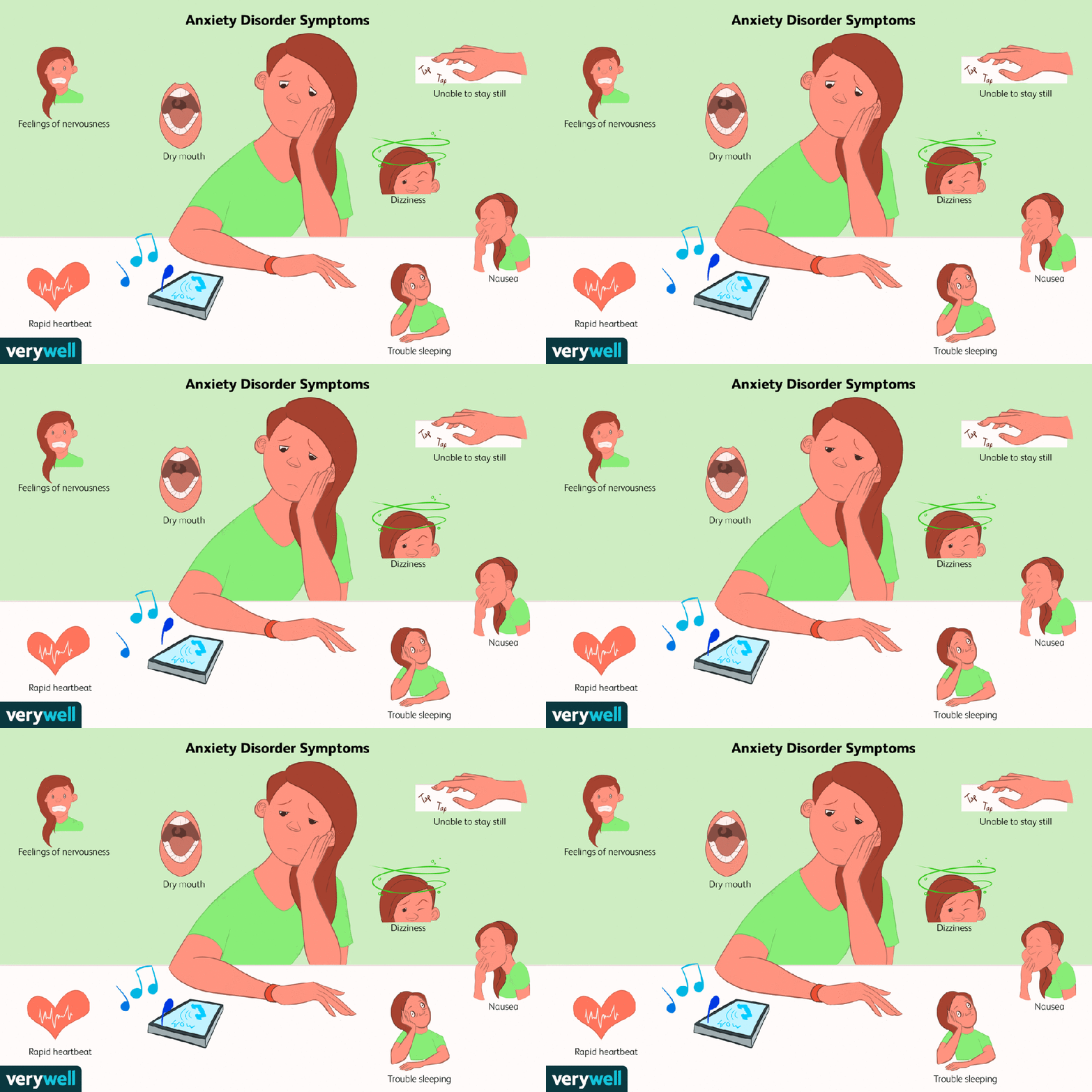
Physical symptoms of stress include:

  • Aches and pains such as chest pain or a feeling like your heart is racing.
  • Feeling exhausted all the time or having trouble while sleeping.
  • Having Headaches, High blood pressure, dizziness or shaking.
  • Muscle tension or jaw clenching (Grinding teeth)
  • Having various digestive problems.
  • It also results in a weak immune system.
  • Clammy or sweaty palms

Stress can lead to emotional and mental symptoms such as:

  • Anxiety or irritability.
  • Depression.
  • Panic attacks.
  • Sadness.
  • Changes in mood

Identifying Stress

Having stress for long-terms has also been related to various gastrointestinal diseases including Irritable Bowel Syndrome (IBS) or stomach ulcers, as well as cardiovascular illness, according to certain studies.

Stress may originate from a variety of places, but even little everyday pressures from job, school, family, and friends can have a negative impact on your mind and body.

If you think it might be bothering you, there are a few things you can look for:

  • Difficulty concentrating, worrying, anxiety, and difficulties remembering are all psychological symptoms.
  • Anger, irritability, moodiness, and frustration are examples of emotional indicators.
  • High blood pressure, weight fluctuations, frequent colds or infections, and changes in the menstrual cycle and libido are among physical symptoms.
  • Poor self-care, not having time for the activities you like, or depending on drugs and alcohol to cope are all behavioural markers to look out for.

TREATMENT

There is no one particular therapy for stress because it is not a separate medical diagnosis. Change the environment, improve stress coping abilities, apply various relaxation techniques and treating conditions that may have been created by chronic stress are all part of stress treatment.

Psychotherapy, medication, and complementary and alternative medicine are some of the therapies that may be beneficial.

HOW TO COPE WITH STRESS

Stress is unavoidable, but can be managed. One can take control of their health and decrease the influence stress has on life once they understand the toll it takes and how to battle it. You can’t escape stress, but you can keep it from becoming overwhelming by using the following methods on a regular basis:

  1. Exercise

Regular exercise is one of the most effective methods to calm your body and mind. Plus it will also lift your spirits. Work up to 2 hours and 30 minutes of moderately intensive activity, such as brisk walks, or 75 minutes of rigorous exercise, such as swimming laps, running, or participating in other sports. Focus on creating realistic fitness goals so you don’t give up.

  • Relax Your Muscles

Your muscles stiffen up when you’re anxious. Stretching, getting a massage and other self-care activities can help loosen them up and rejuvenate your body. Taking a hot bath or shower is a great way to relax. Having a restful night’s sleep is also very important.

  • Deep Breathing

Stopping and taking a few deep breaths can immediately relieve stress. Once you get the hang of it, you’ll be amazed at how much better you feel. Simply take these five steps:

  • Sit with your hands in your lap and your feet on the floor in a comfortable posture.
  • Close your eyes for a moment.
  • Consider yourself in a soothing environment. It may be on the beach, in a lovely field of grass, anyplace else that helps you feel calm.
  • Slowly inhale and exhale deeply.
  • At a moment, do it for 5 to 10 minutes.
  • Eat Well

Eating a good well-balanced, regular diet will make you feel better overall. It may also aid with mood regulation. For energy, your meals should include plenty of vegetables, fruit, healthy grains, and lean protein and make sure you don’t forget any. 

  • Slow Down
  • 5 to 10 minutes ahead of time, set your watch. You’ll be able to arrive a bit earlier and avoid the worry of being late.
  • Switch to the slow lane if you’re travelling on the highway to prevent road rage.
  • Break down projects into manageable chunks. If you don’t have to, don’t try to respond to all 100 emails; instead, respond to a handful of them.
  • Take a Break

 To give your mind a break from stress, schedule some genuine leisure. It may be difficult for you at first if you are someone who enjoys setting objectives for the day. But if you stay with it, you’ll come to like these times. Meditation, Yoga, Tai chi, Prayer, Listening to music, and spending time in nature are all relaxing activities.

  • Make Time for Hobbies

You must schedule time for activities that you like. Every day, try to do something that makes you happy, it helps you to relax. It doesn’t have to take a long time; 15 to 20 minutes would suffice. Reading, knitting, doing an art project, playing golf, watching a movie, doing puzzles, and playing cards and board games are all relaxing activities.

  • Talk About Your Problems

If anything is troubling you, talking about it might help you relax. Family members, friends, a trustworthy priest, a doctor, or a therapist are all good places to start.

So, when you’re worried, pay attention to what you’re thinking or saying. Change the negative message you’re sending yourself to a positive one. Don’t tell yourself, “I can’t do this,” for example. Instead, tell yourself, “I can do this,” or “I’m doing the best I can.”

  • Go Easy On Yourself

Accept that no matter how hard you strive, you will never be able to achieve everything with perfection. So, do yourself a favour and quit being hard over yourself and stop overestimating your abilities. Also, remember to retain your sense of humour. Laughter is one of the most effective ways to relax.

  1. Eliminate Your Triggers

Determine the main sources of stress in your life. Is it your job, your commute, or your schooling that’s the problem? If you can figure out what they are you may get rid of them or at least decrease them in your life.

Anxiety and its effect on health.

Anxiety is your body’s natural response to stress. It’s a feeling of fear or apprehension about what’s to come. The first day of school, going to a job interview, or giving a speech may cause most people to feel fearful and nervous.

But if your feelings of anxiety are extreme, last for longer than six months, and are interfering with your life, you may have an anxiety disorder. However, people with anxiety disorders frequently have intense, excessive and persistent worry and fear about everyday situations.

Anxiety is just the exaggerated response of body to a situation that is out of one’s comfort zone, when this response lasts for so long this is when you need to address the issue and look for a medical professional.

Symptoms of Anxiety disorder

  • Signs and symptoms of anxiety may be physical, emotional and behavioral such as nervous habits, compulsions and cognitive including racing thoughts, worries, obsessions. Many of these signs and symptoms are similar to the body’s normal “fight-or-flight” response to danger.
  • Children and adolescents may have symptoms of anxiety either similar to or quite different from those of adults, depending on the specific diagnosis and age of the individual.
  • There also seem to be gender-related differences in how many men and women experience and show anxiety.
  • While obsessive-compulsive disorder (OCD) used to be classified as an anxiety disorder, it is now grouped with other compulsive disorders.
  • Posttraumatic stress disorder (PTSD) has been reclassified as a trauma-related disorder instead of an anxiety disorder.
  • Generalized anxiety disorder (GAD) is an anxiety disorder that is characterized by excessive worries that interfere with the person’s life in some way.

Types of Anxiety disorder

Anxiety disorders are differentiated based on the type of object or situation that causes fear, anxiety, or avoidance as well as the thought patterns associated with the fear or anxiety. 

The most common anxiety disorders are specific phobias. Specific phobias are an excessive fear of a specific object or situation, such as spiders i.e.arachnophobia, heights as in acrophobia, flying, or closed spaces i.e.claustrophobia. Most people are aware that their fears are excessive, but they often feel powerless to control them. Sometimes a phobia may start after a traumatic event for example, being stuck in a small space; seeing someone injured by an animal, but the symptoms are related to the fear and not related to re-experiencing the trauma (for example, the symptoms don’t better fit a post-traumatic stress disorder diagnosis.

Coping Strategies

Try these when you’re feeling anxious or stressed:

  • Take a time-out. Practice yoga, listen to music, meditate, get a massage, or learn relaxation techniques. Stepping back from the problem helps clear your head.
  • Eat well-balanced meals. Do not skip any meals. Do keep healthful, energy-boosting snacks on hand.
  • Limit alcohol and caffeine, which can aggravate anxiety and trigger panic attacks.
  • Get enough sleep. When stressed, your body needs additional sleep and rest.
  • Exercise daily to help you feel good and maintain your health. 

How to Reduce Stress

Photo by Nathan Cowley on Pexels.com

If we get stressed often and quickly, it means that we are harboring many internal conflicts and are not conscious of them. This makes it impossible to get rid of stress quickly. First, we must learn what causes mental stress. The information we receive from the outside (which we dislike), creates a feeling that evolves into a negative emotion (negative mental energy). For example, the inability to understand or accept other people’s point of view can cause mental stress.

In my late twenties, I struggled consistently with mental stress. I was happy to work in a global corporation and also excited to be responsible for many projects at once. Despite the work load I had, I was a victim of mobbing because of my keen engagement towards my tasks. I was physically and mentally exhausted because of the many complex purchase orders I had to place for the projects assigned to me. On top of that, there were certain people in the organization giving me hard time because of my desire to strive to improve.

There was an immediate disharmony between me and these people that generated a feeling of intolerance and non-acceptance. This grew into feelings of disappointment and frustration, which ended up creating emotion of anger and anxiety over not performing well or losing my job.

Day in, and day out, I was stressed. I understood that the people and the circumstances causing my mental stress wouldn’t change, so I had to understand that, accept it, and find a way to approach my stress and conflicts efficiently. I saw it as a challenge and was grateful for it. I not only reduced my mental stress but found a way to never let it develop again.

A technique is applied successfully when its essence is really understood and absorbed. If a technique is to be applied quickly, there must be extensive knowledge of the situation in which the technique is required.

In the context of mental stress, for example, we get scared and anxious in (sometimes normal) situations because we don’t know what is happening or what is going to happen. The uncertainty of the result causes tension and mental stress. The longer we move in that uncertainty, the greater and heavier our mental stress becomes.

Meditation brings short-term stress relief as well as lasting stress management benefits. There are many different forms of meditation to try–each one is unique and brings its own appeal.2

You might develop a mantra that you repeat in your mind as you take slow deep breaths. Or, you might take a few minutes to practice mindfulness, which involves being in the moment. Simply pay attention to what you see, hear, taste, touch, and smell.

Yoga combines physical movement, meditation, light exercise, and controlled breathing—all of which provide excellent stress relief.13

And while you’re likely to reap immediate benefits from a single yoga session, you’re likely to receive long-term benefits if you incorporate it into your life in a consistent way. 

eisure activities can be a wonderful way to relieve stress.12 Yet, many people feel as though their lives are too busy for hobbies, games, or extra fun.

But building time for leisure into your schedule could be key to helping you feel your best. And when you feel better, you’ll perform better, which means leisure time may make your work time more efficient.

SLEEPLESS NIGHTS


Are you getting an adequate amount of sleep these days? If not, then what is the reason behind this. Have you ever given a thought to it? Recently I was asked this great although very common question. I was completely puzzled out. I went blank. How strange is this? Isn’t it? A simple and common question like this left me pondering over many things which I have never thought about or you can say I never considered it important to think about.

What keeps me awake at night?

To find the answer to this question I started making an endless list in my mind. What can be the reason which is not letting myself have peaceful sleep at night? Many thoughts started popping into my head. I even googled to check what are the things which can keep a student like me awake at night. I found many articles but one was clashing with the other. So, I ended up with this list.

·       Stress – Yes this could be one such reason which I might take to bed with me. Study looms large in people’s minds, and I am not Einstein to not get affected by it. Stress-related to studies, job, career, parent’s and society’s expectations all these thoughts suddenly started crashing into my head. And then I realized that this could be the potential reason.

·       Insomnia – This might be the problem that maybe I am a born insomniac. Tossing and turning on the bed, failing to fall asleep. This can also be a problem.

·       Racing Thoughts – One can have control over his/her feelings but one can’t control his thoughts. It is said that you can stop someone from coming after you but how can you stop someone from thinking about you. I am the kind of person who loves being lost in her imagination. You can call me a mess of chaos. Sometimes I keep trying to make them stop, but nothing works. It is very hard for me to control my thoughts.

·       Depression– Maybe I am suffering from depression. If you sometimes start crying without any reason, then what will you call it. What will you call it when you don’t even know the reason why you are crying? I seem to cry more often when I try sleeping. But even at other times of the day when I am not crying, I often feel sad about something. And the worst part is that I don’t know the reason, or maybe I know but just don’t want to accept it.

      I started thinking about what else could be the reason which is keeping me awake at night. Then it came to me, that I should think about that one time when I slept peacefully without any thought racing around in my mind. Suddenly something hit me strikingly from within. Everything went doomed. All of the list which I have made up in my mind disappeared and only thoughts started lingering in my mind. I started feeling chills without fever. Tears started shedding from my eyes and I felt the same pain that I have been trying to hide vigorously for the past many years.

      What happens to a dream deferred? For me, it just explodes. He was my dream. His picture radiated happiness for me. He is the one whom I cannot have. You might not believe in one true love, but I do. For me, he is the only one. Even after he left me alone, he will forever be the one. I often used to think about people who used to get move on quickly. Even my friends suggested me the same but I failed and I failed terribly. Call me a loser if you want but for me, you can fall in love many a time but with just that one person whom you consider your eternal love.

      His memory was a pounding headache or a stiff back which is the reason why I have sleepless nights. Not being able to sleep is perhaps a common occurrence after a breakup. I guess it has affected me badly. Mostly because my mind is so busy running through the events that happened in the past. Even sometimes when I manage to fall asleep, I wake up more frequently. This all is due to my restless mind and my broken heart. Maybe I haven’t accepted the truth yet. Maybe I’m still stuck in the past, in his thoughts, and his memories.

      Little does my mind know that remembering those vibrant memories will likely inflict more pain and aggravate my situation further. And needless to say, he has started living in my mind persistently, even more than he used to when we were together. I used to tell him, “My happiness lies in your happiness.” He is now happy even without me then why do I have to face sleepless nights? Why do his thoughts keep me awake at night? I’ll tell you why I had to.

      ·       They say you realize the value of something when it is lost. But I had always valued him. And maybe that’s why I lost my sleep. I valued him beyond everything and when I wasn’t reciprocated, I lost my sleep.

      ·       I lost my sleep because I couldn’t get over the thought that he can even be happier without me.

      ·       His smile used to radiate happiness in my life. Thinking about the thought that it’s reflecting upon someone else’s life has made me lose my sleep.

      ·       I have lost my sleep because somewhere in the corner of my heart I knew that he will come back to me, but that desire for us to be back together is still unfulfilled.

     You might consider me a lunatic but I guess I am happy this way, lost in my unfathomable thoughts, lost in the memory of that last tranquil night when I was in his arms lost in our world together. I am now used to of these sleepless nights where I am awake with his thoughts subconsciously protracting in my mind. While I am writing this, I can feel that same pain running through me. Memories are sneaking out of my eyes and rolling down my cheeks. Something which was endured within my heart for so long has suddenly busted out. I finally got the answer to my question. His memories are the one which makes me awake at night. Maybe I will have these sleepless nights forever.

Ritual Burdens

The Story of Ni Ketut Kasih

Ni Ketut Kasih is a widow who lives in a small village in Bali, Indonesia. She is a proud mother of four children and the grandmother of twelve grandchildren. She’s lived her whole life surrounded by the complex cadences and mandates of the Balinese ritual calendar with events such as temple observances, holy days, festivals, etc. happening nearly every other day, and for many years Ketut has faced a specific kind of difficulty with the stress and anxiety surrounding her ritual obligations as the village’s ceremonial leader. 

She anticipates and prepares for the ceremonies and rituals far in advance, repeatedly assessing the state of her family’s preparations because of her position in her community as priestess. She finds her mind overrun by thoughts of failure and worry as she also reminisces the stresses of her childhood when her father was taken as a prisoner of war and she was forced to leave her schooling in order to look after her family. 

When the worries get too much, Ketut has a “fit”, she could disappear from home leaving her family and wander off to far places acting out in alarming ways such as undressing herself in the market or challenging others to a fight.  When her situations get beyond the support her family could give her, they take her to the state psychiatry hospital or give her the medications prescribed for her manic-episodes. She generally recovers quite fast and experiences long stretches of peace and quiet before another financial obligation or ritual evokes more stress, causing another episode. 

Ketut’s response to the stressors caused by familial, ritual or financial obligations raises questions about the purpose of these rituals and the psychological cost it brings for the those that execute and organize it. Ketut’s case exhibits a unique assemblage of stressors such as cultural obligations, childhood trauma, and neurobiology overlay to trigger cyclic manic-depressive episodes. This shows us the impact of individual paradigms of suffering and the requisite connotations which make ritual burdens excruciating on mental health.

Familial Support- Both a Stressor and Strength 

In an intricate but compelling discourse, it’s seen that Ketut’s family has always acted as both a stressor and strength throughout the course of her life. Meeting her extended family tends to elicit feelings of shame if rituals are improperly carried out and anger or envy over financial differences between family relations, however, her immediate kin provide a shield of support by actively avoiding labeling or stigmatizing her diagnosis in any way. 

During times when she calls herself as sakit jiwa, or mentally ill, her family unwaveringly does not call her gila, or crazy. Despite the fact that she’s been institutionalized many times for her manic-episodes, the family chooses to normalize Ketut’s experiences and in evading to merge her symptoms with herself, her family accentuates the temporary nature of her illness and this provides a sense of continuity to her daily life. 

The “Burden” Paradox of the Balinese Ritual

The term “ritual density” is used to describe the frequency of rituals/ceremonies within any particular culture. The Balinese culture is known to be one of the most ritually dense cultures in the world. The Balinese ritual calendar is 210 days long and full of cyclic events. An integral part of the Balinese ritual customs is the sesajen, or offerings. In the documentary, Ketut and her family talk about the practice of ngayah, “pledging oneself to god by making ritual offerings.” This idea shows us that the importance given to the preparation of these offerings in not only just the tangible result of the product but also the manifestation of the devotional method in which it was made in the end product. 

In Balinese culture, the etiology of illness and healing of a wide variety of personal and family diseases and problems are often interpreted as a result of inadequately done, forgotten or neglected rituals. Because of this, many families go into debt in order to ensure that a ceremony is performed in an appropriate and well-timed manner in order to avoid such kind of troubles. Thus, in making offerings and performing rituals correctly, many Balinese women take it upon themselves to ensure the well-being of their families and their communities. The extensive female labor and female leadership in consolidating sometimes hundreds of family members involved in ritual preparations may speak to the esteemed and valued role that women play in Balinese spirituality. 

Understanding the herculean task of physical labor, time, emotional and monetary investment, and spiritual strength required to make these offerings and fulfill familial obligations, combined with the importance of ritual in Balinese families and communities emphasizes how ceremonies aren’t just culturally elaborate celebrations, but also culturally evident stressors that strain pre-existing weaknesses or cause an illness episode in the likes of individuals such as Ketut. Thus, it becomes a matter of irony that the rituals meant to shield and encourage the purity, peace and balance of the community can also result in significant mental pressure for an individual.

Anxiety and movement

Anxiety is the brain’s way to inform that you are stressed. Stressed not about particularly something big and important, but maybe just about tomorrow. Sometimes it is a reaction to a past experience, sometimes it is because you are going to experience something for the first time and sometimes it is just hormonal. And the hormonal one is pretty common in adolescents. Another reason for anxiety might be that it is simply genetic. Genetic depression and anxiety have long been subject to clinical research.

Whatever the reason behind this unwanted fear and apprehension be, it is often paralysing. It takes away the brain’s capacity to deduce the right action at that point in time. And that is the most hated part about it. Because anxiety is probably one of the most natural of brain’s reactions and yet is one of the most decapacitating ones.

But the trouble is – we, as people must complete what we have to despite the anxiety we possess. And more importantly, we as people must let our mind stay healthy and hence not push that anxiety away by simply asking it to go away because we are too ‘privileged’ to have it.

So, what is the better way out? Well, perhaps, a constructive overwork on it – communication. Writing down a journal, drawing, music, watching a movie, reading a book etc. or simply speaking to someone. Communication is the better way to reduce anxiety.

Suppressing anxiety may lead to depression, over stressing and a sharp fall in productivity – maybe even some constructive thoughts might become seldom.

How to Cope With Anxiety and Depression | Everyday Health

So, as a note, accept your emotions and communicate. That is the better way through.

The Advantages of Implementing Body Neutrality In Your Life

Body neutrality is a relatively new idea for many people. It is the discipline of embracing your body in its current condition for what it can achieve rather than focused on how it appears. As a result, some individuals may be confused why they must try it, or even whether they should.

There are several advantages to practising bodily neutrality, which vary from physical to emotional. One of the positive aspects is that just shifting your attention away from exercise that feels like punishment or for weight reduction goals, and instead engaging in exercise activities you love, can reduce your chances of overworking or injuring your body.

Although body positivity was originally seen to be the best approach to build connections with our bodies, body neutrality, a newer concept, is now thought to be a better method of connecting with our physical selves.

Some of the advantages of implementing body neutrality in your life are:

  1. Become Less Judgmental

It is really tough to avoid criticizing our bodies. We are continually inundated with pictures of “perfect” bodies in the media, and most people—often including those whose own figures are on display and digitally altered—believe that their own bodies fall short of the ideal form. If you try to stop judging your own body against those of someone else or against an aesthetic in your head, it’s logical that you’ll stop judging other people’s looks as severely.

One of the most beneficial aspects of this is that as we become less judgmental about our bodies, it becomes much easier to be less judgmental towards yourself and others generally. Even though it comes to issues other than bodies, practising body neutrality may cause you to be less critical of yourself and others.

  1. Become More Empathetic

When we become less harsh and judgemental of someone else, we start to open ourselves up to their complex and diverse experiences. Instead of passing judgement on others, we may cultivate our sense of empathy.

This might be in pertinent aspects, like not thinking of an obese person as having an unsuitable physique, or in non-related ways, such as attentively listening  to a person’s experience or narrative before making judgements on them, or deciding what your impression of them is solely based on their looks.

Cultivating more empathy allows you to connect with others more effectively and profoundly. It helps us to be more open since we have a better understanding of how sensitive everyone else is. And it causes us to behave from a gentler interior place, rather than a competitive attitude.

  1. It  Lowers Stress Levels

There is little doubt that chronic stress may have a significant detrimental impact on our lives. Prolonged stress is defined as feeling anxious about your body on a regular basis. Since your body is constantly with you, an emotional issue centred on your body has no end point on its own. Individuals might battle for years, if not their whole lives, with how they appear.

Once you choose to embrace your body for what it is capable of doing and stop concentrating about how it should be changed, your levels of stress are likely to decrease. This makes it simpler to feel content and at ease. Furthermore, when you are under reduced stress, your body produces less cortisol (the body’s major stress hormone), which results in good consequences such as increased energy, good sleep, and improved digestion.

  1. It Enhances Your Intuition

One important aspect of body neutrality is eating what your body desires. To be able to do so, you must first connect with your body on a personal level. Many individuals are accustomed to selecting foods based on what they are taught by nutritional specialists, or even celebrities, as the “correct” items to eat, so eating intuitively might feel like a significant life shift.

Once you have learnt how to connect with your intuition in respect to your health and food, you unlock the way to hearing and listening to your instincts in general. It can be beneficial to your mental health since it can make you feel much more secure in your decision-making abilities.

  1. It Improves Your Mood

If you spend any of your time worrying about your physique, chances are you’re not in the greatest of moods. And then from there, it may well be difficult to immediately put oneself in a great mood, even when everything else in your environment is technically fine.

Less judgement, reduced stress, and improved intuition as a result of bodily neutrality are all excellent mood enhancers. Body neutrality practise may lead to all of these benefits, and as a result, you may find yourself in a positive mindset more frequently than you’ve ever anticipated.

Body neutrality is not a one-time event. It may be a long process, just like any other personal journey. However, the advantages might be enormous. From reduced stress to increased happiness, the mental wellbeing advantages of body neutrality are compelling enough to warrant a try.

Why Do Our Brains Require Sleep?

We spend around one-third of our lifetimes sleeping. Sleeping is as crucial to our bodies as having to eat, drink, and breath, and it is critical for sustaining excellent mental and physiological wellness Sleep allows us to recuperate from both mental and physical effort.

Sleep and health are inextricably linked; sleep deprivation increases the likelihood of poor health, and poor health makes it more difficult to sleep. Sleep problems are also one of the earliest symptoms of a health issue. Anxiety and depression, for example, are common mental health issues that are frequently underlying sleep disorders.

Anxiety might lead your mind to rush, making it difficult to sleep. Oversleeping can result from depression, which might cause you to sleep late or sleep a lot throughout the day. If you have disturbing thoughts, it might also induce sleeplessness. Nightmares and night terrors can be caused by post-traumatic stress disorder (PTSD).

These may cause you to wake up and/or make you apprehensive about going asleep. Mania might cause you to feel exhilarated or energised, and you may not feel exhausted or desire to sleep. You may also experience obsessive thoughts that make it difficult to sleep. Medication might cause adverse effects such as sleeplessness, nightmares, and excessive sleep. Sleep issues might also occur after you stop taking your medicine.

We can all gain from bettering our sleeping habits. For most of us, it may simply be a matter of adopting little lifestyle or mindset changes to aid us sleep better. Insomnia (loss of sleep or poor quality sleep) or other sleep issues affect up to one-third of the population.These can have an impact on our mood, energy, and concentration levels, as well as our capacity to stay awake and perform at work during the day.

What factors might contribute to sleep issues?

There are several factors that might influence our sleep. They are as follows:

  • tension or anxiety
  • a change in the sound levels or temperature of your bedroom 
  • a changed schedule, for instance, due to jet lag
  • excessive drinking of  coffee or alcohol
  • consecutive shifts
  • medical or psychiatric issues
  • adverse effects of medications

How to get better sleep?

Often, simple practises might help you sleep better. If they don’t help, talk to your doctor about additional options, especially because sleep disorders might be an indicator of other health concerns.

There are four basic things to think about if you want to recover from a spell of bad sleep:

Health

We know that bad health has an impact on sleep and vice versa. Sleep issues are frequently associated with mental health issues such as sadness and anxiety. It is critical to treat any health problems, for both physical symptoms as well as for any anxieties that may keep you up.

Environment

It is vital to sleep in a comfortable environment, and the bedroom and bed should be the primary areas you connect with sleep. Viewing TV shows playing on your smartphones or other devices, and snacking in bed, especially, all can have an impact on the nature of our sleep. Temperature, excessive noise, and lighting all have an impact on our sleep.

Attitude

It is easy to fall asleep when we can relax and let go of our worries. We’ve all experienced nights wherein we stayed awake and worried. We should attempt to unwind, be less stressed, and calm before going to bed. This might be more difficult than ever these days, but breathing exercises, a hot bath, or meditation can help.

Lifestyle

What you consume might have an impact on your sleep. Caffeine and other stimulants can make it difficult to sleep, and a large or heavy meal close to night can make sleep unpleasant. While alcohol may appear to help you fall asleep, it really lowers the quality of your sleep later on. Exercising during the day is also beneficial to sleep, but because it generates adrenaline, exercising in the evening, however, may be less beneficial.

Let’s Relieve Stress [part 2]

[Bhoomika Saini]

When stress becomes overwhelming, or it’s chronic, it can take a toll on your well-being. That’s why it’s important to have effective stress relievers that can calm your mind and your body. 

And what works for you at home might not be an option when you’re at work or in the community (dancing around your living room might be helpful but dancing in the grocery store might not be). 

So it’s important to have a variety of stress relief tools at your disposal. Then, you’ll be able to pick a strategy that works best for your current circumstances. 

Long-Term Stress-Relief Strategies for Lasting Health

Certain habits can promote resilience to stress, as well as increase overall wellness. For example, those who exercise or meditate regularly tend to become less stressed in the face of a difficult challenge.

So it’s important to create a lifestyle that will help you ward off stress and deal with challenges in a healthy way. 

Eat a Balanced Diet

A poor diet can bring greater reactivity toward stress. Emotional eating and reaching for high-fat, high-sugar foods can provide a temporary sense of relief that adds to your long-term stress.

Refined carbs, like cookies and potato chips, can cause a spike in blood sugar. When your blood sugar crashes, you might experience more stress and anxiety.

Consuming a healthy diet can help you combat stress over the long haul. Foods like eggs, avocado, and walnuts support mood regulation and energy balance. 

Make Time for Leisure Activities

Leisure activities can be a wonderful way to relieve stress. Yet, many people feel as though their lives are too busy for hobbies, games, or extra fun.

But building time for leisure into your schedule could be key to helping you feel your best. And when you feel better, you’ll perform better, which means leisure time may make your work time more efficient.

Whether you find joy in caring for a garden or you like making quilts, hobbies and leisure are key to living your best life.

Develop a Positive Self-Talk Habit

The way you talk to yourself matters. Harsh self-criticism, self-doubt, and catastrophic predictions aren’t helpful. If you’re constantly thinking things like, “I don’t have time for this,” and “I can’t stand this,” you’ll stress yourself out.

It’s important to learn to talk to yourself in a more realistic, compassionate manner. When you call yourself names or doubt your ability to succeed, reply with a kinder inner dialogue.

Positive self-talk can help you develop a healthier outlook. And an optimistic and compassionate conversation can help you manage your emotions and take positive action. 

Practice Yoga

Yoga combines physical movement, meditation, light exercise, and controlled breathing—all of which provide excellent stress relief.

And while you’re likely to reap immediate benefits from a single yoga session, you’re likely to receive long-term benefits if you incorporate it into your life in a consistent way. 

Yoga offers a variety of physical, psychological, and spiritual benefits. To get started, you might take a class, enroll in an online program, or use an app to help you begin practicing.

Express Gratitude

Gratitude helps you recognize all the things you have to be thankful for. Whether you’re grateful for a sunny day or thankful you arrived at work safely, think about all the good things you have in life.

Gratitude also reminds you of all of the resources you have to cope with stress, which can be quite empowering. 

Studies also show grateful people enjoy better mental health, lower stress, and a better quality of life.

So whether you decide to make it a habit to identify what you’re grateful for as you sit around the dinner table or you decide to write down three things you’re grateful for in a gratitude journal every day, make gratitude a regular habit. 

Prioritize Exercise

Physical activity is key to managing stress and improving mental health. And the best news is, there are many different kinds of activities that can reduce your stress.

Join a gym, take a class, or exercise outside. Keep in mind that there are many different ways to get more physical activity in your day too.

Walking, strength training, kayaking, hiking, and spin class are just a few different examples of ways you can get stress relief.

Strategies That Engage in Problem-Focused Coping

Most stress relievers focus on changing your emotions. But sometimes, you won’t necessarily get relief until you change the environment. 

This is referred to as problem-focused coping (as opposed to emotion-focused coping). Problem-focused coping involves taking steps to remove the stressor from your life (as opposed to changing how you feel about the stressor).

Reassess Your To-Do Lists

If you’re trying to squeeze 20 hours worth of work into 16 hours, you’re going to feel stressed. Reducing your workload could be key to helping you get through the day feeling better.

Whether that means stepping away from a committee you joined or it involves hiring someone to complete some of your household chores for you, 

Honing your time management skills can allow you to minimize the stressors that you experience, and better manage the ones you can’t avoid.

When you are able to complete everything on your “to do” list without the stress of rushing or forgetting, your whole life feels easier.

Obtain Social Support

Having supportive people in your life is the key to stress management. If you lack emotional support and friendship, it’s important to get it.

That may mean reaching out to your existing network. Perhaps confiding in a family member or distant friend can help you become closer and it may give you the social support you need.

You may also need to expand your network. Join an organization, attend a support group, or get professional help if you lack supportive people in your life. 
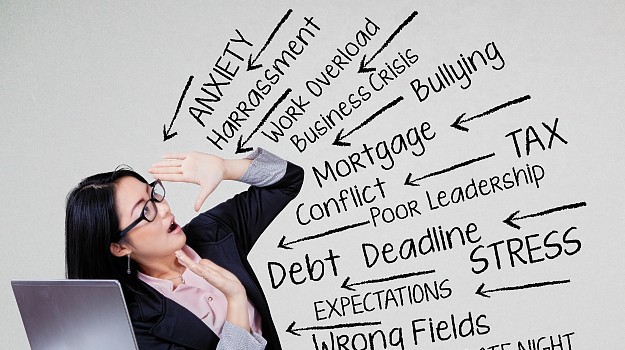
Cut out Things That Add to Your Stress

Sometimes, the best way to reduce your stress is to cut something out of your life. Get rid of the things that are adding to your stress so you can experience more peace. 

Watching the news, being constantly connected to your digital devices, drinking alcohol, and consuming too much caffeine are just a few of the things that may add more stress to your life. Making some changes to your daily habits could be instrumental in helping you feel better.

A Word From Verywell

Finding the best stress relief strategies may take some experimenting. Some strategies may take practice too.

But it’s important to keep looking for the tools that will help you manage life’s inevitable ups and downs in a healthy way. Keeping stress at a manageable level is important for your overall well-being.

Stress..?

[Bhoomika Saini]

What Is Stress?

Stress can be defined as any type of change that causes physical, emotional, or psychological strain. Stress is your body’s response to anything that requires attention or action. 

Everyone experiences stress to some degree. The way you respond to stress, however, makes a big difference to your overall well-being.

Sometimes, the best way to manage your stress involves changing your situation. At other times, the best strategy involves changing the way you respond to the situation.

Developing a clear understanding of how stress impacts your physical and mental health is important. It’s also important to recognize how your mental and physical health affects your stress level.

Signs

Stress can be short-term or long-term. Both can lead to a variety of symptoms, but chronic stress can take a serious toll on the body over time and have long-lasting health effects.

Some common signs of stress include:

  • Changes in mood
  • Clammy or sweaty palms
  • Decreased sex drive
  • Diarrhea
  • Difficulty sleeping
  • Digestive problems
  • Dizziness
  • Feeling anxious
  • Frequent sickness
  • Grinding teeth
  • Headaches
  • Low energy
  • Muscle tension, especially in the neck and shoulders
  • Physical aches and pains
  • Racing heartbeat
  • Trembling

Identifying Stress

Stress is not always easy to recognize, but there are some ways to identify some signs that you might be experiencing too much pressure. Sometimes stress can come from an obvious source, but sometimes even small daily stresses from work, school, family, and friends can take a toll on your mind and body.

If you think stress might be affecting you, there are a few things you can watch for:

  • Psychological signs such as difficulty concentrating, worrying, anxiety, and trouble remembering
  • Emotional signs such as being angry, irritated, moody, or frustrated
  • Physical signs such as high blood pressure, changes in weight, frequent colds or infections, and changes in the menstrual cycle and libido
  • Behavioral signs such as poor self-care, not having time for the things you enjoy, or relying on drugs and alcohol to cope

Causes

There are many different things in life that can cause stress. Some of the main sources of stress include work, finances, relationships, parenting, and day-to-day inconveniences.

Stress can trigger the body’s response to a perceived threat or danger, known as the fight-or-flight response. During this reaction, certain hormones like adrenaline and cortisol are released. This speeds the heart rate, slows digestion, shunts blood flow to major muscle groups, and changes various other autonomic nervous functions, giving the body a burst of energy and strength.

Originally named for its ability to enable us to physically fight or run away when faced with danger, the fight-or-flight response is now activated in situations where neither response is appropriate—like in traffic or during a stressful day at work.

When the perceived threat is gone, systems are designed to return to normal function via the relaxation response. But in cases of chronic stress, the relaxation response doesn’t occur often enough, and being in a near-constant state of fight-or-flight can cause damage to the body.

Stress can also lead to some unhealthy habits that have a negative impact on your health. For example, many people cope with stress by eating too much or by smoking. These unhealthy habits damage the body and create bigger problems in the long-term.

Types of Stress

Not all types of stress are harmful or even negative. Some of the different types of stress that you might experience include:

  • Acute stress: Acute stress is a very short-term type of stress that can either be positive or more distressing; this is the type of stress we most often encounter in day-to-day life.
  • Chronic stress: Chronic stress is stress that seems never-ending and inescapable, like the stress of a bad marriage or an extremely taxing job; chronic stress can also stem from traumatic experiences and childhood trauma.
  • Episodic acute stress: Episodic acute stress is acute stress that seems to run rampant and be a way of life, creating a life of ongoing distress.
  • Eustress: Eustress is fun and exciting. It’s known as a positive type of stress that can keep you energized. It’s associated with surges of adrenaline, such as when you are skiing or racing to meet a deadline. 

Impact of Stress

The connection between your mind and body is apparent when you examine the impact stress has on your life.

Feeling stressed out over a relationship, money, or your living situation can create physical health issues. The inverse is also true. Health problems, whether you’re dealing with high blood pressure or you have diabetes, will also affect your stress level and your mental health. When your brain experiences high degrees of stress, your body reacts accordingly.

Serious acute stress, like being involved in a natural disaster or getting into a verbal altercation, can trigger heart attacks, arrhythmias, and even sudden death. However, this happens mostly in individuals who already have heart disease.

Stress also takes an emotional toll. While some stress may produce feelings of mild anxiety or frustration, prolonged stress can also lead to burnout, anxiety disorders, and depression.

Chronic stress can have a serious impact on your health as well. If you experience chronic stress, your autonomic nervous system will be overactive, which is likely to damage your body.

Stress-Influenced Conditions

  • Diabetes
  • Hair loss
  • Heart disease
  • Hyperthyroidism
  • Obesity
  • Sexual dysfunction
  • Tooth and gum disease
  • Ulcers