World Health Organization(WHO) is a specialized agency of the united nations, that deals with health related problems around the globe. It was established on 7th of April 1948. The WHO has played a major role in fighting against some major diseases and boost the health of millions of people.
It establishes and enforces international norms and standard for betterment of people .WHO conducts researches on various diseases .The objective of WHO is as the attainment by all the peoples of highest possible level of health. it also says that taking the highest standard of health is one of the fundamental rights of every human being. It gives technical assistance to different countries and collects collects data on global health issues through various Health surveys. Its Head quarter is in Geneva, Switzerland. and its budget is something around 7.96 billion $.
The governing body of who is world health assembly in which all 194 who members are stated.it meets once in a year to review the world health organization’s work, policy and many other things.
Functions of World Health Organization:-
Directing and coordinating international health work.
2.To assure technical co-operation with countries.
3.Setting international standard with respect to food, biological and pharmaceutical products.
4.Developing models for monitoring ,and evaluating various programmes and products.
5.Helps in fighting various diseases. like small pox was eradicated from the world through a campaigns that was coordinated by World health Organization. Malaria eradications programme was the biggest health programme.
6. providing direct technical consultation and resource mobilization to the poor and developing countries.
There are many other functions also that world health organization does perfectly.
in 1977, the world health assembly set before itself the goal of ‘Health for all by the year 200’.this means that people should get every health services which would lead them to live a very productive life by the end of 20th century. However, this target of Who has not reached its goal till today, but world health organization continues to work towards that goal.(Kaeley and Bhandari,271).
Role of world health organization during covid-19 pandemic
The world health organization is the leading organization involved in the fight against COVID -19 virus. On January 2020,WHO told the world about a pneumonia in china and investigated about the disease. On 30th of January, WHO declared the outbreak of Public health emergency of international concern and warned all countries before the spreading of the disease in other countries. By 5th of October in the same year ,world health organization estimated that the a tenth of the world’s population has been infected with the virus.
WHO has taken several initiatives like the COVID -19 soliditary fund to raise money for COVID-19, the soliditary trail for investing potential treatments options for disease. WHO also required a diplomatic balancing act between the members states china and USA. On august 27,WHO announced the setting of an independent expert review committe to examine different treaties that governs response to health issues. The world health organization team arrived china in January 2021 to investigate about the origin of COVID 19.Apart from theses initiatives WHO also spread awareness about the COVID-19 virus, and importance of wearing mask and maintaining social distancing. (source:https://en.m.wikipedia.org/wiki/World_Health_Organization%27s_response_to_the_COVID-19_pandemic)
In Psychological Disorders Part 7, Depressive and Substance-Related disorders were discussed. They are both very serious disorders that need immediate help. Both can be dealt with by consulting a psychologist and taking the proper medication needed. This article will discuss Neurocognitive and Obsessive-Compulsive Disorders.
Neurocognitive Disorders
These disorders are accompanied by deficits in cognitive functioning. These are different from the disorders of impaired cognition present at birth.
Delirium is a serious disorder concerning disturbance in mental abilities that results in confused thinking and reduced awareness of the surrounding environment. Delirium is usually very rapid; it starts within hours or a few days. It usually arises because of contributing factors such as a chronic illness, changes in metabolic balance, medication, infection, surgery, or intoxication. It is important to note that delirium and dementia look very similar but are different. Symptoms for reduced awareness of the environment are the inability to stay focused or continuously switching topics, getting easily distracted by useless things, getting stuck on one idea, and being withdrawn. Symptoms for poor thinking skills are disorientation, poor memory, difficulty in speaking or recalling words, trouble understanding speech, rambling, and difficulty in reading or writing. Some of the behavioural changes are hallucinations, calling out or moaning, lethargy, disturbed sleep habits, agitation, being withdrawn, and reversal of the night-day cycle. Some of the emotional disturbances experienced are depression, euphoria, apathy, anxiety, paranoia, anger, unpredictable moods, and personality changes.
Neurocognitive Disorders used to be known as Organic brain syndrome. It is a group of conditions that leads to impaired mental function. These disorders usually occur in older people but that does not mean they cannot affect young adults. It includes problems with memory, changes in behaviour, trouble performing daily activities, and difficulty understanding language. These symptoms may be caused because of a neurodegenerative condition like Alzheimer’s disease or dementia. Neurodegenerative diseases result in the brain and nerves deteriorating over time which then causes loss of neurological function. Neurocognitive disorders can be a result of brain trauma or substance abuse. Symptoms for this are memory loss, confusion, anxiety, headaches, inability to focus, short-term memory loss, trouble performing normal tasks, changes in vision, and difficulty in walking and balancing. Some of the neurodegenerative diseases that cause this disorder are Alzheimer’s disease, Huntington’s disease, Parkinson’s disease, prion disease, dementia, and multiple sclerosis.
Obsessive-Compulsive Disorders
This is a category of psychiatric condition that includes obsessive-compulsive disorder (OCD), body-dysmorphic disorder, hoarding disorder, trichotillomania (hair-pulling disorder), excoriation disorder (skin picking), substance-induced OCD, and OCD because of a medical condition.
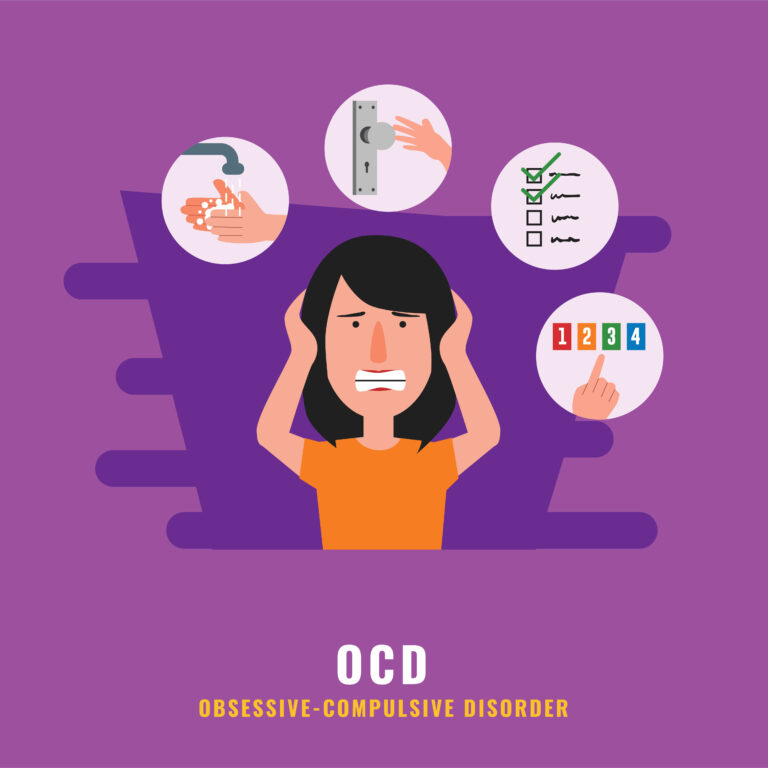
Obsessive-Compulsive Disorder is a pattern of unwanted fear (obsessions) which leads to doing repetitive behaviours (compulsions). This starts interfering in the daily activities. When a person tries to ignore the obsessions, the anxiety keeps increasing hence making the urge to do the compulsions stronger, and this is how the cycle of OCD is created. Obsessions usually have a theme such as fear of contamination, having difficulty tolerating uncertainty, needing things to be symmetrical, having horrific thoughts about losing control, and unwanted thoughts on religion or sexual subjects. Symptoms of obsession are fear of touching people because of contamination, doubts whether you have locked the door or turned off the stove, images of driving into a crowd of people, unpleasant sexual images, excessive stress when objects are not placed orderly, thoughts about acting inappropriately in public and avoiding situations that might trigger obsessions. Symptoms of compulsion are washing hands till the skin becomes raw, checking doors repeatedly, checking the stove repeatedly, counting in a pattern, silently repeating a word or phrase, and arranging things in a particular order.
Conclusion
Neurocognitive disorders remain chronic but they can be controlled and monitored by medication and therapy. There is no exact way to prevent OCD but it can be treated by consulting a psychologist and learning how to deal with the fears that lead to the compulsions.
Vitamin C, also known as ascorbic acid, is necessary for the growth, development and repair of all body tissues.
Vitamin C is one of many antioxidants that can protect against damage caused by harmful molecules called free radicals, as well as toxic chemicals and pollutants like cigarette smoke.
Vitamin C is easily absorbed both in food and in pill form, and it can enhance the absorption of iron when the two are eaten together.
Vitamin C Benefits Your Body
1.May reduce the risk of chronic disease
2. may help manage high blood pressure
3.May lower your risk of heart disease
4. May reduce blood uric acid levels and help prevent gout attacks
5. Helps prevent iron deficiency
6. Boosts immunity
7. Protects your memory and thinking as you age
8.Vitamin C Stimulates Collagen Synthesis
9.May Bolster Cancer Treatment
10.Antioxidant-Rich Vitamin C Protects the Eyes
11.decreases the severity of cold and flu attacks.
Health Insurance refers to a type of insurance coverage that protects your overall health by paying your medical expenses due to an illness. Health insurers directly pay for the health expenses incurred from an injury or a certain condition. It provides multiple benefits to the insured. Any person of any can avail the benefits of this insurance. The main objective of health insurance it to provide maximum protection during an illness.
Pros of Health Insurance
1.Protects you financially
Financial planning can be disrupted if you have to take a loan or sell any asset for availing health services. The kind of medical expenses one is burdened with is huge and your current financial situation may not support such huge bills. Taking loans affect your current finances, whereas, health insurance ensures best quality of health services without any compromise on your current finances. During emergencies, health insurance is the best way to avoid such a predicament. Instead of borrowing, health insurance helps at the time of need without damaging your financial plan.
2.Benefit from taxes
Health insurance is purchased by a numerous people because of the tax benefit you get from it. It is one of the advantages that excites people to buy health insurance. Tax deduction for people below 60 years is around Rs 25000 and for people above that age criteria can claim a double deduction from what people below that age received. However, tax benefit should not be the only reason to purchase health insurance. You should consider it as a health security during emergencies.
3.Wide range of available options
Back in those days, a basic health insurance plan was available to everyone. Now, a wide range of plans are available to choose from. Health insurance is available for an individual and for a family. If you want your entire family to be insured, then family insurance is available. Apart from these basic and popular insurance plans, insurance is provided even for people suffering from chronic illnesses or accidents. You can choose from whatever suits your needs.
4. No Claim Bonus
No claim bonus is a bonus benefit that get with your health insurance. Insurance premium is paid every year to renew your insurance plan but if you don’t file a claim for a year, you will benefit from No Claim Bonus.
5.Cashless Claims
An advantage of health insurance is cashless hospitalization. There are a group of network hospitals in the entire country that are partnered with the insurance company. If you get admitted at any one those network hospitals, you will have to pay no medical bills. Insurers will pay all your hospital dues and your treatment will be totally cashless. If you get treatment from non-network hospitals, reimbursement claim facility can be used.
6.Provide security
The thought of managing every penny to pay medical bills and entire treatment at the last moment can be very stressful. Health insurance relieves that stress and ensures utmost safety. It provides you with certain security for your not only yourself also your family. Health insurance frees you from healthcare costs and additional worry about quality care.
Cons of Health Insurance
1.Waiting period for pre-existing health issues
A lot of healthcare insurances have a specified waiting period. This period can be from 2 to 3years for the people already suffering from a health problem. At the time of purchasing health insurance, if you are currently suffering from diabetes, thyroid or any other condition, you will have to wait until the end of the waiting period. Nevertheless, there are insurance plans that have less waiting period. To avoid this, health insurance should be bought at a younger age.
2.Insurance premiums and age
Insurance premiums are decided according to the age of the insured. If 30 year old people or below purchase an insurance plan, the risk of those people suffering from a health condition is very low, so the insurers will charge lower premium. In the case of a 60 year old people or above, insurers will change higher premium as the chances of them getting serous health conditions is quite higher.
3.High premium for additional benefits
Every insurance plan can be customized. You want certain claims to be added to your insurance plan, you will have to pay additional premium. Therefore, additional benefits come with higher benefits. But if you see these add-ons are beneficial as most insurance plans exclude severe illnesses, adding it to your plan covers your overall healthcare. The only drawback is that you will have to pay extra premium.
Health insurance has a a few drawbacks but it is still essential to secure your health. Choose an insurance plan wisely to protect your health and your dear ones as well.
Poverty! Poverty is lack of food, Poverty is lack of shelter, Poverty is being sick and can not afford medicines, Poverty is knowing how to read but can’t afford going to School, Poverty is being unemployed. And Poverty is lack of representation and freedom.Poverty has so many faces, and can describe in different ways. Most often, poverty is a situation people want to escape.
We have to take the step to reduce poverty so that many more may have enough food to eat, adequate shelter to cover their head, access to education and health.Overpopulation and underdevelopment in the country is the main cause for poverty. The birth rate in India is very high and the former has taken the measure of the ‘one child policy’ to change the situation, but the latter has not made any effort yet.
Underdevelopment is another reason, the country do not have enough economic growth to support their growing populations.Poverty in India can eradicate with some effective programmes, just need a joint effort from everyone not only from the government. Government of India should make effective policies aiming to develop rural areas through the key components like primary education, population control policies, family welfare, job creation and many more.
We can define poverty as the condition where the basic needs of a family, like food, shelter, clothing, and education are not fulfilled. It can lead to other problems like poor literacy, unemployment, malnutrition, etc. A poor person is not able to get education due to lack of money and therefore remains unemployed. An unemployed person is not able to buy enough & nutritious food for his family and their health decline. A weak person lacks the energy required for the job. A jobless person remains poor only. Thus we can say that poverty is the root cause of other problems.
How Poverty is Measured?
For measuring poverty United nations have devised two measures of poverty – Absolute & relative poverty. Absolute poverty is used to measure poverty in developing countries like India. Relative poverty is used to measure poverty in developed countries like the USA. In absolute poverty, a line based on the minimum level of income has been created & is called a poverty line. If per day income of a family is below this level, then it is poor or below the poverty line. If per day income of a family is above this level, then it is non-poor or above the poverty line. In India, the new poverty line is Rs 32 in rural areas and Rs 47 in urban areas.
Causes of Poverty
According to the Noble prize winner South African leader, Nelson Mandela – “Poverty is not natural, it is manmade”. The above statement is true as the causes of poverty are generally man-made. There are various causes of poverty but the most important is population. Rising population is putting the burden on the resources & budget of countries. Governments are finding difficult to provide food, shelter & employment to the rising population.
The other causes are- lack of education, war, natural disaster, lack of employment, lack of infrastructure, political instability, etc. For instance- lack of employment opportunities makes a person jobless & he is not able to earn enough to fulfill the basic necessities of his family & becomes poor. Lack of education compels a person for less paying jobs & it makes him poorer. Lack of infrastructure means there are no industries, banks, etc. in a country resulting in lack of employment opportunities. Natural disasters like flood, earthquake also contribute to poverty.
In some countries, especially African countries like Somalia, a long period of civil war has made poverty widespread. This is because all the resources & money is being spent in war instead of public welfare. Countries like India, Pakistan, Bangladesh, etc. are prone to natural disasters like cyclone, etc. These disasters occur every year causing poverty to rise.
Ill Effects of Poverty
Poverty affects the life of a poor family. A poor person is not able to take proper food & nutrition &his capacity to work reduces. Reduced capacity to work further reduces his income, making him poorer. Children from poor family never get proper schooling & proper nutrition. They have to work to support their family & this destroys their childhood. Some of them may also involve in crimes like theft, murder, robbery, etc. A poor person remains uneducated & is forced to live under unhygienic conditions in slums. There are no proper sanitation & drinking water facility in slums & he falls ill often & his health deteriorates. A poor person generally dies an early death. So, all social evils are related to poverty.
Government Schemes to Remove Poverty
The government of India also took several measures to eradicate poverty from India. Some of them are – creating employment opportunities, controlling population, etc. In India, about 60% of the population is still dependent on agriculture for its livelihood. Government has taken certain measures to promote agriculture in India. The government constructed certain dams & canals in our country to provide easy availability of water for irrigation. Government has also taken steps for the cheap availability of seeds & farming equipment to promote agriculture. Government is also promoting farming of cash crops like cotton, instead of food crops. In cities, the government is promoting industrialization to create more jobs. Government has also opened ‘Ration shops’. Other measures include providing free & compulsory education for children up to 14 years of age, scholarship to deserving students from a poor background, providing subsidized houses to poor people, etc.
Poverty is a social evil, we can also contribute to control it. For example- we can simply donate old clothes to poor people, we can also sponsor the education of a poor child or we can utilize our free time by teaching poor students. Remember before wasting food, somebody is still sleeping hungry.
Central pollution control board is executing a nationwide program of ambient air quality monitoring known as National air quality monitoring programme.
National Ambient Air Quality standards prescribed specific standards for residential, ruler, Industrialand other sensitive areas.
N. A. M. P, four air pollutants – Sulphur Dioxide, oxides of Nitrogen, suspended particulate matter and respirable suspended particulate matter (pm10) have been identified for regular monitoring at all the locations.
Network consists of 683 operating stations covering 300 cities and town in 28 states and 9 union territories of country.
Annual average- Annual arithmetic mean of minimum 104 measurements in a year taken twice a week 24 hour at uniform interval.
The level of air quality necessary with an adequate margin of safety to protect the public health vegetation and its property.
Air quality index
Air quality index is tool for effective dissemination of air quality information to people.
There are six categories namely – good, satisfactory, moderately, polluted, poor, very poor and severe.
The propose 82 I will consider 8 pollutants PM 10, PM 2.5 NO2, SO2 Co, O3, NH3 and Pb.
Control of air pollution
Control measures
Technological
Legal
Economic
Technological approach
Adapting Lifestyle that uses less energy and pollutes less or using energy sources that produce less amount of pollutant as by-product.
Remove pollutant generating stuff from energy sources
example- Remove sulphur from coal before burning it.
Reduce the energy used without changing the way of life
Use more energy efficient car and replace existing bulb with CFL bulb and LED bulb.
Check the generation of pollutant their burned
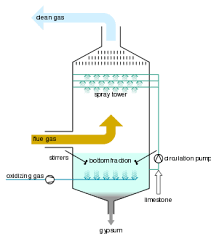
Catalytic converter, electrostatic precipitator, scrubber, Bag house collection of particulate emission, cyclone separator etc.
Encouraging mass transportation.
Electrostatic precipitator
Scrubber
Catalytic converter
Legal approach
After Stockholm conference, 1972 the Government of India under article 253 of the Constitution of India in enacted the Air Act, 1981 for the prevention control and abatement of air pollution.
To empower the central and state pollution control board. Air Amendment Act, 1987( for prevention and control of pollution) was enacted but this was not strong enough to play precautionary role.
After Bhopal disaster of Environment protection Act was passed in 1986 this act has punitive power to restrict any activity that would harm the environment.
To regulate vehicles pollution, the central motor vehicle act of 1939 was amended in 1989.
As per the current requirement all the transport vehicles must carry a fitness certificate which is to be renewed each year after the first two year of new vehicle registration.
National fuel policy announced on October 6, 2003 , a phased program for implementing the emission standards in India by 2010.
Economic approach
Cost consideration of air pollution involves 2 factor:-
Cost of controlling the air pollution
Cost of not controlling the air pollution
Determination of cost of first in straight forward but that of second is difficult and can be subjective to some extent.
Direct air pollution control in India
Fuel wood and Biomass burning
Transport
Control
Using low sulphur coal.
Use Proper air pollution control devices in industry
Individual efforts to control air pollution
Inform to Road Transport office and PCB about the vehicle polluting the environment
Regular engine tune up replacement of old more polluting vehicles
Shifting to less polluting fuels
Using mass transportation
Do not use CFC containing sprays for freshners that deplete the ozone layer.
Planting more trees
Say no to fire crackers in Diwali and other occasions.
Being happy doesn’t means flashing a forced smile all day long, rather it means a deep sense of satisfaction and gratitude in whatever you do. It is a feeling of liberation, serenity which brings calmness to your soul and your joy is reflected by the way your eyes twinkles. Smiling or laughing is a way to express the feelings of happiness, amusement or hilariousness but it doesn’t conveys you being happy. If your brain is conflicted with many thoughts, with various things making a messy knot in your brain , your ability to think and act straight will go away. Your body’s main focus will be to make you live not to make you happy. The different processes in your body will not try to untangle your messy knots, its your will power which will have to take the initiative of untying the knots and keeping the thought process straight. It is when you have no messy untangled knots in your brain and you have the ability to think and act with your brain, you will find a satisfaction in whatever you do without any regrets .
Decisions we take should be based on entirely our choice not on the pressure or in an attempt to make others around you happy. This is because when you do the thing you mind and heart agrees to , you will find a tremendous amount of satisfaction and serenity and will be completely ready to bear the outcome of the decision whether positive or negative. The deep sense of satisfaction will make you JOYFUL which is a sign towards a happy human.
In short, when your actions and thoughts are in your control and you derive JOY from what you does is what is being called happy.
Happiness is when what you think, what you say and what you do are in harmony with each other.
Mahatma Gandhi
Ways to keep yourself happy
DONOT GO BEHIND THE RAT RACE. DECIDE FOR YOURSELF. REDUCE YOUR WANTS AND INCREASE YOUR RESPONSIBILITIES. – When you join the rat race by following what million other does because you will that these many people together can’t be wrong, you deprive yourself of the things that you as an individual has planned for yourself. Unplanned things seldom goes good specially when we are talking about the life changing decisions rather it be career, job, relationship or even a small thing like choosing a book. If you choose a book to read on the basis of what others have chosen because you feel that your choice is not upto mark , your mind will get frustrated and confused thinking whether it was a good decision as it already had its own plans. The state of confusion will make you feel negative snatching your peace of mind away. Also, a human has many desires but when the list of desires overpower the list of responsibilities is the time when guilt starts to seep in for not fulfilling the responsibility. The presence of guilt will birth the messy knots snatching your peace and happiness away. Make sure that your desires and wants does not overpower your responsibilities and you fulfill everything that you are accountable for on time and you have enough courage to do what you want to do.
DON’T LOOK AT SOMEONE WHO IS FACING LESS PROBLEMS THAN YOU RATHER LOOK UPTO SOMEONE WHOSE CRISIS ARE GREATER THAN YOURS– When you compare your crisis with the heavy baggage it will automatically feel less and your mind will stop the games of comparisons . It will understand that you are not the only person in the world to face this . There are a lot more in worse conditions. This small bit of motivation will help you entangle your messy knots and get calmness which leads to the gateway of happiness.
IT IS OKAY TO NOT BE OKAY –Life is full of battles and changes which makes us question are worth and rises insecurity when things goes out of our control. Remind your brain during these times that it is the courage which matters. If you let your valor down now, then your enemy which are the life crisis will overpower you. The bumpers in life are similar to speed breakers on road which are made to keep the life in control. As too much of anything is not good. In a way how a vehicle never gives up by facing the speed breakers you should also never give up while facing the problems and accept it as a part of life which will help you grow.
COME OUT OF YOUR PAST- Past can be haunted and traumatic. It is a nature of the brain to hold strong affinity towards the things which had gone wrong in past. Remember then that EVERYTHING IS TEMPORARY NOTHING IS PERMANENT , WITH TIME EACH THING FADES AWAY, WHETHER GOOD OR BAD. Now if you continue to hang on to the past it will destroy you present which in future become your past. Also, since the actions of present makes the future, there are chances of a spoilt future too. So LET GO. It is okay TO MAKE MISTAKES UNTIL YOU ARE LEARNING FROM IT.
DEDICATEYOUR LIFE TO A LARGER GOAL. SHARE YOUR HAPPINESS WITH OTHERS. KNOWING THAT YOU ARE THE REASON FOR SOMEONE’S JOYFUL SMILE AND NOT A FORCED ONE WILL MANIFOLD THE HAPPINESS MULTIPLE TIMES.
A happy soul means a healthy body. Several researches have proved that the ones who are happy have a strong immune system and a lesser risk to heart and stress problems and diabetes. A happy you will have a good mental health removing the chances of depression and anxiety monsters to ever attack you as your brain will be well trained to reach upto that goal of happiness no matter what the storm is.
Everyone loves to savor me. Fruit are very nutritious to our help and a very important diet. But do you know that there is some fruits exist in the world which will cost you a fortune? Yeah! you will definitely be awestruck to know about their price. Then come and let’s talk a look about them –—
Buddha Shaped Pear: You can easily understand from the name that the pear is of a unique shape and the shape is of mini Buddha. It is an expensive fruit in world and it cost almost rupees 665 per one piece in Indian currency or 9 $ per piece in world market. This unique shaped pear was first invented by Xianzhang Hao in his farm of Hebei province in China. Now, it is under China’s fruit mould company. Obviously, this Pear need special treatment, cultivation and Technology for achieving this unique safe.
Sekai-ichi Apple: It is known that Apple are the most nutritious fruit to ‘keep away a doctor’. “Sekai-ichi” is a Japanese word, which means ‘world’s number one’ and indeed it is number one Apple above the Other apple ,in not only test but also in cost. It is actually cultivated in Japan. It cost almost $ 21 per piece of Apple or rupees 1588 per 907 gm apple in Indian currency. It has a very beautiful color shape and delicious in taste.
Sekai-ichi Appl
3. Sembikiya Queen strawberries: As its name ,these strawberries are indeed queen of strawberries in not only in cost, but also in the taste, texture, color and size. It cost almost 85 $ per a box or rupees 6427 per a box ,where the box contains 12 pieces of strawberries. These strawberries are formed only in Japan.
Sembikiya Queen strawberries
4. Square watermelons: As its name, these watermelons are really a in the shape of a square box. These watermelons are cultivated in Japan in a special weather and various technology. This square shaped are given by the square glass cases where the watermelons are kept during their growth. These watermelons are almost 5 kg and about cost? They dollar 800 rupees or rupees 60000 per one watermelon.
Square watermelons
5. Taiyo – No – Tamago Mango: Now, let’s talk about the king of ‘The kings of fruits’, mango Which is Taiyo – No -Tamago mango. These mangoes are also farmed in Japan. It cost $ 3.66 for per box and rupees 226837 in Indian currency per box and the box contains only two pieces of mango. It has a very ablaze and bold color of red orange and yellow that will surely make you drool and about test? it is sweet tangy and must delicious.
Taiyo – No – Tamago Mango
Yubari melon: It is not only The King of Melon but also king of every fruit in the view of cost. It is the most expensive melon in the world. It is a cultivated in the region of Yubari in Japan do you want to know the price? then don’t faint ! The record price of this melon is $ 45000 or 33 lakhs in Indian rupees per piece. It has execution test and it is big in size.
In Psychological Disorders Part 6, Disruptive Disorders were discussed. They are rare and chronic but can be controlled with the help of medication and therapy, so if you think you have any, you should consult a psychologist. This article will discuss Depressive and Substance-Related Disorders.
Depressive Disorders
Depression is a mood disorder that involves a persistent feeling of sadness and a loss of interest. It is also called a major depressive disorder or clinical depression. This can cause trouble in doing daily activities. It is also important to remember that you cannot just snap out of it and it takes time but medication and therapy can help with it. Symptoms for depression are:
Feeling of sadness, hopelessness, or emptiness
Frustration and angry outbursts
Loss of interest in normal activities
Sleep disturbance like insomnia or hyposomnia
Reduced appetite or increased appetite
Lack of energy
Slowed thinking
Anxiety or restlessness
Unexplained physical problems like headache and backache
Trouble concentrating and remembering things
Suicidal thoughts
Feeling worthless
Although there are different types of depressive disorders based on the duration and timing:
Disruptive mood dysregulation disorder is a childhood condition in which the child has extreme anger and irritability.
Major depressive disorder is when the person feels a loss of interest in activities.
Persistent depressive disorder (dysthymia) is chronic depression.
Unspecified depressive disorder is when the case cannot be categorized into one particular category.
Premenstrual dysphoric disorder is a type of premenstrual syndrome (PMS) wherein the person feels depression, anxiety, and irritability before a week or two of the menstruation date.
Substance depressive disorder is when the person experiences the symptoms of depression while using alcohol or any other such substance.
Depressive disorder due to medical condition is when the person is going through depression because of another medical condition.
The cause for this is firstly, biological, people with depression have physical changes in their brains, secondly, brain chemistry, difference in the functioning of neurotransmitters, thirdly, hormones, change in the level of hormones can also cause depression like after delivery which is known as postpartum, and lastly, inherited traits, you are more likely to have depression if someone in your family has or had it.
Substance-Related Disorders
These are the disorders that involve the use of alcohol and drugs. Examples of this disorder are:
Alcohol-related disorders involve consuming alcohol wherein the person has a problem controlling the alcohol consumption. Symptoms include being unable to limit alcohol consumption, wanting to cut down the consumption but being unable to, spending a lot of time drinking or recovering from the use of it, craving alcohol, failing to fulfill major obligations because of the consumption, continuing to drink knowing the problem it is causing, giving up on work and hobbies, developing a tolerance for alcohol resulting into consuming more, experiencing withdrawal symptoms like nausea and using alcohol in unsafe situations like driving.
Drug-related disorders involve the inability to control the use of legal or illegal drugs or medication which affect the person’s brain and behaviour. Symptoms are the same as alcohol-related disorders, the only difference is of the substance being used.
It is important to note that substance-related disorders negatively affect the health and immunity of the person.
Conclusion
Depressive and Substance-related disorders are very common and serious. The way to deal with both of them is to approach psychologists and doctors. It is important to note that these two disorders can often be related, meaning that a person starts abusing alcohol because of depression and a person suffering from depression because of alcohol-related disorder. Depression is a very serious disorder, please consult a psychologist immediately if you think you are suffering from it.
In Psychological Disorders Part 5, Sleep Disorders were discussed. It is extremely important to consult a psychologist if you think you have any sleep disorders. This article will discuss Disruptive Disorders. These are all chronic disorders.
Disruptive Disorders
These are also known as impulse-control disorders, these are the disorders when a person is unable to resist a destructive urge. That is, an inability to control emotions and behaviours which end up in harm to self or others.
Kleptomania
Kleptomania is the inability to resist the urge to steal items that are generally not needed and have very little value. It is a rare yet very serious disorder as it holds the potential of causing emotional pain to the person and their loved ones. Symptoms for this are the inability to resist the urge to steal things of no need, feeling increased anxiety which leads to theft, feeling gratification while stealing, feeling shame after the theft, and the recurrence of the urge to steal. People with this disorder don’t steal for their gain, but because of the urge. The cause of this can be low levels of serotonin, addictive disorder because of the release of dopamine while stealing, and an imbalance in the brain’s opioid system which regulates the urges.
Pyromania
Pyromania is an impulse control disorder in which a person is unable to resist starting fires. People with this disorder know that it is harmful but it tends to be the only way they can get rid of the anxiety they get from the urge. Symptoms for this are setting a fire on purpose more than once, feeling tense before starting a fire, being obsessed with fire, and feeling gratification when setting a fire. This is an extremely rare disorder.
Intermittent Explosive Disorder involves repeated and sudden episodes of aggressive and violent behaviour, it can also include impulsive angry verbal outbursts. These outbursts are very out of proportion with the situation. These can cause a lot of distress and negatively impact the relationships of the person suffering. Some of the symptoms before an aggressive episode are rage, irritability, increased energy, tingling, palpitations, chest tightness, racing thoughts, and tremors. Some symptoms in case of explosive verbal and behavioural outbursts are heated arguments, property damage, assaulting people or animals, temper tantrums, shouting, slapping, physical fights, and tirades. This disorder can begin in childhood after the age of 6 years. Its possible causes are said to be the firstly, environment; if a child is exposed to such behaviour at their house, they are likely to have the same, secondly, genetics, it can be passed down from parents and lastly, it may be caused because of a difference in the structure and chemistry of the brain.
Conduct Disorder
Conduct Disorder is a serious emotional and behavioural disorder that can occur in children and teenagers. A child with this disorder may show a pattern of violent behaviour with problems in following rules. Symptoms of this are aggressive behaviour like fighting and bullying, destructive behaviour like the destruction of property and vandalism, deceitful behaviour like lying and shoplifting, and violation of rules like running away and skipping school. Children with this disorder have low self-esteem, temper tantrums, and often abuse drugs and alcohol. It is important to note that teenagers usually have behaviour related problems but this disorder only exists if the behaviour is long-lasting.
ODD
Oppositional Defiant Disorder (ODD) is a disorder in which a child or teenager has a pattern of anger, arguing, irritability, and defiance towards authority figures. Symptoms for an angry and irritable mood are easily losing temper, being easily annoyed by others, and is often angry and resentful. Symptoms for argumentative and defiant behaviour are often arguing with the person in authority, actively defying the adults, deliberately annoying people, and blaming others for their mistakes. Symptoms for vindictiveness are being spiteful and showing spiteful behaviour at least twice in six months. Its causes are genetic and environmental, the type of supervision from the parents.
Conclusion
These are the impulse-control disorders that disrupt the daily life of the person with the disorder as well as their loved ones. Although these disorders are chronic and there aren’t any permanent solutions to them, they can be controlled and monitored with the help of some medications and therapy. If you have any of the above-mentioned disorders are ashamed to come forward and seek therapy, please understand that it is not your fault and it is okay to seek help to protect yourself and your loved ones.
We’ve all heard about self-defense since we were young, and living in the terrible world of the twenty-first century, when no one is entirely safe, it’s a responsibility to recognize that we are the only ones who can protect ourselves. If we look at the most fundamental definition, it is the act of defending oneself from external danger.
The “right to self-defense” is a legal term that refers to the use of self-defense in legal jurisdictions. It is critical to know how to defend yourself in today’s environment.
According to statistics, one out of every three women will be the victim of a violent attack at some point in her life. It is taught in training to block an assault, but it is much better if one can escape it!
As a result, the training should also cover how to avoid an attack in the first place. Which form of karate do you want to learn to defend yourself?
Knowing something as powerful as Karate gives you the confidence and strength to believe that you are not weak and that you have the ability to achieve your goals.
Self-defense techniques
1)Jujutsu\sTaekwondo
2)Krav Maga is a martial art that was developed in Israel.
3)Aikido
4)Wing Chun is a martial art that originated in China.
5)Brazilian Jiu-Jitsu is a martial art that originated in Brazil.
6)Muay Thai is a type of Thai boxing.
You may wish to learn self-defense for a variety of reasons. The most obvious reason is that you want to be able to protect yourself or your family if you ever find yourself in a dangerous situation. It is extremely rare to come across someone who wishes to hurt you. You are extremely vulnerable if you have no preparation for dealing with such issue.
According to the Department of Justice and the Centers for Disease Control and Prevention, one out of every six women has been sexually assaulted or attempted sexually assaulted.
The odds were 1 in 33 for men. No attack is ever the fault of the victim, and not all attacks can be prevented. However, we do know that mastering self-defense can assist victims in stopping or escaping their abusers. Self-defense training is required in a variety of situations, including rape.
A mugging or a house invasion are both circumstances in which self-defense training may help you better deal with the threat, defend yourself and your family, and find strategies to limit the harm the criminal can cause. It’s all about how to protect oneself and think effectively in high-pressure situations. It’s all about developing the confidence to better control situations that would otherwise be utterly out of your control.
Slowly, over time, the corporation became aware of the problem and began holding workshops for women working in the same industry. In fact, we now believe that every parent should include self-defense lessons in their child’s education. Self-defense has become a need for every growing child and individual today, alongside school, art programmed, and swimming sessions.
Suitable for children It instils discipline in youngsters, provides a pleasurable pastime, and aids in the development of confidence. Children who acquire self-defense skills are more alert of their surroundings and are taught how to defend themselves against assailants of all ages, including adults and children. It teaches students how to deal with regular bully scenarios without turning become bullies.
2. Women will love it. Self-defense can be beneficial to women and young girls for a variety of reasons. It boosts self-assurance. It also aids them in levelling the playing field with an assailant who may be far larger than they are. It’s also beneficial for any lady looking for a physical, hands-on workout.
3. Men will love it. For the same reasons as women, males can benefit from this training. The training plan is a wonderful all-around workout that complements any other sports activity.
4. Excellent for the Elderly We all know that age has little to do with learning new things. Older people can learn new practices, which will help them improve their health.
Self-defense provides you the tools and abilities you need to analyze a dangerous situation with confidence and manage it successfully. Nothing could be more powerful than that. It aids in the development of confidence and control over your anxieties, and confidence is a superpower in and of itself.
Self-defense enhances your concentration and focus. As a result, you will learn to concentrate under stressful situations.
It allows you to learn simple maneuvers as well as more complex skills to defend oneself during an attack. Knowing how to defend oneself can make you feel less worried in public or afraid when you’re out late at night alone.
Self-defense is a fun and effective method to strengthen your body, burn calories, and enhance your overall health. Exercise also improves your mood, which is beneficial to persons who are suffering from depression.
One must be both physically and emotionally prepared for an attack. By learning self-defense, you will maintain your muscle and endurance through practicing along with other exercise activities. Thus improving your overall fitness will improve.
Your awareness of your surroundings will improve as a result of self-defense. You never know when you’ll be attacked; no one anticipates being attacked, so we must always be aware of our surroundings.
Improving balance not only includes the physical balance of your core muscles but also a mental balance for improving your focus. Self-defense teaches you how to focus on your target while you control your body. Not having balance, it is almost impossible to fight. Body control and balance help in protecting ourselves mentally and physically.
If you get into a battle, movement is crucial. You can’t just stand there and wait for your adversary to strike again; you have to move and react instinctively. It will aid in the development of your reflexes and the acquisition of a fighter’s reflex, allowing you to move fast and strategically in a situation like this.
Work is an important aspect of everyone’s lives. Our income ensures that the lights are kept on, that there is food on our table, and the rainy-day fund is full. In today’s volatile and incredibly quick corporate environment, achieving work-life balance is a difficult challenge.
As we become more linked via social media and the internet, it becomes increasingly difficult to distinguish our workplace from our personal life. It is standard practise to read emails at all periods of the day and night, to handle business calls at the dinner table, and to work on our computers on weekends. How did this come to be regarded as acceptable?
Jobs are starting to require more and more from their employees, putting them under intense pressure to provide better outcomes. As a result, employees work harder and longer and spend less time at home.
Despite overwhelming proof that working longer is damaging to both individuals and employers, several workers continue to struggle to alter their beliefs — and strongly established behaviours — about work hours.
Establishing a healthy work-life balance is not only beneficial to one’s health and wellbeing, but it could also boost one’s efficiency and, consequently, performance. Simply stated, if your employees do not see work as a chore, they will work even harder, commit fewer errors, and are much more inclined into becoming company supporters.
How To Improve Your Work-Life Balance While Working From Home
Allow yourself to just let go of perfection
We should constantly aim for excellence rather than perfection; this really is especially crucial when balancing work and life while working remotely. You are unlikely to have everything you need to do your tasks exactly as you would at the office. You won’t have access to all of your files, computer, copier, or even the fax machine you barely use once a month. It’s time to make changes and just do the utmost you can with the resources you have. It’s a little mental adjustment, but it makes a massive impact.
Disconnect
If you’re always available, your working hours never conclude. You require those periods when you switch off. Allow yourself some time away from work. It might be something as easy as not reading emails in the evenings or on weekends. Give yourself periods of tranquilly rather than racing through each activity.
Exercise
Exercise should always be the first thing we make time for when our routine is interrupted in such a major way. It decreases stress, increases endorphins, and improves your mood. Don’t even have an hour to work out? Begin by stretching for 15 minutes with yoga. It will provide you with the same benefits (although on a smaller scale) as well as an extra sense of achievement and self-care.
It’s understandable that when gyms and sports centers are shut, it might be difficult to find alternative forms of exercise. Several trainers and gyms now offer online lessons, and you may even find free classes on YouTube. When working at home, exercising is a wonderful method to attain work-life balance.
Have proper meals
While munching on snacks during the day while working from home may sound appealing, it does nothing for your productivity or feeling of work-life balance. At work, we may feel more driven to take a lunch hour when our colleagues urge us to do so – this doesn’t really occur when you are working from home. Ensure that you schedule time in your day for a decent break. Create a calendar or phone alert about it.
Create transitions going in and out of the work mindset
We frequently take our transit time for granted and wish we can get there sooner. However, we rarely recognise the chance it provides to psychologically prepare. You don’t usually sign off on a large project and then head home to cook dinner. Allow your mind to press the reset button. Get a signal to serve as a buffer at the start and conclusion of your day.
Remember to socialise
When the whole company begins working from home, you are shut away from several informal everyday contacts. If you’re not accustomed to working alone, this might be isolating. Occasional social contacts can break up your day and make it feel unique, whereas isolation may make each day seem like Groundhog Day, except we’re all working.
Resist this by speaking with your coworkers several times during the day. Take a video coffee break, inquire how they did over the weekend, check up on their personal happenings, reach out and exchange that joke or meme, or simply talk about the series you’re currently binge-watching. Continue to chat to them on a certain issue if you typically do.
When working from home, these small encounters might help you maintain your work-life balance.
The online medium to connect with people in an informal way is the Social Media.It can be your friends, relatives or even strangers.
You can communicate with anyone through this medium. It is not limited to chatting, voice messages or video calls only. The technology is advancing day by day and till now we have found a place for entertainment in The Social Media. People get a chance to showcase their talent through this media. It is accessible to all and easy to use. Even common people can gain popularity in a way; by using such platforms to entertain others’.
During high times of stress or tiredness, it serves a relaxation to people to engage on social media platforms. But is this truly helping out people ? Is it a good way to recover from stress and tension ? Are people using it the way it is meant to be ? These are some of the many questions that may come up in mind.
Now-a-days, people of all ages can be seen using social media for their own reasons but, it is becoming an addiction at the same time. Without needing it, people prefer using it. This has become an escape from the real worldbringing us into a virtual reality where there are real people but communication is online, where there are real feelings but being shared through memes, where there is sadness but covered with fake smileys!
These so called “sources of happiness” are actually leading to bad mental health. Constant use of online media affects not only our eyes due to the screen reflections but, use of mobile phones affects the skin as well. You must have noticed fingers and thumb paining after using smart phones for a long time. The young generations are already using these far beyond what they need it for.
Everything should be consumed in accordance with its need. The mental health is being compromised while using these platforms without any such need. The flood of useless communications and interactions opened while using social media apps puts an impact on the mind of a person. You don’t need to know everything that happens on that platform; it is not mandatory to be aligned with the ongoing trends of social media which is nothing but some stuff created by a random person going viral due to its impact! Also, there is peer pressure-You join such platforms because your friends enjoy being there, active all the time. It can also be that you started it for some work but may end up scrolling content of no use.
These practices grow into addiction and affects the brain making it slow while working. A social media addict can be observed struggling with work. It’s because of disturbance created by the useless (and fake) content in the brain. People make fun of these facts and enjoy being destructed by them. This is however, a serious issue.
So much of mixed content and videos disturb the mind. Although you might enjoy them in the first place but gradually you start using them in an undefined manner. People use it when they are bored or too lazy to work. This affects physical strength besides affecting mental health of a person. And it is not only the case of children but adults as well. There is already work requirements of phones that the focus should be to reduce extra usage for the sake of healthy mind and body. Unfortunately, people understand things but don’t follow them.
Social media is not only a medium of exchange of thoughts and skills but fraud also takes place via the internet. Surely it is beneficial to use but only when you use it productively.Growing business or setting up a new venture, etc. are good to use social media for. And that also should be done carefully. There are no less cases of fraud through social media. It gives rise to crimes as well and these are some more of the reasons for decreasing mental health; when people see such news, they are hurt mentally and many even fear its usage. Personal information often gets leaked. There exist people who keep an eye on the users and target them by various techniques. Getting such fake/fraud calls or messages puts a person in tension and stress. In order to get famous, people apply various ideas to grow on social platforms, often risking their info in unsafe hands.
Therefore, social media should be used with precaution and not more than what is required. If it is a stress-reliever for you, use it, but only to an extent. Control your mind from flickering towards wrong directions and never exchange your data on such platforms.
There are people who find it difficult to manage their usage of social media for entertainment. Here are a few ways to self- control–
Find something interesting–Make yourself busy with some other work so that you don’t get time for this.
Read books- Make a habit of reading books or magazines, journals, etc. so that you getengaging and useful content.
Listen fun music– Listen to music which activates your mind and you no longer need any other entertainment.
Set a target– Close your accounts on such platforms and set a target of not opening them for a number of days. Increase the limit gradually to help control yourself.
Add something valuable– If you are a lot addicted to using your smart phone, then add an app that will teach you something new( related to learning or improving a skill, etc.) and Use it instead of social media.
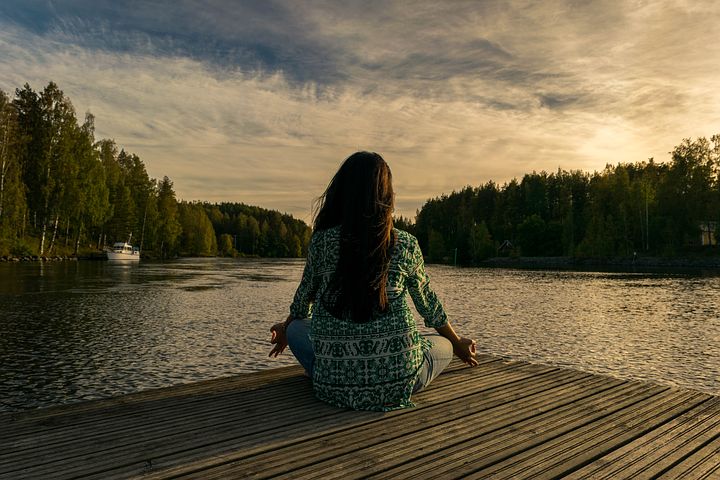
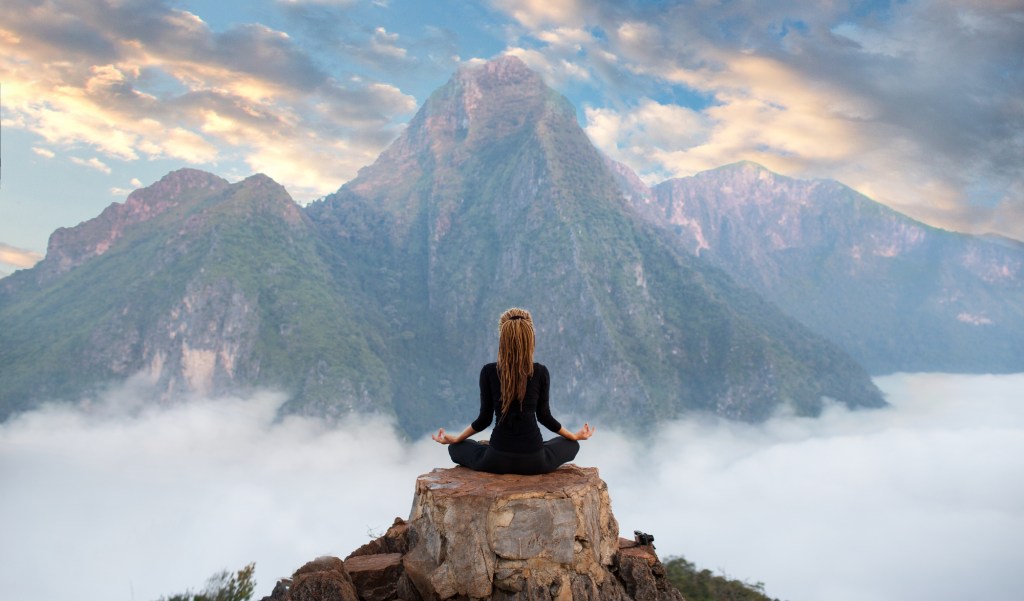
Yoga is basically a spiritual discipline which is based on an extremely subtle science that concentrates on bringing harmony between mind and body. It is a science and an art of healthy and sound living. The word ‘Yoga’ is derived from the Sanskrit word ‘Yuj’, signifying ‘to join’ or ‘to combine’ or ‘to unite’. Both Yoga and Ayurveda are historically closely related and have developed in tandem with each other since ancient times. According to Yogic sacred writings the act of Yoga prompts the union of individual consciousness with that of the Universal Consciousness, showing an ideal congruity between the mind and body, Man and Nature. Yoga is believed to balance the three doshas i.e Vata , Pitta & kapha. As indicated by modern scientists, everything in the universe is only an appearance of a similar quantum atmosphere. One who experiences this oneness of existence is said to be in yoga, and is named as a yogi, having achieved a state of freedom alluded to as Mukti, Nirvana or Moksha. Therefore, the prime objective of Yoga is Self-realization, to overcome all types of sufferings prompting ‘the state of salvation’ (Moksha) or ‘freedom’ (Kaivalya). Living with freedom in all aspects of life, health and harmony is the primary focus of yoga practice. “Yoga” likewise alludes to an inward science including an assortment of strategies through which people can understand this union and accomplish authority over their destiny.Yoga, being generally considered as an ‘Immortal cultural outcome’ of Indus Saraswati Valley civilization – going back to 2700 B.C., has substantiated itself taking into account both material and spiritual upliftment of humanity.Basic humane values are the very Identity of Yoga Sadhana.
20 ways yoga Improves health:
1. Builds muscle strength – Strong muscles do more than look good. They also protect us from conditions like arthritis and back pain, and help prevent falls in elderly people. And when you build strength through yoga, you balance it with flexibility. If you just went to the gym and lifted weights, you might build strength at the expense of flexibility.
2. Improves your flexibility – Improved flexibility is one of the first and most obvious benefits of yoga. During your first class, you probably won’t be able to touch your toes, never mind do a backbend. But if you stick with it, you’ll notice a gradual loosening, and eventually, seemingly impossible poses will become possible. You’ll also probably notice that aches and pains start to disappear. That’s no coincidence. Tight hips can strain the knee joint due to improper alignment of the thigh and shinbones. Tight hamstrings can lead to a flattening of the lumbar spine, which can cause back pain. And inflexibility in muscles and connective tissue, such as fascia and ligaments, can cause poor posture.
3. Perfects your posture – Your head is like a bowling ball—big, round, and heavy. When it’s balanced directly over an erect spine, it takes much less work for your neck and back muscles to support it. Move it several inches forward, however, and you start to strain those muscles. Hold up that forward-leaning bowling ball for eight or 12 hours a day and it’s no wonder you’re tired. And fatigue might not be your only problem. Poor posture can cause back, neck, and other muscle and joint problems. As you slump, your body may compensate by flattening the normal inward curves in your neck and lower back. This can cause pain and degenerative arthritis of the spine.
4. Prevents cartilage and joint breakdown – Each time you practice yoga, you take your joints through their full range of motion. This can help prevent degenerative arthritis or mitigate disability by “squeezing and soaking” areas of cartilage that normally aren’t used. Joint cartilage is like a sponge; it receives fresh nutrients only when its fluid is squeezed out and a new supply can be soaked up. Without proper sustenance, neglected areas of cartilage can eventually wear out, exposing the underlying bone like worn-out brake pads.
5. Protects your spine – Spinal disks—the shock absorbers between the vertebrae that can herniate and compress nerves—crave movement. That’s the only way they get their nutrients. If you’ve got a well-balanced asana practice with plenty of backbends, forward bends, and twists, you’ll help keep your disks supple. Long term flexibility is a known benefit of yoga, but one that remains especially relevant for spinal health.
6. Betters your bone health – It’s well documented that weight-bearing exercise strengthens bones and helps ward off osteoporosis. Many postures in yoga require that you lift your own weight. And some, like Downward- and Upward-Facing Dog, help strengthen the arm bones, which are particularly vulnerable to osteoporotic fractures. In an unpublished study conducted at California State University, Los Angeles, yoga practice increased bone density in the vertebrae. Yoga’s ability to lower levels of the stress hormone cortisol may help keep calcium in the bones.
7. Increases your blood flow – Yoga gets your blood flowing. More specifically, the relaxation exercises you learn in yoga can help your circulation, especially in your hands and feet. Yoga also gets more oxygen to your cells, which function better as a result. Twisting poses are thought to wring out venous blood from internal organs and allow oxygenated blood to flow in once the twist is released. Inverted poses, such as Headstand, Handstand, and Shoulderstand, encourage venous blood from the legs and pelvis to flow back to the heart, where it can be pumped to the lungs to be freshly oxygenated. This can help if you have swelling in your legs from heart or kidney problems. Yoga also boosts levels of hemoglobin and red blood cells, which carry oxygen to the tissues. And it thins the blood by making platelets less sticky and by cutting the level of clot-promoting proteins in the blood. This can lead to a decrease in heart attacks and strokes since blood clots are often the cause of these killers.
8. Drains your lymphs and boosts immunity – When you contract and stretch muscles, move organs around, and come in and out of yoga postures, you increase the drainage of lymph (a viscous fluid rich in immune cells). This helps the lymphatic system fight infection, destroy cancerous cells, and dispose of the toxic waste products of cellular functioning.
9. Ups your heart rate – When you regularly get your heart rate into the aerobic range, you lower your risk of heart attack and can relieve depression. While not all yoga is aerobic, if you do it vigorously or take flow or Ashtanga classes, it can boost your heart rate into the aerobic range. But even yoga exercises that don’t get your heart rate up that high can improve cardiovascular conditioning. Studies have found that yoga practice lowers the resting heart rate, increases endurance, and can improve your maximum uptake of oxygen during exercise—all reflections of improved aerobic conditioning. One study found that subjects who were taught only pranayama could do more exercise with less oxygen.
10. Drops your blood pressure – If you’ve got high blood pressure, you might benefit from yoga. Two studies of people with hypertension, published in the British medical journal The Lancet, compared the effects of Savasana (Corpse Pose) with simply lying on a couch. After three months, Savasana was associated with a 26-point drop in systolic blood pressure (the top number) and a 15-point drop in diastolic blood pressure (the bottom number—and the higher the initial blood pressure, the bigger the drop.
11. Regulates your adrenal glands – Yoga lowers cortisol levels. If that doesn’t sound like much, consider this. Normally, the adrenal glands secrete cortisol in response to an acute crisis, which temporarily boosts immune function. If your cortisol levels stay high even after the crisis, they can compromise the immune system. Temporary boosts of cortisol help with long-term memory, but chronically high levels undermine memory and may lead to permanent changes in the brain. Additionally, excessive cortisol has been linked with major depression, osteoporosis (it extracts calcium and other minerals from bones and interferes with the laying down of new bone), high blood pressure, and insulin resistance. In rats, high cortisol levels lead to what researchers call “food-seeking behavior” (the kind that drives you to eat when you’re upset, angry, or stressed). The body takes those extra calories and distributes them as fat in the abdomen, contributing to weight gain and the risk of diabetes and heart attack.
12. Makes you happier – Feeling sad? Sit in Lotus. Better yet, rise up into a backbend or soar royally into King Dancer Pose. While it’s not as simple as that, one study found that a consistent yoga practice improved depression and led to a significant increase in serotonin levels and a decrease in the levels of monoamine oxidase (an enzyme that breaks down neurotransmitters) and cortisol. At the University of Wisconsin, Richard Davidson, Ph.D., found that the left prefrontal cortex showed heightened activity in meditators, a finding that has been correlated with greater levels of happiness and better immune function. More dramatic left-sided activation was found in dedicated, long-term practitioners.
13. Founds a healthy lifestyle – Move more, eat less—that’s the adage of many a dieter. Yoga can help on both fronts. A regular practice gets you moving and burns calories and the spiritual and emotional dimensions of your practice may encourage you to address any eating and weight problems on a deeper level. Yoga may also inspire you to become a more conscious eater. One of the benefits of yoga is how the practices resonate through other areas of your life.
14. Lowers blood sugar – Yoga lowers blood sugar and LDL (“bad”) cholesterol and boosts HDL (“good”) cholesterol. In people with diabetes, yogahas been found to lower blood sugar in several ways: by lowering cortisol and adrenaline levels, encouraging weight loss, and improving sensitivity to the effects of insulin. Get your blood sugar levels down, and you decrease your risk of diabetic complications such as heart attack, kidney failure, and blindness.
15. Helps you focus – An important component of yoga is focusing on the present. Studies have found that regular yoga practice improves coordination, reaction time, memory, and even IQ scores. People who practice Transcendental Meditation demonstrate the ability to solve problems and acquire and recall information better—probably because they’re less distracted by their thoughts, which can play over and over like an endless tape loop.
16. Relaxes your system – Yoga encourages you to relax, slow your breath, and focus on the present, shifting the balance from the sympathetic nervous system (or the fight-or-flight response) to the parasympathetic nervous system. The latter is calming and restorative; it lowers breathing and heart rates, decreases blood pressure, and increases blood flow to the intestines and reproductive organs—comprising what Herbert Benson, M.D., calls the relaxation response.
17. Improves your balance – Regularly practicing yoga increases proprioception (the ability to feel what your body is doing and where it is in space) and improves balance. People with bad posture or dysfunctional movement patterns usually have poor proprioception, which has been linked to knee problems and back pain. Better balance could mean fewer falls. For the elderly, this translates into more independence and delayed admission to a nursing home or never entering one at all. For the rest of us, postures like Tree Pose can make us feel less wobbly on and off the mat.
18. Maintains your nervous system – Some advanced yogis can control their bodies in extraordinary ways, many of which are mediated by the nervous system. Scientists have monitored yogis who could induce unusual heart rhythms, generate specific brain-wave patterns, and, using a meditation technique, raise the temperature of their hands by 15 degrees Fahrenheit. If they can use yoga to do that, perhaps you could learn to improve blood flow to your pelvis if you’re trying to get pregnant or induce relaxation when you’re having trouble falling asleep.
19. Releases tension in your limbs – Do you ever notice yourself holding the telephone or a steering wheel with a death grip or scrunching your face when staring at a computer screen? These unconscious habits can lead to chronic tension, muscle fatigue, and soreness in the wrists, arms, shoulders, neck, and face, which can increase stress and worsen your mood. As you practice yoga, you begin to notice where you hold tension: It might be in your tongue, your eyes, or the muscles of your face and neck. If you simply tune in, you may be able to release some tension in the tongue and eyes. With bigger muscles like the quadriceps, trapezius, and buttocks, it may take years of practice to learn how to relax them.
20. Helps you sleep deeper – Stimulation is good, but too much of it taxes the nervous system. Yoga can provide relief from the hustle and bustle of modern life. Restorative asana, yoga nidra (a form of guided relaxation), Savasana, pranayama, and meditation encourage pratyahara, a turning inward of the senses, which provides downtime for the nervous system. Another by-product of a regular yoga practice, studies suggest, is better sleep—which means you’ll be less tired and stressed and less likely to have accidents. Sleep is one of the key benefits of yoga that nearly every practitioner can experience no matter what their skill level.
Mushrooms are one of the most used vegetables .It is very delicious & nutritious .Mushrooms are also called toadstools . A mushroom is a body of fungus which is able to bear spores . Here we are talking about some edible mushrooms .Mushrooms are usually born above the soil or rotten dead waste & Their growth rate is very rapid .
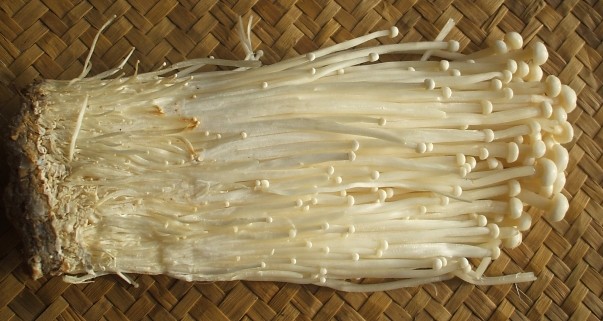
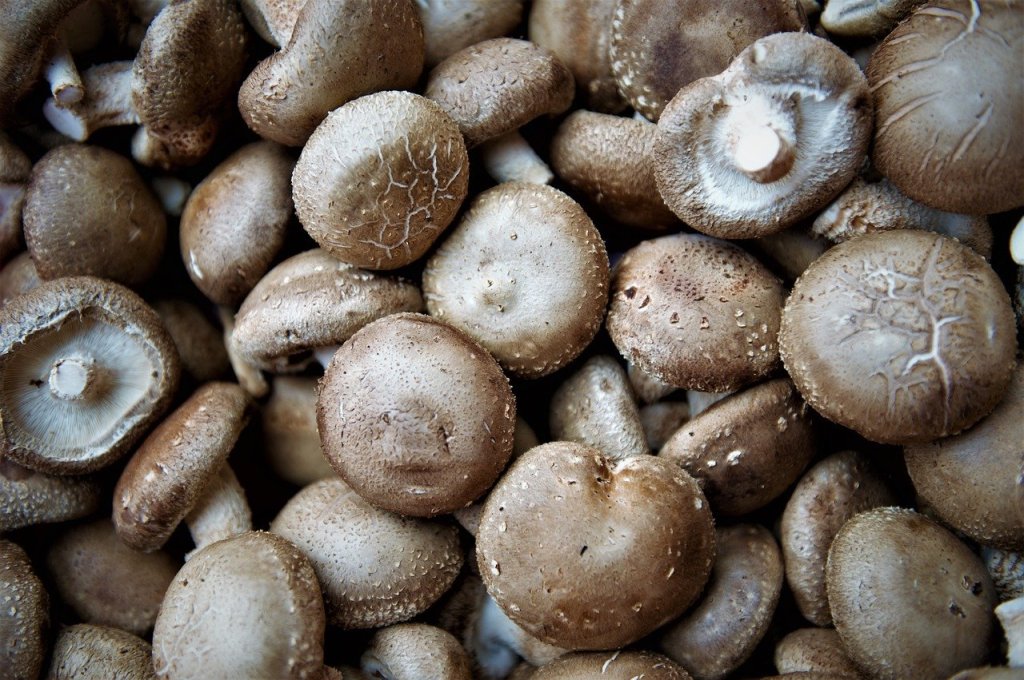
Mushrooms are from the kingdom of ‘Fungi’ & Under ‘Basidiomycota’ phylum . Mushrooms are divided into 3 body parts — 1) Stem or, Stipe ; 2) Cap or, Pileus ; 3) Gills or Lamellae (It generates microspore & stores them) .The most popular & edible mushroom is Agaricusbisporus .Mushrooms can be edible and non-edible. Non-edibles are poisonous & it harms our body . Some well known edible mushroom species are — Portobello ,Button ,Shiitake(It is also called as “King of Mushrooms”) ,Oyster ,Maitake ,Enoki ,white mushroom & many others .Now, let’s talk about their nutritional value .
AgaricusbisporusEnoki Mushroom Shiitake Mushroom
Nutritional value : nutritional value per 100g raw and uncooked mushrooms are given below —–
1) 4.3 gram carbohydrate
2) 0.1 gram fat
3) 2.5 gram protein
4) Many types of Vitamin B are available ~~ a) 0.1 milligram of Vitamin B1 ;b) 0.5 mg of vitamin B2 ; c) 3.8 mg of vitamin B3 ; d) 1.5 mg of vitamin B5 ; e) 0.11 mg of Vitamin B6 ; f) 25 microgram of Vitamin B9 , g) no amount of Vitamin C .Vitamin B2 ,vitamin B5 and vitamin B3 are in a lots of amount in a mushroom .
5)Various minerals are also presents ~~ a) 18 mg of calcium ;b) 0.4 mg of iron ;c) 9 mg of magnesium ;d) 0.14 mg of Manganese ;e) 120 mg of phosphorus ;f) 448 mg of potassium ; g) 6 mg of sodium ;h) 1.1 mg of zinc .
6) Mushroom body contains 92% water
7) Mushrooms contain a very high amount of 2 important antioxidants — Ergothioneine & Glutathione .
8) It also has lots of folate .
9) Mushrooms give away 94 KJ or 22 Kcal energy .
Effect on Health :
1) Mushrooms contain a lot of calcium which is a main component of our bones . That’s why mushrooms are beneficial for our bone health. It prevents osteoporosis and joint pain problems .
2) It also fights against cancer as mushrooms have Vitamin D and antioxidants .Folate which is also present in mushrooms, helps in the synthesis process of DNA .
3) Mushrooms have a lot of fibre. fibre helps to control the Glucose level of blood. In that way the blood sugar level remains at a safe margin .
4) Potassium, Vitamin C and fibre are good for the cardiovascular system, especially for the heart .Mushrooms have all these elements so it also prevents the risk of heart diseases .
5) Selenium, which is available in mushrooms, increases the immune power of our body and helps to prevent flu and common cold .
6) Mushrooms are a very good diet vegetable .
7) Mushrooms give a lot of energy to our body as it has lots of protein .
8) Folate is present in mushrooms and It helps in the fetal health for any pregnant women .
9) Mushrooms contain two important antioxidants (Ergothioneine & Glutathione) that work against aging of our skin and body .


















:max_bytes(150000):strip_icc():format(webp)/dsm-5-criteria-for-substance-use-disorders-21926_V2-c979cb0780134583bc6fa3a6f2315d63.png)












 Eduindex
You must be logged in to post a comment.