HEALTH IS WEALTH

Health is God’s gift to us. Health refers to the physical and mental state of a human being. To stay healthy is not an option but a necessity to live a happy life. The basic laws of good health are related to the food we eat, the amount of physical exercise we do, our cleanliness, rest, and relaxation. A healthy person is normally more confident, self-assured, sociable, and energetic. A healthy person views things clearly, calmly, and without prejudice. 

Introduction

We live in a super-fast age. The Internet has shrunk the world dramatically and people are connected 24×7. Multitasking is the order of the day, as we struggle to fulfill our responsibilities for everyone in life. In this fight, we often forget to spare time for ourselves. The stress levels continue to build up until one day a major collapse may make us realize that in all this hectic activity, we have forgotten to take care of one important thing – our health. 

As we spend days shuttling between hospital and home, put our body through one test after another, trying to find out what has gone wrong, we are forced to remember that ‘Health is indeed Wealth’. 

In earlier days, life was very simple. People worked for a stipulated time, often walked everywhere, ate more homemade food, did household chores, and enjoyed a healthy balance in life. 

Now people have cars and bikes to commute, so they walk less. With the demand for more working hours, people are awake till late nights and indulge in more junk food than home-cooked food. Modern equipment at home has reduced the labour work and increased dependency on this equipment.  People don’t have enough time to exercise or even get enough sunlight. Basically, nowadays people are living very unhealthy lifestyles. 

Unhealthy living conditions have increased the contraction of people to various diseases like obesity, diabetes, heart attacks, hypertension, etc. This has alarming implications in our near future. So it is very important to focus on our health as much as we focus on our work. Moderation in food habits, daily exercise, and balanced work-life can surely make a big difference to our health and body. When a person stays mentally and physically fit, his action and decision are more practical and logical and hence he is more successful in life. Furthermore, good health has a direct impact on our personality. 

Importance of Good Health

A healthy body has all the major components that help in the proper functioning of the body. The essential component is the state of physical health. Your life term extends when you maintain good physical fitness. If you are committed to exercising with a sensible diet, then you can develop a sense of well-being and can even prevent yourself from chronic illness, disability, and premature death. Some of the benefits of increased physical activity are as follows.

1. It Improves Our HealthIt increases the efficiency of the heart and lungs.

2. A good walk can reduce cholesterol levels. 

3 . Good exercise increases muscle strength.

4. It reduces blood pressure.

5. It reduces the risk of major illnesses such as diabetes and heart disease.

Improved Sense of Well-beingIt helps in developing more energy.

1. It reduces stress levels.

2. Quality of sleep improves.

3. It helps in developing the ability to cope with stress.

4. It increases mental sharpness.

Improved AppearancesWeight loss contributes to a good physique. 

1. Toned muscles generate more energy.

2. Improved posture enhances our appearance.

3. Enhanced Social LifeIt improves self-image

It increases opportunities to make new friends.

It increases opportunities to share an activity with friends or family members.

Increased Stamina

Increased productivity.

Increased physical capabilities.

Less frequent injuries.

Improved immunity to minor illnesses.

Along with physical fitness, a good mental state is also essential for good health. Mental health means the emotional and psychological state of an individual. The best way to maintain good mental health is by staying positive and meditating.

CONCEPT OF EMOTIONS

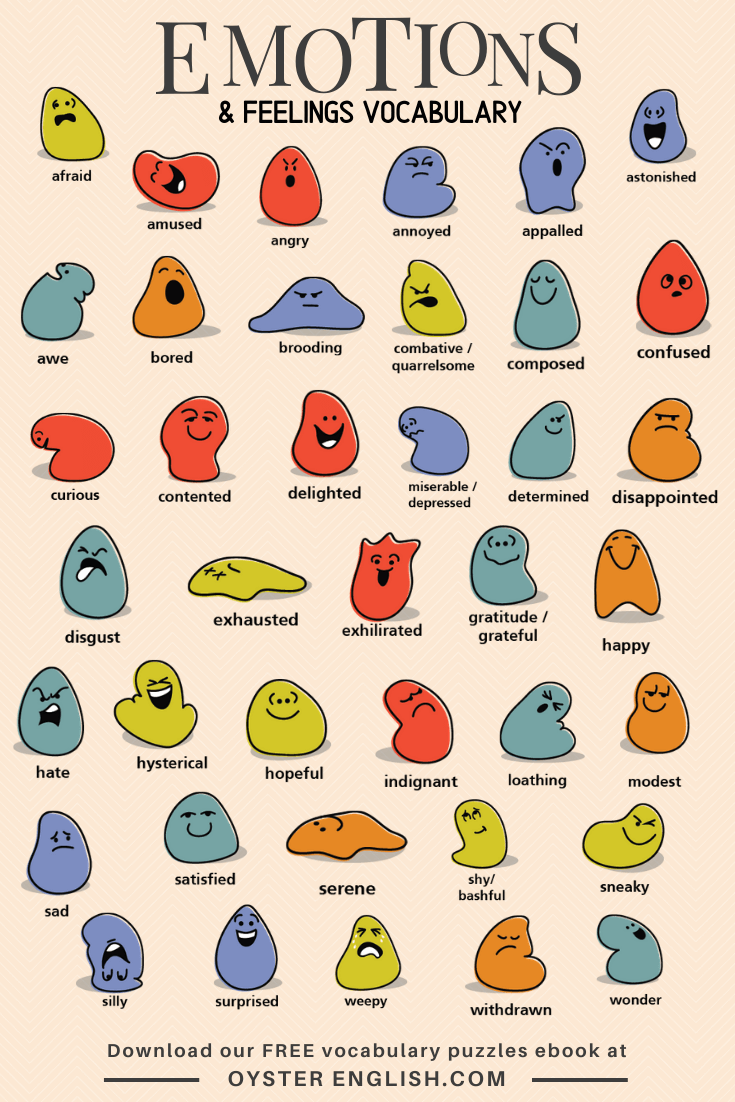
List of Emotions: 54 Ways to Say What You're Feeling

The word ‘emotion‘ is derived from a Latin word ‘emovere’ which means ‘to stirr up ‘ ,to agitate ‘ or ‘excite ‘. Emotions play a very significant role in human life . These are related with internal needs of human beings . Emotions stimulate the mind and as a result emotions became intense . During the stage of emotion an individual appears to feel impatience which enhances physical and mental readiness . To understand the clear cut meaning of emotion , the following definitions may be beneficial :

  • According to Mc Dougall , ”Emotion is a moved or stirred up state of feeling in an individual, linked with some tendency. There are physiological changes associated with each emotion frequently of a muscular or glandular nature”.
  • According to Gates , ‘Emotions are episodes in which the individual is moved or excited”.
  • According to Woodworth, ”It is a moved or stirred up state of an organism. It is a disturbed muscular and glandular activity”.

In simple words , emotions is any strong agitation of the feelings actuated by experiencing love, hate, fear, etc., and usually accompanied by certain physiological changes, as increased heartbeat or respiration and often overt manifestation , as crying or shaking.

Indeed, emotions appear to influence action in various ways. The stronger the emotion, the greater the activity to which it will give rise. It is a well-known fact that emotions disturb our logical thinking . Whenever any emotion is aroused we usually lose our head; functioning of our vital organs changes due to simulation of our nervous system . Emotions change our face expression . Under the influence of emotions , sometimes we are not able to perform the activity naturally . During emotions impossible thing can be made possible. Sometimes under the influence of emotions simple things become complex and intricate.

As a matter of fact, various emotions play a very significant role in the field of games and sports such as fear, anger, pride, jealousy, anxiety, frustration, worry, hope, enthusiasm , vitality, confidence, joy, etc. The emotions of fear, anger, frustration, pride, etc., have a negative effect on the movement of muscles . In fact, such emotions should be under control for better performance in games and sports.

Body Positivity

Body positivity is the belief that everyone deserves a good body image, regardless of how society and popular culture define ideal shape, size, or appearance.

Photo by Polina Tankilevitch on Pexels.com

The following are some of the goals of the body positivity movement:

1)Questioning society’s perceptions about the body

2)Advocating acceptance of all people’s bodies

3)Assisting people in developing self-esteem and acceptance of their own bodies

4)Confronting unattainable physical standards

Body positivity, on the other hand, is about more than just questioning how society views people based on their physical size and shape. It also acknowledges that race, gender, sexuality, and disability are frequently used to make judgments.

Body positivity also tries to educate people on how popular media themes influence people’s attitudes toward their bodies, including how they feel about food, exercise, clothing, health, identity, and self-care. People may be able to create a healthier and more realistic relationship with their bodies by better comprehending the impact of such forces.

HISTORY OF BODY POSITIVITY

Body positivity has its origins in the late 1960s fat acceptance movement. Fat acceptance aims to put an end to the culture of fat shaming and prejudice against those who are overweight or obese. The National Association to Advance Fat Acceptance was founded in 1969 and is still working to change the way people talk about their weight.

When a psychologist and an individual who had undergone eating disorder treatment launched the website thebodypositive.org in 1996, the phrase “body positive” was coined. The site provides information and instructional materials to help people feel good about their bodies by shifting the focus away from dieting and exercising in unhealthy ways.

In its current form, the body positivity movement emerged around 2012, primarily focusing on opposing unrealistic feminine beauty standards. As the movement gained traction, the emphasis shifted from weight acceptance to the idea that “all bodies are beautiful.”

Despite the fact that body positivity is becoming more mainstream, many individuals are still unsure what it entails. One of the reasons why body positivity is so misunderstood is that there are so many diverse interpretations of what the movement entails.

REASON BEHIND BODY POSITIVITY

One of the main goals of body positivity is to address how body image affects mental health and well-being. People’s feelings about their appearance and even how they assess their self-worth are influenced by their body image. According to research, having a bad body image is linked to an increased risk of mental illnesses such as depression and eating disorders.

A person’s subjective perception of their own body—which may differ from how their body actually appears—is referred to as body image. Body image feelings, emotions, and actions can have a significant impact on your mental health and how you treat yourself.

The creation of one’s body image begins at a young age. Even small infants, however, can experience body dissatisfaction. More than half of girls and nearly a third of boys between the ages of 6 and 8 believed their ideal body weight was smaller than their present weight, according to a research published by Common Sense Media. The findings also found that 25% of children had tried some form of dieting activity.

While the concept of body positivity is meant to make people feel better about themselves, it is not without flaws and criticism.

One issue is the notion that body positivity entails people doing whatever they think they need to do in order to feel good about their appearance. Unfortunately, people are constantly assaulted with messaging implying that smaller, fitter people are happier, healthier, and more attractive.

Body positivity is meant to promote acceptance and love of one’s own body, yet it can be a struggle that adds to the pressure and unrealistic expectations. The idea of body positivity is that you should modify how you feel about yourself, yet it can also be seen as yet another demand.

SELF CARE IN IMPORTANT

Self-care can sometimes be misconstrued as a means of altering or controlling one’s looks, but it should instead focus on activities that make you feel good about the body you have now.

Respect yourself and your body. Consume nutritious foods to keep your mind and body in good shape. You should exercise because it makes you feel strong and energized, not to change or control your physique.

Remove profiles from your social media feeds that make you feel bad about yourself. You’re less likely to feel good about yourself if you’re continually comparing yourself to others.

Follow accounts that pique your curiosity and leave you feeling uplifted. Many Instagram accounts, in example, are solely dedicated to showcasing perfection or an idealized view of the body.

While it may be difficult, improving the portrayal of all body types in popular media may aid in the fight against poor body image.

Health Benefits of Carrot

Carrots

 Its scientific name is Daucus carota. It is a root type of vegetable. It is crunchy, sweet in taste. It is highly nutritious and very healthy for our body. It is a widely known vegetable. It comes with many colors like white, Orange, yellow, red and purple. Let’s take a look at the nutrition value of carrot ––

Various Colorful Carrots

Nutrition value: If we take an average quantity of raw carrot, we get the following nutrition –

  1. 0.6 gram protein per 100 gram raw carrot.
  2.  0.2 gram protein per 100 gram raw carrot.
  3. 6.8 gram of carbohydrate per 100 gram raw carrot.
  4.  6.6 gram sugar per 100 gram raw carrot.
  5. 2.8 gram dietary fiber per 100 gram raw carrot.
  6.  8.72 microgram vitamin A per100 gram raw carrot.
  7.  174 mg potassium per 100 gram raw carrot.
  8.  0.12 mg Vitamin B6 per 100 gram raw carrot.
  9.  21 mg of folate per 100 gram raw carrot. Carrot is a very good source of Beta carotene, vitamin A, Vitamin B6, folate, fiber , lycopene and Alpha carotene. It contains  88% water in its body and so many antioxidants. Carrot also gives 156/37 kilo joule energy per calories per 100 gram raw carrot. Carrot is one of the big source of dietary fibers , Vitamin A ,starch .                                                                                                                                                                          
Carrot Juice

How to Eat A Carrot :                                                                                                            Carrot is a mostly used as a salad ingredient. It can be eaten raw or cooked but raw carrots are most nutritious one. Carrot juice are the most effective among them. Carrot leaves have so much Vitamin C then carrot root. Carrot leaves are also used as garnishing ingredient of salads, soup and other dishes. It is used as herb.

Health benefits:

  1. Beta carotene and Alpha carotene have the power to prevent various cancer like breast cancer, colon cancer , stomach cancer. So, the risk of Cancer is reduced by carrot .
  2. Carrot helps to reduce bad cholesterol in blood and prevent heart disease.
  3. It also helps to maintain blood sugar level in blood .So carrot is very good for diabetic patients.
  4. The vitamin A and fiber helps to deposit excessive fat in our liver and nourishers liver.
  5. The antioxidants ,Vitamin A and beta-carotene of carrots make human skin glow and youthful. It also fight against sin damage of skin ,aging effect ,wrinkles ,dry skin problems etc.
  6. Carrot helps to increase immunity power of body & prevents the common dieses like common cold to attack our body .
  7. Carrot contain very low amount of calories so carrot helps to lose our weight & used as aided vegetable .
  8. Vitamin and beta-carotene are good for our eyes and prevent blindness.
  9. Vitamin K ,which is able to find in carrot strengthen the bone strength of our body and heals the broken bones crack in faster speed.
  10. Carrot contains big amount of Vitamin A .Vitamin A is very good for our oral system .It helps to clean our gum & teeth .The minerals in carrots prevents the tooth damage & cavities for its anti bacterial property .

TRAVELLING…

In simple words, Travelling can be defined a transporting or moving from one place to another. Travelling can be an awesome source of education as if enhances the exposure of people to different places, different types of environment, surrounding and people etc. Travelling provides away by which people can share their knowledge and can also be a source of income and an individual can learn many things from travelling.

LEARNING DIFFERNT LANGUAGE: Travelling provides a way to connect with others and visit different places. By commuting to other places and communicating with the native citizens provides an awesome opportunity to learn their language and the interest of the travelers to do so also increases, as they get a chance to interact and enjoy more. Learning a new language helps the travelers to understand them better and make new friends in different areas. Learning a new language gives you an opportunity to learn something new and different and helps you to be creative. Learning the native language can help in a number of ways while traveling. It makes helps in connecting with the local people and helps you to be confident with the help of proper lingual skills and interact with the people smartly.

LEARN HISTORY : Every city or place has its own history and culture which makes it unique from other places and this identity is inherited. A person gets to know about that place and its history by travelling. People get to know about the stories, amazing tales etc. related to that place from the locals which makes the experience more thrilling.

INCREASE YOUR FRIEND CIRCLE: Making new friends is the best part of travelling and make the journey even more enjoyable and interesting. You can make new friends, hang out with them, spend quality time and learn many new things. The current advancement in digital media and communication helps to stay in touch with them. It helps people to understand people of different personalities, nature and behavior. This will help in exploring their places and can also be your guide and can make the tour really effortless and easy.

LEARN NEW SKILLS : Travelling helps in providing new skills by increasing your experience and exposure to different areas and cities. All these new skills and exposure will help you in long run.

ENJOY NATURE : Travelling shows different sides of nature and its beauty. It increases your exposure to beautiful natural spots and places. The world is full of amazing places and excitements. Different places show different sides of nature. There are lot of things that you have not seen yet and travelling helps to explore and find the beauty of nature.

UNDERSTNADING PEOPLE : After living for a few days will help in finding few people who will like you and will be friends. In this way you will be able to learn a lot and understand people of different regions.

There are number of reasons to travel… Travel can be a real fun and can be a source of education and business. On the basis of someone’s financial situations, travelling can be planned.

Stress..?

[Bhoomika Saini]

What Is Stress?

Stress can be defined as any type of change that causes physical, emotional, or psychological strain. Stress is your body’s response to anything that requires attention or action. 

Everyone experiences stress to some degree. The way you respond to stress, however, makes a big difference to your overall well-being.

Sometimes, the best way to manage your stress involves changing your situation. At other times, the best strategy involves changing the way you respond to the situation.

Developing a clear understanding of how stress impacts your physical and mental health is important. It’s also important to recognize how your mental and physical health affects your stress level.

Signs

Stress can be short-term or long-term. Both can lead to a variety of symptoms, but chronic stress can take a serious toll on the body over time and have long-lasting health effects.

Some common signs of stress include:

  • Changes in mood
  • Clammy or sweaty palms
  • Decreased sex drive
  • Diarrhea
  • Difficulty sleeping
  • Digestive problems
  • Dizziness
  • Feeling anxious
  • Frequent sickness
  • Grinding teeth
  • Headaches
  • Low energy
  • Muscle tension, especially in the neck and shoulders
  • Physical aches and pains
  • Racing heartbeat
  • Trembling

Identifying Stress

Stress is not always easy to recognize, but there are some ways to identify some signs that you might be experiencing too much pressure. Sometimes stress can come from an obvious source, but sometimes even small daily stresses from work, school, family, and friends can take a toll on your mind and body.

If you think stress might be affecting you, there are a few things you can watch for:

  • Psychological signs such as difficulty concentrating, worrying, anxiety, and trouble remembering
  • Emotional signs such as being angry, irritated, moody, or frustrated
  • Physical signs such as high blood pressure, changes in weight, frequent colds or infections, and changes in the menstrual cycle and libido
  • Behavioral signs such as poor self-care, not having time for the things you enjoy, or relying on drugs and alcohol to cope

Causes

There are many different things in life that can cause stress. Some of the main sources of stress include work, finances, relationships, parenting, and day-to-day inconveniences.

Stress can trigger the body’s response to a perceived threat or danger, known as the fight-or-flight response. During this reaction, certain hormones like adrenaline and cortisol are released. This speeds the heart rate, slows digestion, shunts blood flow to major muscle groups, and changes various other autonomic nervous functions, giving the body a burst of energy and strength.

Originally named for its ability to enable us to physically fight or run away when faced with danger, the fight-or-flight response is now activated in situations where neither response is appropriate—like in traffic or during a stressful day at work.

When the perceived threat is gone, systems are designed to return to normal function via the relaxation response. But in cases of chronic stress, the relaxation response doesn’t occur often enough, and being in a near-constant state of fight-or-flight can cause damage to the body.

Stress can also lead to some unhealthy habits that have a negative impact on your health. For example, many people cope with stress by eating too much or by smoking. These unhealthy habits damage the body and create bigger problems in the long-term.

Types of Stress

Not all types of stress are harmful or even negative. Some of the different types of stress that you might experience include:

  • Acute stress: Acute stress is a very short-term type of stress that can either be positive or more distressing; this is the type of stress we most often encounter in day-to-day life.
  • Chronic stress: Chronic stress is stress that seems never-ending and inescapable, like the stress of a bad marriage or an extremely taxing job; chronic stress can also stem from traumatic experiences and childhood trauma.
  • Episodic acute stress: Episodic acute stress is acute stress that seems to run rampant and be a way of life, creating a life of ongoing distress.
  • Eustress: Eustress is fun and exciting. It’s known as a positive type of stress that can keep you energized. It’s associated with surges of adrenaline, such as when you are skiing or racing to meet a deadline. 

Impact of Stress

The connection between your mind and body is apparent when you examine the impact stress has on your life.

Feeling stressed out over a relationship, money, or your living situation can create physical health issues. The inverse is also true. Health problems, whether you’re dealing with high blood pressure or you have diabetes, will also affect your stress level and your mental health. When your brain experiences high degrees of stress, your body reacts accordingly.

Serious acute stress, like being involved in a natural disaster or getting into a verbal altercation, can trigger heart attacks, arrhythmias, and even sudden death. However, this happens mostly in individuals who already have heart disease.

Stress also takes an emotional toll. While some stress may produce feelings of mild anxiety or frustration, prolonged stress can also lead to burnout, anxiety disorders, and depression.

Chronic stress can have a serious impact on your health as well. If you experience chronic stress, your autonomic nervous system will be overactive, which is likely to damage your body.

Stress-Influenced Conditions

  • Diabetes
  • Hair loss
  • Heart disease
  • Hyperthyroidism
  • Obesity
  • Sexual dysfunction
  • Tooth and gum disease
  • Ulcers

ARE DREAMS HIDDEN MESSAGES OR JUST HOT AIR?

Have you ever dreamt of something strange and believed that there would be a hidden message behind it?

Dreams can provide useful insights on our lives. Humans have long sought meaning in their dreams. For centuries, people have questioned the meaning of dreams. According to early civilization they thought it as a medium between humans and the gods. The Greeks and Romans were convinced and believed that dreams could predict the future.

THERORIES:

But, Deirdre Barrett, a psychologist and dream researcher at Harvard Medical School said that “There’s really no research that supports that point of view”. “No dictionary or dream interpreter can tell you what a dream really means “, she added.

Several theories based on dreams were studied. THREAT STIMULATION THERORY which tells ” Dreams as a defense mechanism our brains put in place to prepare us for scary events and allows us to face our fears in a safe simulation “. Another such theory, ACTIVATION SYNTHESIS HYPOTHESIS that states ” Dreams don’t actually mean anything, instead they’re merely electrical brain impulses that pull random thoughts and imagery from our memories “.

On a contrary,  psychologist Sigmund Freud though otherwise. According to Freud, ” Dreams are imagery of a wish or impulse from childhood that has since been repressed “. And for this reason Freud studied dreams to understand the unconscious mind. After his study he tells that ” Your dreams reveal your repressed wishes to you “.

FACTS

  • Some 68 percent said that dreams foretell the future, and 63 percent said at least one of their dreams had come true.
  • Not all dream are in color. Roughly 12% of people claim to only dream in black and white.
  • 70% of your dreams contain secret messages.
  • Bad Dreams Can Kill You in Your sleep by Causing a Heart Attack.
  • Death in dreams is really about some kind of change or ending you’re dealing with in your real life.
  • Children under age of 3 do not dream about themselves.

Some say dreams give a person some hint and on the other hand some disagree. While one cannot come to a conclusion if dreams actually give some hidden messages or not but all that we can say is, it definitely benefits a person. Dreams offer emotional benefits, such as introspection. Dreams can also aid creativity. It is also important for memory consolidation or conflict resolution.

Psychological Disorders Part 3

Introduction

In Psychological Disorders Part 2, Anxiety and Stress-Related Disorder were discussed. They are the most known and common disorders but they are not the only ones. There are many fewer known disorders. This article will discuss Dissociative and Somatic Symptom Disorders.

Dissociative Disorders

Dissociative Amnesia

Such disorders include an interruption to consciousness which includes aspects like memory. Dissociative Amnesia involves a temporary loss of memory which can be caused due to some psychological trauma. This disorder should not be confused with forgetfulness. People with this disorder escape reality in ways that disrupt their daily life. Some symptoms of this are memory loss, being detached from yourself and your emotions, blurred sense of identity, inability to cope with emotions, and other mental health problems like anxiety and depression.

Dissociative Identity Disorder

Dissociative Identity Disorder used to be known as multiple personality disorder. The person suffering from this disorder has multiple personalities and these personalities control the person’s behaviour. This can cause memory loss and delusions. Each personality has its own story, identity, history, traits, hobbies. Symptoms of this disorder are anxiety, delusions, disorientation, depression, substance abuse, suicidal thoughts, and memory loss. Example of this disorder can be seen in the movie “Split”.

Depersonalization Disorder

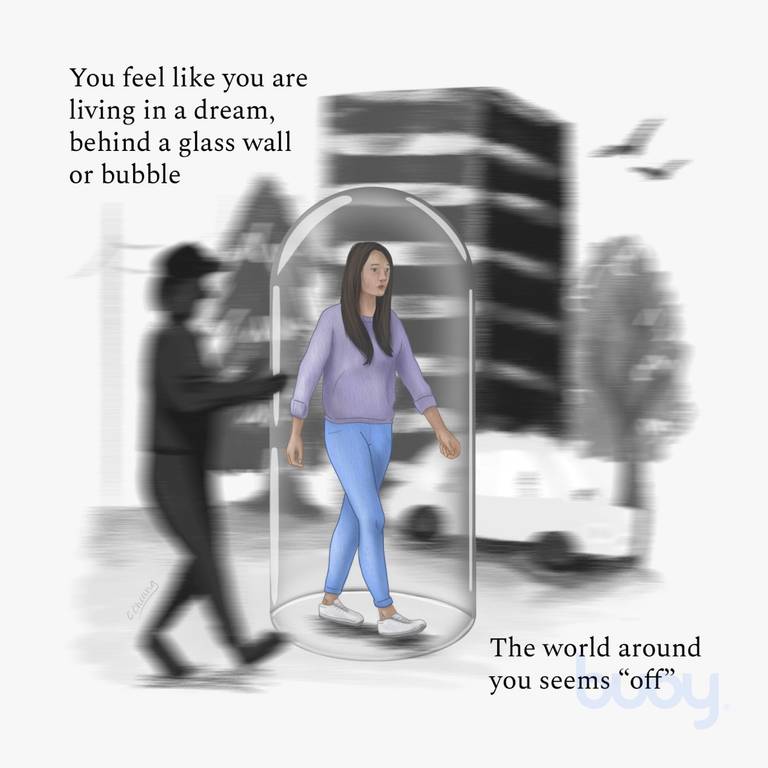
Depersonalization/Derealization Disorder involves a person feeling disconnected from their own body because of which they feel an involuntary disconnect from their memories, consciousness, and emotions. The person suffering from this feels disconnected from their environment. Although this can be a sign of other conditions like brain diseases, dementia, schizophrenia, seizure disorders. Symptoms include feeling as if you are observing your body from outside, panic, and being robot-like.

Somatic Symptom Disorder

These disorders were earlier known as somatoform disorders. The special thing about these disorders is that they involve a notable physical symptom that does not have a diagnosable physical cause. Somatic Symptom Disorder involves someone having a big focus on physical symptoms like weakness or pain which causes the person excessive distress and problems in normal functioning. The person then has continuous thoughts and feelings related to the physical symptom. The physical symptom may or may not be diagnosable as a medical condition but the person believes they are sick and are surely not faking it.

Illness Anxiety Disorder involves having an excessive fear of serious medical illnesses. A person suffering from this disorder pays extra caution about their health. They are easily alarmed by anything that can be diagnosed as some medical illness, for example, a headache can make them worry about having a brain tumor. Symptoms can include finding no assurance from doctor visits and negative results, repeatedly checking for signs of illness, avoiding people or going outside to not take any risks, and frequently searching the internet for symptoms about possible illnesses.

Conversion Disorder is when a person has blindness, paralysis, or other neurological symptoms that cannot be explained by any medical explanation. This can occur because of a psychological conflict. Symptoms include the inability to speak and numbness.

Factitious Disorder is a disorder wherein a person deceives others by appearing sick or by purposely causing injury or sickness to self. People with this disorder know they are causing the symptoms but they do not understand why. Symptoms can include extensive knowledge of medical diseases, vague and inconsistent symptoms, eagerness to have frequent tests, arguing with doctors, conditions that get worse for no reason, and conditions that do not respond in an expected manner. This disorder is very challenging to identify.

Conclusion

These are rarer disorders than anxiety and depression and so less heard of. It is important to note that only in the case of Factitious disorder are the patients faking the illness. These disorders are usually difficult to diagnose and can only be treated by extensive therapy.

References

Note: this is just Part 3 of the Psychological Disorders series.

POLLUTION

Pollution is described as the introduction of different wastes into the environment. These material wastes are called pollutants. Pollutants may be either natural which is thrown away by natural disasters, volcanic eruptions or man-made trashes like factory washouts, plastic wastes. Pollutants are harmful as they damage the quality of natural resources such as air, water, and land. Pollutants mixing in the air have a direct impact as they enter the body directly while breathing. Pollutants that mix in water also creates a hazardous effect on people’s life. People residing near the construction and manufacturing work areas are diagnosed with relatively higher hearing ailments. This contributes to noise pollution. Similarly, there are varieties of pollution in our surrounding world, some of which are unaware of by us. The fact is, we humans are the ones creating all this pollution without thinking about neither our life nor the future world and life. It is very difficult to construct a zero-pollution world. Still, the level and consequences of pollution could be decreased by taking some measures and being more sensible.

TYPES OF POLLUTION

AIR POLLUTION – Increasing industrialization has paved the way for poisonous gases to enter the atmosphere. This in turn creates adverse effects like respiratory and other diseases in human beings. The carbon and its oxides released by the burning of coal and fossil fuels are absorbed by the trees. But as we started cutting trees to find areas for accommodation, these carbon oxides mix the atmosphere and pollutes it. The fresh oxygen we breathe thus gets contaminated and can give rise to many skin diseases and respiratory disorders like asthma, bronchitis, etc. These impacts could be decreased by following afforestation and reforestation and adopting the use of natural gases and biogas.

WATER POLLUTION – Introduction of industrial effluents, pesticides and insecticides, domestic waste, detergents, and fertilizers contaminate the water bodies. Water pollutants are released directly to the nearby water sources without proper treatment. These pollutants in water mix up with all the water bodies and finally contaminate the ocean by the formation of algae which creates a threat to aquatic life. It also generates unfavorable effects on humans and affects the food chain. It causes communicable and non-communicable diseases like cholera, typhoid, dengue, etc. This could be prevented by conserving water, treating sewage before it is disposed and use of eco-friendly products.

SOIL POLLUTION – Soil pollution refers to the existence of chemicals, toxic compounds, salts, and radioactive elements in the layers of soil. Discharge of toxicants from industries, stagnation of polluted water, heavy metals, and other solvents stay in the soil and make it infertile for cultivation. Due to this, the texture and quality of the soil are lost damaging the growth of plants and organisms living in the soil. Percolation of dirty water, dumping of fuels and oils, dumping of pharmaceutical and other medical wastes also adds to soil pollution. These influence humans indirectly through the plants that we consume as food. Industrialists should follow the environment protection norms strictly and individuals must start practicing the 3Rs – Reduce, Reuse and Recycle the to lessen soil pollution. 

NOISE POLLUTION – This form of pollution is increasing and creating an unsafe environment. The increase in sound levels becomes dangerous for living creatures and causes several disturbances in society. An increase in industries, technology, use of vehicles, parties, bursting crackers, and loud political meetings contribute a lot to noise pollution. Unlike, other pollution, noise pollution can also bring about serious issues like hearing impairment and other troubles in the eardrums. Not only humans, but this kind of pollution also badly hits the wildlife. We must become aware of these unnoticed yields and help in building a safer and better society.

What is Bone Tissue Engineering?

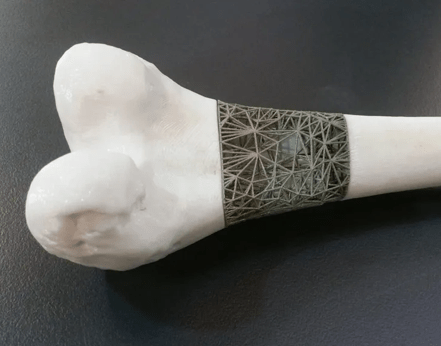
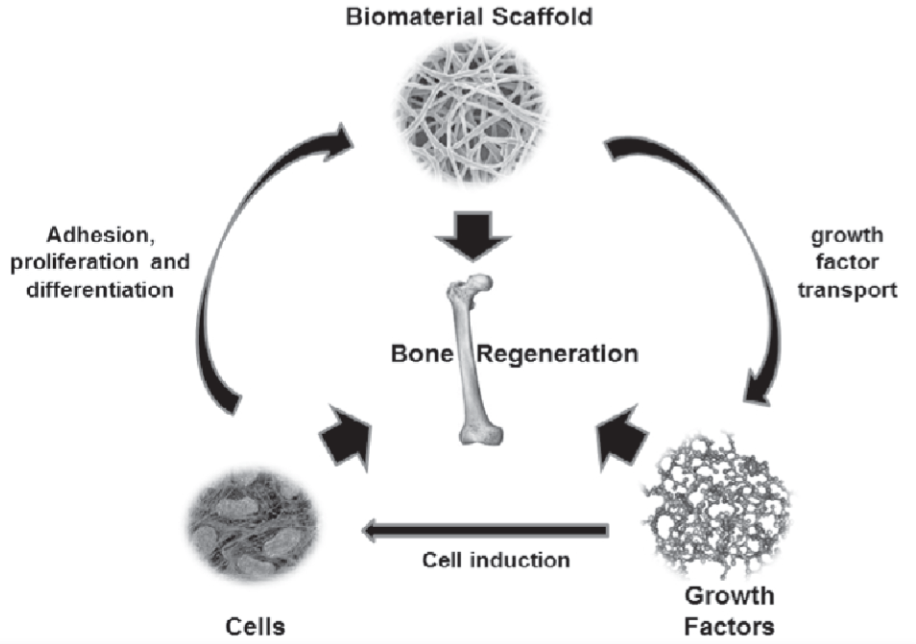
Bone development involves the aggregation of mesenchymal stem cells into mesenchymal condensations, which is partly similar to tooth development but without the epithelial invagination. Bone has a high potential for endogenous self-repair.There are two types bone formation: intra-membranous and endochondral. In endochondral bone formation, the mesenchymal condensations first undergo chondrogenesis and then ossification to form cartilage and bone. During adulthood, bone possesses the intrinsic capacity for regeneration throughout life. In most bone injuries or fractures, the damaged bone tissue can be functionally regenerated by the local cells. However, when the fractures are serious such as large bone defects created by trauma, infection, tumour resection, and skeletal abnormalities enough that self-healing cannot repair, an adequate supply of stem cells such as bone marrow stem cells is required for efficient bone regeneration. Oral MSCs seem to be ideal candidates for bone regeneration. Due to the population ageing, human diseases with impaired bone regeneration are on the rise.

CURRENT STRATEGIES

Current strategies to facilitate one healing include various biomolecules, cellular therapies, biomaterials and different combinations of these. Animal models for testing novel regenerative therapies remain the gold standard in pre-clinical phases of drug discovery and development. For usage of animal models for human bone regeneration skeletal characteristics of the selected animal species should considered seriously; a suitable animal model should be studied which basically mimics the intended clinical indication; and all the cell based approaches should be specifically studied.

Pancreas Regeneration in Human Regenerative Therapy

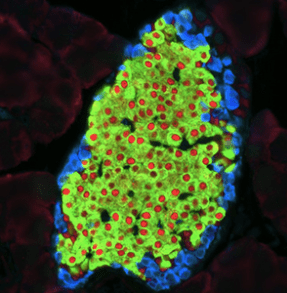
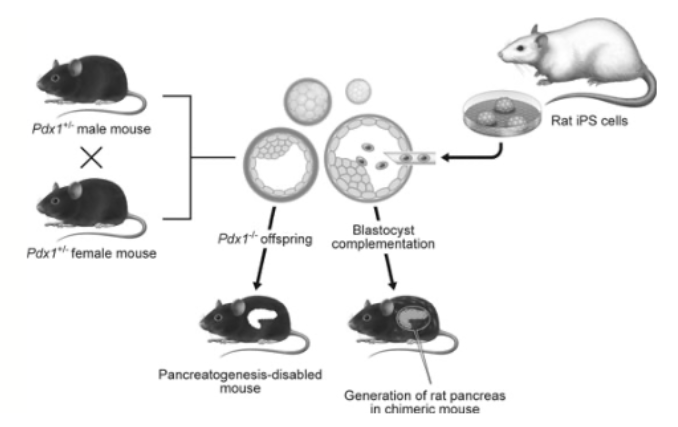
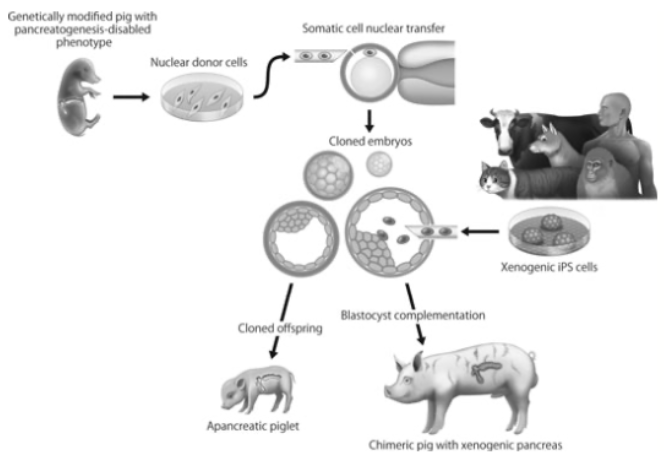
Diabetes, a disease with 346 million sufferers worldwide, is a significant health and welfare problem that the modern society faces. The pancreas is made from two distinct components: the exocrine pancreas, a reservoir of digestive enzymes, and the endocrine islets the source of the vital metabolic hormone insulin. Human islets possess limited regenerative ability; loss of islet ß-cells in diseases such as type 1 diabetes requires therapeutic intervention.the leading strategy for restoration of ß-cell mass is through the generation and transplantation of new ß-cells derived from human pluripotent stem cells. Other approaches include stimulating endogenous ß-cell proliferation, reprogramming non ß-cells to ß like cells, and harvesting islets from genetically engineered animals. Together these approaches form genetically engineered animals. Together these approaches form a rich pipeline of therapeutic development for pancreatic regeneration.

At present, however, transplantation therapy has the problem of an acute shortage of donor organs or tissues. An innovative study has recently been conducted showing that it may be possible to induce pancreatic regeneration. There is a long history of investigations into pancreatic regeneration, going back nearly a century. The epidemic of diabetes in recent decades has spurred numerous studies on pancreas development, homeostasis, and regeneration. Animal studies have suggested that the exocrine pancreas possesses an intrinsic capacity for regeneration and thus can make a rapid and full recovery from exocrine diseases such as acute pancreatitis. By contrast, the endocrine islets have limited regenerative capacity in adults. Indeed, it remains unclear whether the adult human pancreas can spontaneously regenerate ß-cells in any physiologically meaningful way. Substantial ß-cell loss therefore results in permanent endocrine deficiency and irreversible diabetes. There is an increasing consensus that a regenerative medicine approach will be helpful, even essential, in treating certain forms of diabetes including T1D and possibly the subset of T2D in which there is substantial ß-cell loss.

Anger management

Anger is a human emotion. But when its get out of control, it leads to destruction in your relationship, workplace, and etc. It is a unpredictable and powerful emotion, which makes you regret after some time. In this blog, we are going to counter the following topics – What is anger? Types of anger, what is anger management? Anger management techniques, disadvantages of Anger.

Image by Małgorzata Tomczak from Pixabay

What is Anger?

Anger is an intense emotion you feel when something has gone wrong or someone has wronged you. Anger is also a emotion like others. Everyone at some other the point will become angry. When you get angry, your heart beat and blood pressure go up. It can be caused by both internal and external events. You can get angry on a person, an event, or a problem. Also your adrenaline, and noradrenalin levels go up. Anger can have many physical and mental consequences. The external expression of anger can be found in facial expression, body language, and etc.

Types of Anger

  • Passive aggressive It is the indirect way to express negative feeling towards a person.
  • Behavioral it is a type of anger that is expressed physically. It is usually aggressive.
  • Overwhelmed It is a uncontrollable type of anger, it usually causes when a situation is beyond our control. This type of anger results in hopeless situation.

What is Anger management?

Anger management is the way to manage and control your anger. The goal of anger management is to control your emotional feelings that cause anger. It helps you to control your reactions.

Anger management techniques

  1. Think before you speak – it’s easy to say something, But it often regrets, we cannot take our words back. Take few seconds and think and speak. Do not react so fast.
  2. Once you calm, explain the reason for your anger Once you calm down, explain the person the reason behind your anger. Make them understand. This is the best way to control your anger.
  3. Relax Sometimes anger and frustration is caused by problems in our lives, surrounding, etc. Close your eyes and take a deep breathe, think solution for problem, causes for the problem, reasons for problem, and etc. This help you to get solution for your problem.
  4. Change your environment Sometimes changing your environment helps you to change your mood. Go to a place where you can get peace.
  5. Do some exercise physical exercises helps you to reduce your anger. If you feel anger, and just do some exercise like jogging, walking, etc.
  6. Spend time with your friends Spending time with your friends help you to feel better. Explain them the cause for your anger. Get support from them.

Disadvantages of Anger

  1. Outburst of Anger may result in heart attack Anger may effect on our cardiac health, it doubles the chance to get heart attack.
  2. It shortens your life span In a study, it was found that the person who angers often has short life span.
  3. It weakens our immune system You may not believe this but, it is true anger weakens our immune system. Anger imbalance our hormones, which weakens our immune system.

That’s all from my side. I hope you like it.

Psychological Disorders Part 2

Introduction

In Psychological Disorders Part 1, Neurodevelopmental and Bipolar Disorders were discussed. The DSM (Diagnostic and Statistical Manual of Mental Disorders) contains a huge range of disorders which will be explained in a series of articles. This article discusses Anxiety and Stress-related disorders.

Anxiety Disorders

These disorders are characterized by persistent and extreme fear and worry. Fear is a response to a threat and anxiety is the anticipation of a threat in the future. There are various types of anxiety disorders which are explained further. Generalized Anxiety Disorder (GAD) involves extreme levels of worry about daily events, so much so that it interferes with the person’s daily functioning.

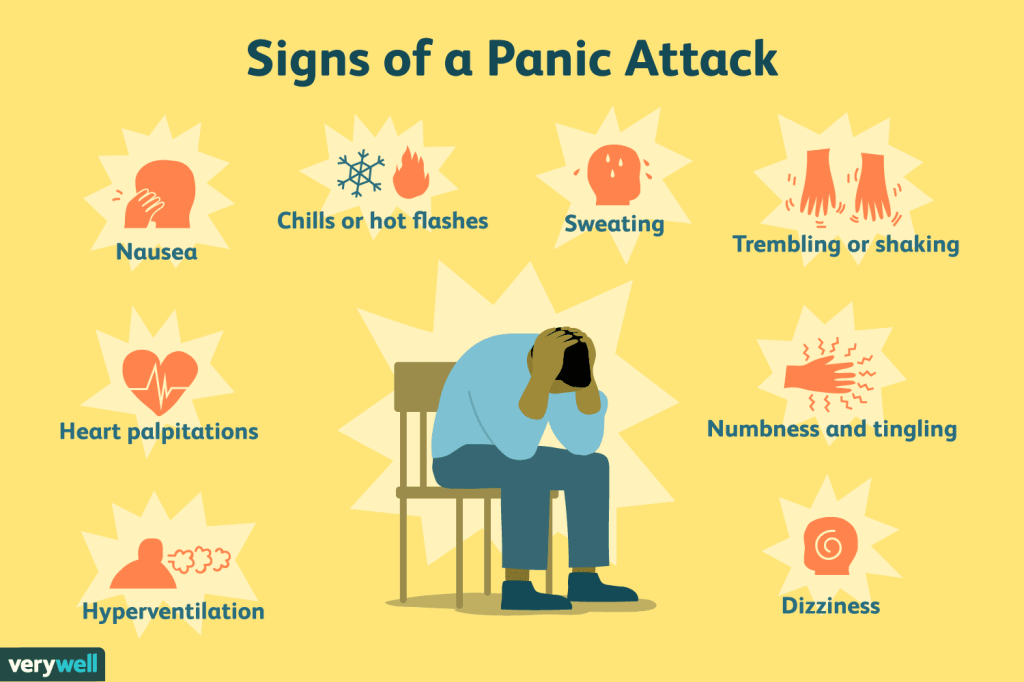
Panic Disorder involves having panic attacks in certain situations and so people start avoiding the situations which trigger a panic attack. A panic attack is a sudden episode of intense fear which brings symptoms like a sense of impending doom, rapid heart rate, sweating, shaking, chills, hot flashes, nausea, chest pain, headache, dizziness, and numbness.

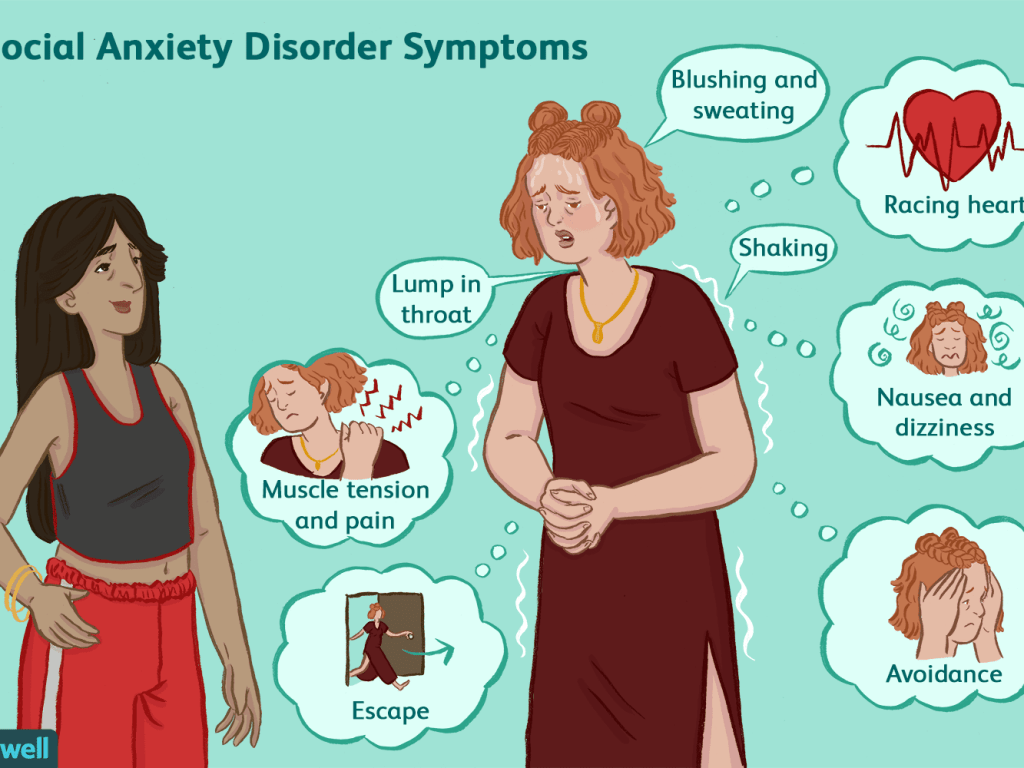
Social Anxiety Disorder involves an irrational fear of being judged or watched. This is a very common disorder and it interferes with functioning at school, work, and other social settings. For example, a person can have a fear of going to a party because of the fear of being judged by everyone.

Agoraphobia involves a fear of public places, that is that the people with this disorder have a fear of anticipating a panic attack in a place where they cannot escape or deal with it.

Specific Phobias involves an extreme fear of a specific object or a situation, such as fear of insects, animals, height. When people are confronted by their phobic object, they experience trembling, nausea, and rapid heart rate. These phobias usually arise from a bad associating event they have had before in their life.

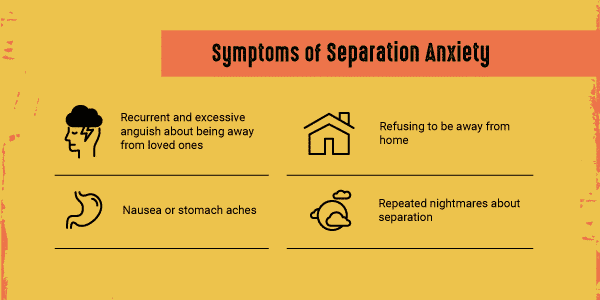
Separation Anxiety Disorder involves a high level of fear of being separated from things and the people they are attached to. This is most common in the case of young children having the fear of being away from their parents but it also exists for adults.

Stress-Related Disorders

These previously used to be grouped with anxiety disorders but are now considered a separate category. These disorders usually arise because of trauma or stress-inducing event. Acute Stress Disorder involves severe anxiety for almost a month after a traumatic event, such as accidents or the death of a loved one. This can result in the person experiencing dissociative symptoms like inability to remember important parts of the event, flashbacks, and difficulty in experiencing positive emotions.

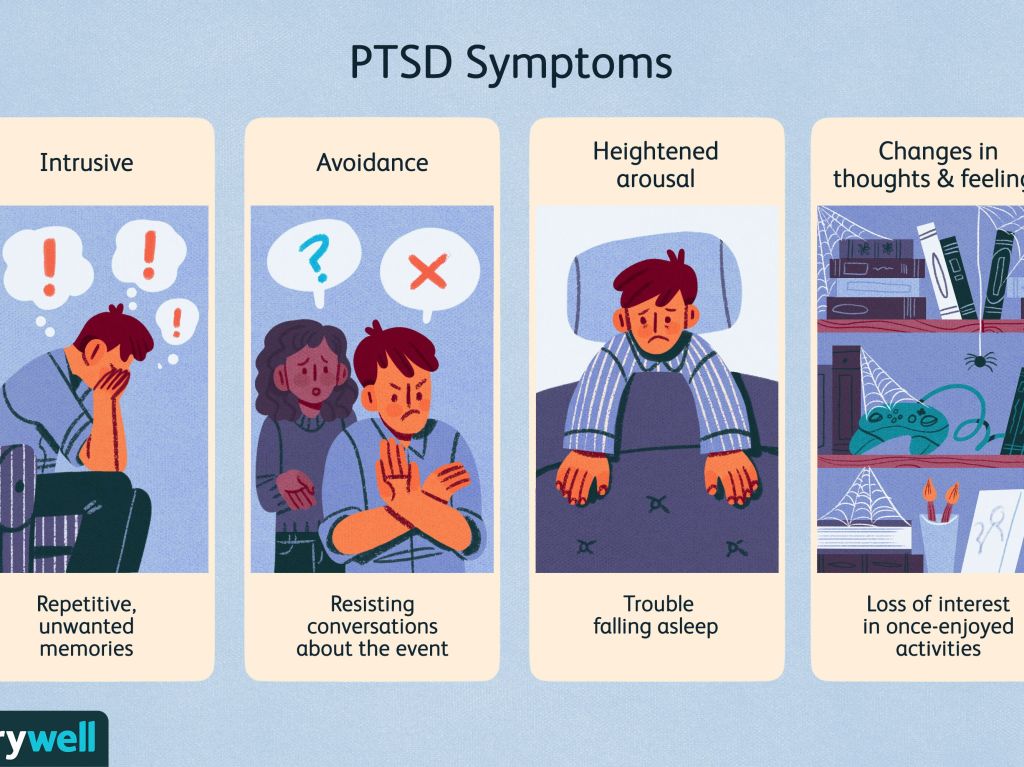
Post-Traumatic Stress Disorder (PTSD) can arise after a person has gone through a very traumatic event. This disorder includes symptoms such as reliving the event, feeling on edge, having negative thoughts, avoiding things that remind them of the event, nightmares, bursts of anger, and difficulty in concentrating.

Adjustment Disorders can arise because of a sudden change in life like losing a job, a break-up, shifting from one state to another. This disorder can bring symptoms like anxiety, worry, hopelessness, feeling of isolation, depressed mood.

Reactive Attachment Disorder forms when children in their early years of childhood fail to form a healthy relationship with their adult caregiver which later on results in being withdrawn from these caregivers, and they might also face social and emotional disturbance.

Conclusion

Some people keep claiming they have anxiety when they are just suffering from fear, same with the use of PTSD. It is important to not self-diagnose yourself as you might not be qualified to do so and it is wrong to claim to have disorders when you don’t as it creates a negative environment for people who are actually suffering from these disorders. It is important to consult a psychologist if you face any of the symptoms you think might point to anxiety or stress-related disorder as there are therapies to deal with it.

References

Note: this is the Part 2 of the Psychological Disorders series.

Achieve Balance in Life Through Sahaja Yoga

Stress, Anxiety, Load, Pressure, Depression, Overthinking, etc have became the friends of human beings these days. All these things have became the daily routine of all of us. We are so much engaged in these that we have lost our pure joy, our inner self. Where is our inner peace gone? Also the another part of this is that different kinds of diseases that we have never heard about them are coming in front of us and some of us are suffering form them. We are running behind money, yes it’s our duty to earn for our living but we are striving for more and more money, but people having money are they really happy, Joyful ? Many of us have got everything in our life but still, we are not happy with it we want more, we are not satisfied. Where is this satisfaction gone ? Have we came on this earth to suffer all these things? Have we taken birth to run after money, Job, Business, Girlfriend/Boyfriend, etc ? or there is something else for which we have came here ?

How does this Stress, Anxiety,Depression, Overthinking, etc come in us ?

Usually a human being keeps thinking about his past or about his future. When he thinks about his past he keeps on torturing himself why this happened to me? Why did behaved like that? When he thinks about the future he keeps worrying about What will happen? Will I get that or not? all these things leads to imbalance and gives rise to all the stress, anxiety, depression, overthinking within us and it grows very seriously in us that it becomes impossible to get out of it and it becomes our behavior. But to get out all of these things is possible though Sahaja Yoga.

What is Sahaja Yoga Meditation?

In a smaller sense Sahaja yoga meditation is the technique of meditation but in the larger sense it is the way of living. Sahaja Yoga is a very simple technique of meditation which connects us to our inner being to the all pervading power that created us. This meditation is a cognitive science in which each and every thing can be proven. This meditation is scientifically proven. Sahaja yoga meditation technique is founded by H. H . Shri Mataji Nirmala Devi in 1970 for the well being of the whole humanity.

“You cannot know the meaning of your life until you’re connected to the power that created you.”

-H. H. Shri Mataji

Founder of. SAHAJAYOGA. H.H. Shri Mataji Nirmala Devi.

How Sahaja yoga Meditation helps in balancing our lives?

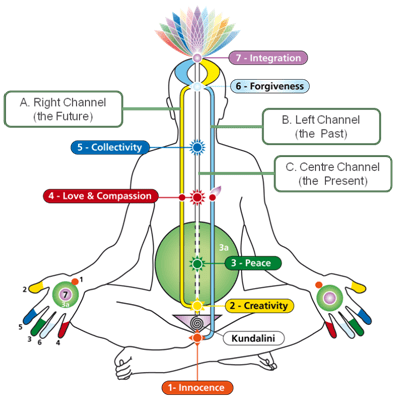
The meditation itself starts with balancing. There are two sides of our subtle system that is left, right and centre. The Left side is all about our emotions or the ‘Ichha Shakti’, our past activities. While the right side is all about our work also called as ‘Kriya Shakti’ and our future. And the central path is all about our present, about the truth, it is the path of our evolution. It gives us the absolute peace. In the lower part of our the abdomen, in the triangular part of our secrum bone is the Kundalini, it is the power of pure desire within us. When it rises, it passes through our central channel and peerses out of the fontanel bone area at the top of our head and gets connected to the all pervading power in the whole universe. We feel the cool breeze at the top of our head and on our hands. This moments gives us complete thoughtless awareness state and absolute peace.

How to practice Sahaja Yoga Meditation?

You can try the steps given below right now, just have the pure desire of getting your self realization and try this practically.

You may seat on the floor, or on the chair but make sure that your legs are touched to the mother earth. Take out your specks, shoes and close your eyes while doing the below steps.

Sahaja Yoga Meditation is open for all, for the person of any religion, cast, creed, etc. Because the energy is within every human being. Sahaja Yoga Meditation is Free Of Cost because, the value of raising the power within you cannot be returned in any amount of money.

For More Information Click on the links below

Things to do in your 20s

Photo by Helena Lopes on Pexels.com

This is the time when you start becoming more independent and truly begin the journey of self- discovery. A time for many big decisions and experiences and certainly is one of the most important phases of your life. Here are few things that one must learn to make the most of this period in life

LEARN FINANCES

Financial education is one of the most important subjects but yet ignored by many young adults. The sooner you start saving, investing and managing, the sooner you will learn and see the results. Since you are young, you don’t really have much to lose, this will help you practice without lasting consequences and will give you a leg up in regards to your peers and provides you with experience. So start planning for the future.

MAKE MISTAKES

Do not fear making mistakes, take the risk, take the chance. Our mistakes are what helps us grow and learn. So, for your 20s, embrace the idea that you will make mistakes and lots of them! But always learn the lesson that it has taught you, or else it would be an effort in vain. These lessons must be the push on your journey towards a better self.

LEARN HEALTHY HABITS

In 20s, health is at its peak, so this creates an illusion for many young adults that they can eat junk and drink anything for pleasure, but these choices have severe long-term consequences on body. So, this time of your life is a good opportunity to establish life-long healthy habits.

Consider your diet, learn to cook, and find a way of exercising that works best for you. Starting early on to build a healthy foundation is likely to improve your well-being significantly and will be one of the best investments for future.

TRAVEL

Even if you are short on your budget, travel your city and neighboring towns, because traveling can add value to your life. When you travel, you learn how to adapt to new situations, it takes you out of our comfort zone and allows you to test yourself. You learn to live with people, often without a common cultural ground or language. It gives a new perspective about life and boosts confidence.