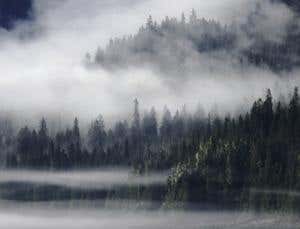
Acid Rain

“The unthinkable is that we’re distorting this atmospheric balance. We’re shifting the chemical balance so that we have more poisons in the atmosphere – ozones and acid rain on ground level – while we’re also changing the thermal climate of the earth through the greenhouse effect and – get this – simultaneously causing destruction of our primary filter of ultraviolet light. It’s incredible. Talk about the national-debt crisis – we’re piling up debts in the atmosphere, and the piper will want to be paid.”

~ Michael Oppenheimer

Introduction

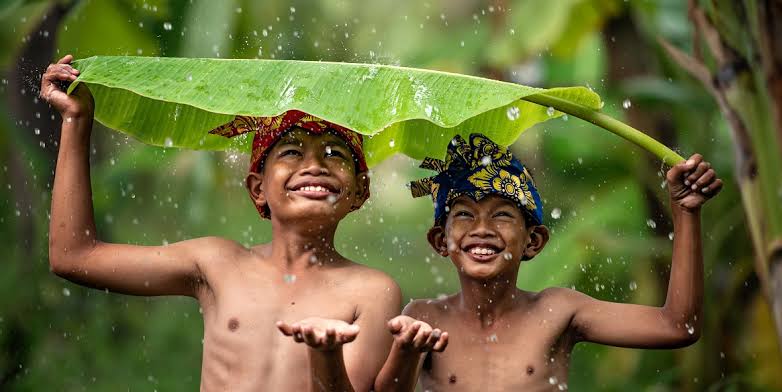
Acid rain, or acid deposition, is a broad term that includes any form of precipitation with acidic components, such as sulfuric or nitric acid that fall to the ground from the atmosphere in wet or dry forms. This can include rain, snow, fog, hail or even dust that is acidic.
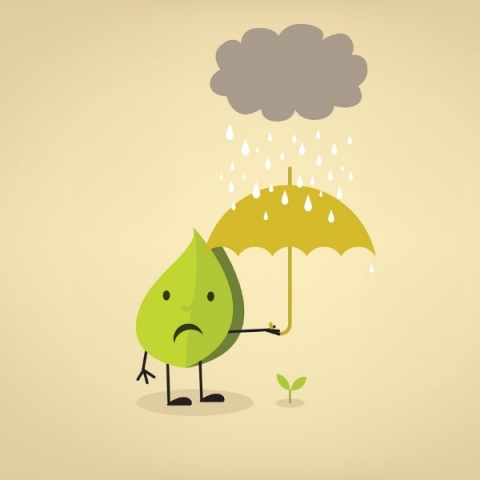
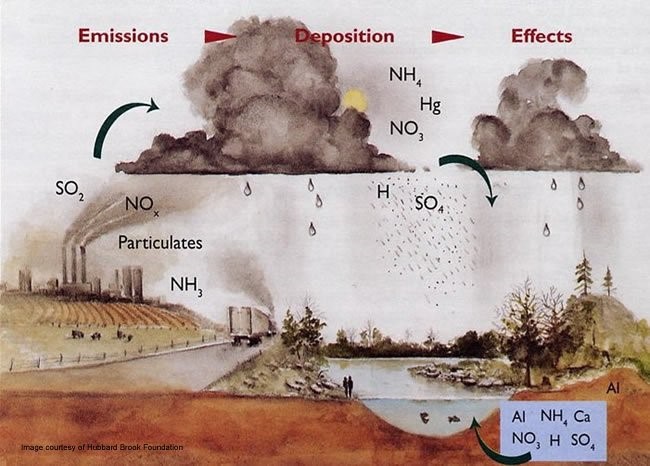
Acid rain is caused by a chemical reaction that begins when compounds like sulfur dioxide and nitrogen oxides are released into the air. These substances can rise very high into the atmosphere, where they mix and react with water, oxygen, and other chemicals to form more acidic pollutants, known as acid rain.

It can have harmful effects on plants, aquatic animals, and infrastructure.

Effects of Acid Rain

The ecological effects of acid rain are most clearly seen in aquatic environments, such as streams, lakes, and marshes where it can be harmful to fish and other wildlife. As it flows through the soil, acidic rain water can leach aluminum from soil clay particles and then flow into streams and lakes.
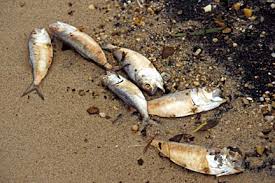
Acid rain has been shown to have adverse impacts on forests, freshwaters, and soils, killing insect and aquatic life-forms, causing paint to peel, corrosion of steel structures such as bridges, and weathering of stone buildings and statues as well as having impacts on human health.

Acid rain also causes the corrosion of water pipes. Which further results in leaching of heavy metals such as iron, lead and copper into drinking water.

Prevention
1. The only precaution that we can take against acid rain is having a check at the emission of oxides of nitrogen and sulphur.
2. We have so far seen the details of acid rain and its harmful effect on animals, plants and the monuments.
3. Being responsible citizens, one should be aware of the harmful effects they cause and of the industries which give out nitrogen and sulphur compound wastes unethically. 4.A great way to reduce acid rain is to produce energy without using fossil fuels. Instead, people can use renewable energy sources, such as solar and wind power. Renewable energy sources help reduce acid rain because they produce much less pollution.

Acid Rain in India

Analysis of rainwater samples from Nagpur, Mohanbari (in Assam), Allahabad, Visakhapatnam and Kodaikanal in the decade 2001-2012 showed a pH level varying from 4.77 to 5.32, indicating that these places have actually been receiving ‘acid rain’. Rainwater with pH below 5.65 is considered acidic.

As energy requirements in India will grow rapidly in tune with the economy, coal dependence is expected to increase threefold over the current level of consumption, making the clouds of acid rain heavier over many highly sensitive areas in the country – the northeast, parts of Bihar, Orissa, West Bengal ,etc ,.
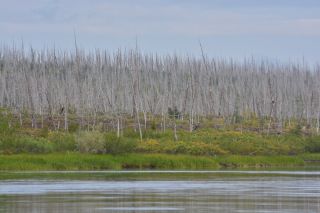
The rains in the Indian Ocean and the Arabian Sea and the Bay of Bengal have become acidic. Studies show the importance to regularly monitor more places for acid rains. But the mechanism to study acid rains is at present inadequate in India. imd stations are not located in the most polluted areas in the country.

Link
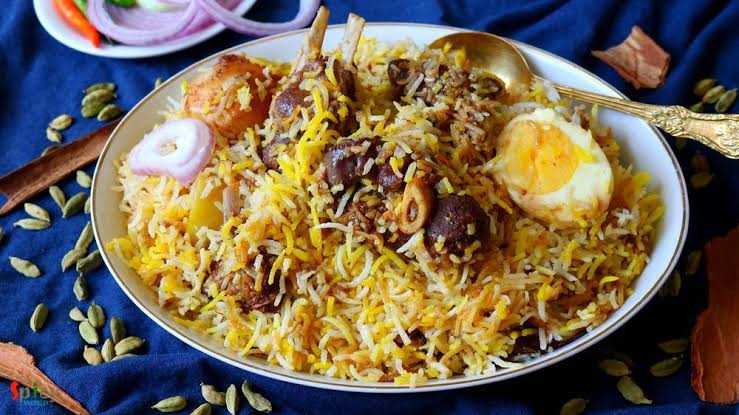
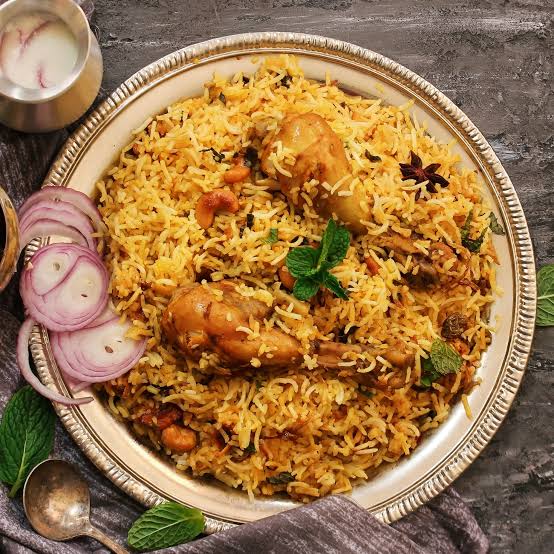
BIRIYANI : THE BLESSINGS OF MUGHALS

The origin of biriyani in India is uncertain. Many theories are put forward in the origin of Biriyani in our country. The delicacy is considered as a food pride of our country. According to historian Lizzie Collingham, the modern biryani developed in the royal kitchens of the Mughal Empire (1526–1857) and is a mix of the native spicy rice dishes of India and the Persian pilaf.Indian restaurateur Kris Dhillon believes that the dish originated in Persia, and was brought to India by the Mughals. Pratibha Karan the author of the book “Biriyani” says that it is derived from a South origin dish called pilaf . She speculates that the pulao was an army dish in medieval India. Armies would prepare a one-pot dish of rice with whichever meat was available. Over time, the dish became biryani due to different methods of cooking, with the distinction between “pulao” and “biryani” being arbitrary.

Biriyani ❤️

INGREDIENTS

The spices and condiments used in biryani may include ghee (clarified butter), nutmeg, mace,pepper, cloves, cardamom, cinnamon, bay leaves, coriander, mint leaves, ginger, onions, tomatoes, green chilies, and garlic. The premium varieties include saffron.

The main ingredient that usually accompanies the spices is chicken or goat meat; special varieties might use beef or seafood instead. The dish may be served with dahi chutney or raita, korma, curry, a sour dish of aubergine (brinjal), boiled egg, and salad.

The taste of India

VARIETIES OF BIRIYANI

There are many types of biryani, whose names are often based on their region of origin. For example, Sindhi biryani developed in the Sindh region of what is now Pakistan, and Hyderabadi biryani developed in the city of Hyderabad in South India.

Some have taken the name of the shop that sells it, for example: Haji Biriyani, Haji Nanna Biriyani in Old Dhaka, Fakhruddin Biriyani in Dhaka, Students biryani in Karachi, Lucky biryani in Bandra, Mumbai and Baghdadi biryani in Colaba, Mumbai. Biryanis are often specific to the Muslim communities where they originate; they are usually the defining dishes of those communities.

KOLKATA BIRIYANI

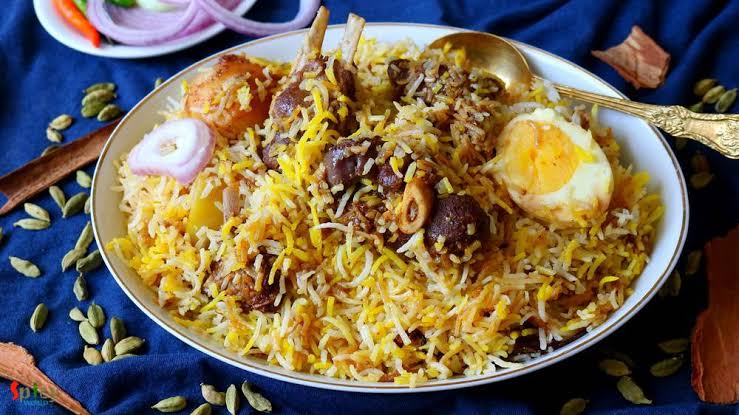
Calcutta or Kolkata biryani evolved from the Lucknow style, when Awadh’s last Nawab Wajid Ali Shah was exiled in 1856 to the Kolkata suburb of Metiabruz. Shah brought his personal chef with him. The Kolkata biriyani is characterized by the unique presence of potato in it, along with meat. It is said that the Nawab, having is lost his kingdom, could not afford meat, so his chefs tried to compensate by adding potato.

Kolkata biriyani
Biriyani is a dish which brings pride to our food culture
Anuj Das

Bioterrorism

From the past two decades , it is stated that the threat of biological warfare is not a myth but a harsh reality of the world . Due to the outbreak , we can recognise the high risk and consequences of bioterrorism.

This editorial provides you the overview of bioterrorism , it’s symptoms , causes , measures and impact on humans in present scenario .

Introduction

A bioterrorism attack is the deliberate release of viruses, bacteria, or other germs to cause illness or death. These germs are often found in nature. But they can sometimes be made more harmful by increasing their ability to cause disease, spread, or resist medical treatment.

Biological agents spread through the air, water, or in food. Some can also spread from person to person. They can be very hard to detect. They don’t cause illness for several hours or days. Scientists worry that anthrax, botulism, Ebola and other hemorrhagic fever viruses, plague, or smallpox could be used as biological agents.

Despite patchy intelligence, France started its own biological weapons programme in the early 1920s. It was headed by Auguste Trillat, an inventive German-educated chemist who envisioned and tested the sustained virulence of airborne pathogens.

The goal of bioterrorism is usually to create fear and/or intimidate governments or societies for the purpose of gaining political, religious, or ideological goals. Bioterrorism may have a different effect on societies than would weapons such as explosives.

Symptoms

The symptoms of exposure to a biological agent might include sore throat, fever, double or blurred vision, rash or skin blisters, exhaustion, difficulty talking, confusion, descending muscle weakness, nausea, abdominal pain, vomiting, diarrhea, and coughing.

History

Historically, biological weapons have been a threat to humans for many centuries. At those times, very crude methods such as fecal matter, animal carcasses, etc. were used to contaminate water sources, but now the concentrated forms of biological agents such as dried spores and genetically modified organisms are available, which are fatal even in minute quantity.

During the Indo-Pakistan war of 1965, a scrub typhus outbreak in north-eastern India came under suspicion. India’s defense and intelligence outfits were alert to the outbreak of pneumonic plague – well known in biological warfare – in Surat and Bubonic plague in Beed in 1994, which caused several deaths and sizeable economic loss.

Prevention

There are some points that you need to consider during the outbreak :

  • If you become aware of a suspicious substance, quickly get away.
  • Cover your mouth and nose with layers of fabric that can filter the air but still allow breathing. Examples include two to three layers of cotton such as a t-shirt, handkerchief or towel.
  • Depending on the situation, wear a face mask to reduce inhaling or spreading germs.
  • If you have been exposed to a biological agent, remove and bag your clothes and personal items.
  • Follow official instructions for disposal of contaminated items.
  • Wash yourself with soap and water and put on clean clothes.
  • Contact authorities and seek medical assistance. You may be advised to stay away from others or even to quarantine.
  • If your symptoms match those described and you are in the group considered at risk, immediately seek emergency medical attention.
  • Follow the instructions of doctors and other public health officials.
    Avoid crowds.
  • Wash your hands with soap and water frequently.
  • Do not share food or utensils.

Link
The Origin of Buddhism .

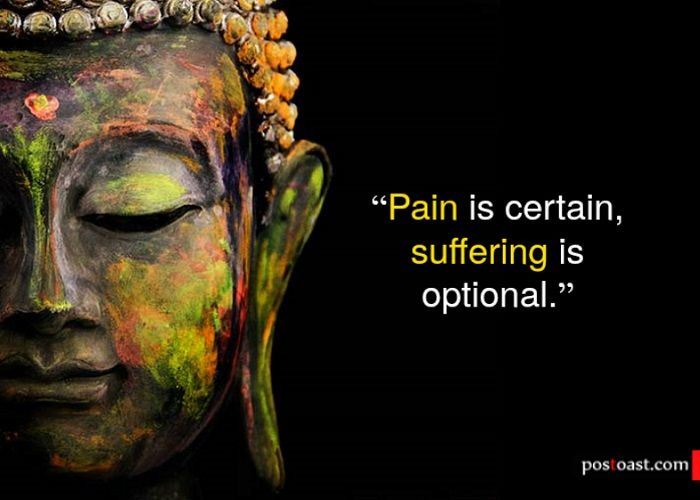
We are what we think. All that we are arises with our thoughts. With our thoughts, we make the world.
Peace comes from within. Do not seek it without.

Lord Buddha

Introduction.

He was a spiritual personality . An ancient teacher and enlightened many . A founder of world religion Buddhism . He was popularly known as Gautama Buddha (also known as Siddhattha Gotama or Siddhārtha Gautama or Buddha Shakyamuni ) .

The Enlightened One who rediscovered an ancient path to release clinging and craving and escape the cycle of birth and rebirth. He taught for around 45 years and built a large following, both monastic and lay. His teaching is based on his insight into the arising of duḥkha (the unsatisfactoriness of clinging to impermanent states and things) and the ending of duhkha—the state called Nibbāna or Nirvana (extinguishing of the three fires).

Buddhism

Buddhism, one of the major religions and philosophical systems of southern and eastern Asia and of the world. Buddha is one of the many epithets of a teacher who lived in northern India sometime between the 6th and the 4th century before the Common Era.

The title buddha was used by a number of religious groups in ancient India and had a range of meanings, but it came to be associated most strongly with the tradition of Buddhism and to mean an enlightened being, one who has awakened from the sleep of ignorance and achieved freedom from suffering.

According to the various traditions of Buddhism, there have been buddhas in the past and there will be buddhas in the future. Some forms of Buddhism hold that there is only one buddha for each historical age; others hold that all beings will eventually become buddhas because they possess the buddha nature (tathagatagarbha).

According to Buddhist doctrine, the universe is the product of karma, the law of the cause and effect of actions, according to which virtuous actions create pleasure in the future and nonvirtuous actions create pain.

Your work is to discover your world and then with all your heart give yourself to it.

Lord Buddha

History

Gautama Buddha ( born c. 6th–4th century BCE, Lumbini, near Kapilavastu, Shakya republic, Kosala kingdom [now in Nepal]—died, Kusinara, Malla republic, Magadha kingdom [now Kasia, India]).

Buddha is one of the many epithets of a teacher who lived in northern India sometime between the 6th and the 4th century before the Common Era.

Learnings from Gautama Buddha.

1. “Three things cannot be hidden: the sun, the moon and the truth.”

2. “You will not be punished for your anger; you will be punished by your anger.”

3. “You can search throughout the entire universe for someone who is more deserving of your love and affection than you are yourself, and that person is not to be found anywhere. You, yourself, as much as anybody in the entire universe, deserve your love and affection.”

4. “We are shaped by our thoughts; we become what we think. When the mind is pure, joy follows like a shadow that never leaves.”

5. “Believe nothing, no matter where you read it, or who said it, no matter if I have said it, unless it agrees with your own reason and your own common sense.”

Link
Volcano Eruption

“We are, all of us, growing volcanoes that approach the hour of their eruption, but how near or distant that is, nobody knows- not even God.”

~ Friedrich Nietzsche

We always talk about , what it would be like to see volcano eruption in front of your eyes ?

How amazing it would be like to find out , how the volcano erupt ?

There are many things that we don’t know exist in our earth 🌍. Do you want to know about it . If yes , than read the editorial .

Introduction

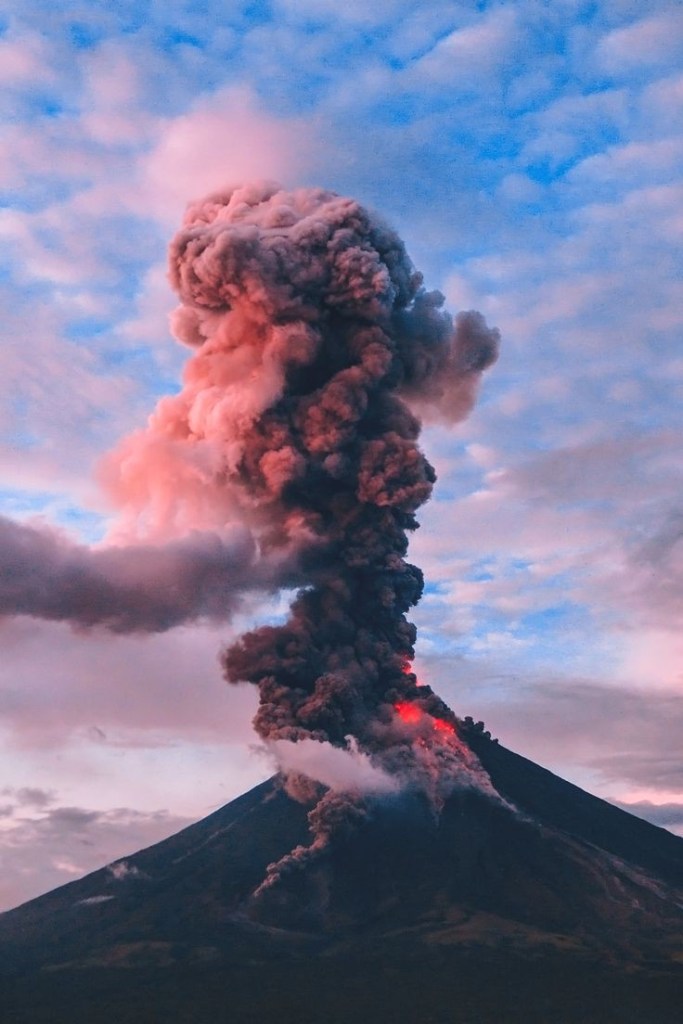
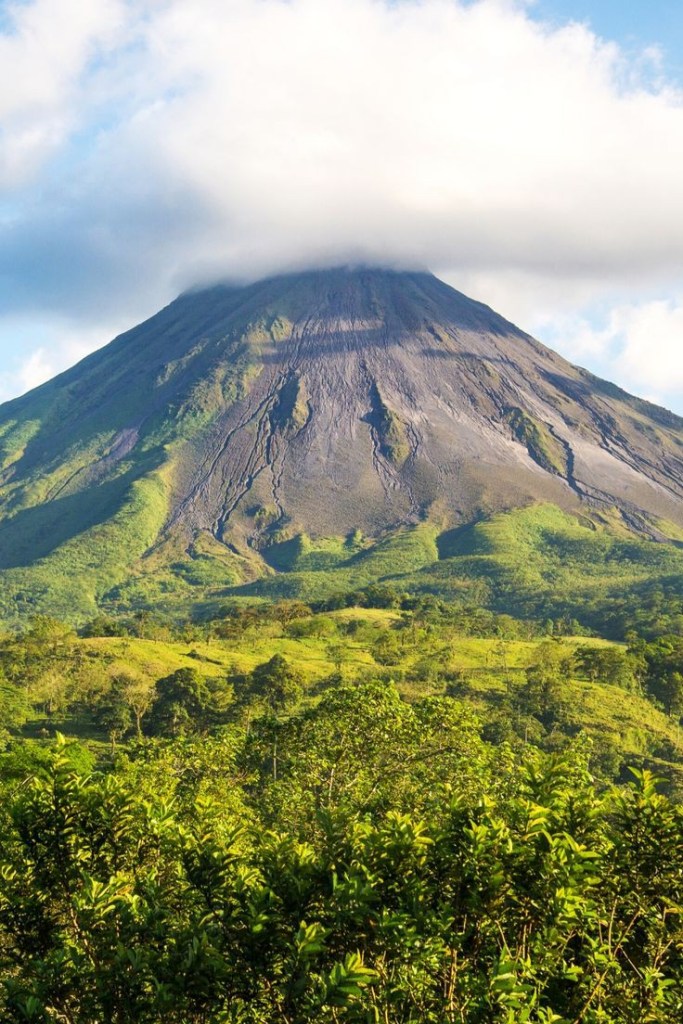
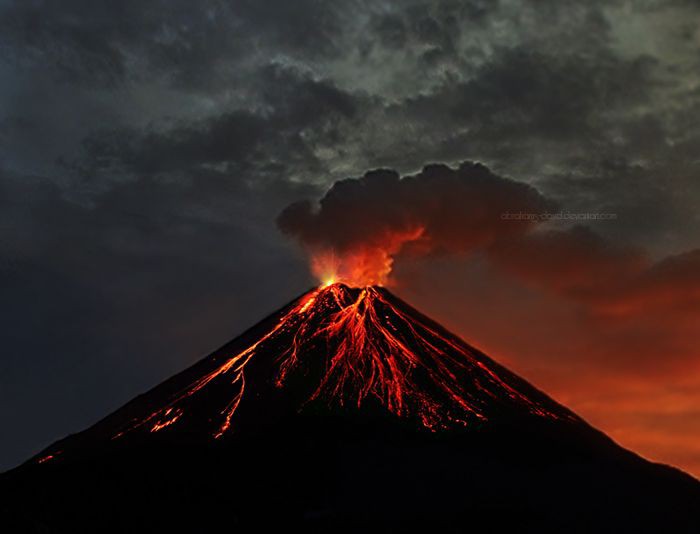
A volcano is a rupture in the crust of a planetary-mass object, such as Earth, that allows hot lava, volcanic ash, and gases to escape from a magma chamber below the surface.

On Earth, volcanoes are most often found where tectonic plates are diverging or converging, and most are found underwater.

The word volcano is derived from the name of Vulcano, a volcanic island in the Aeolian Islands of Italy whose name in turn comes from Vulcan, the god of fire in Roman mythology.

Many ancient accounts ascribe volcanic eruptions to supernatural causes, such as the actions of gods or demigods. To the ancient Greeks, volcanoes’ capricious power could only be explained as acts of the gods, while 16th/17th-century German astronomer Johannes Kepler believed they were ducts for the Earth’s tears.[87] One early idea counter to this was proposed by Jesuit Athanasius Kircher (1602–1680), who witnessed eruptions of Mount Etna and Stromboli, then visited the crater of Vesuvius and published his view of an Earth with a central fire connected to numerous others caused by the burning of sulfur, bitumen and coal.

Types of eruptions

  • Hydrothermal eruption. An eruption driven by the heat in a hydrothermal systems.
  • Phreatic eruption. An eruption driven by the heat from magma interacting with water.
  • Phreatomagmatic eruption.
  • Lava.
  • Strombolian and Hawaiian eruptions.
  • Vulcanian eruptions.
  • Subplinian and Plinian eruptions.

How do volcanoes erupt?

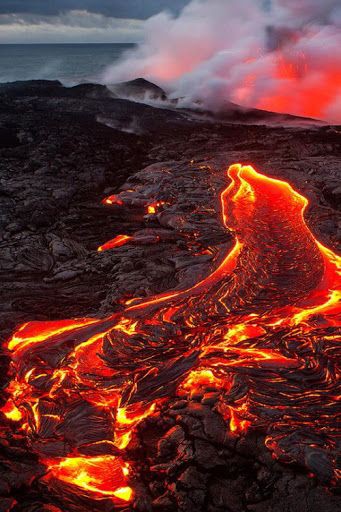
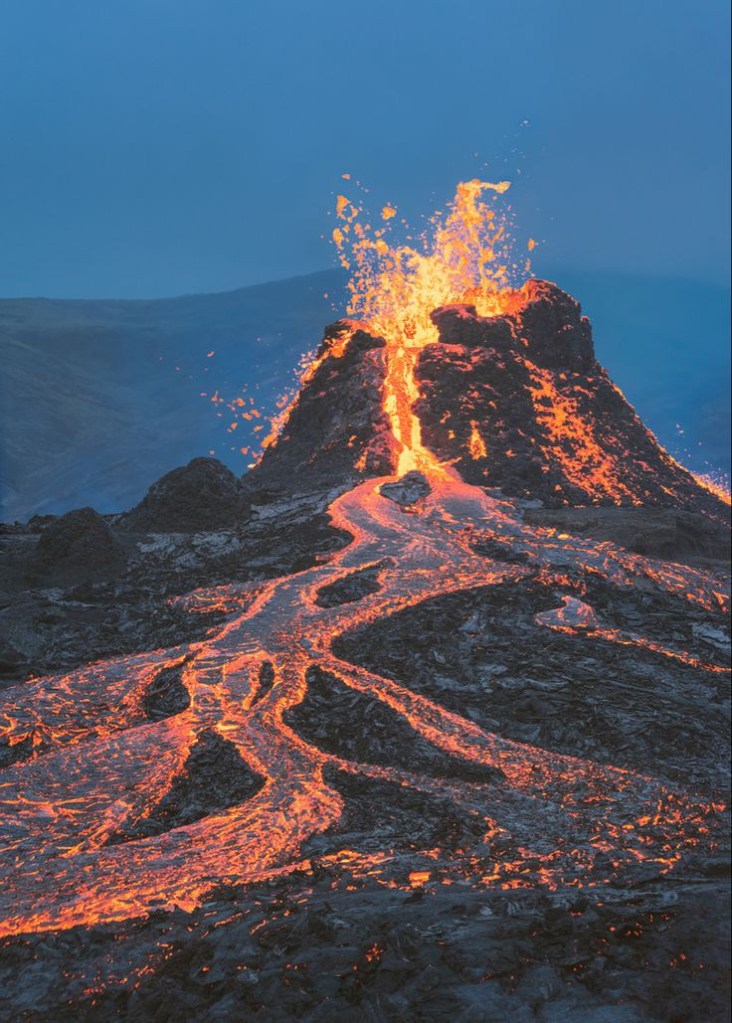
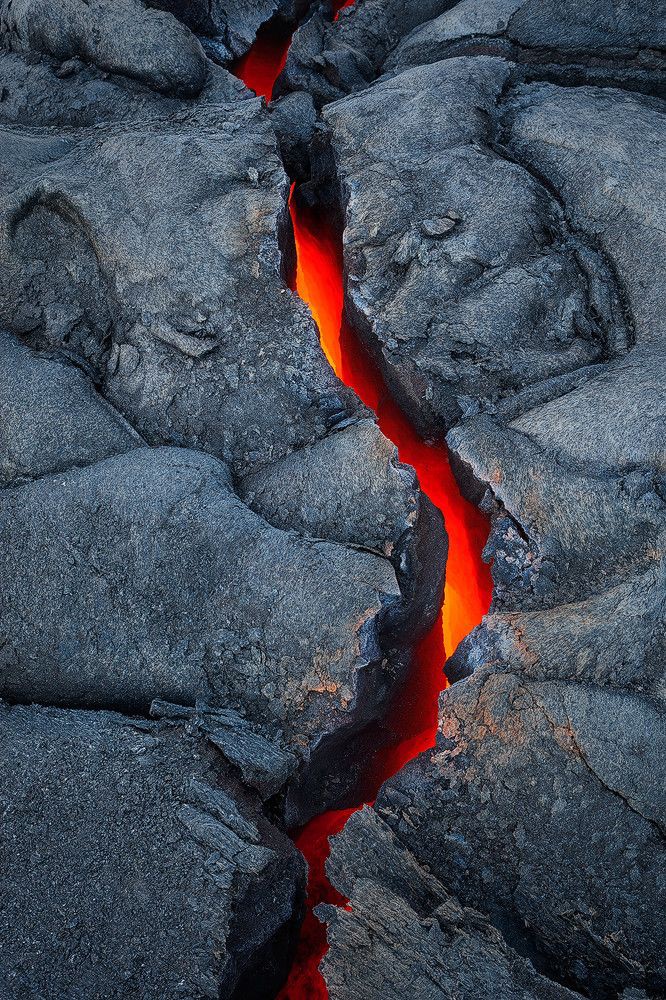
Deep within the Earth it is so hot that some rocks slowly melt and become a thick flowing substance called magma. Since it is lighter than the solid rock around it, magma rises and collects in magma chambers. Eventually, some of the magma pushes through vents and fissures to the Earth’s surface. Magma that has erupted is called lava.

The explosivity of an eruption depends on the composition of the magma. If magma is thin and runny, gases can escape easily from it.
Explosive volcanic eruptions can be dangerous and deadly.

Humans and volcanoes

Volcanic eruptions pose a significant threat to human civilization. However, volcanic activity has also provided humans with important resources.

Although volcanic eruptions pose considerable hazards to humans, past volcanic activity has created important economic resources.

Volcanic ash and weathered basalt produce some of the most fertile soil in the world, rich in nutrients such as iron, magnesium, potassium, calcium, and phosphorus.

Volcanic activity is responsible for emplacing valuable mineral resources, such as metal ores.

The paradox of volcanoes was that they were symbols of destruction but also life. Once the lava slows and cools, it solidifies and then breaks down over time to become soil – rich, fertile soil.
She wasn’t a black hole, she decided. She was a volcano. And like a volcano she couldn’t run away from herself. She’d have to stay there and tend to that wasteland.
She could plant a forest inside herself.

Matt Haig, The Midnight Library

Link
Use of MS Excel in today’s world.

Excel is typically used to organize data and perform financial analysis. It is used across all business functions and at companies from small to large. The main uses of Excel include: Data entry.

Excel is a software program created by Microsoft that uses spreadsheets to organize numbers and data with formulas and functions. Excel analysis is ubiquitous around the world and used by businesses of all sizes to perform financial analysis.

The main uses of Excel include:

1 Data entry
2 Data management
3 Accounting
4 Financial analysis
5 Charting and graphing
6 Programming
7 Time management
8 Task management
9 Financial modeling
10 Customer relationship management (CRM)
** Almost anything that needs to be organized!

Excel is used extensively in finance and accounting functions. In fact, many organizations run their entire budgeting, forecasting, and accounting functions entirely out of Excel spreadsheets.

While Excel is defined as a “data” management tool, the data that is most commonly managed is financial. At CFI, we would define Excel as the ultimate financial software. While there are other pieces of financial software that are tailored toward performing specific tasks, the strongest point about Excel is its robustness and openness. Excel models are as powerful as the analyst wishes them to be.

Accountants, investment bankers, analysts, and people in all types of financial career paths rely on excel to perform their daily job functions.

And one should know how to use MS Excel. Its on of the most important skill in today’s corporate world.

Agriculture

When tillage begins, other arts follow. The farmers, therefore, are the founders of human civilization.”

— Daniel Webster

Introduction

It all started thousand of years ago , when the human civilization came into existence . Agriculture was a key to survival . People were farming for there domestic purpose , not for the others .

As the civilization started to grow accustomed of agriculture , they grew food in surplus that enabled people to live in cities. Plants were independently cultivated in at least 11 regions of the world.

The development of agriculture enabled the human population to grow many times larger than could be sustained by hunting and gathering.

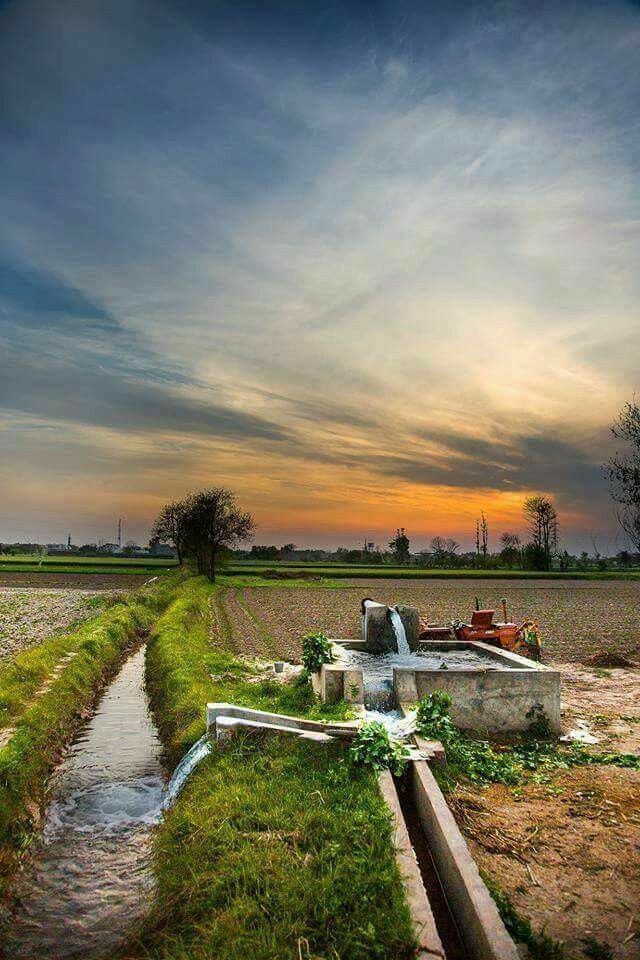
It was the beginning of different civilization in different parts of the World. From those civilizations , one of them was our’s The Indus Valley Civilization . Vedic literature provides some of the earliest written record of agriculture in India. Rigveda hymns , describes plowing, fallowing, irrigation, fruit and vegetable cultivation.

Some of the ancient and historical evidence suggests rice and cotton were cultivated in the Indus Valley.

Agriculture : In India and World today .

India ranks second worldwide in farm outputs. As per 2018, agriculture employed Indian work force and contributed 17–18% to country’s GDP.

In 2016, agriculture and allied sectors like animal husbandry, forestry and fisheries accounted for 15.4% of the GDP (gross domestic product) with about 41.49% of the workforce in 2020.India ranks first in the world with highest net cropped area followed by US and China.The total agriculture commodities export was US $ 3.50 billion in March – June 2020.

Agriculture is the primary source of livelihood for about 58% of India’s population. Share of agriculture and allied sectors in gross value added (GVA) of India at current prices stood at 17.8 % in FY20.

During 2019-20 crop year, food grain production reached a record of 296.65 million tonnes. In 2020-21, Government of India is targeting food grain production of 298 million tonnes.

India is among the 15 leading exporters of agricultural products in the world. Agricultural export from India reached US$ 38.54 billion in FY19 and US$ 35.09 billion in FY20.

Agriculture is an important industry in the United States. The agriculture industry, which includes both crops and livestock, is responsible for producing most of the world’s foods and fabrics. Agriculture impacts so many things that it’s hard to imagine a world without this important industry.

Schemes and Initiatives

Due to the high requirement of agriculture . It is important for the government to take initiatives and provide better infrastructure to the farmers. However , the required level of investment for the development of marketing, storage and cold storage infrastructure is estimated to be huge.

The Indian Council of Agricultural Research (ICAR), established in 1905, was responsible for the search leading to the “Indian Green Revolution” of the 1970s. The Union Minister of Agriculture is the president of the ICAR. The Indian Agricultural Statistics Research Institute develops new techniques for the design of agricultural experiments, analyses data in agriculture, and specialises in statistical techniques for animal and plant breeding.

Schemes by government for Indian agriculture :

  • Dairy Entrepreneurship Development Scheme.
  • Rainfed Area Development Programme (RADP)
  • Paramparagat Krishi Vikas Yojana (PKVY)
  • Pradhan Mantri Krishi Sinchai Yojana (PMKSY)
  • National Agriculture Market (e-NAM)
  • Pradhan Mantri Kisan Maandhan yojana.
  • Pradhan Mantri Fasal Bima Yojana (PMFBY)
  • Kisan Credit Card (KCC) scheme.
  • Pashu Kisan Credit Card Scheme.
  • PM-Kisan Scheme.

Conclusion

Agriculture sector is one of the prominent sector in India as well as all over the world . India is becoming self – sufficient in pulses and other crops .

Gone are the days , when India was unable to provide sufficient amount of food to the citizens . Gone are the days , when people used to think agriculture was not as important as other sectors . Gone are the days , when people used to think less of farmers . And gone are the days , when people were less educated about agriculture.
Farming is a profession of hope.

— Brett Brian

Link
The World of Nepotism

Welcome to the anti-meritocratic world, this world. What are you going to do about it? Will you stand back and watch while cronyism, nepotism, the old school tie, the private club, the right university, the right accent, the right background, the right secret society, the right religion, the right family, destroy merit so that their chosen ones can prosper at your expense. It’s time to smash the conspiracy. Break up all the mechanisms that allow privileged groups within society to rig the system in their favour and penalise anyone who doesn’t belong to their insidious cliques.

Michael Faust, The Meritocracy Party

Well , Its a very complicated questions . In the world, where one’s knowledge didn’t get recognition .

What would you do , when you get acknowledged not on the basis of your knowledge but on the basis of your relation with the owner ?

What would you do , if you don’t get promoted because you are not his /her relative ?

Do you ignore the fact that you are not the one , whom your boss approves?

Well , if you think it’s favouritism than you are absolutely correct . You may also come accross the word NEPOTISM and if you don’t than start reading the passage . (I did as well )

This 8 letter word is destroying everyone in today’s world. And who is responsible for creating such a hypocrite. We the people have to repose this curse and make sure to control it with our coming generations, else it will destroy the whole world. And there’ll be no humanity left in this world” –

Ikramul Hannah.

Introduction

Nepotism is a the practice among those with power or influence of favouring relatives or friends, especially by giving them jobs.

Nepotism is generally defined as “the bestowal of patronage by public officers in appointing others to positions because of blood or marital relationship”.

Nepotism is found in almost all the fields but it is practiced most in business, politics, sports and entertainment sectors. It has been in practice since time immemorial, but some special cases have made it to the limelight in the past few decades.

Nepotism in India :

India has it’s fair share in the field of NEPOTISM . Well , have you ever expected that . I say , YES . Because being one of the largest country , people might become more thirsty for power . “When constantly reaching out for more, you forget what you have” Christine Szymanski.

Nepotism can be characterized as ‘the demonstration of utilizing force or impact to get out of line preferences for individuals from one’s family’.

You must be conflicted , why does nepotism exist even today ? We are living in 21st century , than why we have such orthodox thinking ? Who says no one can define what is going on in one’s mind ( well I say , isn’t is obvious ) .

From the politics to the Entertainment , from the owner to the customer, from the Bollywood to the Judiciary ; Nepotism is everywhere .

Like in OJO -MOJO , After the submission of writing competition , OJO’s class teacher asked him who wrote better . Is it MOJO or OLLY , what do you think whom he would choose . MOJO thinks OJO will choose OLLY because he likes her . But when the result announced MOJO was astounded because OJO choose MOJO’s writing . So , what do you think is it nepotism or not . Think and you will know the answer .

Bias has become the first qualification to join a party, and extreme bias the virtue to become a leader.

Link

INDONESIA- THE WORLD’S LARGEST ISLAND COUNTRY

Let’s do a travel by my article

Officially Indonesia is a country in Southeast Asia and Oceania between the Indian and Pacific oceans.It is the world’s largest island country and the 14th-largest country by land area, at 1,904,569 square kilometres  which consists of over seventeen thousand islands, including Sumatra, Java, Sulawesi, and parts of Borneo and New Guinea.Indonesia is the world’s fourth-most populous country and the most populous Muslim-majority country. Jakarta is the capital of Indonesia and it is the world’s second-most populous urban area. 

HOW IS THE CLIMATE OF INDONESIA?

Basically Indonesia’s climate  is almost entirely tropical.The coastal plains’ climate is  average 28 °C, the inland and mountain areas are 26 °C, and the higher mountain regions, 23 °C. Temperature depends on the season, and through the change of seasons there is little change in the length of daylight hours.The main changeable thing is not Indonesia’s climate or air pressure, but rainfall. The area’s correlative humidity ranges between 70% and 90%. Although air temperature changes little from season to season or from one region to the next, cooler temperatures prevail at higher elevations. In general, temperatures drop approximately 1°C/90-meter increase in elevation.

Indonesia is a  naturally tropical country, that’s why there are two seasons those are mainly Rainy and Dry, and it  does not have spring, summer, autumn, or winter. In most of the country (including Java and Bali) the dry season is from April to October, while the wet season is from November to March.

PLACES TO VISIT –

There are many places to visit and each and every one is very beautiful. Indonesia is one of the world’s most beautiful places to visit and the most visited holiday destination. Let’s find out by my article what makes Indonesia so interesting !! 

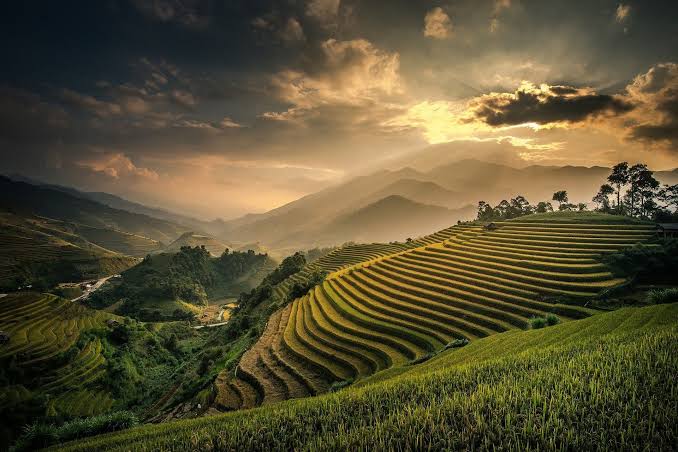
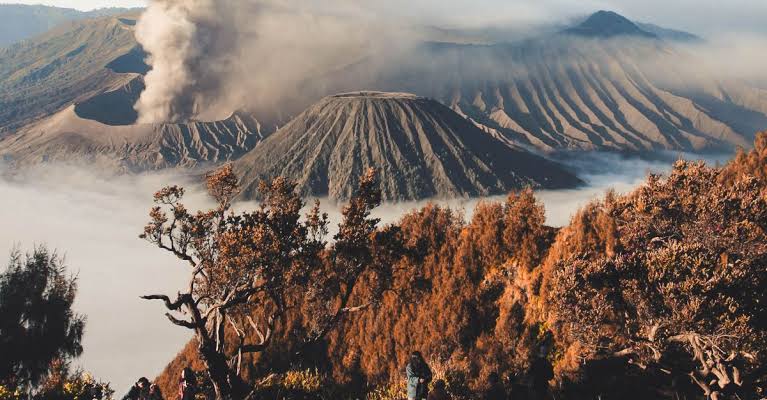
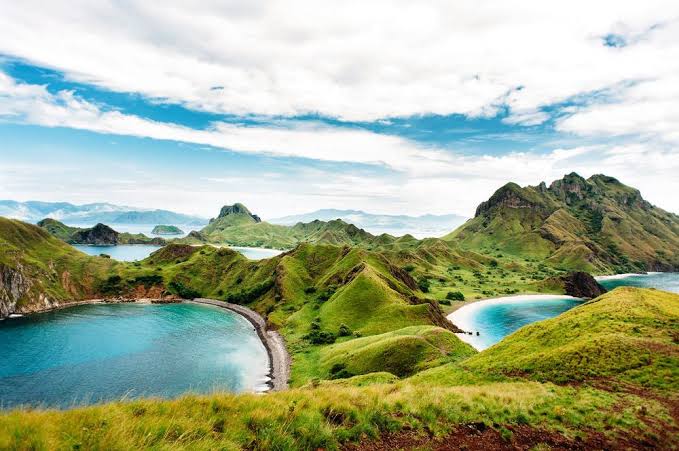
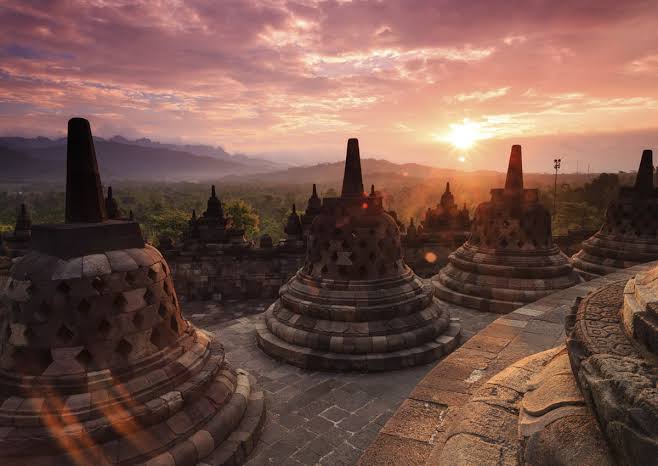
Gili Islands is for the best nightlife,Raja Ampat Islands for explore rare species of corals,Maluk Beach for witness the changing colors of sun rays,Kelimutu Lake for dramatic volcanic peaks,Lake Toba for largest caldera,Bunaken Marine Park for exotic range of fish species,Komodo National Park  for giant monitor lizards,Mount Bromo for the active volcano,Mount Rinjani which is the second highest volcano of indonesia,Ijen for mining activities,Dieng Plateau which is an abode of god,Torajaland which relishes the culture,Borobudur Temple which is the world’s biggest buddhist sanctuary,Ubud for hike through rainforests & rice paddy fields,Tanjung Puting National Park for trekking in tropical jungle,Derawan Islands for  relaxing & unwinding,Belitung for dutch colonial architecture,Nusa Dua for white sand beaches,Seminyak is the most happening place,Jakarta which is melting pot of cultures,Lombok is a stunning marine life,North Sulawesi is the best diving sites,Nusa Penida is offbeat yet spectacular,Bali which is cliche yet the best,Yogyakarta is a quaint little pretty place,Bandung is a different kind of calm,Bangka Islands is simply blissful and the Wae Rebo village is for iconic culture.

Indonesia city

LET’S TALK ABOUT 10 BEST PLACES IN INDONESIA-

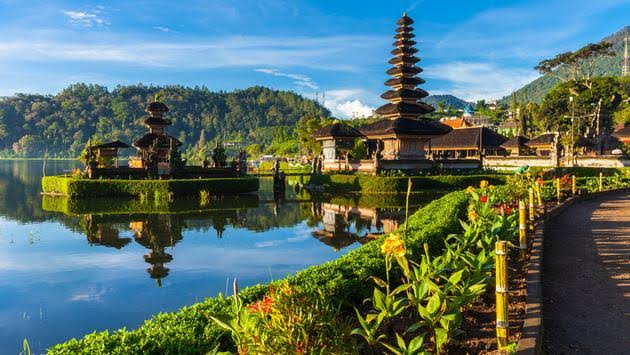
  • Bali- Bali is the most desirable place in Indonesia. We can say it is a dream destination.  Bali is a fair of beautiful beaches, volcanic hills, lush rice paddies, and thousands upon thousands of Indonesian temples.It has the nickname “Island of God”.
Bali
  • Yogyakarta- It is located on the Island of Java. Yogyakarta is regarded as an important centre for classical Javanese fine arts and culture such as ballet, batik textiles, drama, literature, music, poetry, silversmithing, visual arts, and wayang puppetry.
Yogyakarta
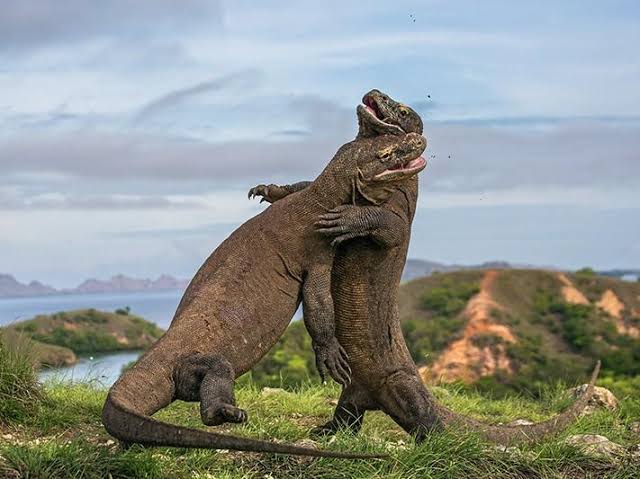
  • Komodo National Park-  It is a national park which is located within the Lesser Sunda Islands in the border region between the provinces of East Nusa Tenggara and West Nusa Tenggara. It is founded to protect the world’s largest lizard. Now it protects other species, including marine species. In 1991 UNESCO declared it a World Heritage Site.
Komodo National Park
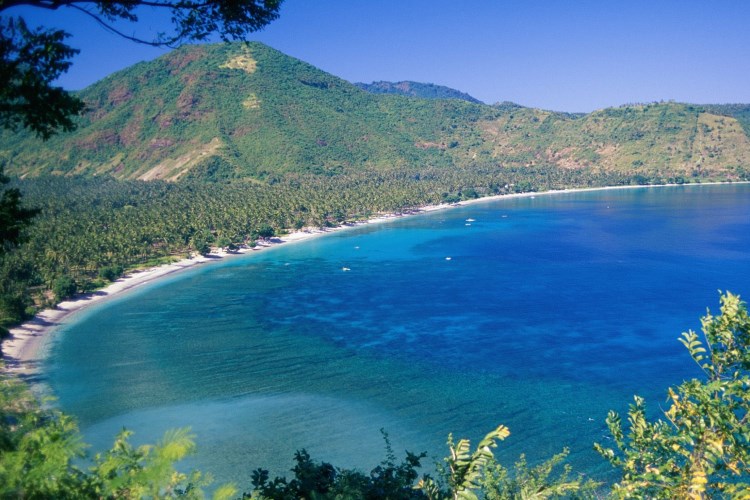
  • Lombok- It is an Island which is located in West Nusa Tenggara province.Lombok is surrounded by a number of smaller islands locally called Gili. Other interesting things are surfing hotspots, uncrowded beaches, and magical waterfalls tucked within steamy jungles, of which Tiu Kelep Waterfall tops the list without question.There’s also a fantastic nightlife scene.
  • Bromo Tengger Semeru National Park-  Bromo Tengger Semeru National Park, known locally as Taman Nasional Bromo Tengger Semeru (TNBTS) is a national park located in East Java. It is an ethereal yet barren wonderland of volcanic calderas seemingly continuously surrounded by smoke and clouds.
Bromo Tengger Semeru National Park
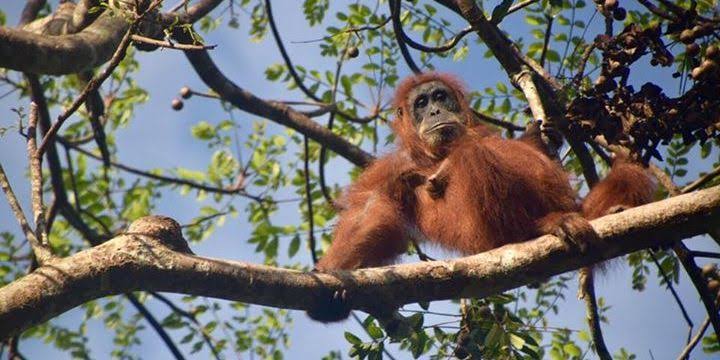
  • Bukit Lawang- It is a small tourist village on the bank of Bahorok River in North Sumatra province.Bukit Lawang is known for the largest animal sanctuary of Sumatran orangutan and also the main access point to the Gunung Leuser National Park from the east side.
Bukit Lawang
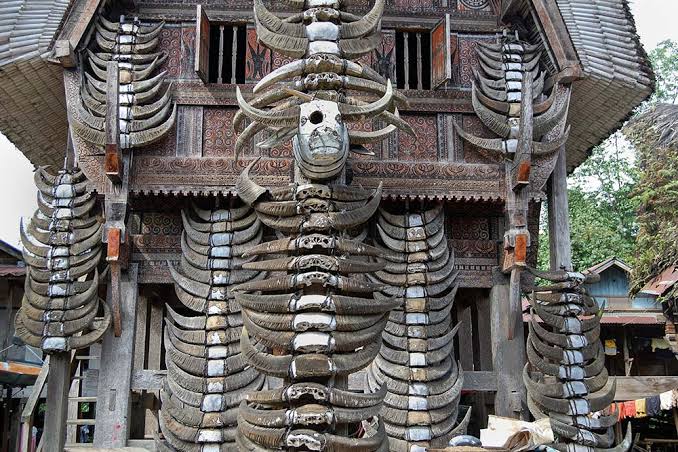
  • Torajaland- Nickname is ‘the Land of the Heavenly Kings,’it is famous for their massive peaked-roof houses known as tongkonan and spectacular but gruesome funeral rites. After a person’s death, the body is often kept for several years until the actual funeral ceremony. The deceased is then finally buried in a small cave or in a hollow tree. The biggest funerals are usually held in the dry-season months of July and August, but there are funerals year-round.
Torajaland
  • Flores Island- it is one of the Lesser Sunda Islands,The lakes are truly a sight to behold in every color you can think of – from browns and greens to aqua blue; colors caused by the minerals reacting to the gas of the region’s volcanoes. The Kelimutu three-colored lake is a must-see from the top of the volcano at sunrise.
Flores Island
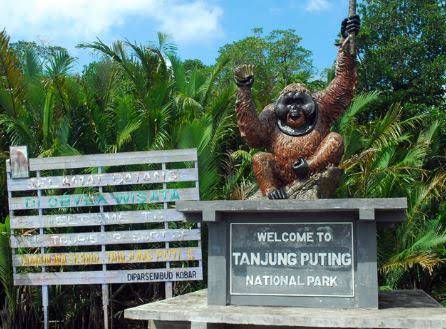
  • Tanjung Puting National Park- Located in the jungles of Borneo.The third-largest island in the world that’s part of Indonesia.
Tanjung Puting National Park
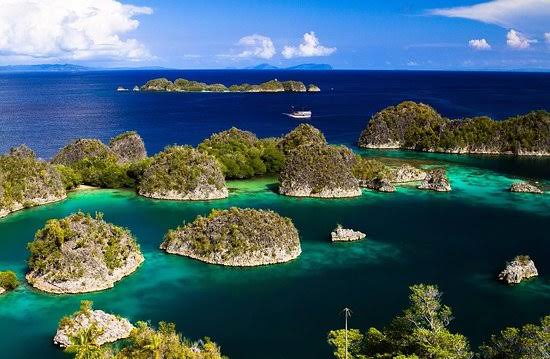
  • Raja Ampat Islands- Raja Ampat is one of the most sensational diving destinations in Indonesia. Raja Ampat, which means ‘Four Kings’. It consists of four major jungles.Clad islands surrounded by turquoise lagoons and pearly,white palm,fringed beaches like Waigeo,Salawati, Misool, and Batanta and along with thousands of smaller islands.
Raja Ampat Islands

JOURNEY TO SANITY -JOURNALING

A sudden change in the external environment surrounding a person might affect ones physical, mental and emotional health. As we all have been facing an unusual situation for past one year, the importance of sanity and peace has increased. It might not possibly change the outer environment but it can certainly change the way a person sees the situation and help them fight the hardships of life.
There is no thumb-rule to living a perfect life. However, there are certain qualities we can attain that might help us make our lives nearly perfect. JOURNALING AND WRITING ONE’S EMOTIONS OUT, is something we have heard since ages. How children make a personal diary and write their emotions out where they feel the need to be heard.
I know it sounds boring to a lot of people but Journaling and letting ones feeling out can reduce a lot of burden from one’s chest (Yes, children can be smarter than adults). In life, we have a lot of things that generally cannot be shared with others and we tend to keep those emotions inside us, hoping that they won’t bother us anymore. But little do people know how suppressed emotions can harm a person’s mind and even manifest itself in form of physical illness.

Looking at our own life from an outside perspective.

So, the first issue with Journaling might be accepting one’s emotions which we have denied for a long-time. I know, that accepting might not change the situation but might help in making peace with it. If not so, then a little writing might not affect a person as it might give you a clearer picture of the issue and maybe possible outcomes or ways to make things better for it.

Probably we have started considering writing our issues out but what about others getting an insight into our hidden lives by reading the journal. For such cases, thanks to technology we have free apps for IOS and Android that keeps a person’s account confidential and provides app locks for security purpose. Since we have checked out two major issues from our list, I guess we might start to consider Journaling.

Additionally, it is win – win situation as there’s no loss. However, there might be some gain in terms of gaining more understanding, compassion and peace.

Do not forget to read more from the series 🙂

JOURNEY TO SANITY – ACCEPTANCE

JOURNEY TO SANITY – MINDFULNESS

JOURNEY TO SANITY – SELF CARE

JOURNEY TO SANITY – DOUBLE STANDARDS

JOURNEY TO SANITY – SUNSHINE 🌤️

Aamir khan announced divorce from Kiran Rao after 15 years of marriage

Bollywood Actor Aamir Khan and filmmaker Kiran Rao have announced their divorce after 15 years of marriage in a joint statement. The couple said that they will co-parent their son, Azad Rao Khan, as well as continue with their professional partnership on Paani Foundation and ‘other projects that they feel passionate about’. The couple also thanked their families for constant support in understanding their relationship.

reaction of people around the world

Few are trying to shape this divorce in a controversial manner by linking it with relegion. While there are few who support his decision .

The offical joint statement given by the couple”

about the Marriage

Aamir Khan married Kiran Rao, who had been an assistant director to Gowariker on the set of Lagaan .On 28 December 2005 they got married. They announced the birth of their son, Azad Rao Khan,on 5 December 2011, through a surrogate mother. Aamir has married twice and his first wife was Reena Dutta, who had a small part in Qayamat Se Qayamat Tak, on 18 April 1986. They have two children: a son named Junaid and a daughter, Ira. Dutta was involved briefly in Khan’s career when she worked as a producer for Lagaan. In December 2002, Khan filed for divorce and Dutta took custody of both children.

Famous movies & upcoming projects

Aamir khan have his own production house ,which has produced brilliant piece of cinema. The first film of ‘Aamir khan production was laagan (2001), which was nominated for the Academy Award for Best Foreign Language Film, and earned him a National Film Award for Best Popular Film .After a four-year absence from the screen, Khan returned to appear in leading roles, notably in Fanaa and Rang De Basanti. He made his directorial debut with Taare Zameen Par (2007), which won him the Filmfare Awards for Best Film and Best Director. Khan’s greatest global success came with Ghajini ,3 Idiots, Dhoom 3 ,PK and Dangal, each having held the record for being the highest-grossing Indian film. He created and hosted the television talk show Satyamev Jayate, through which he highlights sensitive social issues in India, occasionally influencing the Indian parliament. His upcoming projects includes lal Singh chadda , which is An adaptation of the 1994 American film Forrest Gump .

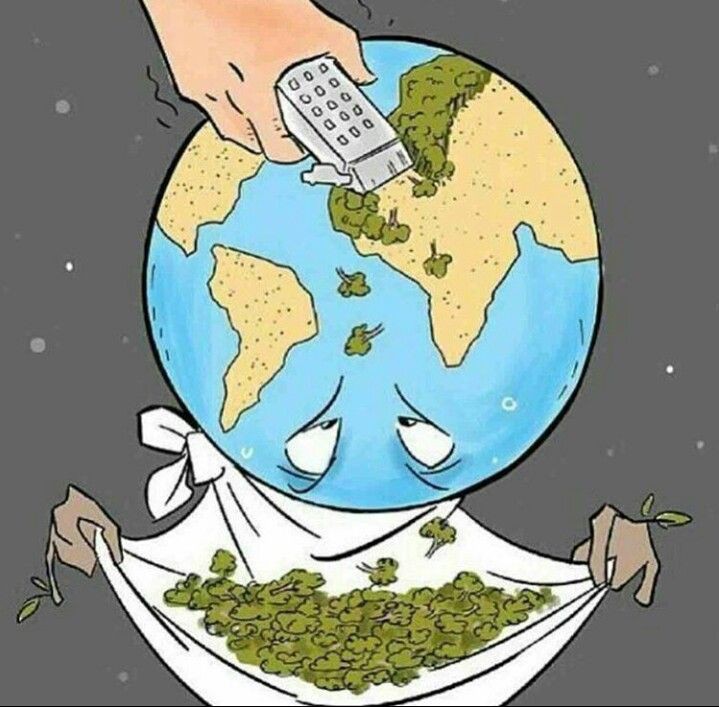
Climate change : In India and World today .

Let’s double down on solar energy, let’s be more energy-efficient, let’s weatherize our homes. We can build a better, healthier economy based on good-paying, clean energy jobs.”

Ian Somerhalder, Actor

Being one of the second largest country , climate change in India is having profound effect on India and all over the world . India is ranked fourth among the list of countries most affected by climate change in the period from 1996 to 2015 .

With 7% of global emissions , India emits about 3 gigatonnes (Gt) CO2eq of greenhouse gases each year; about two and a half tons per person, which is half the world average.

Due to the rise in temperature , the Tibetan plateau are causing problem to Himalayan glaciers . It directly effect in increasing the flow rate of the Ganges , Brahmaputra, Yamuna and other major rivers.

The Indira Gandhi Institute of Development Research has reported that, if the prediction of the Intergovernmental Panel on Climate Change is correct about Global warming than it may cause fall of GDP upto 9%.

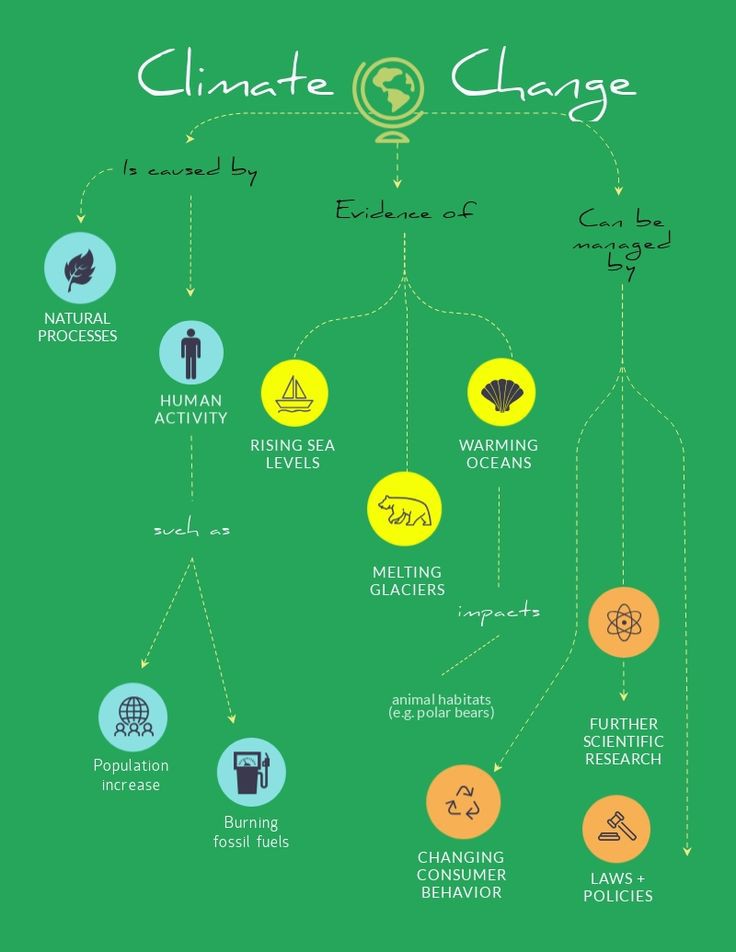
In all over the world , climate change is drastically affecting the change in temperature of the globe 🌎 . Climate change includes both global warming driven by human-induced emissions of greenhouse gases and the resulting large-scale shifts in weather patterns.

Causes :

Human envision and green house gasses are two important causes in the climate change. Greenhouse gases affect Earth’s energy balance and climate .Human activities have added greenhouse gases to the atmosphere. Human activities are changing the climate.

Other causes :

  • Power Plants.
  • Farming .
  • Deforestation.
  • Fertilizers.
  • Oil drilling.
  • Natural gas drilling.
  • Permafrost.
  • Garbage .
  • Volcanic eruption.
  • Pollution.

Campaigns

There are many campaigns that are going on . One of them is The ActNow campaign . It was launched at the UN Climate Change Conference (COP 24) in December 2018, with a call from Sir David Attenborough in conjunction with the award-winning “People’s Seat” initiative.

It signifies individual action on climate change and sustainability. By changing our habits and making choices that have less harmful effects on the environment, we can tackle the climate emergency and build a more sustainable world.

It is also working with other campaigns like The Good life goals , Anatomy of action , 170 actions to combat climate change , lazy person guide to saving the world , connect4climate , climate neutral now , trash hack , stop the waste , Think. Eat. Save. , Clean seas , breathe life , glowing glowing gone . Their may be others as well .


Prevention :

Becoming more energy efficient is a great way to prevent pollution. It causes the power plants to expend less energy that can lead to the production of greenhouse gases. … Replace your light bulbs with energy-efficient light bulbs that help you save electricity too.

  • Speak up!
  • Power your home with renewable energy.
  • Weatherize, weatherize, weatherize.
  • Invest in energy-efficient appliances.
  • Reduce water waste.
  • Actually eat the food you buy—and make less of it meat.
  • Buy better bulbs.
  • Pull the plug(s).

Conclusion

In the times , where the world is changing and taking measurements for saving the globe . Many Environmentalist , Actors , Politicians , Countries are taking precautions and actions on the climate change . It is our duty to prevent our world from falling . Take Initiative To Save The World .

Climate change is real. It is happening right now, it is the most urgent threat facing our entire species and we need to work collectively together and stop procrastinating.

Leonardo Di Caprio, Actor & Environmentalist

Link

Fans demanding Padma Shri for shushant singh rajput

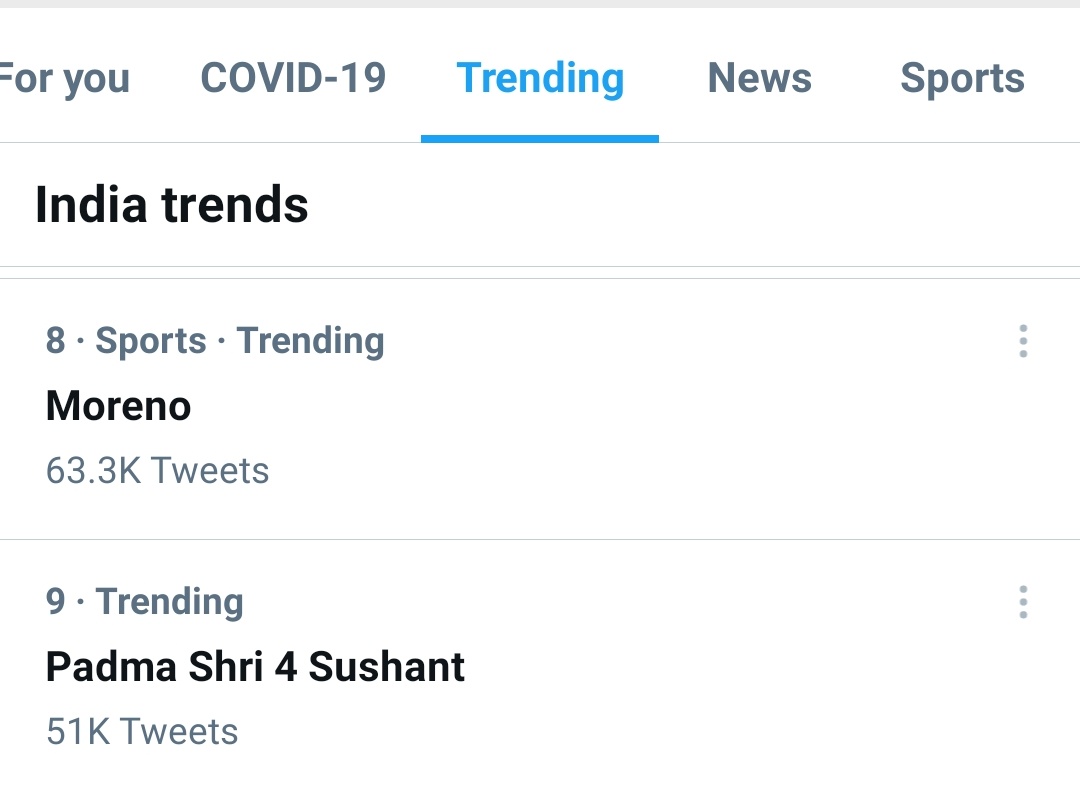
It’s been more than a year since we lost one of the most talented and humble actor of bollywood, Sushant Singh Rajput. He starred in a number of commercially successful Bollywood films such as m.s Dhoni : The untold story (2016) , kedarnath (2018) and  chhichhore (2019). Because of his pure acting & submissive behaviour may people still can’t believe the he is no more around us. Though it’s very unfortunate that his death mystery still remain unsolved and questionable but his fans & netizen never let his presence settle down. This time shushant’s name has been over the news because of recent trend over the tweet. We already know that #justiceforshushantsinghrajput & #ssrArmy has been on twitter for very long. According to recent trending tweet the fans of shushant are demanding Padma Shri for shushant. According to Twitter “Padma shri 4 shushant ” is in top ten tweets in india , with tweets more than 50k.

The acting of shushant entangled his fans in sush a way that no one is satisfied with the end he got. Twitterati & his fans feels that he deserves an honorary award from central government for his contribution to films& cinema.
Apart from acting shushant was interested in astrophysics and space. In an interview he said that coding is something which everyone needs to know because he believed that coding is the future and predicted that in a few years, coding will be made mandatory in the school curriculum.

Unknown Facts about shushant singh rajput

  • Sushant was an ambidextrous person who could write with both hands.
  • Sushant was supposed to play an astronaut in the space movie Chanda Mama Door Ke. He had even visited NASA to train himself for the role. Unfortunately, the film was cancelled.
  • Sushant was a National level Olympiad winner in Physics. He had cleared as many as 11 engineering entrance exams. After completing 3 years in Delhi School of Engineering, he dropped out to chase his dream of becoming an actor. He also stood at 7th Rank AIEEE in 2003.
  • Many think Sushant’s television debut was the popular daily soap, Pavitra Rishta. However, that’s not true. Many still don’t know that the actor started his acting career with the role of Preet Juneja in the serial ‘Kis Desh Mein Hai Dil Mera’.
  • Sushant Singh Rajput, received Scholarship Offer to join Stanford University, California

**👆👆 check out this video of shushant singh rajput at iit Bombay

For more news related to bollywood vist 👇👇

https://indianexpress.com/about/sushant-singh-rajput/

https://youtube.com/c/BollywoodHungama

ROADS IN INDIA

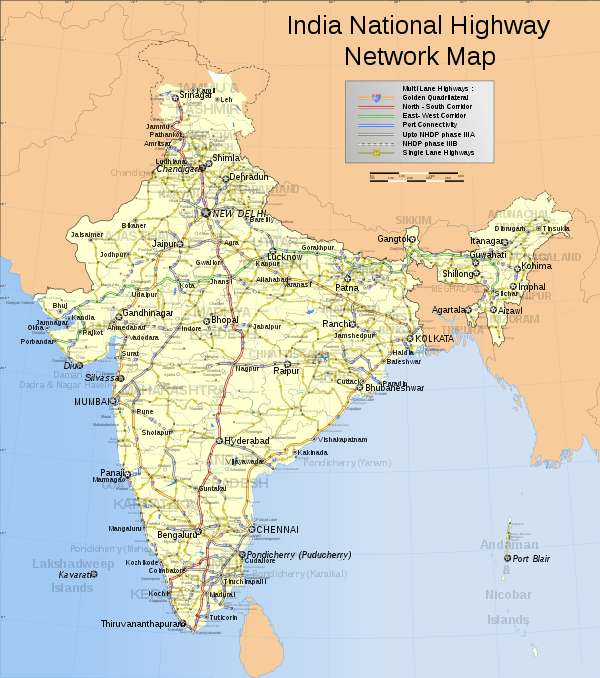
India has one of the largest road networks in the world, aggregating to about 54.7 lakh km. The growing importance of road transport over rail transport is mentioned below:

  1. The construction cost of roads is much lower than that of railway lines.
  2. Roads can cover more geographically harder locations that cannot be done by the railways.
  3. Roads can negotiate higher gradients of slopes and can be easily built-in traverse mountains such as the Himalayas.
  4. Road transport is economical.
  5. It also provides door-to-door service
  6. Road transport provides links between railway stations, air and seaports.

In India, roads are classified in the following six classes according to their capacity.

Golden Quadrilateral Super Highways

Golden Quadrilateral is a network of Highways connecting India’s four top metropolitan cities, namely Delhi, Kolkata, Chennai, Mumbai. These highway projects are being implemented by the National Highway Authority of India (NHAI).

National Highways

The National highways are a network of trunk roads that are laid and maintained by the Central Public Works Department (CPWD). The historical Sher-Shah Suri Marg is called National Highway No.1, between Delhi and Amritsar.

State Highways

Roads linking a state capital with different district headquarters are known as State Highways. These roads are constructed and maintained by the State Public Works Department (PWD).

District Roads

These roads connect the district headquarters with other places of the district. These roads are maintained by the Zila Parishad.

Other Roads

Rural roads, which link rural areas and villages with towns, are classified under this category. These roads received special impetus under the Pradhan Mantri Grameen Sadak Yojana.

Border Roads

Border Roads Organisation constructs and maintains roads in the bordering areas of the country. This organisation was established in 1960 for the development of the roads of strategic importance in the northern and north-eastern border areas.

Roads can also be classified on the basis of the type of material used for their construction such as:

  • Metalled roads may be made of cement, concrete or even bitumen of coal. These are all-weather roads.
  • Unmetalled roads go out of use in the rainy season.

THE ANDAMAN AND NICOBAR ISLANDS – FAIR OF NATURE AND VIEWS 

Andaman and Nicobar Island is a union territory of India which consists of 572 islands and 38 of them are inhabited. It is at the junction of the Bay of Bengal and the Andaman Sea. Port Blair is the capital and largest city.

The territory is about three districts- the Nicobar District and its capital is Car Nicobar as its capital, the South Andaman district with Port Blair as its capital and the North and Middle Andaman district with Mayabunder as its capital.There are the Sentinelese, also known as the Sentinel, who are uncontacted tribe. 

NOW LET’S TAKE A TOUR OF THIS ISLAND BY MY ARTICLE-

The Sentinel

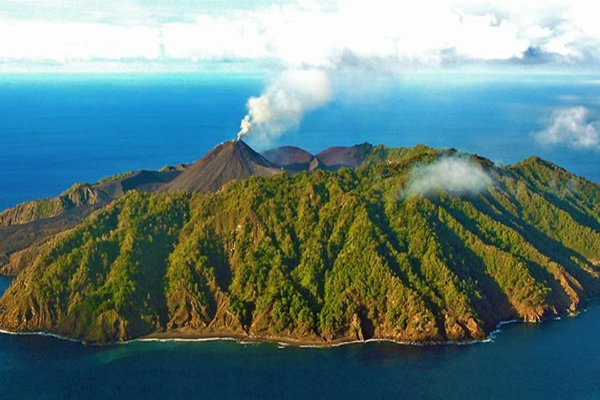
It is the place where India’s only one active volcano , Barren Island, is located, which had  last erupted in 2017. There is also a mud volcano situated in Baratang Island . In December 2018, Prime Minister Narendra Modi, renamed three of the islands as a tribute to Subhas Chandra Bose, Ross Island was renamed as Netaji Subhash Chandra Bose Islan, Neil Island as Shaheed Island, and Havelock Island as Swaraj Island.

THE TOURIST SPOTS –

There are many places to visit like – 

Andaman Nicobar Island

Havelock Island, Neil island, North Bay Island, Baratang Island, Viper Island, Ross and Smith Island, Cinque Island, Rutland Island, Mount Harriet National Park,Chidiya,Tapu,Rangat,Mayabunder,Diglipur,Aamkunj Beach,Dhaninallah Mangrove Nature Walkway/Walk,Panchavati Waterfalls,Cuthbert Beach,Cuthbert Bay Wildlife Sanctuary,Long island,Guitar Island,Merk Bay Beach,North Passage Island,Button islands,Lalaji Beach,Elephant Beach,Kalapathar,Jolly Buoy Island,Corbyn’s Cove Beach,Lamiya Bay Beach, Diglipur,Kalipur Beach,Ramnagar Beach, Neil Island,Ramnagar Beach, Diglipur,Pathi Level Beach,Alfred Caves,Little Andaman,Butler Bay Beach,Netaji Nagar Beach,Waterfalls at Little Andaman,White Surf and Whisper Wave,Little Andaman, Oil Palm Plantation,Stewart Island Beach,Rajiv Gandhi Water Sports Complex,Chatham Saw Mill,Anthropological Museum,Katchal Island,Karmatang Beach,Interview Island,Avis Island,Vijaynagar Beach,Limestone Caves of Baratang Island,Mud Volcanoes of Diglipur,The Parrot Island,Barren Island.

MOST VISITED PLACES- 

Port Blair
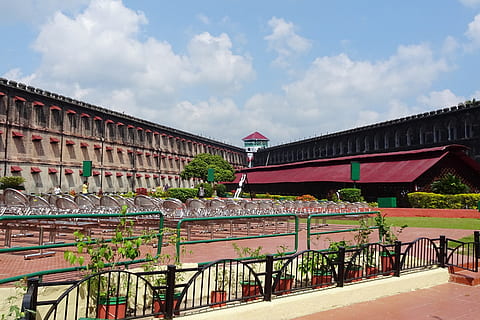
  • Port Blair- Port Blair serves as the entry point for visiting the Andaman and Nicobar Islands.The Cellular jail here is perhaps one of the most infamous remnants of India’s struggle for independence.
Havelock Island
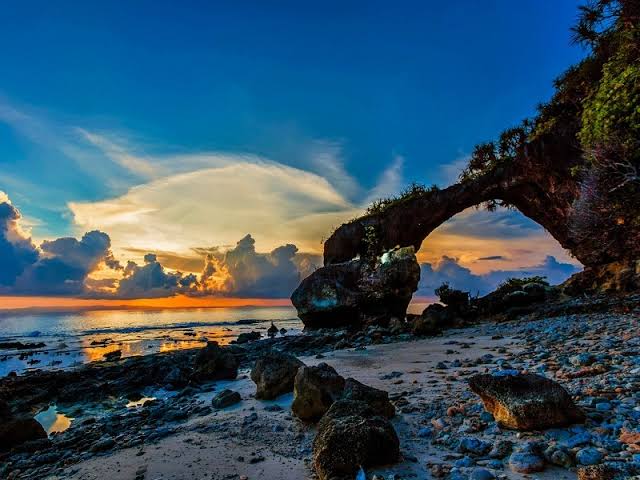
  • Havelock Island-Havelock Island, officially Swaraj Island, is one of the largest islands.The island belongs to the Ritchie’s Archipelago and is located between Peel Island and Neill Island.
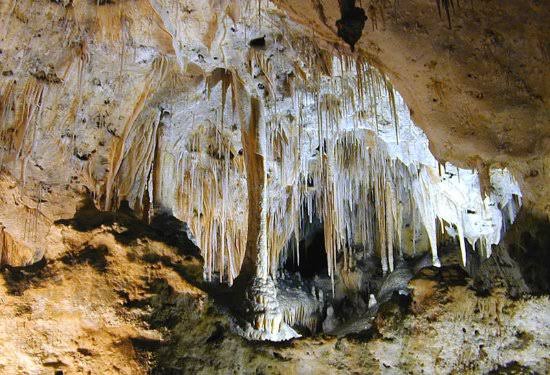
  • Baratang Island- It belongs to the North and Middle Andaman administrative district,The boat ride is covered with a canopy of the forest which is also a home to the indigenous ‘Jarawa’ tribe.The Limestone caves here will immediately gather your attention as the erosion have formed some unique shapes.
Batarang Island
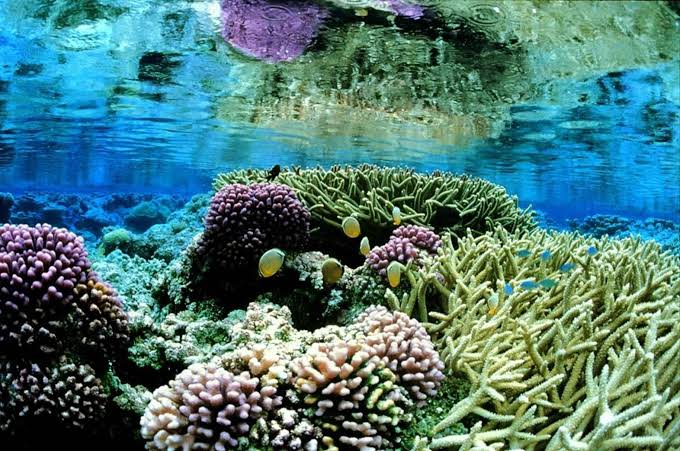
  • Neil Island- Neil Island is also known as the vegetable bowl of Andaman Islands.Because of the beauty of the reefs located here, Neil islands are often termed as the coral capital of Andaman.
Neil Island
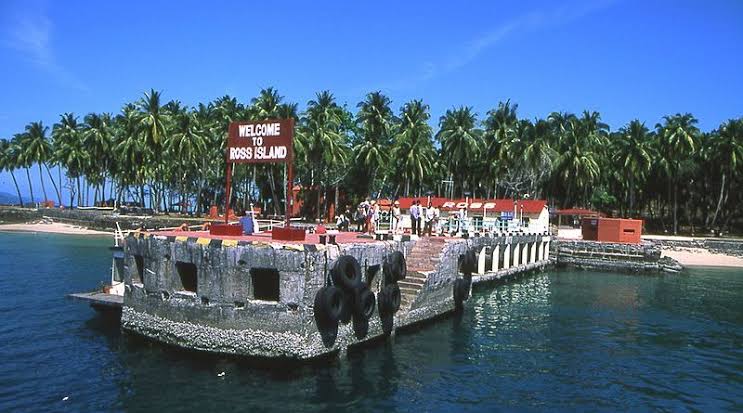
  • Ross Island- Netaji Subhas Chandra Bose Island, formerly known as Ross Island.Ross islands are famous for the ruins of Penal colony that precedes the cellular jail or the Kala pani.
Ross Island
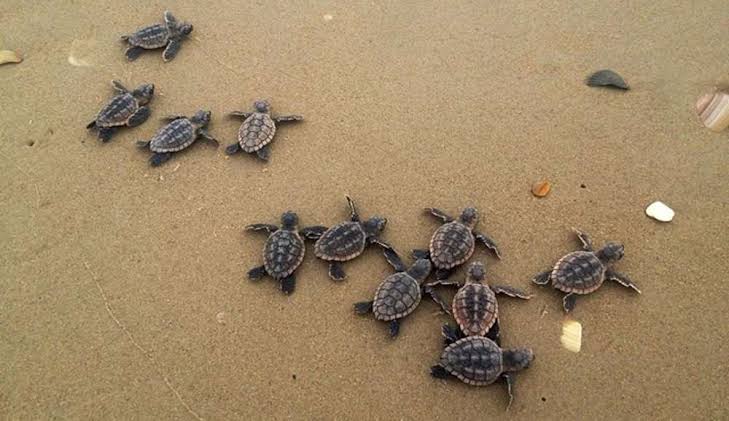
  • Rangat- It is  a town which is located on the Middle Andaman Island,The scenic beauty of Rangat is perfect for flora and fauna lovers.famous for Cuthbert Bay Beach, which is the breeding ground for turtles. These include olive ridley turtles, green sea turtles, hawksbill and leatherback turtles.
Rangat
  • The Great Nicobar Island- Great Nicobar is the southernmost and largest of the Nicobar Islands of India. It is famous for its ecological hotspot, wildlife, and nature. Main attractions are Great Nicobar Biosphere Reserve, Indira Point.
The Great Nicobar

Now it is your turn which place will be your favorite !!!