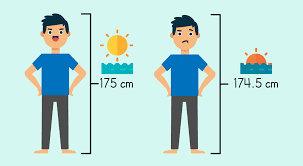
Measure yourself in the morning, then again at night. You’re going to be taller in the morning because of how the cartilage in your bones compresses during the day.
2.Your heart beats about 100,000 times a day
Depending on your beats per minute, your heart beats about 100,000 times a day. That implies it sends 2,000 gallons of blood through the body.
3.Your highest blood flow is in your kidneys
The most noteworthy blood stream isn’t in your heart, liver, or cerebrum, it’s in your kidneys. That’s because kidneys are the body’s normal filtration framework.
4.Lungs which are pink in color are healthy
Healthy lungs look pink and rubbery outwardly. The more you smoke however, the more falter and dark they become.
5.Dreaming in black and white
12% of people dream in black and white. What’s stranger is that people used to rest and dream in high contrast significantly more before color television (~15%). The normal individual actually dreams in color, yet it’s intriguing to perceive how the human cerebrum is defenseless to media.
6.Your blood vessels could circle the globe
However people have little veins, the systems administration is incredibly long. In case they were spread out they would quantify in excess of 60,000 miles.
7.The normal human grown-up has 2000-4000 taste buds
They aren’t just situated on the tongue. These minuscule receptors that enable us to taste are additionally situated toward the rear of your throat, your nose, and your throat. Truth be told, your nose doesn’t simply smell, it can taste as well! The feeling of smell is a vital part of tasting.
8.Your body has more than 600 muscles
Your strongest muscle is located in your jaw known as the masseter muscle. The stapedius muscle, located in the middle of your ear, is your weakest muscle.
9.Your skin has 1000 unique types of microorganisms on it
Your skin is imperative in assurance of the body against microscopic organisms, which is the reason the external layer of your skin persistently reestablishes itself. The whole course of skin cell recharging requires around 28 days.
10.You’re presumably more like your father
Specialists showed that in the scales between the female egg and male sperm that your qualities will in general support your father, particularly over numerous ages. This phenomena is known as “gene expression”.
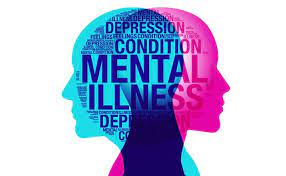
Health is important for development of the country. Heath is defined as “ a state of physical, mental, social and spiritual well-being and not merely the absence of disease or infirmity”. However, a few group neglect to make reference to “mental heath” while discussing wellbeing.
Mental health has impact on:
1.Educational out come
2.Productivity at work
3.Development of Positive individual connections
4.Crime rate
5.Alcohol and illicit drug use
Mental problems additionally influence people wellbeing conduct like eating reasonably, customary exercise, sufficient rest, participating in safe sexual practices, liquor and tobacco use, holding fast to clinical treatments accordingly expanding the danger of actual sickness. Mental infirmity additionally prompts social issues like joblessness, broken families, neediness, illicit drug use and related wrongdoing.
Poor mental heath assumes a huge part in reduced insusceptible working. Restoratively sick patients with sorrow have more terrible result than those without. Constant sicknesses like diabetes, malignant growth, coronary illness builds the danger of discouragement
WHAT CAUSE MENTAL ILLNESS ?
Biological factors 1.Neuro transmitters 2.Genetics 3.Infections 4.Brain defects or injury
Many individuals will in general cover up in case they are confronting any psychological problem/ mental issue in light of the fact that our general public acts diverse with individuals who has any psychological issue. They simply consider that individual as a distraught individual who has a feeble mind which isn’t accurate.
Everybody can confront mental issues in their day to day existence. Anybody can be stressed in their life. It doesn’t imply that their mind isn’t sufficient or strong enough. They simply need some time, perhaps someone’s solid counsel, someone’s assistance.
Body positivity has been around for years now, and it deals with challenging society’s view on the “ideal body type.” It refers to the assertion that all people deserve to have a positive body image, regardless of other’s opinions.
Body Neutrality is, however, a relatively newer term coined somewhere in 2015 by bloggers, celebrities, etc., to disconnect the relationship between physical appearance and self-worth.
It is a philosophy that one should focus on what their body can do for them rather than what it looks like.
“The body positivity movement urges people to love their bodies no matter what they look like, whereas body neutrality focuses on what your body can do for you rather than what it actually looks like,” said Chelsea Kronengold, the associate director of communications at the National Eating Disorders Association.
While people that practice body positivity might say, “I love my legs, cellulite and all; they are beautiful.”
A person practicing body neutrality might say, “I love my legs because they help me run.”
Body neutrality is difficult to navigate when we have been taught that physical beauty can create happiness. But suppose a person recognizes a more petite physique or nose job won’t instantly make them happier. In that case, they can find body peace both before and after they change their body.
“When people become overly invested in changing their bodies to change their experiences of the world, it becomes a really dangerous sort of thing that perpetuates itself,” Wassenaar said. “Because oftentimes I find that you can’t ever change your body enough to make yourself happy.”
Dr. Wassenaar has also talked about how diet and fitness plans that require restriction or pushing our body past its boundaries are not body neutral. Those plans force a person to hold the diet or fitness plan’s specific rules above their body’s natural hunger or physical activity cues.
Body neutrality helps one recognize and prioritize how they feel in their body. This might mean moving your body because it feels good, and you enjoy the movement, and not to “burn off” the food you’ve eaten. It also means you listen to your body to know when to stop or take a day off.
Body Neutrality doesn’t encourage indulging in unhealthy choices; instead, it means that meals usually feature fresh, whole foods, but you also eat intuitively. That one does not have to resist the urge or suppress their cravings or “make up’ for a heavy meal by limiting yourself to salad the next day.
Body neutrality is a relatively new idea for many people. It is the discipline of embracing your body in its current condition for what it can achieve rather than focused on how it appears. As a result, some individuals may be confused why they must try it, or even whether they should.
There are several advantages to practising bodily neutrality, which vary from physical to emotional. One of the positive aspects is that just shifting your attention away from exercise that feels like punishment or for weight reduction goals, and instead engaging in exercise activities you love, can reduce your chances of overworking or injuring your body.
Although body positivity was originally seen to be the best approach to build connections with our bodies, body neutrality, a newer concept, is now thought to be a better method of connecting with our physical selves.
Some of the advantages of implementing body neutrality in your life are:
Become Less Judgmental
It is really tough to avoid criticizing our bodies. We are continually inundated with pictures of “perfect” bodies in the media, and most people—often including those whose own figures are on display and digitally altered—believe that their own bodies fall short of the ideal form. If you try to stop judging your own body against those of someone else or against an aesthetic in your head, it’s logical that you’ll stop judging other people’s looks as severely.
One of the most beneficial aspects of this is that as we become less judgmental about our bodies, it becomes much easier to be less judgmental towards yourself and others generally. Even though it comes to issues other than bodies, practising body neutrality may cause you to be less critical of yourself and others.
Become More Empathetic
When we become less harsh and judgemental of someone else, we start to open ourselves up to their complex and diverse experiences. Instead of passing judgement on others, we may cultivate our sense of empathy.
This might be in pertinent aspects, like not thinking of an obese person as having an unsuitable physique, or in non-related ways, such as attentively listening to a person’s experience or narrative before making judgements on them, or deciding what your impression of them is solely based on their looks.
Cultivating more empathy allows you to connect with others more effectively and profoundly. It helps us to be more open since we have a better understanding of how sensitive everyone else is. And it causes us to behave from a gentler interior place, rather than a competitive attitude.
It Lowers Stress Levels
There is little doubt that chronic stress may have a significant detrimental impact on our lives. Prolonged stress is defined as feeling anxious about your body on a regular basis. Since your body is constantly with you, an emotional issue centred on your body has no end point on its own. Individuals might battle for years, if not their whole lives, with how they appear.
Once you choose to embrace your body for what it is capable of doing and stop concentrating about how it should be changed, your levels of stress are likely to decrease. This makes it simpler to feel content and at ease. Furthermore, when you are under reduced stress, your body produces less cortisol (the body’s major stress hormone), which results in good consequences such as increased energy, good sleep, and improved digestion.
It Enhances Your Intuition
One important aspect of body neutrality is eating what your body desires. To be able to do so, you must first connect with your body on a personal level. Many individuals are accustomed to selecting foods based on what they are taught by nutritional specialists, or even celebrities, as the “correct” items to eat, so eating intuitively might feel like a significant life shift.
Once you have learnt how to connect with your intuition in respect to your health and food, you unlock the way to hearing and listening to your instincts in general. It can be beneficial to your mental health since it can make you feel much more secure in your decision-making abilities.
It Improves Your Mood
If you spend any of your time worrying about your physique, chances are you’re not in the greatest of moods. And then from there, it may well be difficult to immediately put oneself in a great mood, even when everything else in your environment is technically fine.
Less judgement, reduced stress, and improved intuition as a result of bodily neutrality are all excellent mood enhancers. Body neutrality practise may lead to all of these benefits, and as a result, you may find yourself in a positive mindset more frequently than you’ve ever anticipated.
Body neutrality is not a one-time event. It may be a long process, just like any other personal journey. However, the advantages might be enormous. From reduced stress to increased happiness, the mental wellbeing advantages of body neutrality are compelling enough to warrant a try.
Positive psychology is one of the newest branches of psychology to emerge. This particular area of psychology focuses on how to help human beings prosper and lead healthy, happy lives. While many other branches of psychology tend to focus on dysfunction and abnormal behaviour, positive psychology is centered on helping people become happier. Positive psychology is designed to “complement and extend the problem-focused psychology that has been dominant for decades,” explained the late Christopher Peterson, author of “A Primer in Positive Psychology” and professor at the University of Michigan, in a 2008 article published in Psychology Today. “Positive psychology is…a call for psychological science and practice to be as concerned with strength as with weakness; as interested in building the best things in life as in repairing the worst; and as concerned with making the lives of normal people fulfilling as with healing pathology,” Peterson wrote.
According to leading authorities in the field, Martin Seligman and Mihaly Csikszentmihalyi, positive psychology will help achieve “scientific understanding and effective interventions to build thriving in individuals, families, and communities.” In order to understand the field of positive psychology, it is essential to start by learning more about its major theories, applications, and history.
History of Positive Psychology
“Before World War II, psychology had three distinct missions: curing mental illness, making the lives of all people more productive and fulfilling, and identifying and nurturing high talent,” wrote Seligman and Mihaly Csikszenmihalyi in 2000. Shortly after WWII, the primary focus of psychology shifted to the first priority: treating abnormal behavior and mental illness. In the 1950s, humanist thinkers like Carl Rogers, Erich Formm and Abraham Maslow helped renew interest in the other two areas by developing theories that focused on happiness and the positive aspects of human nature.
General interest in positive psychology has grown tremendously since the concept was introduced. Today, more and more people are searching for information on how they can become more fulfilled and achieve their full potential.
Uses
Positive psychology can have a range of real-world applications in areas including eduction, therapy, self-help, stress management, and workplace issues. Some of the major topics of interest in positive psychology include: Character strengths and virtues, Flow, Gratifications, Gratitude, Happiness, Pleasure, Helplessness, Hope, Mindfulness, Optimism, Positive thinking, Resilience .
Impact of Positive Psychology
Some of the major findings of positive psychology include: Money doesn’t necessarily buy well-being, but spending money on other people can make individuals happier, People are generally happy, Some of the best ways to combat disappointments and setbacks include strong social relationships and character strengths, While happiness is influenced by genetics, people can learn to be happier by developing optimism, gratitude, and altruism, Work can be important to well-being, especially when people are able to engage in work that is purposeful and meaningful.
Potential Pitfalls
Positive psychology is often confused with positive thinking, and misconstrued as self-help tactics rather than research-backed theories. Positive thinking is a way of thinking ourselves into better behavior and greater resilience, rather than behaving our way into a different frame of mind. Positive psychology, on the other hand, is the scientific study of what makes people thrive. It focuses on behaviors that can lead to a more optimized frame of mind as well as on thought patterns that lead to more functional behaviors.
Body positivity is the belief that everyone deserves a good body image, regardless of how society and popular culture define ideal shape, size, or appearance.
The following are some of the goals of the body positivity movement:
1)Questioning society’s perceptions about the body
2)Advocating acceptance of all people’s bodies
3)Assisting people in developing self-esteem and acceptance of their own bodies
4)Confronting unattainable physical standards
Body positivity, on the other hand, is about more than just questioning how society views people based on their physical size and shape. It also acknowledges that race, gender, sexuality, and disability are frequently used to make judgments.
Body positivity also tries to educate people on how popular media themes influence people’s attitudes toward their bodies, including how they feel about food, exercise, clothing, health, identity, and self-care. People may be able to create a healthier and more realistic relationship with their bodies by better comprehending the impact of such forces.
HISTORY OF BODY POSITIVITY
Body positivity has its origins in the late 1960s fat acceptance movement. Fat acceptance aims to put an end to the culture of fat shaming and prejudice against those who are overweight or obese. The National Association to Advance Fat Acceptance was founded in 1969 and is still working to change the way people talk about their weight.
When a psychologist and an individual who had undergone eating disorder treatment launched the website thebodypositive.org in 1996, the phrase “body positive” was coined. The site provides information and instructional materials to help people feel good about their bodies by shifting the focus away from dieting and exercising in unhealthy ways.
In its current form, the body positivity movement emerged around 2012, primarily focusing on opposing unrealistic feminine beauty standards. As the movement gained traction, the emphasis shifted from weight acceptance to the idea that “all bodies are beautiful.”
Despite the fact that body positivity is becoming more mainstream, many individuals are still unsure what it entails. One of the reasons why body positivity is so misunderstood is that there are so many diverse interpretations of what the movement entails.
REASON BEHIND BODY POSITIVITY
One of the main goals of body positivity is to address how body image affects mental health and well-being. People’s feelings about their appearance and even how they assess their self-worth are influenced by their body image. According to research, having a bad body image is linked to an increased risk of mental illnesses such as depression and eating disorders.
A person’s subjective perception of their own body—which may differ from how their body actually appears—is referred to as body image. Body image feelings, emotions, and actions can have a significant impact on your mental health and how you treat yourself.
The creation of one’s body image begins at a young age. Even small infants, however, can experience body dissatisfaction. More than half of girls and nearly a third of boys between the ages of 6 and 8 believed their ideal body weight was smaller than their present weight, according to a research published by Common Sense Media. The findings also found that 25% of children had tried some form of dieting activity.
While the concept of body positivity is meant to make people feel better about themselves, it is not without flaws and criticism.
One issue is the notion that body positivity entails people doing whatever they think they need to do in order to feel good about their appearance. Unfortunately, people are constantly assaulted with messaging implying that smaller, fitter people are happier, healthier, and more attractive.
Body positivity is meant to promote acceptance and love of one’s own body, yet it can be a struggle that adds to the pressure and unrealistic expectations. The idea of body positivity is that you should modify how you feel about yourself, yet it can also be seen as yet another demand.
SELF CARE IN IMPORTANT
Self-care can sometimes be misconstrued as a means of altering or controlling one’s looks, but it should instead focus on activities that make you feel good about the body you have now.
Respect yourself and your body. Consume nutritious foods to keep your mind and body in good shape. You should exercise because it makes you feel strong and energized, not to change or control your physique.
Remove profiles from your social media feeds that make you feel bad about yourself. You’re less likely to feel good about yourself if you’re continually comparing yourself to others.
Follow accounts that pique your curiosity and leave you feeling uplifted. Many Instagram accounts, in example, are solely dedicated to showcasing perfection or an idealized view of the body.
While it may be difficult, improving the portrayal of all body types in popular media may aid in the fight against poor body image.
Hardly, anyone can say these days they love themselves the way they are or they love their bodies. Everyone now wants a flawless body. Every time a woman saw another woman walking on the street back then, she would walk away. But now ever time a woman sees another woman, all they notice is whether she is slim or fat. Realizing a woman has slimmer body, you question your size and beauty because that’s what society thinks is an acceptable size for a woman. This idea of being socially accepted through disregard for overweight bodies is what lead to body shaming, also known as Fat Shaming. This action of humiliating not only one’s appearance but other people’s appearance as well resulted in damaging people’s perception about self-love irrespective of size, shape or color. Sadly, women are not the only victims of body shaming. Men go through this emotional trauma as well.
Over the years, people have been emotionally struggling. They have been too hard on themselves to look perfect. They thought the only way they could be accepted by the society is if they lose weight and maintain unrealistic body standards. To challenge this society’s view on bodies and promotion of acceptance of all body sizes, Body Positivity had emanated.
The history of Body Positivity dates back to 1960’s. It emerged with the Fat Rights Movement. A man from New York was unhappy with the way people treated his wife because she was overweight. He handed out copies of an article he had right about a man who had been going through the same problem. Soon, he gathered people and created an association for fat Americans. It’s focus was to address the culture of people discriminating on the basis of their size and shape. In 2012, Body Positivity had gained . But, this time it was supported by people across the world through social media. The message of this movement now focused on ‘all bodies are beautiful’.
Social media played a pivotal role in increasing the popularity of body positivity. It helped people from various parts of the world to share their stories and be part of this movement. The concept of body positivity was foreign to most of the people. There were people who were severely affected by the constant criticism. Body Positivity Movement gave them a voice they were looking for.
However, body positivity has always been misunderstood by the people. It is limited to not one definition. It can mean accepting yourself they way you are or loving and feeling confident in your body. Though, body positivity strives to change people’s perspective about certain bodies, it focuses on self-acceptance and self-love. Embrace your flaws and love yourself unconditionally.
How do I a start journey of self-love?
Think positively about your body. Do not let anybody tell you are fat. Speak for yourself.
2. Exercise not to be thin but to adopt a healthy lifestyle. It is not about the size, but about your mental and physical health.
3. Be around positive people. The more you are with negative people, the more negative vibes you get. Avoid negative self-talk.
4. Focus on yourself. Think about the things you love and are passionate about.
5. Always love yourself and embrace your true beauty.
Body positivity refers to the assertion that all people deserve to have a positive body image, regardless of how society and popular culture view ideal shape, size, and appearance.
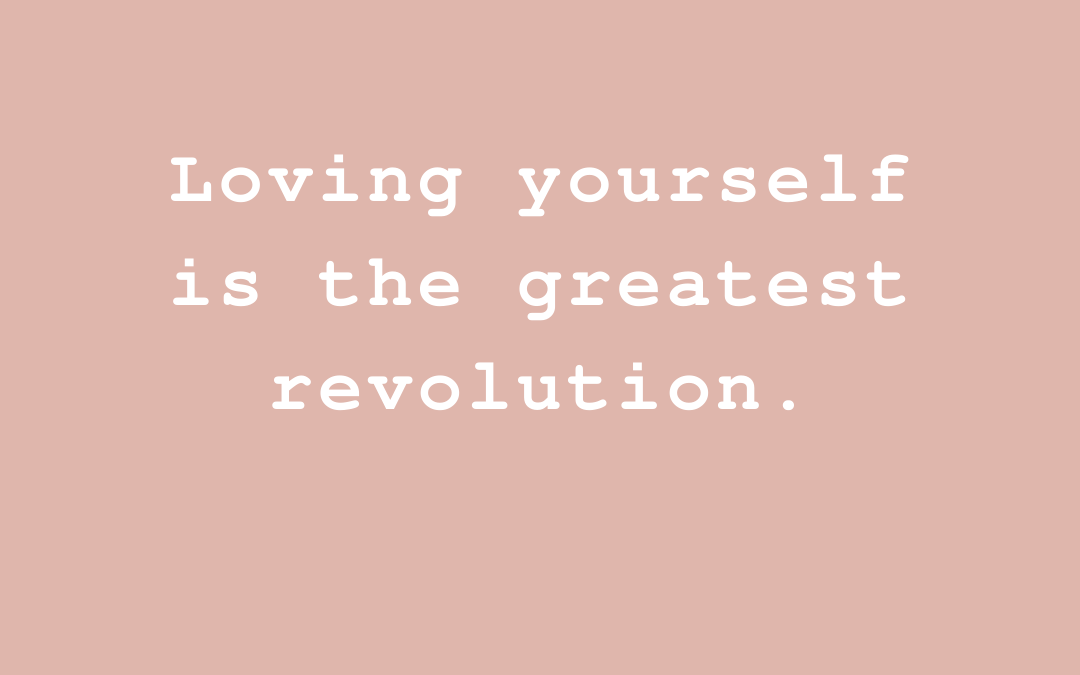
Being body-positive encourages affirming attitudes towards your own body. Loving yourself is the greatest revolution! Many of us struggle with becoming body-positive.
Below are 10 tips for body positivity you should keep in mind when practicing self-care.
1. Post positive affirmations on your mirror:
In front of the mirror is where we experience the most body-hate. Try posting positive notes on your mirrors, such as, “I am enough”, “Love your body”, and “You’re beautiful”.
2. Get rid of your scale:
Weighing yourself can become an obsession. The scale can have power over your happiness and self-worth. The number on the scale does not define your worth, it simply tells you your relationship with the gravity of the earth.
3. If you wouldn’t say it to your friends, don’t say it to yourself:
When you find yourself being critical of your body, ask yourself, “Would I say this to a friend?”, the answer will most likely be “No”. Treat your body like your best friend!
4. Learn to accept a compliment:
By not being able to accept a compliment, you are putting yourself down. Avoid responding to a compliment with “Thank you, but…”. Simply showing your gratitude by responding with just a “Thank you” is enough. You may also respond with returning a compliment, however, be careful not to undervalue yourself while doing this.
5. Donate your clothing that doesn’t fit instead of torturing yourself, and buy clothing you feel great in:
Experts found that we spend approximately 16 mins on a weekday deciding what to wear. Imagine how much longer this time could be trying to pick out clothing that no longer fits. Instead of torturing ourselves with thoughts that we no longer fit into our favorite pair of jeans, donate them! Buy clothes that make you feel great in.
6. Question whether body-hate is helping:
Does shaming your body actually do anything for you? Does it make you feel better? Does it make anything change? No, it doesn’t. Why cause unnecessary stress on yourself? Ask yourself these questions out loud, you will realize body-shaming is just a waste of energy.
7. Don’t compare yourself to others, or your younger self:
“Comparison is the thief of joy” – Theodore Roosevelt
Everybody is different, and our bodies change significantly as we grow older. It is normal and healthy to not look like what we looked like 5 years ago. It is important to be happy and healthy in the bodies we have now. Comparing yourself to others, or even yourself, does nothing for you, so just be(you)tiful!
8. Don’t tell that friend to un-tag you in that picture:
Don’t do it! Learn to accept what you look like in every situation. You do not need to look “perfect” in pictures. Even if you think you don’t look “good” in a certain picture a friend has posted of you, the people who are going to see this picture know you and know what you look like. So what’s the harm in posting a silly picture or a picture you may not completely love except destroying your self-love?
9. Challenge the idea that thin people are happier:
Do you know any thin people who are unhappy? Do you know any larger people who are happy? People can be happy or unhappy at any size. Challenge yourself to think of one thing you are happy about in your life right now, and the next time you compare yourself to others who are thinner, remember that you don’t know what they have been through or are going through.
10. Find a supportive squad to keep you positive:
Surround yourself with people who are supportive and uplifting. If your friends or family body-shame themselves or others, this is your chance to educate them on being body-positive, and maybe not asking, “Does this make me look fat”, when they try on an outfit. Being around supportive people can help you feel more confident.
July 5th,every year is considered the National Bikini Day in India. It is considered so because of the invention of the smallest swim suit by “Louis Réard“, a french automobile engineer and clothing designer. Louis Réard took over his mother’s Lingerie business in 1940 and became a clothing designer.
The idea of Bikini
The idea of a bikini struck Louis Réard’s mind when he noticed women rolling up the edges of their swimsuit to get a better tan. He decided to create a swim suit with their midriff exposed.In 1946, he went on to produce a swim suit of his own and called it a “string bikini” consisting of four triangles.
Marketing strategies
The marketing strategies of bikini’s has been the same with little innovation. Ever since Bikini was introduced in the market, the advertising tactic has been the same, i.e the bikini is put on by a supermodel with a super figure to attract customers. The advertisements create a sense of “want it” in women when they look at the picture of the model wearing a bikini.
Bikini advertisements and their effects
Many women have and still feel insecure about their body and shape when in the beach wearing a bikini. The advertisements have created the impression of a so called “perfect body”, which many women desire to have. The idea of “perfect body” has created a sense of hate in women against their own bodies. Many women get attracted seeing the advertisements, but get disappointed when looking at the mirror whilst wearing the same bikini in the advertisement. There is a need to spread awareness about body positivity in the society, this will definitely lacerate the idea of a “perfect body” and incorporate women with confidence on their own bodies.
Reforms in the advertisement industry
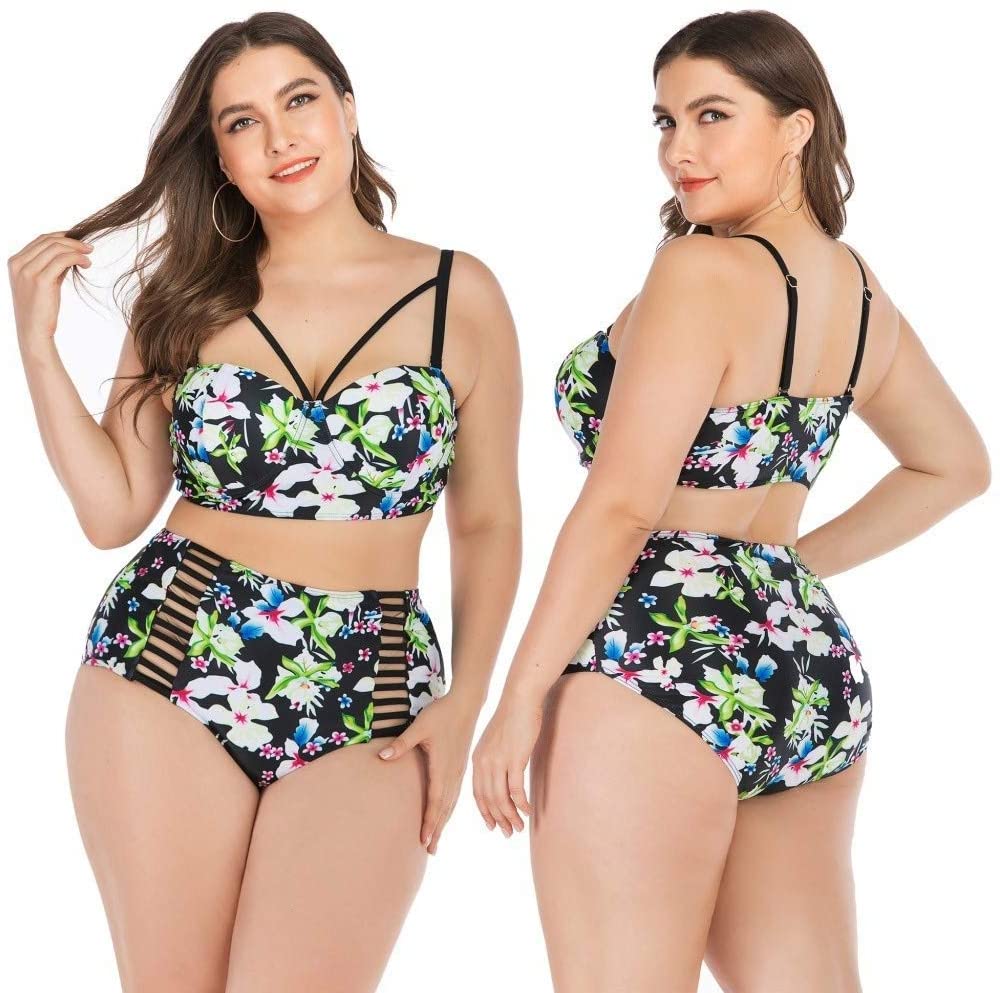
There have been noticible reforms in advertisement strategies in recent times, many brands now choose to showcase their bikini’s by putting them not on supermodels with super figure’s but with models who have a body of an average women. This way, many women can relate to the advertisement and show intrest in buying the product. This startegy has worked out good so far for companies like ; H and M,victorias secret many other.
Types of Bikini
With the changing times, many types of bikini’s were created and some of them are listed below;
Bandeaukini/Strapless bikini
Multi-String bikini
String bikini.
Microkini.
Tankini.
High Neck bikini.
Trikini.
Sling bikini
Flounce bikini
high waisted bikini
Fringe bikini
Your bikini, your body and your happiness
There are hundred different ways to show off your bikini, but it will look good only if you feel good. Being positive about your body is the biggest flex. It is said that “you cant buy happiness but you can buy a bikini, and thats pretty close” and it is said absolutely right, your body shape should not be an obstacle in midst of experiencing the joy of wearing a bikini and enjoying the sunset at a beach. Body positivity activists like Morgan Bartley and Sarah Sapora have brought back the renouncing confidence in women and showed that the “perfect body” is a mere speculation.
In a time where everyone considered life as a race, everything is treated as a rival, and everything has a price tag, when profits come first and the reality comes second, we fail to pause, smile, and enjoy the moments and experience the joy. What are we missing to have a happier life, just as we’ve always dreamed of? What’s it going to take to be happy?
We all expect to be loved, to be cared for, to be noticed, to be appreciated, to have the good that we give to others. But, are you in love with yourself? Do you think you should ask someone else to love you if you don’t love you yourself? This is where we go with self-love and body positivity. This culture will make us mad sometimes, try to change us, bind us, before we get better than shapeshifters. We have a duty to defend ourselves, we have a right to be happy. However, the concept of self-love and body positivity is under misconception.
Self-love doesn’t mean to dream about expensive things and luxury, and body positivity certainly doesn’t mean that we don’t care how we look. Through self-love and body positivity hand in hand, you will cultivate your life and mend your mind to a positive lifestyle. In the same way, the significance and value of these definitions should be fully grasped.
Self-love can begin by challenging yourself and looking for answers inside yourself. Speak to yourself, understand what you want, treat yourself like you deserve to be viewed, fill yourself with good feelings, praise yourself, sing a song about yourself, engage yourself with what makes you happy, meet positive people, do things that can motivate you to become a happier person.
Body positivity should begin by respecting what you are, how you look, and being able to take good care of the outside. If you’re short or tall, fair or dusty, lanky or chubby, you can be stunning. Don’t ignore your look in the name of body positivity, the true idea of this should be to express how amazing you are for your individuality. Activities that can help improve the body’s balance with your consciousness, dance, exercise, swim, there are a couple. Making sure you dress up for yourself, so that you can feel confident and relaxed with how you look.
Proper self-love and body positivity would certainly make us better off both internally and externally.








 Eduindex
You must be logged in to post a comment.