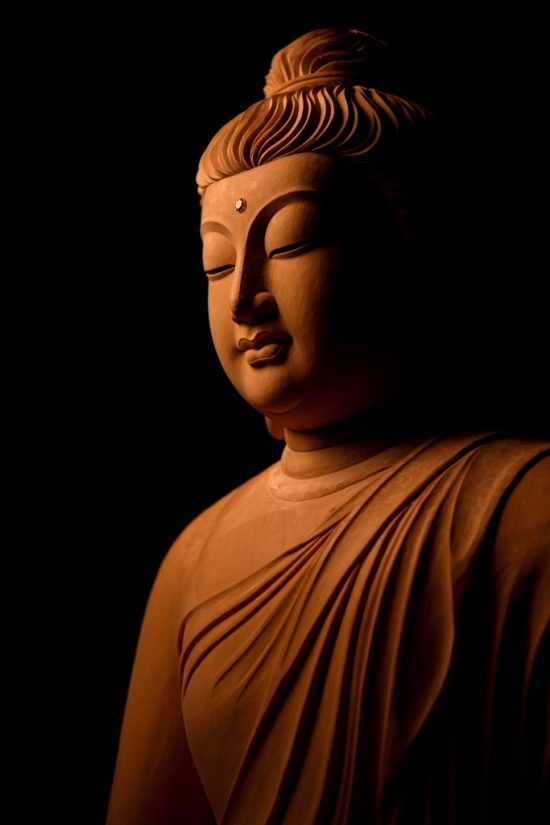
The Origin of Buddhism .

We are what we think. All that we are arises with our thoughts. With our thoughts, we make the world.
Peace comes from within. Do not seek it without.

Lord Buddha

Introduction.

He was a spiritual personality . An ancient teacher and enlightened many . A founder of world religion Buddhism . He was popularly known as Gautama Buddha (also known as Siddhattha Gotama or Siddhārtha Gautama or Buddha Shakyamuni ) .

The Enlightened One who rediscovered an ancient path to release clinging and craving and escape the cycle of birth and rebirth. He taught for around 45 years and built a large following, both monastic and lay. His teaching is based on his insight into the arising of duḥkha (the unsatisfactoriness of clinging to impermanent states and things) and the ending of duhkha—the state called Nibbāna or Nirvana (extinguishing of the three fires).
Buddhism

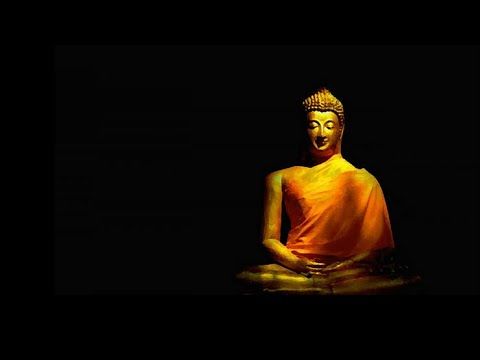
Buddhism, one of the major religions and philosophical systems of southern and eastern Asia and of the world. Buddha is one of the many epithets of a teacher who lived in northern India sometime between the 6th and the 4th century before the Common Era.

The title buddha was used by a number of religious groups in ancient India and had a range of meanings, but it came to be associated most strongly with the tradition of Buddhism and to mean an enlightened being, one who has awakened from the sleep of ignorance and achieved freedom from suffering.

According to the various traditions of Buddhism, there have been buddhas in the past and there will be buddhas in the future. Some forms of Buddhism hold that there is only one buddha for each historical age; others hold that all beings will eventually become buddhas because they possess the buddha nature (tathagatagarbha).
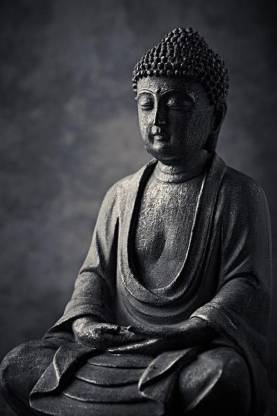
According to Buddhist doctrine, the universe is the product of karma, the law of the cause and effect of actions, according to which virtuous actions create pleasure in the future and nonvirtuous actions create pain.

Your work is to discover your world and then with all your heart give yourself to it.

Lord Buddha

History

Gautama Buddha ( born c. 6th–4th century BCE, Lumbini, near Kapilavastu, Shakya republic, Kosala kingdom [now in Nepal]—died, Kusinara, Malla republic, Magadha kingdom [now Kasia, India]).

Buddha is one of the many epithets of a teacher who lived in northern India sometime between the 6th and the 4th century before the Common Era.

Learnings from Gautama Buddha.

1. “Three things cannot be hidden: the sun, the moon and the truth.”

2. “You will not be punished for your anger; you will be punished by your anger.”

3. “You can search throughout the entire universe for someone who is more deserving of your love and affection than you are yourself, and that person is not to be found anywhere. You, yourself, as much as anybody in the entire universe, deserve your love and affection.”

4. “We are shaped by our thoughts; we become what we think. When the mind is pure, joy follows like a shadow that never leaves.”

5. “Believe nothing, no matter where you read it, or who said it, no matter if I have said it, unless it agrees with your own reason and your own common sense.”
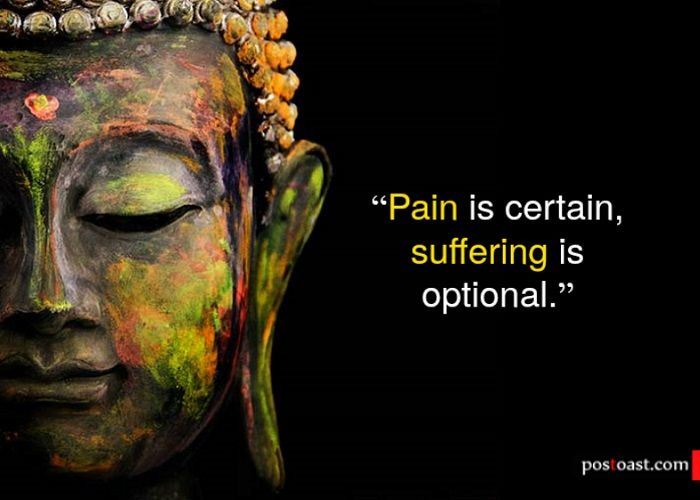
Link
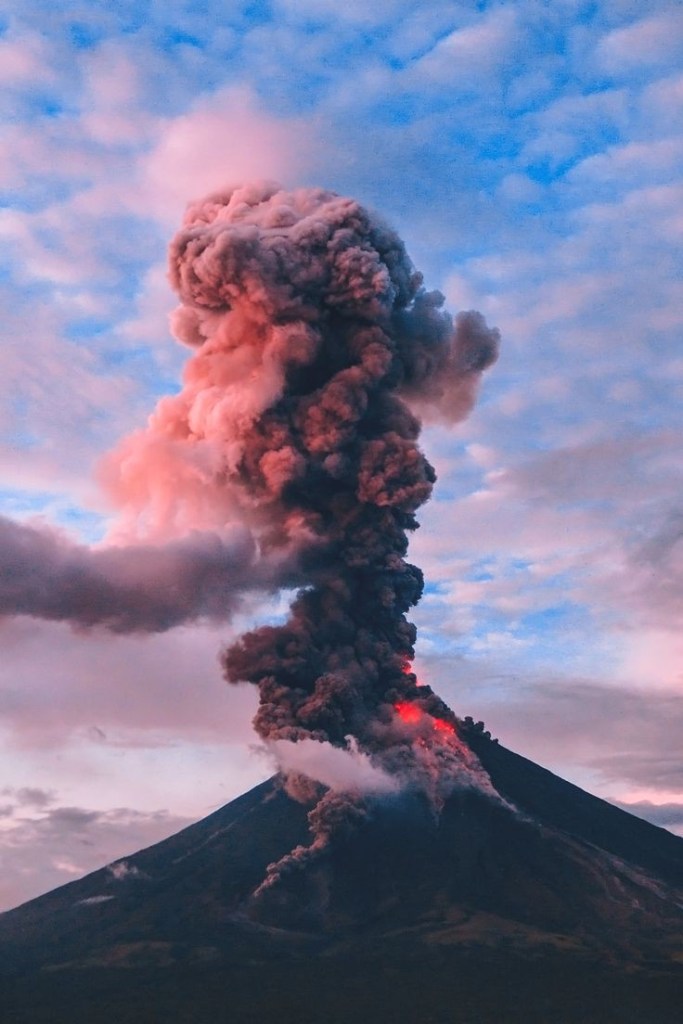

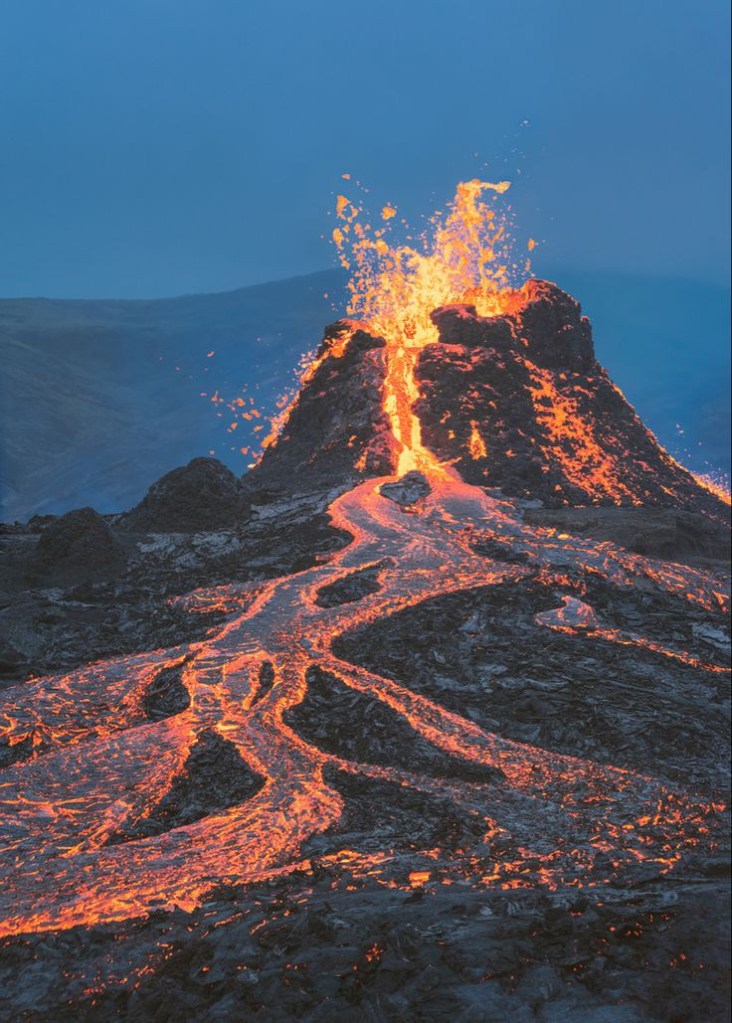
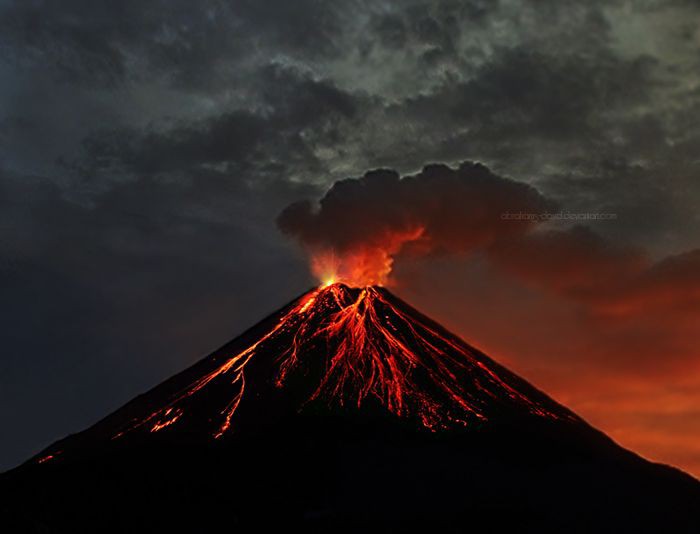
Volcano Eruption

“We are, all of us, growing volcanoes that approach the hour of their eruption, but how near or distant that is, nobody knows- not even God.”

~ Friedrich Nietzsche

We always talk about , what it would be like to see volcano eruption in front of your eyes ?

How amazing it would be like to find out , how the volcano erupt ?

There are many things that we don’t know exist in our earth 🌍. Do you want to know about it . If yes , than read the editorial .

Introduction

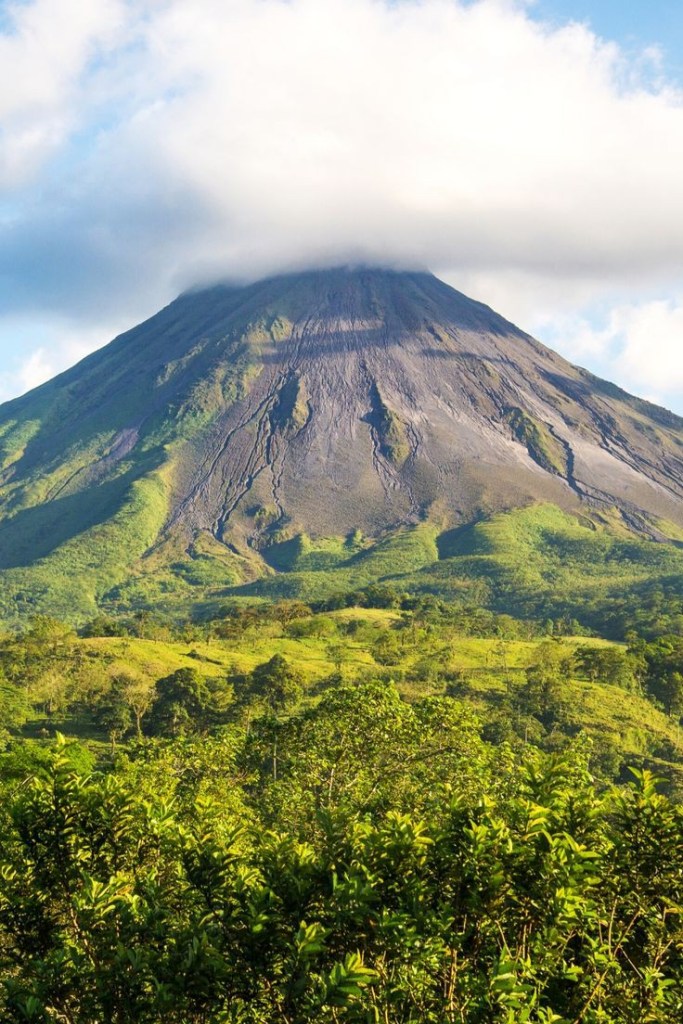
A volcano is a rupture in the crust of a planetary-mass object, such as Earth, that allows hot lava, volcanic ash, and gases to escape from a magma chamber below the surface.

On Earth, volcanoes are most often found where tectonic plates are diverging or converging, and most are found underwater.

The word volcano is derived from the name of Vulcano, a volcanic island in the Aeolian Islands of Italy whose name in turn comes from Vulcan, the god of fire in Roman mythology.

Many ancient accounts ascribe volcanic eruptions to supernatural causes, such as the actions of gods or demigods. To the ancient Greeks, volcanoes’ capricious power could only be explained as acts of the gods, while 16th/17th-century German astronomer Johannes Kepler believed they were ducts for the Earth’s tears.[87] One early idea counter to this was proposed by Jesuit Athanasius Kircher (1602–1680), who witnessed eruptions of Mount Etna and Stromboli, then visited the crater of Vesuvius and published his view of an Earth with a central fire connected to numerous others caused by the burning of sulfur, bitumen and coal.

Types of eruptions

  • Hydrothermal eruption. An eruption driven by the heat in a hydrothermal systems.
  • Phreatic eruption. An eruption driven by the heat from magma interacting with water.
  • Phreatomagmatic eruption.
  • Lava.
  • Strombolian and Hawaiian eruptions.
  • Vulcanian eruptions.
  • Subplinian and Plinian eruptions.

How do volcanoes erupt?

Deep within the Earth it is so hot that some rocks slowly melt and become a thick flowing substance called magma. Since it is lighter than the solid rock around it, magma rises and collects in magma chambers. Eventually, some of the magma pushes through vents and fissures to the Earth’s surface. Magma that has erupted is called lava.

The explosivity of an eruption depends on the composition of the magma. If magma is thin and runny, gases can escape easily from it.
Explosive volcanic eruptions can be dangerous and deadly.

Humans and volcanoes

Volcanic eruptions pose a significant threat to human civilization. However, volcanic activity has also provided humans with important resources.

Although volcanic eruptions pose considerable hazards to humans, past volcanic activity has created important economic resources.

Volcanic ash and weathered basalt produce some of the most fertile soil in the world, rich in nutrients such as iron, magnesium, potassium, calcium, and phosphorus.

Volcanic activity is responsible for emplacing valuable mineral resources, such as metal ores.

The paradox of volcanoes was that they were symbols of destruction but also life. Once the lava slows and cools, it solidifies and then breaks down over time to become soil – rich, fertile soil.
She wasn’t a black hole, she decided. She was a volcano. And like a volcano she couldn’t run away from herself. She’d have to stay there and tend to that wasteland.
She could plant a forest inside herself.

Matt Haig, The Midnight Library

Link
The Link Between Anxiety and Perfectionism
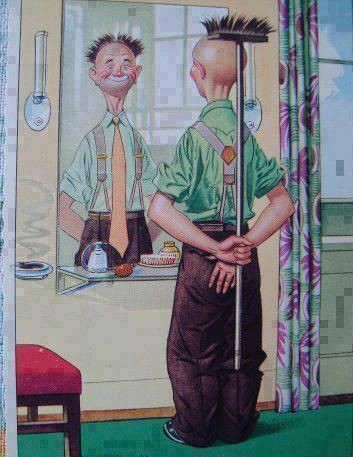
Everyone knows at least one perfectionist. They’re hyper-critical of their own work, almost to a fault. And according to a growing body of research, there’s a good chance they also suffer from an anxiety disorder. The very nature of a perfectionist makes them particularly susceptible to the illness.

Here’s what can be done about it: –

🔺on the surface, perfectionism doesn’t seem like such a bad thing. It keeps you focused and motivated. It also helps you consistently produce work of the highest quality.

🔺on the other hand, it also has the potential to wear significantly on one’s psyche. The impossibly-high standards perfectionists set for themselves can lead to a distorted sense of self-worth, in addition to high levels of stress. And that, in turn, can easily spiral into an anxiety disorder.

🔺It’s not just anxiety, either. Perfectionism has been linked to numerous other mental illnesses in medical research, including bipolar disorder, severe depression, and even suicidal ideation. In other words, if you’re a perfectionist and let your tendencies control you, they can literally kill you.


Worse still, there’s evidence that being a perfectionist doesn’t even afford you a significant advantage over non-perfectionists in the workplace. Per the Harvard Business Review:

“Our results showed that performance and perfectionism were not related to each other – perfectionists are not better or worse performers than non-perfectionists. Even employees high in excellence-seeking perfectionism were not better performers…taken as a whole, our results indicate that perfectionism is likely, not constructive at work.”

Scaling back on toxic perfectionism and setting healthy boundaries for yourself starts with understanding the source of your behaviour. As noted in health publication medical news today – which itself cited a landmark psychological work published several decades ago – there are three primary sources of perfectionism. These are:

 1◾Self-oriented.
You hold unrealistic expectations for yourself and are extremely critical of your own work. This could be caused by a negative experience at some point in your life, or simply a series of habits developed over time and linked to mental illness.
2◾ Socially-prescribed.
You believe that your peers are extremely critical and that you must be perfect in order to gain their approval.
3◾Other-oriented.
You set impossibly high standards for the people around you. This form of perfectionism isn’t exactly relevant to our discussion here, though it can occasionally overlap with one of the other two.
🔹Positive self-talk is the second step in overcoming toxic perfectionism. Understanding how your own tendencies manifest will help you structure it in the right way. Whenever a toxic belief or thought manifests in your mind, counter it with a positive one.
In other words, be compassionate towards yourself. Understand that your self-worth is not tied to your performance in the workplace or your ability to turn out flawless work. You have value as a person beyond your output.
And if self-talk alone isn’t enough to help you, know that there’s no shame in seeking help from a trained professional. Everyone could use therapy now and then.

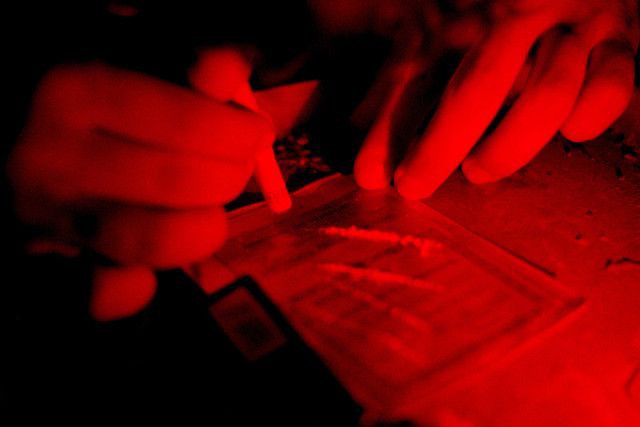
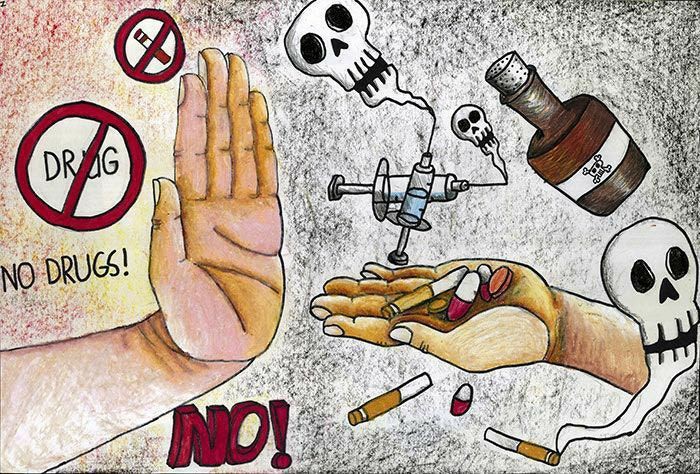
Drugs : you choose , you loose .

Addiction is just a way of trying to get at something else. Something bigger. Call it transcendence if you want, but it’s a rat in a maze. We all want the same thing. We all have this hole. The thing you want offers relief, but it’s a trap.

DRUGS ” A five letter word that is destroying human race. A word that could get you to the cloud nine and than kick you from the top.

What do you think it is ?

Is it a pleasure or a pain ?

Some says ‘it gives you wings ‘, others says ‘it makes you insane ‘ . What would you do , if someone is taking drugs ? Well , I would fly (its a joke ).

Ok , Let’s just get over with the topic .

Introduction

All the suffering, stress, and addiction comes from not realizing you already are what you are looking for.

– Jon Kabat-Zinn

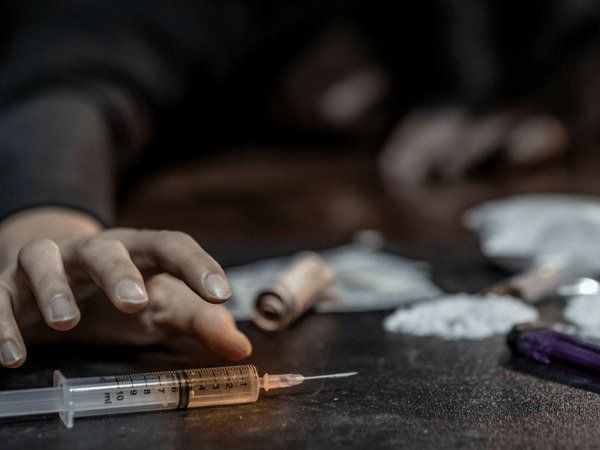
Drugs are substances that change a person’s mental or physical state. They can affect the way your brain works, how you feel and behave, your understanding and your senses. This makes them unpredictable and dangerous, especially for young people.

Drug addiction is a chronic brain disease. It causes a person to take drugs repeatedly, despite the harm they cause. Repeated drug use can change the brain and lead to addiction. That can destroy one’s life .

Signs that shows someone has a drug problem

  • Changing friends a lot .
  • Spending a lot of time alone.
  • Losing interest in favorite things.
  • Not taking care of themselves – for example, not taking showers, changing clothes, or brushing their teeth.
  • Being really tired and sad.
  • Eating more or eating less than usual.
  • Being very energetic, talking fast, or saying things that don’t make sense.
  • Being in a bad mood.
  • Quickly changing between feeling bad and feeling good.
  • Sleeping at strange hours.
  • Missing important appointments.
  • Having problems at work or at school.
  • Having problems in personal or family relationships.

If a person shows these signs than he / she is using drugs . But it’s not , it’s a probability . The person may or may not be using drugs . For the assurance you have to ask the person (well they can lie ) . Take them for the blood test . It will show if the person is taking drugs or not . It’s a simple procedure .

Why can’t people stop using drugs on their own?


Repeated drug use changes the brain, including parts of the brain that give a person self-control. These and other changes can be seen clearly in brain imaging studies of people with a drug addiction. These brain changes explain why quitting is so difficult, even when an addicted person feels ready.

Many people are compelled to enter treatment by the pressure of their family, friends, or a court system. People of all ages with substance use disorders live in fear of what will happen if their drugs are taken away.

Due to the addiction , they experience a variety of physical and emotional withdrawal symptoms, including depression, anxiety, and other mood disorders; restlessness, and sleeplessness . It may lead you to the death bed .

Treatment :

Counseling and other behavioral therapies are the most commonly used forms of treatment. Medications are often an important part of treatment, especially when combined with behavioral therapies. Treatment plans must be reviewed often and modified to fit the patient’s changing needs.

  • Rational Emotive Behavior Therapy.
  • Cognitive Behavioral Therapy.
  • Detoxification.
  • Treatment with Medication.
  • 12-Step Facilitation.

One of the hardest things was learning that I was worth recovery.

Link
Agriculture

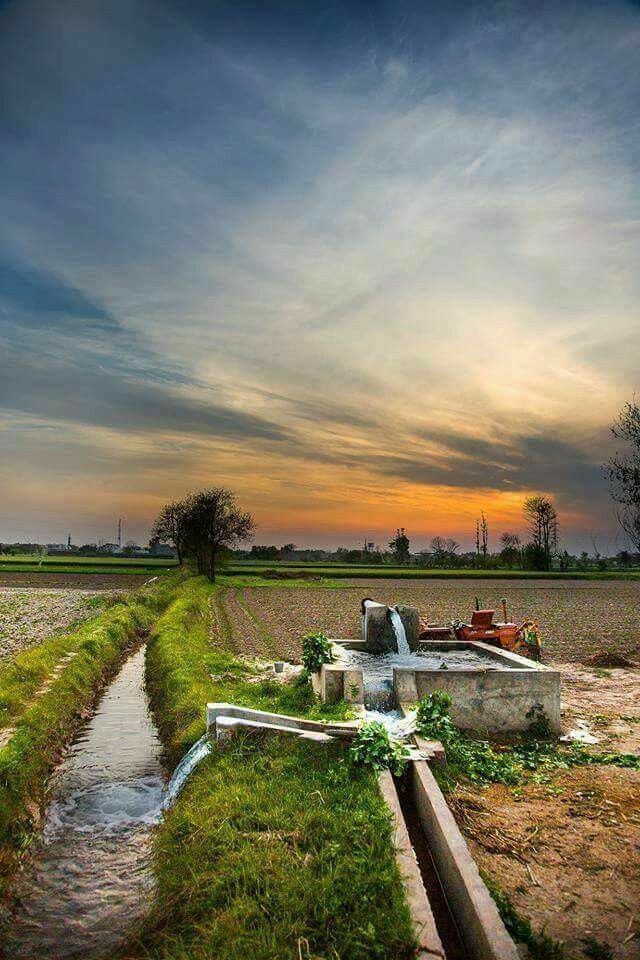
When tillage begins, other arts follow. The farmers, therefore, are the founders of human civilization.”

— Daniel Webster

Introduction

It all started thousand of years ago , when the human civilization came into existence . Agriculture was a key to survival . People were farming for there domestic purpose , not for the others .

As the civilization started to grow accustomed of agriculture , they grew food in surplus that enabled people to live in cities. Plants were independently cultivated in at least 11 regions of the world.

The development of agriculture enabled the human population to grow many times larger than could be sustained by hunting and gathering.

It was the beginning of different civilization in different parts of the World. From those civilizations , one of them was our’s The Indus Valley Civilization . Vedic literature provides some of the earliest written record of agriculture in India. Rigveda hymns , describes plowing, fallowing, irrigation, fruit and vegetable cultivation.

Some of the ancient and historical evidence suggests rice and cotton were cultivated in the Indus Valley.

Agriculture : In India and World today .

India ranks second worldwide in farm outputs. As per 2018, agriculture employed Indian work force and contributed 17–18% to country’s GDP.

In 2016, agriculture and allied sectors like animal husbandry, forestry and fisheries accounted for 15.4% of the GDP (gross domestic product) with about 41.49% of the workforce in 2020.India ranks first in the world with highest net cropped area followed by US and China.The total agriculture commodities export was US $ 3.50 billion in March – June 2020.

Agriculture is the primary source of livelihood for about 58% of India’s population. Share of agriculture and allied sectors in gross value added (GVA) of India at current prices stood at 17.8 % in FY20.

During 2019-20 crop year, food grain production reached a record of 296.65 million tonnes. In 2020-21, Government of India is targeting food grain production of 298 million tonnes.

India is among the 15 leading exporters of agricultural products in the world. Agricultural export from India reached US$ 38.54 billion in FY19 and US$ 35.09 billion in FY20.

Agriculture is an important industry in the United States. The agriculture industry, which includes both crops and livestock, is responsible for producing most of the world’s foods and fabrics. Agriculture impacts so many things that it’s hard to imagine a world without this important industry.

Schemes and Initiatives

Due to the high requirement of agriculture . It is important for the government to take initiatives and provide better infrastructure to the farmers. However , the required level of investment for the development of marketing, storage and cold storage infrastructure is estimated to be huge.

The Indian Council of Agricultural Research (ICAR), established in 1905, was responsible for the search leading to the “Indian Green Revolution” of the 1970s. The Union Minister of Agriculture is the president of the ICAR. The Indian Agricultural Statistics Research Institute develops new techniques for the design of agricultural experiments, analyses data in agriculture, and specialises in statistical techniques for animal and plant breeding.

Schemes by government for Indian agriculture :

  • Dairy Entrepreneurship Development Scheme.
  • Rainfed Area Development Programme (RADP)
  • Paramparagat Krishi Vikas Yojana (PKVY)
  • Pradhan Mantri Krishi Sinchai Yojana (PMKSY)
  • National Agriculture Market (e-NAM)
  • Pradhan Mantri Kisan Maandhan yojana.
  • Pradhan Mantri Fasal Bima Yojana (PMFBY)
  • Kisan Credit Card (KCC) scheme.
  • Pashu Kisan Credit Card Scheme.
  • PM-Kisan Scheme.

Conclusion

Agriculture sector is one of the prominent sector in India as well as all over the world . India is becoming self – sufficient in pulses and other crops .

Gone are the days , when India was unable to provide sufficient amount of food to the citizens . Gone are the days , when people used to think agriculture was not as important as other sectors . Gone are the days , when people used to think less of farmers . And gone are the days , when people were less educated about agriculture.
Farming is a profession of hope.

— Brett Brian

Link
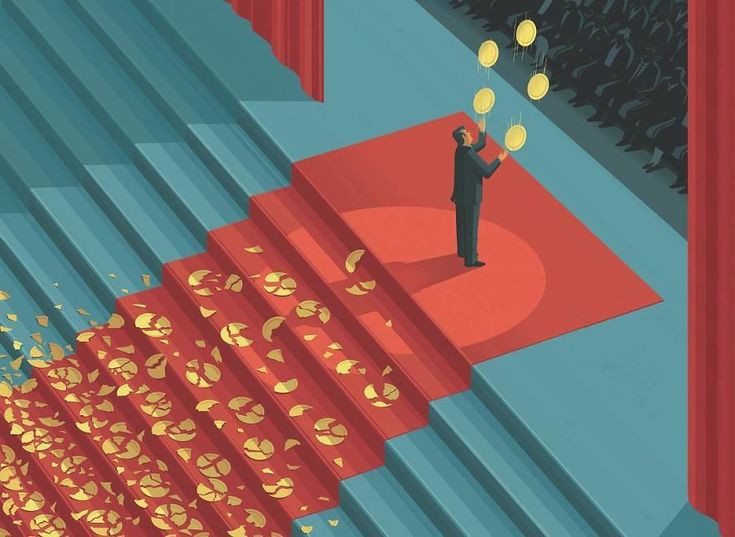
The World of Nepotism

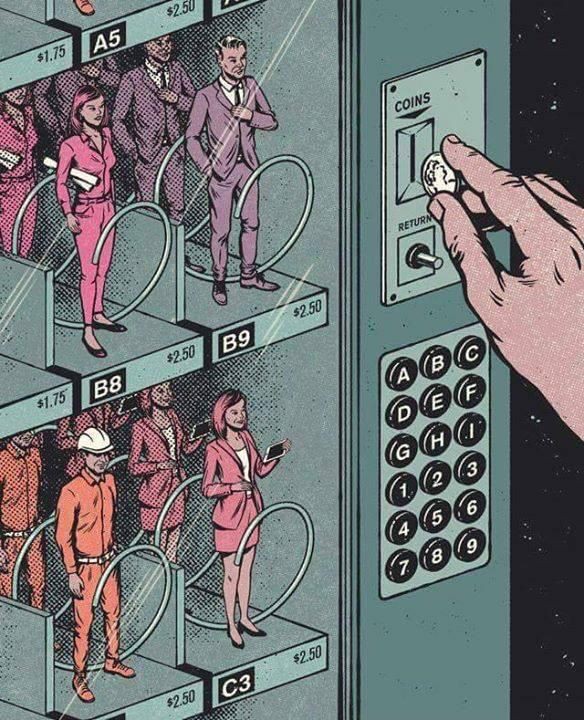
Welcome to the anti-meritocratic world, this world. What are you going to do about it? Will you stand back and watch while cronyism, nepotism, the old school tie, the private club, the right university, the right accent, the right background, the right secret society, the right religion, the right family, destroy merit so that their chosen ones can prosper at your expense. It’s time to smash the conspiracy. Break up all the mechanisms that allow privileged groups within society to rig the system in their favour and penalise anyone who doesn’t belong to their insidious cliques.

Michael Faust, The Meritocracy Party

Well , Its a very complicated questions . In the world, where one’s knowledge didn’t get recognition .

What would you do , when you get acknowledged not on the basis of your knowledge but on the basis of your relation with the owner ?

What would you do , if you don’t get promoted because you are not his /her relative ?

Do you ignore the fact that you are not the one , whom your boss approves?

Well , if you think it’s favouritism than you are absolutely correct . You may also come accross the word NEPOTISM and if you don’t than start reading the passage . (I did as well )

This 8 letter word is destroying everyone in today’s world. And who is responsible for creating such a hypocrite. We the people have to repose this curse and make sure to control it with our coming generations, else it will destroy the whole world. And there’ll be no humanity left in this world” –

Ikramul Hannah.

Introduction

Nepotism is a the practice among those with power or influence of favouring relatives or friends, especially by giving them jobs.

Nepotism is generally defined as “the bestowal of patronage by public officers in appointing others to positions because of blood or marital relationship”.

Nepotism is found in almost all the fields but it is practiced most in business, politics, sports and entertainment sectors. It has been in practice since time immemorial, but some special cases have made it to the limelight in the past few decades.

Nepotism in India :

India has it’s fair share in the field of NEPOTISM . Well , have you ever expected that . I say , YES . Because being one of the largest country , people might become more thirsty for power . “When constantly reaching out for more, you forget what you have” Christine Szymanski.

Nepotism can be characterized as ‘the demonstration of utilizing force or impact to get out of line preferences for individuals from one’s family’.

You must be conflicted , why does nepotism exist even today ? We are living in 21st century , than why we have such orthodox thinking ? Who says no one can define what is going on in one’s mind ( well I say , isn’t is obvious ) .

From the politics to the Entertainment , from the owner to the customer, from the Bollywood to the Judiciary ; Nepotism is everywhere .

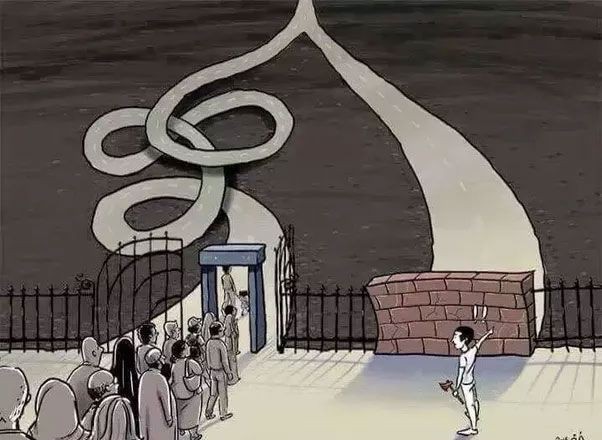
Like in OJO -MOJO , After the submission of writing competition , OJO’s class teacher asked him who wrote better . Is it MOJO or OLLY , what do you think whom he would choose . MOJO thinks OJO will choose OLLY because he likes her . But when the result announced MOJO was astounded because OJO choose MOJO’s writing . So , what do you think is it nepotism or not . Think and you will know the answer .

Bias has become the first qualification to join a party, and extreme bias the virtue to become a leader.

Link

JOURNEY TO SANITY -JOURNALING

A sudden change in the external environment surrounding a person might affect ones physical, mental and emotional health. As we all have been facing an unusual situation for past one year, the importance of sanity and peace has increased. It might not possibly change the outer environment but it can certainly change the way a person sees the situation and help them fight the hardships of life.
There is no thumb-rule to living a perfect life. However, there are certain qualities we can attain that might help us make our lives nearly perfect. JOURNALING AND WRITING ONE’S EMOTIONS OUT, is something we have heard since ages. How children make a personal diary and write their emotions out where they feel the need to be heard.
I know it sounds boring to a lot of people but Journaling and letting ones feeling out can reduce a lot of burden from one’s chest (Yes, children can be smarter than adults). In life, we have a lot of things that generally cannot be shared with others and we tend to keep those emotions inside us, hoping that they won’t bother us anymore. But little do people know how suppressed emotions can harm a person’s mind and even manifest itself in form of physical illness.

Looking at our own life from an outside perspective.

So, the first issue with Journaling might be accepting one’s emotions which we have denied for a long-time. I know, that accepting might not change the situation but might help in making peace with it. If not so, then a little writing might not affect a person as it might give you a clearer picture of the issue and maybe possible outcomes or ways to make things better for it.

Probably we have started considering writing our issues out but what about others getting an insight into our hidden lives by reading the journal. For such cases, thanks to technology we have free apps for IOS and Android that keeps a person’s account confidential and provides app locks for security purpose. Since we have checked out two major issues from our list, I guess we might start to consider Journaling.

Additionally, it is win – win situation as there’s no loss. However, there might be some gain in terms of gaining more understanding, compassion and peace.

Do not forget to read more from the series 🙂

JOURNEY TO SANITY – ACCEPTANCE

JOURNEY TO SANITY – MINDFULNESS

JOURNEY TO SANITY – SELF CARE

JOURNEY TO SANITY – DOUBLE STANDARDS

JOURNEY TO SANITY – SUNSHINE 🌤️

EVERYONE’S JOURNEY IS DIFFERENT

My mom told me a story about how everyone has their own story

A Young Man and his father were travelling by train and they seem to be very happy. A young man in his twenties was seeing out from the train’s window and suddenly he is shouted father, see the sun it looks like a circle Then his father smiled at him.

young men again shouted – father, look at the trees as they are going behind. father again smiled at the young man. A couple sitting nearby looked at the young man’s childish comment with pity.

Suddenly the young men exclaimed again.. father, look at the clouds and sun! they are all running with us. The couple observed the young man’s behaviour for a long time they couldn’t resist and said to the old man “why don’t you take your son to a good doctor?” The old man smiled at his son and said “we did and we are just coming from the hospital”

The couple saw them with strange expression. The Old man said again “My son was blind from birth and he just got his vision today”

Every person in the world has a story. Don’t judge people before you truly know them. The Truth might surprise you.

Everyone’s journey is different

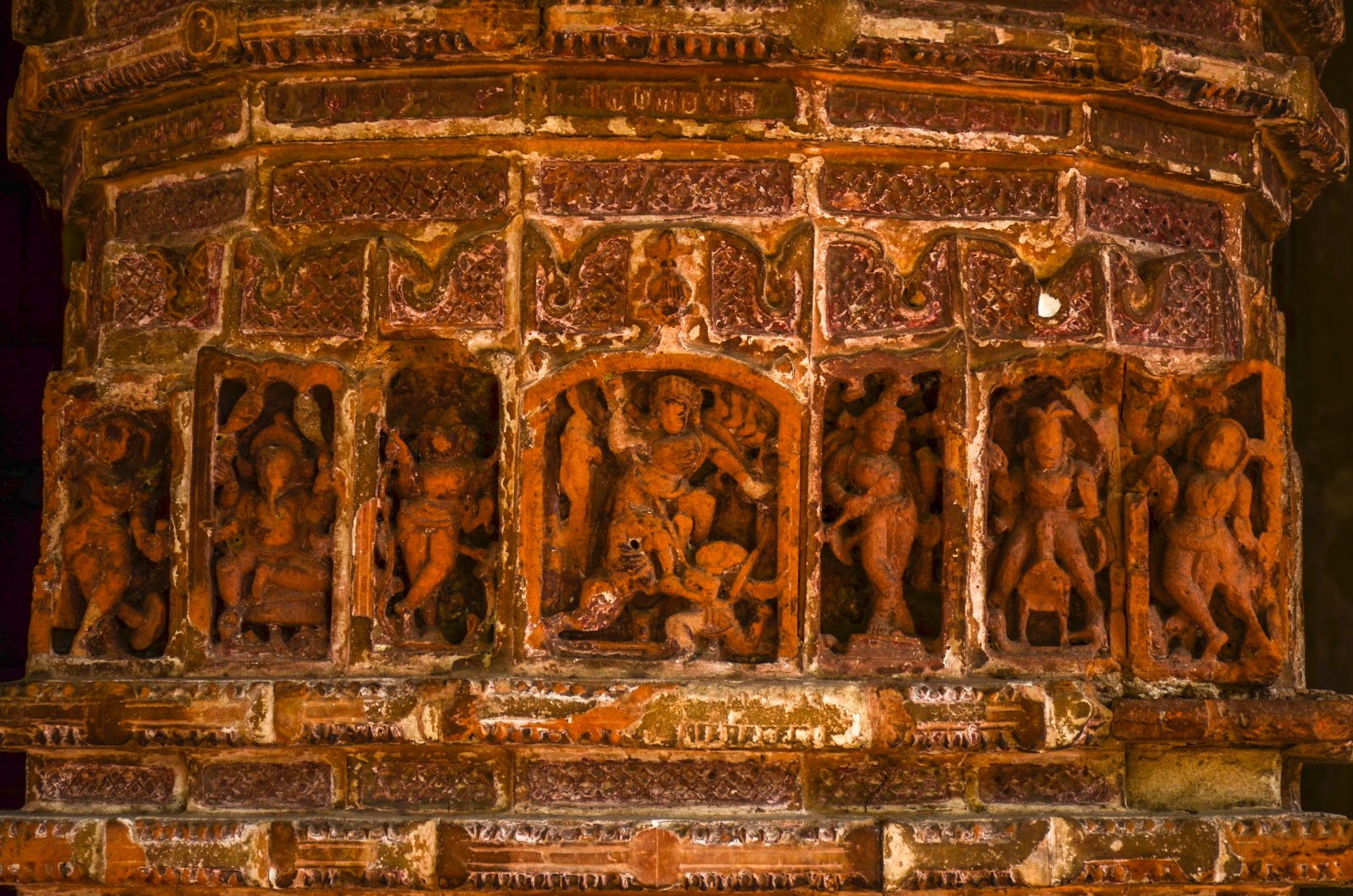
TERRACOTTA- LET’S COLLECT KNOWLEDGE ABOUT IT

Sparkle of Terracotta

TERRACOTTA- AN UNIQUE STYLE OF ART

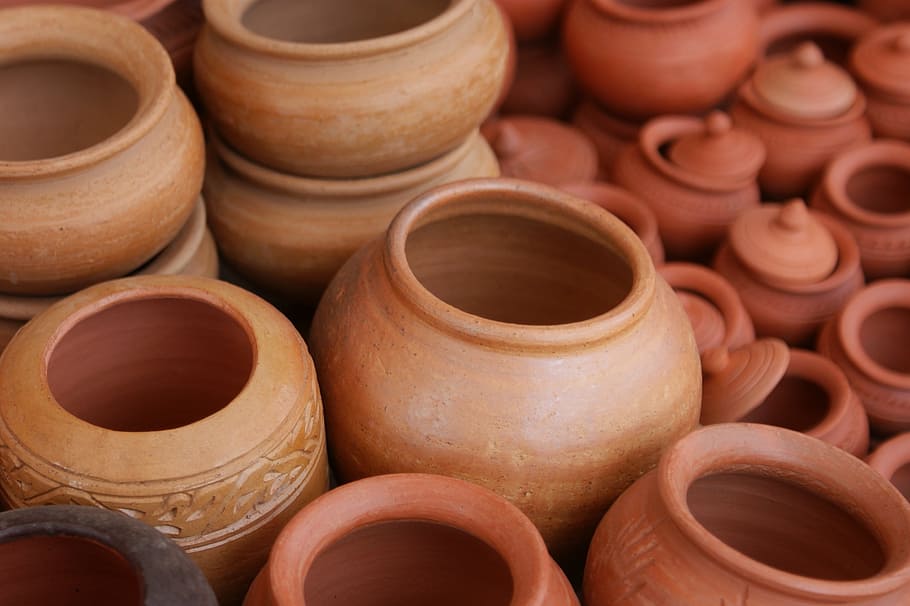
According to the dictionary the Terracotta art means hard,fired clay,brownish in colour when unglazed which is used to make architectural ornaments and facings, structural units, pottery and as a material for sculpture. The word ‘Terracotta’ came from Latin word ‘Terra-cotta’ and in Italian language Terrakotta means ‘baked-earth’.  

 Basically Terracotta is a type of earthenware or Ceramic pottery. At 1st we should have enough knowledge about earthenware. Earthenware is glazed or unglazed non-vitreous pottery which is made on fire below 1,200°C (2,190°F). So what do you say ? ‘baked-earth’ makes sense right? 

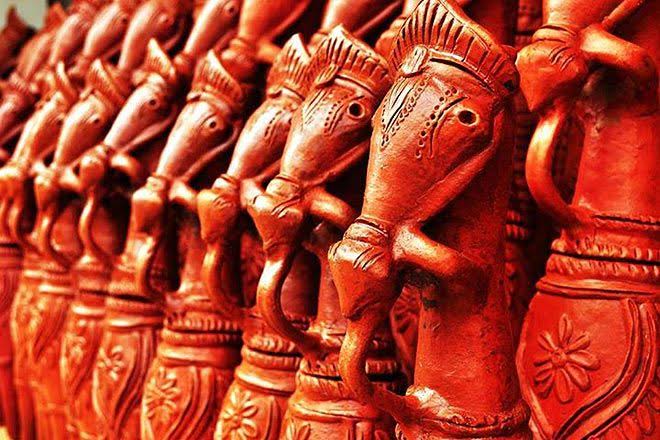
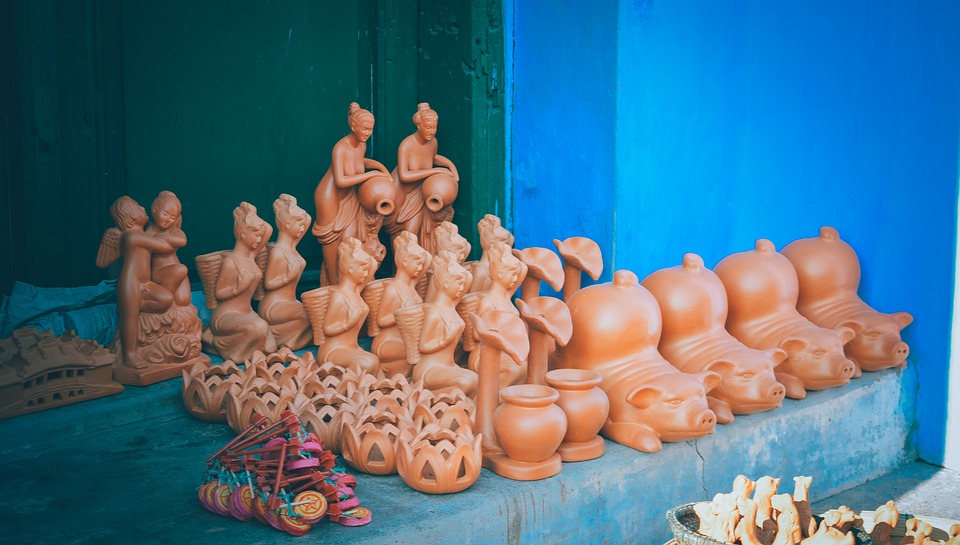
Normally Terracotta is used for sculpture making. But not only for sculpture but also for flower vas, doll,pot,water pipes, bricks,roofing tiles etc. Even there are also many temples of Terracotta. It is too flexible material for sculpture.Terracotta is usually a fairly coarse, porous type of clay. At first it has to be shaped then fired until hard. In the past, it was left to harden in the hot sun ,after that it was baked in primitive ovens. Ultimately, it was fired (at about 1000°C) in a special oven, kilns. After baking the clay became a brownish colour. Until it was glazed it was not watertight.terracotta is too simple than other bronze or other material work. 

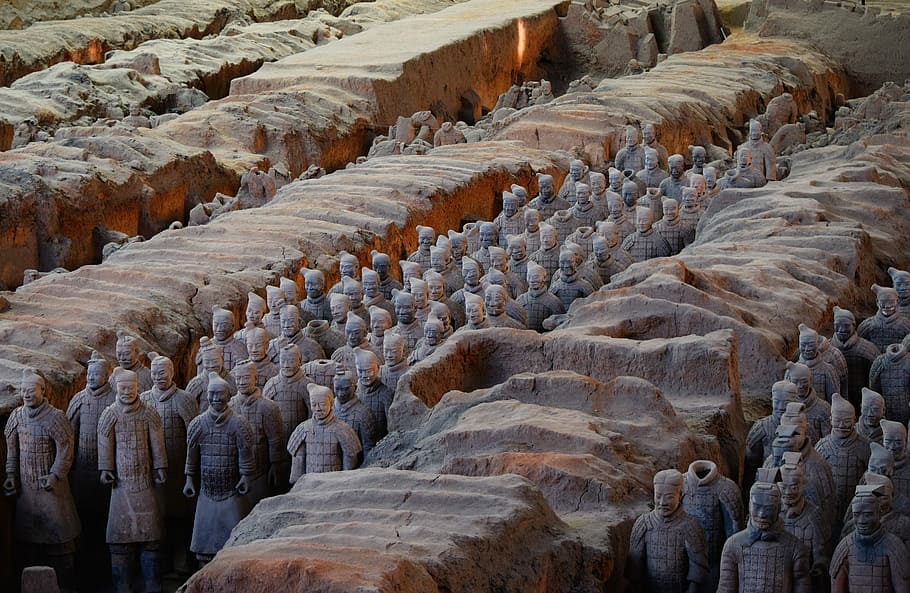
It was 1st used in Prehistoric art according to Venus of Dolni Vestonice (26,000-24,000 BCE) which was found buried in a layer of ash in Moravia at a paleolithic encampment. Some famous Terracotta figures are- The Thinker of Cernavoda(5000 BCE), The Enthroned Goddess Figurine(6000 BCE).Bronze and Iron Age artists kept the culture of the terracotta tradition, like the female fertility cult figures unearthed at Mohenjo-daro in Pakistan (3000-1500 BCE), and The Burney Relief (1950 BCE) from Ancient Mesopotamia. On the other hand we must say Chinese art created the biggest example of Terracotta art, those are-The Terracotta Army (246-208 BCE). Around the Mediterranean,such as early Egyptian, Minoan, Mycenaean, Greek and Etruscan cultures, employed terracotta for figurative works – such as the Tanagra Figurines from Boeotia in central Greece – besides  decorative art and architectural ornamentation.Particularly in the era of Hellenistic art (323-30 BCE) it was widely used by sculptors. It was also used in Early Christian art, for tomb reliefs (from c.200 CE). Terracotta is also famous in African sculpture, pre-Columbian art.

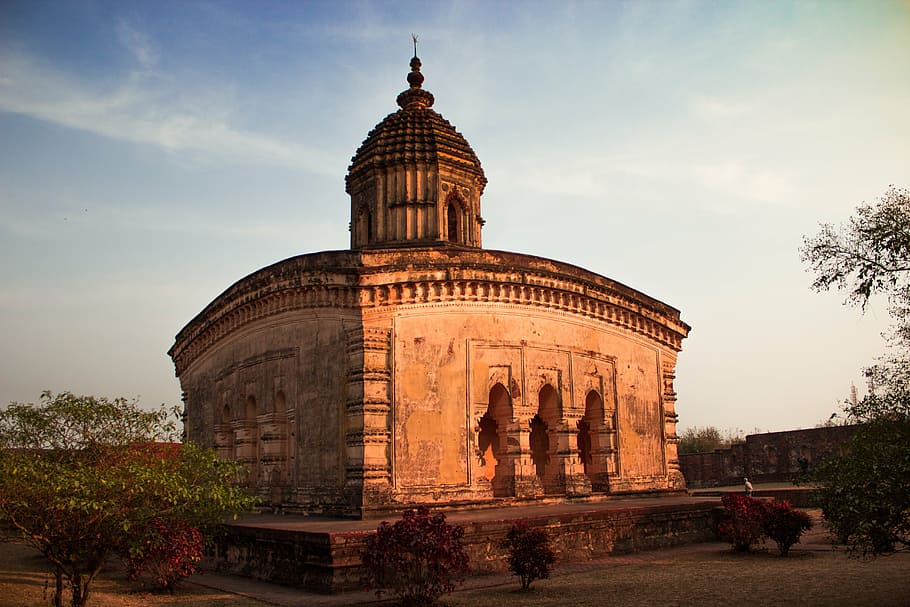
In India Terracotta is famous in the same way as in the past. In India Terracotta is a heritage culture. It is very common that there are many things of terracotta at most homes in India. ‘Bishnupur’ in West Bengal is a great source of Terracotta sculptures or other things. Murshidabad, Birbhum, Jessore, Digha (all are in West Bengal)  are also the treasure of Terracotta. There are also famous in Rajasthan, Bihar, Haryana, Himachal Pradesh, Odisha, Jammu and Kashmir etc.    

How to be a good friend

Being a good friend isn’t always easy, but taking the time to nurture a lasting friendship is worth every ounce of effort. Good friendships provide strength, happiness, and meaning in ways that social media or striving for popularity cannot. All true friendships are built on mutual trust and support, so whether you’re looking to make new, quality friendships or improve your existing ones, there are things you can do to be a good friend to others.
Some of the reason why we aren’t collectively so good at friendship is that we don’t have a clear idea of what a really good friend might be like. Holding a good friend isn’t always easy, but taking the time to nurture a constant friendship is worth every ounce of effort. some times Don’t wait for people to be friendly.
Show them how Good friendships provide strength, happiness, and meaning in ways that social media or striving for popularity cannot. Sometimes our actions and the words that escape our mouths stop going through a filter. All true friendships are built on mutual trust and support, so whether you’re looking to make new, quality friendships or improve your existing ones, there are things you can do to be a good friend to others.
1.We need meaningful relationships with other people. Not everyone should be a close friend, but it is integral to our happiness that we show people who we really are, allow ourselves to get to know them in return, and then give each other small or big tasks. Remind through what we care about.
2.Be honest. Keep your promises and do what you are saying. be reliable. Nobody wants to befriend someone who lies. And lies are always a way of coming to light. Also, friends will tell each other the truth, no matter how difficult it is.
3.Be reliable. Being trustworthy is one of the most important aspects of being a good friend. Your friend will need you to support, especially during difficult times. No one wants to befriend someone who is not really interested in them. It is difficult to trust a person who does not behave in a consistent and reliable manner.
4.Apologize when you have made a mistake. If you want your friends to believe in you, you cannot act as if you are innocent. If you know you made a mistake, own it instead of denying it.
5.Keep their secrets. Prove yourself a reliable person who will protect your secrets with your life. A good way to prove you are trustworthy is to share some of your secrets with your friends.
6.Encourage your friend. Everyone needs encouragement. Find specific ways to encourage your friend. Even in the depths of their struggles, show them what makes you look special about them and are willing to take them when they are depressed or feel that life is pressuring them from all sides.
7.Always put in your best efforts. When they ask for your opinion or help with something that has meaning. This means that they understand the value you think. If someone writes an essay that helps you proofread or revise it, go the extra mile. Bust out a red pen and start marking it as crazy. Show them that you are investing the way you are. This means that when it comes to your friends, half-baked things never happen.
8.Stay in touch. Life moves forward and everyone has their own thing. Sure, it may be easier for you to pick up from where you left off, but it is easier to lose contact altogether. It tries to maintain a good friendship, especially when the physical distance is too much. It is a relationship that takes both sides to work.
9.Learn to forgive. If you want your friendship to last, you should be able to forgive your friend and move on. If you keep a complaint and let your bitterness and resentment grow, you will not be able to move forward. Accept that no man is perfect and if your friend sincerely apologizes and if they have not done anything terrible, you should pursue it
10.Accept your friend who they are. To make your friendship a success, you should not try to change your friend or your friend to see the world from your perspective. Celebrate what makes your friend (and you) unique! If you are conservative and your friend is liberal, then accept instead of trying to argue about it all the time.
11.Be happy for them. We all get caught up in our lives and forget to appreciate it. Sure, we know we care, but if you don’t show it, it’s hard for the other person to know you. It is easy to tell when someone is dishonest. “Wow, I’m so happy for you,” with a non-carious face, not very confident. Invest in your successes and show in your facial expressions that you are really happy.
■A good friend likes us in ways we simply cannot like ourselves. Generally, we are alive to our own shortcomings. It is more obvious from our point of view than what is disappointing or attractive to us. Disappointing or attractive because we need a friend. We are responsible for being very friendly to ourselves, we think that being a true friend is
■Should be with whom we spend a lot of time, but in fact, the ideal other becomes a part of us, we see them internally as they smile the way they pause or enthusiastically they make our brain Continue even when we are not in touch for a while or when they are far away a good friend is always with us.

INDIAN CULTURE

We respect and honour our Indian culture a lot. India is a famous country all over the world for its culture and tradition. It is the land of various culture and tradition. It is the country of oldest civilizations in the world. The vital components of the Indian culture are good manners, etiquette, civilized communication, rituals, beliefs, values, etc. Even after the life styles of everyone has been modernized, Indian people have not changed their traditions and values. The property of togetherness among people of various cultures and traditions has made India, a unique country. People here live peacefully in India by following their own culture and traditions.
People beliefs and follow various customs and traditions according to their own religions. We celebrate our festivals according to our own rituals, keep fast, take bath in holy water of Ganga, worship and pray to God, sing ritual songs, dance, eat delicious dinner, wear colourful dresses and other lots of activities. We also celebrate some National festivals by getting together such as Republic Day, Independence Day, Gandhi Jayanti, including various social events. People of different religions celebrate their festivals in various parts of the country with great zeal and enthusiasm without interfering each other.
Variety of eras came and gone but no one was so powerful to change the influence of our real culture. The culture of younger generations is still connected to older generations through umbilical cord. Our ethnic culture always teaches us to behave well, respect elders, care helpless people and always help the needy and poor people. It is our religious culture that we should keep fast, do worship, offer Gange Jal, do Surya Namaskar, touch feet of elder in family, do yoga and meditation on daily basis, give food and water to the hungry and disabled people. There is great culture of our nation that we should always welcome our guests like a God very happily, that’s why India is famous for a common saying like “Atithi Devo Bhava”. The basic roots of our great culture are humanity and spiritual practices.
Festivals play an important role in Indian culture and tradition. People from different religions celebrate different festivals in India. Popular festivals like Diwali, Dussehra, Navratri, Janmashtami, Shivratri, Ganesh Chaturthi, etc. are celebrated by Hindu people in India. Whereas Eid-ul-Fitr, Bakrid, Muharram, etc. festivals are celebrated by Islamic people in India. Other than this, many harvest festivals like Makar Sankranti, Chapchar kut, Pongal, Sohrai, etc. are celebrated by farmers.

However, Christians also celebrate Christmas, Good Friday, etc. festivals in India. There also exist different regional festivals in each state of India like Teej, Onam, Ugadi, Saraswati Puja, Panna Sankranti, Chhath Pooja, Pongal, Lohri, and so forth.
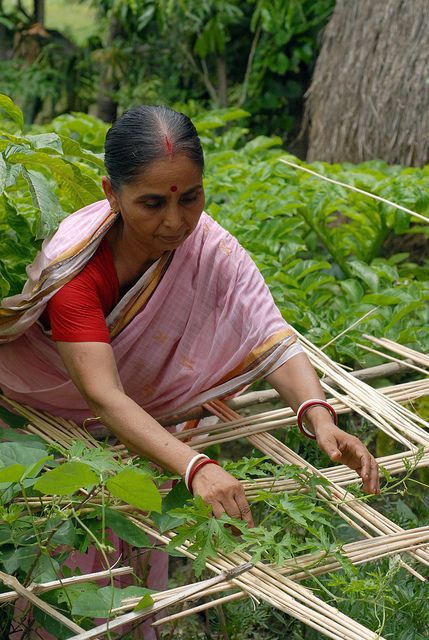
Indian Costumes are different for the different states of India. It varies depending on the origin, climate, and heritage of the place. Indian culture still follows traditional costumes. In eastern states such as Odisha, West Bengal and southern states like Tamil Nadu and Karnataka, women wear saree as the authentic clothing. It is a single and long fabric piece draped around the body.

In a similar way, men wear Dhoti-Kurta or Kurta-Pyjama as the authentic clothing in eastern states. In northern states like Punjab, women wear salwar kameez and Kurti as traditional clothing. Whereas men wear headgear or turban known as the Dastar as the traditional clothing. In India, all the married Women wear Sindoor, a vermilion powder in the parting of their hair. They also wear bindi, Mehendi, bangles, and earrings as part of their attire.
India is a land of rich culture and tradition which teaches people kindness, generosity, and tolerance. Indian culture differs from place to place as it is a multilingual, multicultural, and multi-ethnic society. Indian culture is a unique blend of modern western culture and historical traditions. India is a country of great legends where many great people were born and remembered forever due to their sacrifice for the nation. People across the world come to enjoy and feel the culture and tradition of India. India is well known for its “UNITY IN DIVERSITY “, across the world. That means India is a diverse nation where many people live together peacefully having there own different cultures.

Being in the imagination or live in the realistic world .

Being born in money or torn away by poverty is the world where we live

The Hallucination

Are the money makers living their life without fear ?

Can a poorer get to live more life than its fated ?

Will you ignore the one who hurt you immensely ?

Or like a coward , can you run from the truth ?

If yes , than pray to god for providing you such an imaginary world . Don’t take it seriously but you really need to wake up .

The Truth

The life that we are living is not a game to play . We need be realistic while taking decisions in our life . I don’t want to sound like an arrogant person . But we need to think before taking any decision because it may or may not harm our future . In our life we only focus on materialistic things and grow accustom to them . Which leads to the situation where we become selfish and fiercely jealous to one’s personality .

We judge them regarding to their status , money , power , clothes and their physique . Ding ding …. It’s time for the truth we become impetuous .

So what we learn from OJO -MOJO . 1. Like OJO that donot study and fail in your class. OR 2. MOJO that learn workhard and get award from the school . I choose options 1 (hehe don’t get any ideas I am a hardworker so I will choose my handsome MOJO not an overconfident OJO )


The REALITY

Not against the world of imagination just a believer of reality .

Life is not easy I agree with you but can we make it easy , Is the question only you can answer .

For me , we can only when we are focusing on our work rather than its result . I am not repulsive about getting a promotion on my first day on the work . But I am excited about learning new things and improve my capabilities . That how we need to react . I didn’t get the idea of getting a luxurious jet when I didn’t even have a penny to spend on my health . Well if you can just don’t forget to take me as well ( Huh.. greedy me ) .

I do imagine my life being in the island with some hot people around me ( its a wild imagination) . Well I can’t change that . But what I can change is the accept the reality ( like sitting in my PJ’s , eating popcorn and drooling over Michele Morrone yeah I am fan of 365 days ) .

Conclusion

Life is a series of natural and spontaneous changes. Don’t resist them; that only creates sorrow. Let reality be reality. Let things flow naturally forward in whatever way they like.

Lao Tzu
things that are written in the blog is my perspective of life . i am not taunting anyone . 
its your life you can live according to your rules .

and yes pictures that i used in the blogs are from pintrest .

enjoy your reading .

Strategies to improve your life this year

Photo by Alex Green on Pexels.com

Whatever your definition of “the good life” may be, it’s vital that you enjoy & get meaning from the day-to-day while on your journey. This is something we all have in common, regardless of the particular path we’re on. Your daily experiences (your tasks, your schedule, the places you spend your energy & time) are what make up your life.  And in my book, that’s all we’ve really got.  Life.

“Attention is a tangible measure of love.  Whatever receives our time and attention becomes the center of gravity, the focus of your life.  This is what we do with what we love: We allow it to become our center.  What is at the center of your life?” –Wayne Muller

Are you ready for some inspiring & practical ways to rev up your capacity for joy, fulfillment & meaning? Ready for some tactics to improve the quality of your day-to-day life? I think I hear you shouting “Hell yes!”

8 STRATEGIES TO IMPROVE YOUR QUALITY OF LIFE

  1. Cultivate Optimism. Being positive can often be seen as naivety or “Pollyanna” behavior.  In actuality, optimism increases job performance, creativity, ability to weather stress & self esteem.  Optimism can be used in how you talk to yourself in the face of adversity, explain past events & think about the future.  In the quest for the good life, positive expectations can be self-fulfilling.  Cultivating your ability to be optimistic is beneficial to your health & your success.  How cool is that?
  2. Be Present. Take a deep breath.  This is the here and now.  Stop ruminating over the past or worrying about the future for a moment.  Tell the voices in your head (“your committee”) to be silent. Enjoy your ability to create your experience this very second.  If you’re washing the dishes, wash the dishes.  If you’re writing a blog post, write the blog post. If you’re playing with your kids, play with your kids.  It’s harder than is sounds, but worth practicing every day.
  3. Clarify. When you are clear on what is important to you, there comes an incredible sense of freedom.  You no longer live in a world of social comparison.  You are running your own race.  Goals, big decisions & small habits are surmountable & invigorating because you have a clear picture of what you want your life to stand for.   Clarity does not come easily.  It also evolves throughout your life, which requires gracious flexibility.  But it is worth it.  Spend some quality time getting clear.
  4. Give Out. Mentor, contribute, practice random acts of kindness, express gratitude. Make a loan, give your time, be fully present for your family, change the world. There are a million ways to give of yourself. Do it big, do it small, just do it.  It’s one of the most positive equations in the world: You give of your time or resources, which improves someone’s quality of life, which makes you feel needed & valuable, which in turn improves your quality of life. We’re all better off.  Magic.
  5. Connect. We are social beings.  We crave connections to others individually, to our communities, to our world.  Pay special attention to your family, your lover, your adored friends, your colleagues & your neighbors.  Explore & strengthen your connection to a Higher Power.  And be open enough to enjoy the spontaneous connections that come from making a new friend on vacation or sharing a witty remark with your seatmate on the bus.  Genuine curiosity & kindness are an amazing way to foster connections, new & old.
  6. Find Flow. Flow is being in the groove, totally engaged in your present activity, challenged but succeeding with clear goals & feedback.  It’s a glorious state to be in.  For some it’s gardening, writing, cooking dinner with your partner, intense conversation, or crunching numbers. Though it requires more energy than passive ways to spend time (reality tv, idle gossip, video games) seek out the activities that challenge, engage & satisfy.  Find your flow.
  7. Celebrate. We need play & whimsy in our lives.  A healthy dose of joi de vivre fuels your creativity & feeds your spirit.  Celebrating is a wonderful way to share love with others & incorporate more play in our lives.  Who in your life has done something big lately?  Did you celebrate?  What about something small, but personally important?  Did you celebrate?  Celebrate with traditions, with heartfelt compliments, with notes in lunchboxes, with surprises, with big evenings out, or with cozy evenings in.
  8. Love Yourself. Your body is the vehicle that carries you through your life.  Love yourself by treating your body with respect & care.  Fuel it well with fresh fruits, vegetables, whole grains & lean protein.  Move it daily.  Don’t smoke, don’t abuse alcohol.  Meditate.  Help yourself age well by staying flexible, protecting your skin from sun & exercising your mind.  Sleep well.  Beware the ease in which you critique yourself & indulge in praise instead.

I want to make sure you know that these strategies are useful even when you already feel perfectly content. If you’re “happy”– wonderful.  That’s a great space to be in. Try increasing the quality or quantity of one of the strategies you already enjoy or tackle one that’s a bit less familiar. Think of them as ways to “stay happy”.

I hope you like these tips.

Thank you.

7 Ways to be happier

Photo by Uriel Mont on Pexels.com

1. Don’t start with profundities. When I began my Happiness Project, I realized pretty quickly that, rather than jumping in with lengthy daily meditation or answering deep questions of self-identity, I should start with the basics, like going to sleep at a decent hour and not letting myself get too hungry. Science backs this up; these two factors have a big impact on happiness.

2. Do let the sun go down on anger. I had always scrupulously aired every irritation as soon as possible, to make sure I vented all bad feelings before bedtime. Studies show, however, that the notion of anger catharsis is poppycock. Expressing anger related to minor, fleeting annoyances just amplifies bad feelings, while not expressing anger often allows it to dissipate.

3. Fake it till you feel it. Feelings follow actions. If I’m feeling low, I deliberately act cheery, and I find myself actually feeling happier. If I’m feeling angry at someone, I do something thoughtful for her and my feelings toward her soften. This strategy is uncannily effective.

4. Realize that anything worth doing is worth doing badly. Challenge and novelty are key elements of happiness. The brain is stimulated by surprise, and successfully dealing with an unexpected situation gives a powerful sense of satisfaction. People who do new things―learn a game, travel to unfamiliar places―are happier than people who stick to familiar activities that they already do well. I often remind myself to “Enjoy the fun of failure” and tackle some daunting goal.

5. Don’t treat the blues with a “treat.” Often the things I choose as “treats” aren’t good for me. The pleasure lasts a minute, but then feelings of guilt and loss of control and other negative consequences deepen the lousiness of the day. While it’s easy to think, I’ll feel good after I have a few glasses of wine…a pint of ice cream…a cigarette…a new pair of jeans, it’s worth pausing to ask whether this will truly make things better.

6. Buy some happiness. Our basic psychological needs include feeling loved, secure, and good at what we do. You also want to have a sense of control. Money doesn’t automatically fill these requirements, but it sure can help. I’ve learned to look for ways to spend money to stay in closer contact with my family and friends; to promote my health; to work more efficiently; to eliminate sources of irritation and marital conflict; to support important causes; and to have enlarging experiences. For example, when my sister got married, I splurged on a better digital camera. It was expensive, but it gave me a lot of happiness.

7. Exercise to boost energy. I knew, intellectually, that this worked, but how often have I told myself, “I’m just too tired to go to the gym”? Exercise is one of the most dependable mood-boosters. Even a 10-minute walk can brighten my outlook.

10. Take action. Some people assume happiness is mostly a matter of inborn temperamet. Although it’s true that genetics play a big role, about 40 percent of your happiness level is within your control. Taking time to reflect, and making conscious steps to make your life happier, really does work. So use these tips to start your own Happiness Project. I promise it won’t take you a whole year.

I hope these tips help you.

Thank you.

Importance of Self Care

What is self-care? Self-care is a general term that describes everything you do deliberately for your mental, physical, and emotional well-being. As simple as it sounds, many of us pay little attention to self-care. This is why ‘deliberately’ is one of the most important words in the definition. You need to be conscious of your well-being before you can achieve true self-care. It starts from the simple acts like not checking emails at night when you know it affects your sleep and extends to more important decisions like going for a vacation or booking a massage when you feel you need one.

In a society in which people are expected to work long hours and pass on vacation days, there is an underlying belief that we must always be productive – which can ultimately take away from opportunities for self-care. But by taking some time out to engage in self-care, you may relieve the pressures of everyday life and reset yourself to get back to a healthy point where productivity is once again maximized. 

Overworking yourself may result in adverse consequences, which may include but are not limited to burnout, depression, anxiety, resentment and a whole host of other negative implications. Engaging in a self-care routine has been clinically proven to reduce or eliminate anxiety and depression, reduce stress, improve concentration, minimize frustration and anger, increase happiness, improve energy, and more. From a physical health perspective, self-care has been clinically proven to reduce heart disease, stroke and cancer. Spiritually, it may help keep us in tune with our higher power as well as realize our meaning in life.

Perhaps the single most common reason people give for not participating in self-care is due to a lack of time. While many of us have a lot going on, it’s imperative that we take time out every day for ourselves, even if minimally. Another great thing about self-care is that it does not have to cost a thing. And you can even accomplish it in the convenience of your own home. These perks are especially beneficial during the current COVID-19 pandemic and social distancing regulations.

Remember that self-care is all about you. What works for one person may not work for another, but that’s the beauty of a self-care routine. The catch, though, is that it must be done both intentionally and consistently to have maximum impact. Even if you only have 5-minute increments spread throughout the day to engage in self-care, that is certainly better than nothing. Over time, you may significantly enhance your overall health and wellbeing. Even if you are just beginning, there are results that may be realized almost immediately.

For all of us, though, there is continued work to be done. Life is dynamic, and so are our dimensions of wellness. During challenging times, we may rely on our strong points to help carry us through. When too many dimensions are compromised, we may find ourselves struggling and find it difficult to handle things we easily could have in the past.

Each of our self-care plans will look different, but here are some suggestions to consider among each of the eight domains.

  • Emotional – Talk to someone, reflect, journal, read, do something artistic, listen to music, work out, take a walk, watch something that suits the mood (or does the opposite and changes it), cry it out, hug someone, cuddle, laugh, take a nap.
  • Environmental – Take a walk somewhere nice, breathe in fresh air, enjoy the sun, enjoy the night sky, avoid littering, pick up litter, reduce waste, use reusable products, recycle, clean your house, redesign a room.
  • Financial – Develop a practical financial plan, open a savings account, start saving, try saving even more if you are already saving, invest, cut back on unnecessary purchases, consider where you can cut corners, avoid credit cards, ask for a raise.
  • Intellectual – Read, listen to audiobooks, watch documentaries, complete puzzles, be mindful of the world around you, become curious, try something new, tap into your creative/artistic side, take a class, complete a program, graduate.
  • Occupational – Learn a trade, get your degree, train for a promotion, accept the promotion, put together your resume, polish your resume, apply for your dream job, take on a task you enjoy, open your own business.
  • Physical – Work out daily, take a walk, eat healthy, get your annual checkup, see the dentist, take medications as prescribed, avoid drugs and alcohol, get 7-9 hours of sleep, see the physician when you do not feel well.
  • Social – Meet up with friends and family, keep in contact with old friends, volunteer, go out, have fun, engage in healthy social media use, exude positivity, utilize technology when distance is a factor, have a big laugh.
  • Spiritual – Meditate, pray, reflect, engage in yoga, visit a meaningful site, do right by others, be mindful, consider your higher purpose and meaning, look to your higher power for support, love one another, help those in need.
Self-Care is personal, and no general principle will always work. What motivates you and inspires you is different than the person next door. Look for the things that make you feel alive. Make dates with yourself and when you commit to working out or doing something for yourself, keep the commitment you make to yourself. We don’t back out on our friends, don’t back out on yourself. By being healthy about self-care, you will feel be better equipped to help others. Go live your best life.