Maladaptive Daydreaming

Daydreaming is our break from reality. We all have our own imaginary situations going on in our mind. Who doesn’t like to wander and take a break from reality. But, what If you were unable to live in the reality due to your daydreaming? What If your escape found no route back to the real world? That is what Maladaptive Daydreaming is all about.

What is Maladaptive Daydreaming?

Maladaptive Daydreaming is a condition where the person is unable to touch his feet to the ground(reality) due to his feet touching a consolidated and intense imaginary ground.
The common observable symptoms are as follows:

•Escaping the reality by making up an alternate world and living in it for hours.
•Well structured plots with defined storyline and settings
•Lasts for several minutes to several hours.
•Withdrawal from social activities and relationships due to the extensive and intense daydreaming.
•Trouble while focusing in everyday tasks.
•Trouble sleeping
•Daydreaming becomes an addiction where you no longer have control on it and feel empty If not engaging in it. It becomes the top priority of the day
•Talking to yourself and making faces.

What triggers the daydreams?

•Real life events
•conversation topic
•movie
•noise or smell

Why some people may resort to it unknowingly?

Intense daydreaming may act as a coping strategy. A person who is tired of his daily mundane lifestyle, traumatic past or present, may find daydreaming as a comfort zone rather than a mere temporary escape.
During Covid 19 lockdown many people experienced something similar due to the elimination of interactions and activities from their lives.

How Is it different from daydreaming?

•Daydreaming acts as an temporary escape. It is rather a pleasant experience whenever the reality goes harsh on us.
Maladaptive Daydreaming is rather creating one’s own comfort zone in an imaginative alternate reality and withdrawing from reality

• Daydreams are usually about pleasant scenarios or our imaginary future.
Maladaptive Daydreaming can be pleasant too. However, it also involves well defined plots about control,power,sex,rescue.

•Daydreams start and end in our minds. It just makes us feel happy.
Maladaptive Daydreaming may be accompanied by movements, talking to oneself and facial expressions. The person gets deeply involved in his alternate reality.

Is Maladaptive Daydreaming considered as a disorder?

Maladaptive Daydreaming was first defined in 2002 and is not yet recognized in the Diagnostic and Statistical Manual of Mental Disorders (DSM-5).

Does Maladaptive Daydreaming has a treatment?

There is no official treatment method for Maladaptive Daydreaming. There is no method to diagnose it either. However,Somer developed the Maladaptive Daydreaming Scale (MDS) which helps to determine if a person is experiencing Maladaptive Daydreaming.
Maladaptive Daydreaming is often diagnosed as Schizophrenia in which a person is unable to differentiate fantasy from reality.

What are the effects of Maladaptive Daydreaming?

Though a person indulges in extensive fantasizing to protect himself from anxiety, trauma, depression or obsessive compulsive disorder, however,it may lead to negative effects on one’s emotions, social life and mental well being. Some of the effects are as follows:

•Emotional Distress. After daydreaming so extensively one may feel emotionally worse due to their energy and concentration being highly invested in a reality which yields nothing and is above all, imaginary.

•It is common among people suffered from Attention Deficit Hyperactivity Disorder (ADHD) and may lead the person to suffer from anxiety, restlessness and attention deficiency.

•A person may spend 4.5 hours of his day engaging in intense daydreaming. Therefore, withdrawing from social activities, interactions and an active lifestyle.

• The person is unable to focus on what is going on and fails to grasp responsibilities,tasks,and studies. They may find it tiring and draining.

However,It can be managed through living an active lifestyle, engaging in interactions and meditating to keep the urge and the anxiety at bay. The human mind is indeed a world of its own. Sometimes,we alone cannot control it. Consulting a psychologist and talking about it may give us more insight into the condition.Withdrawal and Isolation may end up making the condition worse.


How To Manage Emotions

In my previous to previous article on thoughts and how it stimulates emotions I had put forward my view that no emotion exists without a reason. Its there because we think of a situation, a person or something in a particular way which kick starts our emotions accordingly.

I am a teenager and I suffer from unexplainable emotions sometimes. Thanks to the person who gave me the most brightest and the most practical solution to this issue. He is none other than Vex King.

Unlike thoughts, emotions CANNOT be controlled but are to understood. It is only after a thorough understanding of your feelings or emotions that you can conclude the root cause(the thoughts) which created it.

For example: Have you ever felt inferiority complex? The feeling which makes your confidence and belief shiver and which makes your mind the supreme critic of yourself.

How do you at all stop that kind of feeling? Its so common nowadays.


• The most important step to take before understanding why you feel the way you feel is to accept that you feel something negative crawling in you. Most of the people nowadays ignore their emotions by working and spending their time somehow. But that never ends the feelings. It just subjugates it and once the person is all by themselves before bed or even for a minute, those emotions swallow down his peace.

They say you cannot run from a truth and emotions are a truth. You cannot run from it. To fight it,you have to face it.

Question It. (Asking such questions is not just helping you understand tour emotions better but helps you get a closer insight about your thought process, assumptions, perspectives)

Why do you feel emotions of anxiousness and panic? Why do you feel jealous and insecure in someone else’s presence? Why are you questioning your worth?

Because, you THINK and FEEL you are not enough. Somewhere you are so lost looking for validation and praises that even the minute criticism to receive makes your heart stop.

Because you feel what the other person possesses is much better than what you have as they get praised for it and your mind continuously reminds you how foolish you are for not being like them.

Its okay to feel this way. Half of the population of our race feels the similar nowadays.

Because our mind has no achievement to hold on to which it can spoil with ego(not an achievement which our pride can utilize). On further questioning you will find the answer. Just like when you have ego you can’t see anyone else but you, similarly when it breaks you see everyone else but you.  So, its not them who seems too good to be true, its your thoughts and emotions which cloud your awareness from knowing your own capabilities.

Its not our fault. We are so accustomed to feel empty and disposable after our ego is broken, we do not know who we are.

But if you choose to remain this way, it is your fault.

•Are they worth your energy?analyse & question the answers!After questioning and finding the answers to your emotions and understanding the reasons behind their presence, question the validity of the answers. Question the thoughts which made you feel in a particular way about the situation. Why did you think in that way?

Some questions for the given example situation of inferiority complex are as follows:

Can you be the person who, according to you, is better than you? (a rather negative perspective of someone being better than you)

Can you live your life being someone else? Pleasing everyone but you? Living like a puppet?

To which feature of them are you comparing yourself with? Do you know enough about that feature of yours? Have you ever tested it?

The list can go on… which, after a certain time will question your thoughts and changes it with positivity. Self introspection does wonders

Realization:  This is the final step wherein the complete understanding of the emotions set in. Not only we become aware of the emotions but we have understood it by this stage and now its time to do the needful. With an understanding of your emotional state, now you can actually ‘move on’ in your life with a rather better understanding of yourself.

Emotions make us human. You can never be devoid of it but however, understanding your emotions cuts off the negative and self detoriating emotions and replaces them with calmness and a sense of freedom from the chaos.


MUSIC : THE WONDER OF THE BEATS

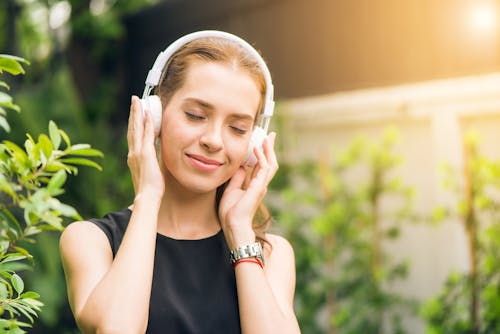
Woman Wearing Black Sleeveless Dress Holding White Headphone at Daytime

In the world that we live in today, we are always surrounded by music everywhere. From slow to fast, calm to upbeat, from rock to hip-hop to metal and country, people all over the world appreciate the music in all its different forms, style and distinctiveness. Music connects people all over the world, whatever language or genre that it may have. It carries a universal message of love and togetherness that unites people from different parts of the globe, as they find a common hobby to bond over amidst all the differences and diversity they may have among themselves. We do not overexaggerate when people claim that “Music has saved them”. It is like a boat in the middle of the storm of life that helps them sail through the difficult time with ease and offers them a place to relax and unwind, allowing them time to reflect and introspect to understand themselves a little better. Music is a remedy for all of us and it accepts us with open arms wherever we go.

Some of the ways in which music is beneficial are mentioned below. They are as follows:-

IT HELPS YOU CALM DOWN

Amidst the race and chaos we call life, we may not always get the time to relax and take out time for ourselves. In such situations, music can be our savior. A number of studies have suggested that listening to slow music for a minimum of 15 minutes a day can really help us ease down a bit, allowing our bodies to relax and live in the moment.

So, whenever you feel stressed, make sure to put your favorite tunes on and just relax!

MUSIC MAY HELP YOU IMPROVE YOUR PERFORMANCE WHILE EXERCISING

Often, people prefer listening to upbeat and groovy music while trying to get in a workout. This is highly beneficial as it can truly help us stay motivated to give our best while doing exercise and may help us improve our daily performance. Many researches have shown that listening to happy and motivational music may help us get motivated to run even faster while running as well as help build our strength and stamina.

MUSIC CAN HELP ELEVATE YOUR MOOD

Scientific studies have shown that music can actually help release dopamine, a feel good hormone, in our body and improve our mood a lot. Henceforth, listening to music about 30 minutes a day can make us significantly happier and elevate our mood!

MUSIC IS GOOD FOR YOUR HEART

A number of scholars and professionals have stated that while music does make US happy, it also makes our heart happy too. This evident through the fact that listening to music helps the blood in our body to flow more easily and efficiently, while at the same time, it lowers our blood pressure as well. Not only this, listening to music can also help in lowering the cortisol levels in our body as well as increase the production of serotonin in our lood stream, making us less stressed and happier.

So, listen to music everyday while enjoying the journey of life!

Effects of changing food habits on health

Right from the beginning of evolution till now humans went through lots of changes. Other organisms that thrive in the world adapts themselves to the surrounding whereas the humans on the other hand shapes and modulates the environment suitable for him. So through centuries our lifestyle and also the way we meet our daily needs has changed. For survival a person needs food and shelter, it’s mandatory for every living being. But humans over years evolved to neglect his requirements and has turned to go for false needs.

Nowadays in the fast moving world people forget to care for their health. They are ignorant towards the fact that they are spoiling themself by skipping food and taking improper diets. Its science that tells a person to consume the food that are available or grown native to the region they live, that’s how the system works and the availability varies place to place. Thus consuming foreign variety of food for a long time may be hazardous. Apart form these there is also the risk of growing fast food culture among the people. In search of tasty food, lack of time and ignorance, people end up having multiple health disorders. It affects both the physical and mental health of people, further there are also risk of bringing down our efficiency in our daily activities. Not only the adults but also the kids of this generation are addicted to unhealthy food habits, thus without acquiring necessary nutrients they suffer diseases at an young age. If this scenario persists it may result in the danger of affecting the upcoming generations which includes the factors such as redused life span. So rather than going behind false things one must realise the truth and must work towards changing his lifestyle to a normal form with all it’s regular aspects other than the modified one.

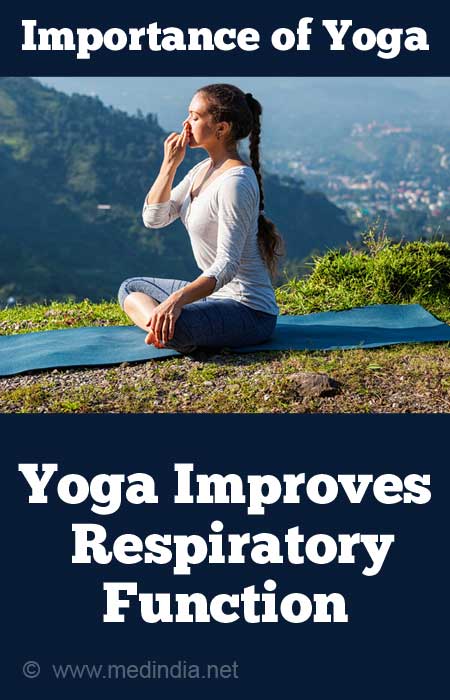
Importance of Yoga.

Before we get into the benefits of Yoga, it is essential to understand what exactly Yoga really is. Yoga is not a religion, it’s a way of living that aims towards a healthy mind in a healthy body. Man is a physical, mental and spiritual being; Yoga helps in developing the balance between all the three as stated in  Ayurveda in India. Other forms of exercise, like aerobics, only assure physical well being. These exercises have very little to do with the improvement of spiritual or astral body.

Yoga as a practice has innumerable benefits that positively affect an individual both physically and mentally. During this ongoing coronavirus pandemic, when we are all bound to live a restricted life under the constant fear of infection risks, it is natural for anyone to develop anxiety. The continuous flow of negative news, the inadequacy of daily resources, everything is adding to this growing anxiety and depression. Being confined at home for such long periods of time, can be mentally challenging for us. When our mind is flooded with the uncertainty of the future, we often experience sleepless nights causing fatigue. Many of us are unable to relax our mind during this time thereby increasing the stress on our minds. 

Some of the advantages of yoga are listed below:

  • Yoga increases your flexibility.This is why many people start yoga, and it’s certainly a great benefit of yoga practice. Yoga postures and sequences help to increase the body’s range of motion. The mindful approach of yoga helps to ensure that stretching is done safely, allowing the nervous system to release the muscles into gentle, effective stretches. This reduces the risk of injuring ligaments and tendons, which can occur through more aggressive approaches to flexibility training. Releasing tension in the muscles can also help them to relax and let go, helping your body to open up more.
  • Yoga helps you to build strength. Although many people overlook this one, seeing only yoga’s benefits for flexibility, yoga is actually a fantastic strengthening practice.. Yoga helps to strengthen the muscles that support the body’s weight, leading to functional strength. It is also fantastic for building core strength. This improves athletic performance and your functionality in everyday life, while keeping you safe from injury.
  • Yoga helps to keep your joints healthy. Yoga will strengthen the muscles around the joints, helping to stabilise them. By moving the joints in their full range of motion, yoga can help to promote better joint health. The mobilisation of the joints improves the flow of synovial fluid, which lubricates them, allowing for smooth and healthy movement of the bones. Synovial fluid also delivers fresh oxygen and nutrients to the joint cartilage, helping to restore it and keep it healthy. Yoga can even help those with more serious joint problems such as arthritis, improving physical function and reducing pain.
  • Yoga reduces stress. Many people begin yoga to improve their flexibility, but they keep coming back because they find it makes them feel so much better. The focus, centring and breathing of yoga all help to reduce stress and can be the ideal antidote to a hectic modern lifestyle. In part this is another wonderful benefit of the mindful aspect of yoga. It is also due to the positive impact of increasing activity levels and exercise, along with the relaxation and reduction of physical tension that yoga brings. Yoga can leave you feeling relaxed and refreshed, physically, mentally and energetically.

References:

https://www-medindia-net.cdn.ampproject.org/v/s/www.medindia.net/amp/yoga-lifestyle/yoga-importance.htm?amp_js_v=a6&amp_gsa=1&usqp=mq331AQKKAFQArABIIACAw%3D%3D#aoh=16288671603271&referrer=https%3A%2F%2Fwww.google.com&amp_tf=From%20%251%24s&ampshare=https%3A%2F%2Fwww.medindia.net%2Fyoga-lifestyle%2Fyoga-importance.htm

https://www-hopkinsmedicine-org.cdn.ampproject.org/v/s/www.hopkinsmedicine.org/health/wellness-and-prevention/9-benefits-of-yoga?amp_js_v=a6&amp_gsa=1&amp=true&usqp=mq331AQKKAFQArABIIACAw%3D%3D#aoh=16288671603271&referrer=https%3A%2F%2Fwww.google.com&amp_tf=From%20%251%24s&ampshare=https%3A%2F%2Fwww.hopkinsmedicine.org%2Fhealth%2Fwellness-and-prevention%2F9-benefits-of-yoga

Don’t say something you regret out of anger

There once was a little boy who had a very bad temper. His father decided to hand him a bag of nails and said that every time the boy lost his temper, he had to hammer a nail into the fence.

On the first day, the boy hammered 37 nails into that fence.

The boy gradually began to control his temper over the next few weeks, and the number of nails he was hammering into the fence slowly decreased. He discovered it was easier to control his temper than to hammer those nails into the fence.
Finally, the day came when the boy didn’t lose his temper at all. He told his father the news and the father suggested that the boy should now pull out a nail every day he kept his temper under control.

The days passed and the young boy was finally able to tell his father that all the nails were gone. The father took his son by the hand and led him to the fence.

You have done well, my son, but look at the holes in the fence. The fence will never be the same. When you say things in anger, they leave a scar just like this one. You can put a knife in a man and draw it out. It won’t matter how many times you say I’m sorry, the wound is still there.’”

Speak when you are angry and you’ll make the best speech you’ll ever regret. – Ambrose Brierce

YOGA: TRY IT AND SEE THE BENEFITS!

Woman Squatting on Ground While Raising Both Hands

Yoga has been part of Indian culture and society as far back as we can go. With it several positive effects that have been witnessed by the people who have tried it, yoga has become quite popular among people all around the globe and is now, not just practiced in India but several other nations as well. While it provides us with a variety of advantages to incorporate yoga in our everyday lives, even science has backed these developments and even doctors have recommended people to make yoga a part of their routine as it is far more than sitting at one place and simply breathing with eyes closed. Every year, a large number of people, in quest for spiritual and religious awakening, travel to India and try yoga in order to reach their respective mental and physical goals and in fact, they are able to do so always.

Some if the benefits of including yoga in our everyday routine includes:-

MAKES US FLEXIBLE

Person Performing Exercise

Perhaps one of the major reasons why people pick up yoga is to make their body more flexible. In fact, yoga does make us flexible as it makes our body more loose, with all the stiff muscles that open up over time due to regular and consistent yoga practicing.

PROMOTES MUSCLE BUILDING AND STRENGTH TRAINING

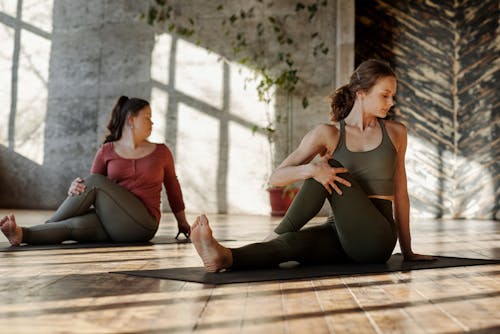
Photo Of Women Stretching Together

Yoga has been proven to aid muscle building among regular yoga practitioners. It helps us be more flexible, which improves our performance significantly in gyms and other muscle building programs. Further, it helps us to strengthen our core as well, making us more than capable to manage our own body weight so that we can become a stringer and better version of ourselves.

So, make sure to try yoga at least for a few weeks if you want o build muscles and observe the magic of yoga!

HELPS WITH BODY ACHES

Photo of Girl Hugging Her Mom While Doing Yoga Pose

Yoga helps in soothing body aches significantly. This can be supported by the fact that as we do yoga, the blood flow in our body improves and happens more efficiently, henceforth, blood is properly supplied to all the limbs of our body. Not only this, the blood cells receive much more oxygen, all thanks to yoga, which helps them heal faster and efficiently.

So next time when you face a back pain, make sure to do some yoga stretches which will surely help you with the pain!

BETTER POSTURE

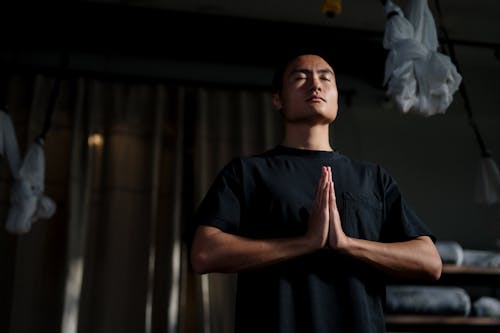
Man in Black Crew Neck T-shirt

The placement of the head in our body along with our everyday lifestyle does more than harm to our back and posture. While we slump everyday in front of our computer screens as we work, our backs are prone to becoming extremely weak. However, a number of studies have shown that yoga can helps us with this issue as it can aid in correcting our body balance, along with imbalanced muscles as well. this will ensure that we hve good posture throughout the day and we do not face an back problems!

To sum it all up, yoga can be excellent tool for everyone actively willing to improve themselves on their journey to health and wellness.

How to stay Fit.

Healthy Lifestyle Diet and Fitness vector sign in the shape of a heart with multiple icons depicting various sports vegetables cereals seafood meat fruit sleep weight and beverages

Staying fit is a great way to improve your mood and overall health. Many people struggle with staying fit over time, but the benefits of fitness definitely outweigh the costs. With some commitment and motivation, you can maintain your physical fitness for years to come!

Start Cycling or jogging: It’s not necessary to stay off as full complete workout. Just start taking initiatives as in of your spend you enitre day doing sedentary jobs or desk jobs to be more precise, just include a walk in your day to day life.No matter what your speed is, walking, jogging and cycling are very important parts of a healthy lifestyle as they are activities that keep your heart and lungs active and your blood flowing.

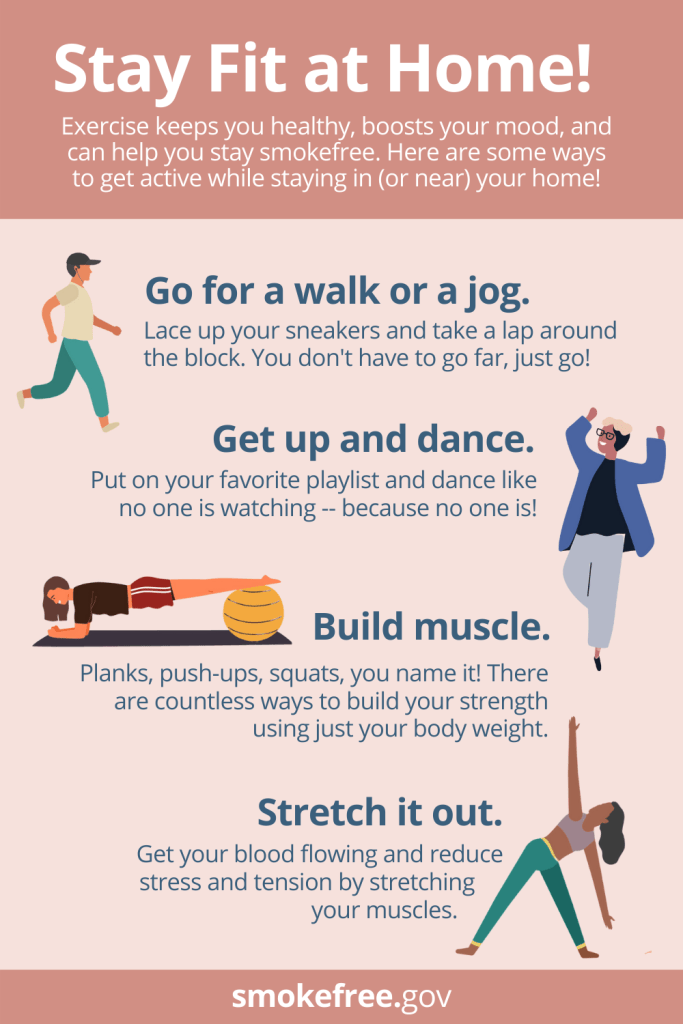
Exercise at home. Not everyone has the time or money to go to the gym and there is no need to. Working out at home is very easy and can be very beneficial. Some at-home exercises include:

  • Push-ups. Use your weight against the floor or wall to work on your upper body strength.
  • Sit-ups. Sit-ups can be done by simply laying on the ground or, with a more advanced technique, with a chair or exercise ball.

Stretching: Light stretching is I think very basic that needs to be included in everyday routine. Because it will help you to to start your new journey. Its the stepping stone to start your fitness path .

Eat healthy. Maintaining a balanced diet can be difficult to do if you do not have the time to cook for yourself every day. But, it is easy to find healthy solutions in restaurants and take-outs as well. You will find that maintaining a healthy and balanced diet can increase energy and productivity, boost your metabolism and make you a happier person because you will be consuming the nutrients and vitamins your body needs.

Go outdoors. There are definitely some perks to working out at a gym–air conditioning and televisions are a few. But scientists report that exercising outdoors, at least part of the time, can have major benefits. The varied terrain of a road, sidewalk, or trail challenges your body in ways that the monotony of a treadmill or elliptical trainer can’t do.

Sleep Deprivation: A serious issue.

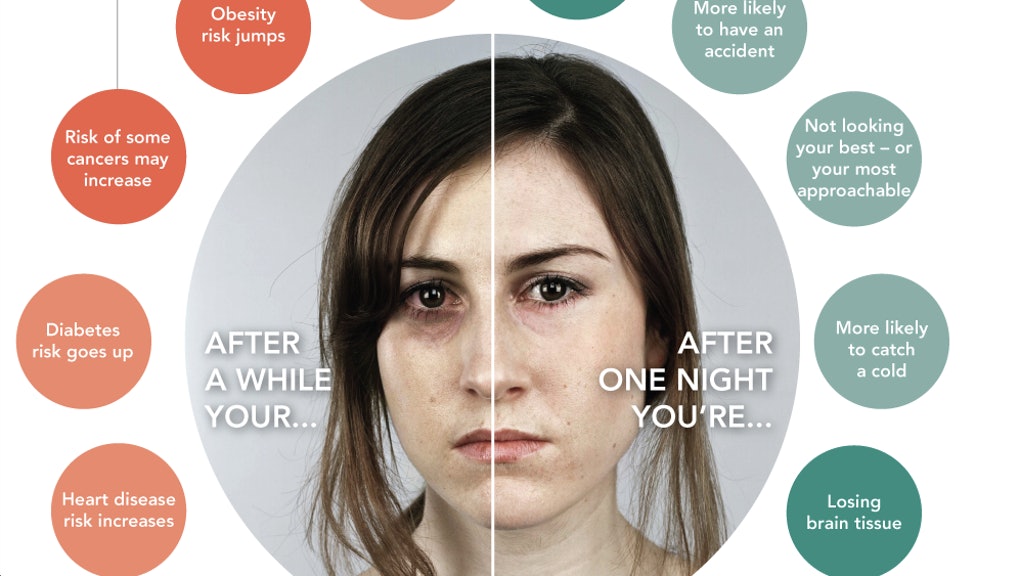
Sleep deprivation is the lack of sleep or reduced duration of sleep that damages one’s health in long run. The main reason behind lack of sleep these days is due to the lifestyle and excess interaction with gadgets such as mobile phones, laptops, tablets etc that promotes laziness and reduce physical activity manifold.

Sleep deprivation is the root cause of health deterioration as well as reduced life expectancy even though no one cares about the hours of sleep needed. Most of us spend two-third of our nights scrolling through phones using social media. Or watching a tv series, that causes insomnia if the habit persists. Sleep deprivation comes with a lot of health issues that we take for granted.

An average hour of sleep that is needed for an adult is around 7-8 hours, which is necessary for the body to perform metabolic activities and maintain homeostasis of the body. The lesser we sleep the more complex it would become for the body to perform efficiently that ultimately damages several organs of our body.

Effects on the body :

  • The cardiovascular system: Lack of sleep can severely damage the functioning of the heart. An adequate amount of sleep helps to maintain blood pressure, sugar levels etc that prevent the chances of increased heart disease.
  • Brain: Sleep deprivation can cause the altered perception as well as visualization. A lack of sleep may also make it harder for a person to form new memories, which can affect learning.
  • Hormonal imbalance: Insufficient sleep can cause a hormonal imbalance that upset the entire machinery. Lack of sleep causes release of stress hormone that builds up unnecessary tension in the muscles and nerves.
  • Fertility: Poor sleep may affect the production of hormones that boost fertility.
  • The immune system: Sleep deprivation may cause a person to be more prone to infections, that leads to various diseases.

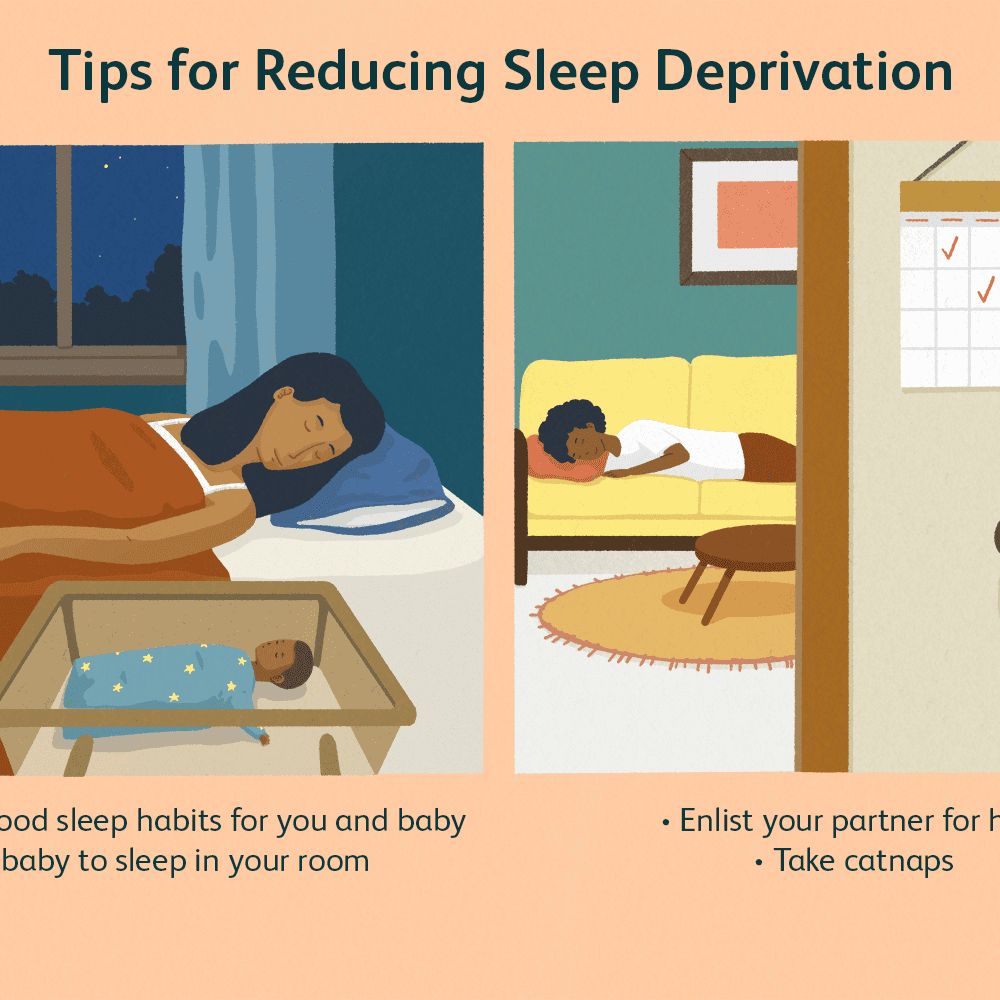
There are lots of ways to tackle the problem of sleep deprivation such as medication, cognitive behavioural techniques, relaxation techniques and Homecare strategies. Among all of the methods mentioned, homecare strategies is the most effective way because of no side effects related to it.

Some of the home care strategies are:

  • Get a regular exercise.
  • Try to take power nap of 15 mins during day time.
  • Avoid having dinner just before going to bed.
  • Limit the consumption of caffeine.
  • Try to go to bed and waking up same time every day.
  • Try to do physical activities or workout a little.
  • After trying to fall asleep for 20 minutes, get up and read, then try again later.

References:

Harness the Power of Optimism.

In the given situation, the provided topic could seem a little absurd like how can we search for positivity in the present scenario. But once you start finding happiness in day to day life, you will end up counting thousands of blessings that will develop a sense of gratitude. The more you look deep into your life, the more satisfied you feel.

Not everyone’s life is the same and ups and downs are parts and parcel of life. Life isn’t a fairytale that we assume as a kid. It’s pretty much living in practicality with low or no expectations. To top it all, the pandemic is here to create havoc and causing distress, which is challenging and quite difficult to cope with.

To deal with such situations we need to be prepared to strengthen up ourselves to tackle the grim situations. And for that matter, we need to harness positivity, that isn’t a walk in a park, I presume.

Looking for positivity is quite challenging because it’s not like you will just sit and think like what all things do I’ve to be grateful for rather you need to develop few disciplines that will make you feel grateful and help in sighting positivity in every aspect. Moving on to the disciplines, that I mentioned before, it could be waking up early in the morning, accomplishing your little morning devotions, working out, meditating or just going for a walk early in the morning.

The aforementioned methods might sound a little too dramatic like who does that for real, but trust me it is very effective and equally helpful that change your entire perspective and will offer an astounding viewpoint to relive your existence.

The Advantages of Implementing Body Neutrality In Your Life

Body neutrality is a relatively new idea for many people. It is the discipline of embracing your body in its current condition for what it can achieve rather than focused on how it appears. As a result, some individuals may be confused why they must try it, or even whether they should.

There are several advantages to practising bodily neutrality, which vary from physical to emotional. One of the positive aspects is that just shifting your attention away from exercise that feels like punishment or for weight reduction goals, and instead engaging in exercise activities you love, can reduce your chances of overworking or injuring your body.

Although body positivity was originally seen to be the best approach to build connections with our bodies, body neutrality, a newer concept, is now thought to be a better method of connecting with our physical selves.

Some of the advantages of implementing body neutrality in your life are:

  1. Become Less Judgmental

It is really tough to avoid criticizing our bodies. We are continually inundated with pictures of “perfect” bodies in the media, and most people—often including those whose own figures are on display and digitally altered—believe that their own bodies fall short of the ideal form. If you try to stop judging your own body against those of someone else or against an aesthetic in your head, it’s logical that you’ll stop judging other people’s looks as severely.

One of the most beneficial aspects of this is that as we become less judgmental about our bodies, it becomes much easier to be less judgmental towards yourself and others generally. Even though it comes to issues other than bodies, practising body neutrality may cause you to be less critical of yourself and others.

  1. Become More Empathetic

When we become less harsh and judgemental of someone else, we start to open ourselves up to their complex and diverse experiences. Instead of passing judgement on others, we may cultivate our sense of empathy.

This might be in pertinent aspects, like not thinking of an obese person as having an unsuitable physique, or in non-related ways, such as attentively listening  to a person’s experience or narrative before making judgements on them, or deciding what your impression of them is solely based on their looks.

Cultivating more empathy allows you to connect with others more effectively and profoundly. It helps us to be more open since we have a better understanding of how sensitive everyone else is. And it causes us to behave from a gentler interior place, rather than a competitive attitude.

  1. It  Lowers Stress Levels

There is little doubt that chronic stress may have a significant detrimental impact on our lives. Prolonged stress is defined as feeling anxious about your body on a regular basis. Since your body is constantly with you, an emotional issue centred on your body has no end point on its own. Individuals might battle for years, if not their whole lives, with how they appear.

Once you choose to embrace your body for what it is capable of doing and stop concentrating about how it should be changed, your levels of stress are likely to decrease. This makes it simpler to feel content and at ease. Furthermore, when you are under reduced stress, your body produces less cortisol (the body’s major stress hormone), which results in good consequences such as increased energy, good sleep, and improved digestion.

  1. It Enhances Your Intuition

One important aspect of body neutrality is eating what your body desires. To be able to do so, you must first connect with your body on a personal level. Many individuals are accustomed to selecting foods based on what they are taught by nutritional specialists, or even celebrities, as the “correct” items to eat, so eating intuitively might feel like a significant life shift.

Once you have learnt how to connect with your intuition in respect to your health and food, you unlock the way to hearing and listening to your instincts in general. It can be beneficial to your mental health since it can make you feel much more secure in your decision-making abilities.

  1. It Improves Your Mood

If you spend any of your time worrying about your physique, chances are you’re not in the greatest of moods. And then from there, it may well be difficult to immediately put oneself in a great mood, even when everything else in your environment is technically fine.

Less judgement, reduced stress, and improved intuition as a result of bodily neutrality are all excellent mood enhancers. Body neutrality practise may lead to all of these benefits, and as a result, you may find yourself in a positive mindset more frequently than you’ve ever anticipated.

Body neutrality is not a one-time event. It may be a long process, just like any other personal journey. However, the advantages might be enormous. From reduced stress to increased happiness, the mental wellbeing advantages of body neutrality are compelling enough to warrant a try.

How To Quickly Improve Your Mood

While we’re in the midst of life’s stresses, we sometimes just want to feel happy immediately. Not only do studies indicate that cheerful individuals have many advantages in life as a result of their happiness, but happiness also just feels good.

Every area of your life is affected by your mood and mental health, from how you feel about yourself to your relationships with others and your physical health.

Though it may appear like happiness is just around the corner with a better career, a healthier relationship or a nicer house, the euphoria that comes with those accomplishments might be ephemeral. Furthermore, you don’t need to make major changes to be joyful; you can experience happiness even with doing miniscule task

There are several strategies to keep your brain and emotions in peak condition. Exercise, good nutrition, and stress-reduction strategies such as meditation or mindfulness may maintain your brain — and your body — in peak condition.

How to Quickly Improve Your Mood

Listen To Music

Music is believed to have the capacity to affect one’s mood, making it a great stress reliever. In reality, music has been utilised therapeutically in hospitals for pain management and mental well-being. Music has also been related to happiness, particularly specific genres of music, according to research. Music, particularly music with a major tone, is associated with reduced stress and feelings of enjoyment.

Incorporate Laughter In Your Life

As it’s so true, the saying “Laughter is the best medicine” has become a cliche. We know that laughing has several benefits other than improving one’s mood. Laughter has been shown to boost immunity and extend life. Laughter can not only be helpful for elevating your mood but the mere anticipation of laughter has been shown to have advantages.

Change Your Mindset

Changing your expectations and comparisons is a quick and easy approach to improve your attitude. Rather than focusing on what you don’t have, consider all you do have. There will always be those that will have more than you in some aspect of life, but so many would have less than you. Enjoy the advantages of thankfulness and shift your perspective on what you have, and you will feel happier right away.

Do a Good Deed

Many people have found that helping others makes them happy. Indeed, studies suggest that individuals who volunteer have higher levels of health and pleasure. This is believed to be true for a number of reasons. The first is that generosity itself has several advantages, including an increased degree of emotional well-being. If you are doing something kind for someone else, your attention shifts away from yourself and your issues and onto others and making them happy. A smile that you put on somebody else’s face is an infectious smile that spreads contagious happiness.

Practice Meditation

Although meditation appears to be more of a stress management strategy than one that may increase happiness, it has been shown to be an efficient approach for both. Meditation’s stress-reduction effects are well-known, but research also suggests that regular meditation can lead to higher levels of happiness.

If your attempts to improve your mood aren’t helping or you’re having difficulty giving yourself a very much needed boost, consider seeking help from a  professional therapist. If your mood has been low for much more than two weeks or is affecting your relationships, job, or education, speaking with a therapist can help.

BENEFITS OF INTERMITTENT FASTING(IF)

 So, if you’re the one person who runs away from exercise and workout and still dream of a HEALTHY LIFESTYLE, let me bust out an age old myth about fasting for you. How can fasting benefit one’s body? What does intermittent fasting do to your body? Is a sixteen hour fast beneficial for your health? These are the type of questions that generally arise in our skeptical minds when we hear about intermittent fasting. Well, if you too find yourself in middle of these questions, then you have reached the right place. We’ll provide you with ample reasons to choose this fasting in order to benefit your inner and outer self.

Intermittent fasting is one of the most aired dieting methods these days, a pattern of eating and fasting in a cycle within 24 hours.

There are different patterns of intermittent fasting, the most common being the 16/8 (16 hours of fasting window and 8 hours of eating window) pattern. Others can be 20/4, 5:2 pattern etc.

You will be shocked to know that it is a scientifically proven method of improving your mental and physical health.

So here we bring your attention to some of the top benefits of intermittent fasting: 

1.CHANGES HORMONE, CELLS AND GENE FUNCTION

Many changes occur in our body while we don’t eat. Our body changes the level and functions of the hormones to allow them to use the stored fat for primary energy generation. It also initiates the repair of damaged body cells. 

Some of the aforesaid changes occurring in our body due to fasting are;

a. Increase in Human Growth Hormone (HGH)

The exotic increase in level of HGH in blood leads to high fat burning, repair of tissues in the brain, boost in metabolism and gain in muscle mass, that’s why it is very common in body building industry.

b. Lowering the Insulin level-

Keeping the insulin level low in the blood is the main aim of IF. During the fasting window the insulin level of body lowers down dramatically and reverses the formation of fat and hence, you lose fat. Lowering in insulin also prevents diabetes. 

c. Repair of cells-

During IF, our body cells rejuvenate, cleanse themselves of all waste materials and repair themselves with the help of HGH in order to become stress resistant.

d. Correcting Gene expression-

IF affects different gene expressions to cures many diseases and health problems at genetic levels like cancer etc.

2. LOSING WEIGHT

                   While following an intermittent fasting routine; the body lowers the level of insulin, increases the level of HGH and increases amount of noradrenaline. This consequently leads to burning of excess body fat which is then converted into energy, that is utilized by the body for its daily activities.

                  It also breaks down visceral fat from our abdominal cavity that otherwise is hazardous for our physical well-being. So basically, IF takes down our calorie intake in order to boost our metabolism and correct our lifestyle.

3.IMPROVES BRAIN FUNCTION AND IMMUNE SYSTEM

                      As the metabolic activity of the body improves, so does the condition of the brain which is the most important part of our body. IF reduces inflammation, oxidative stress, blood sugar and insulin resistance of our body which leads to the growth of new nerve cells. It also leads to the secretion of brain hormones which prevents depression and brain damage like strokes.

IF even protects the body against incurable disease like Alzheimer’s.

4.PROTECTS FROM HEART DISEASES

               The intake of healthy IF diet leads to almost no formation of low-density lipoprotein or bad cholesterol which prevents heart attack and also reduces the risk of high blood pressure and other inflammatory diseases of heart. According to new research, regular follow up of IF can considerably lower the rate of heart failure and can add more years to someone’s life.

5. INCREASES LIFE LONGITIVITY

                   Taking an IF diet can persistently uplift a poor lifestyle of a person and help him get rid of heart diseases, abnormal blood pressure, atypical brain problems, obesity, fatigue etc. This, thus, brings the overall health of  a person in the right track also benefitting him from over-aging by repairing the body cells timely. 

LET US KNOW IF YOU HAVE ANY QUESTIONS AND IF YOU WANT ANOTHER ARTICLE ON HOW TO START INTERMITTENT FASTING.


Will Getting Up Early In The Morning Make You Happier?

Mornings may be difficult, particularly when you ‘re striving to squeeze in every additional wink of sleep you can. Waking up early, on the other hand, may make you a happier individual and studies suggest that it can enhance your overall health and general feeling of well-being.

Existing studies have found a relationship between chronotype, or a person’s biological predilection for mornings or evenings, and mood. Night owls, for instance, are more vulnerable as morning persons to suffer depression.

Morning people tend to be more in sync with conventional work-rest patterns, but night owls may struggle to adjust. Getting up early has been shown in studies to improve mood, increase satisfaction with life, and reduce mental health issues. Also there is a relationship between getting up early and having a higher level of well-being among elderly people.

Some Of The Advantages of Getting Up Early

Improved Organizational Skills

Because you have uninterrupted time to yourself in the early morning, this is usually the most productive time of day. When you are not distracted, you can do any work more quickly. You may utilise this calm and quiet time to organise your day ahead of time, allotting a certain amount of time to each of your activities. Mentally planning your day before you begin improves your organisational abilities and promotes productivity.

Avoid Heavy Traffic During Your Commute

If you get up really early, you may leave your house before peak traffic hours. You don’t lose time sitting in traffic on your way to and from work.  You’ll also be on schedule for all of your subsequent engagements during the day.

Have a Stress-Free Environment

Getting up early allows you to organise your day ahead of time. You aren’t racing through your day with a crowded head. Preparing ahead of time reduces the anxiety that comes with hurrying to complete tasks. Furthermore, waking up early allows you more time for stress-relieving leisure activities, allowing you to begin your day with a peaceful and focused mind.

Reap The benefits of Quality Sleep

Morning people are more likely to fall asleep quickly. When you get up early, your body becomes fatigued quickly, which leads to great sleep as soon as you go to bed. You become used to the natural circadian rhythm, which causes you to go to bed and wake up early. Heading to sleep early increases your chances of completing all four phases of sleep over the course of four to six sleep cycles, resulting in a well-rested and refreshed feeling the next morning.

Tips to Get Out of Bed Earlier

Begin slowly

Set reasonable goals and don’t begin getting up at an unusual hour. It is better to steadily increase the time. For instance, if you are accustomed to getting up at 7 a.m., set an alarm for 6:45 a.m. When your body has adapted to the change, you can extend it for another 15 minutes. Starting slowly will allow your body to better adjust to the shift.

As Soon as You Wake Up, Get Out of the Bedroom

In the bedroom, your mind has been programmed to feel drowsy. Leaving the bedroom as soon as you wake up prevents you from falling back asleep. While attempting to become early risers, numerous night owls succumb to the urge of going to sleep when they spend some time in the bedroom.

You Should Reward Yourself

You can encourage the system while training yourself to wake up early. You may spoil yourself with your favourite coffee taste or with more time in the shower. Do something out of the ordinary to make yourself feel exceptional for achieving your goal of getting up early. Rewarding oneself encourages you to stick with the exercise.

Maintain Good Sleep Hygiene

Create a nighttime ritual that signals to your body that it is time to sleep. Take a nice shower, read your favourite book, or reflect on the good things that happened to you that day. All of these things assist you to relax and prepare your body for sleep.

Blue Lights Should Be Avoided

Melatonin synthesis might be suppressed by blue light from your television or other devices. Inadequate or delayed synthesis of this sleep-inducing hormone may have a detrimental impact on your sleep quality. To really be regular with waking up early, you must go to bed early. Keeping away from blue lights for at least an hour before sleeping aids in your objective of falling asleep earlier.

Take Care Of Yourself

If you’re feeling unwell or weary, ease up on yourself and don’t force yourself to get out of bed too early. This adaptability will keep you from hating the thought of getting up early.

Ways To Improve Your Work-Life Balance While Working From Home

Work is an important aspect of everyone’s lives. Our income ensures that the lights are kept on, that there is food on our table, and the rainy-day fund is full. In today’s volatile and incredibly quick corporate environment, achieving work-life balance is a difficult challenge.

As we become more linked via social media and the internet, it becomes increasingly difficult to distinguish our workplace from our personal life. It is standard practise to read emails at all periods of the day and night, to handle business calls at the dinner table, and to work on our computers on weekends. How did this come to be regarded as acceptable?

Jobs are starting to require more and more from their employees, putting them under intense pressure to provide better outcomes. As a result, employees work harder and longer and spend less time at home.

Despite overwhelming proof that working longer is damaging to both individuals and employers, several workers continue to struggle to alter their beliefs — and strongly established behaviours — about work hours.

Establishing a healthy work-life balance is not only beneficial to one’s health and wellbeing, but it could also boost one’s efficiency and, consequently, performance. Simply stated, if your employees do not see work as a chore, they will work even harder, commit fewer errors, and are much more inclined into becoming company supporters.

How To Improve Your Work-Life Balance While Working From Home

Allow yourself to just let go of perfection

We should constantly aim for excellence rather than perfection; this really is especially crucial when balancing work and life while working remotely. You are unlikely to have everything you need to do your tasks exactly as you would at the office. You won’t have access to all of your files, computer, copier, or even the fax machine you barely use once a month. It’s time to make changes and just do the utmost you can with the resources you have. It’s a little mental adjustment, but it makes a massive impact.

Disconnect

If you’re always available, your working hours never conclude. You require those periods when you switch off. Allow yourself some time away from work. It might be something as easy as not reading emails in the evenings or on weekends. Give yourself periods of tranquilly rather than racing through each activity.

Exercise

Exercise should always be the first thing we make time for when our routine is interrupted in such a major way. It decreases stress, increases endorphins, and improves your mood. Don’t even have an hour to work out? Begin by stretching for 15 minutes with yoga. It will provide you with the same benefits (although on a smaller scale) as well as an extra sense of achievement and self-care.

It’s understandable that when gyms and sports centers are shut, it might be difficult to find alternative forms of exercise. Several trainers and gyms now offer online lessons, and you may even find free classes on YouTube. When working at home, exercising is a wonderful method to attain work-life balance.

Have proper meals

While munching on snacks during the day while working from home may sound appealing, it does nothing for your productivity or feeling of work-life balance. At work, we may feel more driven to take a lunch hour when our colleagues urge us to do so – this doesn’t really occur when you are working from home. Ensure that you schedule time in your day for a decent break. Create a calendar or phone alert about it.

Create transitions going in and out of the work mindset

We frequently take our transit time for granted and wish we can get there sooner. However, we rarely recognise the chance it provides to psychologically prepare. You don’t usually sign off on a large project and then head home to cook dinner. Allow your mind to press the reset button. Get a signal to serve as a buffer at the start and conclusion of your day.

Remember to socialise

When the whole company begins working from home, you are shut away from several informal everyday contacts. If you’re not accustomed to working alone, this might be isolating. Occasional social contacts can break up your day and make it feel unique, whereas isolation may make each day seem like Groundhog Day, except we’re all working.

Resist this by speaking with your coworkers several times during the day. Take a video coffee break, inquire how they did over the weekend, check up on their personal happenings, reach out and exchange that joke or meme, or simply talk about the series you’re currently binge-watching. Continue to chat to them on a certain issue if you typically do.

When working from home, these small encounters might help you maintain your work-life balance.