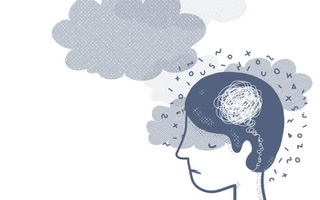
Social Anxiety

People get nervous or self-conscious on occasion, like when giving a speech or interviewing for a new job. Social anxiety disorder, or social phobia, is more than just shyness or occasional nerves. Social anxiety disorder involves intense fear of certain social situations—especially situations that are unfamiliar or in which you feel you’ll be watched or evaluated by others.

These situations may be so frightening that you get anxious just thinking about them or go to great lengths to avoid them, disrupting your life in the process.
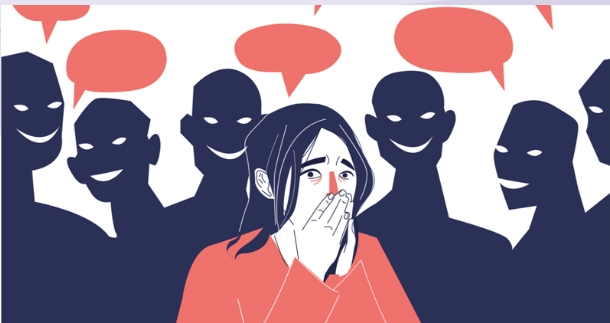
Fear of being watched and judged by people

Most of us would have experienced social anxiety to some extent and it is normal to want to perform well. Anxiety in social situations and concerns overevaluation become problematic when the anxiety is persistent and causes intense distress. A person may be diagnosed with a social anxiety disorder if the anxiety and distress persist for more than six months.

The Diagnostic and Statistical Manual of Mental Disorders defines social anxiety disorder as a persistent fear of one or more social or performance situations in which the person is exposed to unfamiliar people or to possible scrutiny by others.

Some signs of social anxiety disorder include:

  1. Fear of interacting with others
  2. Feeling shy, easily embarrassed or being extremely self-conscious
  3. Fear of appearing anxious e.g. blushing, stuttering, or running out of things to say
  4. Fearing the worst will happen in social situations
  5. Self-conscious thoughts e.g. “people will stare at me” or “people won’t like me”
  6. Avoidance behaviour e.g. avoiding eye contact or general avoidance of social situations
  7. Spending a significant amount of time dissecting past social interactions and focusing on what did not go well
  8. Physical symptoms of anxiety during or before social situations e.g. increased heart rate, shortness of breath, blushing, sweating, trembling, nausea, and muscle tension

The COVID-19 pandemic can be a challenging time for people with social anxiety. Changes in social interactions and social norms can increase the uncertainties and concerns people have about social situations. People experiencing social anxiety may feel particularly anxious about returning to work or resuming other social activities. The fear of having to interact with people might be more overwhelming than before, especially after a few months of minimal social activities.
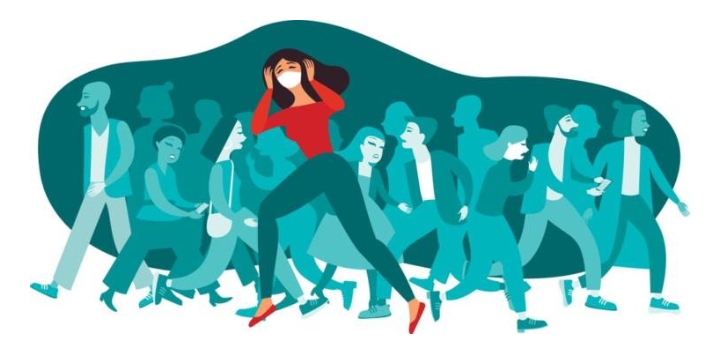
How to overcome social anxiety?

Social anxiety sufferers have negative thoughts and beliefs that contribute to their fears and anxiety. These can include thoughts such as:

  1. “I know I’ll end up looking like a fool.”
  2. “My voice will start shaking and I’ll humiliate myself.”
  3. “People will think I’m stupid”
  4. “I won’t have anything to say. I’ll seem boring.”

Challenging these negative thoughts is an effective way to reduce the symptoms of social anxiety.

Prepare

Prepare yourself adequately to encounter social situations by getting information about what you must do in each of the situations. For example, how to use safe entry for necessary contact tracing, what the new workplace guidelines for staff to maintain safe distancing are. You can also mentally visualise the situation and think through what you would do in each situation. By knowing what is expected and being better prepared, you will experience less uncertainty and feel less anxious.

Expose

Continuing to engage in social interaction is critical for people with social anxiety even though it might be uncomfortable. Facing your fears helps to overcome social anxiety. Avoidance of social situations will worsen your anxiety over time. You can start with social situations at work, which are essential. Draw a plan to ease yourself into different social situations. 

Practise

Before you get into anxious social situations, you can follow the steps above to prepare and ease yourself into them. You can also try role playing with the help of a friend if necessary. In social situations, be aware of your own thoughts and level of anxiety. When you find yourself starting to feel anxious, practise deep breathing and focus on your thoughts instead. 

Talk

Find someone whom you trust to share your concerns and ask for help to journey with you. Prepare yourself, get exposed to social situations and practise more positive thinking and cultivate social skills.

WHAT IS MENTAL HEALTH AND MENTAL ILLNESS?

Mental health and Mental illness are not the same, though it seems so they both are entirely different concept. According to the Centers for Disease Control (CDC) Mental health reflects” our emotional psychological and social well-being “Affecting “how we think, feel and act “, mental health has a strong impact on the way we interact with others, handle problems, and make decisions. And Mental illness refers to “conditions that affect a person’s thinking feeling, mood, or behavior.” These can include but not limited to depression, anxiety bipolar disorder, or schizophrenia.

Christopher M. Palmer, MD, director of McLean’s Department of Postgraduate and continuing education, pointed out that mental health and mental illness are similar to the concept of physical health and physical illness. He said the term mental health, implies the absence of illness or disorder. But there are a lot of ways people can be mentally healthy or ill, just like there are many ways people can be mentally healthy or ill, just like there are many ways to be physically healthy or unwell.”

By increasing the understanding of mental health and mental illness can help eliminate stigma and other barriers that keep people from seeking help when they require.

Mental illness affects more people than that we think, it is that we should understand what these two terms mean, the given prevalence of mental illness throughout the world. The WHO points out that around 800,000 individuals die by suicide each year, also about 20% of world’s children and adolescents have a mental disorder and depression affects about two hundred and sixty plus people worldwide.

The thing with all mental health disorders is that none of them define the entire person. Although their symptoms might impair their ability to do things others are able to do, they still have areas of strength and competence. Whenever we talk about health versus illness, it’s always important to remember this.

Being mentally healthy enables you to feel, think and act in ways that help you enjoy life and cope with its challenges. Poor mental health may result in feeling unhappy, difficulty thinking clearly, or feeling overwhelmed by stressful situation. Resiliency (The inner strength that you use to cope with stressful situations) is also a major part of mental health. Building resiliency can help you avoid being overwhelmed by stressful situations. This in turn further builds resiliencies gives you confidence to know you can get through difficult times when they come up again. It’s important to give your mental on going health and attention. There are things you can do to maintain good mental health, and other factors that influence mental health to learn about to help you build your understanding.

While mental health is always there and may be positive or negative, mental illness affects a person’s ability to function over a long period of time. It’s not the same as feeling sad, unhappy, or stressed because of difficult situations. People with mental illness feel distressed regularly and may not feel in control of their lives .

Depression

Depression is very common in today’s youth and even children. The term Depression refers to a serious medical illness that negatively affects how you feel, the way you think and how you act. Fortunately, it is treatable. Depression causes feelings of sadness and or a loss of interest in activities you once enjoyed, What can be worst than that? when you’re not able to enjoy the activities which makes you happy and you have interest in. The feeling of sadness is so heavy that it doesn’t let you see your life in a hopeful way. Depression can lead to a variety of emotional and physical problems and can decrease your ability to function at work and at home.

Overthinking about your problems and failures

Symptoms of Depression:-

  • Feeling sad or having a depressed mood.
  • Loss of interest or pleasure in activities once enjoyed.
  • weight loss or gain unrelated to dieting.
  • Trouble sleeping or sleeping too much.
  • Loss of energy or increased fatigue.
  • Increase in purposeless physical activity (e.g., inability to sit still, pacing, handwringing) or slowed movements or speech (these actions must be severe enough to be observable by others)
  • Worthless feeling or feeling guilty.
  • Difficulty thinking, concentrating or making decisions.
  • Thoughts of death or suicide.

These symptoms must last at least two weeks and must represent a change in your previous level of functioning for a diagnosis of depression.

Some medical conditions like thyroid problems, a brain tumor or vitamin deficiency can mimic symptoms of depression so it is important to rule out general medical causes.

According to the studies depression affects an estimated one in 15 adults (6.7%) in any given year. And one in six people (16.6%) will experience depression at some time in their life. Depression can occur at any time, but on average, first appears during the late teens to mid-20s.

Factors which can play a role in depression:-

  • Biochemistry:- Differences in certain chemicals in the brain may contribute to symptoms of depression.
  • Genetics:- Depression can run in families. For example, if one identical twin has depression, the other has a 70 percent chance of having the illness sometime in life.
  • Personality:- People with low self-esteem, who are easily overwhelmed by stress, or who are generally pessimistic appear to be more likely to experience depression.
  • Environmental Factors:- Continuous exposure to violence, neglect, abuse or poverty may make some people more vulnerable to depression.

Treatment:- Depression is among the most treatable of mental disorders. Between 80% and 90% percent of people with depression eventually respond well to treatment. Almost all patients gain some relief from their symptoms. Medication: Brain chemistry may contribute to an individual’s depression and may factor into their treatment. For this reason, antidepressants might be prescribed to help modify one’s brain chemistry. Antidepressants may produce some improvement within the first week or two of use yet full benefits may not be seen for two to three months. If a patient feels little or no improvement after several weeks, his or her psychiatrist can alter the dose of the medication or add or substitute another antidepressant.

Psychotherapy: Psychotherapy or “talk therapy,” is sometimes used alone for treatment of mild depression; for moderate to severe depression, psychotherapy is often used  along with antidepressant medications. Cognitive behavioral therapy (CBT) has been found to be effective in treating depression. CBT is a form of therapy focused on the problem solving in the present. CBT helps a person to recognize distorted/negative thinking with the goal of changing thoughts and behaviors to respond to challenges in a more positive manner. 

Electroconvulsive Therapy (ECT) is a medical treatment that has been most commonly reserved for patients with severe major depression who have not responded to other treatments.

Self Help:-

Number of things are there which people can do to reduce the symptoms of depression. For many people, regular exercise helps create positive feeling and improves mood. Doing meditation and listening to soothing music. Getting enough quality sleep on a regular basis, eating a healthy diet and avoiding alcohol (a depressant) can also help in reducing symptoms of depression.

Be positive and hopeful

Life is unpredictable so live it in each moment and enjoy every moment to the fullest. Keep yourself busy in the activities you like and don’t provide your mind the time to overthink. Count your blessings and be thankful to the Universe for the life you have and for the every new day in your life.

Treatment of OCD

Obsessive compulsive disorder (OCD) is a debilitating neuropsychiatric disorder with a lifetime prevalence of 2 to 3 percent and is established to be 10th leading cause of disability in the world. Patients with OCD experience recurrent, intrusive thoughts (obsessions) and/or repetitive, stereotyped behaviors (compulsions) that last for at least one hour per day and significantly interfere with the individual’s normal level of functioning. 

OCD was once thought to be extremely rare, but recent epidemiological studies have shown it to be the fourth most common psychiatric disorder.

OCD is often a chronic disorder that produces significant morbidity when not properly diagnosed and treated.

OCD can be treated. The treatment recommended will depend on how much it’s affecting your life.

These treatments can be very effective, but it’s important to be aware that it can take several months before you notice the benefit. A short course of therapy is usually recommended for relatively mild OCD. If you have severe OCD, you may need a longer course of therapy and/or medicine. 

The most effective treatments for OCD are called Exposure and Response Prevention (ERP), which has the strongest evidence supporting its use in the treatment of OCD, and/or a class of medications called serotonin reuptake inhibitors, or SRIs.  During ERP, anxiety and obsession-inducing stimuli are systematically presented in a controlled environment and patients are prevented from engaging in their usual compulsions. Exposure and Response Prevention is typically done by a licensed mental health professional (such as a psychologist, social worker, or mental health counselor) in an outpatient setting. Taken together, ERP and medication are considered the “first-line” treatments for OCD. About 70% of people will benefit from ERP and/or medication for their OCD. 

What if Outpatient ERP Hasn’t Worked? Are There More Intensive Options?

  • Traditional Outpatient – Patients see a therapist for individual sessions as often as recommended by their therapist generally one or two times a week for 45-50 minutes. 
  • Intensive Outpatient – Patients may attend groups and one individual session per day several days per week. 
  • Day Program – Patients attend treatment during the day (typically group and individual therapy) at a mental health treatment center usually from 9am – 5pm up to five days a week. 
  • Partial Hospitalization – Same as the Day Program but patients attend the treatment at a mental health hospital. 
  • Residential – Patients are treated while living voluntarily in an unlocked mental health treatment center or hospital. 
  • Inpatient – This is the highest level of care for a mental health condition. Treatment is provided on a locked unit in a mental health hospital on a voluntary or sometimes involuntary basis. Patients are admitted into this level of care if they are unable to care for themselves or are a danger to themselves or others. The goals of inpatient treatment are to stabilize the patient, which generally takes several days to a week, and then transition the patient to a lower level of care.

Other recommendations from the APA Practice Guideline, cite research showing that ERP delivered in a group format, as well as ERP therapy delivered via videoconferencing (teletherapy), might be effective. Also, there is some promising new research showing that Acceptance and Commitment Therapy may be helpful for OCD. 

OCD is a chronic and severe psychiatric disorder that is often incapacitating when left untreated. Patients suffering from OCD often attempt to hide their symptoms due to the embarrassing or disturbing content of their thoughts. Many individuals isolate themselves as a consequence of their symptoms and avoid their exposure to potentially anxiety-provoking situations. Unfortunately, there is often a long delay between the time when an individual develops OCD symptoms and when they first obtain treatment. Early diagnosis and treatment minimizes symptom severity and level of disability.

Mental Health in India

According to the World Health Organization(WHO) there is a 10-25% life expectancy reduction in patients with severe mental health disorders. WHO has labelled India as the most depressing country.  

These might be facts but they present the glaring reality of the stigma attached to mental health in India .

In India when a person feels anxiety or has panic attacks , they are described as doing drama to gain attention. If someone expresses desire to see a psychiatrist they are labelled as mad, lunatics by the society. Mental illness is not considered an illness , it is just seen as something which will become alright in a day or two. This mindset of people needs to undergo a change , they need to understand mental illness is an illness and it is real .

The stigma attached to mental illness prevents the ones who are suffering from seeking timely help which further worsens their condition. 

Some steps to improve the situation are:

  • First and foremost there is a need for empathy and sensitivity in people regarding mental health. 
  • There is a need to create awareness regarding mental disorders in India . Through the means of workshops, films, TV people must be made aware that mental illness is real .
  • There is also a requirement of active policy intervention and resource allocation by the government. 
  • There should be creation of a peer network to connect patients with each other so that they are able to support each other.
  • There should be an increase in the number of health personnel in the mental health care sector.
  • There is a need for more counseling facilities especially in the rural sector and counseling centres for women with women doctors. 
  • There can be establishment of telephone based helpline numbers and mental health apps.
  • School based programmes on mental health can improve and teach children about mental health. 

Hence, immediate steps should be taken to deal with the menace of mental illness in India . Awareness should be created about mental health to reduce the discriminatory attitudes of people.

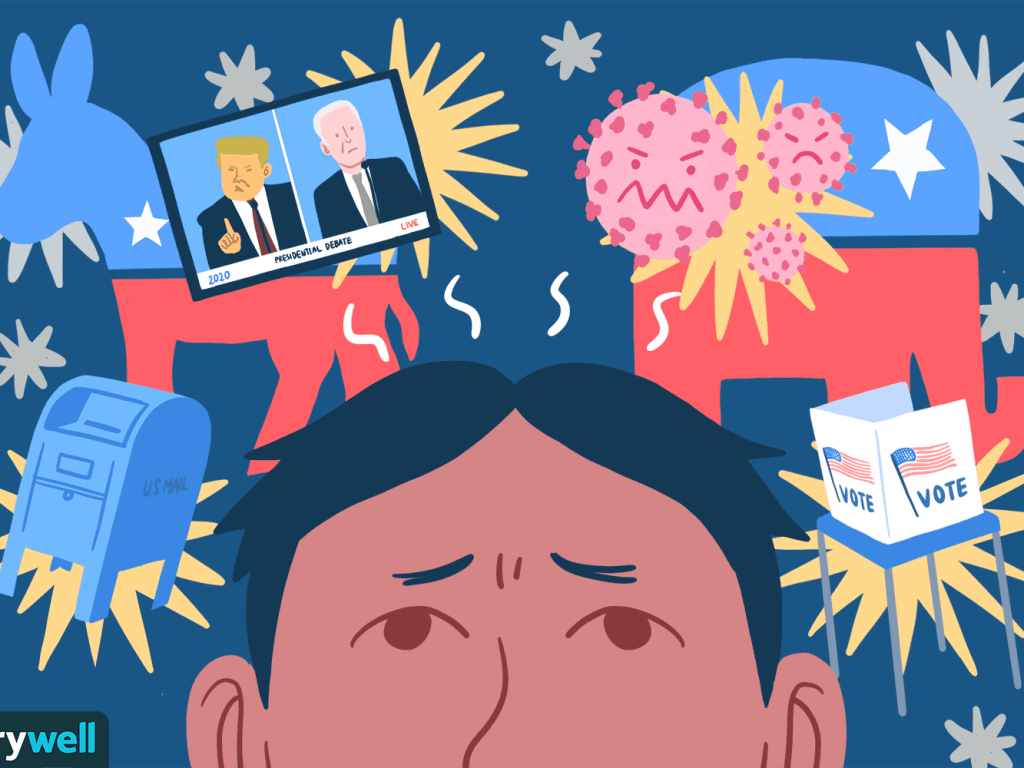
Are You Sick Of Politics Too? An in-depth view at the Politically Triggered Anxiety and Electoral Stress that’s hitting Indians

With an age old stigma tailing down it’s path, we Indians generally don’t give as much consideration to our mental health for various reasons as compared to those in the West. In any case, there is a possibility that you heft around some stress about the political course of the country.

The world’s largest democracy voted for five assembly elections recently. With 180 million of India’s 1.3 billion people eligible to cast their votes , a larger strata of its overgrowing population heads out to exercise their biggest power in hands to chose from among various political parties jostling for their accession to throne. Some of you may find your anxiety levels all over the place during the election season. Welcome to the world of Politically Triggered Anxiety and Electoral Stress Disorder that’s hitting the Indians hard and fast.

Profoundly polarized worlds of politics will in general raise the feelings of anxiety of those who fall to be most vulnerable and threatened to it. Yet, on a more larger scale, it could likewise affect anyone who’s owns a cell phone in this news on the go age we all live in..

Election Stress Disorder grabbed global media attention during the run-up to the 2016 US Presidential elections . The American Psychological Association revealed in October 2016 that 57% of Americans admitted that the political environment of the nation is “very” or “fairly huge” source of stress in their lives. The high levels of anxiousness was seen linked to a huge partisan campaign between then Democratic Party candidate Hilary Clinton and her rival Republican Party candidate Donald Trump .In April 2016, the survey led by Washington Post-ABC News uncovered that 69% of Americans felt anxious over the apprehension of Donald Trump being elected the President of the United States. Believe it or not, election-related anxiety is real. No matter where you head to-from social networking sites to heated debates on news channels–there is no escaping from highly charged political discussions. This can be particularly torturing if your political philosophy is at crossroads with those close to you. For many individuals, politics isn’t just about who is overseeing the country yet rather a significant piece of their idealogy. Uncertainty is frequently stressful, and some people are better at dealing with uncertainty than others. Experiencing a pit-like nauseous feeling in the gut, every time there’s political discussions and even the slightest exposure to election talk and media coverage, you could be experiencing election-related anxiety. We Indians too already have enough on our plates with our very own Made in India brand of divisive desi politics and polarization bringing in a lot of stress all of which are only heightens as we trudge closer to the elections every now and then.


Here lies another Indian-ish things — we have a tendency to be the first in everything. The first to discover ‘zero to the first to discover the cure for leprosy, and now the ESD. We have known about it for years now but just didn’t claimed it like the West. In 1997, Jaipur-based psychiatrist Dr Shiv Gautam led a team of three doctors who did a study in Rajasthan and published a paper titled ‘Election – A Stressful Life Event’, analysing near about 54 patients who sought counselling after developing mental health troubles following local panchayat elections in Rajasthan back then, concluding that the elections were stressful not only for the candidates and their campaigners but also the State Election Commission. The researchers followed this up with another study in 2009 and the result was very similar.

There has been an increase of stress and anxiety in economically backward sections. Economically crippled strata of India have been targeted in phases — irrespective of their political beliefs. . The constant uneasiness and uncertainty blanketing the life of a common householder develops into stress and subsequently into anxiety, leading to physiological complications.


According to the Lancet Report, India recorded one of the highest suicide rates among youth globally. A research published in the Asian Journal of Psychiatry, 37.7% of university students in India suffered from ‘moderate’ depression, 13.1% suffered from ‘severe’ depression, and 2.4 % were suffering from ‘extremely severe’ depression, citing the uncertainty of employment and the fluctuating job market as the prime causes.

Mental health professionals pose blame of the barrage of stress-inducing social media brought to Indians , over the advent of social media. News is on every screen and there is an urgency to consume and pass it over it immediately; no time to take in the reality of the news and then react to it because everyone wants to be the first political think tank on social media which is evident on the amount of political, communal and religious propaganda in the media. The fact remains that low levels of digital and media literacy among the general population has been marked as the biggest contributor to the widespread fake news and rapid onset mob-violence scenario, as the recent violent protests over Whatsapp forwards have demonstrated.

As a coping strategy to deal with the anxiety caused by politics, Maryland based therapist and a victim to this stress himself, Dr. Steven Stosny , advises those affected by the election and its aftermath, “to reach out, connect, affiliate and show compassion for those similarly affected. Hold other people’s perspectives alongside your own. Weigh evidence, see nuance, plan for the future and replace blame, denial, and avoidance with the appreciation of complexity.” “Stand up for what you believe. Write letters, demonstrate, lobby — remembering that you’ll be most effective (and feel better) when focused on the change you want to see rather than merely reacting to what you don’t like. For optimal psychological health, take the moral high ground and resist the urge to react to a jerk like a jerk,” Stonsy says.

Newton’s 4th law and a new perspective

Note: This article does not take a scientific spin on Newton’s 4th law rather, a metaphorical one.

How often do you come across reels in your Instagram with aesthetically pleasing setups, where people showcase their productivity by fancy stationary, an iPad and their flawless note taking skills? Quite often right! It makes you question yourself. Am I of any good? Why am I wasting time scrolling on social media? I am worthless. While social media influencers with a fancy lifestyle ask you to motivate yourself with positive affirmations, it can give you a temporary boost of confidence but later you will see yourself slumped on the couch too tired to do work, too tired to rest. But believe, you are not alone.

Newton’s 4th Law

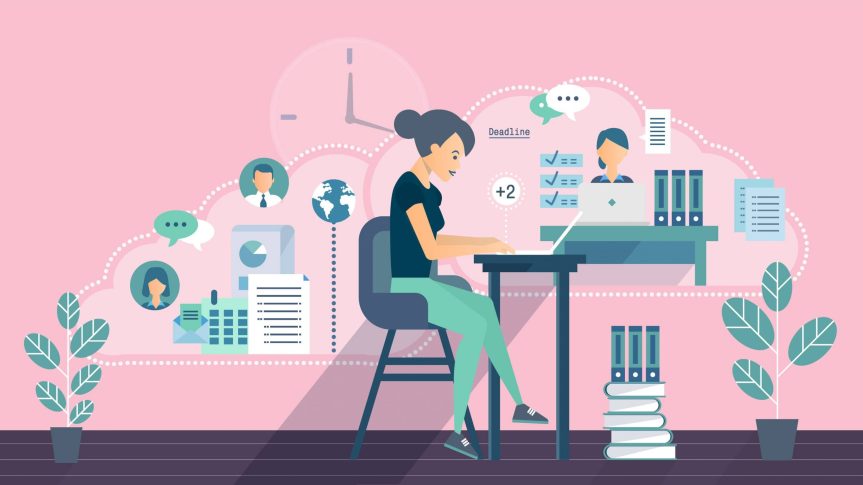
I’d like to call it Newton’s 4th law. The first three laws rule the world. The 4th law also is ruling the world, but no one explicitly acknowledges it. The fourth law states that ‘The value of a person is directly proportional to his/her productivity’. Yes, that is it. This single statement is the sole destroyer of the mental health of people, and ironically the destroyer of their productivity too.

Giving the statement a first glance, you will be virtually staring at me and saying what’s wrong with that. But by the end of this article, I assure you I’d have sparked something in you. The societal rules say that you have to be productive every single moment of your life. You would have heard your parents asking you to read books during your summer break so you can improve your vocabulary. Go to music class, you can be the next Shreya Ghoshal. Go to dance class, chess class and what not. The world basically says to shove skills into your throat so that you can be ‘valued’ as a man in the society.

So what is productivity?

What no one says you is that, productivity is not something measured by the time you spend before a laptop doing ‘work’ or the number of pages read in a book. It is not juggling multiple tasks by half-focusing on each task. It is a feeling of satisfaction that fills your heart. A feeling that cannot be measure by time or effort. You should feel happy that you did something new today. That work can either be a progress or a rollback, doesn’t matter. At the end of the day, all that matters is that your person you are today knows something more than the person you were yesterday. Happiness inspires productivity.

So am I saying that you should lessen the time of work or read fewer pages? Not essentially. You can still say that you are productive without feeling guilty of not crossing your intended checkpoint. You can take breaks instead of working 3 hours straight. You can do a few jumping jacks. You can sit idle for a while and do nothing. By idle, I don’t mean you can catch up on Netflix or scroll your phone.

Just sit idle and don’t do anything at all. Try not to think of anything. When you try not thinking, I can bet that your mind will reel great philosophies which you never would’ve thought about otherwise. It will think about that embarrassing incident that happened 2 years ago. No kidding. Try it and you will be amazed if you follow your train of thoughts. These small techniques not only improve productivity, but also improve your overall physical and mental health.


work hours and productivity
Time and Productivity

What isn’t productivity?

This list can include things which you previously thought belonged to the other list.

  • Working for longer hours=More productivity
  • Multitasking
  • Hoarding up more number of tasks together
  • Not planning on what to do before actually starting to do work
  • Trying to do everything by yourself
  • Neglecting social life

Be careful and identify these red flags. Once you identify it, try to change your mindset. As the old saying goes, mind is THE master.

Concluding remarks

I lined up for you what productivity is and how its definition has been corrupted by the society. Lead life one moment at a time, for life is nothing but the amalgamation of moments silver lined with emotions. I leave you with the quote of a great man.

Improved productivity means less human sweat, not more.

  -Henry Ford


Mental Health Awareness

If we look more closely at the word suicide, we can really turn it around to read it as u decide. But have most of us stopped to think the same with our lives too. Whenever faced with an issue we all decide to reach to a very extreme solution, that is ending our lives. No matter how small or big the problem is suicide seems like an easy way out sometimes.

There is always a solution, a answer or a way out to all the problems we face. All we need to do is to look at it clearly but sometimes what happens is that we forget to do it. It is advisable to consult someone and talk about your problems. Just like the saying goes sharing is caring. Sharing our problems can lower the burden sometimes.  But most of don’t like sharing our thoughts especially because of the stigma attached towards it by the society. People are scared that they might not fit into society’s perception of a perfect human being, that they are ready to risk their mental health too.

Mental illness is the illness of the brain which an result in the change in the behavior and thinking of a person. It is also just like any other disease that affects our body which can be cured with the proper medicine. One of the most common mental health issues found among people are anxiety disorders and mood disorders. Mental health is a primary component of a human being. And it is high time that we give certain importance to it too, after all we need healthy and sound people as our work force rather than people whos minds are not at the right places

Recently people are coming out of their holes in admitting that they have mental health issues too. Many celebrities have also taken up the issue of addressing the need for wiping out any kinds of stigma around mental health. Lets talk is a frontline campaign for the mental health movement where people are encouraging others to talk about their mental illness and any kinds of problems they face.

Sometimes it becomes so hard to reach out to people because we believe that they cannot help us. But what we think about certain things might not always be true. There is always two sides to a coin. We have to all make sure to have empathy to people rather then being sympathetic.
We cannot always find someone willing to talk to. And sometimes we simply cannot tell the difference between a person not suffering from mental illness and one who is suffering from mental illness. Like other diseases its not a visible one under an eye. It is something that can only be cured with a proper approach towards the patient.  

Mental Health is not a taboo

Mental Health needs a great deal of attention. It’s the final taboo and it needs to be faced and dealt with -Adam Ant

Mental Health is important for all of us just as Physical Health. How we feel and think is central to the way we live our lives. Just like our physical health, our mental health can have ups and downs. It is not only about psychological illness or mental disorders this is just one part of a bigger frame. It’s good to think about mental health as being on a continuum rather than people being either mentally ill or mentally well. People with mental health conditions deserve just as much support and compassion as people with physical health conditions. We are all on the continuance and we move up and down according to factors such as our genetic makeup and upbringing our life circumstances and the stresses we are under but one end of the perpetuity we develops mental disorders like anxiety, depression and at the other end, we have state of constructive mental health when we are thriving the contempt and fulfilled the aim of mental health interventions is to move people up the continuum so that they are able to reach the full potential and live satisfying lives. The World Health Organization mentioned mental health as a state of well-being in which every individual realizes his or her own potential, can cope with the normal processes of existence, can work efficiently and usefully and can make a contribution to his or her society. Being psychologically well means being strong and able to cope with difficult situations. Very few people with mental disorders access existing treatment services due to the prevailing stigma attached to seeking help, lack of understanding mental health problems, the uncertainty of how to get help or fear of disclosing mental health problems. 

There is lack of awareness for Mental issues:

• Suicide was decriminalised only in 2017, but section 309 of IPC still exists.

• This section penalises attempted suicide, unless the person can prove severe stress

• Stigma and taboo are still widely attached to mental health illnesses.

From all these factors, stigma remains the biggest factor preventing people from seeking help early for their mental health problems and getting the appropriate support they need. Stigma and discrimination prevent people with mental health problems from getting housing, jobs, and education as well as prevent people from seeking needed help. Myth is that the people with mental illness are violent and dangerous. The truth is that, as a group mentally ill people are no more violent than any other group. In fact, they are far more likely to be the victims of violence than to be violent themselves. Mental health is necessary to handle the natural ups and downs of life and to develop positive and sustainable coping mechanisms. It is important to acknowledge that we all have mental health and have a personal responsibility to learn how we can improve our well being in order to live meaningful and satisfying lives.

COVID-19 and Mental Health

The worst impact of the pandemic, apart from our country’s economy, has been on mental health. People’s mental health problems are either dismissed or they are forced to carry the ‘crazy’ label put on them by society. In India, there is little to no awareness about mental health. Our country’s mental health crisis is reflected by related statistics. For instance, there are only three psychiatrists for every one million people.  We see today’s youth endlessly working towards this goal, from organising public events aimed at raising mental health awareness online as well as offline to providing help to those who need it. However, a significant change in society’s collective attitude towards such issues is yet to be observed. 

Amid the COVID-19 pandemic, the stressors have increased tremendously, be it personal, professional or financial. Introduction of the novel coronavirus which has instantly put the entire world in lockdown and its consequences have caused severe damage to people’s mental health. Fear, anxiety, frustration is being faced by every single person affected by the pandemic. Isolation, quick adaptation to technology, routine disruption, loss of employment, increase in screen time, fear of the deadly disease, and many more factors have greatly contributed to an increase in mental health problems.

Without any further ado, let’s discuss some of the ways which you may find helpful in these difficult times:

  1. Meditation 

Since time unknown, meditation has been crowned as a way to relax your mind. From Buddha attaining enlightenment to Katy Perry finding inner peace, meditation has never let humanity down. Assuming a cross-legged sitting position and focusing on your breathing can do wonders for your mind and body. Resting your mind by freeing it from all thoughts and emotions can help you release stress and put your mind at ease. As it can be carried out without an instructor as well, it tops the list of stress-relieving methods in lockdown.

2. Maintain a journal

These days writing every day in your journal may not seem like the best idea because of the monotonous routine and lack of motivation but it will greatly help your mind. Bottling up your emotions and thoughts instead of expressing them can truly affect your greatest asset, your mind. So, pick up the journal collecting dust on your table and write. Remind yourself of the things that you are grateful for, write about everything that brings you joy and, most importantly, write about the events that upset you, the emotions blazing in your mind. 

3. Monitor and modify your routine

A healthy mind resides in a healthy body. One of the key ways to feel active and motivated is by getting 8 hours of sleep because nothing works better than losing yourself in the wonderland of dreams. Another is a proper, well-balanced diet which will provide you with the much-needed energy to win your daily battles. Recreational activities are also important for a healthy routine, you may take a walk, play an outdoor game (keeping in mind the coronavirus)  or stretch your legs with a good workout session. 

Having a positive mindset, trying new things, talking about your feelings with your loved ones, spending quality time with your family or your four-legged friends can be rejuvenating and will surely help you to release stress. Never hesitate to seek professional help as your mind needs just as much help as your body. 

Yoga: Physical and Mental fitness.

Benefits of yoga

Yoga is a complete combination of spiritual, mental and physical practices which was originated in ancient India. It is followed by many people all around the world. It is adapted by the people in their lifestyles on daily basis  Yoga is a type of work out that involves both mind and body, it is much more than just burning calories and strengthening muscles.

Among with them their are some other major health benefits of yoga.

Improves overall health.

Yoga is combined of cardio, functional and strength training which effects the overall health physically and mentally. Yoga helps in developing core strength, improving immunity, improving mental health, improves heart health, increases immunity, decreases stress, etc. A few minutes of yoga everyday can bring some good changes in your everyday lifestyle.

Develops strength.

Yoga poses requires balancing of the body, and it takes a lot of strength to hold your body in balanced posture. Regular yoga helps you to strengthen the muscles of your arms, legs, back and core. It works as a full body workout. 

Boosts metabolism.

Yoga can be a very good way to increase your metabolism. As it helps in improving digestion, circulation and increasing lean muscle mass. And by boosting the metabolism, yoga can also help in loosing weight as it helps in burning calories.

Improves flexiblility and posture

Yoga poses works by stretching your body muscles. Regular yoga is a great way to improve your flexibility and posture. Few weeks of daily yoga can help you to feel less stiff and you will be able to move your body better. It also serves the purpose of keelping your body toned.

Improves mental health and concentration.

Everyday yoga helps a person to relax mentally and concentrate better. Yoga and meditation requires you to concentrate on your breathing, it helps you to calm your mind and be more relaxed mentally. As a result few minutes of yoga in the morning can result in better concentration throughout the day.

MENTAL HEALTH

“Every man has his secret sorrows which the world knows not; and often times we call a man cold when he is only sad.”
― Henry Wads worth Longfellow

We are living in a world where physical fitness had become more important without caring for one’s mental health.

In the race of achieving everything, we have forgotten to look after our well being and to feed our brain with good thoughts. Being mentally stable is what is required to have a peace of mind and it contributes towards satisfaction of oneself.

The COVID-19 had too negatively affected the lives of many people and created new barriers. Many people are suffering from many mental issues during this pandemic period.

There lies a difference in being sad and being depressed;

Sadness is for a particular instance that happened due to some ill happening or due to mood changes but depression is a long term phenomenon, overthinking and negative perspective towards everything could be the major causes. Depression could often lead to suicidal thoughts which could grow intense during the time. Depression can cause tiredness and deprival in day to day task performed.

Here are some steps that we all can follow to feel better and lively every passing day :

  1. Take time out for yourself no matter how small, talk to yourself about the happenings of the day.
  2. Get up early in the morning and practice some yoga and meditation  to make your mind still and calm.
  3. Do not disturb your sleeping cycle and try to drink hot milk before sleeping.
  4. Think of one good thing that happened in the day and show some interest in nature.
  5. Talk to people around you maybe they are friends,family or relatives just share what you feel inside.
  6. Eat healthy try to have a balanced diet.
  7. Avoid much use of social media platforms which make you feel toxic from inside.
  8. Spend time with your family maybe watching a movie together or just by sitting together having lunch.
  9. Try to ignore unnecessary things which make you feel sad.
  10. Watch motivational videos and movies to help you keep going.

It is alright to speak about your emotions to anyone. No one in this world is completely free from stress and anxiety. Everyone have certain issues of their own. It is better to think that you are not the only person surviving everyone does it help you to have a positive outlook towards life,

If still, you face problems do not hesitate to visit a doctor and have a regular checkup.

Always remember the most important person is you take care of yourself in every way possible . life is just a game and you are fighting for survival. losing is easy but winning takes real courage.

“Do not brood over your past mistakes and failures as this will only fill your mind with grief, regret and depression. Do not repeat them in the future to keep growing.” – Swami Sivananda

Don’t let the desire of a successful future destroy your present

Vaishali Singh ( Cheenu Singh Rathore)

This four lettered word “LIFE” is the synonym of living and nothing else, don’t waste it about thinking over the things which have either happened in the past or more likely have not even happened yet, this is a constantly changing world, everything is temporary in this world even you and me, we are perishable, then what are you doing why are you wasting your life over thinking of the things which are just confined within your mind doors, they are not reality they just exist within in your mind most of the problems you have in your life have originated from overthinking, be in now and enjoy this moment, live this moment because this moment is life, don’t take it too seriously, don’t put too much pressure on your mind, don’t let the desire of a successful future destroy your present, if you think that a sad present can give you a beautiful life then you’re wrong because life is now and if you can’t make yourself happy being in this moment then how can you expect it from yourself that attaining a certain goals will make you happy? If something doesn’t satisfy you today then how can you think that it will give you a beautiful and peaceful life, most of the people destroy their life either thinking about their past or caring about their uncertain future, we human being have only 5 senses, we can never analyse what’s going to happen in the future the only thing which is in our hand is to take actions but we can never predict the result of our actions and most of times the way we perceive our future is not exactly how it turns out to be, now the current scenario of world is a good example of the uncertainty of life, no one knew that this would happened in the beginning of 2020 all of us had a tons and tons of plans for our new year but our plans got failed they turned out to be something called “LOCK DOWN” we are at our home today, probably many of us had a lot of plans and wishes with our family, or friends but today it’s not safe to step out of our homes unnecessarily, this is life man, this is the reality and nothing can change the fact no matter how many plans you make, no matter how much time you waste in figuring out your life, at the end you will have even more questions than before. So live your life instead of worrying.

Typhoid and low levels of Serotonin

Vaishali Singh

It’s the seventh time I got detected positive with typhoid, the first time my Widal test came out to be positive was when I was in 5th standard and today I am in the second year of my college it’s been more than 10 years but the problem is still there, the typhoid bacteria Salmonella typhi, activates in favourable condition, for 2 years I had no typhoid but still the problems related to intestine were there, I always suffer from stomach and digestion related problems and overtime these problems decreased the amount of serotonin in my body, my poor metabolism and digestive problems ultimately caused me low levels of serotonin which keeps me frustrated and unhappy for long period of time, most of the times I feel so empty, unhappy and lonely, for years I never understood that it was a clinical problem as I never gave it my attention but the research and deep analysis of 2 days made me understood that every mental health problem has connection to your physical health, the low levels of serotonin makes one feel depressed, broken, restless, emotional and unhappy, and overtime this problem can lead to severe problems which can destroy your mental peace so always take it seriously, you feel low most of the times because your feeling can may have a huge connection with your physical health, now the solution to my problem is to keep your body fit with regular Yoga, exercises and most importantly the healthy food, the another important thing is to do the meditation sessions to boost the serotonin, since this february my health condition is poor and I am struggling to make myself happy but today I understood the proper reason so now I can hope I’ll be better with continuos efforts.

Thank you for reading it, the purpose of putting it here was to aware you that if you’re suffering from Typhoid, or any other disease which affects your intestine or may be any other organ, can lead to decrease in your serotonin level and can cause you depression or severe anxiety but don’t be sad instead work for it, first of all just take time to get recover from that health condition then focus upon healthy food, workout and meditation overtime you will be healed.

What is Serotonin? Serotonin is a neurotransmitter, it’s involved in numerous core physical processes such as the regulation of sleep, appetite, and aggression. For more details read this link, https://www.integrativepsychiatry.net/product-category/neurotransmitters/serotonin/

Outside perils

It’s been a long time since I have stepped outside my home. With all such dreadful news flying in the air, stepping out is becoming more and more difficult. And to think about all the precautions that one needs to take, makes going out unbearable. If I think about not going out for a week, maybe a few months back, I would have definitely felt insane. There were days when even though there was no necessity to hop out, I would still go, maybe just for a stroll. In fact, truth to be told, I loved going out for any reason whatsoever.

But something seems to be changing with time. I am losing all my urge to go out. I feel terrified of the fact that I have go out. There can be numerous reasons for my lacklustre life. One, before going out, I have to make sure that I wear clothes which I am planning to give for washing, have to put on my mask, carry a sanitizer, carry a carry-bag, keep my mobile at home and the worst of it all, wear a headgear. To go out, maybe for 5 minutes, even for small reasons, such amount of preparation seems to be very tiresome. Two, on coming back to home, there seems to be series of drum-roll activities which is mandatory, otherwise I will be banned from my home. Upon returning, I have to directly run to the washroom, have a bath, wash my clothes and sanitize myself and everything I have bought. And then i am allowed to enter my room. Such huge amount of patience is needed. But what I now think is that I am not going out, not because of the two reasons. These two reasons are like fillers, trying to rationalize the situation and give a plausible explanation to my brain as to why I am not going out. The real reason, which i realized a few days back is completely shocking for me, even after self-realization.

The sole reason is completely psychological. My brain seems to have completely adapted to the new normal and somehow, with time, I ended up liking the isolation. Whenever chances of going out crops out, I do not get the urge to dress up to go out. My brain have completely accepted the fact that if I stay inside, I will be able to keep away the danger of contracting the infection. The truth is I am trying to delay the inevitable and somehow I got too much comfortable at home. Most of the times, I watch series or I study. Either of the two. I have also stopped ordering food from outside, via delivery boys, underlying reason is the fear of contracting infection. It seems like I have reached the peak where I do not feel the urgency nor the necessity to go out.

But, there is a problem with this kind of psychological fear. As our government is trying to bring about Unlock in phases, I still feel that there is no need to go outside, for the slightest of reasons. There is a very high chance that it might not be just me, many people across the globe might be feeling this. But they might not be comfortable opening up about this. So according to what I believe, that it might be very impressive as to what the government is doing to combat the entire issue, but at the same time, mental health and welfare institutions must also come in fore-front to break this silo and to take steps to rebuild this psychological breakdown.

Source: Self