Stress Busters

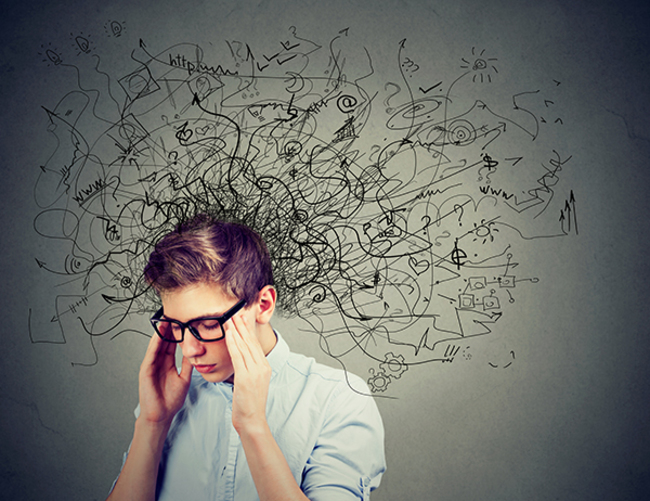
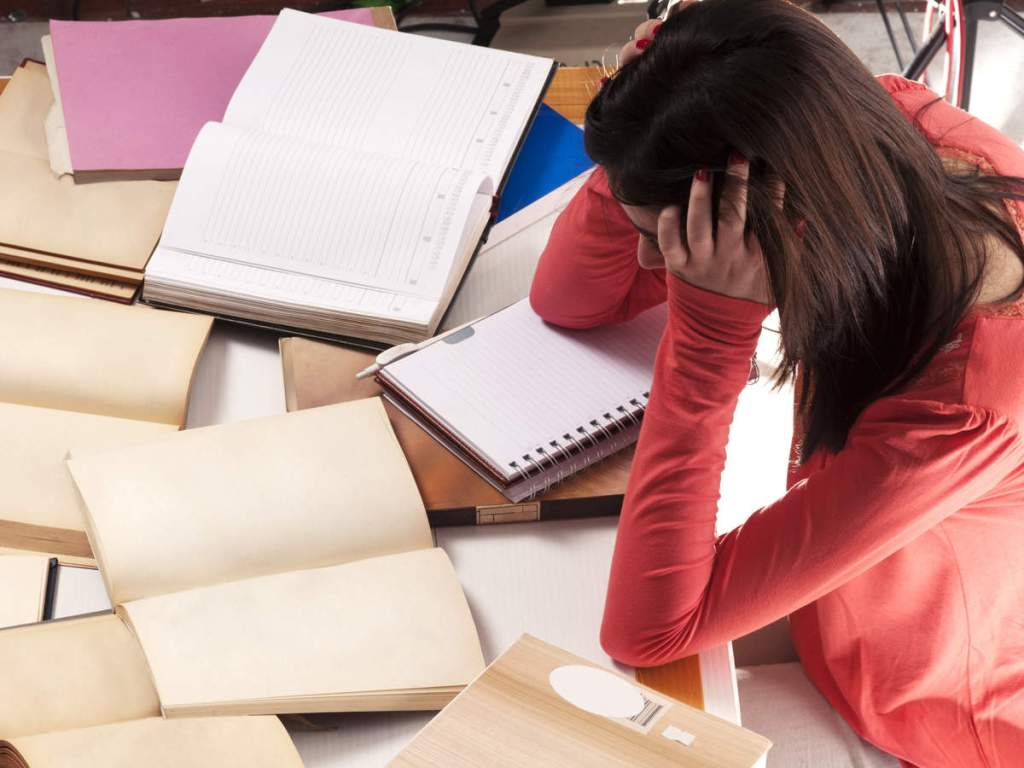
Our daily routine can have a toll on our mental health. Work pressures, exam related stress, house responsibilities, overtime with no rest can cause serious health problems and therefore needed to be taken care of. Our human bodies need rest to reset for further work, and when that is ignored we end up getting sick or stressed. As sickness could be treated with medications, we need stress bursting activities too. These activities not only reset our brains for a fresh start but also help us develop the capabilities we never actually cared enough about. These activities help us in getting relaxed after a hectic day or two. There are a number of these activities that can and are helpful in relieving stress.
Hobbies

Every person has at least one or two hobbies that can come as a savior while having a stressful day like, painting, writing, reading, cooking, watching movies, art and craft, singing, dancing etc. With heavy work or studies load people end up paying zero percent attention to their hobbies, but these might help in taking the head out of work for some time and just relaxing while exploring their lost hobbies further. Mostly a person’s hobbies relate to its right part of the brain, which is also responsible for creative development of a being, thus these hobbies can prove to be beneficial in many unexpected ways. Any sort of art form can relieve the stress from a heavy work day.

Music

“My heart, which is so full to overflowing, has often been solaced and refreshed by music when sick and weary.”

― Martin Luther

Music is to have a magic effect on us while trying to survive through a tiring day. The soft and slow music is to act as a meditation, keeping us at peace and relaxing us. The slow paced music helps us clear our mind and ease up while in a stressful situation. The fast paced music is proven to make us happy or excited while in a low mood. Our brain responds to the happy waves generated by music and helps us loosen up better.

Strolls

With most of the work being desk related or requiring hours of sitting in front of the screen, can be hectic and have unhealthy effects on our mental health. Such a situation calls for a stroll or a walk for at least an hour or so to breathe fresh in park and walk to stretch out our muscles. Walking reduces the strain caused by hours of sitting, thus freeing us from part of our undeserved stress.

Conversations

People sometimes forget the power of conversations. Having work related problems? Talk to your work best friend. Having relationship problem? Talk to your best friend. Having life problems? Talk to your mother. The conversations with right person have the healing power to take you away from a rough, awful day. It might seem like a waste of time to a lot of people but in reality, these conversations hold the power cut off the distress and calm us down.

Breaks

Just like we need an interval in between of a movie or a break in the middle of a show, we sometimes need a break from our daily routine. Little tea or coffee breaks while still going strong with work can be a short term solution but breaks such as- visiting parents, going back to hometown, taking on a vacation, meeting friends, celebrating without any particular reason, can all charge us up to the level that of a fighting war and holding up with pressures then a becomes the easiest task in the world.
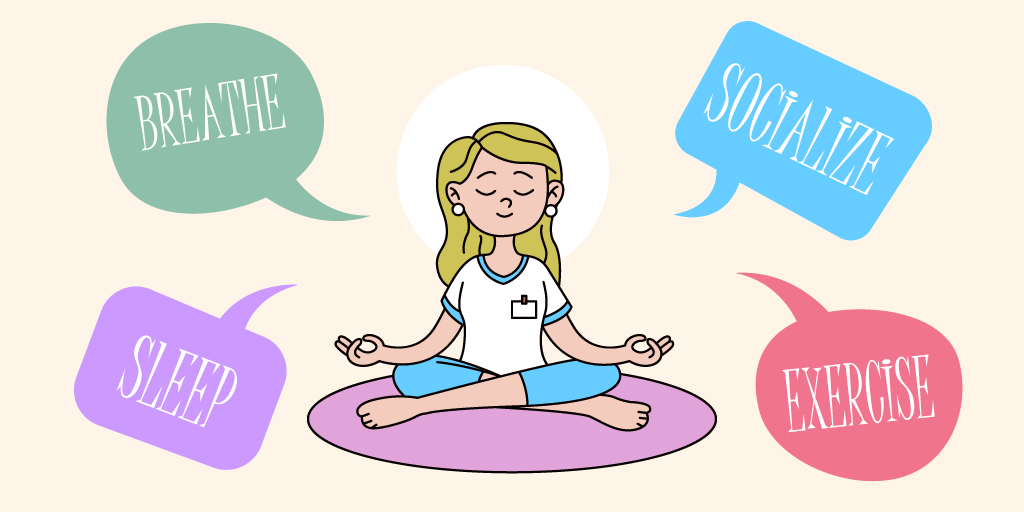
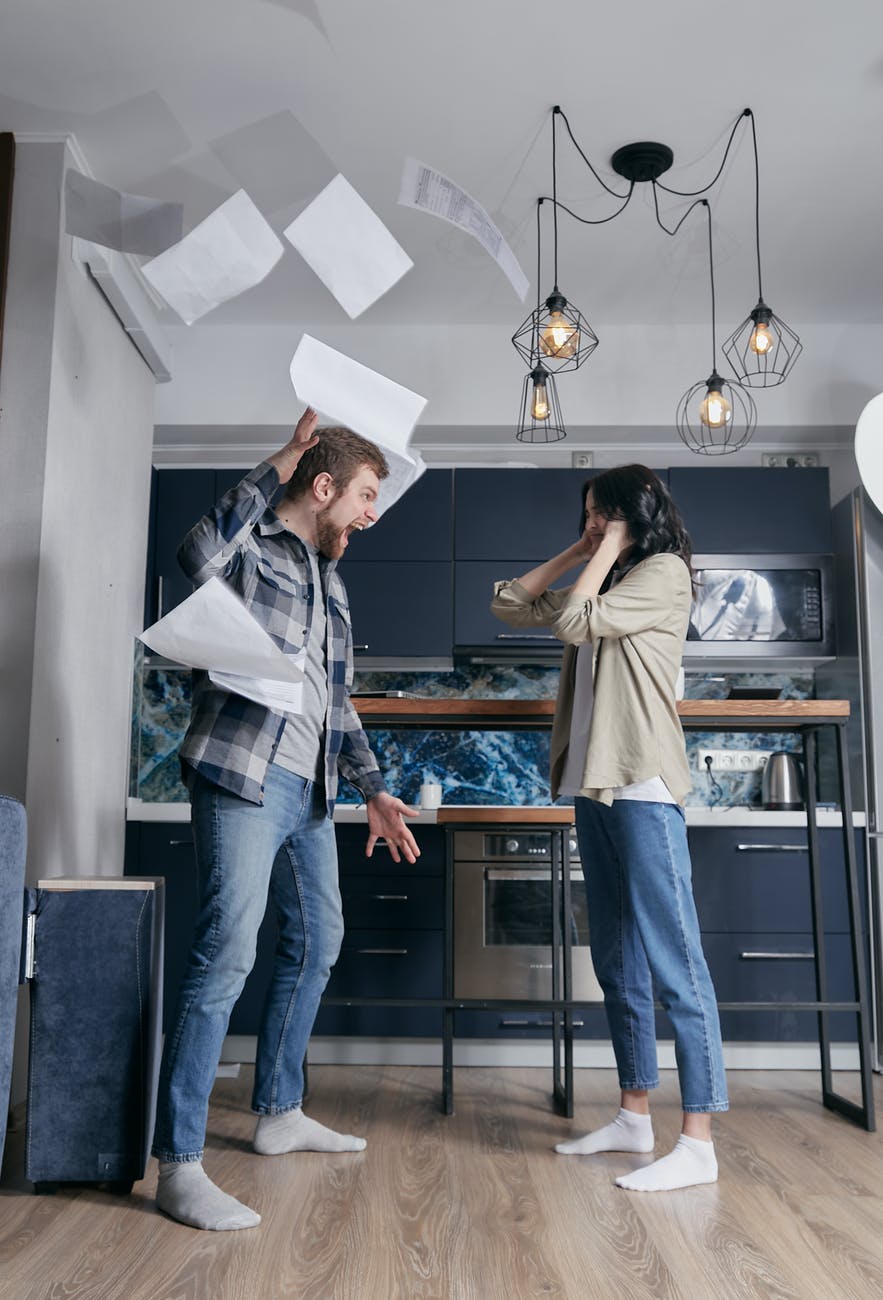
TAKE A STRESS REDUCTION BREAK ! DO THIS…

” Don’t stress the could haves , if it should have , it would have “

Above thought is the thing which we all understand & will praise & will say that it is right . BUT , what happens to us when we have to apply this above thought ? We as a human being are much concerned about the could haves , the could haves which are not even certain , their uncertainty gives us stress . Why we don’t understand that taking stress for things which are not even certain in our lives would affect out health . And because of this we can suffer from health issues that would result severe in their future lives .

Every one wants to get relief from stress , but very few work on reducing stress . Let me tell you the fast & quick way to relive from your stress

MEDITATION IS THAT WAY !

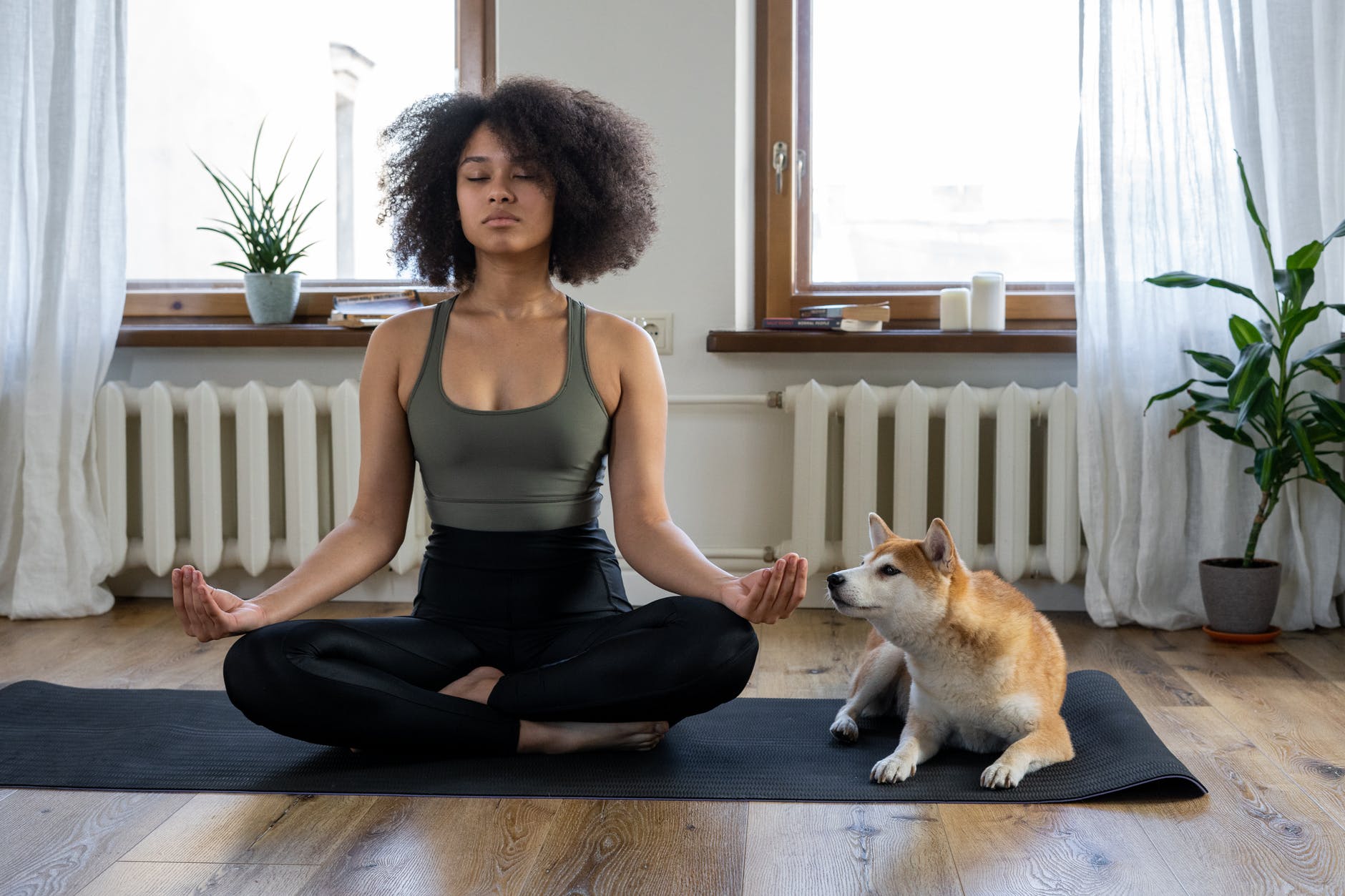
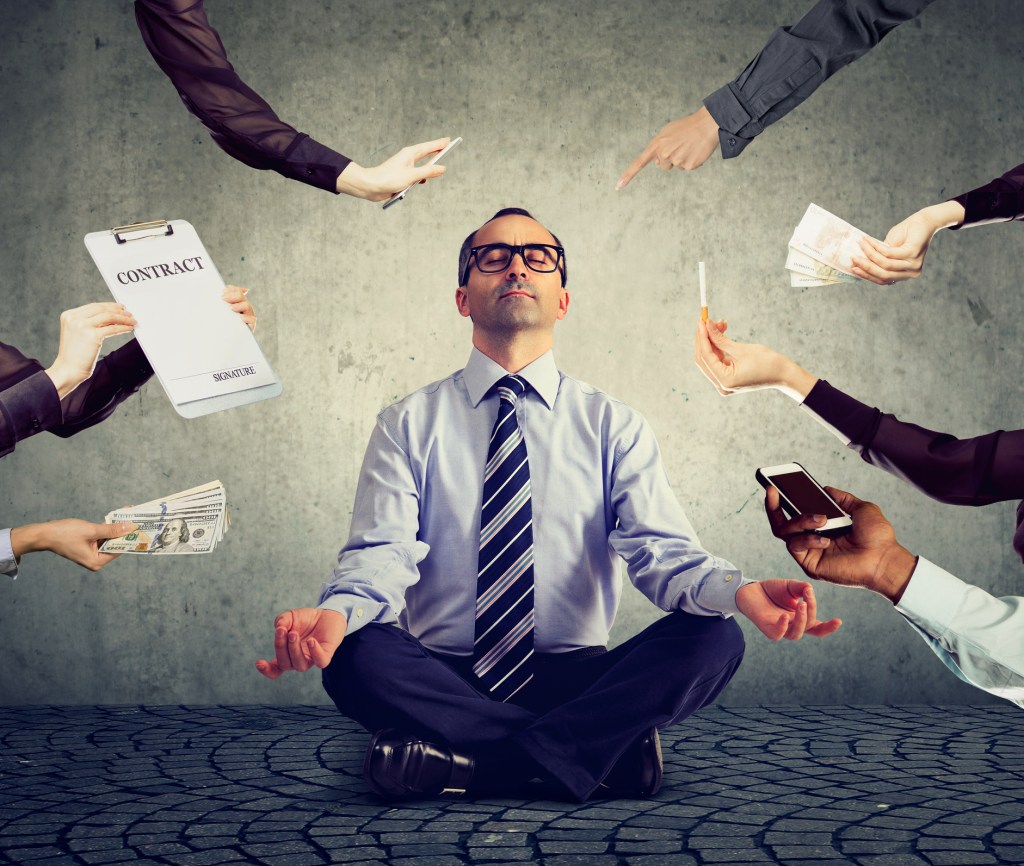
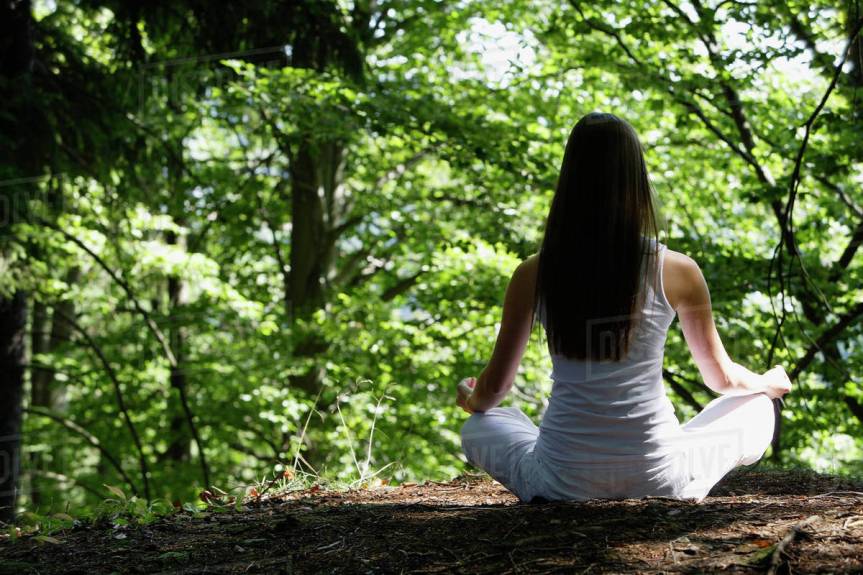
If stress has you anxious, tense and worried, consider trying meditation. Spending even a few minutes in meditation can restore your calm and inner peace. Anyone can practice meditation. It’s simple and inexpensive, and it doesn’t require any special equipment. And you can practice meditation wherever you are — whether you’re out for a walk, riding the bus, waiting at the doctor’s office or even in the middle of a difficult business meeting, or while studying .

During meditation you have to be n full attention , close your eyes & should try to concentrate , it will work out best when you will do it with Chinese flute . It will fill your eyes , ears & mind with relaxation , & hence you will forget all your stress . Doing such meditation for just 10 mins in a day will fill you with energy & enthusiasm & also you will feel relief from your stress . Meditation can give you a sense of calm, peace and balance that can benefit both your emotional well-being and your overall health. And these benefits don’t end when your meditation session ends. Meditation can help carry you more calmly through your day and may help you manage symptoms of certain medical conditions. Meditation might also be useful if you have a medical condition, especially one that may be worsened by stress.

While a growing body of scientific research supports the health benefits of meditation, some researchers believe it’s not yet possible to draw conclusions about the possible benefits of meditation. With that in mind, some research suggests that meditation may help people manage symptoms of conditions such as: anxiety, asthma , cancer ,chronic pain , depression, high blood pressure , sleep problems , tension headaches , etc. Don’t let the thought of meditating the “right” way add to your stress. If you choose to, you can attend special meditation centers or group classes led by trained instructors. But you can also practice meditation easily on your own. And you can make meditation as formal or informal as you like, however it suits your lifestyle and situation. Some people build meditation into their daily routine. For example, they may start and end each day with an hour of meditation. But all you really need is a few minutes of quality time for meditation.

As we always says , ” its not the quantity but the quality that matters . Hence you should spend the quality time doing mediation , & give you body a boost instead of stress .

Stress: a social issue

We thrive on performance, competitiveness, and perfection in today’s culture, which leads to an insidious increase in stress. Stress produces harm that is frequently underestimated, and it is a social phenomena that should be thoroughly investigated and assessed.

What is Stress?

Stress is our bodies’ reaction to pressure. Stress may be caused by a variety of conditions or occurrences in one’s life. It is frequently triggered when we encounter something novel, unexpected, or threatening to our sense of self, or when we believe we have little control over a situation. We all react differently to stress. Our capacity to cope can be influenced by genetics, early life experiences, personality, and social and economic conditions. When we are stressed, our bodies create stress hormones, which cause us to fight or flee and activate our immune system. This enables us to react swiftly in risky circumstances.

This stress reaction can be beneficial at times: it can help us overcome anxiety or pain in order to run a marathon or make a speech, for example. When a stressful incident is done, our stress hormones typically return to normal soon, and there are no long-term consequences.

However, excessive stress might have a detrimental impact. It can keep us in a constant state of fight or flight, leaving us exhausted or unable to cope. This can have a long-term impact on our physical and emotional health.

Stress: The Bane Of Modern Existence

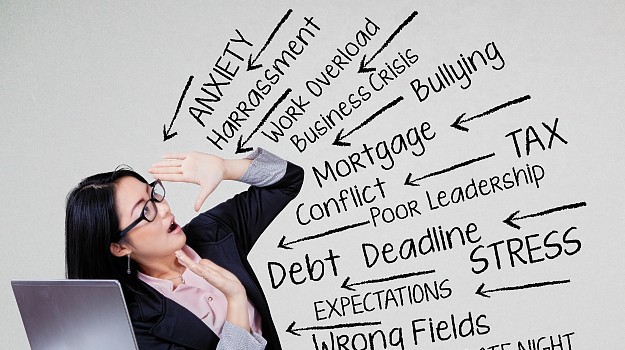
Our forefathers used to claim that “work is health,” but we now know that this is no longer the case. People are subjected to unprecedented levels of stress in today’s society and job. The symptoms of stress are everywhere, and the repercussions are diverse. The stress we feel on a daily basis is mostly produced by a number of phenomena that are inherent in today’s culture, including, but not limited to:

  1. Increased workload to boost productivity improvements
  2. Continuous pursuit of perfection;
  3. Obsession with winning;
  4. Balancing job, personal life, and family life;
  5. Significant shifts in attitudes and societal standards.

Stress affects all social groupings and age groups; no one can fully escape it. However, depending on their personal, psychological, professional, and health background, some people are more severely affected by its repercussions.

What is the source of our anxiety? Stress is the body’s natural reaction to everyday occurrences. There are several sources of stress and numerous strategies to deal with it. Fundamentally, stress is a human defensive mechanism, but it is critical not to allow it to take control.

Stress may originate from a variety of factors, including physical, psychological, emotional, social, and so on. A stressful occasion might be either joyous or sad (wedding, birth, travel, etc). (getting fired, going through a divorce, the loss of a loved one, etc.). The stimulus might be modest or large, and it can be brief or persistent. Because we do not all react the same way to stressors, it is critical to understand your stress triggers in order to effectively deal with them.

Signs of Stress:-

When confronted with a stressful circumstance, the human body responds by producing a variety of chemicals, including adrenaline. Stress can induce symptoms such as palpitations, a lump in the throat, worry, discomfort, and so on in its early stages. These symptoms are generally transient. Uncontrolled stress, on the other hand, may be damaging to one’s well-being and health over time; symptoms can then be physical, emotional, psychological, or behavioural in character. Here are a couple such examples:

  • sleep disorders
  • muscular tension
  • digestive disorders
  • irritability
  • agitation
  • depression
  • anxiety
  • burnout
  • increased isolation
  • relationship problems
  • work absenteeism
  • lower performance
  • loss of self-esteem

Aside from such obvious short-term consequences, stress leads to the development of a number of chronic illnesses, including heart disease, vascular disease, and cancer.

Obviously, stress has a bad impact. However, when correctly handled, it may have a positive impact. Indeed, it can assist to improve attention, contribute to creativity, enhance productivity, and aid in the development of new abilities. However, in order to do so, you must first learn to regulate and manage it.

How you might behave:-

  1. Withdraw from others or lash out at them
    be unable to make a decision or be flexible
    be moved to tears
  2. have difficulty falling or staying asleep
  3. encounter sexual issues
  4. More than usual, you smoke, consume alcohol, or use drugs.

How can you help yourself?

  1. Recognize when stress is a problem.
  2. Review your lifestyle.
  3. Build supportive relationships.
  4. Eat healthily.
  5. Be aware of your smoking and drinking.
  6. Exercise.
  7. Take time out.
  8. Be mindful.
  9. Get some restful sleep.
  10. Don’t be too hard on yourself.

Ways to Manage Stress

Stress is part of being human, and it can help motivate you to get things done. Even high stress from serious illness, job loss, a death in the family, or a painful life event can be a natural part of life. You may feel down or anxious, and that’s normal too for a while. Talk to your doctor if you feel down or anxious for more than several weeks or if it starts to interfere with your home or work life. Therapy, medication, and other strategies can help. In the meantime, there are things you can learn to manage stress before it gets to be too much. Consider these suggestions:

Exercise : To start with, physical activity can help improve your sleep.  And better sleep means better stress management. Doctors don’t yet know exactly why, but people who exercise more tend to get better deep “slow wave” sleep that helps renew the brain and the body. Just take care not to exercise too close to bedtime, which disrupts sleep for some people. Exercise also seems to help mood. Part of the reason may be that it stimulates your body to release a number of hormones like endorphins and endocannabinoids that help block pain,  improve sleep, and sedate you. Some of them (endocannabinoids) may be responsible for the euphoric feeling, or “runner’s high,” that some people report after long runs. People who exercise also tend to feel less anxious and more positive about themselves. When your body feels good, your mind often follows. Get a dose of stress relief with these exercises: running, swimming, dancing, cycling, aerobics.

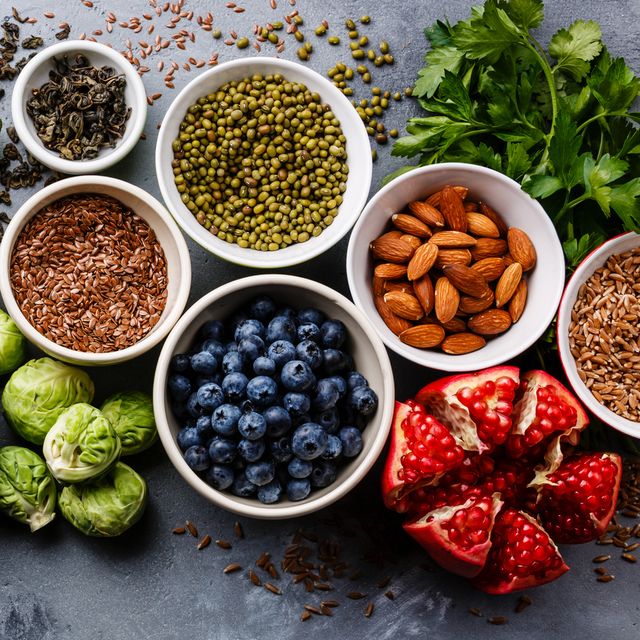
Diet : The benefits of eating health foods extend beyond your waistline to your mental health. A healthy diet can lessen the effects of stress, build up your immune system,  level your mood, and lower your blood pressure. Lots of added sugar and fat can have the opposite effect. And junk food can seem even more appealing when you’re under a lot of stress. To stay healthy and on an even keel, look for complex carbohydrates, lean protiens, and fatty acids found in fish, meat, eggs and nuts. Antioxidants help too. They protect your cells against damage that chronic stress can cause. You can find them in a huge variety of foods like beans, fruits, berries, vegetables, and spices such as ginger. Stick to a healthy diet with a few simple tips. Make a shopping list. Carry healthy snacks with you when you leave the house. Stay away from processed foods, and try not to eat mindlessly. Scientists have pinpointed some nutrients that seem to help lessen the effects of stress on the body and mind. Be sure to get enough these as part of a balanced diet: Vitamin C, Magnesium, Omega-3 fatty acids.

Sleep : A common side effect of stress is that you may struggle to fall asleep. If this happens three times a week for at least 3 months, you may have insomnia, an inability to fall and stay asleep. Lack of sleep can also add to your stress level and cause a cycle of stress and sleeplessness. Better sleep habits can help. This includes both your daily routine and the way you set up your bedroom. Habits that may help include: Exercise regularly, Get out in the sunlight, Drink less alcohol and caffeine close to bedtime, Set a sleep schedule, Don’t look at your electronics 30-60 minutes before bed, try meditation or other forms of relaxation at bedtime. The role of your bedroom in good sleep hygiene also is important. In general, your room should be dark, quiet, and cool — 60-65 degrees is thought to be an ideal temperature to stay asleep. Your bed also plays an important role. Your mattress should provide support, space and most of all, comfort.

Meditation : It has been around for over 5,000 years for a reason. Meditation works well for many people and has many benefits. It can lower stress, anxiety, and chronic pain as well as improve sleep, energy levels, and mood. To meditate, you will need to: Find a quiet place, Get comfortable (sitting or lying down), Focus your attention on a word, phrase, object, or even your breath, Let your thoughts come and go and do not judge them.

Deep breathing: When you practice deep breathing, you turn on your body’s natural ability to relax. This creates a state of deep rest that can change how your body responds to stress. It sends more oxygen to your brain and calms the part of your nervous system that handles your ability to relax. Try belly breathing. Get comfortable, close your eyes, and place one hand on your stomach and the other on your chest. Take a deep breath in through your nose. You should feel your belly rise more than your chest. Now, exhale through your nose and pay close attention to how your body relaxes. Repeat.

How To Practice Mindfulness In Your Everyday Life

The word “mindfulness” is talked about a lot lately, but really what exactly does it necessarily imply? Its origins may be traced back to Buddhist and Hindu beliefs, and it arose from the concepts of enlightenment and nirvana. It is defined as the practise of mindfulness and health of the body, mind, and soul. It is wellness in the sense that it extends beyond eating well and exercising; mental wellbeing, inner peace, sexual health, and so forth.

Everything seems to be quicker, noisier, and ruder nowadays. Everyone around us appears anxious and distracted, their eyes locked to their phones. In this fast-paced world, adopting mindfulness techniques on a regular basis may appear to be a difficult job, but it isn’t as far-fetched as it may appear.

Merely checking in with yourself for 10 seconds may educate us to gain clarity of body and mind, increase productivity all through the day, and empower us to take some responsibility for our mental health. Life might be difficult, but there is never too much happening on to treating yourself as a buddy to keep in touch with during the day.

Here are some ways to practice mindfulness in your everyday life:

Self-care is crucial

Self-care is a means of caring for oneself in the most fundamental ways: allowing yourself to recharge and loving yourself as you would a loved one. Everybody’s experience with mindfulness and mental clarity will differ. It could be meditation, exercising, getting a massage, writing, tidying, or something else.

This idea can also change depending on whether you are an introvert or extrovert. Knowing yourself, your tastes and preferences, and from where you draw your energy is a good first step in treating yourself as a friend.

Spend time with people who are driven and goal-oriented

Whenever it comes to becoming more conscious of your own emotional magnitude, aligning yourself with individuals who value similar habits is a wonderful place to start. Whether that’s around friends, family, or coworkers, the individuals you spend your time with have a greater effect on your everyday routines than you think. Trying to make mental check-ins a goal begins with you, but it can be a tough goal to achieve on your own.

Living mindfully benefits people near you as well as your loved ones. People can gain from exposure to this attitude if you regard yourself with care. Your good energy will wear off on them, regardless of whether they like it or not, and supply them with the compassion, love, and understanding they need.

Improve your work-life balance

When attempting to enhance your job performance, it is natural to get overly focused on your work and ignore your personal life. It is important to understand that you can seldom do better on the job if the other side is in disarray. You will feel anxious, and it will be difficult to concentrate on your task. A healthy work-life balance reduces stress and contributes to the development of a well-rounded individual.

Remember to include your personal hobbies and interests. Maintain a social life so that you have someone to share your trip with. In addition, expand or start a pastime. Taking care of plants, for example, is a fantastic way of spending time off from work. Being surrounded by nature is beneficial because it soothes the mind and stimulates creativity.

At Least 10 Minutes Every Day, Take a breath, Relax, and Repeat

Setting an alarm, pausing whatever I’m working on, closing my eyes, taking calm breaths, and using this time to really think about three things I’m thankful for on that particular day has been useful beginner-level mindfulness practices that I’ve done (and liked) in the past. It helps me to check in with myself, promotes clarity of mind, and generates a pleasant environment.

Regardless of what your views are, prayer may be a powerful technique for centering yourself, reducing stress, and assisting you in relinquishing control over things you can’t influence. It is comparable to meditation in that it demands a similar state of mind.

Stress Management

Nowadays people have become fascinated about their money and beauty but they are not giving due care to their mental health. Stress is a mental tension caused by demanding ,taxing , burdensome circumstances and our increasingly busy lives.A life full of stress is something which is not acceptable and desirable by a person because when a person is in stress the hormones called CORTISOL and ADRENALINE are released into the blood stream thereby suppressing the functioning of the immune, digestive and reproductive system.

Also we need to understand every stress is not considered the bad one because stress is actually the survival response, when our body thinks that it is in danger it is also called as fight or flight response. The problem arises when the situation is constantly prevailing causing stress in the lives and a person don’t know how to manage it. That’s why stress management is tremendously important for our health, quality of life and relationships.

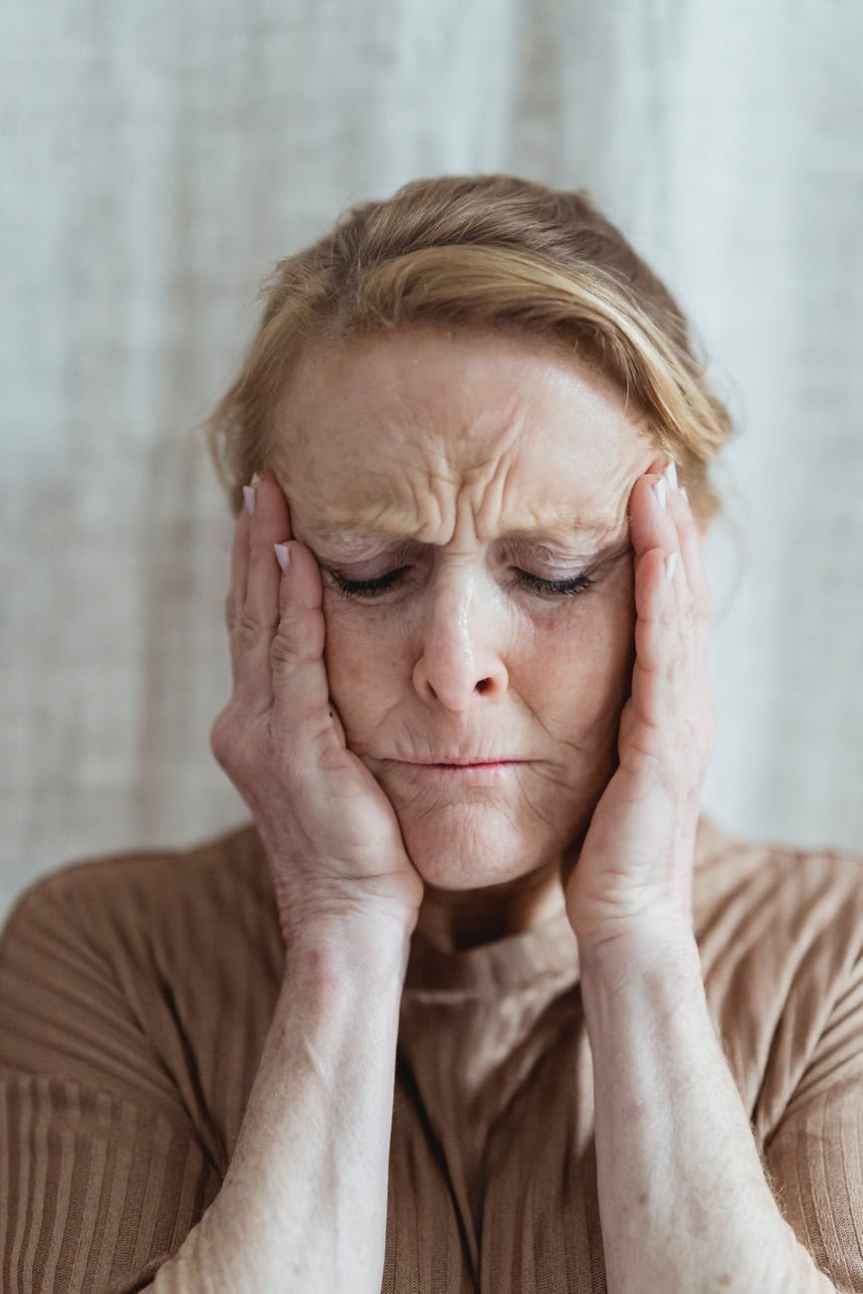
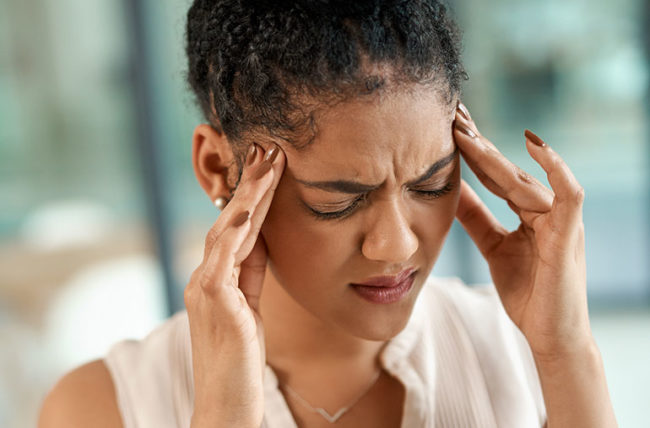
Migraines due to stress

Ways to Overcome Stress

1- Avoid Caffeine , Alcohol and Nicotine:

Many people try to overcome their stress by consuming alcohol , nicotine and rich in caffeine drinks but this is the big mistake people are committing which needs to be stopped first. Caffeine and Nicotine are stimulants which increases the level of stress rather than reducing it. Also alcohol is not ultimately helpful as it is a depressant when consumed in large quantities and a stimulant in small quantities. Herbal and other natural drinks must be consumed for keeping a person hydrated and to avoid these harmful stimulants.

2-Get more sleep:

Sleep plays an important role in maintaining a well being of an individual both physically and mentally. Lack of sleep is also an ultimate cause of stress. The environment of the bedroom must be calming and relaxing for a person so that they can have a sweet sleep also it is important to make sure that the bedroom is a tranquil oasis with no items of causing stress. There must be a fixed schedule for a person to sleep everyday so that the body get used to a predictable bedtime routine.

3-Talk to someone:

Communication allows a person to either distract them from their stressful situations or helps in reducing the built up tension by discussing it . In most of the situations a good friend and a colleague or a family member can guide us in a better way and also can provide us with the best solution for our stress.

4-Stress Diary:

In order to overcome stress the most significant thing is to understand what is the situation causing it so a person must have to maintain a stress diary in which they can write about their feelings and different situations along with their date ,time and the people they were with . This will eventually let them know what triggers them. It is basically a effective stress management tool to avoid stressful situations and to handle them with ease.

5-Physical activities:

Accompanying the daily life with proper exercises ,games and meditation will also help in avoiding stress as they can be used as a surrogate to metabolize the excessive stress hormones and restore the body in more calm state.

Calming Mother Nature

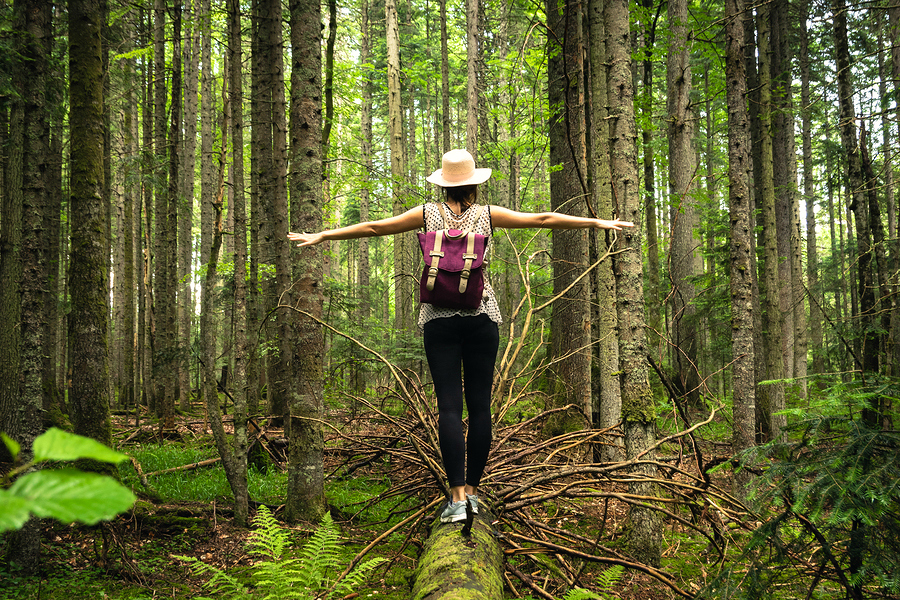
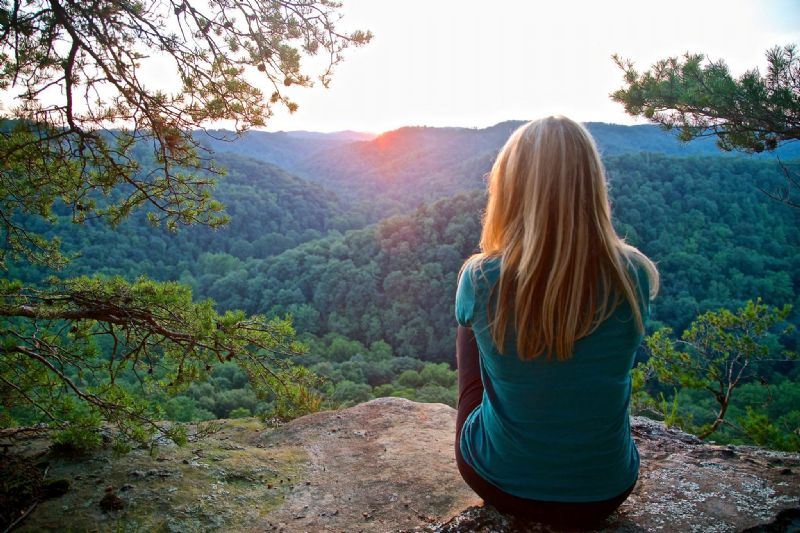
Spending time in nature can improve memory, lower stress hormones, and reduce feelings of depression or anxiety, among other perks. Being in nature can help clear your head and bring you into the present moment, and is a great way to de-stress and relax.

Being in nature, or even viewing scenes of nature, reduces anger, fear, and stress and increases pleasant feelings. Exposure to nature not only makes you feel better emotionally, it contributes to your physical well being, reducing blood pressure, heart rate, muscle tension, and the production of stress hormones.

Feel Better. If you’re able to, get back to nature to energize your mind and body. Depressed: If you’re feeling blue, try going outside to green, natural spaces. A stroll in the woods has been shown to help combat depression, and even just the view of the forest from a hospital room helps patients who are feeling down.

Spending time in nature has been found to help with mental health problems including anxiety and depression. For example, research into ecotherapy (a type of formal treatment which involves doing activities outside in nature) has shown it can help with mild to moderate depression.

The natural world is an incredible wonder that inspires us all. It underpins our economy, our society, indeed our very existence. Our forests, rivers, oceans and soils provide us with the food we eat, the air we breathe, the water we irrigate our crops with.

Healthy Foods To Avoid Stress!

[ By Bhoomika Saini ]

Feeling Stressed?

Maybe Healthy Eating Is The Key.

It's not about eating. It's about using the food to deal with anxiety and stress.

Staying at home during the time of this pandemic invited a lot of stress and anxiety for every individual. Since, many of us had become lazy during this time. We have stopped eating healthy as it is easy to order unhealthy food from online stores rather than cooking healthy and learning at home. This habit made us unhealthy, also it is harming our health day by day. Stress along with unhealthy eating is like inviting problems in your own home.

A healthy diet builds a solid, more enduring foundation for your body by reducing oxidation and inflammation and by helping to reduce weight gain.

There are many ways that can reduce your stress and make you feel better. Here, we’ll be discussing about one of them. And it’ll begin from eating healthy during the time of stress. Healthy food can bring wonders to oneself, so stop eating unhealthy food and start eating healthy today. One step to drive away your stress shall begin from here.

Also, there’s a huge difference between eating healthy during stress and stressful eating. One can be beneficial and other one could bring huge disadvantages to you. Moreover, adding some exercise in the routine wouldn’t hurt much.

So, here are some foods that can help you to avoid unhealthy eating and to drive your stress away.

Stay healthy , stay fit
Stay healthy ,stay fit

  1. Sweet Potato– To calm down the stress, sweet potato might work well as it contains potassium, beta-carotene and other vitamins that also reduces the urge to eat carbohydrates and sweets, thus helping you to avoid the urge to eat more.
  2. Eggs- They are packed with vitamins, minerals, amino acids and antioxidants that play an important role in relieving stress.
  3. Chickpeas- They are packed with stress-fighting vitamins and minerals, including magnesium, potassium, B vitamins, zinc, selenium, manganese, and copper that can help in stress reduction.
  4. Dark Chocolate- Many experts say that it helps in reducing stress as it contains flavonoids and magnesium that may reduce the depression symptoms too.
  5. Turmeric- Curcumin in tumeric may help lower anxiety by reducing inflammation and oxidative stress that often increase in people experiencing mood disorders, such as anxiety and depression.
  6. Yogurt- It contains healthful bacteria, Lactobacillus and Bifidobacteria. There is emerging that these bacteria and fermented products have positive effects on brain health.
  7. Green Tea- Theanine in green tea has anti-anxiety and calming effects and may increase the production of serotonin and dopamine.
  8. Warm milk- It has loads of B vitamins that reduce anxiety and improve mood. For instance, vitamin B6 (pyridoxine) raises serotonin levels to perk you up.
  9. Nuts- Nuts are full of nutrients, including B vitamins, along with healthy fatty acids. B vitamins are an important part of a healthy diet and can help reduce stress.
  10. Citrus foods- Flavonoids found in citrus fruits have anti-inflammatory capabilities that are thought to help protect against the chain of events that causes the nervous system to deteriorate.
  11. Oatmeal- Oatmeal is warm and comforting-and it also helps your brain generate the destressing neurotransmitter serotonin.
  12. Green Leafy Vegetables- Green leafy vegetables like spinach contain folate, which produces dopamine, a pleasure-inducing brain chemical, helping you to keep calm.

Start eating right today to nourish your body. So, first step to drive your stress away starts today.