Sustainable agriculture in India

Methodology:

  • Introduction
  • Sustainable agriculture in India
  • Need for sustainable agriculture
  • Methods for sustainable agriculture

INDRODUCTION –

Sustainable agriculture simply means doing agriculture efficiently with
the limited resources present without using the future generation
resources.

Sustainability shows the balanced use of resources. The excess usage
of the resources leads to the lack of the resources for the coming
generations. So, it is important to use all the resources in the right
and in the efficient way.

Sustainable agriculture in India

SUSTAINABLE AGRICULTURE IN INDIA –

Sustainable development is the management of the resources which
means the development of all with the help of the resources we have
and to use those in such a way that the resources used will be less but
the work done will be maximum which will save the resources for
future.

India ranks second worldwide in farm outputs. India is known for its
efficiency in agriculture from the Indus Valley Civilization.
Government of India is continuously working for the sustainable
development in the agriculture as most of the people’s occupation in India is farming.

Rashtriya Krishi Vikas Yojana was launched in 2007 for the overall
state agriculture development in India which aimed for the better
coordination and to produce a good quantity of crops with lesser
resources. Krishi megh program was also introduced after the Rashtriya Krishi
Vikas Yojana its main aim was to inculcate the knowledge of doing the
agriculture in an efficient way.

Inculcating education to farmers can change the production quality as
well as the production quantity.

NEED FOR SUSTAINABLE DEVELOPMENT –

Sustainable or we say the correct use of the resource will not only
save the excess usage of the resources but will also protect us from
the ill effects of the over usage of the resources.

Let’s see how

Water – So the excess usage of water in agriculture not only wastes
the water but also highly affects the fertility of the soil. Since due to
the over water in the soil the ground soil loses its grip and the fertile
soil flows away with the flowing water.

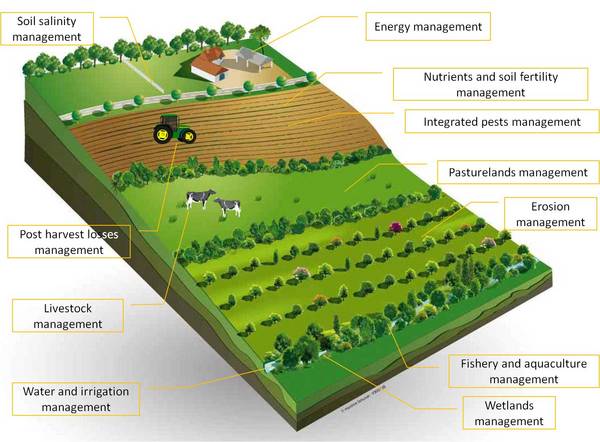
Sustainable agriculture management

Fertilizers – Fertilizers are used for the proper growth of the crops but
its excess usage destroys the crops.

For all this the right education is necessary. Sustainable agriculture helps in the good production of crops.

METHODS FOR SUSTAINABLE AGRICULTURE –

  • Proper usage of fertilizers.
  • Inculcate education of new technologies to farmers by
    organizing webinars.
  • Agroforestry
  • Contour Ploughing
    These are some of the efficient methods which are used and
    must be used for the sustainable agriculture.
  • Drop irrigation

References

THE BUTTERFLY ORGAN – ‘THYROID’.

The thyroid gland is a 2 inch long, butterfly shaped organ located in the front lower part of the neck. It is responsible for the production, storage and release of two main hormones called Triiodothyronine (T3) and Thyroxine (T4).

The hypothalamus and the pituitary gland in the brain is responsible for the production of T3 and T4. The hypothalamus produces a TSH releasing hormone called thyrotropin-releasing hormone (TRH) that signals the pituitary gland to produce TSH. The release of TSH by the pituitary gland regulates the production of hormones in the thyroid gland i.e., T3 and T4.

In case of low T3 and T4 levels, the pituitary gland releases more of TSH, that stimulates the thyroid hormone to produce more of T3 and T4.

In case of high T3 and T4 levels, the pituitary gland reduces the release TSH, that makes the thyroid hormone produce less of T3 and T4.

The thyroid gland absorbs iodine from the blood and incorporate it into the thyroid hormones. These hormones are responsible for controlling the rate of metabolism in the body. The metabolic rate of the body influences the heart, muscle and digestive function, brain development and bone maintenance. The key to the thyroid hormone is the amount of iodine in our meal. The thyroid gland absorbs the iodine from the blood and incorporate it into the thyroid hormones.

In addition, there are other hormone-producing cells within the thyroid gland called C-cells. These cells produce calcitonin. Calcitonin plays a role in regulating calcium and phosphate levels in the blood, which is important for your bone health and maintenance.

In normal cases thyroid gland produces the exact number of hormones needed to keep the body’s metabolism running and in balance. However, there are several disorders. When the thyroid gland produces too much of T3 and T4, it leads to higher metabolism, excess weight loss, fast heart rate, high irritability/nervousness, muscle weakness and tremors, infrequent menstrual periods and sleep problems. This condition is caused by a hyperactive thyroid gland and hence is called hyperthyroidism. Whereas, when the thyroid gland produces lower amounts of T3 and T4, it leads to lower metabolism rate. Low metabolism leads to depression, weight gain, slower heart rate, fatigue, more frequent and stronger menstrual periods, forgetfulness, dry skin and hair, hoarse voice and intolerance to cold. This condition is caused by an under active thyroid gland and hence is called hypothyroidism.

The Impact of Music: Can It Help Your Health?

It’s difficult to discover anyone who doesn’t have a special bond to music. Even though you can’t hold a tune or play a musical instrument, you can certainly draw up a list of songs that bring back nice memories and lift your mood. Doctors have traditionally played their favourite tunes in the surgery room to reduce tension, and bringing music to patients has been related to better clinical outcome.

Music has the ability to evoke any feeling imaginable. It can lift us to unfathomable heights, soothe us in our sadness or loneliness, helps us in expressing our anger or irritation in a non-harmful way, gets our bodies going, and provides peace and serenity to our souls. Music has the ability to boost our health and well-being, which adds to its greatness.Music therapy has been more important in many aspects of recovery over the last few decades.

What precisely is music therapy?

Music therapy is a psychological approach that employs music’s inherently mood-lifting characteristics to assist people in improving their mental health and general health. It is a goal-oriented treatment which may include music creation, songwriting, singing, dancing, hearing music and analyzing music. Music therapy affects the body, mind, and soul. It  may divert the mind, slows down the rhythms of the body, and affect our mood, both of which can impact our actions.

This method of therapy may be beneficial for those suffering from anxiety and depression, as well as improving the quality of life for those suffering from physical ailments. Anybody can participate in music therapy; you wouldn’t need knowledge of music to benefit from it. 

Music therapy treatments are planned with the patient’s general wellbeing, communications skills, cognitive capabilities, psychological well-being, and hobbies in mind.

Types of Music Therapy

Music therapy is an evolving process in which patients participate in the creation of music, or a passive one in which patients hear to or respond to music. Certain therapists may employ a hybrid strategy that includes both active as well as passive musical engagement.

There are many recognized techniques in music therapy, such as:

Analytical music therapy: Analytical music therapy enables you to communicate your unconscious ideas through an improvised musical “conversation” such as singing or playing an instrument, which you may then ponder upon and analyse with your therapist.

Benenzon music therapy: This method integrates some psychoanalytic principles with the process of producing music. The quest for your “musical sound identification,” which defines the exterior sound that most closely fits your interior psychological condition, is part of Benenzon music therapy.

Cognitive behavioural music therapy (CBMT): It blends cognitive behavioural therapy (CBT) with music. Music is utilised in CBMT to encourage certain behaviours and alter others. This method is planned rather than improvised, and it may involve having to listen to music performing, singing, or playing a musical instrument.

Community music therapy: This style focuses on utilising music to support transformation on a group level. It is carried out in a group environment and necessitates a great degree of participation from each participant.

Vocal psychotherapy: In this approach, you engage with your thoughts and desires by using numerous vocal exercises, natural sounds, and breathing techniques. This exercise is intended to help you get in touch with yourself more deeply.

The Advantages of Music Therapy

Because music therapy can be extensively customised, it is appropriate for people of all ages—even very young toddlers can gain from it. It is also adaptable and beneficial to persons with varying degrees of musical expertise as well as varied mental or physical health issues.

Music therapy can stimulate brain areas that regulate memories, feelings, mobility, sensory relay, some autonomic activities, decision-making, and rewards. It can help children and young people with developmental and/or learning impairments enhance their motor skills and improve their communication.

Overall, music therapy has been shown to promote good emotions such as relaxation, happiness, emotional closeness, optimism, and confidence.

MENTAL HEALTH: THAT DRIVES YOUR WELL-BEING

“Health is a state of complete physical, mental and social well-being and not merely the absence of disease or infirmity.”

World Health Organization (WHO)

DEFINING MENTAL HEALTH

The World Health Organization (WHO) defines Mental Health as ” A state of well-being which an individual realizes his or her own abilities, can cope with the normal stresses of life, can work productively, and is able to make a contribution to his or her community.” Mental Health includes many aspects, like psychological, social, emotional well-being etc. and plays a vital role in determining how a person thinks, feels and acts. Mental health helps in determining the stress level of a person and thus can help in reducing it. It helps to relate people with others and make choices. It is important at every stage of life and affects the life in numerous ways.

If a person had mental health problems, then its thinking, mood, behavior, actions etc. will be affected to a great extent and can cause problem in society. Some of the factors that contribute to mental health are :

  1. Biological Factors: Genes or brain chemistry
  2. Life Experiences: Trauma or abuse
  3. Family history of mental health problems

UNDERSTANDING THE RELEVANCE OF MENTAL HEALTH

Mental health is an essential and vital component of health and mental health is similar to the condition, where there is no mental disorder or disabilities. A person with sound mental health is able to realize his or her duty and responsibilities and is capable to cope with the stresses of life which are normal and can work productively, With this the person can efficiently contribute to his or her community.

Mental Health is fundamental ability of an person to think, respond, interact with each other, earn a living and enjoy life. On this basis, we can say that, it is very necessary to preserve, conserve and protect a persona mental health because it can affect other individuals around them, the society, their community and the world itself.

FACTORS DETERMINING MENTAL HEALTH

Numerous factors affect a persons mental health and they can be social, biological and psychological. For example, violence and social pressures can mentally disturb a person.

Poor mental health can affect the way a person responds to others and to the society. It can lead to social change, stressed work conditions, gender discrimination, social exclusion, prejudice, unhealthy lifestyle etc. There are specific factors which can affect a persons mental health and can make people vulnerable to mental health problems and disorders.

PROMOTING MENTAL HEALTH

Different ways to promote mental health:

  1. Socio economic empowerment of women for increasing their access to education, schemes etc.
  2. Early Childhood interventions for providing proper infrastructures which will be child sensitive.
  3. Programs targeting vulnerable people of the society; like migrants, minorities etc.
  4. Mental health promotional educational centers and mental health interventions at work.
  5. Social support for elderly people.
  6. Poverty reduction and social protection to the vulnerable group.
  7. Promotion of rights, opportunities and care to everyone having mental disorders.
  8. Violence prevention and community development programs.

Stress: a social issue

We thrive on performance, competitiveness, and perfection in today’s culture, which leads to an insidious increase in stress. Stress produces harm that is frequently underestimated, and it is a social phenomena that should be thoroughly investigated and assessed.

What is Stress?

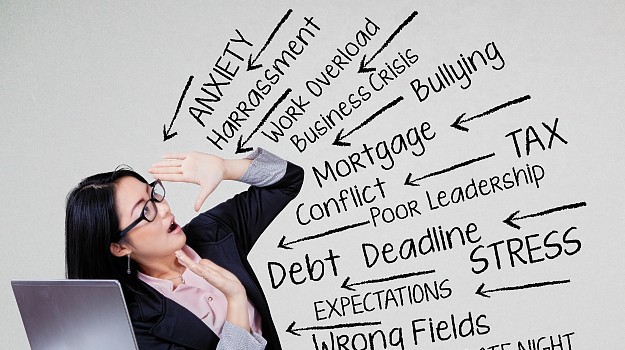
Stress is our bodies’ reaction to pressure. Stress may be caused by a variety of conditions or occurrences in one’s life. It is frequently triggered when we encounter something novel, unexpected, or threatening to our sense of self, or when we believe we have little control over a situation. We all react differently to stress. Our capacity to cope can be influenced by genetics, early life experiences, personality, and social and economic conditions. When we are stressed, our bodies create stress hormones, which cause us to fight or flee and activate our immune system. This enables us to react swiftly in risky circumstances.

This stress reaction can be beneficial at times: it can help us overcome anxiety or pain in order to run a marathon or make a speech, for example. When a stressful incident is done, our stress hormones typically return to normal soon, and there are no long-term consequences.

However, excessive stress might have a detrimental impact. It can keep us in a constant state of fight or flight, leaving us exhausted or unable to cope. This can have a long-term impact on our physical and emotional health.

Stress: The Bane Of Modern Existence

Our forefathers used to claim that “work is health,” but we now know that this is no longer the case. People are subjected to unprecedented levels of stress in today’s society and job. The symptoms of stress are everywhere, and the repercussions are diverse. The stress we feel on a daily basis is mostly produced by a number of phenomena that are inherent in today’s culture, including, but not limited to:

  1. Increased workload to boost productivity improvements
  2. Continuous pursuit of perfection;
  3. Obsession with winning;
  4. Balancing job, personal life, and family life;
  5. Significant shifts in attitudes and societal standards.

Stress affects all social groupings and age groups; no one can fully escape it. However, depending on their personal, psychological, professional, and health background, some people are more severely affected by its repercussions.

What is the source of our anxiety? Stress is the body’s natural reaction to everyday occurrences. There are several sources of stress and numerous strategies to deal with it. Fundamentally, stress is a human defensive mechanism, but it is critical not to allow it to take control.

Stress may originate from a variety of factors, including physical, psychological, emotional, social, and so on. A stressful occasion might be either joyous or sad (wedding, birth, travel, etc). (getting fired, going through a divorce, the loss of a loved one, etc.). The stimulus might be modest or large, and it can be brief or persistent. Because we do not all react the same way to stressors, it is critical to understand your stress triggers in order to effectively deal with them.

Signs of Stress:-

When confronted with a stressful circumstance, the human body responds by producing a variety of chemicals, including adrenaline. Stress can induce symptoms such as palpitations, a lump in the throat, worry, discomfort, and so on in its early stages. These symptoms are generally transient. Uncontrolled stress, on the other hand, may be damaging to one’s well-being and health over time; symptoms can then be physical, emotional, psychological, or behavioural in character. Here are a couple such examples:

  • sleep disorders
  • muscular tension
  • digestive disorders
  • irritability
  • agitation
  • depression
  • anxiety
  • burnout
  • increased isolation
  • relationship problems
  • work absenteeism
  • lower performance
  • loss of self-esteem

Aside from such obvious short-term consequences, stress leads to the development of a number of chronic illnesses, including heart disease, vascular disease, and cancer.

Obviously, stress has a bad impact. However, when correctly handled, it may have a positive impact. Indeed, it can assist to improve attention, contribute to creativity, enhance productivity, and aid in the development of new abilities. However, in order to do so, you must first learn to regulate and manage it.

How you might behave:-

  1. Withdraw from others or lash out at them
    be unable to make a decision or be flexible
    be moved to tears
  2. have difficulty falling or staying asleep
  3. encounter sexual issues
  4. More than usual, you smoke, consume alcohol, or use drugs.

How can you help yourself?

  1. Recognize when stress is a problem.
  2. Review your lifestyle.
  3. Build supportive relationships.
  4. Eat healthily.
  5. Be aware of your smoking and drinking.
  6. Exercise.
  7. Take time out.
  8. Be mindful.
  9. Get some restful sleep.
  10. Don’t be too hard on yourself.

How to lose your hair in 10 days.

No, No, this is not a click bait. And no this is not sponsored by Kesh King.

Have you noticed that you have been losing a lot of hair recently. Well some can say it’s due to the changing weather, but don’t you think we are also forgetting a very generous contributor to this problem.

Yes I’m talking about stress. I know, such a cliched topic right. Stress. Sounds so normal. You guys would be like , ‘everyone has stress, nothing new about it’. But man, what a sad statement this is. The fact that everyone is going through some tough situation , is actually worrisome , don’t you think . Whether due to the pandemic, or some personal issues, or work stress . And the worst of them all is stressing over nothing, you know when everything is going well, and you begin to wonder, well , this ain’t right. I stress about stress before there’s even stress to stress about. What sort of sorcery is that!

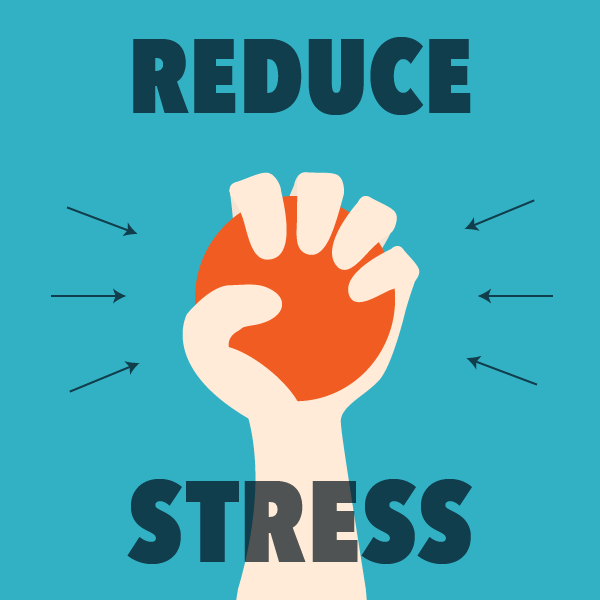
Pin on Cartoons about Stress

The poor is stressing over money , so are the rich. Student is worried about her grades and the graduate is worried about getting a job. Many of us are stressed due to some financial difficulties and some due to personal or family issues. Many of us are losing sleep, and some of us are losing their hair ( yup, sacrificed a whole lot ). The worst thing about stress is that it’s involuntary. You often can’t help but fall into this trap. Having no control over things is both a boon and a bane. When you have the control , you can’t help but stress over how to solve an issue. When you don’t , you consider yourself completely helpless, and often worthless.

This is where the self destruction begins. Stressing over things makes you question your abilities, insecurities, and often leads you on to this dark path, one would never dare to walk on. How to come out of this ? How to tell yourself that stress , to a certain extent is okay, but when exceeds a certain limit, is lethal.

  1. Please, please make yourself a priority. I cannot stress this enough , that YOU matter the most. That’s it.
  2. Take a sheet of paper, and write down the things that are stressing you out. Think about the possible solutions you can come up for them. Cannot come up with a solution? Then buddy, try and move on. Let’s leave some things in the hands of time.
  3. Some things take time, don’t rush it.
  4. Trust your journey. You’ve reached till here, thank yourself and appreciate yourself.
  5. Dance it out . Yes this works. Don’t tell me that dancing to the tunes of Ishq tera tadpave ( what an irony ! ) or any other banger doesn’t make you happy. P.S. if you haven’t heard the song, just give it a shot.
  6. Start breathing. I mean I know everybody breathes, but this time feel it. And be thankful for it.
  7. Please talk to someone . A friend, therapist anyone. It might not help you get a solution, but at least will assure you that you’re not alone.

So where does this end ? The same place it began, in that beautiful mind of yours.

Turns out, it was some what of a click bait right . But hey, it worked 🙂

Mid-Day Meal (MDM) Scheme

The Mid-Day Meal Scheme was launched in India on August 15, 1995, as the ‘National Programme of Nutritional Support to Primary Education (NP-NSPE).’ In October 2007, it was renamed the “National Programme of Mid-Day Meal in Schools,” commonly known as the Mid-Day Meal (MDM) Scheme. It is the world’s largest school meal programme aimed to attain the goal of universalization of primary education. Under the MDM plan, one meal is supplied to all students enrolled in government schools, local body schools, government-aided schools, special training centers (STC), maktabs, and madrasas funded by the Sarva Shiksha Abhiyan. Cooked lunches are served to every child aged six to fourteen who is enrolled in and attending school. Meals are served to pupils in Classes I through VIII.

Key Points:

(A) Needs –

According to research, a healthy breakfast in the morning hours can be productive for the study of cognitively more demanding subjects, and so these hours can be maximised by offering a simple yet stimulating breakfast in addition to midday meals.

(B) Challenges –

Severe financing The scheme is likely to be pushed back due to the crunch.
The present spending on the Midday Meals Scheme by the Centre is around Rs. 11000 crore. Free breakfast will require an additional budget of 4000 crore, while the School Education Department has seen a budget decrease of over 5000 crore for the fiscal year 2020-21.

Objectives Of Mid-Day Meal Scheme:-

  1. To increase the number of students enrolled in schools who come from underprivileged backgrounds.
  2. To increase the number of pupils enrolled in government and government-aided schools.
  3. To keep the children in grades I through VIII.
  4. To provide nutritional assistance to primary school-aged children, particularly in drought-stricken areas.
  5. To combat starvation and malnutrition while also improving caste socialization.

Features Of Mid-Day Meal Scheme:-

  1. Every school should have a sanitary cooking infrastructure for sanitary mid-day meals.
  2. Mid-day lunches are only to be offered on school grounds on all school working days.
  3. The headmaster or headmistress has the authority to use school money due to the depletion of the mid-day food fund. However, the money will be returned to the mid-day food fund as soon as the school receives it.
  4. AGMARK-certified products are purchased for use in the preparation of mid-day meals in schools.
  5. The school administration committee’s cooked meals are tasted by two or three adult members.
  6. The State Food and Drug Administration might collect samples to ensure the quality and nutritional content of the meals.
  7. The State Steering-cum Monitoring Committee (SSMC) will oversee the scheme’s execution, including the establishment of a system to ensure the meals’ quality and nutritional criteria.
  8. When prepared meals cannot be delivered due to unforeseen circumstances, the following food allowance is given to the children:

(a) Quantity of food grains based on a child’s entitlement, and

(b) The cost of cooking in the individual state.

Issues and Challenges:

  1. Corrupt Practices: There have been reports of simple chapatis being given with salt, water being mixed into milk, food poisoning, and so forth.
  2. Caste Bias and Discrimination: Because food is essential to the social system, many schools require pupils to sit separately based on their caste position.
  3. Covid-19: Covid-19 has created significant risks to children’s health and nutritional rights. Access to critical services, such as Mid-Day Meals, has been hampered as a result of the national lockdown.
  4. Malnutrition is a threat: According to the National Family Health Survey-5, some states have reversed direction and recorded rising levels of child malnutrition.
  5. Global Nutrition Report-2020: According to the Global Nutrition Report 2020, India is one of 88 nations that are on track to fall short of global nutrition objectives by 2025.
  6. 2020 Global Hunger Index (GHI): The Global Hunger Index (GHI) 2020 ranks India 94th out of 107 nations. India has a “severe” degree of hunger.

Foods that help with period cramps

Menstrual cramps, are an uncomfortable part of life for many women on a monthly basis.

Get in the habit of drinking 6 to 8 glasses of water per day, especially during your period. Staying well hydrated isn’t just good for cramps, it’s good for your overall health. Hydrating with warm or hot liquids is another option that can also help ease your cramps.

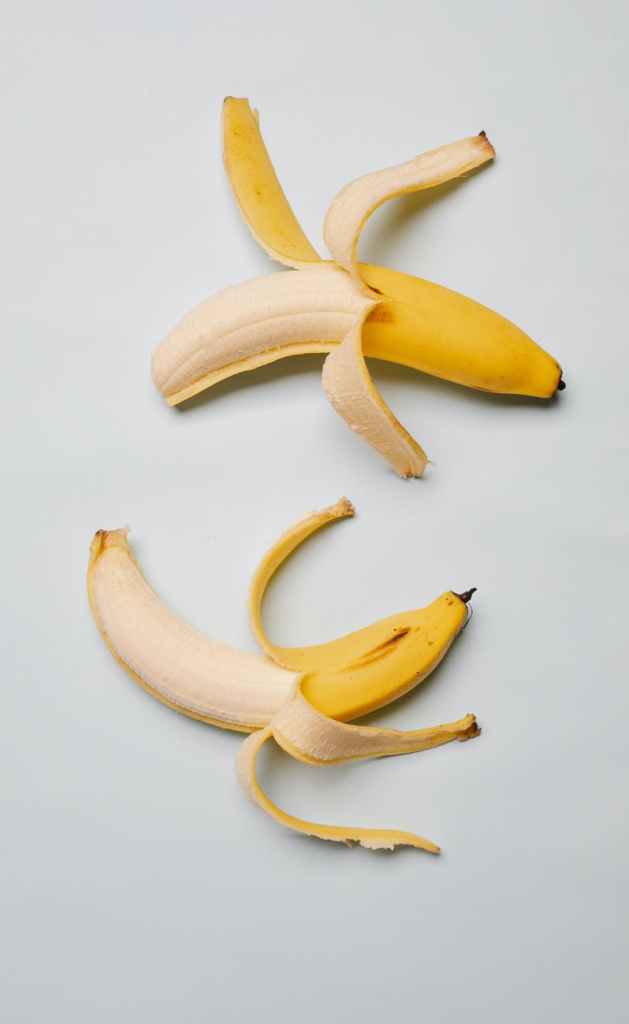
Banana. Bananas contain vitamin B6 and potassium, which can help relieve your cramping symptoms. You can also try banana smoothie. While making your smoothie you can add kiwi or pineapple, it also helps in reducing cramps.

Eat more green vegetables Losing blood every month also means you’re losing iron, which can make you feel sluggish and lethargic. Leafy green vegetables such as spinach can boost your iron levels.

Calcium Dairy products such as milk, cheese, and yogurt are rich in calcium. Consuming dairy products help reduce menstrual cramps.

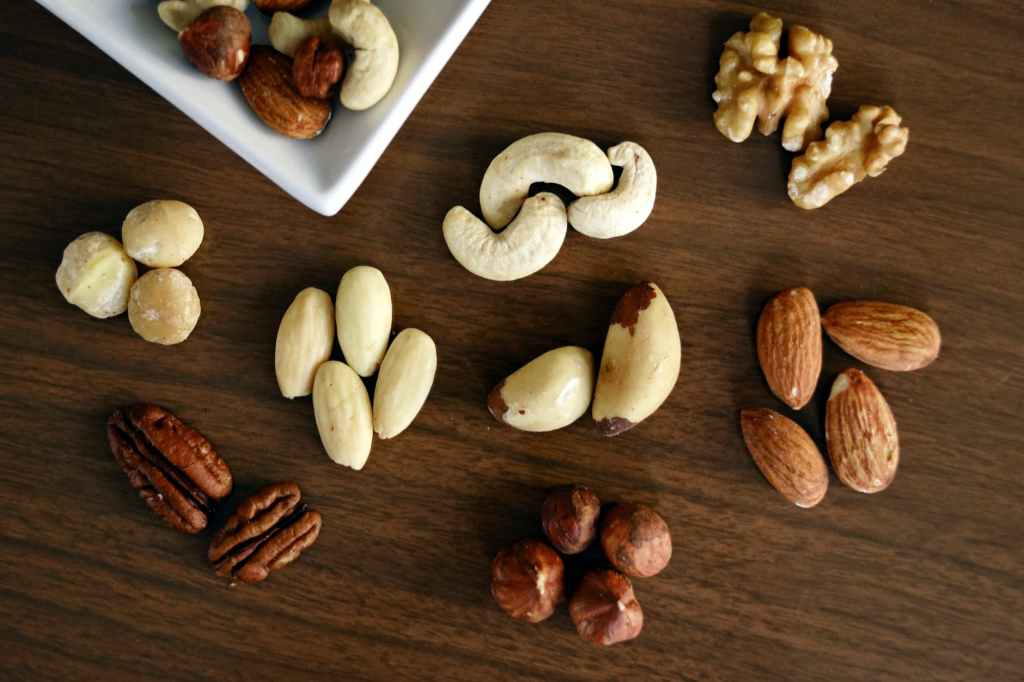
Magnesium and iron can reduce cramps by relaxing blood vessels Foods rich in magnesium include boiled spinach, dry roasted almonds, oats and cooked black beans. Dark chocolate contains magnesium and fiber.

Eggs and Fish. Eggs contain vitamins B6, D, and E, which all work together to fight off the symptoms of PMS. Rich in iron, protein, and omega-3 fatty acids, fish is a nutritious addition to your diet. Lentils and beans are rich in protein, so they’re good meat replacements for vegetarians. Another source of protein for vegetarians and vegans, is tofu that is made up of soybeans. It’s rich in iron, magnesium, and calcium.

Ginger. A warm mug of ginger tea can reduce pain. You can also drink chamomile tea.

PRADHAN MANTRI GARIB KALYAN YOJANA ,” MAGIC WAND IN COVID SITUATION “

The numbers of Unemployment rate of India were not good & this pandemic have done the work of fuel in the fire . In January 2021, India saw an unemployment rate of over six percent. This was a significant improvement from the previous month. A damaging impact on an economy as large as India’s caused due a total lockdown was imminent. Unemployment went up to nearly 24 percent in April 2020. This was possibly a result of a decrease in demand as well as the disruption of workforce faced by companies.

The most drastic impact of pandemic was lockdown , & the most drastic impact of lockdown was on economically backward class ,because these people don’t have good medical system , & people from these sections mostly were of labour class , all factories & construction sites were shut , without employment & with no money left in their hands , these people were left unemployed . In India employment rate in 2019 was 5.36% which increased by over 6 % in 2021. These were not good numbers for India. Before numbers of unemployment one major thing to keep in consideration was these economically backward class . For these people , our honorable prime minister , Shri Narender Modi Ji launched a yojana named as “PRADHAN MANTRI GARIB KALYAN YOJANA” .

Just to give you all a gist of what this yojana is & what are the benefits of this yojana , & how this yojana worked as a magic wand for all the poor people who were left unemployed & lost their loved ones due to COVID19 .

The Pradhan Mantri Garib Kalyan Yojana / Package is a comprehensive relief package of Rs 1.70 Lakh Crore Yojana for the poor to help them fight the battle against Corona Virus. This was announced in March 2020, to reach out to the poorest of the poor, with food and money in hands, so that they do not face difficulties in buying essential supplies and meeting essential needs. The package included the measures listed hereunder from 30th March 2020:

  • Insurance cover of Rs 50 Lakh per health worker fighting COVID-19 to be provided under Insurance Scheme – extended for one year effective April 2021
  • 80 crore poor people will to get 5 kg wheat or rice and 1 kg of preferred pulses for free every month for the next three months – extended to November 2021 (initially, the package was extended to May & June 2021; originally, it was extended to November 2020)
  • 20 crore women Jan Dhan account holders to get Rs 500 per month for next three months
  • Increase in MNREGA wage to Rs 202 a day from Rs 182 to benefit 13.62 crore families
  • An ex-gratia of Rs 1,000 to 3 crore poor senior citizen, poor widows and poor disabled
  • Government to front-load Rs 2,000 paid to farmers in first week of April 2020 under existing PM Kisan Yojana to benefit 8.7 crore farmers
  • Central Government has given orders to State Governments to use Building and Construction Workers Welfare Fund to provide relief to Construction Workers.

Our government is providing food , money & insurance facility to the weaker sections of the society, so that though being unemployed they don’t sleep empty stomach. Under the Pradhan Mantri Garib Kalyan Yojana, 312 billion Indian rupees were accrued and provided to around 331 million beneficiaries that included women, construction workers, farmers, and senior citizens. More aid was announced in mid-May, to mainly support small businesses through the crisis. Coming to the conclusion , though unemployment numbers are rising but government is much concerned about the living of people , & is much concerned about health of people , because govt. knows that is people will live , they can make living too.

OVER-THINKING (Part-2)

How To Get Your Mind Under Control?

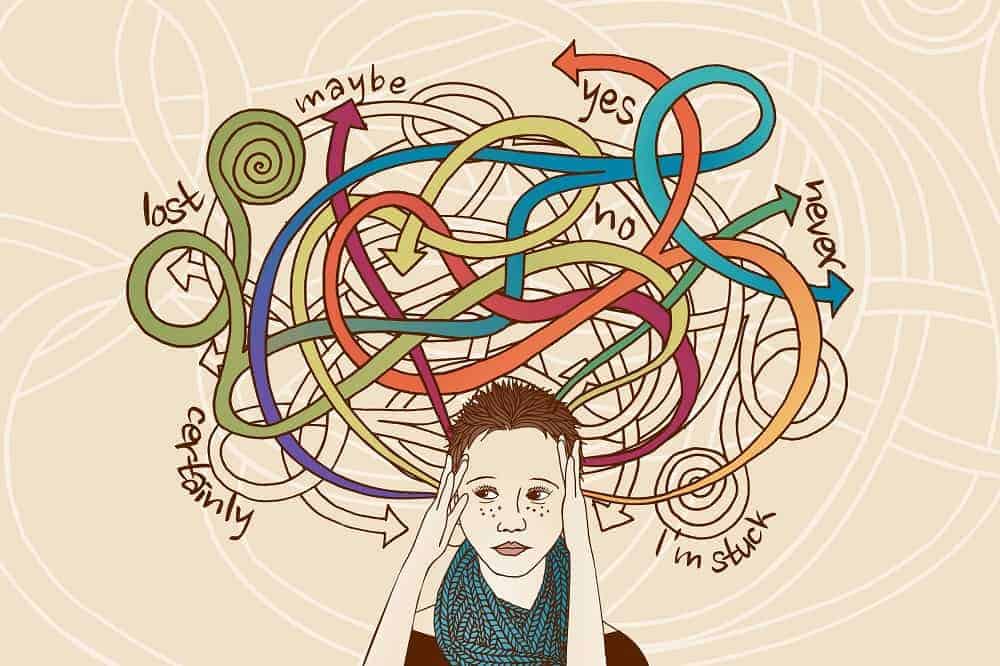
Over-thinking is a state where your mind runs at 100 miles per hour when you have to make a decision. It doesn’t matter how important the decision is, your mind will automatically go into overdrive if you are a textbook over-thinker. This situation can be dangerous for your mental health in the long run. Getting a control over your mind is not an easy task. Over-thinking is exhausting but the mind still does it every time something is to be done, and so letting go of this habit is not something that will happen overnight. It will require a conscious effort on your part.

HOW TO STOP OVERTHINKING?

  1. LET GO OF YOUR PAST: Past memories keep a lot of people up at night thinking about that one embarrassing thing you did years ago that probably no one even remembers. Your mind however forces you to think that everyone does remember that and you go into a spiral at 2 in the morning. You need to get over your past experiences and know that you cannot change them. They re out of your control. You need to let go of all the negative emotions that are holding you back in order to move forward. This will clear up the mental space and help with the over-thinking.
  2. DO NOT OVER-THINK ABOUT YOUR FUTURE: Just like your past, your future events are also out of your control. But this does not stop you from over-analyzing every aspect of it and soon you start to worry about the stuff that hasn’t even happened yet and might not even happen. Live in the present. Stop worrying about the things that have happened and the things that are going to. All of it is out of your control. Every time you start to over-think, just take a deep breath and ask yourself “Can I control it?” and if the answer is ‘no’, just let it go.
  3. DISTRACT YOURSELF: Distraction can prove to be helpful when your mind is running amok. Perform an activity that you can control. For example cook something, go for a walk or do a workout, just keep yourself busy until your mind has made peace with the situation and is in your control.
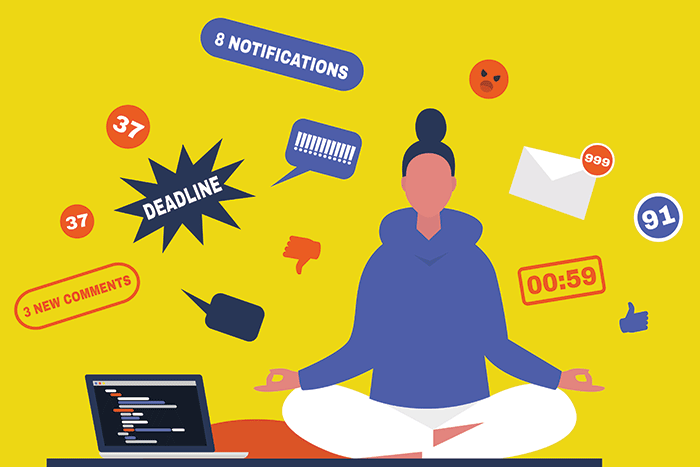
  4. MEDITATION: Meditation is a proven method to help you calm down. Start with meditating for 10 minutes daily. This might not sound tough but calming your mind for 10 whole minutes is not easy for an over-thinker. All you need to do is find a quiet place, light an incense stick, close your eyes and just take deep breaths. Calm your mind and get a hole of it. As an added advantage, meditating will put you into a good mood too. Keep increasing your time a little bit and you will be very happy with the results.
  5. BE GRATEFUL: Most people over-think about their failures. They constantly emphasize on the fact that if they had done things differently, they would not have failed. What they don’t think about is how far they have come and how most people don’t get to be that lucky. Being grateful not only keeps you grounded but also keeps your mind at ease because you know that things are happening for a reason.
  6. TALK IT OUT: Never underestimate the power of a good talk. Any time your brain plays tricks on you just talk it out with someone who you admire. Talking to someone will take a huge load off your shoulders. The other person might have a different perspective about the dilemma you are facing and they can help you with it.

Somewhere in the subconscious part of our mind there is a voice that warns us when we are about to over-think. But if you have no control over your mind, you will ignore that voice and let the mind run off to drawing its own conclusions. Over-think is a undoubtedly a part of human experience but if that part is not controlled it could adversely affect your mental well being. So, try the above techniques and stop over-analyzing every aspect of everything that happens with you. Don’t let it be the reason for your unhappiness.     

Hormones That Makes Us Happy

Image result for hormones

Our body constitutes innumerous chemicals performing functions that makes us feel happy, sad, nervous. Most of them are released by the Hypothalamus and Pituitary glands. There are 4 major chemicals secreted by our body that makes us feel happy:

Dopamine

Dopamine is a neurotransmitter that helps in the transmission of signals in the brain and other areas. It is released by Hypothalamus and acts on receptors that are specific for it. It acts on sympathetic nervous system leading to increase heart rate and blood pressure. Therefore it is used in medication. It is is associated with pleasurable sensations, along with learning, memory, motor system function, and more.

Endorphin

Endorphins  are endogenous opioid neuropeptides and peptide hormones which are produced and stored in the pituitary gland. It consists of α-endorphin, β-endorphin, and γ-endorphin. Its main function is to compress pain signals. It can act in both the central nervous system  and the peripheral nervous system. It also produces a euphoric state in cases such as sex, listening to music, and eating chocolate. According to a research meditation triggers endorphin secretion.

Serotonin

Serotonin is a complex monoamine neurotransmitter. Approximately 90% of our body’s total serotonin is located in the enterochromaffin cells in the GI tract, where it regulates intestinal movements. About 8% is found in platelets and 1–2% in the CNS. It modulates mood, reward, learning, memory, and various physiological processes such as vomiting and vasoconstriction. Serotonin levels spike when we reflect on past achievements, practice gratitude, and celebrate victories.

Oxytocin

Oxytocin  is a peptide hormone and neuropeptide which is produced in the hypothalamus and released by the posterior pituitary. It functions during social bonding, reproduction, childbirth, and the period after childbirth which includes bonding with the baby and milk production. It can also be considered as an antidiuretic since it lowers the urine secretion. We need oxytocin to form strong bonds in our personal and professional relationships. 

Although these hormones are essential for our body but there are drugs such as heroine, nicotine etc. which alleviates the levels of these chemicals in excess and it may result in harmful repercussions.

Urban Agriculture

Urban agriculture can be described as the agricultural practices to producing fresh food or other agricultural products in urban areas and their surrounding regions (peri-urban). This can function centrally where plants can be grown and animal husbandry, horticulture, and aquaculture can be practiced. It also involves the processing, packaging, marketing, and delivery of food. In purview urban agriculture extends to establish food production sites within the city’s sphere.

As more land area is getting urbanized and larger number of people are coming to the urban areas to reside. It becomes very critical to properly utilize the space in our cities and suburban areas. Research in the last two decades is has proven that Urban agriculture can be a viable option for food production. It can also help in decreasing the effects of climate change and make the food supply chain more efficient.  Proper land use and spatial planning are crucial to practice this effectively. There are various methods to practice urban agriculture including ground-level farming, hydroponic farming, rooftop farming, vertical farming, greenhouses, and other new technologies.

As cities are expanding, this has created new sets of issues like the urban heat island effect, waste management, lack of biodiversity, and high levels of air pollution. With more people moving around the urban space, this has also increased carbon emissions. With urban agriculture, we can try to offset some of the adverse effects of these problems. This kind of agriculture is now being practiced in many cities. Cities like Tokyo, Seoul, and Sao Paulo have their own urban agriculture initiatives. But one of the cities is betting on urban farming in Singapore. The city-state currently imports 90 percent of its food. This also means that any kind of geopolitical tension or a global crisis can severely affect the food supply of Singapore. This means that growing own food becomes critical and essential. Due to this, the Singaporean government has envisioned an ambitious goal to produce 30 percent of its food in the city itself by 2030. This is a special challenge in Singapore’s care due to its tiny land area and highly urbanized population. The city has almost non-existent agriculture land and this is why the focus of food production is on the unutilized urban spaces, on top of shopping malls, hotels, schools, homes, rooftops in parking lots across the city, etc.

In 2009 Singapore government launched a program that incentivizes injecting greenery into development projects across the nation The program was aptly named ‘Landscaping for Urban Spaces and High-Rises’ (LUSH). Their current initiative to build urban food-growing areas within the city will be built upon this program.

Some of the benefits that Urban farming enjoys are immunity from water pollution, a better-controlled environment from the physical forces, and minimal to no use of pesticides and insecticides. But there are some limitations as well. This type of farming can be quite energy-intensive and the outputs can be comparatively lower than traditional farming. This also makes it more expensive.

To make Urban farming more effective governments will also need policies that will make use of the maximum amount of land across the city. Hydroponic farming can be a very effective way to rapidly scale the production where plants are grown with the help of water and the additional nutrients and minerals are added to the water to substitute soil. Additional Urban farming can also help in reducing carbon emissions and making cities cooler. Private firm involvement can also help in stepping up the scale of this kind of farming. This will be the step towards sustainable food production in the cities of the future but to make this happen greater involvement across the citizens and sectors will be needed.

References:

Peer pressure

yes or no

According to the Cambridge dictionary, peer pressure is defined as “the strong influence of a group, especially of children, on members of that group to behave as everyone else does”. In other words, peer pressure is the direct influence on a group or an individual by peers who are encouraged or want to follow their peers. It generally happens among the same social group. Peer pressure is also used to describe the effect this influence has on an individual to correspond to be accepted by the group. If you’re with your friends and they convince you to do something you do not like or you typically would not do. And likely if you continue doing that particular thing you may start to like to do even that was bad or good.  A situation like this is an example of peer pressure where an individual changes their behavior, norms, and values to be liked by their peers. The pressure applied by peers may vary. For example, sometimes they do not force you but they make you feel inferior, or they might force you to do it, or they tease you if you do not agree, or they make you feel outcast by ignoring you.

The way you respond to peer pressure can indicate who you are as an individual, a leader, or a follower.

Generally, peer pressure is considered as having a bad impact on people or an individual but indeed, it has a positive impact too. Sometimes peer pressure turned out positive.

Types of peer pressure

  • Positive peer pressure:- Positive peer pressure is defined as when a peer encourages people or an individual to do something positive or pushes them to grow positively and beneficially.

 For example:-  When a peer pushes someone to study hard and to score good grades. Like when in a study group someone is procrastinating and does not want to do homework others motivate him/her to complete the work on time by explaining the bad outcomes of procrastination or not doing homework.

By disapproving of bigoted jokes. Like when someone is trying to pass bad comments on someone their friends come forward to stop them by doing so.

Looking down on illegal or risky behaviors. Like when someone in the group trying to drive drunk and the other stop him/doing so instead of supporting him.

  • Negative peer pressure:- On the other hand negative peer pressure involves doing something dangerous.

For example:- when someone convinces a friend to skip school to watch a movie or to do something unproductive.

When someone pushes their friends to smoke and drink or try the drug.

When someone encourages their friends to fight or bully.

As there are two types of peer pressure then its effect will also be of two types positive and negative. Positive peer pressure leads one to make good choices in their life, they can rely on their friends in a state of confusion. Peer also helps each other develop new skills. But negative peer pressure leads one towards ruin. An individual becomes worse when, surrounded by people, who encourage to do things, which should not be done. Peer pressure influences an individual’s emotional behavior, it can stimulate mental disorders. It also leads to self-doubt.

Peer pressure is very common among teens. And they are most affected. To be cool they do things, which should be not done. In most of the cases, it has been seen that they come under peer pressure in the pressure that they will be outcasted by their friends.

If you are facing the problem of peer pressure then you need to learn to say no and if the pressure continues then you have to leave them. And if you have decided to wait until you are ready to do things then you have to stick to your decision.

So, learn to say no.

PTSD through Harry Potter

“The conflict between the will to deny horrible events and the will to proclaim them aloud is the central dialectic of psychological trauma.”
― Judith Lewis Herman, Trauma and Recovery: The Aftermath of Violence – From Domestic Abuse to Political Terror

PTSD is short for post-traumatic stress disorder, which is a psychiatric disorder that may occur in people who have experienced or witnessed a traumatic event such as a natural disaster, a serious accident, a terrorist act, war/combat, or rape or who have been threatened with death, sexual violence or serious injury.
But how do we know that harry potter had PTSD?
In short, Harry lost his parents at a very young age. He had extremely abusive foster parents, who forced him to work for them and called him names.
Even when he started school he was bullied quite a lot of times as he was the chosen one. His friend Cedric Diggory, his favorite professor – Albus dumbledore, his godfather, and numerous of his friends die in front of him. He was tortured by Voldemort and dementors.
In The book cursed child we see that Harry tells his son Albus that he’s afraid and while most everyone would think it’d have something to do with Voldemort or his trauma through Hogwarts, it’s even more emotional.

He tells Albus that he’s afraid of the dark and small spaces. While some people do not instantly recognize the significance, the line shows that Harry’s time with the Dursleys is, unfortunately, what has stayed with him the longest.

The dark and the small space he’s referring to? That’s the cupboard under the stairs that the Dursleys made him live in while he was growing up. With plenty of space and money to give Harry a happy childhood, they refused and threw him into their cupboard and made him cook and clean for them.
Let’s look at PTSD symptoms and compare them with the symptoms that harry displayed
Some PTSD symptoms are behavioral they are – Agitation, irritability, hostility, hypervigilance, self-destructive behavior, or social isolation. We do see some irritability (sometimes), but not so much hostility or agitation or self-destructive behavior or social isolation in harry.

there are Psychological symptoms too like – flashbacks, fear, severe anxiety, or mistrust. He has a lot of flashbacks, but He does have some fear but not a whole lot of anxiety or mistrust.

Mood-related symptoms can be – Loss of interest or pleasure in activities, guilt, or loneliness. He seems to enjoy most activities that people should enjoy, but he does seem to feel guilty a lot. He appeared to be very lonely before he was a wizard but he made some friends at Hogwarts

symptoms relating to Sleep are- Insomnia or nightmares. He seems to have some nights where he can’t sleep, but not to the point of insomnia. But he seems to have a lot of nightmares.

When you have PTSD, it might feel like you’ll never get your life back. But it can be treated. Short- and long-term psychotherapy and medications can work very well. Often, the two kinds of treatment are more effective together.

PTSD therapy has three main goals:

Improve your symptoms
Teach you skills to deal with it
Restore your self-esteem

Cognitive Processing Therapy
(CPT is a 12-week course of treatment, with weekly sessions of 60-90 minutes. At first, you’ll talk about the traumatic event with your therapist and how your thoughts related to it have affected your life. Then you’ll write in detail about what happened. This process helps you examine how you think about your trauma and figure out new ways to live with it.)
Prolonged Exposure Therapy
(If you’ve been avoiding things that remind you of the traumatic event, PE will help you confront them. It involves eight to 15 sessions, usually 90 minutes each. Early on in treatment, your therapist will teach you breathing techniques to ease your anxiety when you think about what happened. Later, you’ll make a list of the things you’ve been avoiding and learn how to face them, one by one. In another session, you’ll recount the traumatic experience to your therapist, then go home and listen to a recording of yourself.)
Eye Movement Desensitization and Reprocessing
(With EMDR, you might not have to tell your therapist about your experience. Instead, you concentrate on it while you watch or listen to something they’re doing — maybe moving a hand, flashing light, or making a sound.
The goal is to be able to think about something positive while you remember your trauma)
Medications
Fluoxetine (Prozac)
Paroxetine (Paxil)
Sertraline (Zoloft)
Venlafaxine (Effexor)

Ways to a fruitful life for teens

TEENAGE IS OFTEN DESCRIBED AS A BURNING AGE” because this period is of the uttermost importance in an individual’s life as one goes through physical , social, emotional and mental changes through this period. The transition from a child to adult is not easy. It brings with itself many sets of complications.

While 00 to 14 years are categorised under children , the age group between 15 to 24 is categorised as youths. Teenage takes the age group between 13 to 18 years i.e the individuals going through this age are treated at times as children and other times as youths. Now this is a very confusing period, not knowing sometimes when to be a child and when to be an adult. Along with the physical changes that body experiences, comes its own set of insecurities. “Puberty hits everyone differently” is a famous line, and is very true . some elongates in height some in weight, some faces skin problems while some have clear skin. Some experiences hairfall while for others it grows in a lustrous manner. The matter of dressing becomes important in this period and leads to people feeling inferior as they do not set in the standards of “fair, clear skin,lustrous hair and “good height’ categories” set up by the SOCIETY and hence starts feeling lowly of themselves.

It is also a transition from secondary to senior secondary levels to that of college. Which in turn includes more exposure to electronic devices, meeting new people , SOCIETY expecting you to behave “maturely” without actually clarifying what “maturity ” means. People move, shift places to pursue further education meet new people, come out of the protective circle of the family.

all these changes affects the mental as well as emotional development of an individual . The ones good in study lack behind because the generation gap portrays parents more as villians and friends as well wishers. In some cases, these “well wishers” turns out to be actual villians, and to keep up with the company and portray themselves as “cool” and not “old fashioned” along with the lack of maturity that is the difference between right and wrong leads people to take some wrong step whether, it be a career decision, getting addicted to something, getting in wrong relationships. It is okay to commit mistakes but what is important is to learn from them. As the time passes, the past seems distant but the baggage continues. The various changes lead to stress which in turn causes delaying food habits, getting more addicted to somethings like social media which leads to low productivity.

“I FEEL LOW TODAY” is the case with most of us. The actual reason we never know. It can be any one of the above mentioned or something else also. Here are a few tips which will help you to come out of the low phase by yourself because if you succumbed to this phase then you will loose some of the most precious years which included young hearts full of energy and passion

  1. WAKE UP EARLY– One of the major happenings in the low phase is not being able to sleep at night. No matter how late you sleep torture yourself with blazing alarms or asking your family to pour water on you to wake you up but do wake up. Go outside see the sun. It doesnt matter if you dont excercise or jog, just simple rounds while seeing the sun illuminating the sky with its glorious rays, birds flying in groups, calm atmosphere of mornings will give you HOPE that this is a new day , a new beginning. It will refresh your mind and soul which is the best start to the day.
  2. EAT HEALTHY- Do not skip your meals no matter how low you feel. Because if you do, the body will not get required amount of nutrients which will affect the normal functioning. So the body will go to the stand by mode where its priority will be the functioning if essential parts such as heart leaving behind other things. This will lead to lethargy , hairfall , acne and many more problems which in turn will make you more like a panda.
  3. MOVE SOME MUSCLES – Doesn’t matter whether you workout or not, but just some brisk walk or helping in housework using the traditional means to mop and broom the floor will make your body move and will give you energy. The body will feel light and it will increase your productivity.
  4. REDUCE YOUR SCREEN TIME– I don’t think there is any explanation needed to this point. The more you get stick to your screen more you will waste your time and more you will regret.
  5. MEDIATE- Only for five minutes but do it. it will calm your racing mind.