Right from the beginning of evolution till now humans went through lots of changes. Other organisms that thrive in the world adapts themselves to the surrounding whereas the humans on the other hand shapes and modulates the environment suitable for him. So through centuries our lifestyle and also the way we meet our daily needs has changed. For survival a person needs food and shelter, it’s mandatory for every living being. But humans over years evolved to neglect his requirements and has turned to go for false needs.
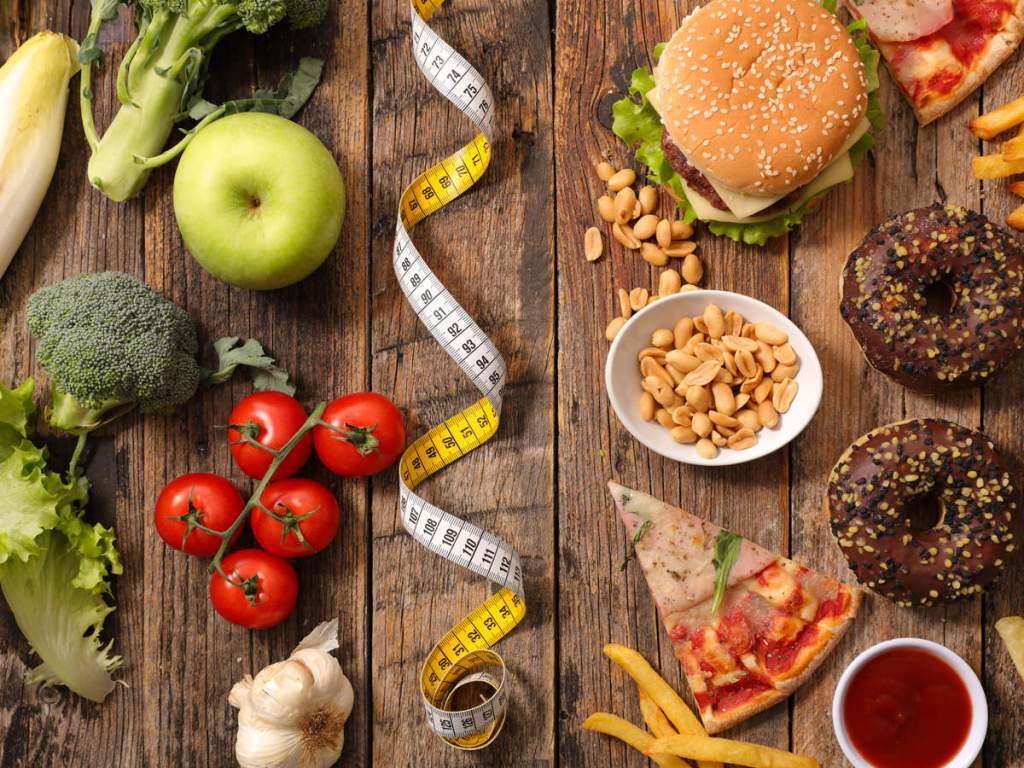
Nowadays in the fast moving world people forget to care for their health. They are ignorant towards the fact that they are spoiling themself by skipping food and taking improper diets. Its science that tells a person to consume the food that are available or grown native to the region they live, that’s how the system works and the availability varies place to place. Thus consuming foreign variety of food for a long time may be hazardous. Apart form these there is also the risk of growing fast food culture among the people. In search of tasty food, lack of time and ignorance, people end up having multiple health disorders. It affects both the physical and mental health of people, further there are also risk of bringing down our efficiency in our daily activities. Not only the adults but also the kids of this generation are addicted to unhealthy food habits, thus without acquiring necessary nutrients they suffer diseases at an young age. If this scenario persists it may result in the danger of affecting the upcoming generations which includes the factors such as redused life span. So rather than going behind false things one must realise the truth and must work towards changing his lifestyle to a normal form with all it’s regular aspects other than the modified one.
High blood pressure or hypertension is a dangerous condition that affects millions of people across the globe. It is a state in which the blood pressure against the wall of arteries rises to a dangerous level, which over time can damage the heart and give way to heart problems like stroke and heart attack.
1. Walk and exercise regularly Regular exercise helps make your heart stronger and more efficient at pumping blood, which lowers the pressure in your arteries.
2.Reduce your sodium intake Salt intake is high around the world. If you already have high blood pressure, it’s worth cutting back your sodium intake to see if it makes a difference.
3.Eat more potassium-rich foods Potassium is an important mineral. It helps your body get rid of sodium and eases pressure on your blood vessels.
4.manage stress Chronic stress can contribute to high blood pressure. Finding ways to manage stress can help.
5.Eat dark chocolate Dark chocolate and cocoa powder contain plant compounds that help relax blood vessels, lowering blood pressure.
6.Eat berries Berries are rich in polyphenols, which can help lower blood pressure and the overall risk of heart disease.
7.Eat foods rich in magnesium Magnesium is an essential mineral that helps regulate blood pressure. Find it in whole foods, such as legumes and whole grains.
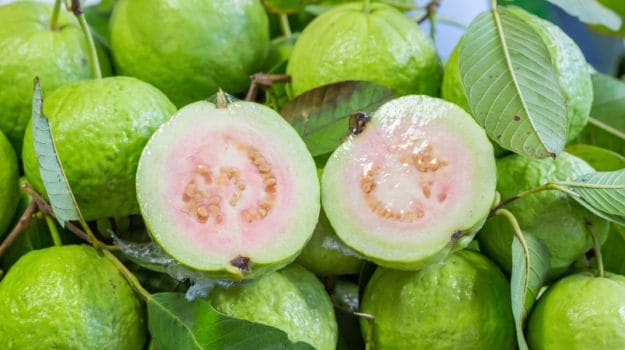
Have not all of us enjoyed a plateful of guavas sprinkled with chaat masala atop?
Guava benefits for health and skin
1. Immunity Booster Guava fruit contains 4 times the vitamin C content present in oranges. Vitamin C helps improve immunity and protects you against common infections
2. Lowers Risk of Cancer Guava fruit has shown to be widely successful in reducing prostate cancer risk and also inhibit the growth of breast cancer cells.
3.Improves Eyesight Due to the presence of Vitamin A, guava is well known as a booster for vision health. It can not only prevent degradation of eyesight, but even improve eyesight.
4. Beats Toothache Guava leaves have a potent anti-inflammatory action and a powerful antibacterial ability which fights infection and kills germs.
5.Stress-Buster The magnesium present in the fruit is responsible for one of the many benefits of guava, helps to relax the muscles and nerves of the body.
6.Weight Loss Guava is just the ticket. Without compromising your intake of proteins, vitamins and fiber, guava helps you lose weight by regulating your metabolism.
7.Cough and Cold Guava has one of the highest quantities of vitamin-C and iron among fruits, and both are proven to be preventive against cold and viral infections.
What is the best time to eat guava? In fact, fruits are best absorbed on an empty stomach, early morning, as a snack between two meals, or before or after a workout to refuel your body.
How many guava can I eat a day? One guava makes up one of the 4-5 recommended servings of fruit per day. Like many fruits, guava has a significant amount of sugar in it.
You haven’t tried any Maharashtrian dish till now? Ohh you must! What are you waiting for, here are some Maharashtrian foods for you, try these absolutely delicious Maharashtrian dishes and experience the cuisine in all its glory!
What comes in your mind when you think about Maharashtrian food, Mumbai’s famous Vadapao, Misal Pav from Pune, Kolhapur’s Tambda Rassa and many more. From Misal pav to Aamti to Bhelpuri, each one of them is a gem. So here are some famous and extremely tasty Maharashtrian foods for you.
1. Zunka Bhakar
Zunka Bhakar is a traditional meal of Maharashtrian people. It’s a meal of poor, who can’t afford any food, Zunka Bhakar is like a blessing for them. Every Maharashtrian loves Zunka Bhakar. Zunka is made with besan paste and served with bajra or jwari roti which is called as Bhakar.
2. Puran Poli
Puran Poli is like festival food for all Maharashtrian out there, its specifically made during all festivals like Diwali, Gudi Padwa even on birthdays Maharashtrians made Puran Poli. Made with gram flour and stuffed with sweet mixture of dal, this Maharashtrian bread is a sweet delight for your taste buds.
If you love sweets you should definitely try Puran Poli!
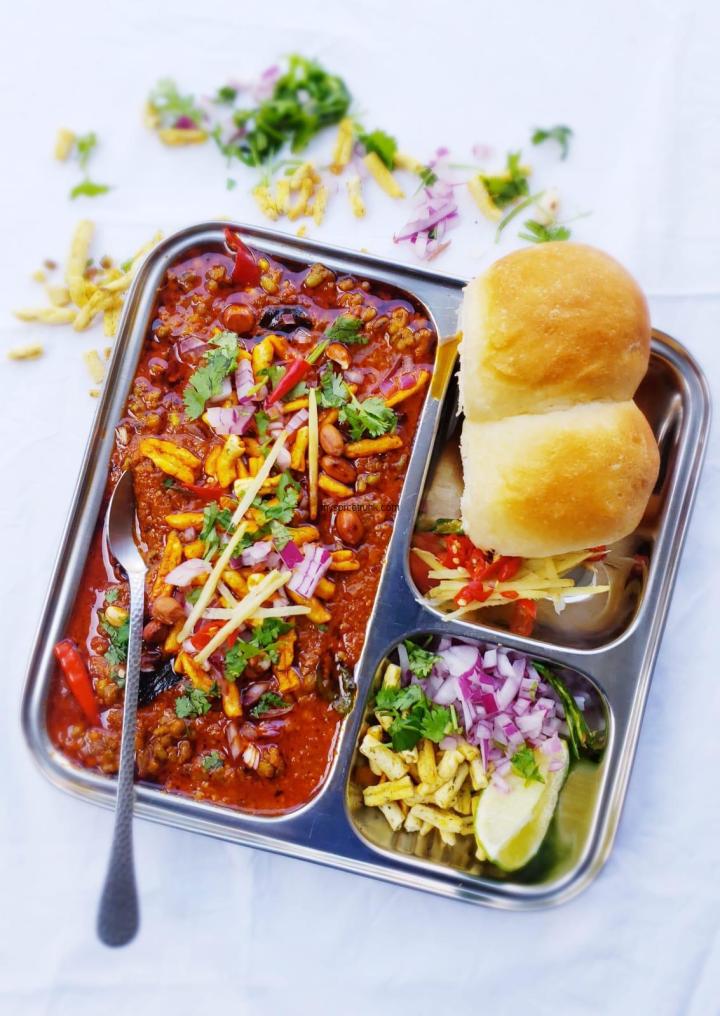
3. Misal Pav
Misal Pav is basically for breakfast but, you can had it anytime it’s a meal that can be had at any time of the day. If you are living in a Pune and you still haven’t tried Misal Pav then, what are you waiting for, you must try this out today!!
Misal Pav is made with potatoes, hot masalas and team up with bread to create a perfect, Maharashtrian meal.
4. Kandepohe
A famous Maharashtrian breakfast. For Maharashtrians Kandepohe with Chaha (tea) is like heaven. If we have any guests or any marriage proposal meeting exists, we Maharashtrians first made kandepohe, it’s like compulsory.
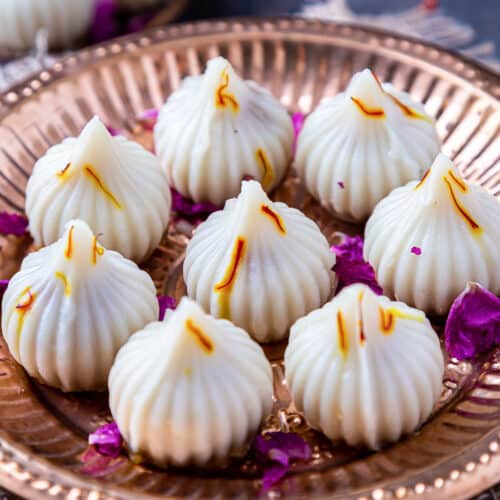
5. Modak
Modak, the favourite meal of Ganeshji, it’s specially made on Ganesh Chaturthi, Modaks are now made in many parts of the country as well. Sweet flour dumplings stuffed with coconut, jaggery, nutmeg and saffron.
There are many delicious protein smoothie recipes. Avoid most commercial versions, which may contain added sugar and aren’t as nutritious.
2. Milk
Drinking milk is a great way to add protein to your diet. It contains both casein and whey proteins.
3.Rice
Rice is a great source of carbs that are easy to consume and digest.
4. Nuts and nut butters
Nuts and nut butters are delicious, high calorie treats. They’re great for you and easy to add to many different snacks or recipes.
5.Red meats
Red meat is an excellent source of protein that will help you gain muscle. It contains leucine, an amino acid that helps stimulate muscle protein synthesis. The fattier the meat, the more calories you’ll take in.
6. Potatoes and starches
Healthy starches are a great way to get important nutrients and fiber, boost your calorie intake, and increase your muscle glycogen stores.
7.Salmon and oily fish
Salmon and other oily fish are a great source of incredibly healthy omega-3 fats. They also provide high quality protein to help you build muscle.
8.Protein supplements
Protein supplements are a simple and affordable addition to your diet to help you increase your protein intake.
Eating lean dairy products, such as cottage cheese, is one of the best ways to get more protein without significantly increasing your calorie intake.
2.Avocados
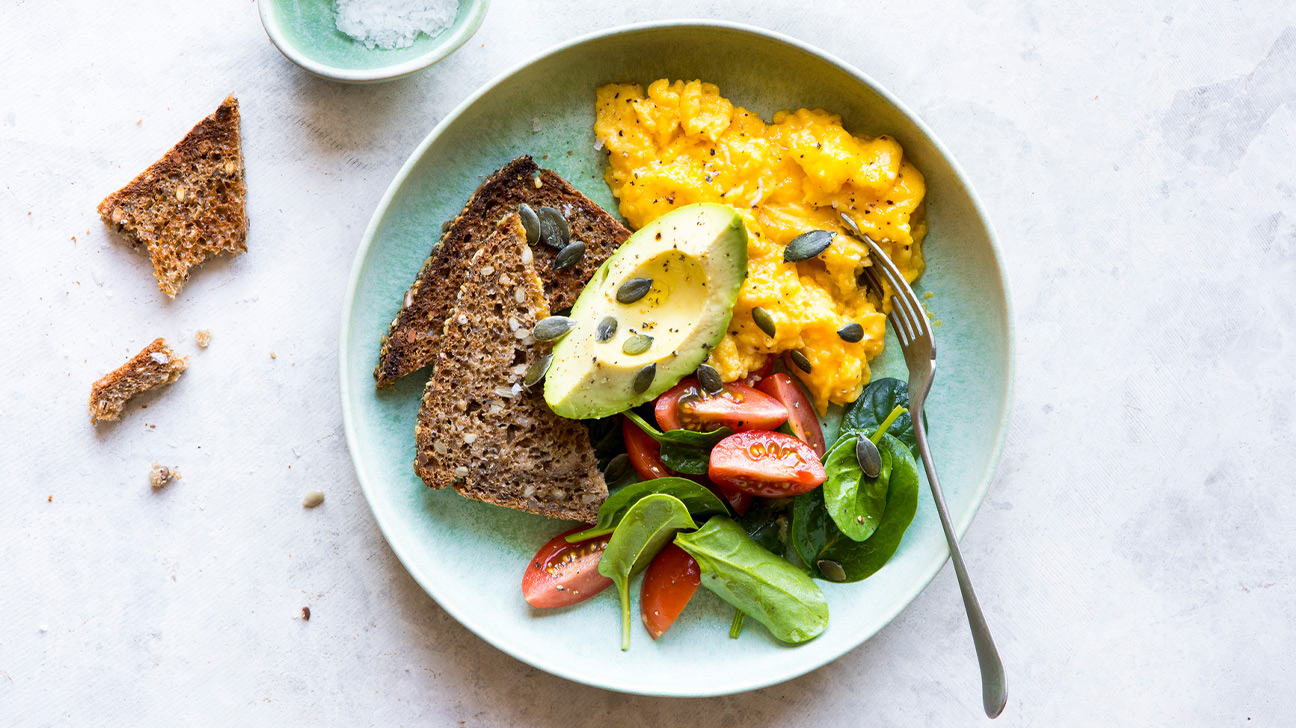
Avocados are a good example of a healthy fat source you can include in your diet while trying to lose weight. Just make sure to keep your intake moderate.
3.Apple Cider Vinegar
Adding apple cider vinegar to your vegetable salad may help curb your appetite, potentially leading to greater weight loss.
4.Nuts
Nuts can make a healthy addition to an effective weight loss diet when consumed in moderation.
5.Chili Pepper
Eating spicy foods that contain chili peppers may reduce your appetite temporarily and even increase fat burning. However, tolerance seems to build up in those who eat chili regularly.
6.Fruit
Though fruits contain some sugar, you can easily include them on a weight loss diet. They’re high in fiber, antioxidants and various nutrients that slow the rise of blood sugar after meals.
7.Grapefruit
Studies indicate that grapefruit may suppress appetite and reduce calorie intake when eaten before meals. It’s worth a try if you’re want to lose weight.
8.Coconut Oil
Coconut oil contains medium-chain triglycerides (MCTs) that may increase satiety after meals. MCT oil supplements are even more effective.
Eggs are very filling and nutrient-dense. Compared to refined carbs like bagels, eggs can suppress appetite later in the day and may even promote weight loss.
2.leafy greens
Leafy greens are an excellent addition to your weight loss diet. Not only are they low in calories but also high in fiber that helps keep you feeling full.
3.cruciferous vegetables
Cruciferous vegetables are low in calories but high in fiber and nutrients. Adding them to your diet is not only an excellent weight loss strategy but may also improve your overall health.
4. Salmon
Salmon is high in both protein and omega-3 fatty acids, making it a good choice for a healthy weight loss diet.
5.Boiled Potatoes
Boiled potatoes are among the most filling foods. They’re particularly good at reducing your appetite, potentially suppressing your food intake later in the day.
6.Lean Beef and Chicken Breast
Eating unprocessed lean meat is an excellent way to increase your protein intake. Replacing some of the carbs or fat in your diet with protein could make it easier for you to lose excess fat.
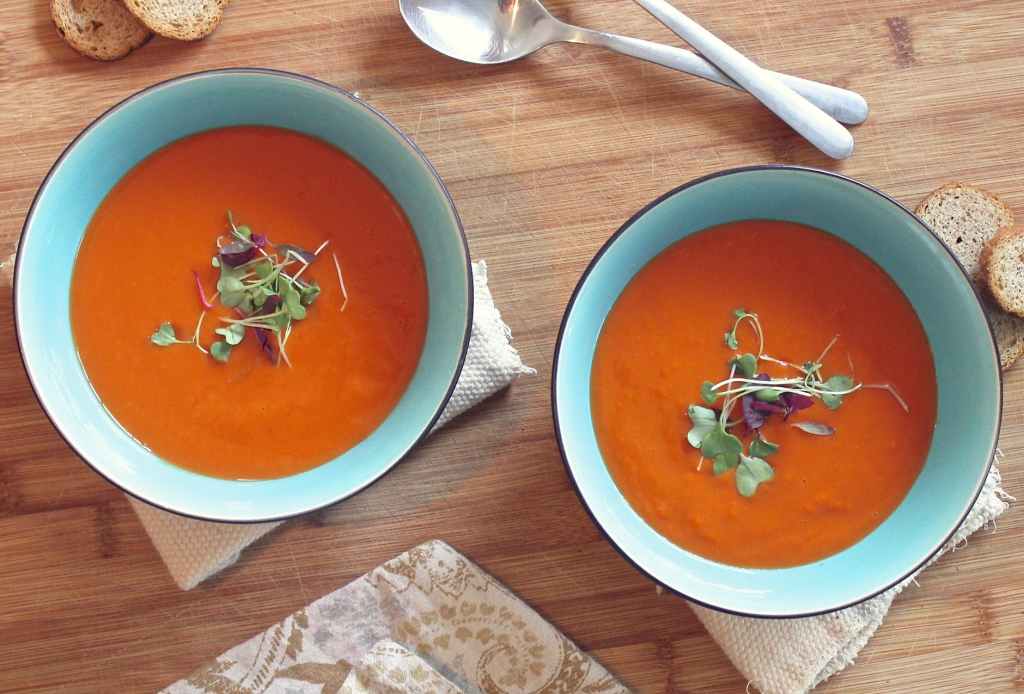
7.Soups
Soups can be an effective part of a weight loss diet. Their high water content makes them very filling. However, try to avoid creamy or oily soups.
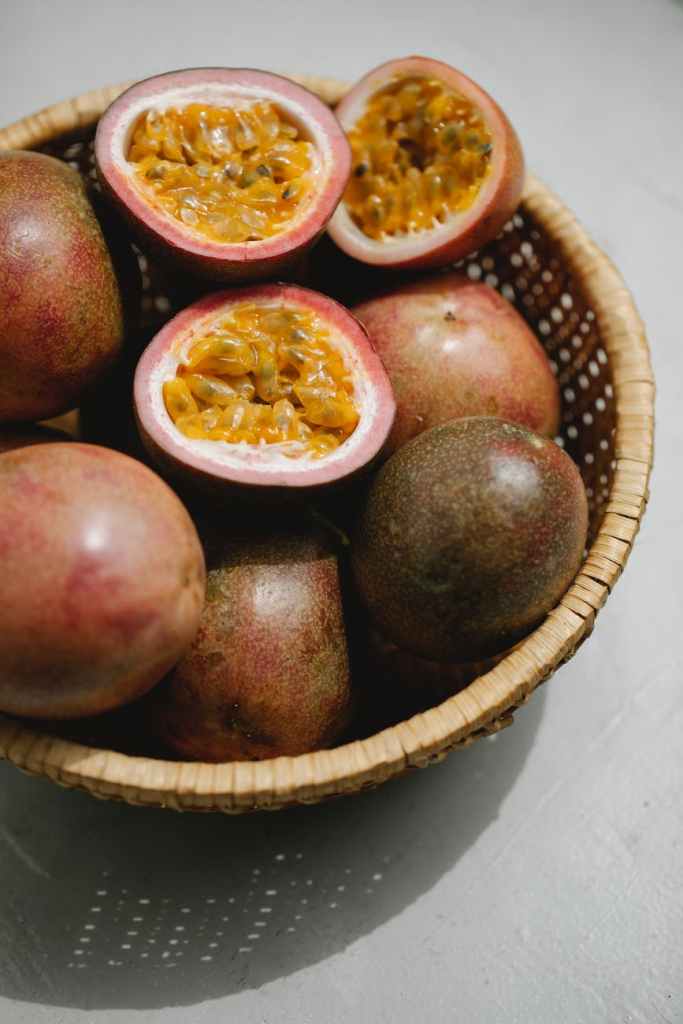
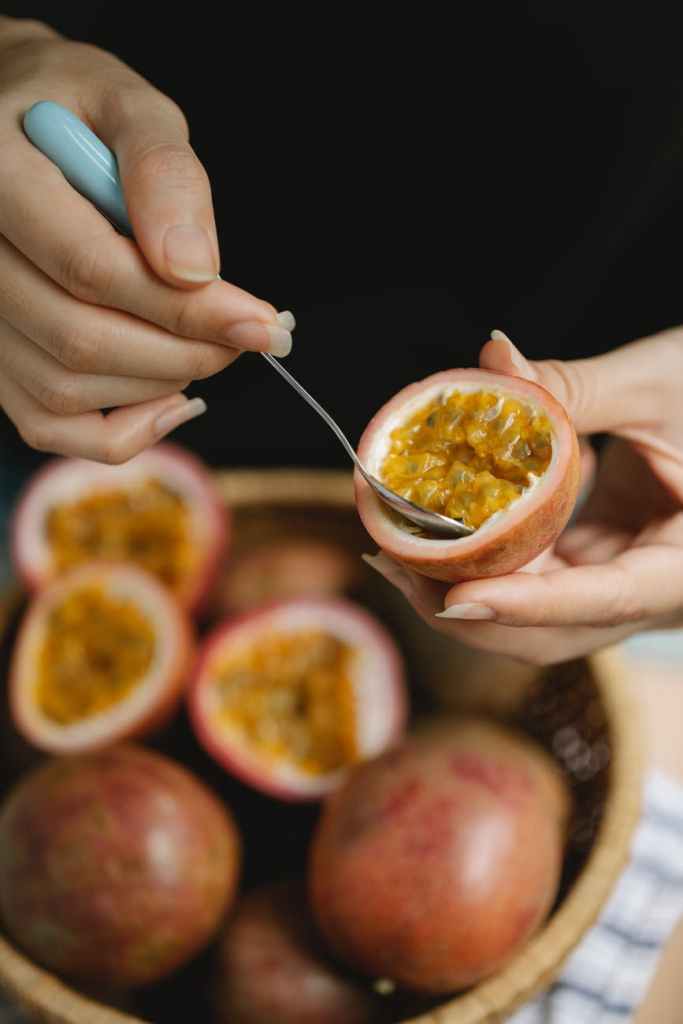
What is passion fruit? Passion fruit is the fruit of the Passiflora vine, a type of passion flower. The passion flower is the national flower of Paraguay. It has a tough outer rind and juicy, seed-filled center. There are two main types of passion fruit which I have never seen in my life, the purple and yellow varieties. There is a bit difference between purple and yellow varieties.
Passion fruit is a tropical fruit and as such its grown in tropical and temperate climates. Available in store pretty much all years round. Passion fruit is a nutritious fruit thats why gaining popularity in, among health conscious peoples. You can find it when it’s not in season too, but it is still delicious. Purple passion fruit are available throughout the year.
Benefits Passion fruit has recently gained a lot of attention because it is a rich source of powerful antioxidants and may also have other health benefits. It is rich in antioxidants, vitamins, and plant compounds that could benefit your health. It contains a high level of vitamin A which is important for skin, vision and immune system. Vitamin C is an important antioxidant that you need to get from your diet.
How to eat?
Take a knife and youre gonna cut it in half. Sometimes the skin may be little leathery and hard to cut through. The white film separating the rind from flesh is edible as well, but don’t eat it, as it is very bitter in taste. This is an alien fruit for me. It looks like some kind of jelly with seeds and now you just need a spoon and scoop it out. Seeds are really really easy to eat but they are a little crunchy. The taste is kind of sour, not as sour like a lemon.
Storing passion fruit After ripening, this fruit can be kept for upto two weeks in the fridge. It will slow down the breakdown process and keep it cool. We all know sweet flavours are best when cold. You can also store it in a freezer. But make sure to put it in the freezer safe bag.
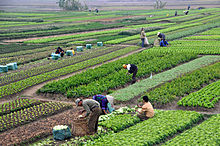
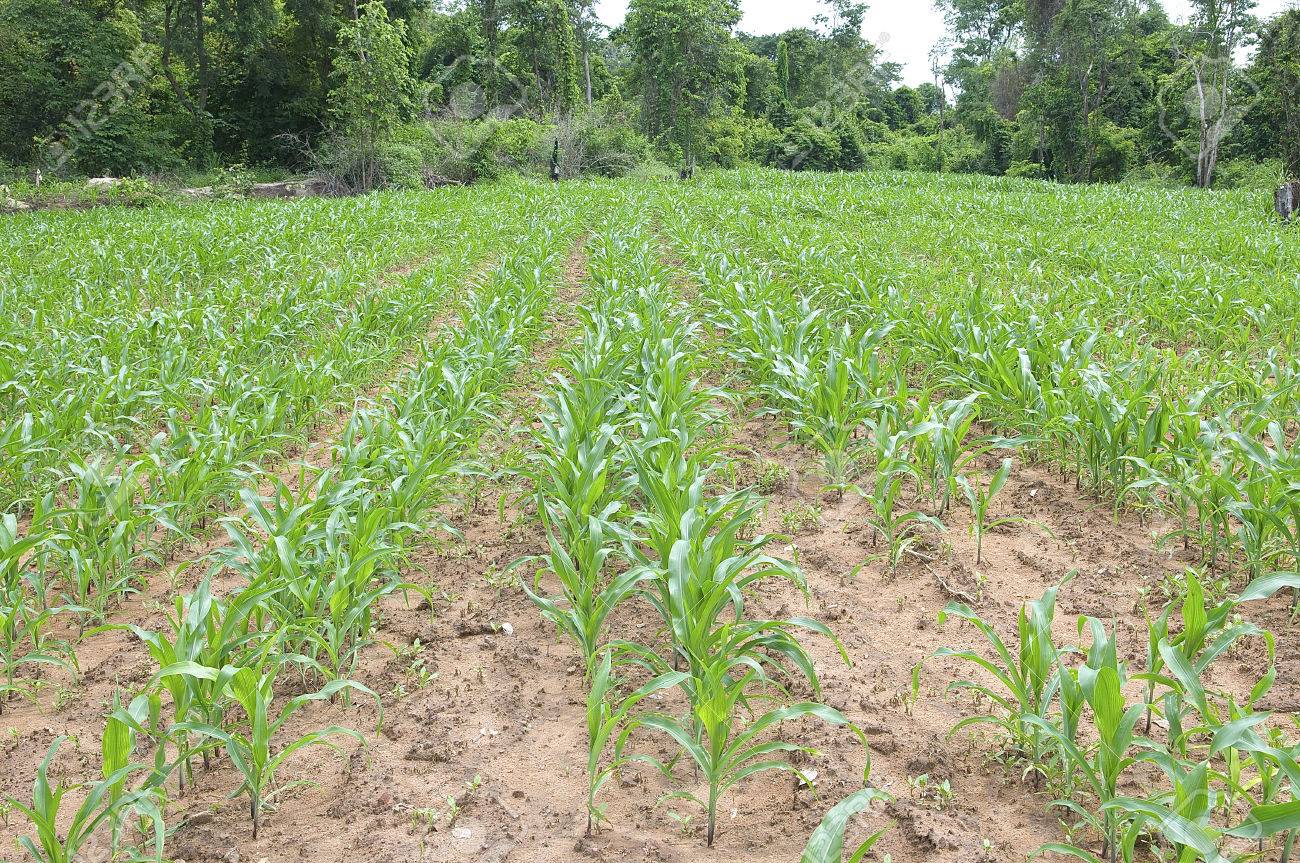
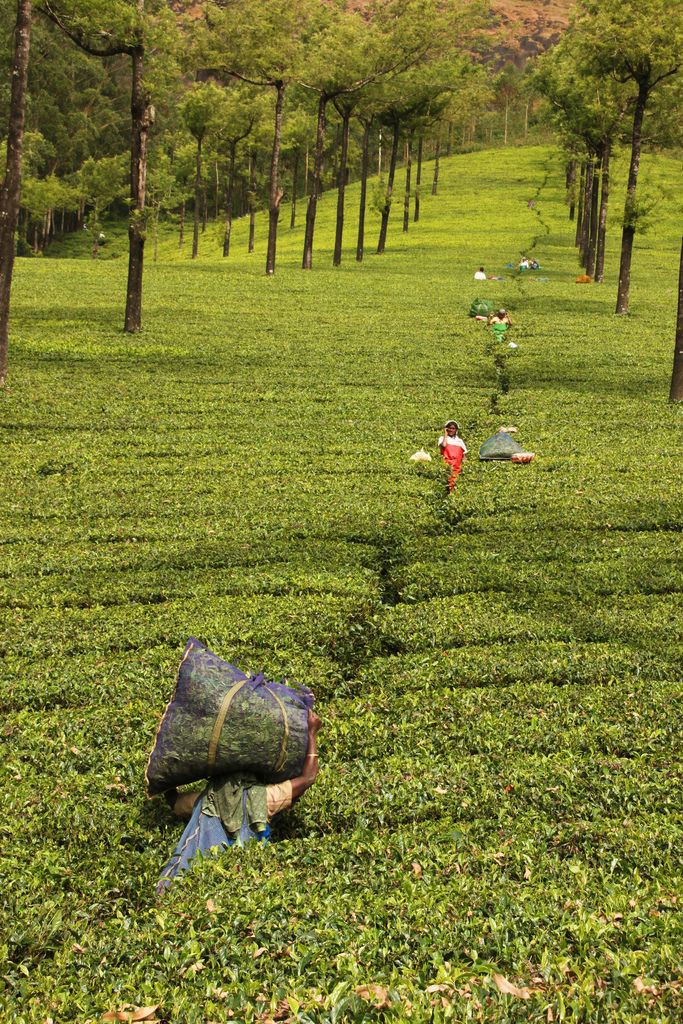
Agriculture is one of the most important fields in India as well as everywhere on earth. Without agriculture, we can’t imagine the world. So, it is compulsory to know the importance of various types of agriculture in India.
1. Primitive Subsistence farming
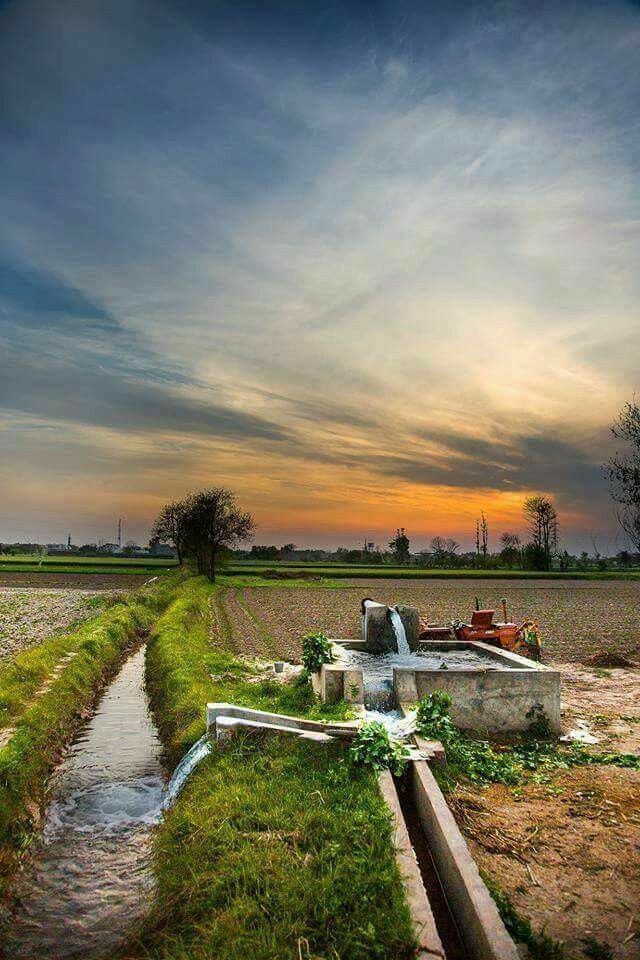
Primitive Subsistence Farming: This type of farming is practiced on small patches of land. Primitive tools and family/community labour are used in this type of farming. The farming mainly depends on monsoon and natural fertility of soil.
2.Dry farming
Dry farming or Dry Land Farming refers to an improved system of cultivation whereby maximum amount of water is conserved by soil and water management. It involves efficient system of soil and crop management in the regions of low land and uneven distributed rainfall.
3.Wet farming
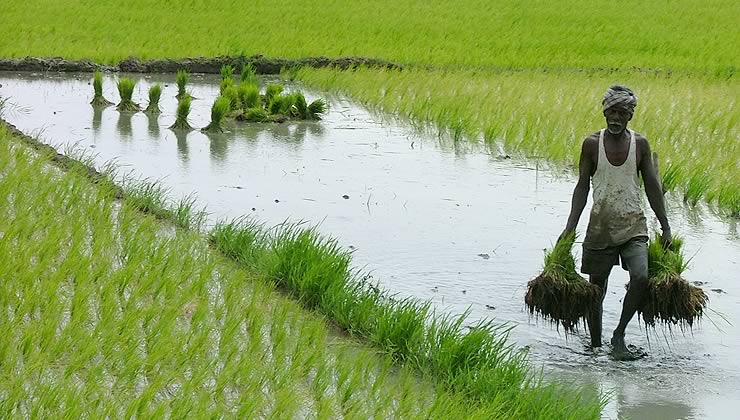
Wet Farming is practiced in the areas of alluvial soils where annual average rainfall is more than 200cm. Here, more than one crop is grown in a year because enough amount of moisture in the soil is available. Rice and jute are the main crops of these types of farming.
4.Shifting agriculture
Shifting agriculture is a system of cultivation in which a plot of land is cleared and cultivated for a short period of time, then abandoned and allowed to revert to producing its normal vegetation while the cultivator moves on to another plot.
5.Mixed and Multiple Agriculture
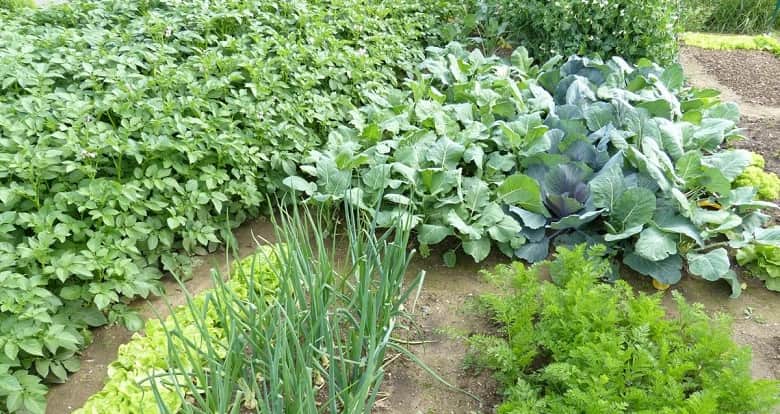
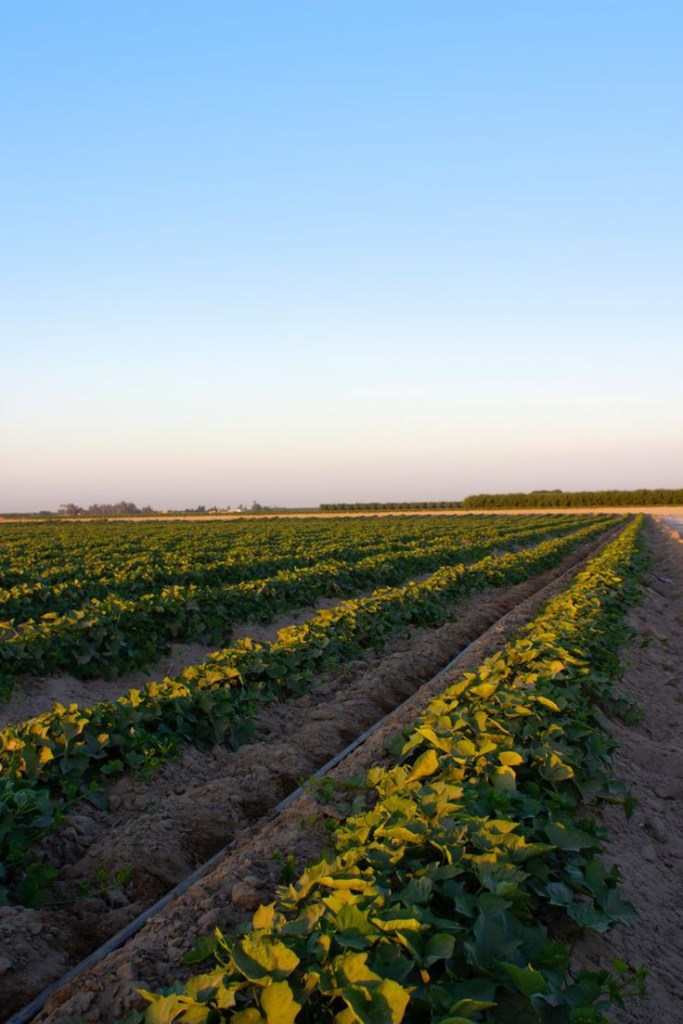
Mixed cropping is the practice of cultivating more than one crop, that is growing of two or more crops simultaneously in the same field
Vitamin C, also known as ascorbic acid, is necessary for the growth, development and repair of all body tissues.
Vitamin C is one of many antioxidants that can protect against damage caused by harmful molecules called free radicals, as well as toxic chemicals and pollutants like cigarette smoke.
Vitamin C is easily absorbed both in food and in pill form, and it can enhance the absorption of iron when the two are eaten together.
Vitamin C Benefits Your Body
1.May reduce the risk of chronic disease
2. may help manage high blood pressure
3.May lower your risk of heart disease
4. May reduce blood uric acid levels and help prevent gout attacks
5. Helps prevent iron deficiency
6. Boosts immunity
7. Protects your memory and thinking as you age
8.Vitamin C Stimulates Collagen Synthesis
9.May Bolster Cancer Treatment
10.Antioxidant-Rich Vitamin C Protects the Eyes
11.decreases the severity of cold and flu attacks.
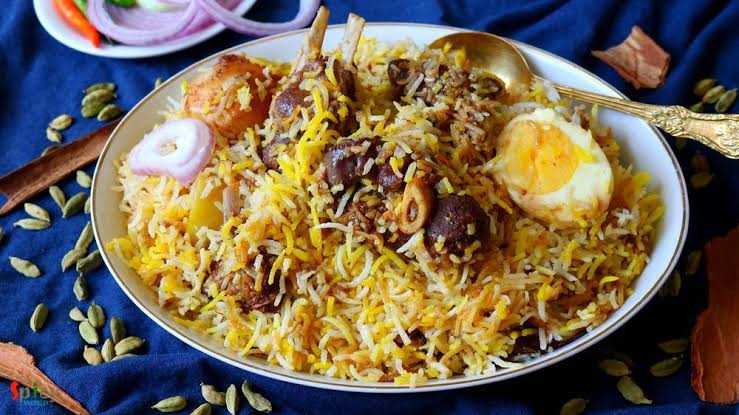
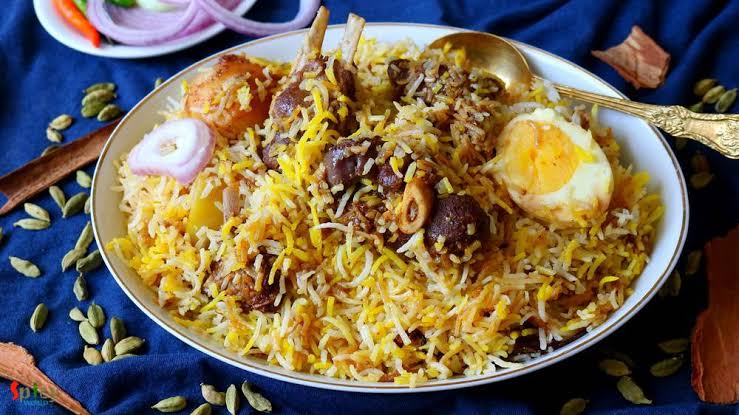
The origin of biriyani in India is uncertain. Many theories are put forward in the origin of Biriyani in our country. The delicacy is considered as a food pride of our country. According to historian LizzieCollingham, the modern biryani developed in the royal kitchens of the Mughal Empire (1526–1857) and is a mix of the native spicy rice dishes of India and the Persian pilaf.Indian restaurateur Kris Dhillon believes that the dish originated in Persia, and was brought to India by the Mughals. Pratibha Karan the author of the book “Biriyani” says that it is derived from a South origin dish called pilaf . She speculates that the pulao was an army dish in medieval India. Armies would prepare a one-pot dish of rice with whichever meat was available. Over time, the dish became biryani due to different methods of cooking, with the distinction between “pulao” and “biryani” being arbitrary.
Biriyani ❤️
INGREDIENTS
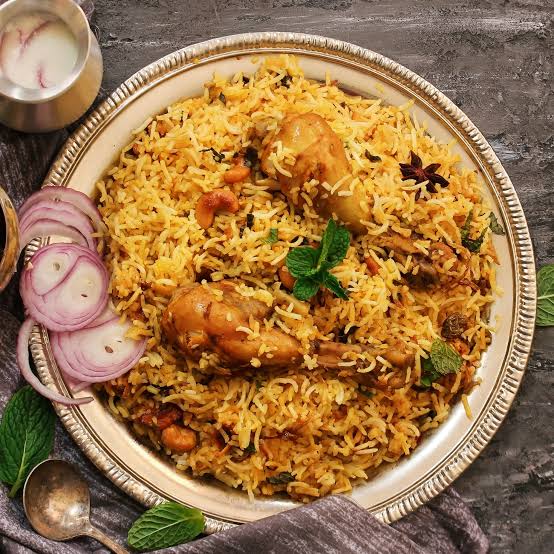
The spices and condiments used in biryani may include ghee (clarified butter), nutmeg, mace,pepper, cloves, cardamom, cinnamon, bay leaves, coriander, mint leaves, ginger, onions, tomatoes, green chilies, and garlic. The premium varieties include saffron.
The main ingredient that usually accompanies the spices is chicken or goat meat; special varieties might use beef or seafood instead. The dish may be served with dahi chutney or raita, korma, curry, a sour dish of aubergine (brinjal), boiled egg, and salad.
The taste of India
VARIETIES OF BIRIYANI
There are many types of biryani, whose names are often based on their region of origin. For example, Sindhi biryani developed in the Sindh region of what is now Pakistan, and Hyderabadi biryani developed in the city of Hyderabad in South India.
Some have taken the name of the shop that sells it, for example: Haji Biriyani, Haji Nanna Biriyani in Old Dhaka, Fakhruddin Biriyani in Dhaka, Students biryani in Karachi, Lucky biryani in Bandra, Mumbai and Baghdadi biryani in Colaba, Mumbai. Biryanis are often specific to the Muslim communities where they originate; they are usually the defining dishes of those communities.
KOLKATA BIRIYANI
Calcutta or Kolkata biryani evolved from the Lucknow style, when Awadh’s last Nawab Wajid Ali Shah was exiled in 1856 to the Kolkata suburb of Metiabruz. Shah brought his personal chef with him. The Kolkata biriyani is characterized by the unique presence of potato in it, along with meat. It is said that the Nawab, having is lost his kingdom, could not afford meat, so his chefs tried to compensate by adding potato.
Kolkata biriyani
Biriyani is a dish which brings pride to our food culture
      Anuj Das
What is MSG? Monosodium Glutamate (MSG) is added to many foods to enhance flavor. MSG is commonly found in canned foods, soups, fast foods, and processed foods. While (FDA) has classified MSG as a food ingredient that’s “generally recognized as safe,” but its use remains controversial. That’s why FDA require that it should be listed on the label.
Symptoms that may occur after consuming MSG include:
Nausea
Weakness or fatigue
Headache
Sweating or flushing
Numbness
Chest pain
Hives
But there reaction is short term or mild, that don’t require treatment. The only way to prevent a reaction is to avoid foods containing MSG.
Food containing MSG.
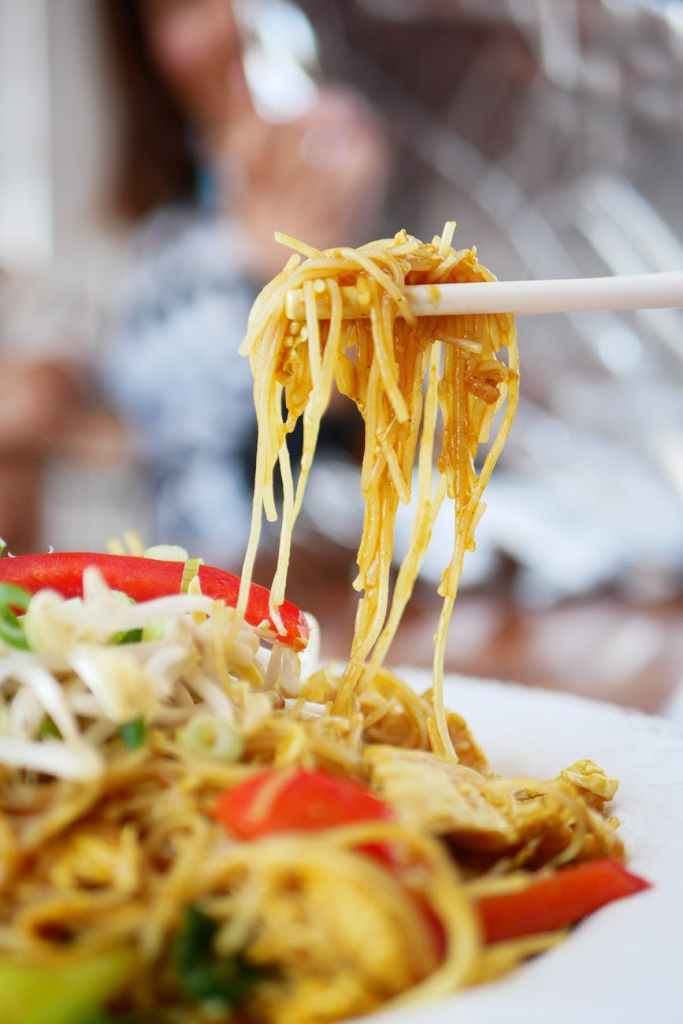
MSG is used in many common foods including snacks, seasoning, soups, and noodles. MSG is a flavor enhancer, so it’s included in many seasonings. Dressings like ketchup, mayonnaise, barbecue sauce, soy sauce, mustard, and salad dressings have been known to contain MSG to boost flavor. Many foods contain MSG naturally such as year extract, soy extract.
Many of the foods containing MSG, like instant noodles, chips, aren’t necessarily part of a balanced diet, so we can easily avoid eating them. When consumed regularly can lead to obesity, heart disease, diabetes, effects on the reproductiveorgans, and other health risks. MSG, which has been banned in certain [US] cities and MSG is scientific invention. It’s in news since, when a scientist coined the term “Chinese Restaurant Syndrome” for MSG symptioms.
However there is no scientific evidence to suggest that MSG has any adverse effects in general population in the amounts normally consumed as part of the diet. Many governing food agency consider MSG safe for human consumption as a flavor enhancer. It’s harmful only when they consume large amounts of MSG on an empty stomach.
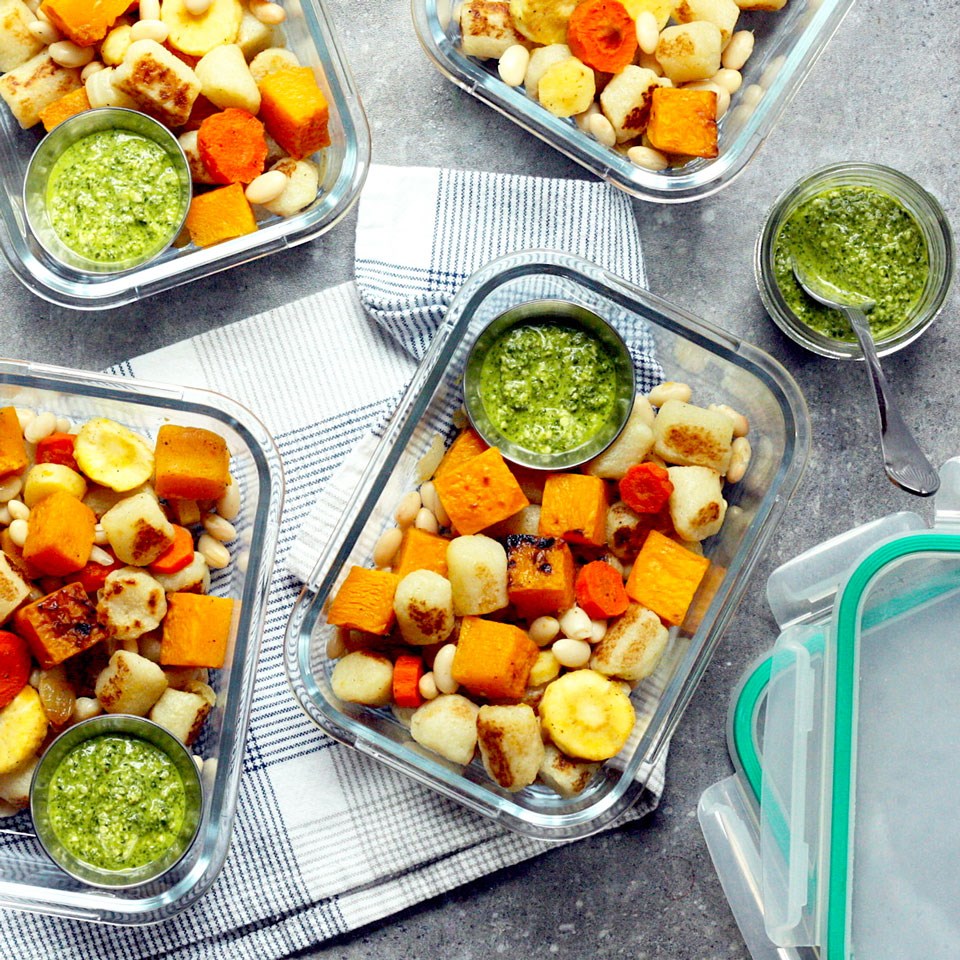
Homemade foods contain more vegetables, less carbohydrates, less calories and less fat than any other fast food. It’s the best.
As all of you know that we are in a situation of pandemic and the work from home culture has come into limelight with this people are getting more time to do experiment with their foods ,so the concept of “cooking crafts” has being loved by peoples and they are trying to make some amazing things as the “Dalgona coffee”. “Homemade pasta” this dish has also earn a great popularity during the lockdown then the crazy of virtual cooking classes have also increased .Not only people have loved these unhealthy foods but they have also loved “Plant Based Foods”. At the last as due to the lockdown people were not able to go out so there is a huge increase in the demand of Delivery Services.
When tillage begins, other arts follow. The farmers, therefore, are the founders of human civilization.”
— Daniel Webster
Introduction
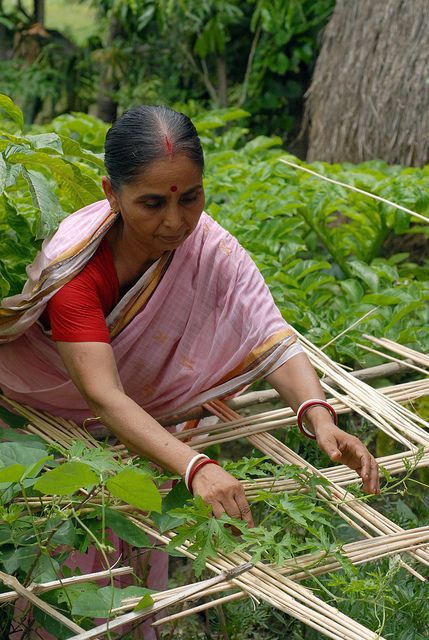
It all started thousand of years ago , when the human civilization came into existence . Agriculture was a key to survival . People were farming for there domestic purpose , not for the others .
As the civilization started to grow accustomed of agriculture , they grew food in surplus that enabled people to live in cities. Plants were independently cultivated in at least 11 regions of the world.
The development of agriculture enabled the human population to grow many times larger than could be sustained by hunting and gathering.
It was the beginning of different civilization in different parts of the World. From those civilizations , one of them was our’s The Indus Valley Civilization . Vedic literature provides some of the earliest written record of agriculture in India. Rigveda hymns , describes plowing, fallowing, irrigation, fruit and vegetable cultivation.
Some of the ancient and historical evidence suggests rice and cotton were cultivated in the Indus Valley.
Agriculture : In India and World today .
India ranks second worldwide in farm outputs. As per 2018, agriculture employed Indian work force and contributed 17–18% to country’s GDP.
In 2016, agriculture and allied sectors like animal husbandry, forestry and fisheries accounted for 15.4% of the GDP (gross domestic product) with about 41.49% of the workforce in 2020.India ranks first in the world with highest net cropped area followed by US and China.The total agriculture commodities export was US $ 3.50 billion in March – June 2020.
Agriculture is the primary source of livelihood for about 58% of India’s population. Share of agriculture and allied sectors in gross value added (GVA) of India at current prices stood at 17.8 % in FY20.
During 2019-20 crop year, food grain production reached a record of 296.65 million tonnes. In 2020-21, Government of India is targeting food grain production of 298 million tonnes.
India is among the 15 leading exporters of agricultural products in the world. Agricultural export from India reached US$ 38.54 billion in FY19 and US$ 35.09 billion in FY20.
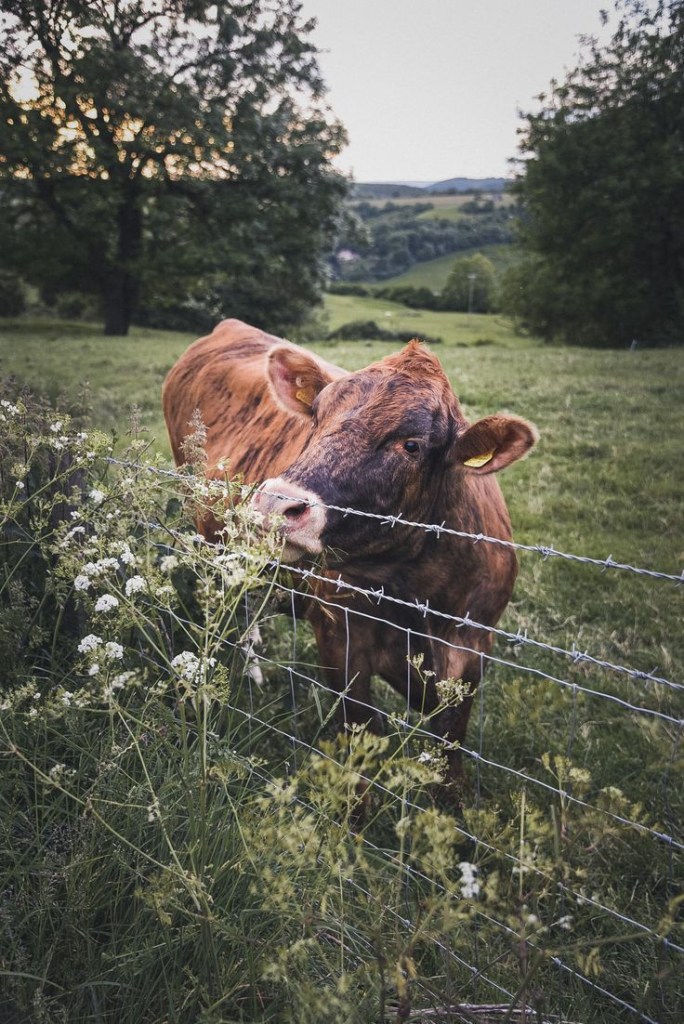
Agriculture is an important industry in the United States. The agriculture industry, which includes both crops and livestock, is responsible for producing most of the world’s foods and fabrics. Agriculture impacts so many things that it’s hard to imagine a world without this important industry.
Schemes and Initiatives
Due to the high requirement of agriculture . It is important for the government to take initiatives and provide better infrastructure to the farmers. However , the required level of investment for the development of marketing, storage and cold storage infrastructure is estimated to be huge.
The Indian Council of Agricultural Research (ICAR), established in 1905, was responsible for the search leading to the “Indian Green Revolution” of the 1970s. The Union Minister of Agriculture is the president of the ICAR. The Indian Agricultural Statistics Research Institute develops new techniques for the design of agricultural experiments, analyses data in agriculture, and specialises in statistical techniques for animal and plant breeding.
Schemes by government for Indian agriculture :
Dairy Entrepreneurship Development Scheme.
Rainfed Area Development Programme (RADP)
Paramparagat Krishi Vikas Yojana (PKVY)
Pradhan Mantri Krishi Sinchai Yojana (PMKSY)
National Agriculture Market (e-NAM)
Pradhan Mantri Kisan Maandhan yojana.
Pradhan Mantri Fasal Bima Yojana (PMFBY)
Kisan Credit Card (KCC) scheme.
Pashu Kisan Credit Card Scheme.
PM-Kisan Scheme.
Conclusion
Agriculture sector is one of the prominent sector in India as well as all over the world . India is becoming self – sufficient in pulses and other crops .
Gone are the days , when India was unable to provide sufficient amount of food to the citizens . Gone are the days , when people used to think agriculture was not as important as other sectors . Gone are the days , when people used to think less of farmers . And gone are the days , when people were less educated about agriculture.












 Eduindex
You must be logged in to post a comment.