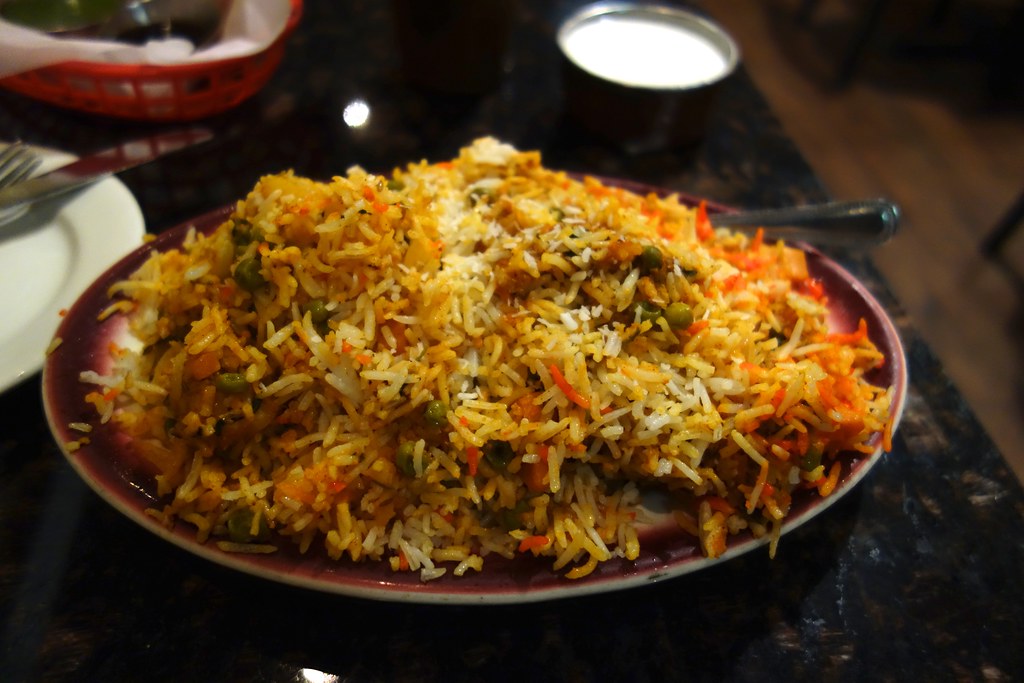
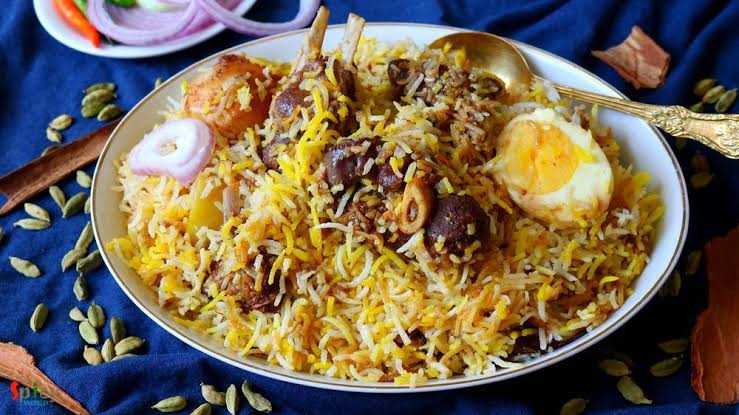
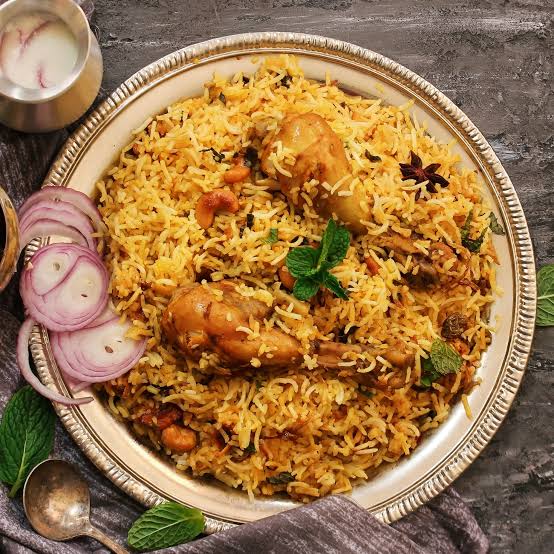
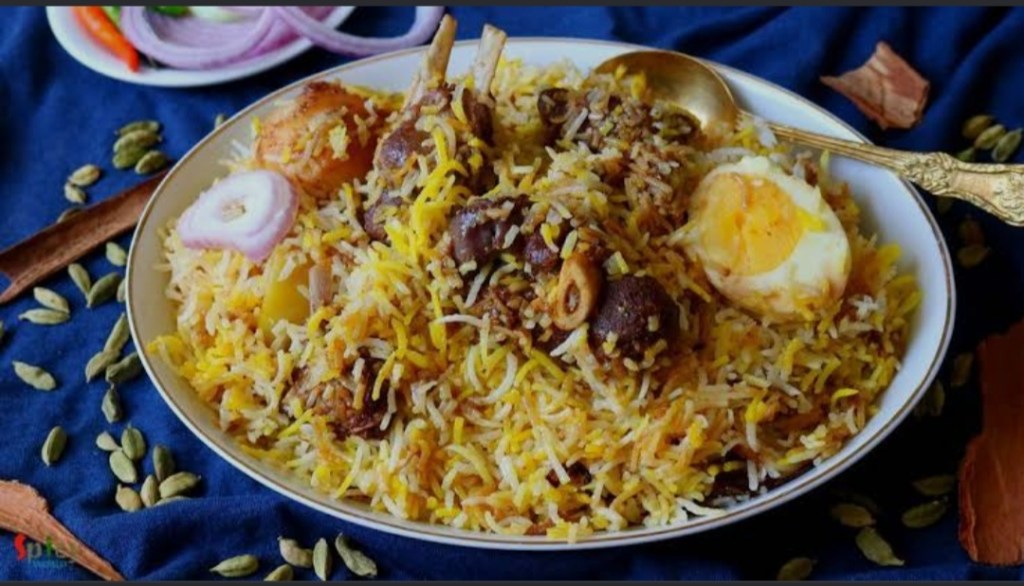
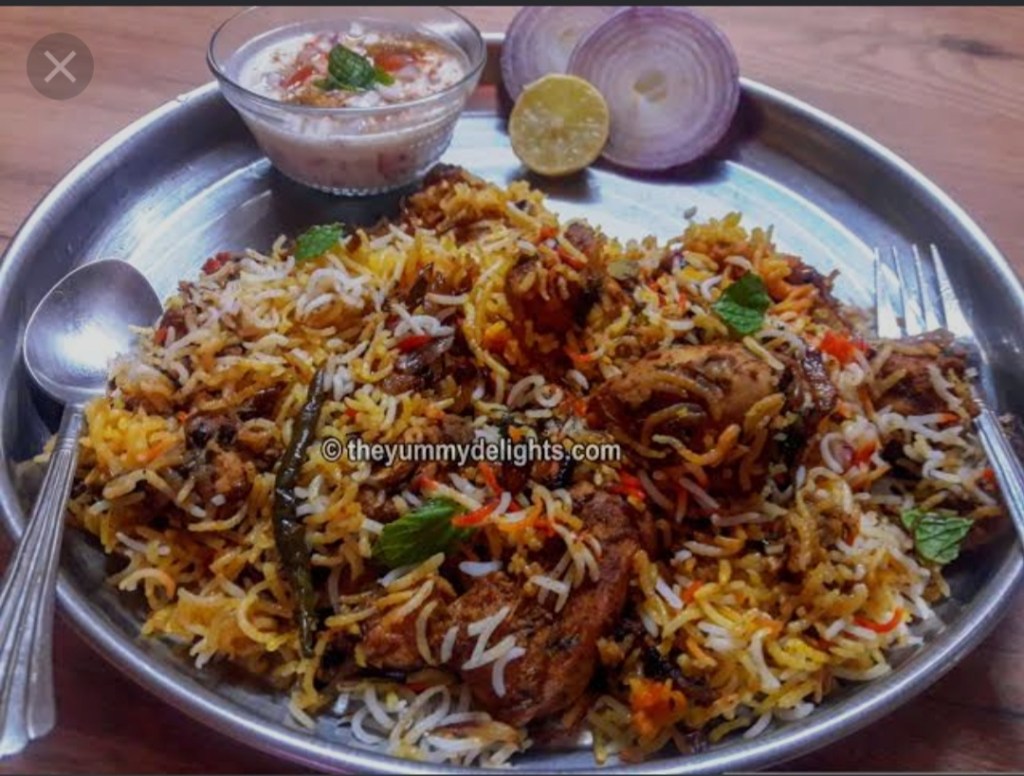
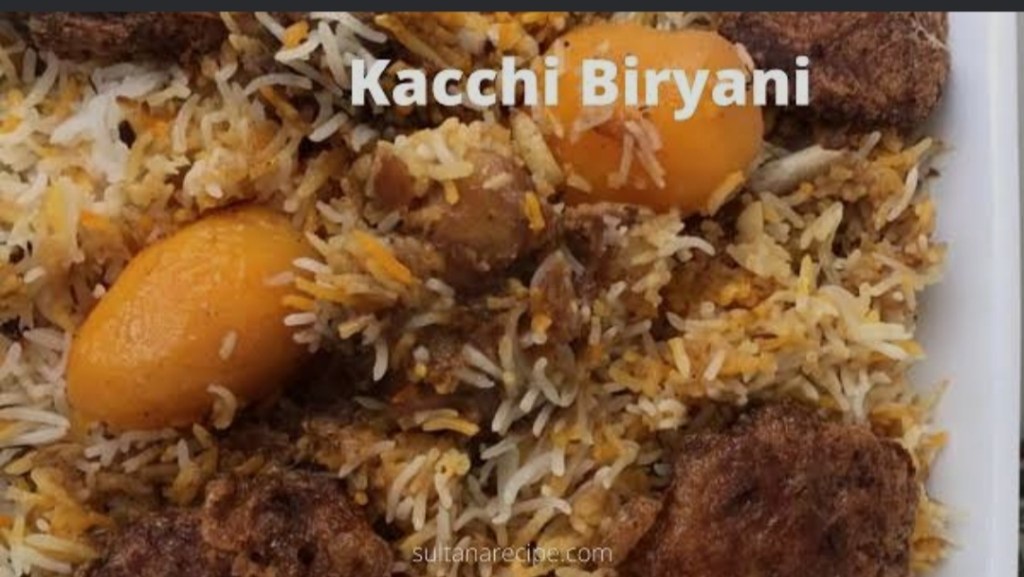
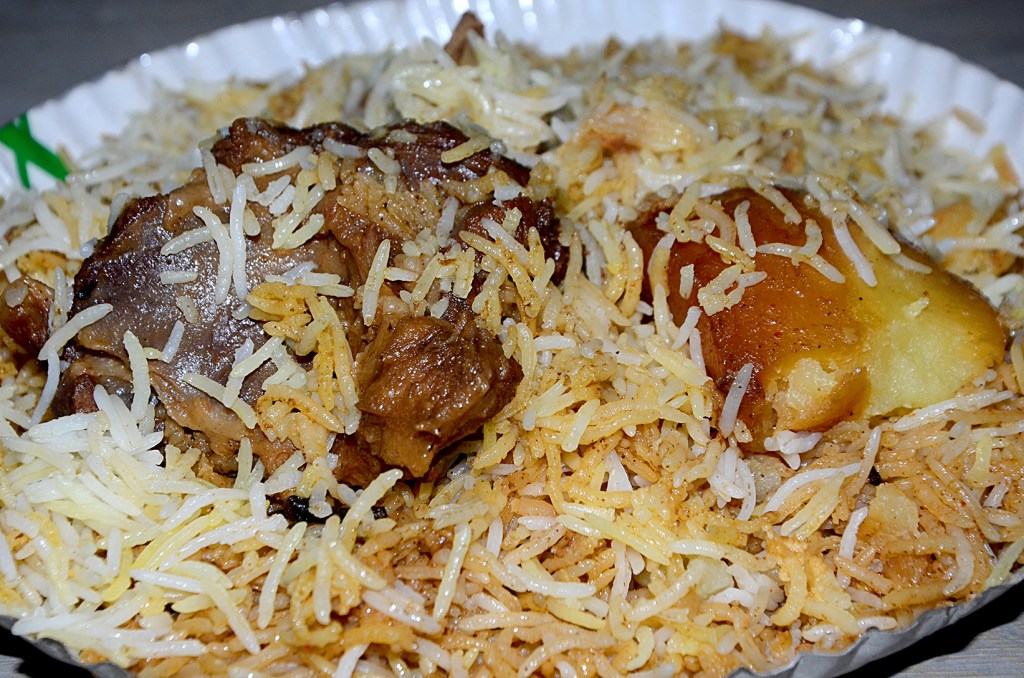
When ordering “Indian” food in places like the United States or the UK, garlic naan, biryani, butter chicken and dal are found everywhere.
However, when traveling to India, do not expect anything close to the standard menu. In this vast country, there are 29 places – each with its own place and culture.
Go 100 miles in any direction and religion, language and cooking culture will be completely different.
The food experience varies from place to place and climate, not to mention immigration methods, spices, trade links, rulers, and religions.
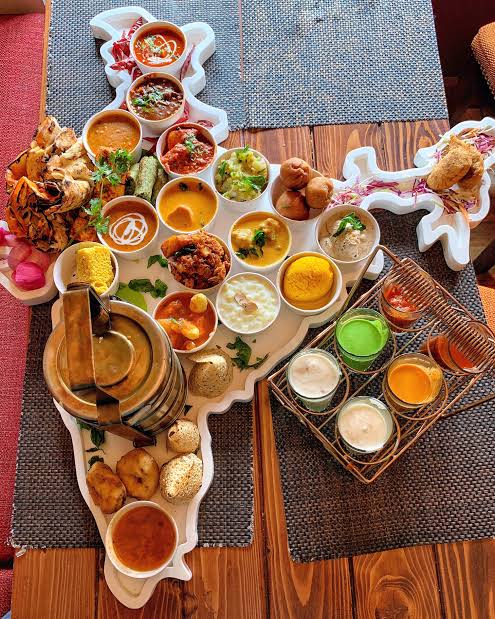
In the northern areas you can find, you can find flatbreads and tandoor-grilled kebabs, while southern Indians eat curry fish curries and rice.
Nationwide, this diversity surpasses more than nine religions, all of which affect relationships and diet. For example, Hindus inspect beef, Muslims avoid pork, and Jains are strictly vegetarian.
With Covid-19 having an impact on international tourism, we foreigners may not be able to taste these delicious dishes in India right now, but there is nothing wrong with reviving our ambitions.
From north to south, east to west, we take an in-depth look at the history of each region and the traditional vessels with insight from experts in each region.
India is a large country and home to a wide variety of foods.
The North Indian cuisine is very different from the Northeast Indian food or the South Indian cuisine, and if you get even more specific, each region is famous for each dish.
After visiting a few major cities in northern India, eating a lot of local food, I will try to cover up a few common things I have clearly noticed about North Indian food.
North Indian food is often what most people would think of as just Indian food.
With North Indian curries found outside India in Western restaurants (but don’t forget about South Indian food either – it’s like a delicious meal, but it’s different).
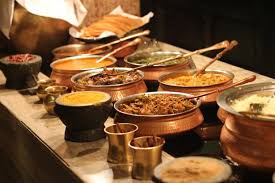
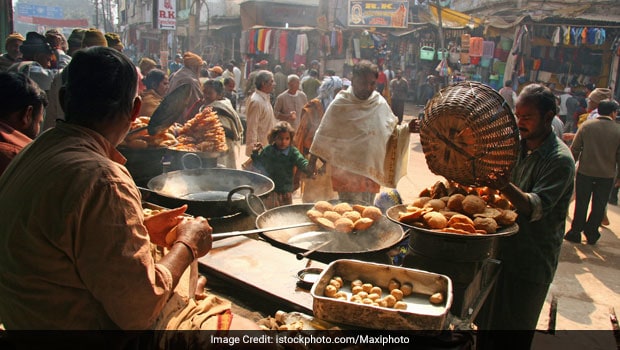
Within North India, you will find everything from street tables to high-end restaurants like Bukhara, all serving ancient Indian money.
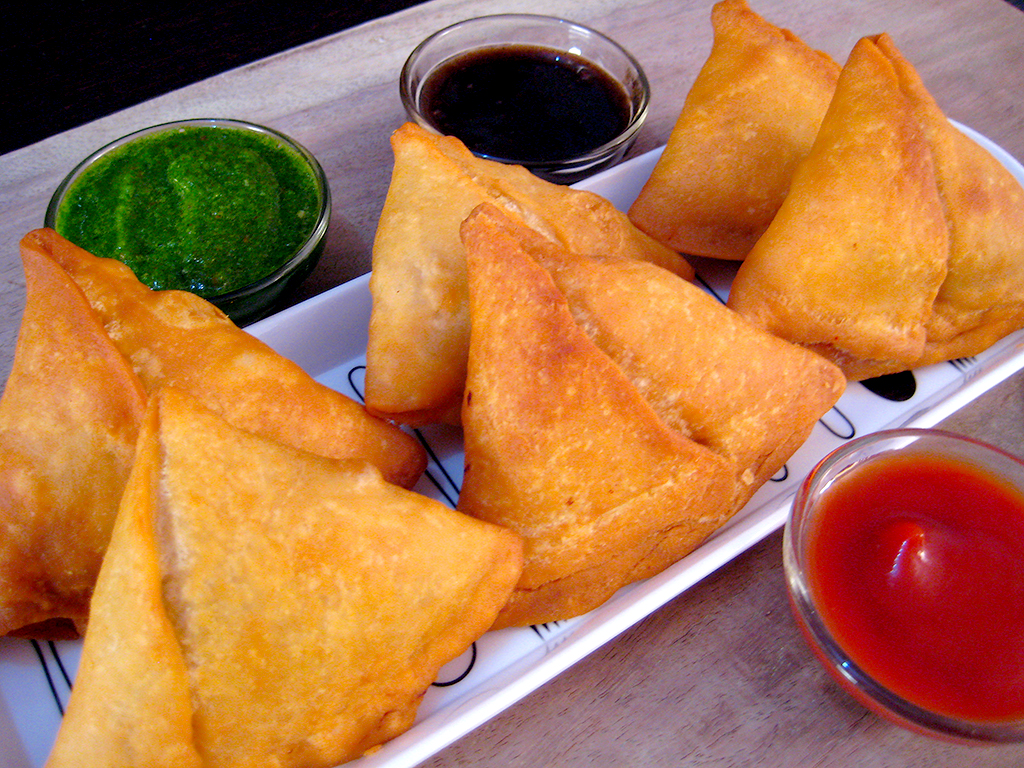
Typical recipes include deep frying for many snacks, roasting or roasting meat, as well as slow cooking to stop all types of curries.
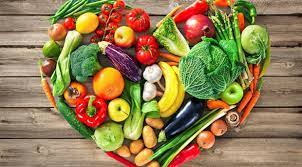
As soon as you arrive in India and start eating, you will see that there is a lot of vegetarian food and restaurants only.
If you are a vegetarian, you will enjoy delicious dishes, and if you are a vegetarian, you will never be far from the best meat either!
While rice is the main staple in much of southern India, Northern, while rice is commonly available, food never runs out without bread.
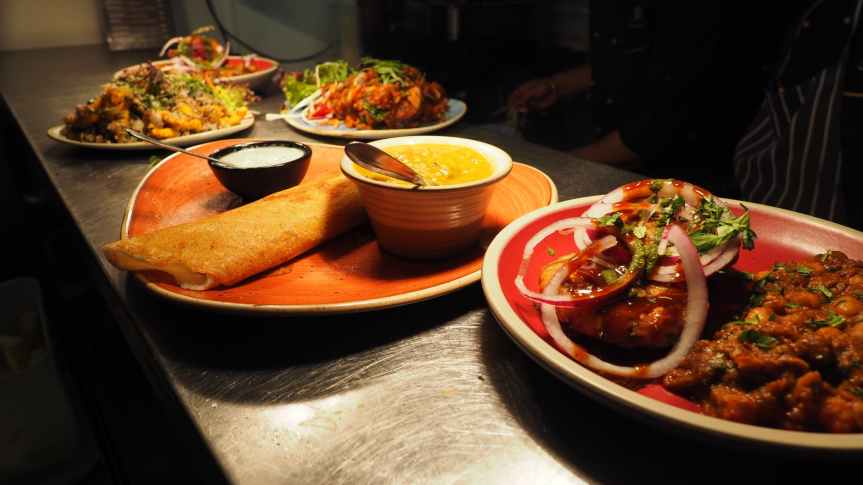
Tandoori roti, chapati, naan, and many other types of flat bread are very popular and important in all North Indian cuisine.
Bread is used as a main filling and is a great way to collect sauces.
Dal, or dal, is one of the most important cuisines throughout India.
The North Indian styles of dal curry are usually smaller and richer than the South Indian variety. It is not uncommon for a person to eat only dal and bread.
Ancient Indian food cultures, including politics, food processes, production, and consumption, are changing simultaneously and pleasantly. New inventions and more attention to Indian cuisine are likely to emerge and promise to be an exciting place for innovation and critical research in the future.










 Eduindex
You must be logged in to post a comment.