Gold in Tiny Amounts; Elixir?

All about gold nanoparticles

Precious metals like silver, gold, and platinum are all used in medicine to aid treatments as diverse as wound healing and cancer therapies. Gold nanoparticles (AuNPs) are small gold particles with a diameter of 1 to 100 nm which, once dispersed in water, are also known as colloidal gold.
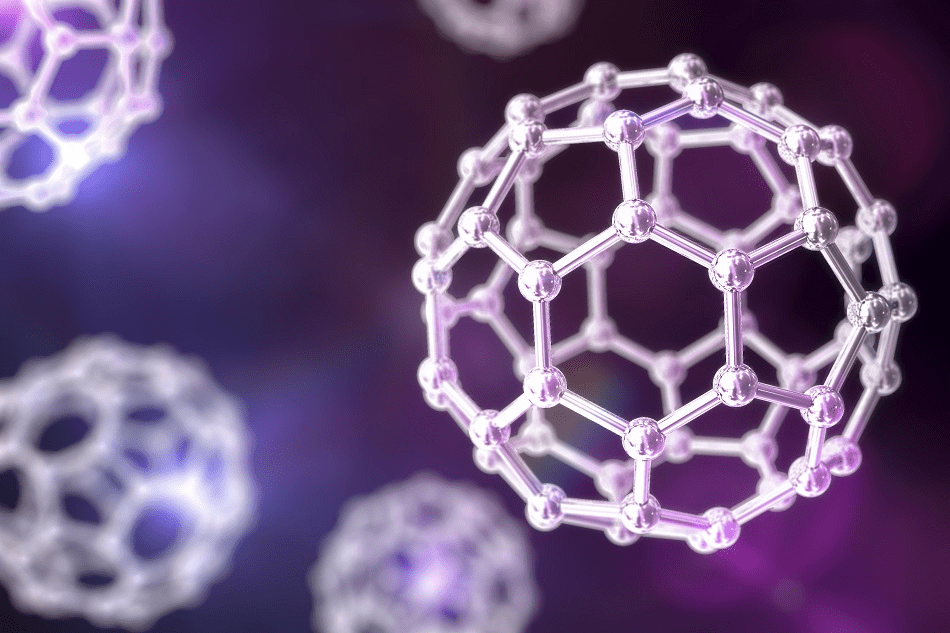
Nanoparticles at a glance.

How did gold get to earth?

Gold, the shiny yellow metal prized for its beauty, malleability and used in many different industries, is actually created inside massive stars when they explode into a supernova. Here lies the history-

  • Gold, like most heavy metals, are forged inside stars through a process called nuclear fusion. In the beginning, following the Big Bang, only two elements were formed: hydrogen and helium. A few hundred million years after the Big Bang, the first stars were blazing away with their nuclear fires. These nuclear fires forced lighter elements together to make slightly heavier elements, and these nuclear reactions released a huge amount of energy.
  • Gradually, these early stars began making elements such as carbon, nitrogen, oxygen — working their way up through the periodic table towards iron. But there was still no gold in the Universe. Once these earlier stars ran out of light elements to burn, they kicked in on the heavier ones.
  • Finally, as they burnt silicon to make iron, they exploded as a supernova, and for a few short moments, each star would release as much energy as all the regular stars in that galaxy put together. In that cataclysmic explosion, for the first time, atoms of gold were manufactured — and then hurled out into the Universe, along with the other debris from that explosion.
  • On Earth, gold finally reached us some 200 million years after the formation of the planet when meteorites packed with gold and other metals bombarded its surface. During the formation of Earth, molten iron sank to its centre to make the core. This took with it the vast majority of the planet’s precious metals — such as gold and platinum. In fact, there are enough precious metals in the core to cover the entire surface of Earth with a four-metre thick layer.

Cancer treatment

Colloidal gold, the suspension of gold nanoparticles in liquid, has been used for hundreds of years, from staining glass in the Middle Ages to early experiments with photography in the Victorian era. But it was only 160 years ago that gold nanoparticles were given any serious scientific examination, when scientist Michael Faraday created the first pure sample of colloidal gold in his basement laboratory at the Royal Institute in London. Faraday’s early experiments were forays into what would ultimately become the fields of nanoscience and nanotechnology.

“Scientists have pioneered a revolutionary approach in the use of gold nanoparticles that could lead to the development of a new generation of broad-spectrum antiviral drugs.”

  • Targeted drug delivery is better than conventional drug therapy because these drugs target the main effected area, so it minimizes the side effects caused..
  • Gold nanoparticles have the ability of bio-imaging of the effected cancerous cells for therapy. Cancer DNA has a special 3D structure that has an affinity for gold, according to one study, and nanoparticles change color when that DNA is present. Simple, fast tests could detect cancer in 10 minutes.
  • Gold nanoparticles have unique physical, chemical properties and strong binding attraction for thiols, proteins, carboxylic acid and disulfides, so they have been extensively used in drug delivery for cancer therapy.

Alzheimer’s-

  • Illnesses associated with ageing are under the microscope too. Scientists are using gold nanoparticles to see the knot-like structures in the brain that cause Alzheimer’s and other neurodegenerative diseases. By labelling these structures–called amyloid fibrils–with gold they can see the knots more clearly and identify their weak spots for treatment.
  • Another global health problem shows promise for gold use in medicine. Tropical disease malaria, transmitted by mosquitoes, infected 219 million people in 2017 and killed 435,000. Nanoparticles used in rapid diagnostic tests are cheap to use, can give results in 15 minutes, and help doctors target treatment for malaria where it is most needed.
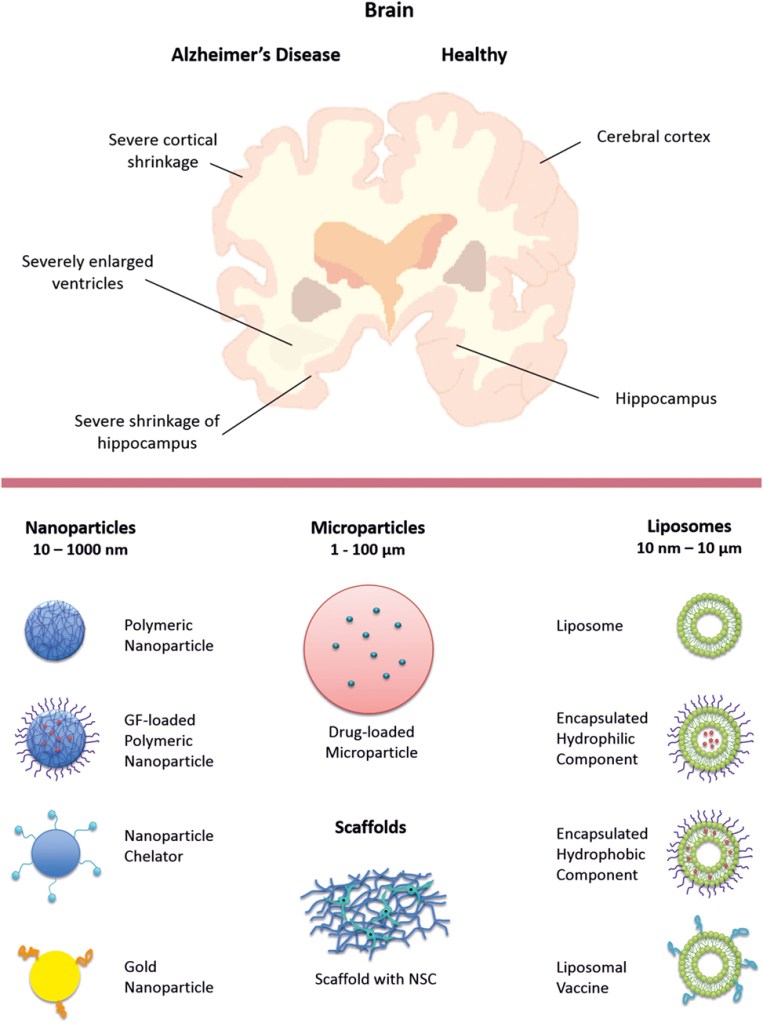
image description

Immunity

  • Immunotherapists are also harnessing the special properties of spherical nanoparticles to deliver a boost to the body’s immune system. Polymer-coated spheres of gold interact with B lymphocyte immune cells and can deliver drugs or vaccine to where it is most needed. In this way they hope to treat hard-to-reach brain tumors.
  • Going forward there is exciting potential for nanoparticles to help combat HIV and blood diseases. Medics use the gene editing tool CRISPR to deliver new genetic information to cells, but current methods can damage or even kill cells. Gold nanoparticles mounted with CRISPR can quickly cross the cell membrane into the nucleus to edit genes.

Thankfully, even though gold is a rare commodity compared to other metals, in microscopic quantities it can improve our lives immeasurably. Nanoparticles measuring billionths of a meter are used as tiny detectors to develop the most sensitive chemical tests.

Thank you!

← Back

Thank you for your response. ✨

Warning
Warning
Please rate our website(required)

Warning
Warning
Warning.

5 Effective Factors for Good Health

As we all know “Health is Wealth “, we all should take a good care of our health .A good health is equal to valuable treasure .With a good healthy body & mind you will be able to live a long & diseases pain free life , able to get success , & have a happy everyday lifestyle . There are some factors which will helps you to gain in this important field.

Yoga Practices : Yoga is some  mental , physical spiritual actions for good mental & physical health .Some research already prove that yoga is an effective exercise for not only fitness of the body but also in mental health with other good improvement in health. WHO also have given positive feedback on yoga & made an 2018-2030 action plan for yoga practice  .United Nation announce 21st June as the World Yoga Day .There are various types of yoga with various benefits . Naukasana (Boat Posture) ,Vakrasana((Twisted Posture)  for belly-fat lose , Dhanurasana (Bow Posture) for weight-loss . Sukhasana (Easy Posture) ,Kakasana (Crow Posture), Bhujangasana (Cobra Posture), Sarvangasana (Stand On Shoulder Posture) ,Shirasana (Stand on Head Posture) etc are some yoga asana which help in many physical(Blood Circulation, Mussel Growth , Nervous System, Respiratory System, Blood circulation etc)  & mental Health ( Relaxation, Mind-peace, sleeplessness, concentration, stress etc) .Only one yoga poster have many remarkable benefits which help to prevent some harmful diseases. Now a days many YouTube channels ,apps ,communities are there for as a yoga instructors . Even some school, college ,company have included yoga in their curriculum keeping the benefactor of yoga in mind .

Regular Exercise or, Workout at gym : Exercise or workout are also very helpful in maintaining fitness . You can do it in a gym using some workout  machine & heavy weight equipment or you can do some workout exercise  for body fitness as both are effective .Although  some research show that there are some negative effects also .Exercise or workout helps in body fat loss , increase muscle strength , improve blood circulation, expand endurance level etc. Some machine used in gyms for workouts are mechanical treadmill , spring stretcher , Adjustable bench ,barbell stand ,cable crossover, lifting  etc. Push-up ,aerobic exercise ,walk, squat, swimming ,cycling are some effective exercise . You can take a help from some apps , YouTube channels ,community ,gym ,professionals for doing such exercise or workout for fitness .

Eating Healthy Food: Yoga & exercise help in good health but health foods are also very important in this case .As we all know every vegetables ,fruits ,animal products have some nutritious value and help our body to gain protein ,vitamins, carbohydrates, fat in perfect amount for healthiness if we consume them in a systematic manners . Some nutrition value , and health benefits are mentioned below — 1)Spinach: It is a green vegetable with lots of Calcium, Iron, Vitamins (Vita-K ,Vita-A ,Vita-C) ,antioxidants .It helps in physical energy , clean blood for oxygen circulation, blood pressure reduction for good heart etc. which prevents some health issues .                                      2) Kale: It is leafy greens . It has 7 calories & some vitamins(A,C,K) as nutrition .It decrease the amount of BP , bad cholesterols & sugar in our blood .                                                                                                                                3) Beets: It is a red- pinkish vegetable with  good cholesterols , potassium ,antioxidants which helps greatly in diabetes & BP .                                                                                                                                                      4) Carrots: It is a orange colors vegetables but it can also be purple or yellow . It has %2 types of calories , Vitamin A & a lot of amounts of beta carotenes which helps in skin problems , breast cancer ,eyesight . 5) Edible Mushrooms: It has various categories with special shapes ,size colors & very delicious . It has a great amount of Vitamin B-6 ,Vitamin C ,iron , protein & non-fat which it prevents cancer , diabetes , heart problem etc.                                                                                                                                                                        6) Lemons: it is sour juicy fruit lots of Vitamin C & antioxidants which works on cold flu , weight loss ,cancer , diabetes etc.                                                                                                                                                                            7) Apple: It is a popular health benefiting  fruit  which contains calories ,carbohydrates ,fibers , potassium etc. & works on cardio-vascular diseases .                                                                                                              8) Avocado: It is green creamy & quit expensive fruit with high amount of potassium ,calories & antioxidants & helps in lowering cholesterols &chances of  heart disease .                                                                      This is just given as an example for showing that every fruits & vegetables have good health nutation. As for animal products like milk , meat , eggs etc. also have lots of protein & other elements with is important for our body growth . So we can see every edible foods have certain amount of nutriments & we should consume them as much as our body needed . Neither less nor more . You can take a help from any app , nutrition in this case .

Good Habits : With the  healthy foods , exercise & yoga ,we should develops some good habits for better health benefit , prevention of diseases . Some good habits are mentioned below —– 1) Early To bed & early to rise ,2) Drinking water after raising 3) Don’t go to bed as soon as your lunch or dinner is finished ,4) consume lots of water in a day ,5) do some exercise after eating , 6) yoga after raising 7)drinking mild hot water with lemon or honey in morning instead coffee 7) check about weight on daily or weekly basis 8) Do exercise or yoga in morning daily 9) Don’t drink cold water 10) Bath in morning  11) a healthy breakfast with fruits ,eggs  . There are so many healthy habits & you should practices them as you needed but they are important .

Myths and Taboos around Menstruation

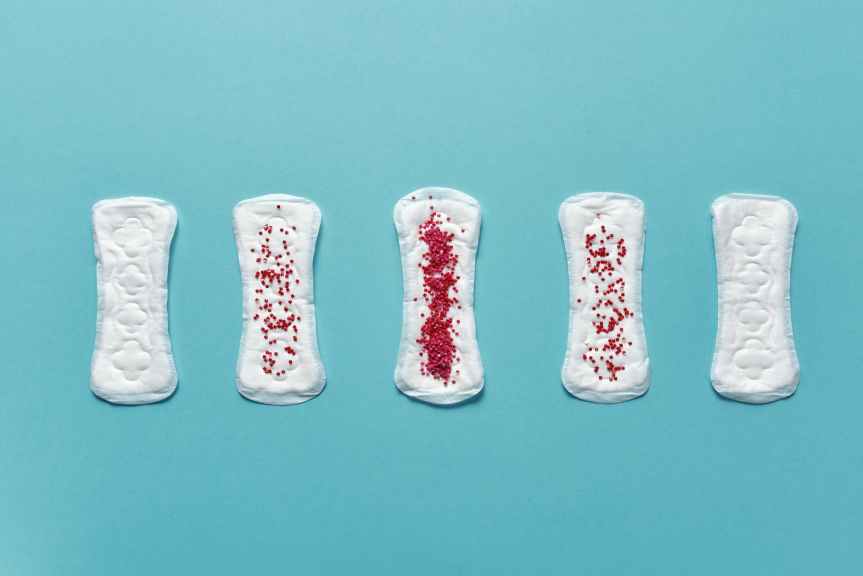
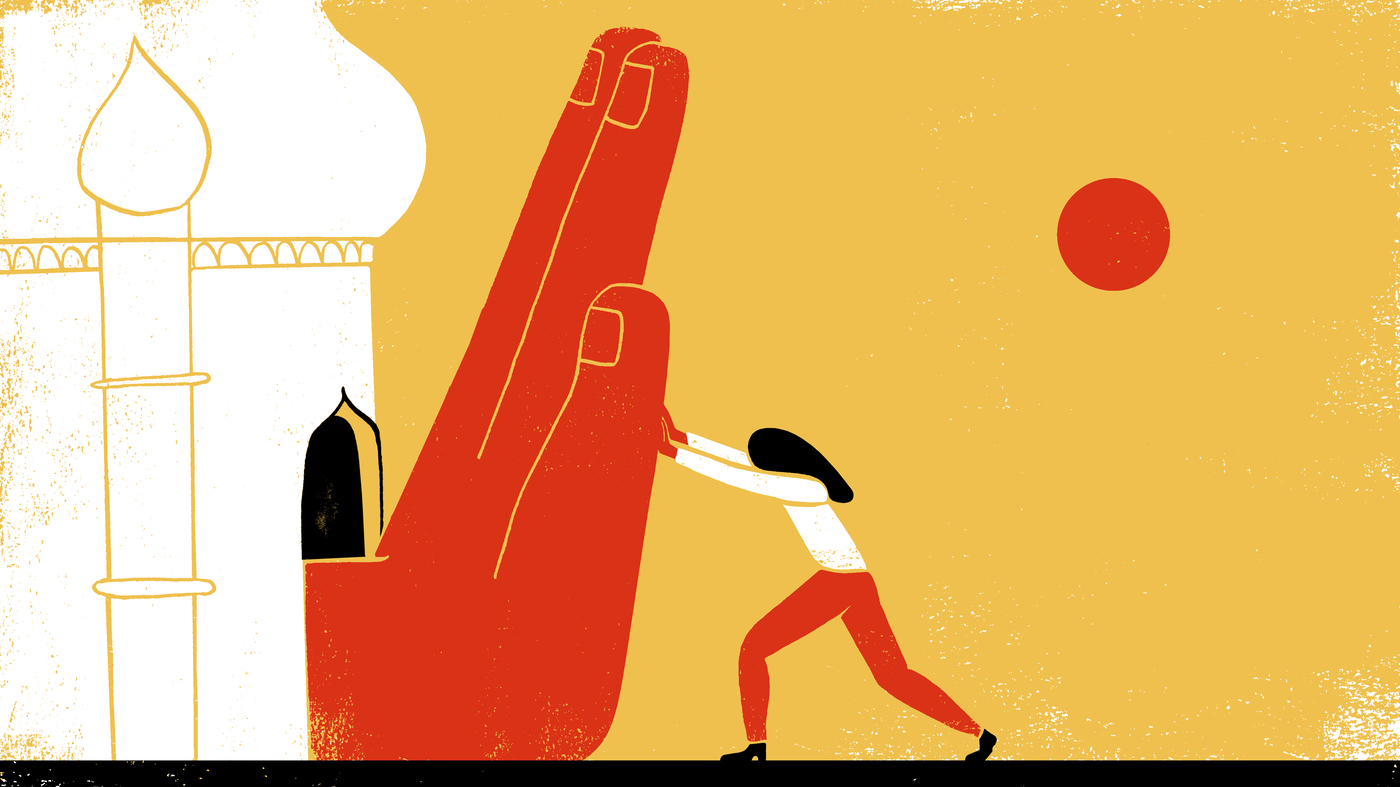
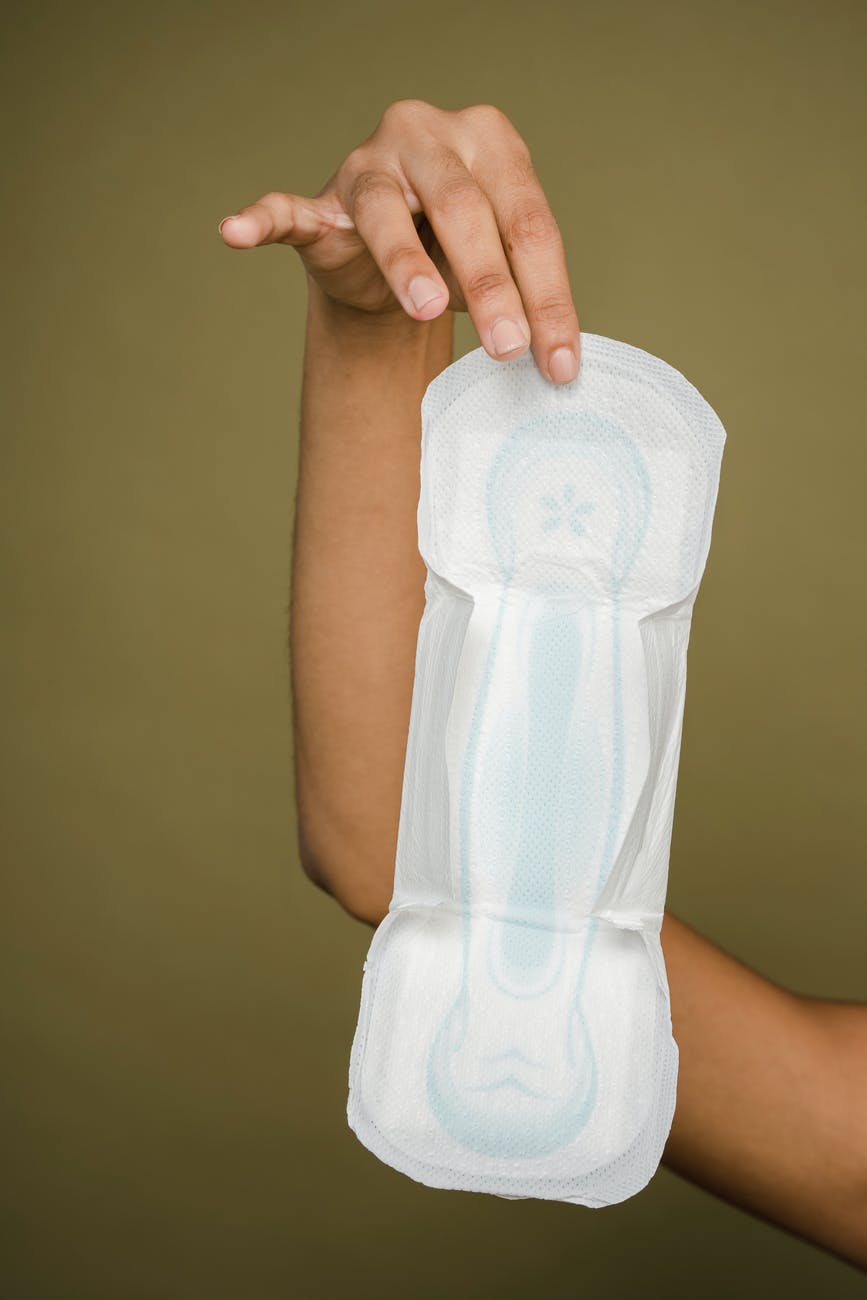
Menstruation has always been surrounded by taboos and myths that exclude women from many aspects of socio-cultural life. Not entering the temples and kitchens during menstruation is a major restriction for rural girls and women from orthodox families. They are believed to be unhygienic, inpure and unclean and hence their touch is considered to be contaminating.

“A menstruating woman is impure, she cannot enter holy places”

“Don’t enter the kitchen, don’t cook or touch the food, it will go sour”

Such taboos about menstruation present in many societies impact on girls’ and women’s emotional state, mentality and lifestyle and most importantly, health. About 23% of girls in India, mostly from less economically developed areas drop out of school when they begin menstruating. The monthly menstruation period also creates obstacles for female laborers. The gender – unfriendly work environment, infrastructure and the lack of adequate menstrual protection alternatives and clean, safe and private sanitation facilities for female workers undermine the right of privacy. Over 77% of menstruating girls and women in India use old cloth, which is often reused. This increases susceptibility to infection, putting them at the risk of being stigmatized.

The first and foremost strategy in this regard is raising the awareness among the adolescent girls related to menstrual health and hygiene. The need of the hour is to disseminate the same knowledge and normalize this concept among the male community, since most women shy away from discussing about it due to lack of support from their male partners and other family members. Provision of sanitary napkins and adequate facilities for sanitation and washing should be made available with the gender perspective.

We need to rise above all odds and link physical infrastructure and sanitation projects to health education and reproductive health programs and address the issue in more holistic ways because

Menstruation is a very normal biological phenomenon, and society should understand that women have the power of procreation just because of this virtue. TALK ABOUT IT!
How to Restore Our Sleep Cycle

Pandemic has a huge impact on the sleep pattern of the people around the world. Some of them are tossing side to side to get a proper sleep during night time, other stay long awake but unable to regulate their usual pattern. Many experts also suggested that these days people often faces troubled sleep, with many going to bed far later and sleeping longer than usual.

Image: Shutterstock

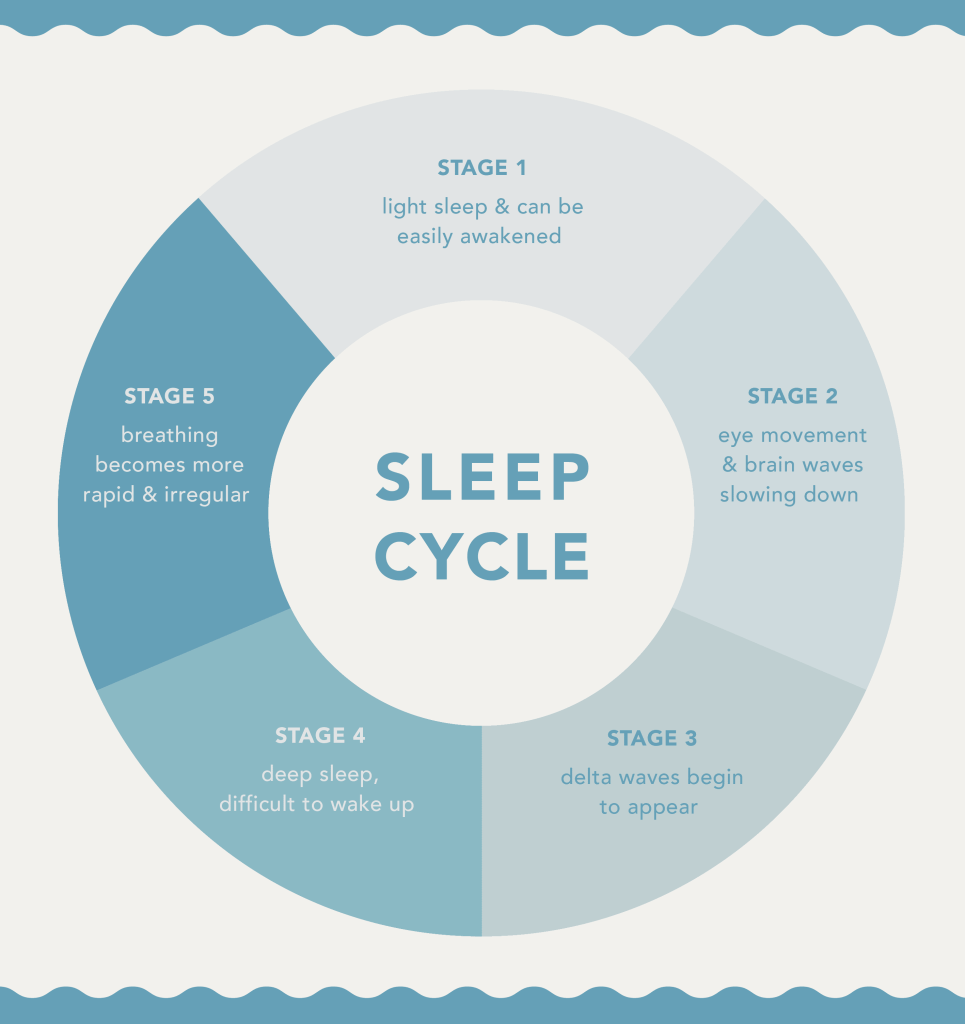
Our sleep schedules do vary from person to person, depending in large part on the environmental causes. Because according to our circadian clock , that control our sleep schedules are sensitive to light like things like how much sunlight we’re exposed to throughout the day and what types of light we’re exposed to at night affect our sleep schedules. It’s really a huge problem, having a disrupted sleep schedule can result in deteriorating sleep pattern. But this will led to severe health ailments linked to several chronic health problems, such as sleep disorders, obesity, diabetes, depression, bipolar disorder, and seasonal affective disorders etc.

Image: Banala lite

But there are some suggested ways to get our disrupted sleep back on track:

  • A proper bed time routine: Try to stick to a schedule of sleep, like keeping your sleep-wake cycle the same. Our bodies have a circadian rhythm and walking up at different times disrupts it. The less you deviate from your normal bed and wake up times, the better you sleep. To get to sleep earlier, even doctors recommends going slowly and in small increments, adjusting no more than 15 minutes earlier every two to three days.
  • A touch of nature: Get a good amount of sunlight every morning. It serves an important purpose: it shuts down the release of melatonin, this hormone promotes sleep. Aim to get at least 15 minutes of sunlight every morning.

      Image: NPR

  • Cut off caffeine before sleep: Caffeine has a half-life of six to eight hours and a quarter-life of 12 hours. That means if you drink coffee at 4 pm, you’ll still have a quarter of the caffeine floating around in your brain at 4 am.
  • Limit your drinking habit: Alcohol suppresses REM sleep cause sleep disruptions. If you drink alcohol, limit that to two drinks or stop the intake at least three hours before bed.
  • Limit the screen timings: Avoid screen timings just before going to bed. As blue light of mobile screen interfere with sleep habits by sending wrong signals to stay awake. But many of us do it anyway. Avoid screen time before 2 hours of going to bed.
  • Journaling: You can’t get a proper sleep if something is bothering you, it’s always better to pen down your worries in a diary. Making this a habit can lessen your worries. Sit down with a blank piece of paper one to two hours before bed each night. Writing down your thoughts, especially anything that is bothering you. It will help you to schedule your activities and calm your mind.
Image: Unsplash

Meditation and Music: Meditation eases your woes by giving a direction to your thoughts. To get a proper sleep one should practice this 10 minutes daily routine. On the other hand, music calms mind and listening to a relaxing one will help to achieve sleep.

  • Avoid sleeping at day time: To promote better sleep one should avoid day time nap, so as to get a better sleep at night.
  • Environment: Make a good sleeping environment like switching off unnecessary lights and put on the curtains to prevent the entry of noise and lights. Take a warm bath and play some relaxing music, for instance. Make sure your bed is comfortable, the room is dark, and the temperature is not too warm.

These are the ways which enable us regain our disturbed sleep pattern. Sleep, itself promotes body healing. So, this is advised to get a proper 7-8 hours of sleep during night time.

Image: PBS

Third wave of covid-19 knocking at our doorstep

While mass vaccination drive is going on around the whole globe,news of emergence of Third wave of coronavirus have started to surface. WHO (world Health organisation) have also warned about the third wave in Europe. Cases recorded in this wave are of ‘Delta-variant’ of coronavirus.

Second wave of coronavirus caught us all off-guard and hit us hard and many lives were lost and there was a State of panic amongst us all for few months, due to this wave of coronavirus. After, passing of this second wave, people flocked the hill stations and flouted covid norms.
Even, in markets people are walking without masks and not taking necessary precautions.

Alarmed by this situation government of India have warned the citizens about this 3rd wave. Lav Agarwal, Joint Secretary, Health Ministry, on Tuesday said that the third wave of Covid-19 may be caused due to the gross violation of covid appropriate behavior. He told that :

We would like to request to everyone- when we talk about the third wave (of COVID-19), we are taking it as a weather update and not understanding its seriousness and our responsibilities associated with it

Lav Agarwal (joint secretary, Health ministry, GOI)

According to union health ministry data on Tuesday there were 32,906 new cases of Covid-19 and 2020 related fatalities, which pushed the overall tally to 30,905,819 and the death toll to 410,784.

Markets are open and govt offices and school’s are running with 50% capacity, but the way in which common people are violating the covid-19 precaution guidelines, day is not far when we’ll have to pay for this type of behaviour. If situation remains like this, then the government in order to control the spread may impose lockdowns and come up with strict measures.

Hill Stations will be there,if we’ll be safe,then we can visit there later on. We need to learn from our mistakes commited during the second wave of pandemic and try not to repeat them this time.


Government is preparing on its behalf to face up with the inevitable third wave of pandemic. We all as a responsible citizen should adhere with the government guidelines and take precautions,then we can defeat this pandemic.

UNAIDS- Achievements and Challenges.

As of 2018, about 38 million people in the world are infected with HIV and out of these about 21 million people were living in Africa alone. South Africa, Nigeria and India are the worst affected countries with over 7 million, 3 million and 2 million people with HIV infection respectively. Interestingly, India is on third position with over 2 million of its population infected with HIV; however it has the lowest HIV rate in the world due to its vast population.

Source: UNAIDS.

UNAIDS acts as a global cogent body that protects HIV infected people from discrimination and aims to provide them a safer environment by creating awareness among the masses. It also provides deliberate and strategic advocacy and cooperates with different governments and private bodies to achieve its goals.

Achievements of UNAIDS.

1) Because of UNAIDS’s effective advocacy, different Government responses towards every aspect of HIV and AIDS was positive with good leadership and management.

2) UNAIDS’s advocacy also inspired many countries to change and abolish discriminatory laws that used to keep HIV patients on the fringes. It also convinced many countries to make laws in favour of women’s rights so that stigma faced by women decreases.

3) In 2019, 67% of all people living with HIV were accessing treatment. 68% of adults aged 15 years old and above had access to treatment, 53% of children had access to treatment and 73% of the female adults also had the access to treatment.

4) About 85% of pregnant women living with HIV had access to antiretroviral medicines to prevent transmission to their child in 2019.

5) UNAIDS also worked a lot in raising awareness about HIV and related stigma all over the world. It focused on myths related to HIV which ultimately led to a positive attitude of public towards HIV patients.

CHALLENGES FACED BY UNAIDS

There are a lot many challenges attached to HIV infection and thus it also becomes difficult for UNAIDS to deal with the issue at times. It is a social difficulty too and HIV patients suffer in silence because misconceptions about HIV.

1) HIV and Violence on women:

Every week, about 5500 young women aged 15-24 years become infected with HIV.

In Sub-Saharan Africa, five in six new infections among adolescents aged 15-19 years are among girls. Young women aged 15-24 years are twice more likely to be living with HIV than their male counterparts.
More than one third (35%) of women around the world have experienced physical and/or sexual violence by an intimate partner or sexual violence by a non-partner at some point of time in their lives.

2) HIV and Tuberculosis:

Tuberculosis remains the leading cause of death among people living with HIV, accounting for around one in three AIDS related deaths.
In 2018, an estimated 10 million people developed Tuberculosis and 9% of them had HIV.

3)HIV and COVID-19, newest of all:

A new analysis by UNAIDS has revealed that COVID-19 is going to have a detrimental effect on low and medium income families and countries around the world on supplies of the generic antiretroviral medicines used for HIV treatment.
The lockdowns and border closures imposed by Governments to stop Covid-19 have impacted both production of the medicines and their distribution.

It’s important for us as a society to support the HIV-AIDS patients and their families morally, socially and make a stigma-free environment for them.

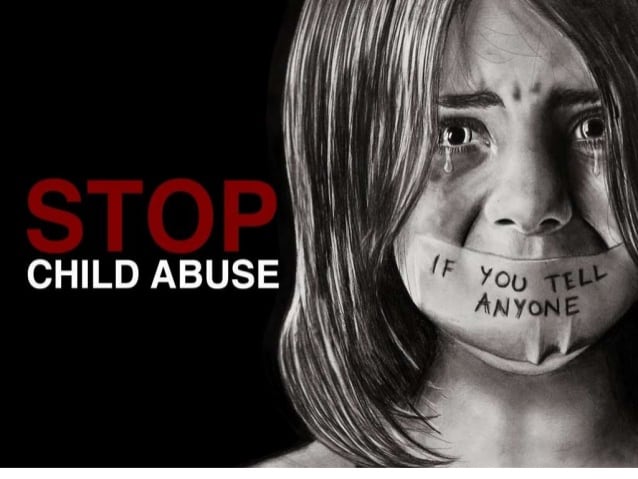
CHILD ABUSE

Child Abuse can be defined as harming (whether physically, emotionally, or sexually), ill-treatment, abuse, neglect or deprivation of any child.

Manipulation is when They blame you for your reaction to their Disrespect

If they are children it doesn’t mean, they can be ‘open to’ harm, injury, violence, and abuse.

As a society we are responsible to ensure that every child in our family, locality, community, region, state and nation is safe and feels safe.

Safe places for children are those where children feel secure and protected. They are nurtured, looked after and cared for.

As adults, it is our responsibility to observe child behaviour and encourage them to speak up.

Choose wisely who you defend

Because of ignorance and dependency on the abusers, children often are unable to express that they are abused.

Physical Abuse

Physical abuse can be caused from punching, beating, kicking, shaking, biting, burning or throwing the child.

Indicator in child

  • Unexplained bruises, welts, cuts, abrasions, Unexplained burns, Unexplained fractures
  • Injuries to areas of the body that is usually protected /covered.
  • Delay in seeking medical attention for a child
  • Is violent to animals or other children
  • Tries to hide bruises or other injuries
  • May be extremely withdrawn or extremely aggressive
  • Is wary of adults or of a particular individual
  • Cannot recall how the injuries occurred or gives inconsistent explanations

Emotional Abuse

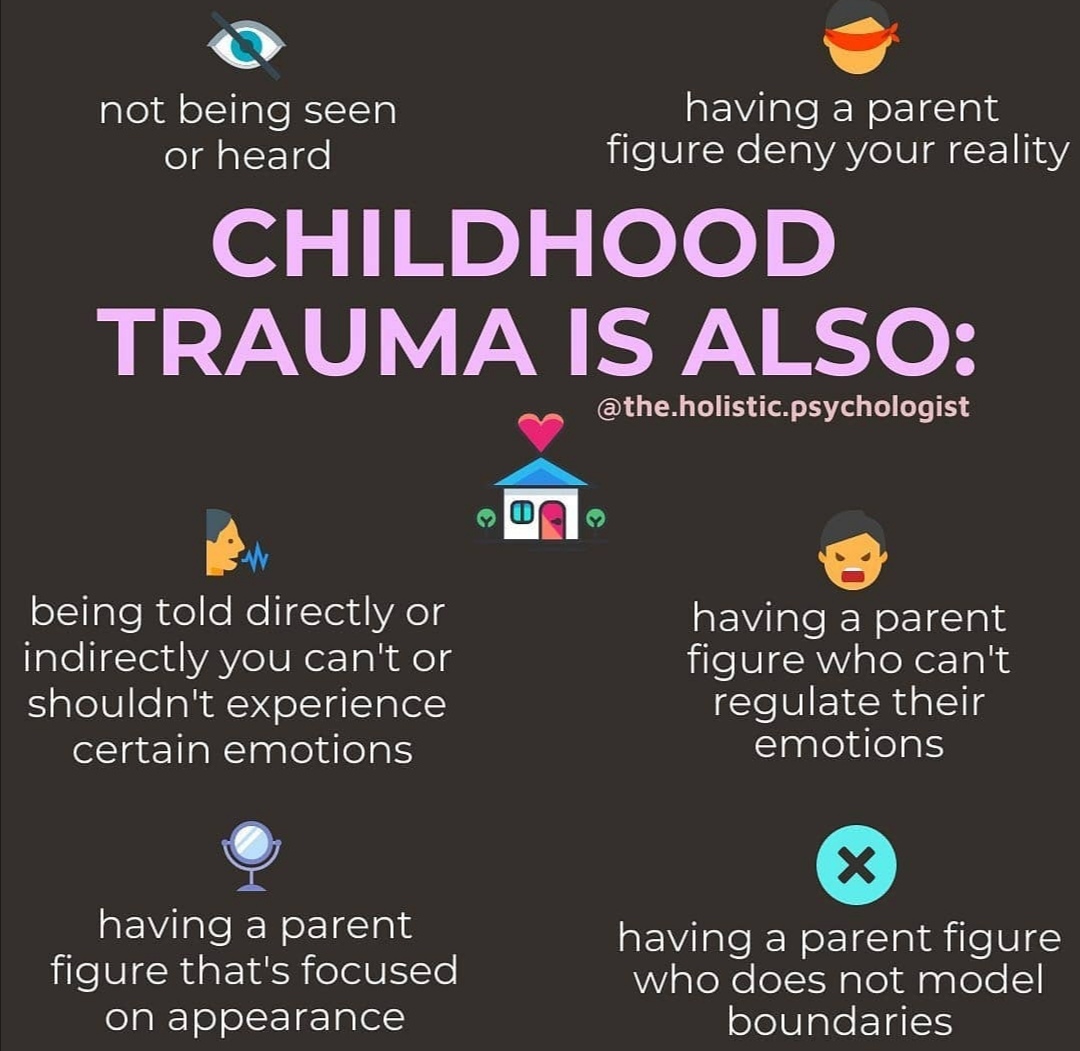
It occurs when a child’s emotional, psychological or social well-being and sense of worth is continually battered. It can include a pattern of criticizing, rejecting, discriminating, degrading, ignoring, isolating, corrupting, exploiting and terrorizing a child.

Indicator in child

  • Bed-wetting or bed soiling that has no medical cause
  • Frequent Headaches, nausea, abdominal pains
  • Has not attained significant developmental milestones
  • Displays attention seeking behaviours or displays extreme inhibition in play
  • When at play, behaviour may model or copy negative behaviour and language used at home
  • Suffers from severe developmental gaps

Indicator in adults

  • Constantly labels the child or publicly humiliates the child
  • Continually threatens the child with physical harm or forces the child to witness physical harm inflicted on a loved one
  • Has unrealistic expectations of the child

Sexual Abuse

Sexual abuse includes acts where an adult uses a child for a sexual purpose. While it may involve a stranger.

Indicator in child

  • Torn, stained or bloody underclothing
  • Bruises, lacerations, redness, swelling or bleeding in genital, vaginal or anal area
  • Blood in urine or faeces
  • Unusual or excessive itching or pain in the genital or anal area
  • Difficulty in sitting and/or walking
  • Signs of sexually transmitted disease Indicators in a child’s behaviour
  • Outburst of anger
  • Self-harm (cutting, burning or other harmful activities)
  • Age-inappropriate sexual play with toys, self, others
  • Sophisticated or unusual sexual knowledge
  • Nightmares, sleeping problems
  • Becoming withdrawn or very clingy
  • Becoming unusually secretive
  • Sudden unexplained personality changes, mood swings and seeming insecure
  • Regressing to younger behaviours, e.g. bedwetting
  • Fear of certain places or persons e.g. bedroom or bathroom, friend-uncle

Indicators in adult behaviour

  • Insist on physical affection such as kissing, hugging or wrestling even when the child clearly does not want it.
  • Insist on time alone with a child with no interruptions.
  • Spend most of their spare time with children and have little interest in spending time with people their own age.
  • Frequently walk in on children/ teenagers in the bathroom.
  • Treat a particular child as a favourite, making them feel ‘special’ compared with others in the family.
  • Regularly offer to baby-sit children for free or take children on overnight outings alone.
  • Buy children expensive gifts or give them money for no apparent reason.

What to do??

  • Learn to recognize the signs
  • Provide a listening ear
  • Offer help
  • Give helpful information
  • Explain that violence is not OK
  • Look for community systemic support for the family
  • Can contact Childline (1098) to talk over your concerns confidentially with a trained social worker. 

Take following steps on Emergency

Step-1: Immediately contact parents if child is not abused by parents and if child can give information of his/her parents.


Step-2: Contact any one of the following agencies to provide required support to parents and child: DCPU, SJPU, Childline, CPCs, Police or CWC. You can also take help from credible NGOs working on Child Rights in your area.


Step-3: Provide emergency support such as medical aid, clothing, food and transportation to safe places. Make sure that you handover this child to responsible adults from above mentioned list only.

Step-4: Help authorities with whatever information and evidence you have as regards abuse of the child to make sure that the abuser is punished. If possible give written information.

Step-5: Maintain privacy to ensure that the name of the child is not disclosed to media or public in any ways.

Prevention

  • Create Safe places for children in community, neighbourhood and society.
  • Create Structures and Systems where children can express their feelings and emotions freely without any inhibitions.
  • Create Structures and Systems to ensure safety and to ensure that children are supervised.
  • Educate children about safety measures. Provide information about the emergency contact numbers.
  • Create awareness: About child protection systems and networks. Keep this information handy.
  • Build network of concern individuals and groups to help children. Develop support systems for children.

Being Healthy

A standard definition of being healthy according to World Health Organization (WHO) is , ” complete physical, mental and social well being and not merely absence of disease or infirmity”. This definition clearly expresses that just because you are disease free , it does not mean you are healthy. So, keeping that definition in mind , do you think you are healthy??

Health is a major concern for almost all the people living in this world. As we are growing with time, most people are being ‘health conscious’ , they plan diet , go to gym, practice yoga and what not. But what we actually need to know is that health is not just about being physically fit. It is a combination of three element – being physically well, mentally stable and socially fit. There are many person who are physically fit but are mentally depressed. So are they actually healthy?? The answer is plain ‘No’. Similarly if someone is physically as well as mentally well but finds difficulty in socially interacting or communicating or do not contribute to the society , is not actually healthy.

So what it needs to be healthy?? If you physically fit, happy with your mental state ( do not worry about little stress , it is completely okay to be little stressed out) and doing socially great then you can conclude that you are healthy.

So , next time when you think about your health, do not just count your health. And if you think you are not healthy, here are some tips to improve ( most of the are about mental health):

1) Plan your diet – This is the first step that almost everyone takes to be healthy . And of course it is necessary . Planning your diet not only improves your physical health but also keeps you mentally satisfied.

2) Exercise, Yoga or anything – Do anything that includes labour works. Try to sweat . It will definitely lift your health.

3) Listen to music – Experts says music can be a great way to boost your mood and improve signs of depression.

4) Gratitude – At the end of the day, always try to write at least three things you are grateful for. It is always beneficial to count your blessings.

5) Relax – Don’t forget to relax. Always take some time out for yourself. Do something that you love to do. Paint, dance, read or anything that makes you happy.

6) Books – Books are great way of escaping reality. Feeling depressed or lonely? Grab a book, sit comfortably, make some coffee and read. It will teleport you to a different world. Certainly you will feel better. Try reading atleast 15 mins a day. It will also improve your creativity.

7) Friends and Family – Spend quality times with your loved ones. Create memories and cherish them. Do not forget , no matter what, you are always loved.

8) Friendliness – Be good and kind to everyone – your neighbors , mates, kid you see in a subway , everyone. Do charitable works. It will always give satisfaction in the end, no matter how much you suffer.

HUMAN ANATOMY

Introduction to Human Anatomy and Physiology

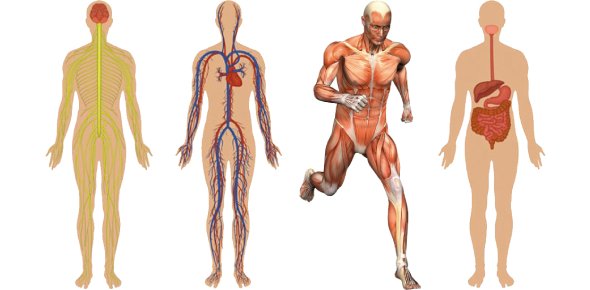
Anatomy is the study of the shape and structure of the body of organisms or living beings. The word anatomy is derived from the Greek words ‘ ana ‘ and ‘ tomy ‘ where ‘ ana ‘ means ‘apart’ and ‘tomy ‘ means ‘to cut’. In physiology, the functions of various system such as respiratory system, digestive system, nervous system, skeleton system and muscular system of organisms are studied. It can be said that physiology is the study of how the body and all its part function. It consists of two word, namely, ‘physio’ and ‘ ology’ where ‘physio’ means ‘nature ‘ and ‘ ology ‘ means ‘ study’. Here ,we will study human anatomy and human physiology.

Definition of Human Anatomy

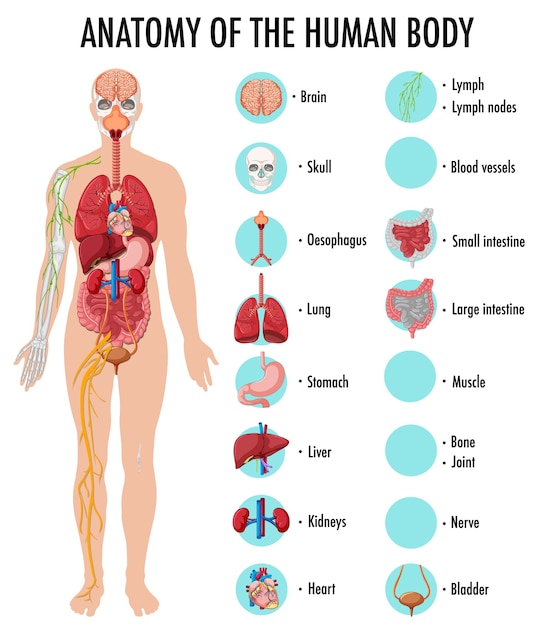
Free Vector | Anatomy of the human body information infographic

Human Anatomy is the study of structure ,shape, size , weight and location of all the organs of human body. A detailed knowledge of the structure of various system of human body is provided in human anatomy . For example , the shape, size, weight, structure and location of all the organs of the excretory system such as lungs, kidneys, large intestine, liver, skin, etc. are studied in human anatomy. Human anatomy can be defined as the science dealing with human body structure and relationships among structures.

Importance of Anatomy

The importance of anatomy and physiology is mentioned below.

  • Anatomy Provides the Knowledge of Structures of Various Organs : Human anatomy provides the detailed knowledge of the structure of various organ body . We get the knowledge of structure, shape, size, location and weight of organs of all the systems of our body. We come to know about the length of various organs such as the length, size and shape of the bones. With the help of anatomy , we get the knowledge of the percentage of white fibres and red fibres present in an individual. As a result of such knowledge , the teacher and coaches working in the field of physical education and sports may easily select the suitable sports according to the traits of students. For example, weightlifting is more appropriate for short statured students, who have more percentage of white fibres i.e., fast twitch fibres in comparison to red fibers i.e., slow twitch fibres can perform better in sprinting events instead of endurance events.

Covid-19 impact on education, health, business sectors.

Covid-19 has effected all sectors like education, business, health care and daily wage workers In this blog, we are going to discuss the impacts on education, health care, business and daily wage workers. Due to the covid-19 pandemic.

COVID-19 IMPACT ON EDUCATION

The covid-19 has impacted all countries all over the world. It has majorly impacted education the most. Due to the out spread of the covid-19 government decided to shut down the schools, which was a big decision. Due to this all teachers and students shifted to online education.

Since all schools have been shut down, all schools shifted to online mode of education. Students and teacher find it hard because it was a new environment. Now, teachers have teach there students in online also, students have to submit there assignment and projects online. Teachers found very hard to teach in online because they has to teach students using online gadgets. Students have to scan there assignments and convert it to a PDF then they have to submit there assignments. In India, many students didn’t attend online classes because they don’t have the access to internet. In an online survey, up to 50 percent of the students in India don’t have the access to internet. In all online classes, only 40 percent of the students used attend a class. Due to covid-19 all exams were conducted in online mode. Teachers has to evaluate answer sheets in online using some gadgets. Due to lack of resources like phone, laptop and internet students cannot write online exams, submit assignments. Some schools didn’t conduct online classes for there students.

COVID-19 IMPACT ON BUSINESS

Because of national wide lock down all companies were shut down. All there business and profits were collapsed. All small business companies were collapsed due Covid-19 pandemic. Only few companies could sustain but there was huge loss for them. Only IT companies survived in this covid pandemic. There was huge loss for all companies in India. Due to the shut down of many companies, many people lost there job, creating a financial crisis for many families. The share values of many companies dropped. According to a survey, nearly 60 percent of businesses were fully closed. Many people started doing work from home.

COVID-19 IMPACT ON DAILY WAGE WORKERS

Daily wage worker are the most effected people in the covid pandemic. They have to work everyday to eat. They are paid very low wage. They even didn’t get the minimum wage. Each and single rupee is important for them to survive. Due to national wide lock down, all constructions were closed making no job for them. Even though government helped them, but it was not enough. They have no shelter, no people were giving them shelter due to the wide spreading of covid-19. They are sleeping on streets and roads. There was no food for them. Many workers died due to hunger.

COVID-19 IMPACT ON HEALTH CARE SECTORS

There was also lot of impact on health care sector. There were many patients in every hospital. Daily thousand’s of people are dying due to covid-19. Doctors were working day and night to save patient’s life. Doctors are risking there life to treat a covid patient. There were lack of doctors in hospitals. Government hospitals are full of patients. There were shortage of medicines.

That’s all from my side. I hope you like it, thank you.

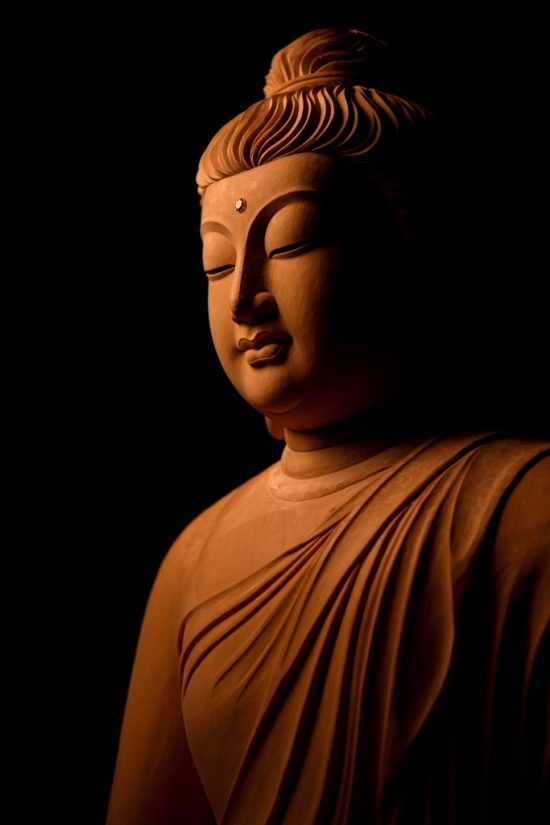
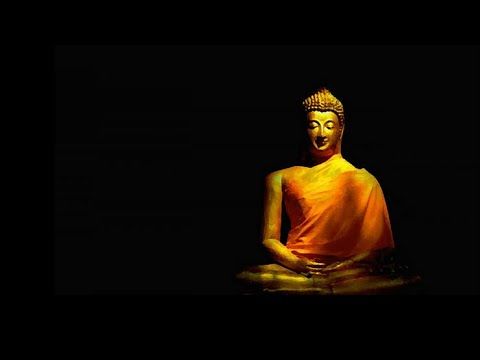
The Origin of Buddhism .

We are what we think. All that we are arises with our thoughts. With our thoughts, we make the world.
Peace comes from within. Do not seek it without.

Lord Buddha

Introduction.

He was a spiritual personality . An ancient teacher and enlightened many . A founder of world religion Buddhism . He was popularly known as Gautama Buddha (also known as Siddhattha Gotama or Siddhārtha Gautama or Buddha Shakyamuni ) .

The Enlightened One who rediscovered an ancient path to release clinging and craving and escape the cycle of birth and rebirth. He taught for around 45 years and built a large following, both monastic and lay. His teaching is based on his insight into the arising of duḥkha (the unsatisfactoriness of clinging to impermanent states and things) and the ending of duhkha—the state called Nibbāna or Nirvana (extinguishing of the three fires).

Buddhism

Buddhism, one of the major religions and philosophical systems of southern and eastern Asia and of the world. Buddha is one of the many epithets of a teacher who lived in northern India sometime between the 6th and the 4th century before the Common Era.

The title buddha was used by a number of religious groups in ancient India and had a range of meanings, but it came to be associated most strongly with the tradition of Buddhism and to mean an enlightened being, one who has awakened from the sleep of ignorance and achieved freedom from suffering.

According to the various traditions of Buddhism, there have been buddhas in the past and there will be buddhas in the future. Some forms of Buddhism hold that there is only one buddha for each historical age; others hold that all beings will eventually become buddhas because they possess the buddha nature (tathagatagarbha).

According to Buddhist doctrine, the universe is the product of karma, the law of the cause and effect of actions, according to which virtuous actions create pleasure in the future and nonvirtuous actions create pain.

Your work is to discover your world and then with all your heart give yourself to it.

Lord Buddha

History

Gautama Buddha ( born c. 6th–4th century BCE, Lumbini, near Kapilavastu, Shakya republic, Kosala kingdom [now in Nepal]—died, Kusinara, Malla republic, Magadha kingdom [now Kasia, India]).

Buddha is one of the many epithets of a teacher who lived in northern India sometime between the 6th and the 4th century before the Common Era.

Learnings from Gautama Buddha.

1. “Three things cannot be hidden: the sun, the moon and the truth.”

2. “You will not be punished for your anger; you will be punished by your anger.”

3. “You can search throughout the entire universe for someone who is more deserving of your love and affection than you are yourself, and that person is not to be found anywhere. You, yourself, as much as anybody in the entire universe, deserve your love and affection.”

4. “We are shaped by our thoughts; we become what we think. When the mind is pure, joy follows like a shadow that never leaves.”

5. “Believe nothing, no matter where you read it, or who said it, no matter if I have said it, unless it agrees with your own reason and your own common sense.”

Link

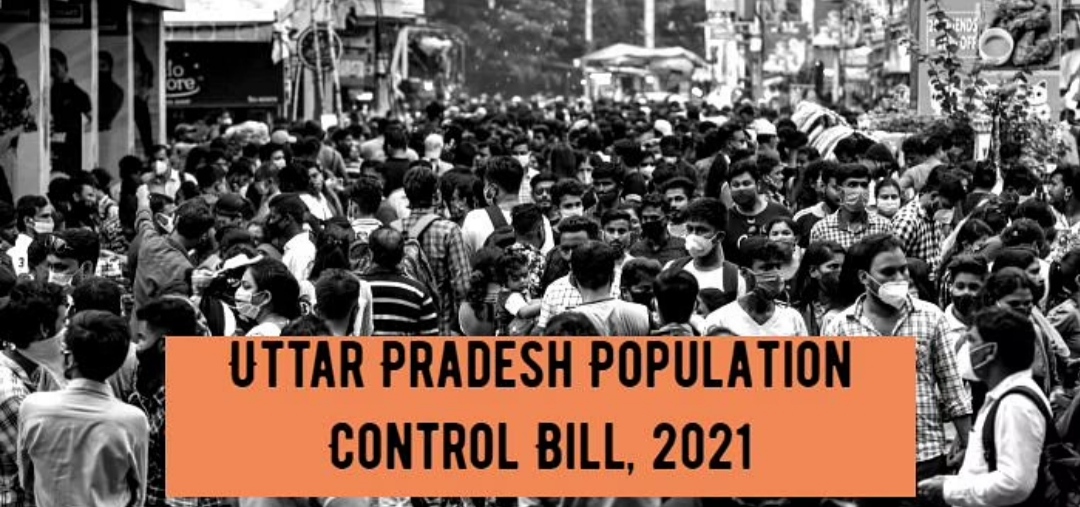
Population control bill in uttarpradesh

On World Population Day, Uttar Pradesh government announced a new population policy for 2021-2030 on Sunday. The new policy gives incentives to those who help in population control.

Chief Minister Yogi Adityanath wishes for a community-centric approach to be adopted for population control in uttarpradesh. So that better facilities can be made available to citizens and the state can be developed properly.

“Poverty and illiteracy are major factors for population expansion. There is also a lack of awareness about population in certain communities and we therefore need community-centric awareness efforts,” yogi Adityanath said in a statement.

Uttar Pradesh’s total fertility rate is 2.7 percent currently, it ideally should be less than 2.1 percent. Most states have achieved the ideal total fertility rate, except Uttar Pradesh and Bihar.

With this policy, the government has come up with different strategies to work towards a convergence of existing schemes for population control and improvement in health of citizens.

New population policy is to reduce the newborns’ and maternal mortality rate.Care of the elderly, and better management of education, health, and nutrition of adolescents between 11 to 19 years has also been ensured in the policy, according to the state government.

The Uttar Pradesh government will give promotions, increments, concessions in housing schemes and others perks to employees who adhere to population control norms, and have two or less children. If people won’t obey this policy then they will not get any benefits from government, like jobs,ration,etc.

Busting COVID-19 Myths

The world is undergoing profound changes unseen in a century because of the global pandemic. Ever since the outbreak of coronavirus, situations have changed drastically. The world has switched from outdoor normalcy to indoors, just as the tortoise draws its limbs within the shell in case of a potential threat. Everything is now being done online, be it meetings, conferences, classes, seminars, events, and whatnot! Virtual is a new reality.

With increased engagement in social media platforms, there has been an increase in the number of misinformation and false rumors being spread, particularly about the coronavirus. The only way to curb this is to know the facts about the virus. Moreover, Knowing the facts is also important because this will ensure that you do not fall prey to any such misinformation and also avoid being a potential spreader of the same. So, In this article, we will be dissecting some of the most common myths related to Covid-19 that are currently being circulated on social media and beyond.

Let us begin with a piece of brief information about Covid-19 and its origin.


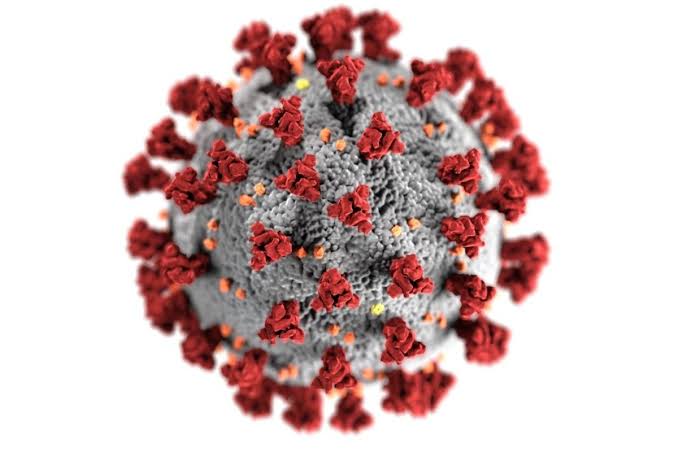
The WHO states that  COVID-19 is a disease that is caused by a new virus called coronavirus or SARS-CoV-2.  The first reported instance of this new virus was on 31 December 2019, following a cluster of cases of ‘viral pneumonia in Wuhan, People’s Republic of China.
The World Health Organization (WHO) changed its classification of the situation from a public health emergency of international concern to a pandemic on March 11, 2020. Till date, the virus has cost more than four million of life globally and is increasing every minute.

Some of the most common myths related to Covid-19 are as follows :

The Virus Cannot Sustain In The Cold Weather

There is no such evidence or scientific reason for us to believe that coronavirus cannot survive in cold weather. Moreover, the normal human body maintains its temperature around 36.5°C to 37°C, regardless of external factors such as temperature or weather. The most effective way to protect yourself against the new coronavirus is by frequently cleaning your hands with an alcohol-based sanitizer or washing them with soap and water.

The Hot Climate Will Kill The Virus


This claim is baseless as several countries which are known for their hot and humid climate have reported COVID-19 cases and that too in bunches. COVID-19 can spread in any climate. It can be transmitted in all types of areas irrespective of the surrounding or tropical conditions. Be it a region of extremely hot weather or even humid conditions, the virus still has the potential to spread. The only way of prevention is by adopting protective measures such as frequently washing your hands. This will eliminate the possibility of the virus spreading in your locality.

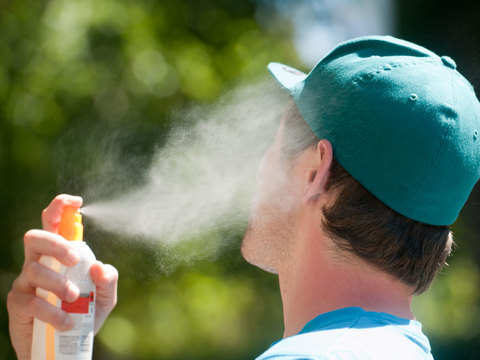
Spraying Alcohol All Over Your Body Can Kill Coronavirus


This is yet another common misinterpretation of information. The novel coronavirus primarily infects any person by entering through the nose or mouth. Spraying, alcohol, or disinfectant such as hand sanitizers will neither kill the viruses that have already entered your body nor cure the disease. It is only that frequent washing of hands with these alcohol-based sanitizers, hand rubs, or soaps can prevent the germs from entering your nose, eyes, or mouth through infected hands.
In fact, spraying such substances can be even harmful to one’s health. 

Alcohol Consumption Cures COVID-19 Infection


The WHO clearly mentioned that although alcohol can disinfect the skin but it does not show any such effect inside the body. There isn’t any such established evidence which can claim that drinking alcohol can cure COVID-19. 

Moreover excessive or regular consumption of alcohol has the potential to increase the risk of health problems. Drinking alcohol is dangerous and can weaken your immune system thus reducing the ability to cope with infectious diseases. Ingestion of alcohol and because alcohol is associated with several other diseases, it may make people more vulnerable to COVID-19.

5G Helps In Spreading Coronavirus


Among all the myths this seems to be the most stupid one to believe at. With the technological advancements, some regions are rolling out 5G mobile technology which has raised a dispute among a few communities. Some people tend to believe that the 5G technology helps viruses to spread and communicate.  However, experts completely condemn this theory as it is entirely baseless.

The World Health Organisation (WHO) states that the claim that viruses such as the novel coronavirus can travel on mobile networks or radio waves is entirely false. Moreover, It has been found that the virus is spreading across countries that do not have the 5G technology or have very little 5G coverage such as Iran.

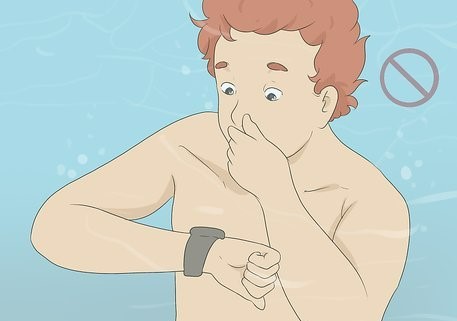
Being Able To Hold Your Breath For 20 Seconds Means You Don’t Have Coronavirus


There’s no way for you to tell whether or not you have the virus, at least without going through official medical testing. A post circulating around social media suggests that anyone who can hold a deep breath for more than 20 seconds without chest pain or tightness likely did not have coronavirus.

But the truth is that it’s possible to be infected and not show any symptoms at all. A person who looks and feels healthy, and can hold their breath without a problem could have the virus. The most common symptoms of COVID-19 are dry cough, tiredness, and fever. The best and only way to confirm if you have the virus-producing COVID-19 disease is with a laboratory test. You cannot confirm it with this kind of breathing exercise, which can even be dangerous and may lead you into trouble. 

Everyone With COVID-19 Dies


Again this is another false claim. COVID-19 is fatal for a small percentage of people who develop the illness.
The WHO has reported that around 80% of people with COVID-19 experience a relative form of the illness and do not need special treatment in a hospital. Some of the commonly reported mild symptoms include a sore throat, cough, tiredness, fever, and sometimes shortness of breath. Most treated persons have recovered and have eliminated COVID-19 from their bodies.

Also, many people with the underlying infection experience very little or no symptoms at all.
Hence, It will be completely inappropriate to conclude that everyone with this disease dies or is seriously affected.

However, you must seek medical attention as soon as you realize you have COVID-19 symptoms. Immediately call your local health facility and seek medical care at your earliest, if necessary.

India’s stand on population control

11 July is observed as world population day every year. It’s main focus is on the various problems arising due to surging population. Growing population is a major concern for developing countries and india is also having the same concerns. With population around 1.39 billion approximately India is inching towards overtaking china as most populous country.

China had adopted one child policy to control it’s growing population but due to demographical reasons it ended this policy in 2015. Aging population was the reason presented,but decline in fertility rate was another reason. China’s communist government is very strict in implementing it’s policies and citizens also abide by the rules.

India’s five year plans gave emphasis to population control. Ministry of health and family welfare covers the population control policy. Main strategy is to persuade people to accept the small family norm by way of various advertisment and educational efforts.

In 2019, ‘Population Control Bill’ was introduced into Rajya sabha and was signed by 125 MP’s. This bill was about imposing penalties for couples not adhering to the two-child policy.

Later, in 2020 ‘Constitution Amendment Bill’ was introduced into Lok sabha. It’s main objective was to amend the Article 47A of the Constitution of India. This amendment was to introduce a two-child policy per couple and provide incentives like tax, educational benefits etc.

Two-child policy in Indian states

States of Assam and Uttar Pradesh have initiated to bring in two-child policies, this will limit government benefits to people with only two children. people with more than two children are barred from contesting elections in Gujarat, Rajasthan,Maharashtra, Uttarakhand, Odisha, Telangana and Andhra Pradesh.

Few more States are eyeing to bring these type of policies in upcoming future for betterment of the citizens. Government and few NGO’s are working towards educating people about these policies. Task ahead is tough,but not impossible.

MEANING OF FIRST AID

Safety First: Three Tips for Packing the Perfect First Aid Kit

Every individua ‘s life and work are closely related to his environment . Man has progressed in various fields of life such as industrialisation , mechanisation, transport and science, etc. Therefore, this age is called an electronic age or space age. But on the other hand, this development has created such conditions that a person may get injured anywhere and at anytime.

In spite of good measures aimed at industrial safety and the development of safety devices and techniques, the number of accidents is still high in industries and specially in day to day life. Indeed, there is no definite time of such injuries. These can happen to anyone, anywhere and at anytime. Injuries usually occur in industries and on the farm, during the repair, maintenance and operation of vehicles of various kinds, during games and sports and in various situations everyday. These often happen by accident, so it is impossible to anticipate the time and place of an accident. Someone may get fractured, another may be bitten by snake. So, it can be said that every individual is trapped in one way or the other by accidents. In fact, it is very difficult ton get medical aid to victims at the sport of the accident. At that moment, some immediate possible aid is required to the victim. So, first aid is the first help which is given to the wounded or accidental victims before the arrival of the doctor.

In other words, ” It is an immediate and temporary care given to a victim of an accident or sudden illness before the services of a physician is obtained.

In can also be said that first aid is that aid is that aid which is provided to the injured in case of an accident, injury or sudden illness. It enables the trained persons to render the help to preserve life, promote recovery of the injury until the arrival of the doctor.

In fact, the area of field of sports and games is such a field, where getting injured is very common. Any player can be injured at least once during his/her sports career. The facilities of a qualified doctor are available in national or international level competitions but usually such facilities or services of a doctor are not available during practice, training or competitions of normal levels. The teacher of health and physical education should also have enough knowledge of first aid so that he may provide first aid to the players at the time of training and competitions.