ONLINE CLASS IS A MENTAL EXHAUSTION FOR STUDENTS

Education is taught in a classroom environment in schools all over the world. Students are conditioned from ages to this traditional form of teaching. With the onset of the Covid-19 pandemic throughout the world, the entire scenario has been changed. Although the decision of online classes was shocking to everyone, students were a bit happy as they don’t want to go to their schools and on the other hand, they were sad, as they will miss their friends. With the emergence of online classes, parents were forced to get mobile phones or other gadgets for their children even if they didn’t wish that from their hearts. Children went on cloud nine as they were given a separate pc or mobile in which they could play, chat, enter social media, etc. Nobody knows what they do with their smartphones. Even if the parent questions the children, they had a witty answer that they are listening to classes or doing their assignments. No matter how strict their parents are or how hard they try to spy, the children started breaking all these by using the term ‘privacy’. Let us see how this situation affects a child’s mental and physical state.

MENTAL HEALTH

As we know, students are more likely to get distracted even by small things. In that state, they have to sit inside their homes and listen to the monotonous classes online. The classroom environment can never be brought to home as they have to share space with the family members. In this case, they tend to lose concentration very often as everyone in the house is engaged with some tasks. This brings no difference however hard they try to focus rather makes the student stressed out. 

Kids start their social life only from school. They start to mingle with others only from that time. This important phase of life is missed out by them and they grow in a reserved manner. It becomes difficult for them to gel with society and others as they were homebound all these days. Again, this brings in mental stress for the introverts. However, Extroverts will cope with the situation better than introverts. 

Studies from experts also reveal that kids are prone to develop anxiety and depression from being confined in a single place. They come across many things that are irrelevant to their age in social media and begin to watch unnecessary bad things out of curiosity. This stimulates the child’s mental state to do the wrong. Moreover, they increased the video games playtime and got addicted to games such as PUBG and free fire which also affects the mental stability directly. 

PHYSICAL HEALTH

Apart from affecting mental well-being, online classes also affect physical health. Using mobile phones and PCs for a long time affects the eyesight and give rise to headache as well as fatigue. The rays from the gadgets cause eye pain and irritation. Children use the mobiles even after class time as they cannot go out and play with others. They use this technology as time pass. As a result, they lack physical activities like outdoor games. If they go to school, they had a separate hour for playtime during which they run and play on the ground. Also, when they return home from school, they enjoy playing games and cycling with their friends in the surroundings. This increases stamina and makes the physical body strong.  

Learning is not only about gaining knowledge but also about physical, mental, social, and emotional well-being. So, the emergence of online classes has created unwanted stress and irritation in budding lives. All these are not realized by the children as they lack enough maturity. Escaping from exams and other troublesome things, students continue to prefer online classes to get some lame advantages without knowing that they cannot escape from life exams. This would be realized one day or the other by everyone and that day they would regret the ‘lifeless life’ they led without spending time in the outside world.
Why Do Our Brains Require Sleep?

We spend around one-third of our lifetimes sleeping. Sleeping is as crucial to our bodies as having to eat, drink, and breath, and it is critical for sustaining excellent mental and physiological wellness Sleep allows us to recuperate from both mental and physical effort.

Sleep and health are inextricably linked; sleep deprivation increases the likelihood of poor health, and poor health makes it more difficult to sleep. Sleep problems are also one of the earliest symptoms of a health issue. Anxiety and depression, for example, are common mental health issues that are frequently underlying sleep disorders.

Anxiety might lead your mind to rush, making it difficult to sleep. Oversleeping can result from depression, which might cause you to sleep late or sleep a lot throughout the day. If you have disturbing thoughts, it might also induce sleeplessness. Nightmares and night terrors can be caused by post-traumatic stress disorder (PTSD).

These may cause you to wake up and/or make you apprehensive about going asleep. Mania might cause you to feel exhilarated or energised, and you may not feel exhausted or desire to sleep. You may also experience obsessive thoughts that make it difficult to sleep. Medication might cause adverse effects such as sleeplessness, nightmares, and excessive sleep. Sleep issues might also occur after you stop taking your medicine.

We can all gain from bettering our sleeping habits. For most of us, it may simply be a matter of adopting little lifestyle or mindset changes to aid us sleep better. Insomnia (loss of sleep or poor quality sleep) or other sleep issues affect up to one-third of the population.These can have an impact on our mood, energy, and concentration levels, as well as our capacity to stay awake and perform at work during the day.

What factors might contribute to sleep issues?

There are several factors that might influence our sleep. They are as follows:

  • tension or anxiety
  • a change in the sound levels or temperature of your bedroom 
  • a changed schedule, for instance, due to jet lag
  • excessive drinking of  coffee or alcohol
  • consecutive shifts
  • medical or psychiatric issues
  • adverse effects of medications

How to get better sleep?

Often, simple practises might help you sleep better. If they don’t help, talk to your doctor about additional options, especially because sleep disorders might be an indicator of other health concerns.

There are four basic things to think about if you want to recover from a spell of bad sleep:

Health

We know that bad health has an impact on sleep and vice versa. Sleep issues are frequently associated with mental health issues such as sadness and anxiety. It is critical to treat any health problems, for both physical symptoms as well as for any anxieties that may keep you up.

Environment

It is vital to sleep in a comfortable environment, and the bedroom and bed should be the primary areas you connect with sleep. Viewing TV shows playing on your smartphones or other devices, and snacking in bed, especially, all can have an impact on the nature of our sleep. Temperature, excessive noise, and lighting all have an impact on our sleep.

Attitude

It is easy to fall asleep when we can relax and let go of our worries. We’ve all experienced nights wherein we stayed awake and worried. We should attempt to unwind, be less stressed, and calm before going to bed. This might be more difficult than ever these days, but breathing exercises, a hot bath, or meditation can help.

Lifestyle

What you consume might have an impact on your sleep. Caffeine and other stimulants can make it difficult to sleep, and a large or heavy meal close to night can make sleep unpleasant. While alcohol may appear to help you fall asleep, it really lowers the quality of your sleep later on. Exercising during the day is also beneficial to sleep, but because it generates adrenaline, exercising in the evening, however, may be less beneficial.

Psychological Disorders Part 5

Introduction

In Psychological Disorders Part 4, Eating Disorders were discussed. It is very important to consult a psychologist if you are facing any of the eating disorders as they can be life-threatening. This article will discuss Sleep Disorders.

Sleep Disorders

These disorders involve interruptions in the sleeping pattern which leads to distress and affects the daytime functioning of the person.

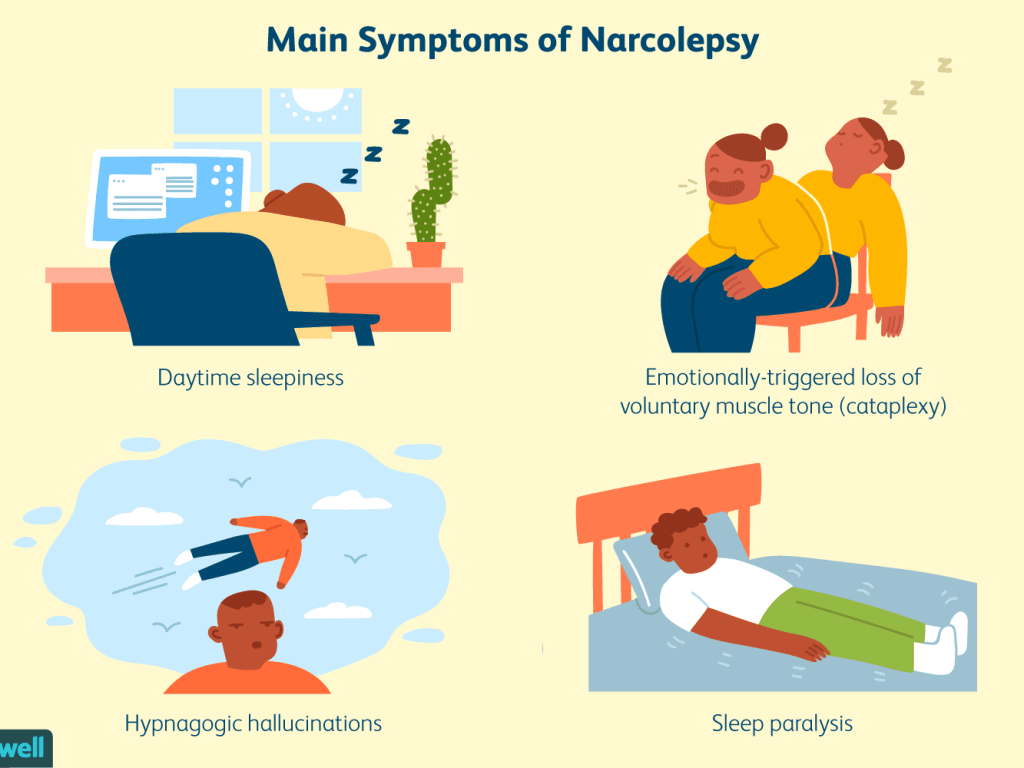
Narcolepsy is a chronic sleep disorder in which the person has overwhelming daytime drowsiness and sudden attacks of sleep. People with this disorder find it difficult to stay awake for long periods and this can cause excessive disruptions in their daily routine. There are two types of narcolepsies, one that is accompanied by a sudden loss of muscle tone, called cataplexy, this is type 1 narcolepsy and type 2 is without cataplexy. The symptoms for this are excessive daytime sleepiness, decreased alertness, sudden loss of muscle tone which can cause slurred speech, sleep paralysis, changes in REM sleep, and hallucinations. This is a chronic disorder so there is no cure for it but it can be managed with medication and some changes in the lifestyle. The cause for this is unknown but it is observed that in type 1, people have low levels of the chemical hypocretin which is important for the regulation of wakefulness and REM sleep.

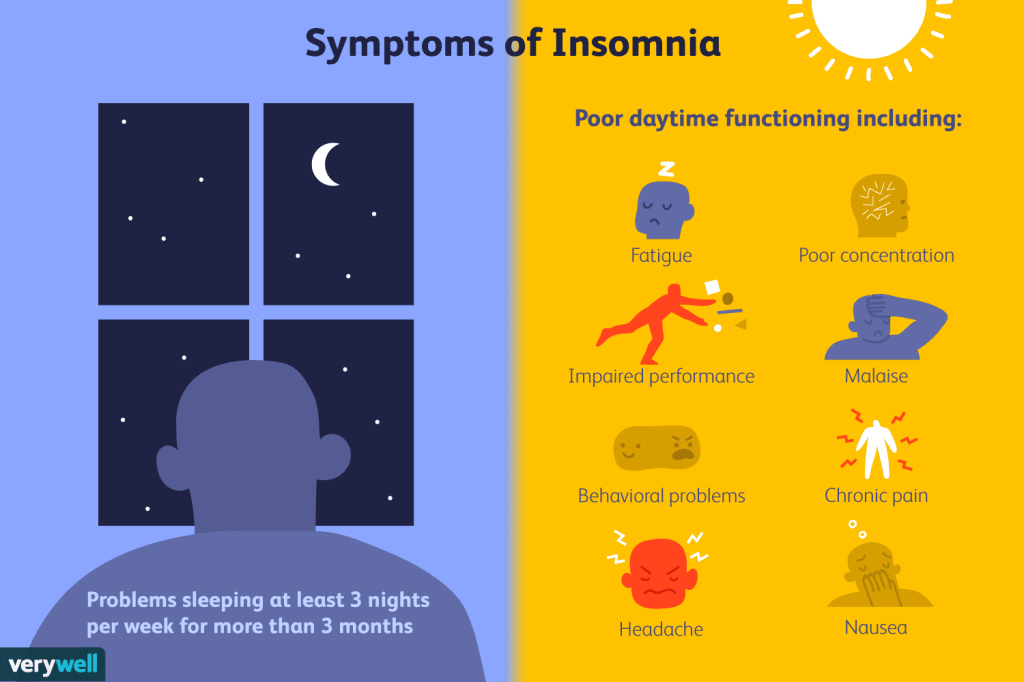
Insomnia Disorder is a disorder in which a person has trouble falling or staying asleep, it can be acute or chronic. There are two types of insomnia, primary and secondary. In the case of primary insomnia, the sleep problems are not related to any other health problem, whereas, in the case of secondary insomnia, the trouble in sleeping is because of another health condition. The causes for primary insomnia can be stress, noise, light, temperature, jet lag. Symptoms of insomnia are sleepiness during the day, grumpiness, problems with concentration and memory, and fatigue. You are more likely at risk of insomnia if you are a woman because of the hormonal shifts.

Hypersomnolence is when a person suffers from excessive sleepiness despite having slept enough. Symptoms for this are falling asleep several times during the day, taking naps to deal with the sleepiness but still not waking up refreshed, sleeping more than 9 hours but still not feeling rested, feeling confused when waking up, having difficulty waking up. This can cause problems at work, school, or other daily routines.

Sleep Apnea is a serious sleep disorder in which breathing continuously stops and starts. There are three main types of sleep apnea; firstly, Obstructive sleep apnea is when the throat muscles relax; secondly, Central sleep apnea is when the brain fails to send proper signals to the muscles which are responsible for controlling breathing; lastly, Complex sleep apnea syndrome is when someone is suffering from the combination of the first and second type of sleep apnea. Symptoms are gasping for air during sleep, loud snoring, episodes in which you stop breathing, morning headache, awakening with dry mouth, hypersomnia, difficulty staying asleep, irritability, and difficulty paying attention while awake.

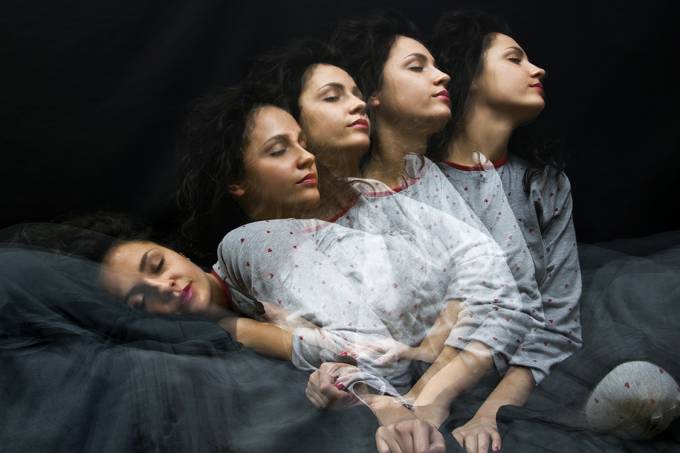
Parasomnia involves unusual and undesirable physical which disrupt sleep. It includes abnormal movements, talk, or other unusual things during sleep. There are two types of parasomnias, Non-REM and REM, this distinction is based on the stage of sleep in which they happen. Parasomnias during Non-REM include sleep terrors, sleepwalking, and sleep-related eating disorders. Parasomnias during REM include nightmare disorder, recurrent isolated sleep paralysis, and REM sleep behaviour disorder. Symptoms are waking up confused or disoriented, being tired during the day, difficulty sleeping through the night, and finding cuts and bruises which you do not remember.

Restless Legs Syndrome causes an uncontrollable urge to move your legs because of an uncomfortable sensation. Symptoms are sensations that begin after rest, relief with movement, worsening of symptoms in the evening, and nighttime twitching.

Conclusion

These sleep disorders are very serious. As we know sleep is very important for our health, it is important to sleep properly for the health of your body and if you think you have any of these sleep disorders, please consult a psychologist who can help you regulate your sleep.

References

Note: this is just Part 5 of the Psychological Disorders series.

Psychological Disorders Part 4

Introduction

In Psychological Disorders Part 3, Dissociative and Somatic Symptom Disorders were discussed. These are the fewer known disorders yet very interesting to know about. (Trigger Warning: this article talks about eating disorders)

Eating Disorders

These disorders arise because of obsessive concern over weight which results in a disruptive eating pattern that then affects the person’s physical and mental health.

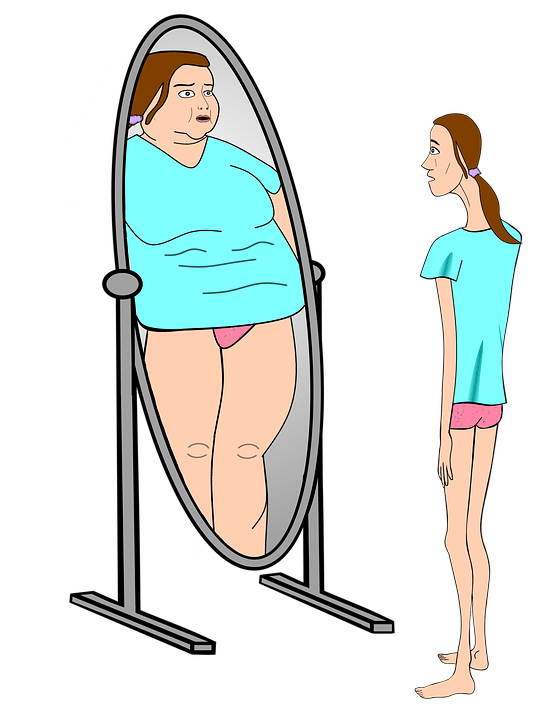
Anorexia Nervosa is also commonly known as anorexia which is an eating disorder wherein the person has an abnormally low body weight accompanied by an intense fear of gaining weight and a distorted perception of their weight. People with this disorder tend to take extreme measures to control their weight such as restricting their food consumption. The distorted image of the body can be a result of depression, anxiety, or emotional trauma. The physical symptoms are severe weight loss, dehydration, insomnia, weakness, dizziness, constipation, breaking hair, dry skin, bluish tinge to fingers, absence of menstruation, irregular heartbeat, and inability to tolerate cold. Some behavioural symptoms are eating only low-calorie food, trying to hide their body with baggy and loose clothes, skipping meals, avoiding situations where they have to eat, avoiding situations where they might have to show their body, and extreme exercising. Some emotional symptoms are poor self-esteem, agitation, depression, social isolation, and anxiety.

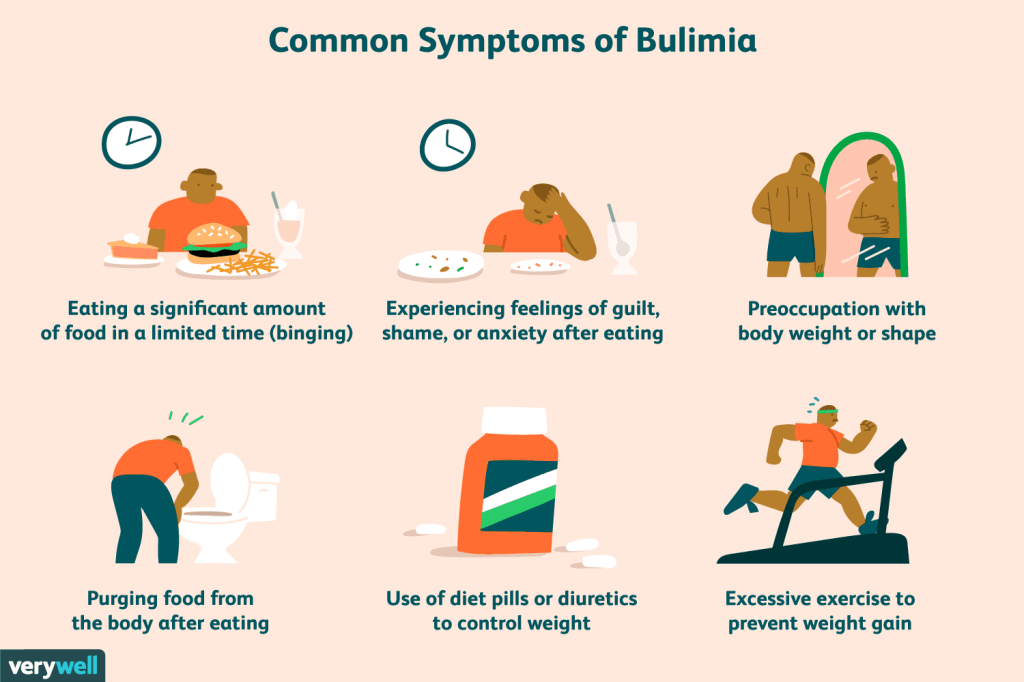
Bulimia Nervosa is also commonly known as bulimia is a serious and life-threatening eating disorder. People with this disorder secretly binge eat large amounts of food without any control over how much they are eating, then they panic and purge to get rid of those extra calories. There are two types of bulimia, purging and non-purging bulimia. To get rid of these extra calories, they use different methods such as self-induced vomiting, misuse of laxatives, weight-loss supplements, people with purging bulimia use these methods whereas people with non-purging bulimia follow strict dieting or excessive exercise. The physical symptoms can be life-threatening, some of these symptoms are weight fluctuation of 2 to 10 kgs in a week, bloodshot eyes which means eyes with busted blood vessels, chapped lips because of dehydration, scars on the knuckles from inducing vomiting, swollen lymph nodes, and mouth sensitivity because of receding gums and eroding tooth enamel. Some behavioural symptoms are consistent worry about weight and appearance, going to the bathroom right after eating, eating till it is uncomfortable, excessive exercising, not eating in front of others and restricting calories. The emotional symptoms of bulimia are the same as for anorexia.

The DSM-5 has moved the eating disorder of infants and children to the same category. Rumination Disorder is also known as rumination syndrome and it usually occurs in babies and people with developmental disabilities. Children and adults who have high levels of stress have a greater risk of having this disorder. This is a feeding and eating disorder in which the undigested food comes back up from the person’s stomach to their mouth. The symptoms for this are regurgitating on a regular basis, dental problems, chapped lips, weight loss, and digestive problems.

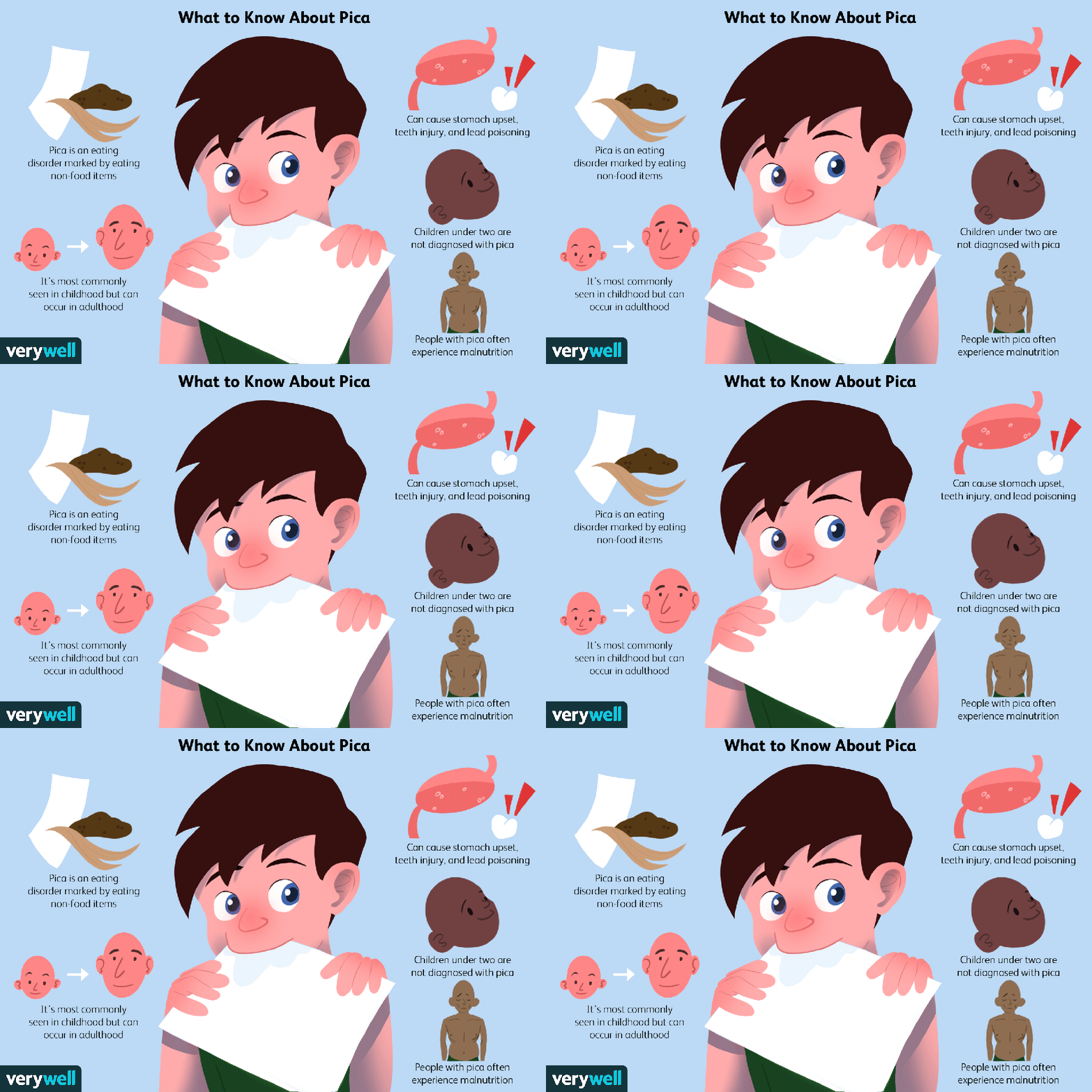
Pica is an eating disorder in which people eat non-food items like clay, dirt, and flaking paint. This disorder is more common in children but can also occur in adults with intellectual and developmental disabilities. The symptoms for this are upset stomach, bowel problems like constipation or diarrhea, stomach pain, and blood in the stool. If the consumption of non-food items continues, symptoms like lead poisoning, injuries to teeth, infections, and intestinal blockage can occur.

Binge-Eating Disorder (BED) is a feeding and eating disorder in which people eat a large amount of food in a short amount of time even if they might not be hungry. This can be triggered by emotional stress. The person may feel a sense of relief during the binge but will feel shame afterward. The symptoms are eating to a point that is uncomfortably full, eating more rapidly than normal, feeling of disgust with oneself, eating large amounts without feeling hungry, and eating alone because of feeling embarrassed.

Conclusion

It is difficult to figure out what causes these eating disorders but medical experts believe it is a combination of biological, psychological, and environmental factors. Genetics plays a role, if you have a family member who suffers from one, you are more likely to be diagnosed with the same. Emotional well-being plays a huge role, people who have experienced trauma or other mental health conditions are more likely to develop one. And finally, societal pressure plays another big role, the western ideal of body image has equated thinness with success and so people try to achieve thinness. If you have any eating disorder, it is important to know it is not your fault and you need to consult a psychologist immediately to get better.

References

Note: this is just Part 4 of the Psychological Disorders series.

What to Do When You Need Someone to Talk To.

[Bhoomika Saini]

What to do when you need someone to talk to

No matter what you’re going through at the moment, connecting and communicating with others is the key to living well, especially if you’re struggling with an illness, depression, addiction, the loss of a loved one, or even just loneliness. For this reason, it’s important to know what to do and where to look when you need to talk.

Trying to stuff your feelings, grit your teeth, and go it alone, is never effective. In fact, your emotions and feelings are there whether you talk about them or not. They are not going to simply go away just because you ignore them.

But if you make the effort to talk to another person, you may be able to release some of the tension and negativity that you’re experiencing and feel better in the end.

Here’s a closer look at the benefits of talking to others and how to find people to talk to when you feel alone or isolated.

Benefits of Talking to Others

Finding someone to talk to not only provides connection, comfort, and understanding, but also offers opportunities to talk about shared experiences as well as prevent loneliness and isolation.

Stress Relief and Friendship Building

Consequently, talking to another person relieves stress and helps build friendships and connections.

Talking things over with other people also aids in decision-making and allows you an avenue to process your thoughts and feelings. Talking also exposes you to new perspectives and ideas and helps with problem-solving. In fact, there are a number of powerful psychological benefits to talking.

According to research from UCLA, talking can diminish the response of your brain’s amygdala, which initiates the fight or flight response when you’re feeling intense emotions like fear, anxiety, or aggression.

As a result when you get stressed out or overwhelmed, this part of your brain takes control and can even override your more logical thought processes.

But researchers noted that by using “affect labeling,” or talking through your experiences and processing what happened, you can override the amygdala’s response and cope with your feelings in a more effective way.

Friendships May Add Years to Your Life

Additionally, research suggests that having strong social ties, or people you can talk to, is linked to a longer life. In contrast, social isolation and loneliness are linked to depression, poorer health outcomes, and a risk of premature death.

Additionally, having a variety of social relationships—or people you can talk to—may help reduce stress as well as heart-related risks. So, it’s important to find people you can share things with.

Too many times, though, people are reluctant to reach out to others to talk despite its many benefits. Either they allow fear and shame to keep them silent, or they simply don’t know how to reach out.

Other times they allow work or family obligations to get in the way of any type of real connection with others. And before long, they feel lonely and isolated and like they don’t have anyone to talk to.

Finding Someone to Talk To

If you’re like most people, you may assume that you have no one to talk to, especially if you live far from family, are single, or don’t have a best friend. But that couldn’t be further from the truth.

In fact, it may really be easier to find someone to talk to when you really need it, if you know where to look. Here are some ways you can find someone to talk to.

Make a List of Social Connections

When you start thinking about who you might be able to open up to, start by making a list of your social connections. Include people you know from a variety of situations like family members, friends, Facebook friends, and even co-workers.

Then, try to determine who on your list is not only emotionally intelligent but also emotionally skilled. Typically, people with these skills tend to be much easier to talk to because they are empathetic. Once you have a list of possibilities reach out to them and invite them for coffee or to go for a walk.

However, you need to recognize that you will have to go slow. You won’t be able to talk about your deepest feelings right from the start.

With time, though, you can build trust with one another and start sharing more and more intimate details about your life.

Of course this approach is not ideal if you’re in a crisis and need to talk to someone right away, but it is an important part of building a support system.

Join an Online Forum or Chat

During those times when you feel like you need to talk with someone right away, you might want to consider an online forum or chat with a group tailored to your needs.

Aside from providing you with people who get what you’re struggling with, you also have the option of sharing details anonymously.

Sometimes people really appreciate the immediacy of an online forum or chat. Plus, communicating online can help take away any apprehension or help people with social anxiety relax and share.

Participate in a Support Group

One way to build your support system is to join a support group. Whether it’s an online group or a group that meets in person, both options provide you with a network of people who can relate to what you’re experiencing.

There, you will be able to get the support and understanding that you need as well as offer support to others in similar situations.

Work With a Therapist

Whether you need to discuss a mental health issue, want help managing your stress, or just need to find ways to be more mentally healthy, a good therapist can help you make sense of your feelings and emotions.

Therapists can help you develop healthier coping mechanisms and may even be able to provide input on how to build a support network.

If you don’t have insurance or if your insurance doesn’t cover mental health issues, some counselors and therapists work on a sliding fee scale.

You also may want to check out online therapy providers as well. In addition to being more conducive to busy schedules, sometimes these options are more affordable too.

Participate in a Group

A great way to make connections and meet new people is to join a group. Once there, you will meet people with similar passions and desires and you are more likely to meet someone that you can build a lasting friendship with.

Plus, attending regular meetings and events with the group provides you with the opportunity to socialize and have a casual conversation.

Contact a Hotline

If you are in crisis, it’s important to get help right away. For this reason, never hesitate to call a hotline. Regardless of your need, there are crisis lines with trained advocates there to help you.

Many times, they will listen and chat with you for as long as you need. Whether you want help with a drug addiction, domestic violence, an eating disorder, or even thoughts of suicide, there are people available to talk almost any time of day.

Visit a Place of Worship

Churches, mosques, and synagogues are a great place to find someone to talk with. Often, religious leaders are more than happy to talk with people in crisis or in need. So, you may want to look to your local church or synagogue as a possible resource.

Even if you don’t have a religious affiliation right now, you may want to pursue different options and see if there is a place of worship that fits with your values and beliefs.

What Is Ikigai?

Ikigai (ee-key-guy) is a Japanese notion that combines the words iki, which means “alive” or “life,” and gai, which means “benefit” or “value.” When these phrases are combined, they indicate something which provides your life value, significance, or goal.

The notion of ikigai is claimed to have originated from traditional Japanese medicine’s core health and wellness concepts. According to this medical tradition, one’s physiological well-being is influenced by one’s mental wellbeing and perception of meaning in life

Explanations of ikigai are frequently associated with components of social identity, such as job and family life, but it is also explained as something more. It is the concept of finding meaning in all you are doing in life. Interests, relationships, public service and traveling all contribute to your ikigai.

Ikigai is frequently connected with a Venn diagram depicting the points where the following elements overlap:

  • What you love
  • What you are good at
  • What the world needs
  • What you can be paid for

THE DIFFERENT SPHERES OF IKIGAI

WHAT YOU LOVE

This sphere contains everything we do or encounter in life that offers us the most joy and helps us feel the most lively and satisfied. What matters is that we give ourselves permission to think very carefully as to what we enjoy, without regard for whether we are excellent at it, whether the world needs it, or if we can be paid to do it.

WHAT ARE YOU GOOD AT

This sphere contains whatever you are exceptionally great at, such as abilities you’ve learned, interests you’ve pursued, talents you’ve demonstrated since a young age, and so on. It’s possible that you’re excellent at something. This category includes skills or capabilities, regardless of if you are passionate about them, if the world needs them, or if you can be compensated for them.

WHAT THE WORLD NEEDS

The “world” here could refer to mankind overall, a local group with whom you are in contact, or somewhere in between. Whatever the world requires may be established based on your perceptions or the requirements voiced by others. Outside one’s own needs, this area of ikigai links most directly with other people and doing good for others.

WHAT YOU CAN BE PAID FOR

This domain of the diagram also alludes to the world or society as a whole, because it involves what somebody else is prepared to pay you for. Whether you can get compensated for your interests or skills is determined by circumstances such as the condition of the economy, the demand for your passions/talents, and so on.

A “balance point” in this ikigai diagram would thus include something that you are passionate about, are also skilled at, that perhaps the world really needs currently, and for which you will get paid.

IN PURSUIT OF A PURPOSE

Everybody, according to the Japanese culture, possesses ikigai. It denotes the worth that one discovers in their life or the things which make one feel as though their life is worthwhile. It pertains to both mental and spiritual situations that give one the impression that their existence has meaning.

What particularly appeals to me about ikigai is its interchangeability. It is unique to each individual and recognises that the concept of “happy” is really rather complex. Ikigai, as an idea, can grow alongside you. If one route of purpose is no longer available, you may adapt, shift, and follow other pursuits with purpose. This is accommodated by Ikigai.

Even though the present really doesn’t seem right, if you do not feel genuinely valued in your current condition but have a great desire to strive towards, you will have discovered your ikigai.

We frequently measure ourselves to everyone else, and when people around us appear to be doing better than us, we might feel like losers We soon overlook what we’re aiming for and we reject our current journey. This is where I believe ikigai may truly help. When we follow the concepts of ikigai, we are brought back to ourselves, towards our own purposes, and to the road we are taking to get there. Ikigai is just as much about adjustments, difficulties, and blunders as it is about achieving the “ideal” goal of a contented existence.

The concept in itself is not innovative or revolutionary, but it’s worth remembering.

Anger management

Anger is a human emotion. But when its get out of control, it leads to destruction in your relationship, workplace, and etc. It is a unpredictable and powerful emotion, which makes you regret after some time. In this blog, we are going to counter the following topics – What is anger? Types of anger, what is anger management? Anger management techniques, disadvantages of Anger.

Image by Małgorzata Tomczak from Pixabay

What is Anger?

Anger is an intense emotion you feel when something has gone wrong or someone has wronged you. Anger is also a emotion like others. Everyone at some other the point will become angry. When you get angry, your heart beat and blood pressure go up. It can be caused by both internal and external events. You can get angry on a person, an event, or a problem. Also your adrenaline, and noradrenalin levels go up. Anger can have many physical and mental consequences. The external expression of anger can be found in facial expression, body language, and etc.

Types of Anger

  • Passive aggressive It is the indirect way to express negative feeling towards a person.
  • Behavioral it is a type of anger that is expressed physically. It is usually aggressive.
  • Overwhelmed It is a uncontrollable type of anger, it usually causes when a situation is beyond our control. This type of anger results in hopeless situation.

What is Anger management?

Anger management is the way to manage and control your anger. The goal of anger management is to control your emotional feelings that cause anger. It helps you to control your reactions.

Anger management techniques

  1. Think before you speak – it’s easy to say something, But it often regrets, we cannot take our words back. Take few seconds and think and speak. Do not react so fast.
  2. Once you calm, explain the reason for your anger Once you calm down, explain the person the reason behind your anger. Make them understand. This is the best way to control your anger.
  3. Relax Sometimes anger and frustration is caused by problems in our lives, surrounding, etc. Close your eyes and take a deep breathe, think solution for problem, causes for the problem, reasons for problem, and etc. This help you to get solution for your problem.
  4. Change your environment Sometimes changing your environment helps you to change your mood. Go to a place where you can get peace.
  5. Do some exercise physical exercises helps you to reduce your anger. If you feel anger, and just do some exercise like jogging, walking, etc.
  6. Spend time with your friends Spending time with your friends help you to feel better. Explain them the cause for your anger. Get support from them.

Disadvantages of Anger

  1. Outburst of Anger may result in heart attack Anger may effect on our cardiac health, it doubles the chance to get heart attack.
  2. It shortens your life span In a study, it was found that the person who angers often has short life span.
  3. It weakens our immune system You may not believe this but, it is true anger weakens our immune system. Anger imbalance our hormones, which weakens our immune system.

That’s all from my side. I hope you like it.

What is Bipolar Disorder?

Bipolar disorder, also known as manic depression, is a mental illness that causes extreme mood swings between emotional highs (mania or hypomania) and lows (depression). The word bipolar itself means two extremes. Hence, it is a mental health condition characterized by extreme shifts in moods and mental states. Depression causes feelings of sadness or hopelessness, and you lose interest or pleasure in most life activities. When your mood shifts to mania or hypomania, you may feel euphoric, full of energy or unusually irritable. These mood swings can affect sleep, energy, activity, judgment, behavior and the ability to think clearly. People with bipolar disorder may have trouble managing everyday life tasks at school or work, or maintaining healthy relationships. There is no known cure, but there are many treatment options available that can help to manage the symptoms. 

Causes

The exact cause of bipolar disorder is unknown, but several factors may be involved. For example, researchers believe that certain people with bipolar disorder have biological differences that cause chemical imbalances in the brain. There is also the factor of genetics, as bipolar disorder is more common in people who have a first-degree relative, such as a sibling or parent, with the condition.

Types

  • Bipolar I disorder: This involves manic episodes lasting 7 days or more, or severe mania that requires hospitalization. The person may also experience a major depressive episode that lasts 2 weeks or more. Thus, this type is characterized by extreme and severe highs and lows.
  • Bipolar II disorder: This features both mania and depression, but the mania is less severe than in bipolar I, and doctors call it hypomania. A person with bipolar II may experience a major depressive episode preceding or following a manic episode. Hence, here there are briefer, less extreme periods of elation with longer periods of depression.
  • Cyclothymic disorder: Also known as cyclothymia, this type includes symptoms of hypomania and depression that last for 2 years or more in adults or 1 year in children. These symptoms do not fit the criteria for wholly manic or depressive episodes.
  • Other types: People with these disorders experience symptoms that do not fall into the above categories. The symptoms may stem from drug or alcohol use or medical conditions, for example.

Symptoms

The three main symptoms of this illness are those mentioned earlier; mania, hypomania, and depression. These symptoms also vary depending on the type of bipolar disorder. The most serious type is Bipolar I, where a person experiences both mania and depression very deeply.

Mania is an emotional high that makes people feel excited, impulsive and euphoric. But these exceed ordinary feelings of joy, causing racing thoughts, rapid speech, sleeplessness, hypersexual feelings, and risky actions. Hypomania is generally associated with bipolar II disorder. It is similar to mania, but not as severe.

Depression causes things like low mood, dwindling interest in hobbies, changes in appetite, feeling worthless, sleeping too less/too little, and suicidal thoughts. Basically, life loses all colour for a person experiencing depression, and it is very hard for them to enjoy anything or feel any positive emotions.

Treatment

Though it cannot be cured, bipolar disorder can be controlled with treatment. Medication is the cornerstone of bipolar disorder treatment, and psychotherapy can help many patients learn about their illness and how to cope with it, preventing future mood episodes. Treatment aims to stabilize the person’s mood and reduce the severity of symptoms. The goal is to help the person function effectively in daily life.

Medications known as ‘mood stabilizers’, such as lithium, are the most commonly prescribed type of medications for bipolar disorder. These medications are believed to correct imbalances in brain signaling. Because bipolar disorder is a chronic illness in which mood episodes typically recur, ongoing preventive treatment is recommended. Bipolar disorder treatment is individualized, as individuals react differently and symptoms vary widely. It is important to get a correct diagnosis and find a suitable treatment as per the individual.

People suffering from bipolar disorder have their life split in two realities; elation and depression. For someone constantly bouncing between emotional states, it can be hard to find the balance which will help lead a healthy life. Hence, we should also support the people in our lives suffering from bipolar disorder and help them cope with such extreme and debilitating emotions.

The Impact of Music: Can It Help Your Health?

It’s difficult to discover anyone who doesn’t have a special bond to music. Even though you can’t hold a tune or play a musical instrument, you can certainly draw up a list of songs that bring back nice memories and lift your mood. Doctors have traditionally played their favourite tunes in the surgery room to reduce tension, and bringing music to patients has been related to better clinical outcome.

Music has the ability to evoke any feeling imaginable. It can lift us to unfathomable heights, soothe us in our sadness or loneliness, helps us in expressing our anger or irritation in a non-harmful way, gets our bodies going, and provides peace and serenity to our souls. Music has the ability to boost our health and well-being, which adds to its greatness.Music therapy has been more important in many aspects of recovery over the last few decades.

What precisely is music therapy?

Music therapy is a psychological approach that employs music’s inherently mood-lifting characteristics to assist people in improving their mental health and general health. It is a goal-oriented treatment which may include music creation, songwriting, singing, dancing, hearing music and analyzing music. Music therapy affects the body, mind, and soul. It  may divert the mind, slows down the rhythms of the body, and affect our mood, both of which can impact our actions.

This method of therapy may be beneficial for those suffering from anxiety and depression, as well as improving the quality of life for those suffering from physical ailments. Anybody can participate in music therapy; you wouldn’t need knowledge of music to benefit from it. 

Music therapy treatments are planned with the patient’s general wellbeing, communications skills, cognitive capabilities, psychological well-being, and hobbies in mind.

Types of Music Therapy

Music therapy is an evolving process in which patients participate in the creation of music, or a passive one in which patients hear to or respond to music. Certain therapists may employ a hybrid strategy that includes both active as well as passive musical engagement.

There are many recognized techniques in music therapy, such as:

Analytical music therapy: Analytical music therapy enables you to communicate your unconscious ideas through an improvised musical “conversation” such as singing or playing an instrument, which you may then ponder upon and analyse with your therapist.

Benenzon music therapy: This method integrates some psychoanalytic principles with the process of producing music. The quest for your “musical sound identification,” which defines the exterior sound that most closely fits your interior psychological condition, is part of Benenzon music therapy.

Cognitive behavioural music therapy (CBMT): It blends cognitive behavioural therapy (CBT) with music. Music is utilised in CBMT to encourage certain behaviours and alter others. This method is planned rather than improvised, and it may involve having to listen to music performing, singing, or playing a musical instrument.

Community music therapy: This style focuses on utilising music to support transformation on a group level. It is carried out in a group environment and necessitates a great degree of participation from each participant.

Vocal psychotherapy: In this approach, you engage with your thoughts and desires by using numerous vocal exercises, natural sounds, and breathing techniques. This exercise is intended to help you get in touch with yourself more deeply.

The Advantages of Music Therapy

Because music therapy can be extensively customised, it is appropriate for people of all ages—even very young toddlers can gain from it. It is also adaptable and beneficial to persons with varying degrees of musical expertise as well as varied mental or physical health issues.

Music therapy can stimulate brain areas that regulate memories, feelings, mobility, sensory relay, some autonomic activities, decision-making, and rewards. It can help children and young people with developmental and/or learning impairments enhance their motor skills and improve their communication.

Overall, music therapy has been shown to promote good emotions such as relaxation, happiness, emotional closeness, optimism, and confidence.

MENTAL HEALTH: THAT DRIVES YOUR WELL-BEING

“Health is a state of complete physical, mental and social well-being and not merely the absence of disease or infirmity.”

World Health Organization (WHO)

DEFINING MENTAL HEALTH

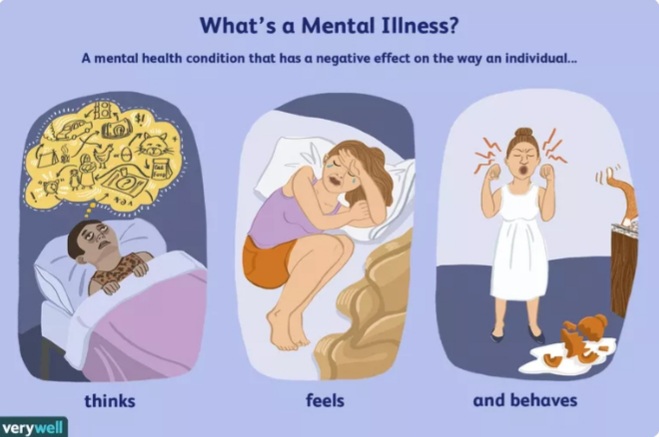
The World Health Organization (WHO) defines Mental Health as ” A state of well-being which an individual realizes his or her own abilities, can cope with the normal stresses of life, can work productively, and is able to make a contribution to his or her community.” Mental Health includes many aspects, like psychological, social, emotional well-being etc. and plays a vital role in determining how a person thinks, feels and acts. Mental health helps in determining the stress level of a person and thus can help in reducing it. It helps to relate people with others and make choices. It is important at every stage of life and affects the life in numerous ways.

If a person had mental health problems, then its thinking, mood, behavior, actions etc. will be affected to a great extent and can cause problem in society. Some of the factors that contribute to mental health are :

  1. Biological Factors: Genes or brain chemistry
  2. Life Experiences: Trauma or abuse
  3. Family history of mental health problems

UNDERSTANDING THE RELEVANCE OF MENTAL HEALTH

Mental health is an essential and vital component of health and mental health is similar to the condition, where there is no mental disorder or disabilities. A person with sound mental health is able to realize his or her duty and responsibilities and is capable to cope with the stresses of life which are normal and can work productively, With this the person can efficiently contribute to his or her community.

Mental Health is fundamental ability of an person to think, respond, interact with each other, earn a living and enjoy life. On this basis, we can say that, it is very necessary to preserve, conserve and protect a persona mental health because it can affect other individuals around them, the society, their community and the world itself.

FACTORS DETERMINING MENTAL HEALTH

Numerous factors affect a persons mental health and they can be social, biological and psychological. For example, violence and social pressures can mentally disturb a person.

Poor mental health can affect the way a person responds to others and to the society. It can lead to social change, stressed work conditions, gender discrimination, social exclusion, prejudice, unhealthy lifestyle etc. There are specific factors which can affect a persons mental health and can make people vulnerable to mental health problems and disorders.

PROMOTING MENTAL HEALTH

Different ways to promote mental health:

  1. Socio economic empowerment of women for increasing their access to education, schemes etc.
  2. Early Childhood interventions for providing proper infrastructures which will be child sensitive.
  3. Programs targeting vulnerable people of the society; like migrants, minorities etc.
  4. Mental health promotional educational centers and mental health interventions at work.
  5. Social support for elderly people.
  6. Poverty reduction and social protection to the vulnerable group.
  7. Promotion of rights, opportunities and care to everyone having mental disorders.
  8. Violence prevention and community development programs.

Mental Health

We human beings often tend to pay less attention to our mental health than our physical one, but we all should understand its heavy importance and admit the fact that they can be equally or even more dangerous than the physical issues so one should take immediate help of doctor or councilor in case some abnormalities or issues arises.

Importance of mental health :

Mental and physical health are equally important components of overall health. Mental illness, especially depression, increases the risk for many types of physical health problems, particularly long lasting conditions like stroke, type 2 diabetes and heart disease. Similarly, the presence of chronic conditions can increase the risk for mental illness.

Some mental illnesses :

Mental illnesses are among the most common health conditions in the united states.

* More than 50% will be diagnosed with a mental illness or disorder at some point in their lifetime.

* 1 in 5 children,either currently or at some point during their life, have had a seriously debilitating mental illness.

Causes of mental illness :

There is no single cause for mental illness. A number of factors can contribute to risk for mental illness, such as

* Early adverse life experiences such as trauma or a history of abuse.

* Experiences related to other ongoing medical condition, such as cancer or diabetes

* Biological factors, such as genes or chemical imbalances in the brain.

* use of alcohol or recreational drugs.

Types of mental illness :

People can experience different types of mental illnesses or disorder and they can often occur at the same time.Mental illness can occur over a short period of time or be episodic. This means that the mental illness comes and goes with discrete beginnings and ends. Mental illness can also ongoing or long term.

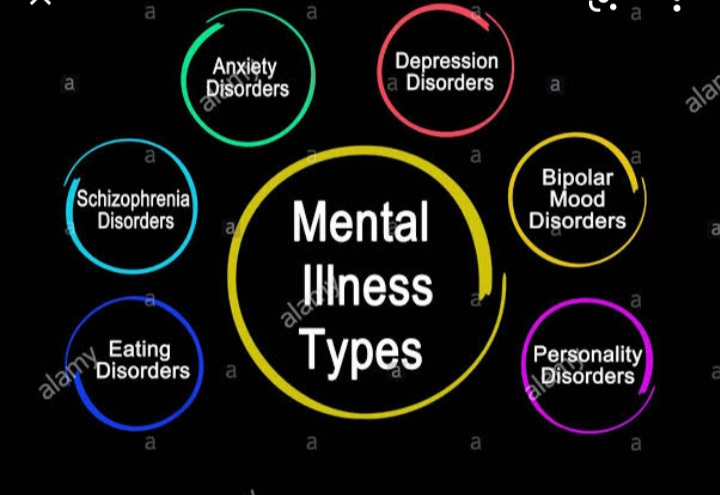
There are more than 200 classified types of mental illness. Some of the main types of mental illness and disorders are listed below; however; this list is not exhaustive.

Anxiety Disorders :

People with anxiety disorders respond to certain objects or situations with fear and dread or terror. Anxiety disorders include generalized anxiety disorder, social anxiety, panic disorders and phobias.

Hyperactivity Disorder :

It is one of the most common childhood mental disorders. It can continue through adolescence and adulthood. People diagnosed with ADHD may have trouble paying attention, controlling impulsive behaviors or be overly active.

Disruptive Behavioral Disorders :

It involves a pattern of disruptive behaviors in children that last for atleast 6 months can cause problems in school, at home and in social sitauations.Behavioral symptoms can also continue into adulthood.

Depression and other mood disorders :

While bad moods are common and usually pass in a short period, people suffering from mood disorders live with more constant and severe symptoms. People living with this mental illness find that their mood impacts both mental and psychological well- being, nearly evry day and often for much of the day.

Eating Disorders :

Eating disorders involve obsessive and sometimes distressing thoughts and behaviors including

* Reduction of food intake

* overeating

* Feelings of depression or distress

* concern about weight, body shape, poor self image

Personality Disorders :

People with personality disorders have extreme and inflexible personality traits that cause problems in work, school or social realtionships. Personality disorders include antisocial personality disorder and borederline personality disorder

Substance use Disorders :

Substance use disorders occur when frequent or repeated use of alochol and or drugs causes significant impairment, such as health problems, disability, and failure to meet major responsibilities at work, school, or home. Substance use problems can be fatal to the user or others. Exsmples include drunk driving fatalities and drug overdoses.

In this busy world our brain gets a lot stressed and its very important that we should take due care of it, some of the practices which will help us to do better with our mental health are:

  1. Yoga plays a great role in keeping our mind calm and also helps us to focus and concentrate on things. It also helps us deal with tough situations and gives us the strength to stay away from negativity.
  2. Exercising regularly is a key to healthy body and we all know that a healthy body and a healthy mind goes hand in hand, so we must ensure that we exercise daily to keep ourselves fit.
  3. The environment that we stay in also the company with which we spend time also plays a major role we should be extremely aware while selecting our company and in case we are not able to adjust we should walk away.
  4. Food is the fuel and is of immense importance we should ensure that we are not nutrient deficient also we should ensure that we intake enough amount of water daily.

How To Practice Mindfulness In Your Everyday Life

The word “mindfulness” is talked about a lot lately, but really what exactly does it necessarily imply? Its origins may be traced back to Buddhist and Hindu beliefs, and it arose from the concepts of enlightenment and nirvana. It is defined as the practise of mindfulness and health of the body, mind, and soul. It is wellness in the sense that it extends beyond eating well and exercising; mental wellbeing, inner peace, sexual health, and so forth.

Everything seems to be quicker, noisier, and ruder nowadays. Everyone around us appears anxious and distracted, their eyes locked to their phones. In this fast-paced world, adopting mindfulness techniques on a regular basis may appear to be a difficult job, but it isn’t as far-fetched as it may appear.

Merely checking in with yourself for 10 seconds may educate us to gain clarity of body and mind, increase productivity all through the day, and empower us to take some responsibility for our mental health. Life might be difficult, but there is never too much happening on to treating yourself as a buddy to keep in touch with during the day.

Here are some ways to practice mindfulness in your everyday life:

Self-care is crucial

Self-care is a means of caring for oneself in the most fundamental ways: allowing yourself to recharge and loving yourself as you would a loved one. Everybody’s experience with mindfulness and mental clarity will differ. It could be meditation, exercising, getting a massage, writing, tidying, or something else.

This idea can also change depending on whether you are an introvert or extrovert. Knowing yourself, your tastes and preferences, and from where you draw your energy is a good first step in treating yourself as a friend.

Spend time with people who are driven and goal-oriented

Whenever it comes to becoming more conscious of your own emotional magnitude, aligning yourself with individuals who value similar habits is a wonderful place to start. Whether that’s around friends, family, or coworkers, the individuals you spend your time with have a greater effect on your everyday routines than you think. Trying to make mental check-ins a goal begins with you, but it can be a tough goal to achieve on your own.

Living mindfully benefits people near you as well as your loved ones. People can gain from exposure to this attitude if you regard yourself with care. Your good energy will wear off on them, regardless of whether they like it or not, and supply them with the compassion, love, and understanding they need.

Improve your work-life balance

When attempting to enhance your job performance, it is natural to get overly focused on your work and ignore your personal life. It is important to understand that you can seldom do better on the job if the other side is in disarray. You will feel anxious, and it will be difficult to concentrate on your task. A healthy work-life balance reduces stress and contributes to the development of a well-rounded individual.

Remember to include your personal hobbies and interests. Maintain a social life so that you have someone to share your trip with. In addition, expand or start a pastime. Taking care of plants, for example, is a fantastic way of spending time off from work. Being surrounded by nature is beneficial because it soothes the mind and stimulates creativity.

At Least 10 Minutes Every Day, Take a breath, Relax, and Repeat

Setting an alarm, pausing whatever I’m working on, closing my eyes, taking calm breaths, and using this time to really think about three things I’m thankful for on that particular day has been useful beginner-level mindfulness practices that I’ve done (and liked) in the past. It helps me to check in with myself, promotes clarity of mind, and generates a pleasant environment.

Regardless of what your views are, prayer may be a powerful technique for centering yourself, reducing stress, and assisting you in relinquishing control over things you can’t influence. It is comparable to meditation in that it demands a similar state of mind.

How to foster mental health?

Mental health is often overlooked and underrated but it is just as prominent as our physical well being. More frequently people relate the term health to the physical body but mental and physical health are closely inter-related. Though we separate the terms as body and mind, one cannot be physically fit completely if he/she carries a poor mental health because it leaves a negative impact on the physical body. A good mental state paves the way for a healthy lifestyle and prevents several serious health conditions. A study found that positive mental well being can mitigate the risks of heart attacks and strokes. The mortality rate from cancer and heart disease is higher amidst people who suffer from depression or other mental health conditions. It is apparent that our body can give rise to many physical problems when we are mentally ill. Mental illness in simple terms can be the depression, anxiety, irregular eating habits and stress, that are faced by many in their day to day lives which lay the root causes for many complicated mental disorders. How to promote mental health for a thriving and vigorous life?

In the contemporary world everyone are rapidly running to acquire means for a wealthy lifestyle but in this process we have forgotten that health is our greatest wealth. In this modernized society we afford every thing by just a single click from the tip of our hands, perform more smart works rather than hard work, for this our mind should be clear and strong but on the other hand mental illness is an issue faced even by the little ones these days and so we have to frame some valuable time to engage in a mindfulness to lead a fruitful life. There so much factors that contributes to the stress and depression from time to time but mental health is very salient for the further going.

In the rushing lifestyle just make some time for your hobbies, do things that you relish and which makes you feel relaxed. As mental health can have a positive impact on the physical body similarly take good care yourself physically to improve the mental health. Intake nutritious food, have a regular and adequate sleep because lack of sleep contributes to a high rate of depression, stay hydrated. Exercise regularly which curtails stress & anxiety levels and enhances the mood. It will sharpen our memory and augments our thinking capacity. Benefits of yoga are well known and it could be a great stress reliever and improves the quality of life. It will help build confidence & self esteem, calm the mind and gradually helps to boost the immunity. When you feel that sometimes when life is getting over you just get a grip yourself with the succor of your family and friends, widen your horizons, seek out activities that can get you out of the mental trauma. Surround yourself with good people and positive thoughts which tends to leave a huge positive impact in your mind. If you have any intense mental issues do consult a psychiatrist without any hesitation and delay as prevention is better than cure. Things will be beautiful in its time and just wait for your time to arrive without becoming more stressed or intimidated about the future.

Healthy mind in a healthy body is the healthy style of living.

How To Stop The Habit Of Negative Thinking

The further we let ourselves think negatively then the more we will think negatively and it will become all the more difficult to stop that thought pattern. However, thinking positively all the time is not the answer to defeating negative thinking. It is plausible to have fewer negative thoughts and reinterpret those thoughts in a more rational way.

The way to control negative thinking so that it would not become a bad attitude about life is to understand that negative, cynical, or disparaging thoughts are common among most individuals. Being harsh on oneself isn’t the answer, and neither is finding a good response to every negative thought. If you’ve had a bad day, you can state that it was a tough day. If you have a disagreement with somebody, you could be correct in believing that they have been treating you unfairly. We don’t have to make negative ideas unacceptably common.

But, if you realise that perhaps the majority of your recent thinking has been pessimistic and it is proving to be increasingly difficult to remain cheerful or positive, it may be time to attempt to put your thoughts into balance. You surely wouldn’t want to sour every scenario by dwelling on the negative attributes. If we let negative thoughts overwhelm us, we may find it more difficult to relax, be nice to others, and be appreciative of our life experiences.

Here are some ideas to help you keep negative thoughts under control:

Allow negative thoughts to come and go

Let yourself think negatively. Resist from retorting that you must not think that way. Recognize the notion, and then just let it go. Your thoughts do not represent you or your situation. Many individuals consider their thoughts as balloons that drift away as quickly as they are formed. You don’t really have to give every thought equal value or allow it to determine every prospective circumstance.

Be actively involved in your expression of appreciation

Whatever type of day you’re experiencing, make some time to reflect on some things you’re grateful for. It could be as simple as the cup of coffee you’re sipping or the fact that it’s Friday. If you practise gratitude even when you’re not struggling, then you will be able to recall what it was you were appreciative for when things go tough.

Avoid thinking in terms of all or nothing

Extreme thinking inhibits us from dealing with each circumstance on its own terms. The constant use of terms like “never” and “always” makes it difficult for us to understand that things change with time and that we really do not wish to foresee the future. Rather, use terms like “frequently” or “sometimes.”

Keep your expectations in check

We frequently anticipate situations to go a certain way and sometimes they don’t. We are then dissatisfied, which is quite natural. Which is why we should avoid placing too many precise expectations on a particular type of result that we cannot foresee. We don’t know whether or not relationships will pan out the way in which we want them to. We can’t be sure whether a job will be a good fit for us or not. Everything might appear to be going smoothly before something unexpected happens. When we have preconceptions about just how things are going to turn out, we are much less equipped for surprises.

Letting ourselves experience all of our emotions without turning them away ensures that even if we are dissatisfied, we understand everything will turn out just fine. We can withstand a circumstance even though we are upset, unhappy, or dubious about it. Allow your ideas to linger and be deliberate in appreciating the good in your life. You’ll find that you can manage anything and that your negativity now seems to be under control.

We all have unpleasant thoughts from time to time. We’re having an awful day, and it seems like the entire universe is conspiring against us. We start believing that everything is more difficult for us, that life is unjust, or that other people do not even have our best interests at heart.

The further we let ourselves think negatively then the more we will think negatively and it will become all the more difficult to stop that thought pattern. However, thinking positively all the time is not the answer to defeating negative thinking. It is plausible to have fewer negative thoughts and reinterpret those thoughts in a more rational way.

The way to control negative thinking so that it would not become a bad attitude about life is to understand that negative, cynical, or disparaging thoughts are common among most individuals. Being harsh on oneself isn’t the answer, and neither is finding a good response to every negative thought. If you’ve had a bad day, you can state that it was a tough day. If you have a disagreement with somebody, you could be correct in believing that they have been treating you unfairly. We don’t have to make negative ideas unacceptably common.

But, if you realise that perhaps the majority of your recent thinking has been pessimistic and it is proving to be increasingly difficult to remain cheerful or positive, it may be time to attempt to put your thoughts into balance. You surely wouldn’t want to sour every scenario by dwelling on the negative attributes. If we let negative thoughts overwhelm us, we may find it more difficult to relax, be nice to others, and be appreciative of our life experiences.

Here are some ideas to help you keep negative thoughts under control:

Allow negative thoughts to come and go

Let yourself think negatively. Resist from retorting that you must not think that way. Recognize the notion, and then just let it go. Your thoughts do not represent you or your situation. Many individuals consider their thoughts as balloons that drift away as quickly as they are formed. You don’t really have to give every thought equal value or allow it to determine every prospective circumstance.

Be actively involved in your expression of appreciation

Whatever type of day you’re experiencing, make some time to reflect on some things you’re grateful for. It could be as simple as the cup of coffee you’re sipping or the fact that it’s Friday. If you practise gratitude even when you’re not struggling, then you will be able to recall what it was you were appreciative for when things go tough.

Avoid thinking in terms of all or nothing

Extreme thinking inhibits us from dealing with each circumstance on its own terms. The constant use of terms like “never” and “always” makes it difficult for us to understand that things change with time and that we really do not wish to foresee the future. Rather, use terms like “frequently” or “sometimes.”

Keep your expectations in check

We frequently anticipate situations to go a certain way and sometimes they don’t. We are then dissatisfied, which is quite natural. Which is why we should avoid placing too many precise expectations on a particular type of result that we cannot foresee. We don’t know whether or not relationships will pan out the way in which we want them to. We can’t be sure whether a job will be a good fit for us or not. Everything might appear to be going smoothly before something unexpected happens. When we have preconceptions about just how things are going to turn out, we are much less equipped for surprises.

Letting ourselves experience all of our emotions without turning them away ensures that even if we are dissatisfied, we understand everything will turn out just fine. We can withstand a circumstance even though we are upset, unhappy, or dubious about it. Allow your ideas to linger and be deliberate in appreciating the good in your life. You’ll find that you can manage anything and that your negativity now seems to be under control.

5 signs your mind is warning you about mental illness

What classifies as an abnormal behavior? How to differentiate between normal and abnormal thoughts/ actions and behavior? Who gets to decide them and their treatments?

It often feels like walking on eggshells when we discuss what is abnormal and what isn’t. In a societal context, the kind of behavior which is often seen, encouraged, and occurs frequently is called “Normal Behavior”. The sort of behavior and actions that are rare and deviates from social norms are regarded as “Abnormal Behavior”. But deviance from social norms cannot be always labeled as abnormal behavior since it is subjective to one community.

The situational context i.e., the social settings or circumstances which preceded or continued when the event occurred makes a significant difference in how thinking or behavior is labeled. For instance, let’s take phobias. A person comes to a therapist saying that they have severe anxiety and fear when they people’s hands or balloons or cheese. This would have been taken as something absurd since it was unheard of. But now, a therapist might discover that a traumatic event occurred when they were exposed to hands, balloons, or cheese which made them develop chirophobia, globophobia, and theophobia respectively.

The thinking or behavior which significantly disrupt one’s thought processes or course of actions, which affects themselves or/ and affects people around them can be termed as maladaptive or abnormal behavior. Maladaptive behavior or thinking also means that a person finds it hard to adapt to day-to-day living. It is the key element in the definition of abnormality.

Well, how do psychologists decide what is abnormal?

Rather than pinpointing what is abnormal, psychologists tend to focus on how effectively one deals with daily encounters with the world, the levels of distress it is causing an individual, and their reactions to them. To get a clear picture of what’s going on, individual and professional psychologists must take in all factors while determining whether one’s functioning and behavior are significantly affecting their lifestyle. (But remember that the main objective is to figure out what is causing them; be it biological or mental factors, to find out how to cure the mental obstacles or find an effective way to lessen their intensity. It isn’t you, rather it’s just a part of you. Abnormality and insanity are completely different)

Psychopathology – The study of behavior and psychological dysfunction.

Few symptoms:

Firstly, never self-diagnose! If you feel strongly regarding these signs, find a professional psychologist who feels right to you, share your thoughts and experiences and have a healthy discussion about what you researched and clear out doubts. Be open to every possibility and kudos for taking a step to care, help and love yourself.

  1. Getting easily annoyed and having a hard time handling frustrations and urges.
  2. After having dealt with a traumatic experience, has the thinking or behavior been unusual? It can range from subtle isolation to severe panic while dealing with a stranger or a familiar course of events (that previously led to the trauma).
  3. Does thinking or behavior go against the social norms? (P.s Norms change over time)
  4. An extreme change in moods and lifestyle.
  5. Certain news, course of events, or items (Triggers) that affect your ability to function or causes significant subjective discomfort?

What gives birth to mental illness?

Psychodynamic view: It includes Freud’s belief which emphasizes that unconscious psychological process (The wishes, urges, and fear which we suppress creates conflict outside of a person’s consciousness), childhood experiences, and environment before birth influences our thoughts and behaviors. To keep the repressed thoughts from resurfacing, disordered functioning aka defense mechanism develops as a way to keep them contained.

Cognitive perspective: It talks about how we think about a problem interfered by disordered thoughts which leads to mental disorders. One can overcome this by consciously using more rational cognitions. How we perceive, evaluate, and anticipate events tend to be negative and disruptive when interfered with mental blockages.

Biological view: This view beliefs that disorders are caused by organic or physical causes such as defective neurotransmitters, genetics, traumas to the brain, and basically neuroanatomy. For instance, personality traits are influenced by genetic inheritance, and in disorders like schizophrenia, dopamine levels are believed to play a part as well as differences in the brain anatomy.

Behaviorists believe that just like normal behavior we learn abnormal behavior influences largely by conditioning and observational learning. For example, children with parents who deal with substance abuse or an environment with violent circumstances give birth to various coping mechanisms which might be healthy or unhealthy.

Although, just like we can learn all kinds of behavior, we can unlearn them too.

How to find the right treatment(s) for you?

Well, Trial and error! Having a medical professional gives you a safe room to mistakes, share and learn from your experiences and find more therapies the right way. Psychotherapy and biomedical therapies are common courses of treatment.

Psychotherapy includes insight therapies; the main goal here is to help both mentally healthy and psychologically disordered persons try to understand their motives and actions, action therapy (more focused on changing behavior rather than insights), and more. The main goal is to resolve the issues from their roots, learning and unlearning behaviors and developing healthy habits.

Biomedical therapy includes the usage of medicine, surgical methods, and noninvasive stimulation techniques. Antipsychotics, antidepressants, anti-cycling agents, and hypnoanxiolytics are the main classes of psychiatric medications.

Note that, biomedical therapy is used to alleviate or eliminate symptoms of disorders. Sometimes, biomedical and psychotherapy go hand in hand. When it comes to treating psychological disorders, I believe that cure can have a variety of meanings. Many behavioral disorders cannot be cured but with proper treatment, one can live a productive and happy life which usually accounts for the cure of the disorder.

References:

 Psychology by Pearson | Fifth Edition | By Pearson. by K. Ciccarelli Saundra, White J. Noland, et al. | 15 October 2017.