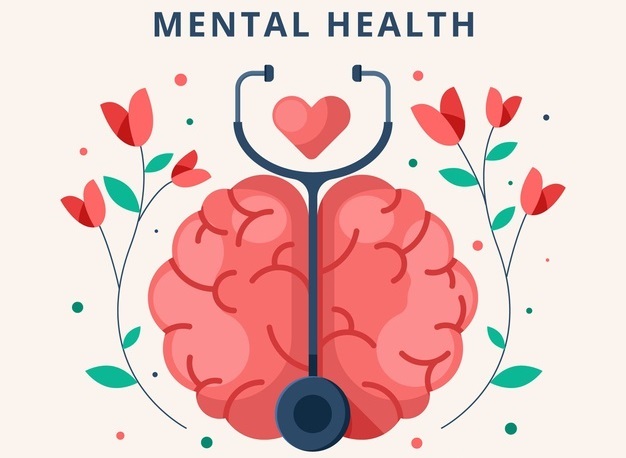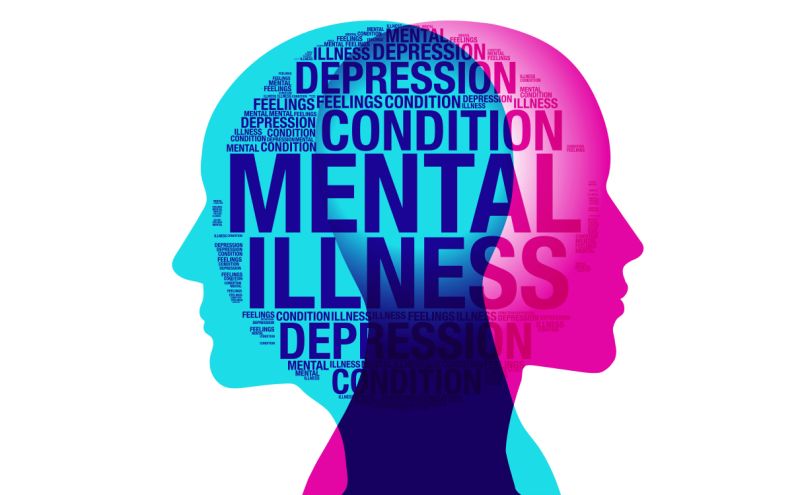
MENTAL HEALTH AWARENESS: ALL ABOUT INDIA

Mental health is a vital matter all around the world and our country India is also a bit close in sharing this. Evaluating the spread in the area of mental health, the momentum seems to be lagging. Dr. Brock Chisholm stated the “where there is no mental health there will be no true physical heath”- WHO first Director-general, even after 60 years, the scene seems to be stagnated considerably. Around 14% of the worldwide load of illness is ascribe to neuropsychiatric disorders. The weight of unbalanced mind is more probably to be underrated because of insufficient acknowledgement of the interrelation among mental illness and health disorders.

The campaigns on mental health awareness have given the optimistic results. Dearth of awareness about mental illness constitute trouble to mental health care delivery system. Awareness and health are opposite sides of same coins. Some of the few analyses have estimated mental health education in the Indian context. One study gave the result that mental health literacy among teenagers to be very less, i.e., depression was recognized by 29.0 percent. This data emphasizes on the need for the spread mental health in India.

MENTAL HEALTH AWARENESS: BLUEPRINT

As very large Indian population is indulged in mental health, the only progressive way is through uplifting the mental peace awareness which can build its own demand. With increasing in the alertness, it can be anticipated that advance understanding and approach to therapy can be done. It is predicted that dimensions of the awareness contributions can be passed from these following objectives.

  • Conventional media
  • Government programs
  • Educational system
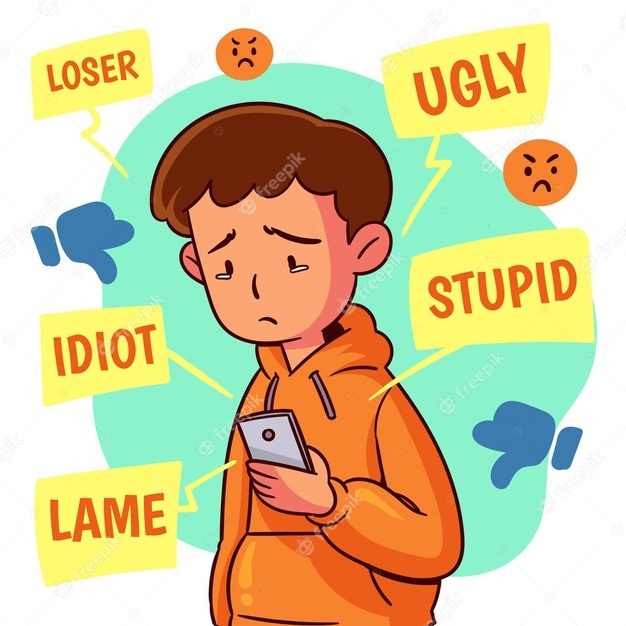
  • Internet, social media & phones
  1. The Conventional Media

Media has been the foundation of the earlier efforts in the area of mental health education. Indian celebrity like Deepika Padukone in recent shared the depression battle fought by her.

Short brief taglines of commercials and description which are rich in content and documentaries; are considered the pillars of media drives so far.

  • Government Programs

Despite some crumble about the measures, the Indian government continue to offer their time to resolve this problem in the mental health sector. Alone with this, the National Rural Health Mission is on its route for delivering mental peace as a chunk of consolidated foremost awareness at the knife-edge for the healthcare of the public.

  • Educational system

Most long term and weakening mental illnesses leave their impact before 24 years of age when most of the children are part of the educational system, the educational system gives multiple chances for uplifting the mental health awareness.

  • Internet, social media & phones

Hand used gadgets and the social media can really be a turning point in the generation of effective mental health and mental peace interference by focusing expansion, and not in spreading the facts and data. With help of big data and sympathise of subtle and distributed design above the big volumes shall brief the decision taking.

CONCLUSION

And the conclusion is that most of these strategies are to enhance and uplift oneself from the mental illness or depression. Its been six decades or more, that these ideas have not been succeeded in less developed countries, it is high time that new approaches are needed to be taken to fight and cope with the mental illness or depression.

Mental health a matter of concern.

Did you know that taking care of your mental is just as important to a long healthy life/taking care of your physical health?

Did you know Being in a good mental state can keep you healthy and help prevent serious health conditions?

A study found that positive psychological well-being can reduce the risks of heart attacks and strokes. On the other hand, poor mental health can lead to poor physical health or harmful behaviors. Chronic diseases.

What is mental health?

People sometimes use the term “mental health” to mean the absence of a mental disorder.

Mental refers to your overall psychological well-being. It can include the way you feel about yourself, the quality of your relationships and your ability to manage your feelings and deal with difficulties.

Some common mental health disorders.

  • anxiety disorders
  • mood disorders
  • schizophrenia disorder

Anxiety disorder.

Anxiety disorders are the most common type of mental illness.

People with these conditions have severe fear or anxiety, which relates to certain objects or situations. Most people with an anxiety disorder will try to avoid exposure to whatever triggers their anxiety.

Types of anxiety disorders

  • Generalized anxiety disorder.
  • Panic disorder.
  • Phobic disorder.
  • Separation anxiety disorder
  • Obsessive-compulsive disorder (OCD).
  • Post-traumatic stress disorder (PTSD)

Mood disorders

People may also refer to mood disorders as affective disorders or depressive disorders.

People with these conditions have significant changes in mood, generally involving either mania, which is a period of high energy and elation, or depression. Examples of mood disorders include:

Types of mood disorders

  • Major depression
  • Bipolar disorder
  • Seasonal affective disorder (SAD)

Schizophrenia disorders

Mental health authorities are still trying to determine whether schizophrenia is a single disorder or a group of related illnesses. It is a highly complex condition.

Signs of schizophrenia typically develop betweenthe age of 16 and 30, according to the NIMH. The individual will have thoughts that appear fragmented, and they may also find it hard to process information.

Schizophrenia has negative and positive symptoms. Positive symptoms include delusions, thought disorders, and hallucinations. Negative symptoms include withdrawal, lack of motivation, and a flat or inappropriate mood.

Warning signs and symptoms of mental illness

  • Sleep or appetite changes — Dramatic sleep and appetite changes or decline in personal care
  • Mood changes — Rapid or dramatic shifts in emotions or depressed feelings
  • Withdrawal — Recent social withdrawal and loss of interest in activities previously enjoyed
  • Drop in functioning — An unusual drop in functioning, at school, work or social activities, such as quitting sports, failing in school or difficulty performing familiar tasks
  • Problems thinking — Problems with concentration, memory or logical thought and speech that are hard to explain
  • Increased sensitivity — Heightened sensitivity to sights, sounds, smells or touch; avoidance of over-stimulating situations
  • Apathy — Loss of initiative or desire to participate in any activity
  • Feeling disconnected — A vague feeling of being disconnected from oneself or one’s surroundings; a sense of unreality
  • Illogical thinking — Unusual or exaggerated beliefs about personal powers to understand meanings or influence events; illogical or “magical” thinking typical of childhood in an adult
  • Nervousness — Fear or suspiciousness of others or a strong nervous feeling
  • Unusual behavior – Odd, uncharacteristic, peculiar behavior

Self-help

A person coping with mental health difficulties will usually need to make changes to their lifestyle to facilitate wellness.

Such changes might include reducing alcohol intake, sleeping more, and eating a balanced,nutritious diet. People may need to take time away from work or resolve issues with personal relationships that may be causing damage to their mental health.

People with conditions such as an anxiety or depressive disorder may benefit from relaxation techniques, which include deep breathing, meditation, and mindfulness.

Having a support network, whether via self-help groups or close friends and family, can also be essential to recovery from mental illness.

JOURNEY TO SANITY – SELF CARE

Imagine human mind as a bank account. In order to withdraw money from an account, we need a basic primary balance and we need to deposit from time to time in order to make future withdrawals. Similarly, human mind and body needs equal deposits of self-love, care and compassion in order to reflect that upon others. You cannot pour water from an empty pot. So, it is necessary to fill your pot before you pour it out.


The Social – Media and Magazine definition of self includes Hair-Care, Skin-Care, Spa sessions, etc but we often forget the most important part of our body that requires equal care and nurturing. Yes, our Mind. Our mind works 24/7 unlike our body, hence this calls for a special day to celebrate it’s success and hard work.
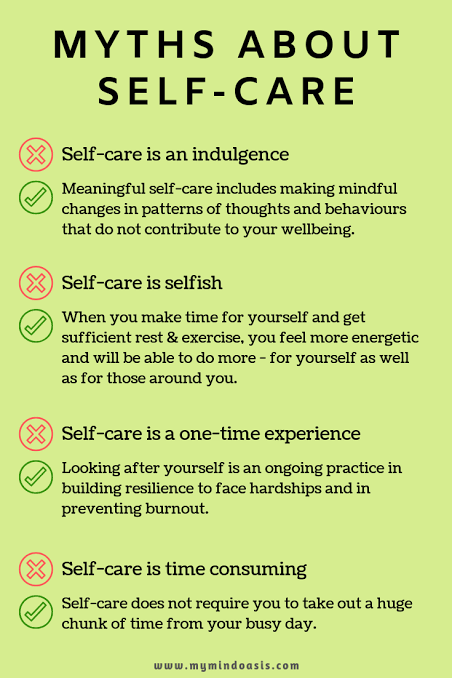
Self-care is a broad term. It involves any and everything that makes you happy. Be it having an ice cream, putting on a good hair mask or dancing in your bedroom to silly item numbers. The best part about it is that it doesn’t have to make sense to others.


It is okay to take a day off just to sit with yourself and do nothing.
It is okay to binge watch the new show you always wanted to see but never got enough time to do so.
It is okay to avoid social gatherings if it’s getting too much for you.
It is okay to sleep early and miss out on parties and night-life.
It is completely okay to avoid that person, phone call or that text to maintain the sanity of your mind.
It is okay to not be okay all the time


But what’s not okay, is to not listen to your heart and letting others decide what you do with your life. Self-care involves standing up to your beliefs unapologetically and living on your terms. It might not always be right but its worth a try. After all life’s too short to not live and sadly most of us are working on auto-pilot mode.
So, get up with the sun. Eat your favourite breakfast, binge on your most awaited show, go for long walks and dance to your favourite song till you sleep.

Do not forget to read more from the series : 🙂

JOURNEY TO SANITY – DOUBLE STANDARDS

JOURNEY TO SANITY – SUNSHINE 🌤️

JOURNEY TO SANITY – ACCEPTANCE

JOURNEY TO SANITY – MINDFULNESS

JOURNEY TO SANITY -JOURNALING

UNAIDS- Achievements and Challenges.

As of 2018, about 38 million people in the world are infected with HIV and out of these about 21 million people were living in Africa alone. South Africa, Nigeria and India are the worst affected countries with over 7 million, 3 million and 2 million people with HIV infection respectively. Interestingly, India is on third position with over 2 million of its population infected with HIV; however it has the lowest HIV rate in the world due to its vast population.

Source: UNAIDS.

UNAIDS acts as a global cogent body that protects HIV infected people from discrimination and aims to provide them a safer environment by creating awareness among the masses. It also provides deliberate and strategic advocacy and cooperates with different governments and private bodies to achieve its goals.

Achievements of UNAIDS.

1) Because of UNAIDS’s effective advocacy, different Government responses towards every aspect of HIV and AIDS was positive with good leadership and management.

2) UNAIDS’s advocacy also inspired many countries to change and abolish discriminatory laws that used to keep HIV patients on the fringes. It also convinced many countries to make laws in favour of women’s rights so that stigma faced by women decreases.

3) In 2019, 67% of all people living with HIV were accessing treatment. 68% of adults aged 15 years old and above had access to treatment, 53% of children had access to treatment and 73% of the female adults also had the access to treatment.

4) About 85% of pregnant women living with HIV had access to antiretroviral medicines to prevent transmission to their child in 2019.

5) UNAIDS also worked a lot in raising awareness about HIV and related stigma all over the world. It focused on myths related to HIV which ultimately led to a positive attitude of public towards HIV patients.

CHALLENGES FACED BY UNAIDS

There are a lot many challenges attached to HIV infection and thus it also becomes difficult for UNAIDS to deal with the issue at times. It is a social difficulty too and HIV patients suffer in silence because misconceptions about HIV.

1) HIV and Violence on women:

Every week, about 5500 young women aged 15-24 years become infected with HIV.

In Sub-Saharan Africa, five in six new infections among adolescents aged 15-19 years are among girls. Young women aged 15-24 years are twice more likely to be living with HIV than their male counterparts.
More than one third (35%) of women around the world have experienced physical and/or sexual violence by an intimate partner or sexual violence by a non-partner at some point of time in their lives.

2) HIV and Tuberculosis:

Tuberculosis remains the leading cause of death among people living with HIV, accounting for around one in three AIDS related deaths.
In 2018, an estimated 10 million people developed Tuberculosis and 9% of them had HIV.

3)HIV and COVID-19, newest of all:

A new analysis by UNAIDS has revealed that COVID-19 is going to have a detrimental effect on low and medium income families and countries around the world on supplies of the generic antiretroviral medicines used for HIV treatment.
The lockdowns and border closures imposed by Governments to stop Covid-19 have impacted both production of the medicines and their distribution.

It’s important for us as a society to support the HIV-AIDS patients and their families morally, socially and make a stigma-free environment for them.

CHILD ABUSE

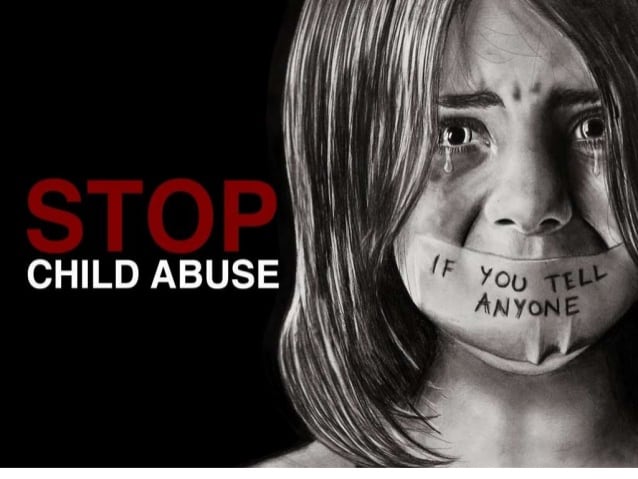
Child Abuse can be defined as harming (whether physically, emotionally, or sexually), ill-treatment, abuse, neglect or deprivation of any child.

Manipulation is when They blame you for your reaction to their Disrespect

If they are children it doesn’t mean, they can be ‘open to’ harm, injury, violence, and abuse.

As a society we are responsible to ensure that every child in our family, locality, community, region, state and nation is safe and feels safe.

Safe places for children are those where children feel secure and protected. They are nurtured, looked after and cared for.

As adults, it is our responsibility to observe child behaviour and encourage them to speak up.

Choose wisely who you defend

Because of ignorance and dependency on the abusers, children often are unable to express that they are abused.

Physical Abuse

Physical abuse can be caused from punching, beating, kicking, shaking, biting, burning or throwing the child.

Indicator in child

  • Unexplained bruises, welts, cuts, abrasions, Unexplained burns, Unexplained fractures
  • Injuries to areas of the body that is usually protected /covered.
  • Delay in seeking medical attention for a child
  • Is violent to animals or other children
  • Tries to hide bruises or other injuries
  • May be extremely withdrawn or extremely aggressive
  • Is wary of adults or of a particular individual
  • Cannot recall how the injuries occurred or gives inconsistent explanations

Emotional Abuse

It occurs when a child’s emotional, psychological or social well-being and sense of worth is continually battered. It can include a pattern of criticizing, rejecting, discriminating, degrading, ignoring, isolating, corrupting, exploiting and terrorizing a child.

Indicator in child

  • Bed-wetting or bed soiling that has no medical cause
  • Frequent Headaches, nausea, abdominal pains
  • Has not attained significant developmental milestones
  • Displays attention seeking behaviours or displays extreme inhibition in play
  • When at play, behaviour may model or copy negative behaviour and language used at home
  • Suffers from severe developmental gaps

Indicator in adults

  • Constantly labels the child or publicly humiliates the child
  • Continually threatens the child with physical harm or forces the child to witness physical harm inflicted on a loved one
  • Has unrealistic expectations of the child

Sexual Abuse

Sexual abuse includes acts where an adult uses a child for a sexual purpose. While it may involve a stranger.

Indicator in child

  • Torn, stained or bloody underclothing
  • Bruises, lacerations, redness, swelling or bleeding in genital, vaginal or anal area
  • Blood in urine or faeces
  • Unusual or excessive itching or pain in the genital or anal area
  • Difficulty in sitting and/or walking
  • Signs of sexually transmitted disease Indicators in a child’s behaviour
  • Outburst of anger
  • Self-harm (cutting, burning or other harmful activities)
  • Age-inappropriate sexual play with toys, self, others
  • Sophisticated or unusual sexual knowledge
  • Nightmares, sleeping problems
  • Becoming withdrawn or very clingy
  • Becoming unusually secretive
  • Sudden unexplained personality changes, mood swings and seeming insecure
  • Regressing to younger behaviours, e.g. bedwetting
  • Fear of certain places or persons e.g. bedroom or bathroom, friend-uncle

Indicators in adult behaviour

  • Insist on physical affection such as kissing, hugging or wrestling even when the child clearly does not want it.
  • Insist on time alone with a child with no interruptions.
  • Spend most of their spare time with children and have little interest in spending time with people their own age.
  • Frequently walk in on children/ teenagers in the bathroom.
  • Treat a particular child as a favourite, making them feel ‘special’ compared with others in the family.
  • Regularly offer to baby-sit children for free or take children on overnight outings alone.
  • Buy children expensive gifts or give them money for no apparent reason.

What to do??

  • Learn to recognize the signs
  • Provide a listening ear
  • Offer help
  • Give helpful information
  • Explain that violence is not OK
  • Look for community systemic support for the family
  • Can contact Childline (1098) to talk over your concerns confidentially with a trained social worker. 

Take following steps on Emergency

Step-1: Immediately contact parents if child is not abused by parents and if child can give information of his/her parents.


Step-2: Contact any one of the following agencies to provide required support to parents and child: DCPU, SJPU, Childline, CPCs, Police or CWC. You can also take help from credible NGOs working on Child Rights in your area.


Step-3: Provide emergency support such as medical aid, clothing, food and transportation to safe places. Make sure that you handover this child to responsible adults from above mentioned list only.

Step-4: Help authorities with whatever information and evidence you have as regards abuse of the child to make sure that the abuser is punished. If possible give written information.

Step-5: Maintain privacy to ensure that the name of the child is not disclosed to media or public in any ways.

Prevention

  • Create Safe places for children in community, neighbourhood and society.
  • Create Structures and Systems where children can express their feelings and emotions freely without any inhibitions.
  • Create Structures and Systems to ensure safety and to ensure that children are supervised.
  • Educate children about safety measures. Provide information about the emergency contact numbers.
  • Create awareness: About child protection systems and networks. Keep this information handy.
  • Build network of concern individuals and groups to help children. Develop support systems for children.

Being Healthy

A standard definition of being healthy according to World Health Organization (WHO) is , ” complete physical, mental and social well being and not merely absence of disease or infirmity”. This definition clearly expresses that just because you are disease free , it does not mean you are healthy. So, keeping that definition in mind , do you think you are healthy??

Health is a major concern for almost all the people living in this world. As we are growing with time, most people are being ‘health conscious’ , they plan diet , go to gym, practice yoga and what not. But what we actually need to know is that health is not just about being physically fit. It is a combination of three element – being physically well, mentally stable and socially fit. There are many person who are physically fit but are mentally depressed. So are they actually healthy?? The answer is plain ‘No’. Similarly if someone is physically as well as mentally well but finds difficulty in socially interacting or communicating or do not contribute to the society , is not actually healthy.

So what it needs to be healthy?? If you physically fit, happy with your mental state ( do not worry about little stress , it is completely okay to be little stressed out) and doing socially great then you can conclude that you are healthy.

So , next time when you think about your health, do not just count your health. And if you think you are not healthy, here are some tips to improve ( most of the are about mental health):

1) Plan your diet – This is the first step that almost everyone takes to be healthy . And of course it is necessary . Planning your diet not only improves your physical health but also keeps you mentally satisfied.

2) Exercise, Yoga or anything – Do anything that includes labour works. Try to sweat . It will definitely lift your health.

3) Listen to music – Experts says music can be a great way to boost your mood and improve signs of depression.

4) Gratitude – At the end of the day, always try to write at least three things you are grateful for. It is always beneficial to count your blessings.

5) Relax – Don’t forget to relax. Always take some time out for yourself. Do something that you love to do. Paint, dance, read or anything that makes you happy.

6) Books – Books are great way of escaping reality. Feeling depressed or lonely? Grab a book, sit comfortably, make some coffee and read. It will teleport you to a different world. Certainly you will feel better. Try reading atleast 15 mins a day. It will also improve your creativity.

7) Friends and Family – Spend quality times with your loved ones. Create memories and cherish them. Do not forget , no matter what, you are always loved.

8) Friendliness – Be good and kind to everyone – your neighbors , mates, kid you see in a subway , everyone. Do charitable works. It will always give satisfaction in the end, no matter how much you suffer.

CITY RESILIENCE TO FIGHT COVID 19

The urbanization level of cities is increasing and with this the population and critical infrastructures in the city also increases, thereby increasing the exposure and vulnerability of cities to acute stresses and long terms shocks like cyclones, floods, pandemics etc. Currently the cities are battling with the greatest challenge to mankind since second world war and most dangerous health calamity, i.e. COVID 19. Cities are the areas having maximum concentration of population and are the nodes of development, hence there’s a need to combat the effects of COVID – 19 and it is important to find a way by which the cities can be developed more sustainably, with more resilience and livability.

WHAT IS COVID 19 ?

The name COVID – 19, originates from ‘Corona’ for CO, ‘ VI’ for Virus and ‘D’ for Disease and ’19’ represents t=its year of occurrence. The pandemic started from the Wuhan city of City in December 19 and within couple of months it became the global health emergency. The pandemic has not only affected the public health but also demobilized the global economy, impacts on environment and governance as well.

Image showing the different modes by which COVID 19 can be transmitted

WHAT IS RESILIENCE ?

Generally, Resilience is defined as the capability to recover from difficulties. In context of city, Resilience can be defined as the ability of an city to Prepare for, Respond to and Recover from any acute stress or long term shock. While dealing with the resilience of a city, the opportunities and threats provided by the difficulty is analyzed and initiatives are taken accordingly. In order to reduce the vulnerability of cities from getting affected by the disaster or hazard, pandemics or any other threat, the city’s capability to resist and recover from these risks is mandatory.

NEED OF RESILIENCE

  • For ensuring and increasing the safety and well being of the citizens and the environment, cities need to be made more resilient and prepared for addressing shocks and stresses.
  • There are many ways by which the resilience of cities can be enhanced and these w2ays can be determined by comparing the COVID 19 with other such health risks and various ways in which problems were caused can be determined. With the help of this the different interventions and recommendations pertaining to specific ways can be decided and the resilience can be enhanced.
  • Resilience plays a major role in shaping governance as well because it provides way for trustworthy leadership, responsive community organizations and also neighborhood design which can facilitate social connections. Resilience enhances physical and social infrastructures that helps the people to protect themselves and the society.

CONCLUSION

Resilience is all about learning from previous experiences and generalizing them those lessons to solve new problems. COVID 19 has provided many experiences for the people by altering the entire living schedule of humans and the experiences learned from this pandemic can be used while preparing for the future pandemics and other health, social and economic threats. In some way or other, COVID 19 has been following the previous pandemics and hence required months of restrictions in travel and isolations, which created and is still creating numerous social, economic and domestic problems for citizens, households, businesses and communities. To answer all these issues and to combat such pandemics the cities need to be resilient. To improve resilience, the communities need to be aware before hand , emergency response programs are required and proper initiatives for contagion control is also a mandatory step. Along with such measures, adequate housing for all citizens and physical and mental support to the sufferers and isolated people is also necessary. In case of designing aspect, the homes and quarantine centers can be designed in such a way that they could reduce the stress with the help of adequate space and proper lighting and ventilation. Along with all such initiative, global threats are needed to tackled with proper international cooperation and by learning from the best practices and approaches for handling such situations.


PLASTIC POLLUTION!

— A hazardous problem for our nation

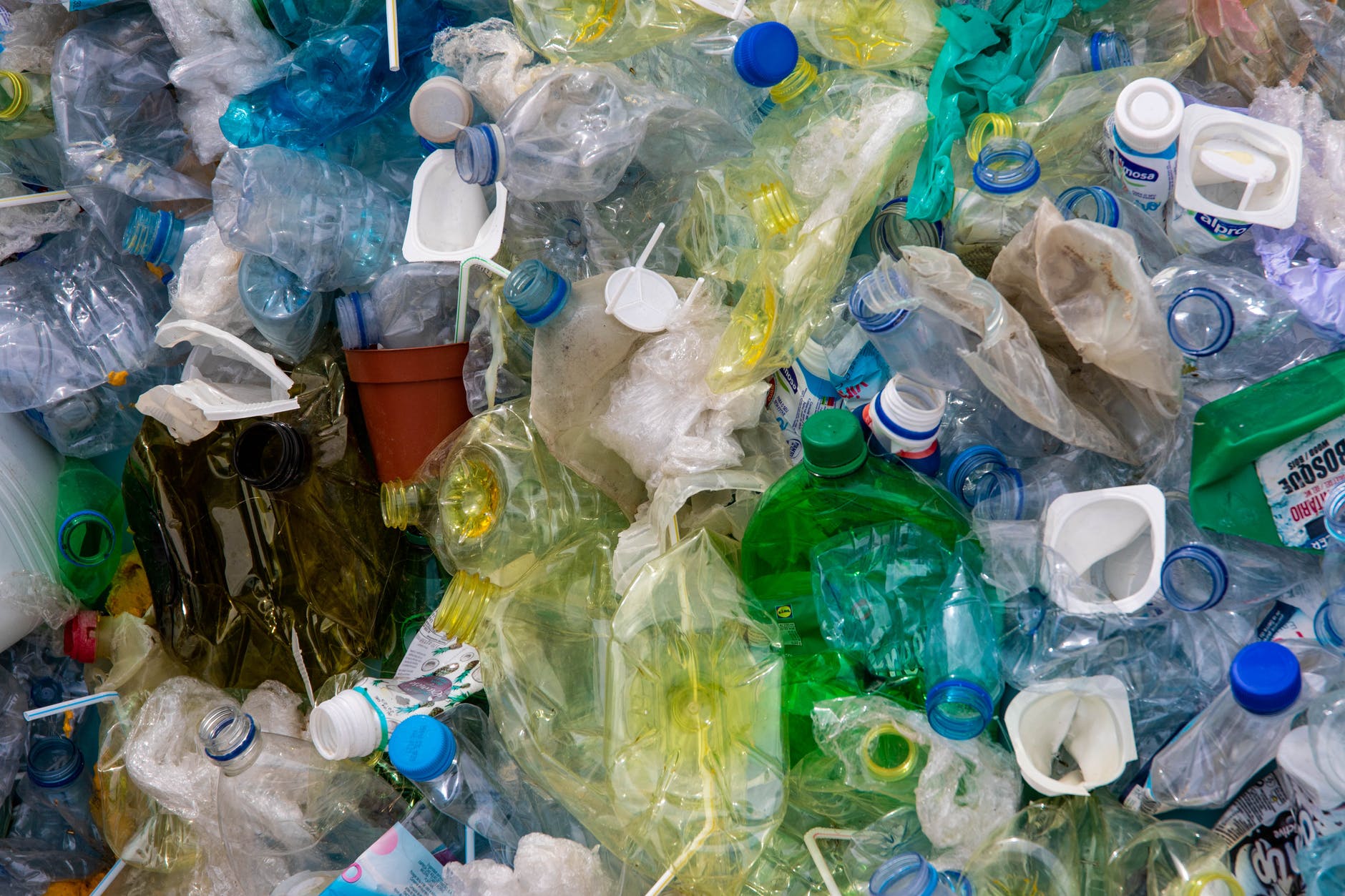
Photo by Magda Ehlers on Pexels.com

I have realized that i’m living in a world ,where : rivers are filled with pollutants , air is filled up with toxic gases , soil is polluted with waste materials , and humans are habituated to turn a blind eye upon these by the name of technology and development, expect for some people.

The major factor of this pollution is plastic , Do you know : More than 99% of plastics are produced from chemicals derived from oil,natural gas and coal -all of which are non-renewable resources. only 9%of all plastic waste ever produced has been recycled , About 12% incinerated & the rest 79% used in land fills ,dumps etc,. so , please understand the seriousness of this and start using eco-friendly items.

plastic: the common factor for all pollutions.

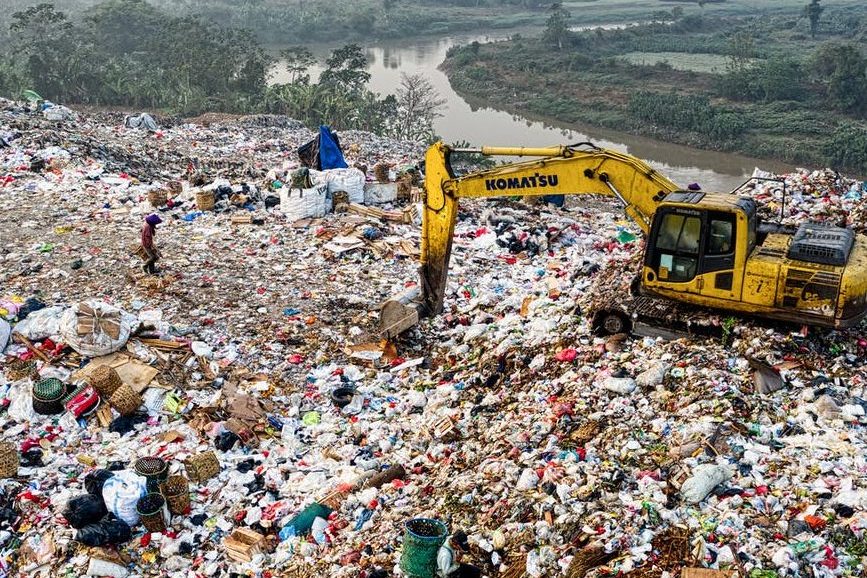
Plastic waste is something which is not eco-friendly , non-renewable particles . Plastic pollution is nothing but a harmful accumulation of synthetic plastic production in the environment. Basically , plastic pollution is nothing but pollution caused by the plastic in different kinds of ways . Alot of plastic waste is dumped in the dumping areas not only causing the soil pollution but also making the land non-usable .

Photo by Tom Fisk on Pexels.com

-> This land can be used for the poor people from slum areas . India consists 2,216,533 of population who are living in slums . By decreasing the usage of plastic makes the land useful by providing the people to get a place to live.

-> Plastic waste also makes the land infertile and makes the land useful for farming which decreases the production of crops.

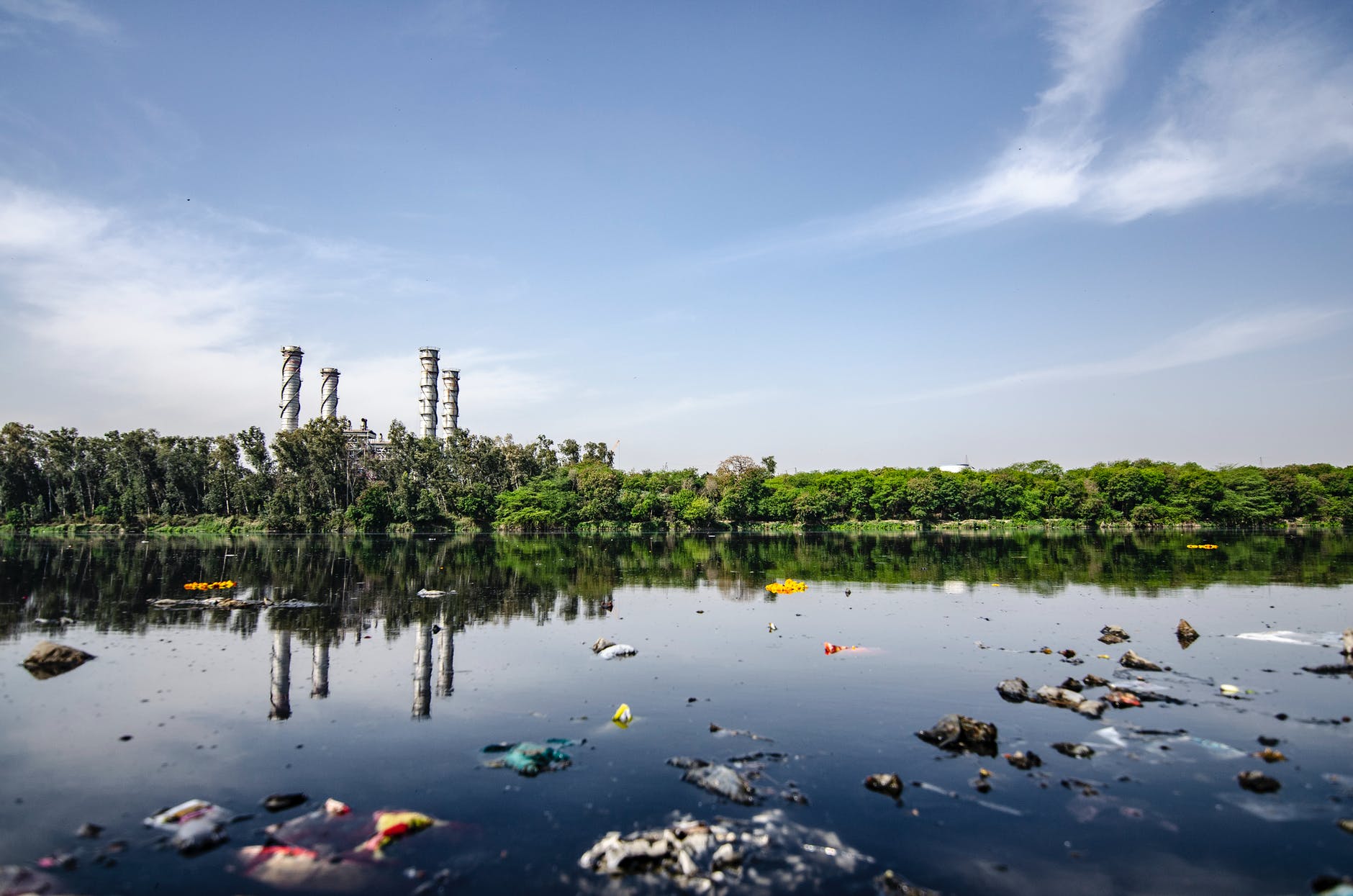
-> By dumping the plastic waste in oceans and rivers creates water pollution . It even causes a problem for the livelihood of marine animals . 100 million marine animals die each year from plastic waste in oceans. “This is only in the records , out of the records don’t even know”. and 100,000 marine animals die from getting entangled in plastic waste.

Photo by Yogendra Singh on Pexels.com

-> Coming to the water pollution , Chlorinated plastic can release harmful chemicals into the surrounding soil, which can then seep into groundwater or other surrounding water sources, and also the ecosystem. The long stay of plastic in water can stimulate the plastic and combine some of its nature into water which makes water unreliable to drink and use .

->By burning the plastic , the toxic gases get released causing air pollution . The chemicals which get released ,pollute the air and affect the surrounding areas by making the air un-breathable . The smoke which comes is so hazardous ,it remains in air for longer time and causing the damage for ozone layer : which is protecting us from the direct hit of sunlight . The direct hit of sunlight can shatter the livelihood of humans cause we cannot bare the heat it produces. Though there are many other initials where poisonous gases are producing which causes air pollution. one of the main cause is plastic.

summary

so , guys its high time . so many people changed their way about using plastic in their lives .We also need to change and make earth a better place to live . Lets struggle at first to enjoy the tang of better planet . Don’t you guys want to feel the smell of fresh air where pollution is not present anywhere ,see the stars where the sky can create mysteries with the insane nature it has . I hope one day we can see plastic free world.

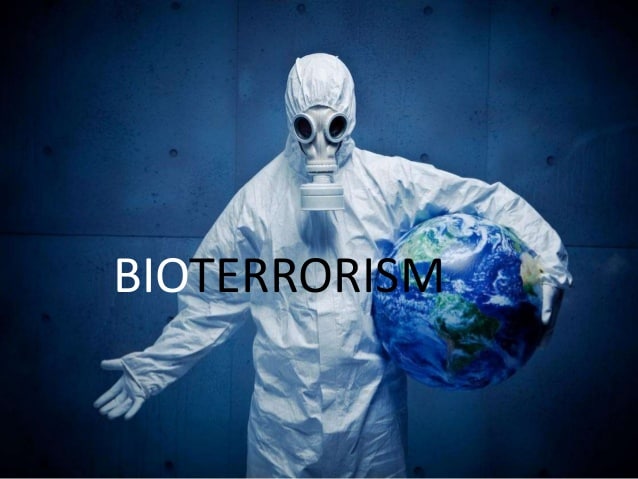
Bioterrorism

From the past two decades , it is stated that the threat of biological warfare is not a myth but a harsh reality of the world . Due to the outbreak , we can recognise the high risk and consequences of bioterrorism.

This editorial provides you the overview of bioterrorism , it’s symptoms , causes , measures and impact on humans in present scenario .

Introduction

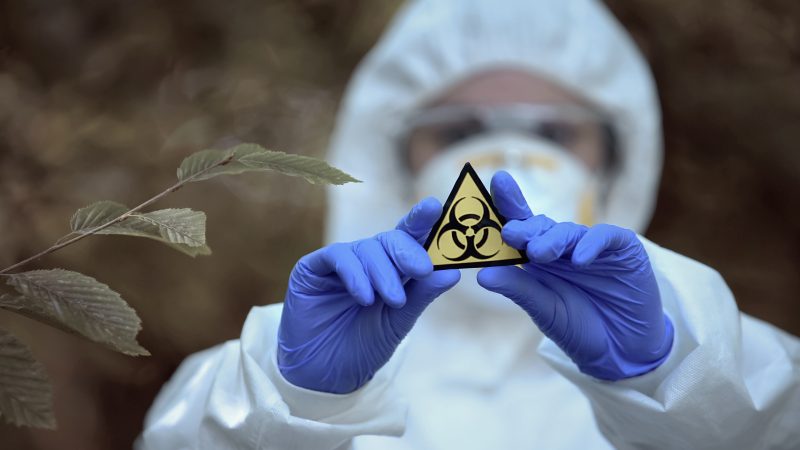
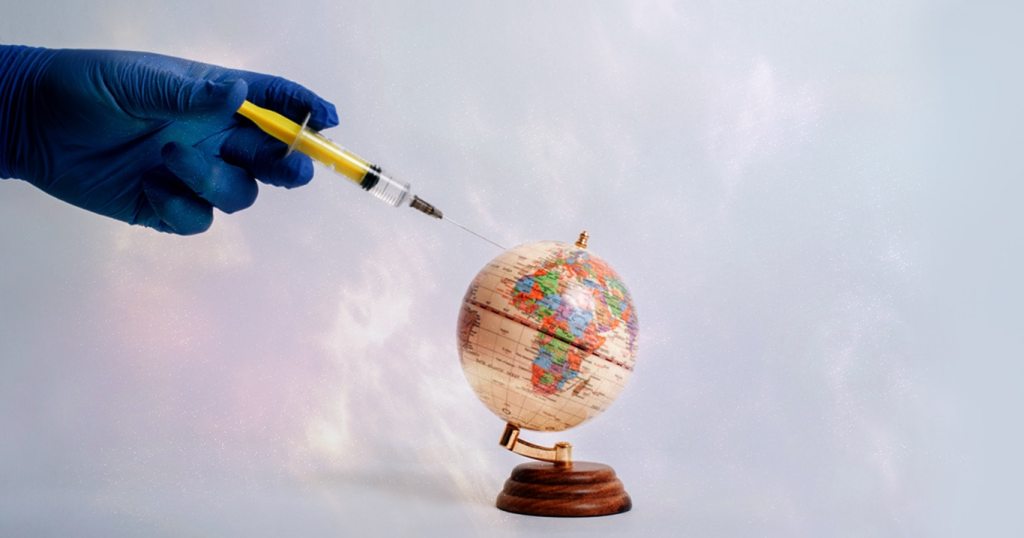
A bioterrorism attack is the deliberate release of viruses, bacteria, or other germs to cause illness or death. These germs are often found in nature. But they can sometimes be made more harmful by increasing their ability to cause disease, spread, or resist medical treatment.

Biological agents spread through the air, water, or in food. Some can also spread from person to person. They can be very hard to detect. They don’t cause illness for several hours or days. Scientists worry that anthrax, botulism, Ebola and other hemorrhagic fever viruses, plague, or smallpox could be used as biological agents.

Despite patchy intelligence, France started its own biological weapons programme in the early 1920s. It was headed by Auguste Trillat, an inventive German-educated chemist who envisioned and tested the sustained virulence of airborne pathogens.

The goal of bioterrorism is usually to create fear and/or intimidate governments or societies for the purpose of gaining political, religious, or ideological goals. Bioterrorism may have a different effect on societies than would weapons such as explosives.

Symptoms

The symptoms of exposure to a biological agent might include sore throat, fever, double or blurred vision, rash or skin blisters, exhaustion, difficulty talking, confusion, descending muscle weakness, nausea, abdominal pain, vomiting, diarrhea, and coughing.

History

Historically, biological weapons have been a threat to humans for many centuries. At those times, very crude methods such as fecal matter, animal carcasses, etc. were used to contaminate water sources, but now the concentrated forms of biological agents such as dried spores and genetically modified organisms are available, which are fatal even in minute quantity.

During the Indo-Pakistan war of 1965, a scrub typhus outbreak in north-eastern India came under suspicion. India’s defense and intelligence outfits were alert to the outbreak of pneumonic plague – well known in biological warfare – in Surat and Bubonic plague in Beed in 1994, which caused several deaths and sizeable economic loss.

Prevention

There are some points that you need to consider during the outbreak :

  • If you become aware of a suspicious substance, quickly get away.
  • Cover your mouth and nose with layers of fabric that can filter the air but still allow breathing. Examples include two to three layers of cotton such as a t-shirt, handkerchief or towel.
  • Depending on the situation, wear a face mask to reduce inhaling or spreading germs.
  • If you have been exposed to a biological agent, remove and bag your clothes and personal items.
  • Follow official instructions for disposal of contaminated items.
  • Wash yourself with soap and water and put on clean clothes.
  • Contact authorities and seek medical assistance. You may be advised to stay away from others or even to quarantine.
  • If your symptoms match those described and you are in the group considered at risk, immediately seek emergency medical attention.
  • Follow the instructions of doctors and other public health officials.
    Avoid crowds.
  • Wash your hands with soap and water frequently.
  • Do not share food or utensils.

Link

Ways To Reduce Stress

Many individuals nowadays have lost sight of their hobbies, interests, and passions as a result of their stressful lives. As a consequence, individuals suffer from stress as a result of overwork and weariness. 

Stress is really intense. It could have a detrimental influence on both your physical and emotional health. Whenever you think, your mind is in continual contact with your body. Your ideas generate feelings and emotions, which can be impacted by environmental stresses. This demonstrates how intimately the mind and body are linked, making it critical to identify the role stress tends to play in your daily lives.

Sadly, despite the evident negative impacts of stress, many individuals continue to ignore it. Nevertheless, properly combating stress requires prioritising your own needs. It’s time for action if you’d like to reclaim your rhythm after being stressed out. 

While it is difficult to escape stress in life, you can learn how to manage it efficiently. There seem to be measures you could do to help you cope with daily pressures more effectively so you can get back into your flow easily.

1. Recognize The Sources Of Stress 

One of the primary causes of stress is a hectic and unhealthy lifestyle, however this varies from person to person. Make a list of the things in your life that are giving you stress. Is it effective? Is it a personal issue? This is the first and most important step in properly combating stress. The more you understand what causes your anxiety or concern, the better you will be able to handle or combat stress.

2. Cultivate Mindfulness

When you are worried, your brain and body’s normal reaction is to fight or flee. Meditation and breathing techniques, on the other hand, have also been shown to perform marvels in terms of stress relief and perhaps even improvement in mental health. Find a few periods of solace each day when you can relax and make some time for yourself to get through your concerns and cleanse your thoughts.

3. Prioritize self-care

Why aren’t you taking care of yourself the same way you take care of your house with regular upgrades or your car with planned maintenance? Among the most essential realisations is that no one can take more care of you than yourself. Ignoring oneself makes you increasingly vulnerable towards the dangers of stress. While scheduling time for self-care, keep the following in mind:

  • While it may seem self-evident, it bears repeating: eat well, exercise frequently, and get enough sleep. Many individuals do not realise this, yet it may have an impact on how you felt during the day. If you eat poorly and don’t get enough sleep, it’s simple to notice indications of stress in your body.
  • Many individuals feel uneasy about investing money on self-care items or services. If you have troublesome skin, arrange for a consultation with an expert who can help you clean your skin. If crystals provide you a burst of mental and physical vitality, purchase that citrine bracelet and make yourself happy

4. Rise Up and Begin Moving

Getting up and moving about is among the best methods to combat stress and feel better. Although it may be tough to find opportunities for proper exercise once you have a career and a home to look after, you should make an attempt if you’d like to regain your flow. Endorphins are hormones that make us feel good while you workout. You will feel much better on the inside if you feel happy about your physique.

5. Align Yourself with Positive People

Understand that you are not alone in your battle against stress. You should surround yourself with individuals who can help you manage your stress levels in check so it doesn’t spiral out of control. Stress may cause feelings of loneliness, so make an effort to spend more time with your loved ones. 

Seek comfort and guidance from reliable loved ones. There are also several support systems available, so if you don’t feel at ease approaching anybody about your stress issues, you can always join any of them just for added help. Spend time around individuals who make you happy and do activities which bring you joy.

It can also be difficult to determine where to start when attempting to combat stress. Although stress is a normal part of life, it may sometimes become excessive and cause physical and mental issues. Joy and comfort are within your grasp—try either of these tactics and you’ll see that you can definitely battle stress and reclaim your flow!

Is MSG bad for our health?

What is MSG? Monosodium Glutamate (MSG) is added to many foods to enhance flavor. MSG is commonly found in canned foods, soups, fast foods, and processed foods. While (FDA) has classified MSG as a food ingredient that’s “generally recognized as safe,” but its use remains controversial. That’s why FDA require that it should be listed on the label.

Symptoms that may occur after consuming MSG include:

  •  Nausea
  • Weakness or fatigue
  •  Headache
  •  Sweating or flushing
  • Numbness
  •  Chest pain
  •  Hives
  • But there reaction is short term or mild, that don’t require treatment. The only way to prevent a reaction is to avoid foods containing MSG.

Food containing MSG.

MSG is used in many common foods including snacks, seasoning, soups, and noodles. MSG is a flavor enhancer, so it’s included in many seasonings. Dressings like ketchup, mayonnaise, barbecue sauce, soy sauce, mustard, and salad dressings have been known to contain MSG to boost flavor. Many foods contain MSG naturally such as year extract, soy extract.

Many of the foods containing MSG, like instant noodles, chips, aren’t necessarily part of a balanced diet, so we can easily avoid eating them. When consumed regularly can lead to obesity, heart disease, diabetes, effects on the reproductive organs, and other health risks. MSG, which has been banned in certain [US] cities and MSG is scientific invention. It’s in news since, when a scientist coined the term “Chinese Restaurant Syndrome” for MSG symptioms.

However there is no scientific evidence to suggest that MSG has any adverse effects in general population in the amounts normally consumed as part of the diet. Many governing food agency consider MSG safe for human consumption as a flavor enhancer. It’s harmful only when they consume large amounts of MSG on an empty stomach. 

Homemade foods contain more vegetables, less carbohydrates, less calories and less fat than any other fast food. It’s the best.

Best air purifying plants for bedroom

Insomnia is one of the common problems faced by many people today. It could be due to stress or unfavourable conditions in the bedroom such as uncomfortable temperature or humidity. According to doctors, the body should have healthy oxygen saturation levels, around 96% to 98%, to stay active and healthy.

Plants play a key role in keeping the environment favourable around. They help to purify air indoors so that you can stay healthier and away from toxins inside the house.

Best plants for Bedroom, which purifies air and induces good sleep.

1.Aloe vera plant

We all know that aloe vera plant has medicinal value. But do you know it also has the ability to eliminate toxins like benzene and aldehyde from the atmosphere and produces Oxygen. It can be the perfect plant for your bedroom.

2.Snake Plant

 This is a low-maintenance plant that has this unique feature to increase oxygen level during the night. Snake plant also removes toxic gases in the house like benzene and formaldehyde.  

3. Tulsi plant

Now a days also we can see a lot of people keep tulsi at homes and even worship it. It produces good amount of oxygen at night and has the power to absorb upto 90% of dust particles from the indoor atmosphere. The fragrance of tulsi plant induces good sleep.  

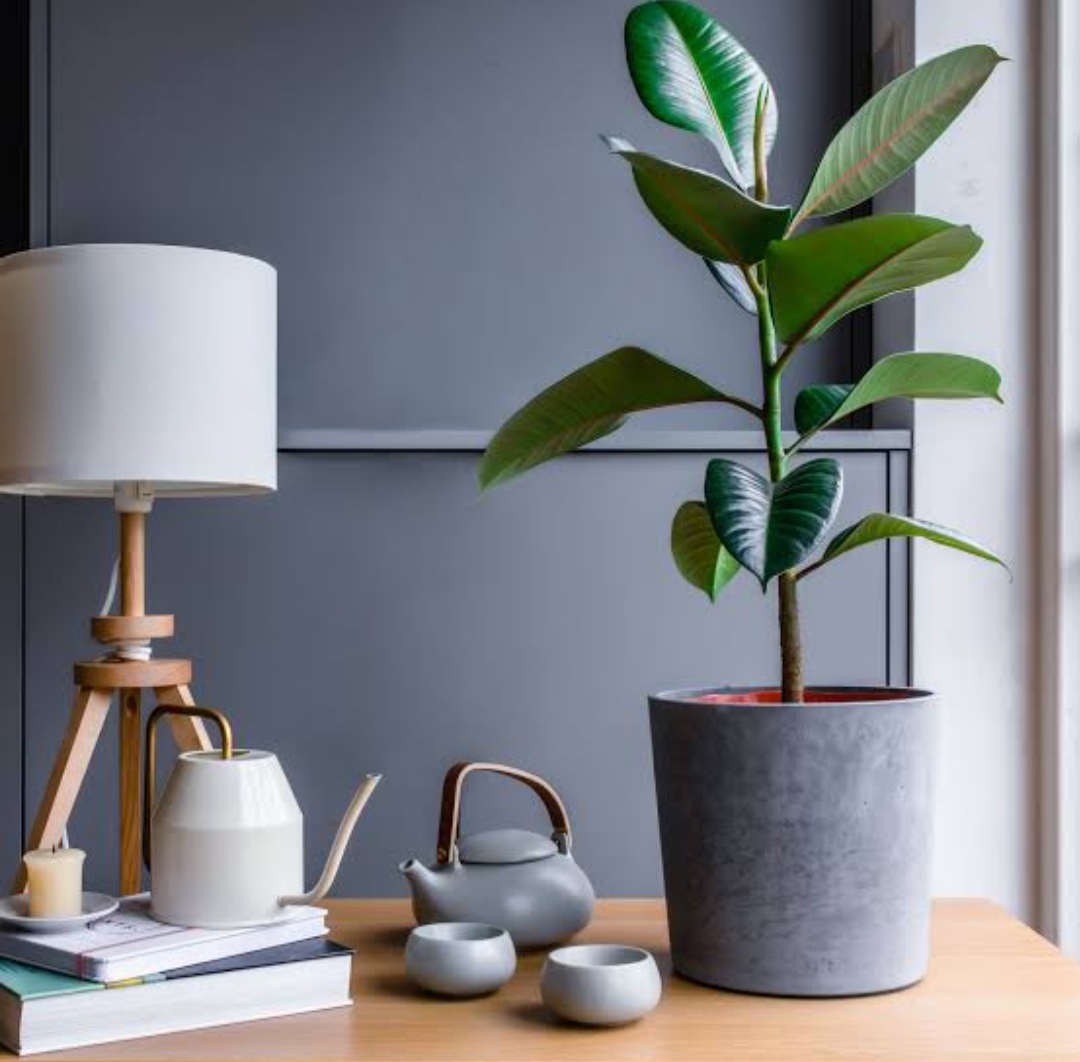
4.Rubber Plant

This is one of the most popular plants for the bedroom, as it effectively removes formaldehyde, mold spores, and bacteria present in the air. You can expect this plant to purify air upto 70%. It is also a low maintenance required plant. Its glossy leaves look gorgeous.  

Overthinking (The Beauty and the Beast)

Mannat Sandhu

“Rule number one is, don’t sweat the small stuff. Rule number two is, it’s all small stuff.”
– Robert Eliot

Now imagine this , after a tiring day at work , you’re finally getting to sleep on that oh so soft mattress of yours. But wait , the moment you’re ready to surrender yourself to 6 hours of sleep ( if you’re lucky ! ) , you suddenly remember, “Did I turn off the gas stove ?” ” What if the entire house just explodes and there I am dreaming about how I am going to answer the questions at Koffee with Karan ( yes I also have a struggle to talk about ! ), and many such more fake,over the top scenarios are being flashed in front of your eyes.

Over-thinking Cartoons and Comics - funny pictures from CartoonStock

THE BEAST

This constant feeling of your head being constantly overburdened with unwanted thoughts, the ones you’re being involuntarily surrendered to , is my friend ,the beast.Often you put yourself under a lot of pressure , and you consider yourself responsible for every little thing happening around you. You overthink about a situation to such an extreme extent , that you’re no longer able to differentiate between reality and delusion.You want to stay in the reality but at the same time have one foot dangling in the realm of delusion.

Its that constant battle in your head between trying to stay the same and trying to stay sane.

THE BEAUTY

Sometimes thinking about any particular situation, whether in the past or future, helps you give a different perspective towards it and life as a whole.I mean the fact that Newton really over thought about a fallen apple, was pretty useful.But the key is to know when to stop.

I often think about a saying by Sylvia Plath

If i didn’t think, I’d be much happier.

and most of the times I resonate with it so much.This beautiful brain of yours which holds this massive power of creativity and imagination often turns into this beast you never could’ve expected.

THE PANACEA

1.Meditation

If I tell you that meditation is going to help you, I’d be only 50% correct. Just because you sit down, cross your legs and close your eyes , does not mean that you’re meditating; because your mind is still at loggerheads with your thoughts.So to begin with, whenever you feel like you need to calm down , take a deep breath and try to clear your mind. Then slowly try to give your mind enough space to breathe ( Yes it needs to! ). I know its easier said than done , but hey you got to begin somewhere.

2. Binge watch something

Well, well well..if it isn’t the solution to all our problems. I’m not even going to lie how many times I’ve resorted to this option ! And i just love it. Even if it temporarily helps you to distract your mind, then go for it.

3. Walk it out

Whether on your terrace, in your verandah or outside in a park, there’s nothing a quiet peaceful walk cannot solve .

4. Sleep it off

Sometimes i just feel ,I use this option as an excuse to get out of everything.

Feeling stressed ; Go to sleeep

Don’t feel like doing anything ; Go to sleep

There’s a fire ; Go to sl….NO WAIT..Buddy you got to run!

Maybe you’ll be at the same stage after you wake up , but hey at least you got a few hours of peaceful sleep, and boy that’s rare.

5. Call a friend

Sometimes talking to a friend really helps you either find a solution or help you take your mind off it.And if you don’y feel comfortable , you can seek professional help or contact at the official helplines.

Overthinking does not sound like a disorder , but don’t wait for it to become one.

6. Let go off things you cannot control

The most difficult one on the list yet the most effective. Take a minute and ask yourself, will I be able to do something to solve the situation,

If yes ; then work on a solution.

If no ; then remind yourself,

It is not your job to be everything to everyone.

– Paulo Coelho ( The Pilgrimage )

A penny for your thought ? If only it was a penny for every time I over thought, I’d be a millionaire, no wait a billionaire, no wait…you know what let me just go think about it.

HUMAN ANATOMY

Introduction to Human Anatomy and Physiology

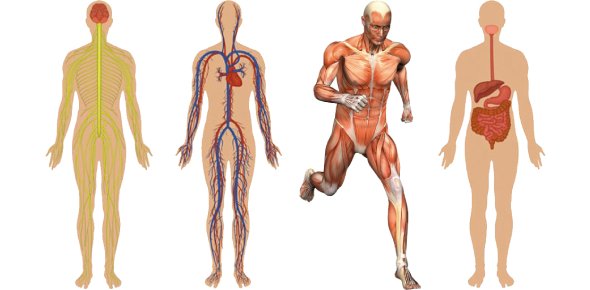
Anatomy is the study of the shape and structure of the body of organisms or living beings. The word anatomy is derived from the Greek words ‘ ana ‘ and ‘ tomy ‘ where ‘ ana ‘ means ‘apart’ and ‘tomy ‘ means ‘to cut’. In physiology, the functions of various system such as respiratory system, digestive system, nervous system, skeleton system and muscular system of organisms are studied. It can be said that physiology is the study of how the body and all its part function. It consists of two word, namely, ‘physio’ and ‘ ology’ where ‘physio’ means ‘nature ‘ and ‘ ology ‘ means ‘ study’. Here ,we will study human anatomy and human physiology.

Definition of Human Anatomy

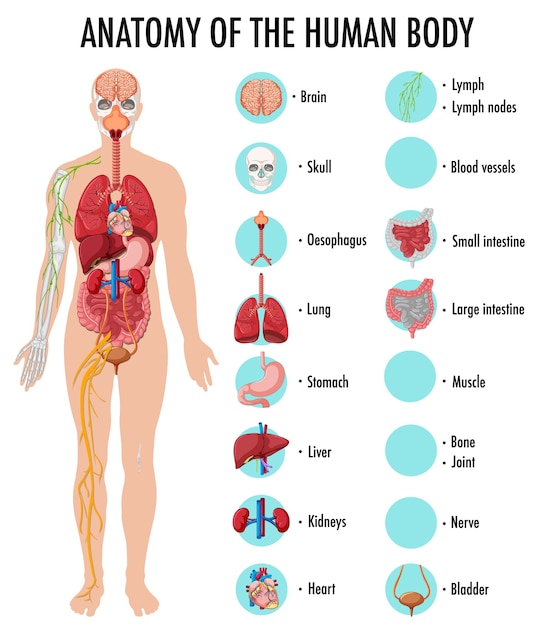
Free Vector | Anatomy of the human body information infographic

Human Anatomy is the study of structure ,shape, size , weight and location of all the organs of human body. A detailed knowledge of the structure of various system of human body is provided in human anatomy . For example , the shape, size, weight, structure and location of all the organs of the excretory system such as lungs, kidneys, large intestine, liver, skin, etc. are studied in human anatomy. Human anatomy can be defined as the science dealing with human body structure and relationships among structures.

Importance of Anatomy

The importance of anatomy and physiology is mentioned below.

  • Anatomy Provides the Knowledge of Structures of Various Organs : Human anatomy provides the detailed knowledge of the structure of various organ body . We get the knowledge of structure, shape, size, location and weight of organs of all the systems of our body. We come to know about the length of various organs such as the length, size and shape of the bones. With the help of anatomy , we get the knowledge of the percentage of white fibres and red fibres present in an individual. As a result of such knowledge , the teacher and coaches working in the field of physical education and sports may easily select the suitable sports according to the traits of students. For example, weightlifting is more appropriate for short statured students, who have more percentage of white fibres i.e., fast twitch fibres in comparison to red fibers i.e., slow twitch fibres can perform better in sprinting events instead of endurance events.

PREPAREDNESS FOR COVID 3-WAVE

All state governments are tightening their preparedness in anticipation of a third wave as restrictions begin to ease across the country.maharashtra government is concerned of Covid 3- wave chief minister Uddhav Thackeray directed officers and doctors to check medical supplies.Delhi Chief minister Arvind Kejriwal also announced to train 5000 youth to help doctors.Country is preparing to fight with Covid 3-wave.

WE CAN STOP COVID 3-WAVE

Photo by cottonbro on Pexels.com

HELP TIPS FOR CHILDREN

Children may worry about themselves, their family, and friends getting ill with COVID-19. Parents, family members, school staff, and other trusted adults can play an important role in helping children.

children should stay home ,Stop visiting relatives/friends.

Do not take your children to social gathering.

◾Do not allow children to rub their eyes and noses, sanetize their hand regularly.

Sanetize playing items twice a day.

Give them warm water for gargling.

Follow SMS:Social distance,Mask, Sanetization.

Wearing and Caring

Early detection and diagnosis

*Fever /Headache,pain in cheeks/eyes

*Body Pain /Sour throat

*Dry cough/Weakness/loss of appetite

*Parents must bring their children to near by Covid OP if they find any above symptoms.

As the number of COVID-19 cases and test positivity rates are showing signs of plateauing in major urban centres across India, we see desperate scenes in small towns and villages. We read about people dying in their homes unable to access medical care. We see pictures of people waiting for their turn to cremate their loved ones in funeral grounds. COVID-19 is a humanitarian disaster where no state is spared, poor or rich.

Now there is a talk of a COVID-19 third wave, if we are not able to vaccinate the population fast enough or if citizens do not follow the ‘social vaccines’ (hand washing, use of masks and physical distancing). Let’s examine the truth about the possibility of a third wave.

The WavesThe first wave usually affects the most vulnerable sections of the population: the old, sick and the immuno-compromised. The second wave starts when the epidemic spreads into the general population, which may not have got the infection during the first wave and who do not have protective antibodies against the pathogen.

The second and third waves of the infection is usually due to mutant strains, which may partially escape the immunity offered by previous infections.In the case of Spanish Flu, the destruction caused by World War I and lack of laboratory surveillance capacity may have played a part in augmenting the spread and increasing mortality; but the learnings from that outbreak is definitely applicable in the case of COVID-19.We have seen a lot of parallels between the Spanish Flu virus and the one causing COVID-19, though they are very different phylogenetically. Therefore, it is only reasonable to anticipate a third wave of virus infections and prepare for it.Vaccine is the most potent tool that we have against COVID-19 infections.

Though we do not have concrete data on the level of protection offered by the various vaccines against the mutant strains, most of the experts agree that some degree of protection against severe infections do exist. Therefore, relying on vaccines is the most rational way to prevent a third wave.Short TermBut at present, we do not have the capacity to produce vaccines fast enough to vaccinate our entire population in the next few months. The combined production capacity of Covishield and Covaxin is only around 60-70 million doses/month and at this rate it may take more than two years to vaccinate India’s population.

So we have to look at other options, like scaling up capacity and ready-made vaccines from abroad.The scaling up of capacity promised by the Serum Institute of India (SII) and Bharat Biotech, which manufactures the vaccines currently used in India, is going to take time and we cannot rely on that process to rapidly increase the rate of vaccination.In the short term, pre-prepared vaccines from abroad seem to be the only viable option if we want to vaccinate the most vulnerable groups and economically-productive sections of the population rapidly. The decision to allow the import and use of Russian-made Sputnik V is a welcome step in this regard. We need more such vaccines, including China’s Sinopharm which was recently approved for emergency use by World Health Organization.

Medium TermIn the medium-term, our existing vaccine manufacturing capacity should be repurposed to make COVID-19 vaccines. India supplies a major proportion of the vaccine requirements of Gavi-the vaccine alliance and has access to most of the technology platforms for vaccine production. When the United States has supported lifting the patent protection available to COVID-19 vaccines, India should be able to leverage its production capabilities and rapidly augment capacity.Besides vaccination, in the short and medium term, we should also aim to increase the testing capacity. Only rapid identification of cases and strict isolation can help to flatten the curve till the vaccine rollout is adequate.

Apart from this, we need to institutionalise the processes to ensure adherence to social vaccines. This can be done through a mix of behaviour change communication, regulatory efforts and community mobilisation. All of this has to be continued till we achieve a vaccination coverage of more than 80 percent.

Photo by Anna Shvets on Pexels.com

To beat this worldwide pandemic, the world has to, must come together.