Sharp, Dull, or Aching? Identifying the Causes of Shoulder Pain

Daily writing prompt
What is the legacy you want to leave behind?

Shoulder pain is one of the most common complaints among adults, and it can vary greatly in terms of intensity, type, and duration. Whether you experience a sharp, sudden pain or a dull, persistent ache, the discomfort in your shoulder could be the result of various causes. 

Photo by Photo By: Kaboompics.com on Pexels.com

Understanding the underlying reasons for shoulder pain is crucial for determining the right treatment and managing it effectively. In this blog post, we’ll explore the potential causes of shoulder pain, helping you identify the nature of your discomfort and take the next steps toward relief.

Understanding Shoulder Anatomy

Before diving into the causes, it’s helpful to have a basic understanding of the anatomy of the shoulder. The shoulder joint is a complex structure made up of bones, muscles, tendons, and ligaments that work together to provide a wide range of motion. The key components include:

  • The humerus (upper arm bone)
  • The scapula (shoulder blade)
  • The clavicle (collarbone)
  • Rotator cuff (group of muscles and tendons)
  • Bursae (fluid-filled sacs that reduce friction)
  • Ligaments and tendons connecting these structures

Because the shoulder is so mobile, it’s vulnerable to injury and strain. Understanding the type of pain you’re experiencing can help pinpoint the root cause.

Sharp Shoulder Pain

Sharp shoulder pain is often sudden and intense, causing significant discomfort and sometimes even limiting movement. This type of pain can be caused by:

Rotator Cuff Tears

The rotator cuff is a group of four muscles and tendons that stabilize the shoulder. A tear in one of these tendons can cause sharp pain, especially when moving the arm in certain directions, like lifting overhead. Rotator cuff tears are more common in people who engage in repetitive overhead motions or in older adults whose tendons wear out over time.

Dislocated Shoulder

A dislocated shoulder occurs when the humeral head (the ball of the shoulder joint) comes out of the socket. This injury often results from a traumatic event, such as a fall or sports injury. It causes immediate, sharp pain and may require medical intervention to reset the joint.

Frozen Shoulder (Adhesive Capsulitis)

Frozen shoulder develops when the capsule around the shoulder joint becomes inflamed and stiff, limiting movement. The pain is often sharp and more noticeable during certain movements, and it typically worsens at night.

Fractures or Bone Injuries

A fracture in the clavicle, scapula, or humerus can cause sharp pain, especially when attempting to move the arm. This type of injury usually results from direct trauma or a fall.

Dull Shoulder Pain

Dull, aching pain is usually less intense but can still be bothersome, often making it difficult to perform daily tasks. This type of pain is often linked to long-term issues, such as:

Osteoarthritis

Osteoarthritis occurs when the cartilage that cushions the shoulder joint wears down, causing bones to rub against each other. This condition can lead to dull, aching pain, particularly after repetitive use or long periods of inactivity. The pain is usually felt deep within the joint and may worsen with age.

Tendinitis

Tendinitis occurs when the tendons in the shoulder become inflamed, often due to overuse or repetitive motion. The pain is typically a dull ache, especially in the front or top of the shoulder, and it worsens with activities such as lifting or reaching. It’s common among athletes, especially swimmers, tennis players, and weightlifters.

Bursitis

Bursitis is the inflammation of the bursae, small fluid-filled sacs that cushion the shoulder joint. When these sacs become inflamed, it can lead to dull, aching pain that worsens with movement. This condition can develop from overuse or prolonged pressure on the shoulder.

Poor Posture

Consistently poor posture can contribute to muscle strain, especially in the shoulders. Prolonged slouching or hunching over can create tension in the muscles and ligaments, resulting in a persistent, dull ache in the shoulder region. This discomfort is often accompanied by stiffness and tightness in the neck and upper back. A deep tissue massage in Eagle Mountain, Utah, can be an effective way to relieve this tension and alleviate the pain associated with poor posture.

Aching Shoulder Pain

Aching pain is often persistent and can be linked to both mechanical and systemic conditions. This type of pain may not be as sharp but can be equally disruptive. Common causes include:

Referred Pain from the Neck or Upper Back

Sometimes, shoulder pain is not directly caused by the shoulder itself but by issues in the neck or upper back. Conditions such as a herniated disc or cervical radiculopathy can cause nerve compression, which leads to aching pain in the shoulder area. This pain is typically accompanied by tingling, numbness, or weakness in the arm.

Heart Attack

While rare, an aching shoulder pain can be a sign of a heart attack, especially if it radiates down the left arm. It may be accompanied by chest pain, shortness of breath, dizziness, or nausea. If you experience these symptoms, seek emergency medical attention immediately.

Gallbladder Problems

Gallbladder issues, such as gallstones or inflammation, can also cause referred pain in the right shoulder. This type of aching pain is usually dull and may worsen after eating fatty foods.

When to Seek Medical Help

While most shoulder pain can be managed with rest, ice, and over-the-counter pain medications, it’s important to consult with a healthcare provider if the pain persists or worsens. If you experience any of the following symptoms, you should seek medical attention immediately:

  • Severe or sudden sharp pain
  • Difficulty moving the shoulder or arm
  • Swelling or bruising
  • Pain radiating down the arm or chest
  • Numbness or weakness in the arm

In Conclusion

Shoulder pain can manifest in various ways—sharp, dull, or aching—and each type of pain can point to different causes. Whether you’re dealing with a sports injury, poor posture, or an underlying medical condition, identifying the type of pain you’re experiencing can help you and your doctor determine the best course of action for relief. If your shoulder pain is affecting your quality of life, don’t hesitate to seek professional advice to ensure proper diagnosis and treatment.

Green and efficient synthesis of hydrogen peroxide under sunlight could benefit the industry

Daily writing prompt
Where would you go on a shopping spree?

Researchers have found an efficient, less energy-intensive, and environmentally friendly way of synthesizing hydrogen peroxide, a chemical that is crucial to the industry for disinfection, paper bleaching, and so on.

Hydrogen peroxide (H2O2) is a versatile oxidizing agent that is widely used in environmental disinfection, chemical synthesis, paper bleaching, and fuel cells. In addition, the growth of this market is driven by the increasing awareness of disinfection, the rise in the number of surgeries, the prevalence of hospital-acquired infections, and so on. Currently, over 95% of H2O2 is produced industrially using the anthraquinone oxidation process, which is very energy intensive, expensive and produces many hazardous chemicals as by-products.
Scientists are therefore looking for an environmentally friendly and economical strategy to produce H2O2 from renewable resources with minimal environmental impact. In this context, a new class of porous and ordered polymers with modifiable catalytic sites and light-harvesting properties in visible range, called covalent organic frameworks (COFs), have emerged as promising photocatalysts.

Figure 1.  Sustainable synthesis and versatile applications of hydrogen peroxide.

Researchers at S. N. Bose National Centre for Basic Sciences, Kolkata, an autonomous institute under the Department of Science and Technology (DST), have designed and prepared a series of COFs having good water affinity through careful control of the hydrazone linkage density and studied their effect on the photocatalytic performance for H2O2 generation. It was observed that the hydrazone-linked COFs provide abundant docking sites for water and oxygen, thereby promoting water oxidation reaction (WOR) and oxygen reduction reaction (ORR) – two main pathways for photocatalytic H2O2 generation.

As a result, the hydrazone-linked COF exhibited exceptional photocatalytic H2O2 production without external sacrificial electron donors when irradiated with a 40 W blue LED (λ = 467 nm). Interestingly, a significant amount of H2O2 (550 μmol g-1 h-1) was also produced under sunlight irradiation, which outperforms most organic photocatalysts under similar conditions, thus demonstrating a clean and sustainable pathway.

Furthermore, as-synthesized hydrazone-linked COFs can generate H2O2 up to 21641 μmol g-1 h-1 using an aqueous benzyl alcohol solution (water: benzyl alcohol = 90:10) by preventing the degradation of H2O2. This strategy of using a mixture of water-benzyl alcohol solution will be helpful in developing a continuous flow reactor for the sustainable production of H2O2 and will reveal a laboratory-to-industry technology transfer for the benefit of mankind.

***

What to Expect During the Personal Training Certification Process

Daily writing prompt
What’s your favorite cartoon?

Are you passionate about fitness and helping others achieve their health goals?

Personal training certification is the key to turning that passion into a rewarding career. With the right certification, you can unlock opportunities to make a difference in people’s lives while pursuing a fulfilling profession.

The journey to becoming a personal trainer can open doors to various career paths in the fitness industry. Earning a personal training certification allows you to gain credibility and the knowledge needed to guide clients safely and effectively. In this blog, we will discuss what to expect during the personal training certification process.

Preparing for the Written Exam

Getting ready for the personal training certification exam is important. Start by learning the key topics. Study the terms, exercises, and health concepts that are essential for personal trainers.

Make a study plan and stick to it. Use flashcards to remember important terms. It helps to review old exams and practice questions.

Group study can also help. Join a study group or class. This makes learning fun and effective.

Hands-On Training and Gaining Practical Experience

Hands-on training is a vital part of the personal training certification process. You will learn how to work with clients and teach exercises. This includes showing proper forms and correcting mistakes.

Find a local gym or training center. They often offer practical sessions. Shadowing experienced personal trainers can give you great insights.

Your hands-on experience will boost your confidence. The more you practice, the better you will become. This will help you in your future career as a personal trainer.

Completing the Required Practical Assessments

Practical assessments are crucial for your trainer certification. You will need to demonstrate skills in front of an evaluator. They will check how well you can train clients.

Practice all the required assessments. This includes exercises and client interactions. Knowing what to expect will ease your nerves.

Be sure to follow all guidelines during your assessment. Confidence is key to showing your skills. Doing well will help you earn your personal trainer certification.

Navigating Continuing Education and Recertification Requirements

Once you earn your personal training certification, learning doesn’t end. Continuing education courses help keep your knowledge up to date. These courses ensure you stay informed about new trends and changes in the fitness industry.

You’ll need to complete certain courses for recertification. These may include updates on the latest research and trends in personal training. Make sure you check which courses are required to stay certified.

There are many organizations offering fitness certification courses. You can choose courses that interest you to grow your skills. For instance, visiting https://www.americansportandfitness.com/products/barre-certification can help you gain more expertise and get certified in return.

Ready for Success: Your Path to Personal Training Certification

Obtaining your personal training certification opens doors to a rewarding career. It not only boosts your credibility but also equips you with essential skills to guide others toward their fitness goals. By staying updated through continuing education, you ensure ongoing success in this dynamic industry.

With hard work and dedication, you’ll be well on your way to a fulfilling career as a personal trainer. Keep learning, practicing, and pushing yourself to new heights.

Did you find this article helpful? Visit more of our blogs!

Sculpting Strength: Essential Exercises for Muscle Growth

Daily writing prompt
What’s the biggest risk you’d like to take — but haven’t been able to?

Building muscle is a goal many fitness enthusiasts aspire to achieve, whether to enhance athletic performance, improve overall health, or achieve a specific aesthetic. The journey to muscle growth requires dedication, proper nutrition, and a well-structured exercise routine. This post will explore essential exercises that effectively promote muscle growth, focusing on compound movements that engage multiple muscle groups, as well as isolation exercises that target specific muscles.

Photo by Pikx By Panther on Pexels.com

Understanding Muscle Growth

Before diving into specific exercises, it’s essential to understand the science behind muscle growth. When you engage in resistance training, you create small tears in your muscle fibers. The body repairs these tears through a process called muscle protein synthesis, resulting in thicker and stronger muscle fibers. To maximize muscle growth, you should focus on progressive overload, which involves gradually increasing the weight, frequency, or number of repetitions in your workouts.

Essential Compound Exercises

Compound exercises are fundamental to any muscle-building routine because they work multiple muscle groups simultaneously. Here are some of the most effective compound exercises for muscle growth:

1. Squats

Squats are a powerhouse exercise that primarily targets the quadriceps, hamstrings, and glutes. They also engage the core, back, and calves, making them a comprehensive lower-body workout.

How to Perform Squats:

  • Stand with your feet shoulder-width apart.
  • Lower your body by bending your knees and pushing your hips back as if you’re sitting in a chair.
  • Keep your chest up and back straight.
  • Go as low as you can while maintaining good form, ideally until your thighs are parallel to the ground.
  • Push through your heels to return to the starting position.

Variations: Barbell squats, front squats, goblet squats, and jump squats.

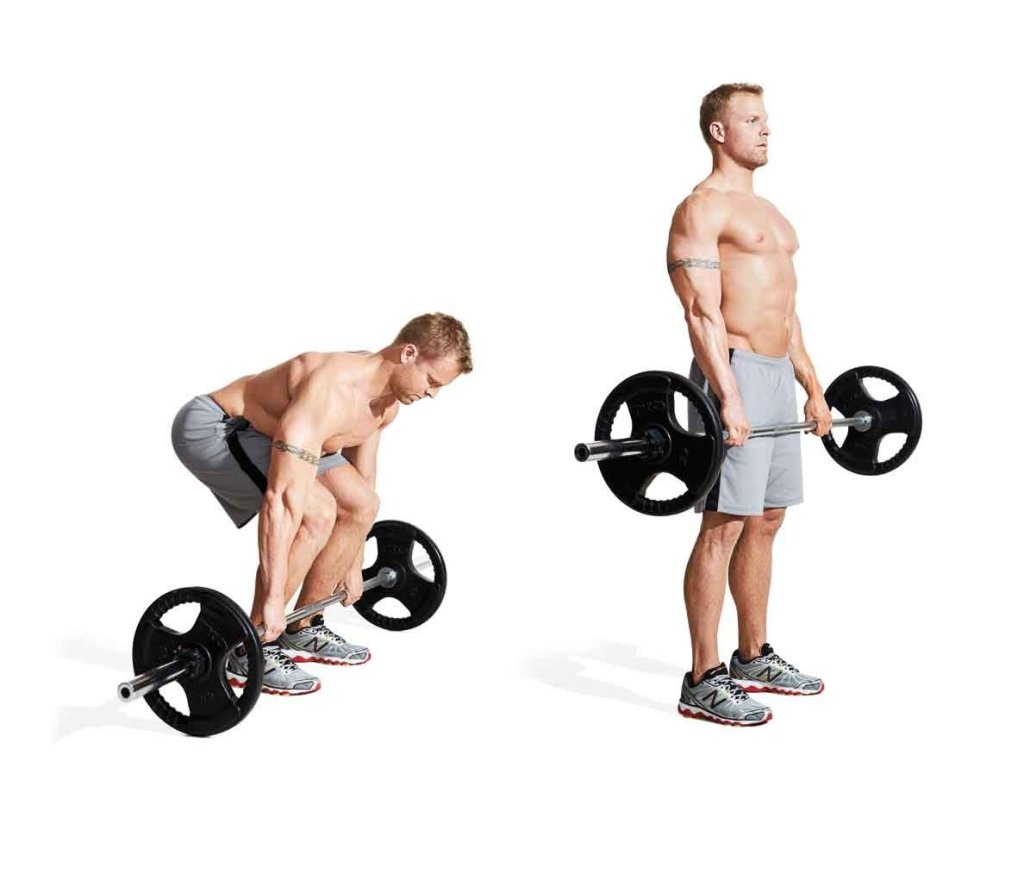
2. Deadlifts

Deadlifts are another excellent compound exercise, primarily targeting the hamstrings, glutes, lower back, and core. They also enhance grip strength and overall stability.

How to Perform Deadlifts:

  • Stand with your feet hip-width apart, with a barbell positioned over the middle of your feet.
  • Bend at your hips and knees to grip the barbell with both hands, keeping your back flat.
  • Drive through your heels to lift the barbell, extending your hips and knees simultaneously.
  • Keep the barbell close to your body as you lift it to hip level.
  • Lower the barbell back to the ground by bending at the hips and knees.

Variations: Conventional deadlifts, sumo deadlifts, and Romanian deadlifts.

3. Bench Press

The bench press is a classic upper-body exercise that primarily targets the chest, shoulders, and triceps. It’s essential for developing upper body strength and mass.

How to Perform Bench Press:

  • Lie on a flat bench with your feet flat on the ground.
  • Grip the barbell slightly wider than shoulder-width apart.
  • Lower the barbell to your chest, keeping your elbows at a 45-degree angle.
  • Push the barbell back to the starting position, fully extending your arms.

Variations: Incline bench press, decline bench press, and dumbbell bench press.

4. Pull-Ups

Pull-ups are a fantastic bodyweight exercise that primarily targets the back, biceps, and shoulders. They require no equipment other than a sturdy bar, making them accessible and highly effective.

How to Perform Pull-Ups:

  • Hang from a pull-up bar with your palms facing away from you and hands shoulder-width apart.
  • Engage your core and pull your body up until your chin is above the bar.
  • Lower yourself back to the starting position with control.

Variations: Assisted pull-ups, chin-ups (palms facing you), and wide-grip pull-ups.

Isolation Exercises for Targeted Growth

While compound exercises are vital for overall muscle development, isolation exercises help target specific muscles for balanced growth.

5. Bicep Curls

Bicep curls are effective for isolating the biceps and improving arm strength and aesthetics.

How to Perform Bicep Curls:

  • Stand with a dumbbell in each hand, arms fully extended at your sides.
  • Curl the weights toward your shoulders while keeping your elbows close to your body.
  • Lower the weights back to the starting position with control.

6. Tricep Dips

Tricep dips effectively target the triceps, shoulders, and chest.

How to Perform Tricep Dips:

  • Find a sturdy bench or dip station.
  • Position your hands shoulder-width apart on the edge of the bench, with your legs extended in front of you.
  • Lower your body by bending your elbows until your upper arms are parallel to the ground.
  • Push through your palms to return to the starting position.

7. Leg Curls

Leg curls focus on isolating the hamstrings, helping to develop balanced leg strength.

How to Perform Leg Curls:

  • Use a leg curl machine, adjusting the pad to sit just above your heels.
  • Curl your legs towards your glutes while keeping your upper body stationary.
  • Lower your legs back to the starting position.

In Conclusion

Building muscle and sculpting strength demands commitment and a comprehensive exercise plan. By integrating both compound and isolation exercises, you can effectively engage all major muscle groups, leading to balanced development. Don’t forget to support your workouts with a nutritious, protein-rich diet and ensure you stay hydrated.

With consistency, patience, and the right strategy, you’ll be on track to reach your muscle-building objectives. If you’re in Lehi, consider working with a personal trainer to tailor your program for optimal results. Enjoy your journey to strength!

Features of a Healthy Lifestyle


What is healthy
lifestyle?


A healthy lifestyle, put simply, is a way of life that
lowers your risk of developing serious illnesses or shortens your life
expectancy. Many dangerous illnesses can be averted by adopting certain
practices and avoiding others, even though we cannot completely prevent all
diseases.


What are the essential
features of a healthy lifestyle?


A healthy diet


 • Eating a variety of foods in the right amounts and
sticking to a calorie intake that supports maintaining a healthy body weight
are both components of a balanced diet. Although everyone’s situation is
different, as a basic guideline, this should contain:

• A third of your daily dietary intake should consist of at
least five pieces of fruit and vegetables. According to data, those who achieve
this threshold have a lower risk of some malignancies and heart conditions.

• Starchy foods, especially those made with whole grains,
which have higher fibre and nutritional contents than white grains. Whole
grains have been found to support good gut bacteria and lower the risk of a
number of malignancies, type 2 diabetes, and heart disease.

• Lean proteins are crucial for cellular repair and offer a
variety of vitamins and minerals, notably fish, eggs, and white meat.

• Dairy products and products derived from them, which are a
good source of calcium and protein.

• Saturated fats in moderation.


Physical activity


The World Health Organization advises all adults to engage
in regular physical activity, including at least two sessions per week of
weight-bearing exercise, in addition to at least thirty minutes of moderate
aerobic activity daily. Being physically fit helps prevent secondary prevention
(i.e., the worsening of symptoms) of diseases like cardiovascular disease, certain
malignancies, diabetes mellitus, and osteoporosis.


Healthy body weight


The importance of maintaining a healthy body weight for
overall health and illness prevention cannot be overstated. Body mass index
(BMI), a measurement of body fat based on height and weight, is a valuable tool
for determining if a person’s weight is healthy. A BMI score of 18.5 to 24.9 is
considered normal; a score of 25.0 to 29.9 suggests an individual is
overweight; and a score of 30 or higher denotes obesity. BMI score and disease
risk are positively connected, with higher scores indicating a higher risk of a
number of diseases, such as:

• Diabetes type 2

• Heart condition

• Liver disease

• Hypertension

• Mood issues

• Reproductive disorder

• Cancer risk


Obesity and being overweight increase the risk of disease.


Tobacco use
 

There is no degree of tobacco usage or smoking that is
considered safe. Therefore, never having smoked is correlated with the best
health outcomes.

Eight million individuals per year pass away from smoking-related
illnesses, with smoking being directly responsible for 70% of lung cancer
cases. The esophagus, mouth, throat, pancreas, stomach, and liver are just a
few of the numerous bodily parts where it can cause cancer. Smoking harms the
heart’s tissue and circulation, raising the risk of vascular disease,
myocardial infarction, coronary heart disease, and stroke.


Moderate alcohol intake


One to two drinks per day for men and one drink per day for
women constitute a moderate intake of alcohol. Consuming alcohol at these
amounts raises the likelihood of bad health effects. For instance, excessive
consumption can boost blood triglycerides, which raises the risk of heart
attack and stroke. Additionally, it can cause heart arrhythmia, cardiomyopathy,
and excessive blood pressure.

Personal Habits: Exercising

Everyone from India has heard the phrase, “ If you get up by 6 in the morning, everything will set in order.” It is a common phrase made for Millennials and Gen-Z. We hear it so often and tried a few times but it didn’t suit your routine. Did you ever wonder why you weren’t able to adopt it? After reading this, do let me know about your thoughts on this.

Exercising in the Morning

Of course, the most common habit among people. Exercising a few hours after you get up is beneficial to your health. It increases blood flow in you as well as trains your muscles. It increases alertness and also energizes you for the day. It’s common to do cardio in the morning with lifting weights before your first breakfast. This helps in burning fat as well as developing your muscle endurance. But why can’t you do it?

Jogging in the Morning increases blood flow and improves body endurance.

The most common reasons are:

  • Sleeping Late: You may have slept late. Even if you have slept around 11PM, if you need 8 hours of sleep then you will get up at 7AM. Your body needs sufficient sleep to get up or it will keep you tired the entire day. You have to plan your sleep schedule in a way you don’t compromise your sleep.
  • Exhausted: If you had a backbreaking day and you are completely exhausted of your energy, then you may not get up the next day at your set time. If this is your regular routine, you may want to change the time you want to get up.
  • Jam-packed daily routine: If your schedule is full on an everyday basis, you need to start prioritizing your work. It may be tough to change your routine but by doing this, you can improve the amount of time you can give to yourself and your new habits.
  • Feeling awkward where you exercise: Am I doing it well? Is my form right? Is my shirt torn? Am I sweating too much? Am I disturbing someone? Are they looking at how bad I am? Are they judging me? It is okay to feel these when you workout. Everyone goes through this and it’s okay. At the beginning it does feel weird to do a workout but we all started as beginners and we also have made mistakes. The only thing that you can do is ask a friend, family or trainer to help you. They may also point out other mistakes that you may have made which you can correct.
  • You don’t want to: Most of the time when you try to build a habit, there is a feeling that says, “This isn’t worth the trouble we are going through” but sometimes, you just don’t want to. You might want to do it to show others or of the stereotypical “healthy person”. If you think clearly by separating your external ideas/thoughts, you will understand why you want to do it.

How can you tackle these problems?

At first, these hurdles feel the hardest to jump over but unless you jump over them, you cannot reach your goal. There will be hurdles along the way and you are the solution to them. You will become better when you start crossing hurdles. Every hurdle you face is a step that you need to conquer and move forward.

  1. Set a Convenient time: 5 AM may be easy for others but it may be difficult for you. It may not agree with your sleep routine, or with your work routine so you quit. Rather, just change the time. If you get up around 7 AM and have to go to work by 10 AM. Make a slot of 1 hour for your workout and complete your morning routine! If you can’t make a slot of 1 hour, carry it to the evening when you come home. 1 hour before dinner, exercise to your heart’s content! 
  1. Change your workout: If you are the ‘No pain, No Gain’ person, sometimes, you may get too sore from your workout which leads to quitting. Rather than quitting, change your workout a bit. You don’t need to change weight, just change what you do. It is very helpful to have a 10-minute cardio session at the end. Not high intensity but something like walking on a treadmill or yoga, will help you recover efficiently.
  1. Get a workout partner: “Sometimes, the fruit tastes better when it’s shared” Get a partner! A friend who wants to workout or a family member who is bored of being alone in the gym, work together at the gym! When you have someone to look out for you, you get more confident and work better. It will also help in improving your form! If you workout with a partner you are comfortable with, you will be able to focus more on your workout than others.
  1. Take Pictures of yourself: When you take pictures of yourself after you workout, you can see the amount of progress that you are accomplishing over time. This way you get to see how far you have come. Every day that you work is a step forward. You and your partner could record each other’s workout and see where you could improve.
  1. 20% of the work gets you 80% of the way: Some days, you don’t feel like working out, you don’t feel like going to the gym but by showing up and doing 10% of your workout makes you feel happy that you came. Just by showing up and starting your workout sets the wheels in motion. By the time you take off your headset, you are halfway through.
  1. Take cheat days/rest days: When you exercise, it’s important to rest so your muscles recover and become stronger. By not taking rest, you are prone to burning out. If the gym is tiring you out way beyond it should, then you need a rest day. Hitting the gym after your rest day feels better because you will feel stronger and work more.

This article is my personal opinion that I have used when I workout and it has worked well for me. Experiment with your workout routines and I am sure you can find something that works well for you. To become better tomorrow, you have to work today. This way, you will become a better version of yourself. All the Best! 

TOP FIVE EXERCISE TO BUILD MUSCLES

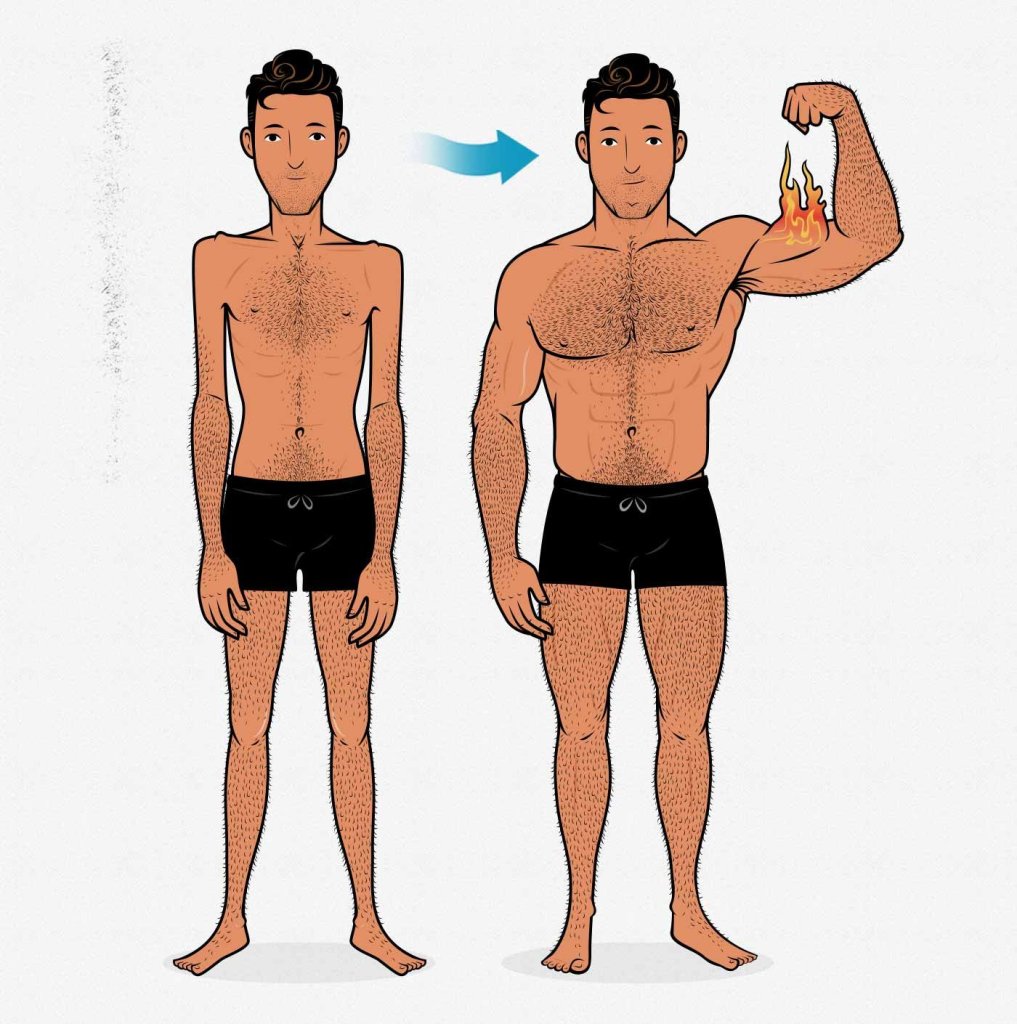
There are so many people who are in skinny body so they fell low in confident, attraction. Here I came with few exercises to build muscle and attractiveness to yourself. But also it’s to done consistently for the optimistic results.

1) SQUATS

A squat is a strength exercise in which the trainee lowers their hips from a standing position and then stands back up. During the descent of a squat, the hip and knee joints flex while the ankle joint dorsiflexes; conversely the hip and knee joints extend and the ankle joint plantarflexes when standing up. https://en.m.wikipedia.org/wiki/Squat_(exercise)

Here are some advantages of squats: 1) Strengthens your core. 2) Reduces the risk of injury.
3) Crushes calories.
4) Strengthens the muscles of your lower body.
5) Boosts athletic ability and strength.

2) DEADLIFTS

The deadlift is a weight training exercise in which a loaded barbell or bar is lifted off the ground to the level of the hips, torso perpendicular to the floor, before being placed back on the ground. It is one of the three powerlifting exercises, along with the squat and bench press. https://en.m.wikipedia.org/wiki/DeadliftA barbell deadlift is a compound exercise and works the gluteus maximus with further work on the quadriceps femoris, hamstrings, trapezius, lats, and erector spinae. The quadriceps, hamstrings, adductor magnus, and soleus serve as synergists during the exercise.

Here are few advantages of DEADLIFTS:

  • Muscle building workout
  • Improves stamina
  • Good for heart
  • Helps in growth hormones

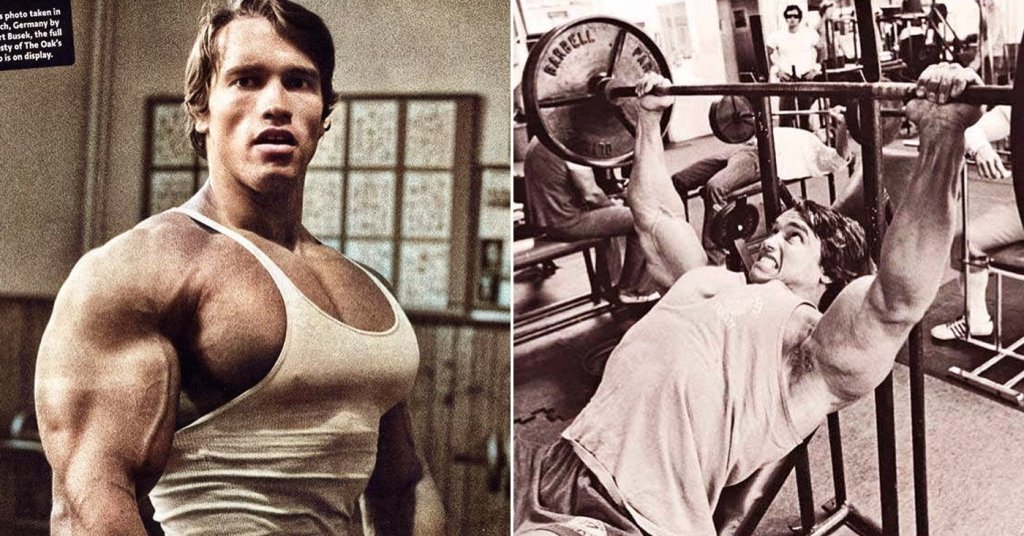
3) BENCH PRESS

The bench press, or chest press, is an upper-body weight training exercise in which the trainee presses a weight upwards while lying on a weight training bench. The exercise uses the pectoralis major, the anterior deltoids, and the triceps, among other stabilizing muscles. https://en.m.wikipedia.org/wiki/Bench_press A conventional bench press uses the pectoralis major, anterior deltoids, and Triceps brachii to horizontally adduct the shoulder. It also uses predominantly triceps and anconeus to extend the elbows.

Here are some advantages of beach press:

  1. Good for upper body.
  2. Enables confidence.
  3. Better feel than yesterday

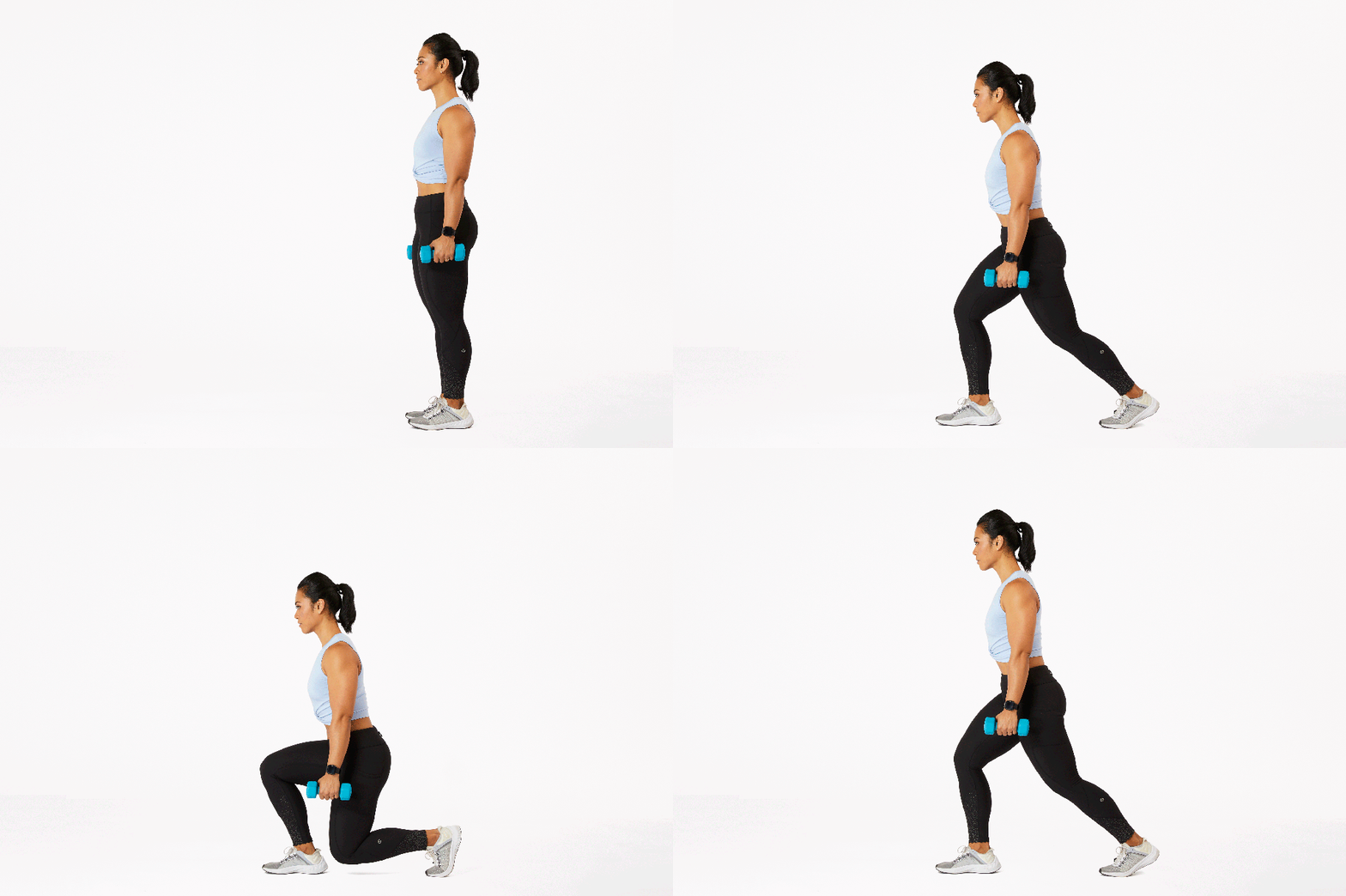
4) LUNGE

A lunge can refer to any position of the human body where one leg is positioned forward with knee bent and foot flat on the ground while the other leg is positioned behind. https://en.m.wikipedia.org/wiki/Lunge_(exercise) Doing this exercise will promote your legs bigger and better. This lunge exercise will improve in legs and avoid leg injuries.

Here are some advantages of lunges:

  • Good for hamstrings
  • Relief pain from joints
  • Improve posture

5) CLEAN AND PRESS

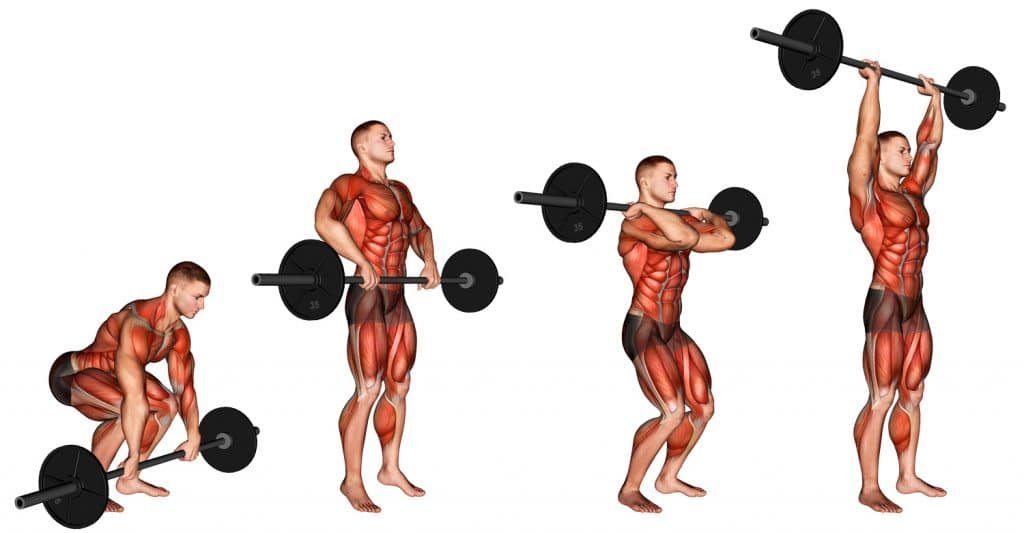
The clean and press is a two-part weight training exercise whereby a loaded barbell is lifted from the floor to the shoulders and pushed overhead.https://en.m.wikipedia.org/wiki/Clean_and_press The main muscle worked in a clean and press is your shoulders, but the movement also works your traps, triceps, middle and lower back, abdominals, glutes, quadriceps, hamstrings, and calves. It is a full body exercise, which not only can be performed for hypertrophy, but also for strength.

Here are few advantages of clean and press:

  • Good for abs, triceps, biceps,
  • Promote stamina
  • Helps in good posture
  • Enables slow-aging
  • Fell better than yesterday

The role of physical education in the school system


The number of non-educational activities that children do in India has increased over the last few years. With rising incomes, the proliferation of places selling junk food, and the easy availability of non-academic activities, children are spending less time keeping themselves healthy. Add to this the proliferation of mobiles, TV, and computers and you know why children are no longer keen on health.

The answer to this is physical education in schools in India as it plays a very consequential role in keeping children fit and active. Physical education helps in developing students’ competence and confidence. It helps them to take part in a wide range of physical activities that are crucial to their lives—both in and out of school.

A high-quality physical education program enables all students to enjoy and succeed in many kinds of physical activities. The importance of physical education programs is to help students to develop a wide range of skills as well as gives them the ability to use tactics, strategies, and newer ideas to perform successfully both at home and school.

Benefits of Physical Education

1.Teaches Ethical Traits


The first benefit of physical education is that it teaches ethical traits that students need to thrive in this competitive world. The main ethics that they learn from physical education are perseverance and work ethics. Whether in physical education or sports, disputes often arise and only ethics and perseverance from the players can reduce the disputes.

2.Physical Fitness


Physical fitness is the key ingredient for a healthy lifestyle. This is why physical education is an important element in most schools. When students have regular fitness activities as part of their daily regimen,  they stay fit and healthy. Regular physical activities daily help in better absorption of nutrients in the body and also helps in improving cardiovascular health and developing muscular strength.

3.Improvement in Academic Performance


One of the advantages of physical education is that it helps in improving the academic performance of the students. Most physical activities that students do in schools are related to higher levels of concentration which in turn help with better behaviours. Physical activities and sports activities help in boosting the knowledge learned in the classroom.

4.Social Interaction


Apart from the classroom, physical education is the only time when students can meet and interact with their classmates and other schoolmates. It helps improve their social behaviour. During the physical education class, they learn to cooperate through various group activities and get a sense of identity from each other as well as of the team. These social activities continue to play an important role in the growth of a student into a better professional. For instance, sports is one of the best sources to instil team building, leadership, and management skills in them.

5.Reduces Stress


There’s immense academic pressure on kids lately. Most schools give importance to core subjects and students are under tremendous pressure to perform better in these subjects. Even after spending several hours in school, they have to work on homework at home and this leaves them with little time to do anything else. And because children spend a lot of hours on academics, this leads to a lot of mental and physical pressure. Physical activity can help take some of those stress and anxiety away. It can also lead to emotional resilience and stability.

CONCLUSION

Many schools have made physical education an essential part of their education program because they know that physical education plays a key role in the development of a student’s life. This is because of the fact students who participate in physical activities are always happier and healthier than those students that spend all their time studying. It has been known physical activities help in providing more oxygen to the heart and brain and allows the body to maintain a balance between physical and mental health.

Schools should consider several factors in the development of physical activities and one of those is the age of the student. Schools need to have age-appropriate physical education programs for students. Schools should be aware of the importance of physical education and have a healthy mix of academic, non-academic, and physical education activities for the holistic growth of the children.

Yoga And Some Science-supported Benefits.

We all are familiar with Yoga and many of us even practice it on a day-to-day basis. But, do we know what does the word “Yoga” means? And what benefits of Yoga are supported by science? Well, some of us may know and some of us don’t. So, let’s dive into the questions mentioned above, and let’s learn.

The word “Yoga” is derived from the Sanskrit root “Yuj,” which means ‘to join’ or ‘to yoke or ‘to unite’. It assimilates mediation and poses composed to stimulate relaxation and reduce stress. In simple words, Yoga is an ancient practice that brings our body and mind together.

Practicing Yoga can provide a lot of benefits for both our mental and physical health. Although not all the benefits are supported by science. Mentioned below are some of the many benefits of Yoga that are supported by science:-

I) Improves Flexibility and Balance

In several studies, it has been found that practicing yoga can improve flexibility and balance. 

According to a study in 2017, a group of 26 male athletes who undertook Yoga for 10 weeks, had shown greater improvement in their flexibility levels compared to the control group. 

II) Could Promote Sleep Quality

Poor sleep quality can cause a lot of trouble for a person. Although it has been found in studies that yoga could improve sleep quality.

In a study, in 2005, 69 old patients were assigned to either practice Yoga, herbal preparation, or be a part of a control group. It has been found that the Yoga group fell asleep faster, slept longer, and felt more rested than the other groups. 

III) Can Decrease Stress

As mentioned in the above line Yoga is known for stimulating relaxation and stress. 

Many studies have also shown that it decreases the secretion of the primary stress hormone (cortisol). 

In an observation, 24 women labeled themselves emotionally distress, when completed a three-month yoga program, showed significantly lower levels of cortisol. They also had a lower level of stress, anxiety, fatigue, and depression. 

IV) Could Improve Heart Health

The health of your heart is a very essential component of your overall health. And studies have shown that yoga may help in improving heart health and in reducing factors leading to heart disease. 

A study has found that participants over 40 years of age who practiced yoga for five years had lower blood pressure and pulse rate than those who didn’t. 

V) Improves Life Quality

For many individuals, Yoga has now become an accompaniment to improve the quality of life. 

In a study, 135 elders were assigned to either practice Yoga for 6 months, walking, or join a control group. The Yoga group showed improved quality of life as well as mood, and fatigue, compared to other groups.

Though these were only a few benefits of Yoga that are supported by science, you can always go and google more. Science has also accepted the beneficiary of practicing Yoga, then you should too. Just by giving 1hr from your day to Yoga, you can improve both mentally and physically. In the end, it always depends on you.  

BENEFITS OF INTERMITTENT FASTING(IF)

 So, if you’re the one person who runs away from exercise and workout and still dream of a HEALTHY LIFESTYLE, let me bust out an age old myth about fasting for you. How can fasting benefit one’s body? What does intermittent fasting do to your body? Is a sixteen hour fast beneficial for your health? These are the type of questions that generally arise in our skeptical minds when we hear about intermittent fasting. Well, if you too find yourself in middle of these questions, then you have reached the right place. We’ll provide you with ample reasons to choose this fasting in order to benefit your inner and outer self.

Intermittent fasting is one of the most aired dieting methods these days, a pattern of eating and fasting in a cycle within 24 hours.

There are different patterns of intermittent fasting, the most common being the 16/8 (16 hours of fasting window and 8 hours of eating window) pattern. Others can be 20/4, 5:2 pattern etc.

You will be shocked to know that it is a scientifically proven method of improving your mental and physical health.

So here we bring your attention to some of the top benefits of intermittent fasting: 

1.CHANGES HORMONE, CELLS AND GENE FUNCTION

Many changes occur in our body while we don’t eat. Our body changes the level and functions of the hormones to allow them to use the stored fat for primary energy generation. It also initiates the repair of damaged body cells. 

Some of the aforesaid changes occurring in our body due to fasting are;

a. Increase in Human Growth Hormone (HGH)

The exotic increase in level of HGH in blood leads to high fat burning, repair of tissues in the brain, boost in metabolism and gain in muscle mass, that’s why it is very common in body building industry.

b. Lowering the Insulin level-

Keeping the insulin level low in the blood is the main aim of IF. During the fasting window the insulin level of body lowers down dramatically and reverses the formation of fat and hence, you lose fat. Lowering in insulin also prevents diabetes. 

c. Repair of cells-

During IF, our body cells rejuvenate, cleanse themselves of all waste materials and repair themselves with the help of HGH in order to become stress resistant.

d. Correcting Gene expression-

IF affects different gene expressions to cures many diseases and health problems at genetic levels like cancer etc.

2. LOSING WEIGHT

                   While following an intermittent fasting routine; the body lowers the level of insulin, increases the level of HGH and increases amount of noradrenaline. This consequently leads to burning of excess body fat which is then converted into energy, that is utilized by the body for its daily activities.

                  It also breaks down visceral fat from our abdominal cavity that otherwise is hazardous for our physical well-being. So basically, IF takes down our calorie intake in order to boost our metabolism and correct our lifestyle.

3.IMPROVES BRAIN FUNCTION AND IMMUNE SYSTEM

                      As the metabolic activity of the body improves, so does the condition of the brain which is the most important part of our body. IF reduces inflammation, oxidative stress, blood sugar and insulin resistance of our body which leads to the growth of new nerve cells. It also leads to the secretion of brain hormones which prevents depression and brain damage like strokes.

IF even protects the body against incurable disease like Alzheimer’s.

4.PROTECTS FROM HEART DISEASES

               The intake of healthy IF diet leads to almost no formation of low-density lipoprotein or bad cholesterol which prevents heart attack and also reduces the risk of high blood pressure and other inflammatory diseases of heart. According to new research, regular follow up of IF can considerably lower the rate of heart failure and can add more years to someone’s life.

5. INCREASES LIFE LONGITIVITY

                   Taking an IF diet can persistently uplift a poor lifestyle of a person and help him get rid of heart diseases, abnormal blood pressure, atypical brain problems, obesity, fatigue etc. This, thus, brings the overall health of  a person in the right track also benefitting him from over-aging by repairing the body cells timely. 

LET US KNOW IF YOU HAVE ANY QUESTIONS AND IF YOU WANT ANOTHER ARTICLE ON HOW TO START INTERMITTENT FASTING.


Bioterrorism

From the past two decades , it is stated that the threat of biological warfare is not a myth but a harsh reality of the world . Due to the outbreak , we can recognise the high risk and consequences of bioterrorism.

This editorial provides you the overview of bioterrorism , it’s symptoms , causes , measures and impact on humans in present scenario .

Introduction

A bioterrorism attack is the deliberate release of viruses, bacteria, or other germs to cause illness or death. These germs are often found in nature. But they can sometimes be made more harmful by increasing their ability to cause disease, spread, or resist medical treatment.

Biological agents spread through the air, water, or in food. Some can also spread from person to person. They can be very hard to detect. They don’t cause illness for several hours or days. Scientists worry that anthrax, botulism, Ebola and other hemorrhagic fever viruses, plague, or smallpox could be used as biological agents.

Despite patchy intelligence, France started its own biological weapons programme in the early 1920s. It was headed by Auguste Trillat, an inventive German-educated chemist who envisioned and tested the sustained virulence of airborne pathogens.

The goal of bioterrorism is usually to create fear and/or intimidate governments or societies for the purpose of gaining political, religious, or ideological goals. Bioterrorism may have a different effect on societies than would weapons such as explosives.

Symptoms

The symptoms of exposure to a biological agent might include sore throat, fever, double or blurred vision, rash or skin blisters, exhaustion, difficulty talking, confusion, descending muscle weakness, nausea, abdominal pain, vomiting, diarrhea, and coughing.

History

Historically, biological weapons have been a threat to humans for many centuries. At those times, very crude methods such as fecal matter, animal carcasses, etc. were used to contaminate water sources, but now the concentrated forms of biological agents such as dried spores and genetically modified organisms are available, which are fatal even in minute quantity.

During the Indo-Pakistan war of 1965, a scrub typhus outbreak in north-eastern India came under suspicion. India’s defense and intelligence outfits were alert to the outbreak of pneumonic plague – well known in biological warfare – in Surat and Bubonic plague in Beed in 1994, which caused several deaths and sizeable economic loss.

Prevention

There are some points that you need to consider during the outbreak :

  • If you become aware of a suspicious substance, quickly get away.
  • Cover your mouth and nose with layers of fabric that can filter the air but still allow breathing. Examples include two to three layers of cotton such as a t-shirt, handkerchief or towel.
  • Depending on the situation, wear a face mask to reduce inhaling or spreading germs.
  • If you have been exposed to a biological agent, remove and bag your clothes and personal items.
  • Follow official instructions for disposal of contaminated items.
  • Wash yourself with soap and water and put on clean clothes.
  • Contact authorities and seek medical assistance. You may be advised to stay away from others or even to quarantine.
  • If your symptoms match those described and you are in the group considered at risk, immediately seek emergency medical attention.
  • Follow the instructions of doctors and other public health officials.
    Avoid crowds.
  • Wash your hands with soap and water frequently.
  • Do not share food or utensils.

Link

Daily Yoga

Yoga is an art that connects our body, mind and soul together and makes us strong and peaceful. Yoga is essential because it keeps us fit, helps in reducing stress and maintains overall health and a healthy mind can help in concentrating well.

Yoga is important because by practicing yoga, you can gain benefits at the following points:
Internal peace – Yoga helps in achieving inner peace and fighting against stress and other problems. Yoga enhances the level of peace in one person and helps to increase his self-confidence and make him happy.

Health – A healthy person can work more than an unhealthy person. Life is very tense nowadays and there is a lot of pollution around us. This is the reason for many health problems. Just 10-20 minutes of yoga can help your health to be good every day. Better health means better life.

Activism – People now feel lazy, tired or sleepy due to which they lose most of their life in fun and are not able to fulfill their work correctly. Being actively, you are more aware of things happening around you and can accomplish your work more efficiently and quickly. One way to do all this is to practice yoga on a regular basis.

Flexibility – People are suffering from various types of pain nowadays. They face difficulties during touching the toes or bending downwards. Regular practice of yoga helps relieve all these types of pain. By doing yoga, the effects of these things can be seen in a few days.

Increase blood flow – Yoga helps make your heart healthy and it works more efficiently by increasing blood flow in your body and veins. It helps keep your body oxygen rich.

Focusing power – Yoga helps calm and relax your body which means stress is low and you can concentrate on your work. This is the reason that children and teenagers are encouraged to do yoga as it helps in better concentration in their studies.

Conclusion

Thus, it can be said that yoga is a miracle and if it is done then it will guide you throughout your life. 20-30 minutes per day Yoga can change your life forever by promoting the balance between your physical, mental and spiritual health.

Veggie Licious!

You may hate them or love them, but you certainly can’t dismiss the importance of vegetables and other vegetarian ingredients in your daily diet. Take a look at some exotic food that are slowly finding their way into Indian homes and restaurants…..


Couscous
Couscous is crushed durum wheat semolina formed into small granules or spheres. It’s commonly served in North African, Moroccan, Tunisian, and Algerian cuisine. It’s a protein rich food.


Brussels sprouts
The Brussels sprout is a member of the Gemmifera Group of cabbages, grown for its edible buds. The leaf vegetables are typically 1.5–4.0 cm in diameter and resemble miniature cabbages. The Brussels sprout has long been popular in Brussels, Belgium, from which it gained its name. These sprouts are rich in Vitamins K, C, B and B6, as well as other minerals. These also have anti cancer properties.


Arugula
Arugula or rocket is an edible annual plant in the family Brassicaceae used as a leaf vegetable for its fresh, tart, bitter, and peppery flavor. It is written Vitamin C and potassium, the flowers and seeds of this plant can also be eaten. Arugula can be eaten raw in salads or prepared in diverse ways of Mediterranean European and Turkish dishes. Peak season of this green leafy vegetable is early springs and fall.


Bok choy
It’s a type of Chinese cabbage. Chinese’s varieties do not form heads and have green leaf blades with lighter bulbous bottoms instead, forming a cluster reminiscent of mustard greens. Chinese’s varieties are popular in southern China, East Asia, and Southeast Asia. It tastes like, spinach with very mild bitterness. Bok choy is rich in Vitamin A, C and also has cancer prevention compounds.


Kale
Kale, or leaf cabbage, belongs to a group of cabbage cultivars grown for their edible leaves, although some are used as ornamentals. Kale plants have green or purple leaves, and the central leaves do not form a head. Kale is the powerhouse of nutrients as it is rich in Calcium, Vitamin K, Vitamin C and beta carotene. Kale has been known to block the growth of cancerous ces and can also lower cholesterol levels.


Zucchini
The zucchini, courgette or baby marrow is a summer squash, a vining herbaceous plant whose fruit are harvested when their immature seeds and epicarp are still soft and edible. It is high in Vitamin A and potassium. It is extremely low on calories so wait watchers, you can have a new friend. Zucchini is used in Turkish, Mexican, French and Italian cooking.


Quinoa
Quinoa, a grain, is native you to South American regions. It’s a good source of Vitamin B, B6 and E, along with zinc, iron, potassium and magnesium. Cooked quinoa consists of 71.6% water, 21.3% carbohydrates, 4.4% protein, and 1.92% fat. One cup (185 grams) of cooked quinoa contains 222 calories.

Dill
Dill is an annual herb in the celery family Apiaceae. It is the only species in the genus Anethum. Dill is grown widely in Eurasia, where its leaves and seeds are used as an herb or spice for flavouring food. Dill has antibacterial and antimicrobial qualities.


Oregano
Oregano is native to the hills of the Mediterranean countries and western Asia and has naturalized in parts of Mexico and the United States. The herb has long been an essential ingredient of Mediterranean cooking and is widely used to season many foods. With visas gaining acceptance in Indian culinary scene, Oregano has become synonyms with the little sachets of toppings one can use. It also has antifungal properties.

Agriculture

When tillage begins, other arts follow. The farmers, therefore, are the founders of human civilization.”

— Daniel Webster

Introduction

It all started thousand of years ago , when the human civilization came into existence . Agriculture was a key to survival . People were farming for there domestic purpose , not for the others .

As the civilization started to grow accustomed of agriculture , they grew food in surplus that enabled people to live in cities. Plants were independently cultivated in at least 11 regions of the world.

The development of agriculture enabled the human population to grow many times larger than could be sustained by hunting and gathering.

It was the beginning of different civilization in different parts of the World. From those civilizations , one of them was our’s The Indus Valley Civilization . Vedic literature provides some of the earliest written record of agriculture in India. Rigveda hymns , describes plowing, fallowing, irrigation, fruit and vegetable cultivation.

Some of the ancient and historical evidence suggests rice and cotton were cultivated in the Indus Valley.

Agriculture : In India and World today .

India ranks second worldwide in farm outputs. As per 2018, agriculture employed Indian work force and contributed 17–18% to country’s GDP.

In 2016, agriculture and allied sectors like animal husbandry, forestry and fisheries accounted for 15.4% of the GDP (gross domestic product) with about 41.49% of the workforce in 2020.India ranks first in the world with highest net cropped area followed by US and China.The total agriculture commodities export was US $ 3.50 billion in March – June 2020.

Agriculture is the primary source of livelihood for about 58% of India’s population. Share of agriculture and allied sectors in gross value added (GVA) of India at current prices stood at 17.8 % in FY20.

During 2019-20 crop year, food grain production reached a record of 296.65 million tonnes. In 2020-21, Government of India is targeting food grain production of 298 million tonnes.

India is among the 15 leading exporters of agricultural products in the world. Agricultural export from India reached US$ 38.54 billion in FY19 and US$ 35.09 billion in FY20.

Agriculture is an important industry in the United States. The agriculture industry, which includes both crops and livestock, is responsible for producing most of the world’s foods and fabrics. Agriculture impacts so many things that it’s hard to imagine a world without this important industry.

Schemes and Initiatives

Due to the high requirement of agriculture . It is important for the government to take initiatives and provide better infrastructure to the farmers. However , the required level of investment for the development of marketing, storage and cold storage infrastructure is estimated to be huge.

The Indian Council of Agricultural Research (ICAR), established in 1905, was responsible for the search leading to the “Indian Green Revolution” of the 1970s. The Union Minister of Agriculture is the president of the ICAR. The Indian Agricultural Statistics Research Institute develops new techniques for the design of agricultural experiments, analyses data in agriculture, and specialises in statistical techniques for animal and plant breeding.

Schemes by government for Indian agriculture :

  • Dairy Entrepreneurship Development Scheme.
  • Rainfed Area Development Programme (RADP)
  • Paramparagat Krishi Vikas Yojana (PKVY)
  • Pradhan Mantri Krishi Sinchai Yojana (PMKSY)
  • National Agriculture Market (e-NAM)
  • Pradhan Mantri Kisan Maandhan yojana.
  • Pradhan Mantri Fasal Bima Yojana (PMFBY)
  • Kisan Credit Card (KCC) scheme.
  • Pashu Kisan Credit Card Scheme.
  • PM-Kisan Scheme.

Conclusion

Agriculture sector is one of the prominent sector in India as well as all over the world . India is becoming self – sufficient in pulses and other crops .

Gone are the days , when India was unable to provide sufficient amount of food to the citizens . Gone are the days , when people used to think agriculture was not as important as other sectors . Gone are the days , when people used to think less of farmers . And gone are the days , when people were less educated about agriculture.

Farming is a profession of hope.

— Brett Brian

Link

Stress management

It may seem that there’s nothing you can do about your stress level. The bills aren’t going to stop coming, there will never be more hours in the day for all your errands, and your career or family responsibilities will always be demanding. But you have a lot more control than you might think. In fact, the simple realization that you’re in control of your life is the foundation of stress management.
Managing stress is all about taking charge: taking charge of your thoughts, your emotions, your schedule, your environment, and the way you deal with problems. The ultimate goal is a balanced life, with time for work, relationships, relaxation, and fun – plus the resilience to hold up under pressure and meet challenges head on.

Identify the sources of stress in your life:
Stress management starts with identifying the sources of stress in your life. This isn’t as easy as it sounds. Your true sources of stress aren’t always obvious, and it’s all too easy to overlook your own stress-inducing thoughts, feelings, and behaviors. Sure, you may know that you’re constantly worried about work deadlines. But maybe it’s your procrastination, rather than the actual job demands, that leads to deadline stress. 
Think about the ways you currently manage and cope with stress in your life. Your stress journal can help you identify them. Are your coping strategies healthy or unhealthy, helpful or unproductive? Unfortunately, many people cope with stress in ways that compound the problem.
Unhealthy ways of coping with stress:
These coping strategies may temporarily reduce stress, but they cause more damage in the long  run:
• Smoking
• Drinking too much
• Overeating or undereating
• Zoning out for hours in front of the TV or computer
• Withdrawing from friends, family, and activities
• Using pills or drugs to relax
• Sleeping too much
• Procrastinating
• Filling up every minute of the day to avoid facing problems
• Taking out your stress on others (lashing out, angry outbursts, physical violence)

Learning healthier ways to manage stress:
If your methods of coping with stress aren’t contributing to your greater emotional and physical health, it’s time to find healthier ones. There are many healthy ways to manage and cope with stress, but they all require change. You can either change the situation or change your reaction. When deciding which option to choose, it’s helpful to think of the four As: avoid, alter, adapt, or accept.
Since everyone has a unique response to stress, there is no “one size fits all” solution to managing it. No single method works for everyone or in every situation, so experiment with different techniques and strategies. Focus on what makes you feel calm and in control.
Not all stress can be avoided, and it’s not healthy to avoid a situation that needs to be addressed. You may be surprised, however, by the number of stressors in your life that you can eliminate.
●Learn how to say “no” – Know your limits and stick to them. Whether in your personal or professional life, refuse to accept added responsibilities when you’re close to reaching them. Taking on more than you can handle is a surefire recipe for stress.
●Avoid people who stress you out – If someone consistently causes stress in your life and you can’t turn the relationship around, limit the amount of time you spend with that person or end the relationship entirely.
●Take control of your environment – If the evening news makes you anxious, turn the TV off. If traffic’s got you tense, take a longer but less-traveled route. If going to the market is an unpleasant chore, do your grocery shopping online.
●Avoid hot-button topics – If you get upset over religion or politics, cross them off your conversation list. If you repeatedly argue about the same subject with the same people, stop bringing it up or excuse yourself when it’s the topic of discussion.
●Pare down your to-do list – Analyze your schedule, responsibilities, and daily tasks. If you’ve got too much on your plate, distinguish between the “shoulds” and the “musts.” Drop tasks that aren’t truly necessary to the bottom of the list or eliminate them entirely.
●Express your feelings instead of bottling them up. If something or someone is bothering you, communicate your concerns in an open and respectful way. If you don’t voice your feelings, resentment will build and the situation will likely remain the same.
●Be willing to compromise. When you ask someone to change their behavior, be willing to do the same. If you both are willing to bend at least a little, you’ll have a good chance of finding a happy middle ground.
●Be more assertive. Don’t take a backseat in your own life. Deal with problems head on, doing your best to anticipate and prevent them. If you’ve got an exam to study for and your chatty roommate just got home, say up front that you only have five minutes to talk.
●Manage your time better. Poor time management can cause a lot of stress. When you’re stretched too thin and running behind, it’s hard to stay calm and focused. But if you plan ahead and make sure you don’t overextend yourself, you can alter the amount of stress you’re under.
●Focus on the positive. When stress is getting you down, take a moment to reflect on all the things you appreciate in your life, including your own positive qualities and gifts. This simple strategy can help you keep things in perspective.
●Set aside relaxation time. Include rest and relaxation in your daily schedule. Don’t allow other obligations to encroach. This is your time to take a break from all responsibilities and recharge your batteries.
●Connect with others. Spend time with positive people who enhance your life. A strong support system will buffer you from the negative effects of stress.
●Do something you enjoy every day. Make time for leisure activities that bring you joy, whether it be stargazing, playing the piano, or working on your bike.
●Keep your sense of humor. This includes the ability to laugh at yourself. The act of laughing helps your body fight stress in a number of ways.

Learn the relaxation response:
You can control your stress levels with relaxation techniques that evoke the body’s relaxation response, a state of restfulness that is the opposite of the stress response. Regularly practicing these techniques will build your physical and emotional resilience, heal your body, and boost your overall feelings of joy and equanimity.