WORLD’S LARGEST SHIP BREAKING YARD: ALANG, GUJARAT

Alang is the biggest ship breaking yard in the world and is situated in Gujarat, India. Hundreds of ships get scrapped here every year. With the increasing popularity of the yard, the number of ships getting scrapped here is also increasing steeply. With this the number of threats on the health of the workers working there and the marine environment is also increasing. There is a steep increase in threats on them. Unlike other countries, India had lacks strict policies and regulations for protecting and preserving the marine environment. This leads to irreversible harm on the surrounding flora and fauna as well as the health of the laborer’s. Indian coasts have coral reefs and due to the unregulated practice of ship breaking activity, the coral reef of the coast has vanished and destroyed completely. It is having serious impacts on the marine life. Alang has now become the storage of toxic wastes, radioactive elements, poisonous gases and waste, unusable oil which have now entered into the marine food chain and and are also affecting the health of the workers working there. The laborer’s work in dilapidated condition with least safety measures and poor health care facilities.

Ship Breaking Yard at Alang, Gujarat

EXISTING SHIP RECYCLING CAPACITY OF ALANG

Currently the ship breaking yard has 153 plots or ship breaking yards on 10 kilometer long coast in Bhavnagar District of the state. Out of these 131 plots practice ship breaking activities and just 80 plots have ships for breaking. So, 48 per cent of the ship breaking capacity is laying idle in the site. In the year 2011 -12, 415 ships with a total 3.85 million Light Displacement Tonnage (LDT or weight of a vessel without fuel, cargo, etc.) came to the site and the capacity of the site was almost full. And after that there was a decrease in the number of ships coming. In 2021, only 199 ships came to the site.

In this entire process of ship breaking, there are numerous factors and aspects which are not being considered and are neglected. The protection of health, safety and sanitation of the workers is not considered, the negative impacts of the practice on the marine ecosystem and the surrounding environment is not being considered properly and the potential threats on the flora and fauna are not considered properly. Some of the regulations and rights of the workers which are being violated are:

  1. Violation of Legal Frameworks for Adequate Health Facilities: One of the major problems in the ship breaking site is the absence of proper health care facilities for the workers. The region as 2 hospitals only which are under staffed and don’t possess necessary health care infrastructure for treating fatal emergencies. There is no ambulance facility in the area as well. Regulations Violated: the International Labor Organization (ILO) guideline of 2003, which outlined detailed provisions for the safety and health of workers in ship-breaking industries etc.
  2. Violation of Regulations provided for secured employment of laborer’s: The ship breaking yard of Alang is labor intensive and does not use modern technologies like China and Japan. Thousands of people migrants migrate from different parts of the state (especially Odisha, Uttar Pradesh, Bihar etc.) to Alang Sosiya for getting employment but there is no employment security here. A number of workers are Alang Sosiya Ship Breaking YARD (ASSBY) have also said that there is a always a delay in payment of wages and they do not receive any financial benefits as laid down by different labor laws of India. The workers are not even paid for extra work on Sundays and when they are on leave. Regulations Violated: The Workmen’s Compensation Act 1923; the Payment of Wages Act 1936; the Factories Act 1948; the Employees’ State Insurance (ESI) Act 1948; The Minimum Wages Act 1948; the Employees’ Provident Funds Act 1952; the Payment of Bonus Act 1965 etc.
  3. Absence of database providing details of migrant workers: The District Authority does not maintain any database regarding the number of migrant workers working in the ship – breaking yard. Regulations Violated: Chapter II of the Inter-State Migrant Workmen (Regulation of Employment and Conditions of Service) Act, 1979, specifies that the state government shall appoint a registering officer for the purpose of registering interstate migrant workmen. Ship-breaking industries continue to recruit migrant workers without registering under this Inter-State Migrant Workmen Act.

The 8 Best Healthy Foods to Gain Weight Fast

1.Dried fruit

Dried fruit is packed with calories, healthy fiber, and antioxidants. It’s an easy way to add nutrients and calories to your diet.

2.Whole grain bread

Whole grain breads can be effective in gaining weight, especially when combined with a good protein source.

3.Avocados

Avocados are full of healthy fats and nutrients. They’re versatile and can be added to many different meals or eaten on their own.

4.Healthy cereals

Eating cereal can be a great way to gain weight and consume more fiber. However, stick to healthier forms such as oatmeal.

5.Cereal bars

Stick to cereal bars that have whole grains and other healthy ingredients, such as dried fruit and nuts.

6.Dark chocolate

Dark chocolate is packed with antioxidants and other nutrients, along with plenty of calories to help you gain weight.

7.Cheese

Cheese is a very good source of protein and rich in healthy fats. Add it to meals if you need a calorie and flavor boost.

8.Whole eggs

Eggs are one of the best foods for building muscle. There’s no limit to the number you should eat in a day, and they’re full of nutrients.

RECIPES TO PROMOTE WEIGHT LOSS (DESI-VERSION)

Our diet plays a crucial role in the process of weight loss and having a well-balanced diet and some mind-full eating in regulated portions is always the key for healthy and fit body. It might not be as difficult as it may sound if you start with a little patience and consistency. Sometimes a Subtle tweak here and there in diet is absolutely fine!

Here are few recipes which works out for weight loss journey

TURMERIC TEA

Turmeric consists of a powerful ingredient called as ‘curcumin’ which basically is the main active ingredient in turmeric that aids in cutting down the body fat. ‘Curcumin’ plays a major role to help suppress the fat but it does not fully absorb in the body. To make absorption work other ingredients such as black pepper is made use of. Therefore, this detoxifying drink makes the body light as well as helps cut down the excess fat if used regularly.

Recipe link:-  https://yummyindiankitchen.com/turmeric-tea-recipe-for-weight-loss/#how-does-it-help-in-belly-fat-loss

OATS KHICHDI

India’s favorite comfort food made into a high-protein, healthy one! Brimming with the goodness of oats, moong dal, carrot, green peas, tomatoes, chilies and olive oil, this hearty bowl of khichdi is sure to leave you healthy, happy and satiated

Recipe link :   https://food.ndtv.com/recipe-oats-khichdi-951242

FENUGREEK SOUP

Fenugreek seeds are rich source for vitamins, minerals and poly-nutrients .It is also rich in vital vitamins such as thiamine, pyridoxine, vitamin A , vitamin C and other essential nutrients for optimum health.

Recipe link : https://simpleindianrecipes.com/Home/FenugreekSproutsSoup.aspx

CARAMEL MAKHNA

Makhanas are popularly known as lotus seeds, fox nuts, Euryale ferox, gorgon nuts and phool makhana. It’s actually the puffed lotus seeds or the puffed fox nuts that has high nutritional and medicinal values

Recipe link :- https://www.indianveggiedelight.com/caramel-makhana-recipe/

Remember to always fill your plate with good amount of veggies, greens and fruits. Drink loads of water and buttermilk. If possible take a 20-30 min walk or jog because it speeds up the process of weight loss.

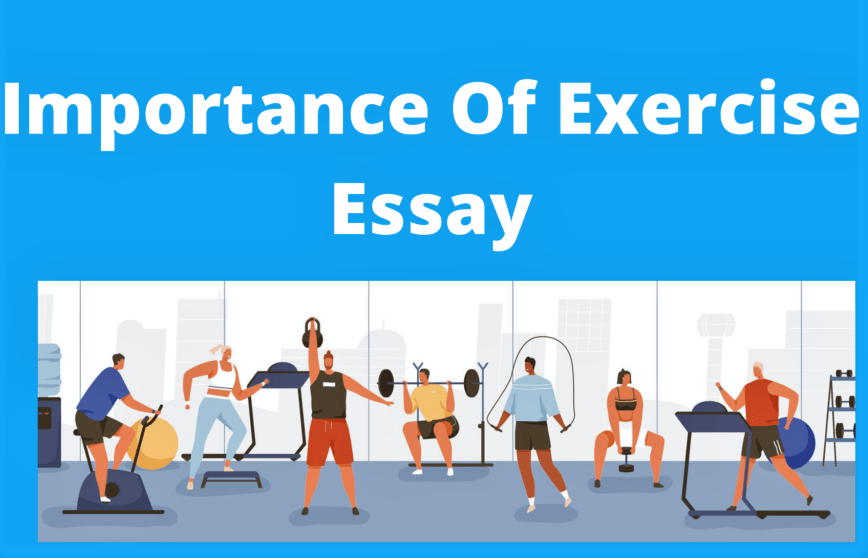
Importance of Exercise

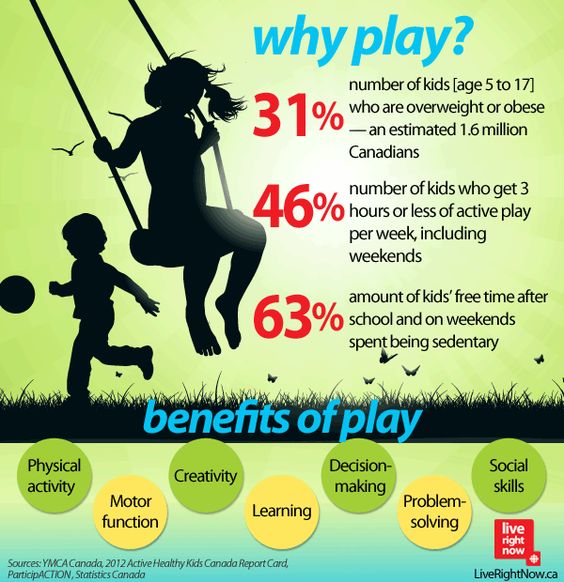
Exercise is basically any physical activity that we perform on a repetitive basis for relaxing our body and taking away all the mental stress. It is important to do regular exercise. When you do this on a daily basis, you become fit both physically and mentally. Moreover, not exercising daily can make a person susceptible to different diseases. Thus, just like eating food daily, we must also exercise daily. The importance of exercise essay will throw more light on it. People who are obese or overweight during their early life, they are more likely to be obese as adult. So, it is important to exercise during childhood and adolescent. It is important to exercise.

Importance of Exercise

  1. Exercising is most essential for proper health and fitness. Moreover, it is essential for every sphere of life. Especially today’s youth need to exercise more than ever. It is because the junk food they consume every day can hamper their quality of life.
  2. If you are not healthy, you cannot lead a happy life and won’t be able to contribute to the expansion of society. Thus, one needs to exercise to beat all these problems. But, it is not just about the youth but also about every member of the society.
  3. These days, physical activities take places in colleges more than often. The professionals are called to the campus for organizing physical exercises. Thus, it is a great opportunity for everyone who wishes to do it.
  4. Just like exercise is important for college kids, it is also essential for office workers. The desk job requires the person to sit at the desk for long hours without breaks. This gives rise to a very unhealthy lifestyle.
  5. They get a limited amount of exercise as they just sit all day then come back home and sleep. Therefore, it is essential to exercise to adopt a healthy lifestyle that can also prevent any damaging diseases.

Benefits of Exercise

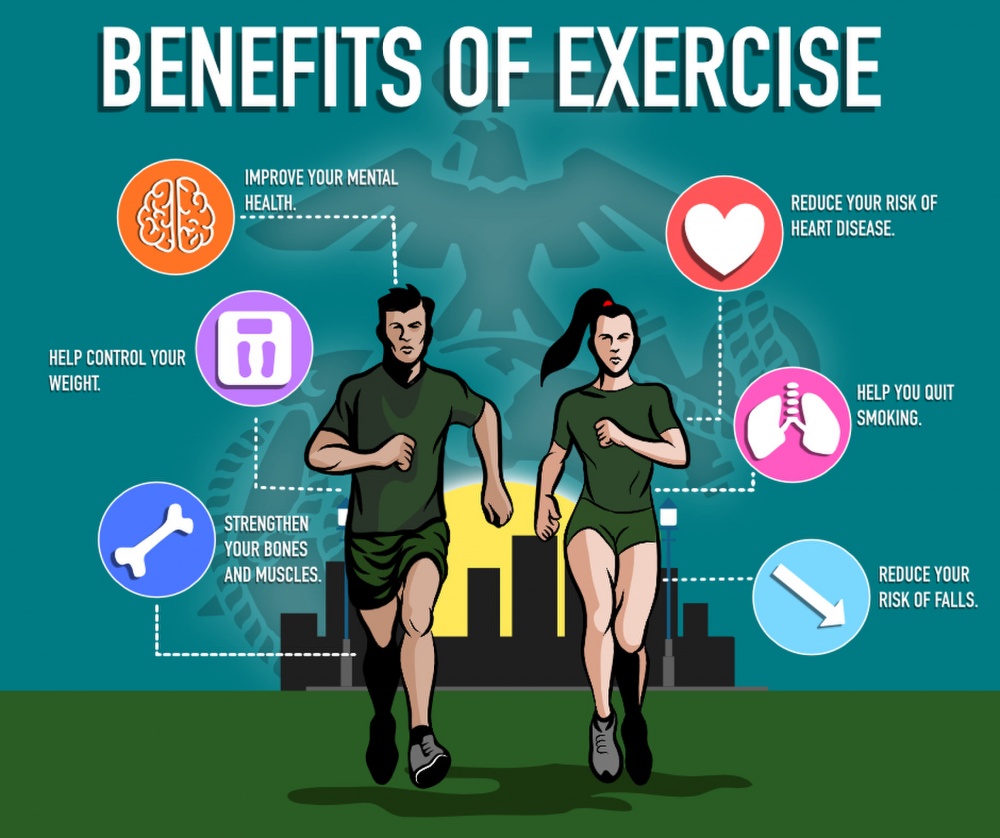
  1. Exercise has a lot of benefits in today’s world. First of all, it helps in maintaining your weight. Moreover, it also helps you reduce weight if you are overweight. It is because you burn calories when you exercise.
  2. Further, it helps in developing your muscles. Thus, the rate of your body will increases which helps to burn calories. Moreover, it also helps in improving the oxygen level and blood flow of the body.
  3. When you exercise daily, your brain cells will release frequently. This helps in producing cells in the hippocampus. Moreover, it is the part of the brain which helps to learn and control memory.
  4. The concentration level in your body will improve which will ultimately lower the danger of disease like Alzheimer’s. In addition, you can also reduce the strain on your heart through exercise. Finally, it controls the blood sugar levels of your body so it helps to prevent or delay diabetes.

Conclusion

In order to live life healthily, it is essential to exercise for mental and physical development. Thus, exercise is important for the overall growth of a person. It is essential to maintain a balance between work, rest and activities. So, make sure to exercise daily. Body:

Exercise is basically any physical activity that we perform on a repetitive basis for The AI generated a suggestion that was flagged as potentially unsafe. Please adjust your content before generating again.

Child obesity

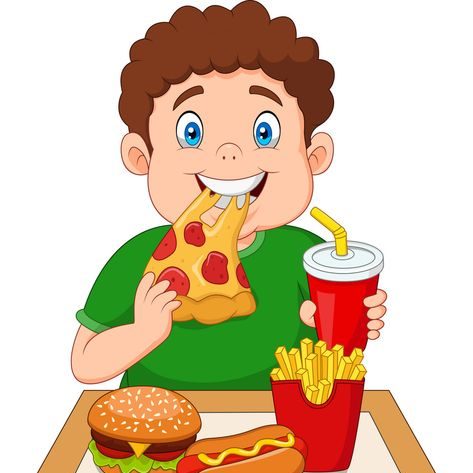
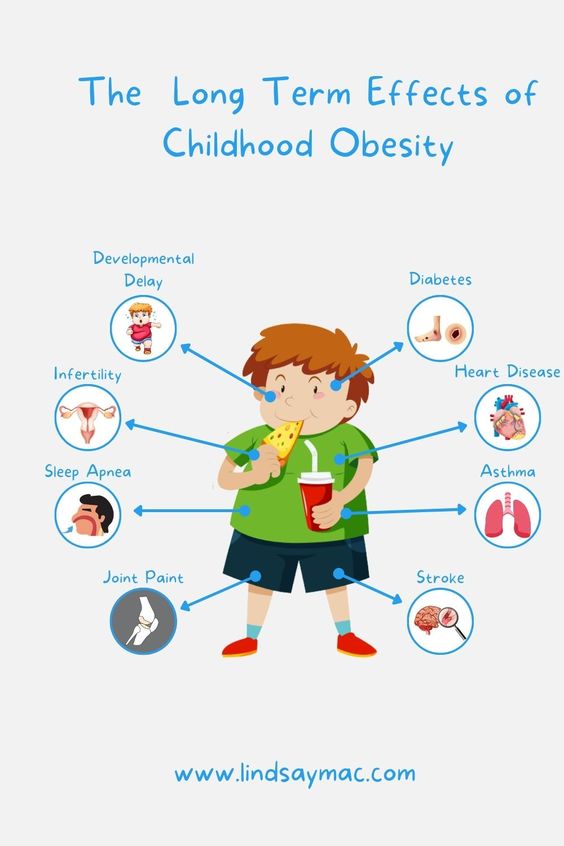
Childhood obesity is a condition where excess body fat negatively affects a child’s health or well-being. As methods to determine body fat directly are difficult, the diagnosis of obesity is often based on BMI. Due to the rising prevalence of obesity in children and adolescents its many adverse health effects it is being recognized as a serious public health concern. One of the best ways to reduce childhood obesity is to improve the eating and exercise habits of your entire family. Treating and preventing childhood obesity helps protect your child’s health now and in the future.

Symptoms

Not all children carrying extra pounds are overweight. Some children have larger than the average body so they may carry weight according to their body. And children normally carry different amounts of body fat at the various stages of development. So you might not know by how your child looks if weight is a health concern.

The body mass index (BMI), which provides a guideline of weight in relation to height, is the accepted measure of overweight and obesity. Your child’s doctor can use growth charts, the BMI and, if necessary, other tests to help you figure out if your child’s weight could pose health problems.

Causes

Lifestyle issues like too little activity and too many calories from food and drinks are the main contributors to childhood obesity. But genetic and hormonal factors might play a role as well.

Risk Factors

  • Certain medications- Some prescription drugs can increase the risk of developing obesity. So, you should always be in touch with your family doctor while your child is in medication.
  • Socioeconomic factors- People in some communities have limited resources and limited access to supermarkets. As a result, they might buy convenience foods that don’t spoil quickly, such as frozen meals, crackers and cookies. Also, people who live in lower income neighbourhoods might not have access to a safe place to exercise.
  • Lack of exercise- Children who don’t exercise much are more likely to gain weight because they don’t burn as many calories as they should.
  • Diet- Eating high-calorie foods, such as fast foods, baked goods and vending machine snacks, on a regular basis can led your child in a risk of Child Obesity.
  • Family factors- If your child comes from a family of overweight people, he or she may be more likely to put on weight. This can even be possible if the environment is where food with high calorie are always available.
  • Psychological factors- Personal, parental, and family stress can increase a child’s risk of obesity.

Complications

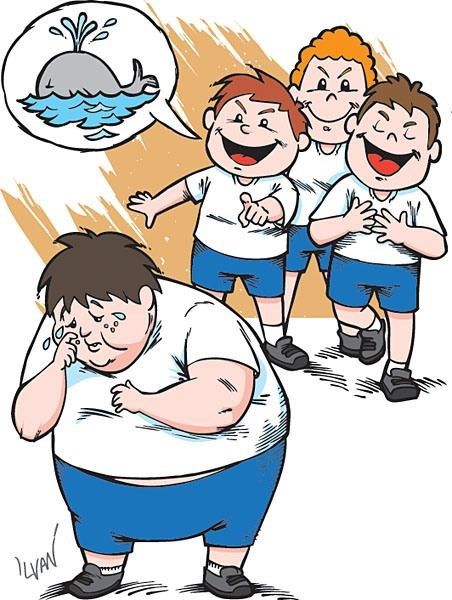
Child obesity can cause various life-threatening complications that can affect their physical, social and emotional well-being.

Prevention

  • Make sure that your child gets enough sleep
  • Include green vegetables and protein enriched food in his/her diet
  • Exercise is must to keep your chil’s health healthy

Health problems in India

India is a developing county where we are still developing in different fields of life. One of the most important field is health . In health department, India has many loopholes and problems which we face a lot of time and with growing population at a very fast rate that is putting an immense pressure on health care system as as well as natural resources.

The level of health in India is very low also due to large degree of morbidity and mortality. The reason of these are lack of proper environment and sanitation , improper facility, and many other reasons .And these conditions have become even more worse due to poverty, illiteracy and superstitions in our country.

Different health problems in India

  1. Due to food and water borne diseases:- Many diseases are transmitted from person to person due to contaminated food and water. some diseases due to this are Diarrhoea , typhoid , dysentery etc. These diseases are very common in placers where there is lack of water supply regularly. In very rural areas in India, people have no facilitites of water purifiers or aqua gaurds . They drink direct water from handpumps and other places but this water is contaminated with harmful mineral.

2. Air borne diseases : This is another kind of reason of many dangerous diseases. Some diseases can be transmitted through the air we inhale. some diseases due to this transmission are common cold ,influenza, pneumonia. The most recent disease is none other than COVID-19.

3. diseases due to poor housing: Many health problems causes due to living in unhealthy conditions and overcrowded places. Due to which they does not get sufficient sunlight, safe drinking water and basic requirements of healthy life style. These problems may lead to Cholera, typhoid and tuberculosis.

4. Diseases Through insects :- lack of cleanliness may result in houseflies , mosquitos and other insects which may cause diseases like dengue, malaria, filariasis and many other harmful diseases.

5. Diseases due to population : – Population plays a very big role in health problems. diseases that are air- borne, water and also soil population are largely occur in crowded cities and towns.

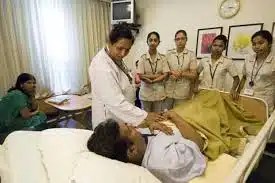
6 .Due to lack of medical facilities: This is one of the biggest reason of poor health problems in India. Lack of medical facilities in rural, small and remote area always creates big health problems .India has been struggling with weak infrastructure with lack of well equipped hospitals and facilities. In India, we also have a shortage of doctors and nurses in many hospitals especially in rural areas, where maximum population of India lives. The doctor to population ratio in India is just 1 : 1456.( source of data : https://www.deccanherald.com/business/budget-2020/the-doctor-population-ratio-in-india-is-11456-against-who-recommendation-800034.html) . It means there is not even 1 doctor for every 1000 people in India. Our medical facilities was exposed again when COVID-19 ‘s second wave came.

These were some types of health issues that are very common in India. Some of them we cannot control but some are in our control but due to our mistakes, carelessness and bad habits, these diseases are able to go into our body and cause serious health issues. so we have to be very serious for our health.

YOGA ASANAS AND THEIR BOON

Yoga poses or asanas are body position which are practiced for the benefit of body and mind. The concept of yoga is not something we are not aware of; our ancestors are practicing it for long time. And now many people realized the importance and benefits of yoga and started to perform. Studies have found that yoga asana benefits people’s body and soul. Also helps to increase flexibility, leads to weigh loss, and enhance mental peace.

Below is the list of yoga asana or poses that can help your body and mind healthy and fit.

1.     Sukhasana or Easy Pose

If you wish to practice yoga, you can start with this simple pose as it easy to do and gives you the comfort.

Technique  

Sit on mat legs tucked in the opposite thighs. Keep your back straight and both the hands should be placed on the knees and breath in and breath out calmly.

Benefits  

People with anxiety, stress and mental illness can practise these to reduce them.  

Sukhasana corrects the body posture and straighten chest and spine.

2.     Tadasana or Mountain Pose

It is a simple standing pose, which trains you the art of standing straight.

Technique  

Stand straight on your feet on a mat, take your arms up near your ears and it should be straight upwards. Then take long breath while doing this take your heels up and put all your weight on toes. Then slowly breath out and put you heels down. Repeat this for 10-15 minutes.

Benefits

Strengthen leg muscles

Helps in increasing the height of children

Eliminates leg pain

Correct body posture

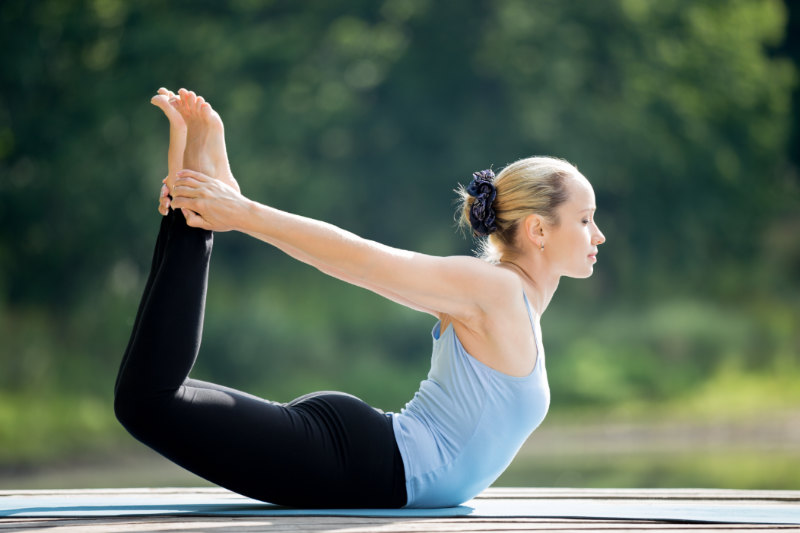
3.     Dhanur Asana or Bow Pose

This asana helps to stretch the whole body. Helps to loss weight, improve digestion and blood flow. It is an effective asana in making back flexible.

Technique

Lay down on a mat on your belly. Fold your legs backward. Hold both legs with hand on ankles. Breath long and take your chest up as high as you can. To get the position of bow you need to stretch your body and hold as long as you can. Take back the initial position and repeat this 2-4 times.

Benefits

Helps in making the spine flexible and decreases rigidity

Lessen obesity

Cure stomach-ache

Enhance lung power

Increase breathing process


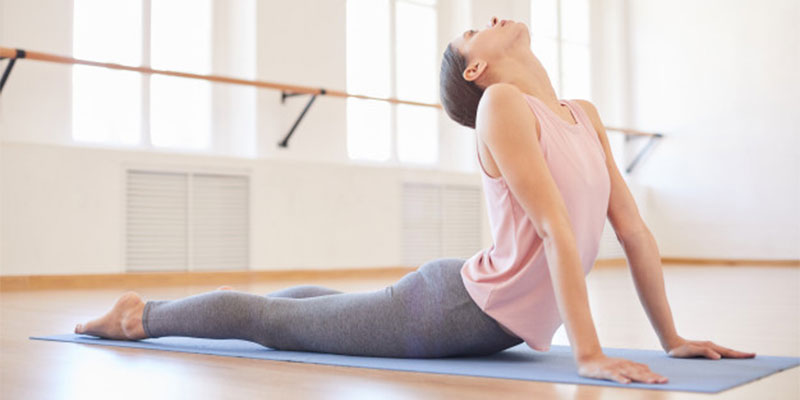
4.     Bhujangasana Or Cobra Stretch

Bhujangasana is also consider as arc corrector and helps spine make more flexible. The bend posture of the asana massages the back muscles, spine, and nerves. It is a great asana for those who have back pain.

Technique

To do this asana you need to lay down on the ground on your belly. Keeping your hand near shoulders. Raise your chest up so that your hand gets straight and stretch your legs while doing this. Hold it of 2-3 minutes and take back the original position.

Benefits

Helps you to get flexible spine

Broaden the chest

Enhances blood flow

Helps to cure obesity

Decreases rigidity in the body and improve lung power.

Woh Din

When you are wasting another important year of your life but this time it’s isn’t your fault.

Now it’s been more than a year, the students haven’t seen the colleges and schools, even some of the students are now gonna start their second year in colleges but still they don’t even know how their college campus look like. It is the most hurtful thing that we are spending our most beautiful years of life like this, infront of the laptop and smartphone screens. When the lockdown started I was studying in first year and now I’m third year engineering student, I still don’t know how my classroom, classmates and faculty members look like in real life.

The “Woh Din” which were supposed to filled with joy, happiness, fun with friends and lots of travel are ending with “ Am I audible? Yes sir”. In this lockdown many students suffered and some are still suffering from stress, anxiety and demotivation, besides some are just enjoying it like holidays. Lockdown and the online mode education is pretty nice, just enjoy your time with family, learn new things and many more, until then, the thoughts of future knocks at the door.

While the students are struggling to learn through online mode, the teachers and the colleges are mostly focusing on how they can complete the syllabus as early as possible, teachers are also want to help the students and they are doing their best from their side but everything have some advantages and disadvantages like this, online education also have it’s own disadvantages and advantages.

First we thought that the world is testing our patience but, even the nicest person has it’s limit and now we all have had enough of this, we are too young to dealing with all this but we haven’t given up, but now we really want our college life back, those cafeteria talks, waiting for your friends in parking lot, computer lab fun, bunking class and hanging out with your friends, campus rides and many more.

Now we all are going to complete 2 years, while fighting against this covid19 situation and online mode, in this period we all have experienced a lot of good and bad things like, the time we spent with our family. Similarly, we all struggled with lack of oxygen cylinders, hospital beds and most important is FOOD and after all this time we want is to end this “ Mask-World ”. Hope it will really end very soon and we all will get our old life back with No-Mask and the colleges will start soon, hope the world will come to it’s oldself very soon. But until then please give mental support to them who are suffering from depression and those who are tested covid positive.

And last but not the least please stay home and don’t worry this time also will pass very soon.

Take care.


HEADACHE

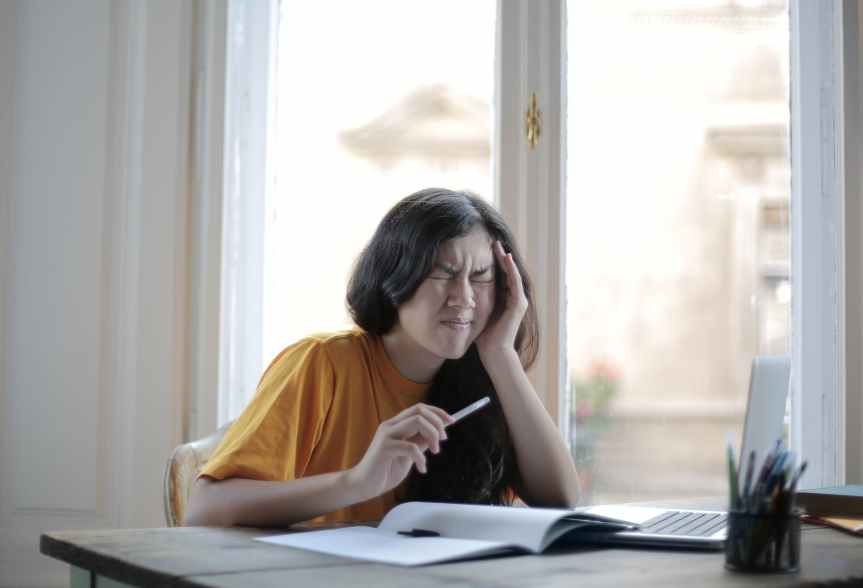
Headache is a common problem that does not allow us to concentrate on our work. Nothing can take away the throbbing pain that headache causes. It may be caused due to injury, stress, eye strain, anxiety, or other medical conditions. Headache is called Cephalgia in medical terms. Many people suffer this discomfort frequently and don’t pay attention to it. But this simple headache may cause serious illnesses if left untreated. 

WHAT HAPPENS DURING A HEADACHE?

Our brain can recognize pain in various parts of the body. A headache is caused by the swelling of the blood vessels present in and around the brain. Most headaches occur in the nerves and muscles of the head and neck region. These nerves and muscles generate signals and send them to the brain which makes us feel the pain.

TYPES OF HEADACHES

Headaches are of two types – Primary headache and Secondary headache.

PRIMARY HEADACHE

There are types of primary headaches. However, some common types include

  1. Tension headache – It is the most common type which is caused due to stress and tension in the muscles of the head. It may start with a slow onset of moderate pain. It usually hurts on or around both sides of the head, in the back neck, and head. It usually goes away on its own but sometimes may need a pain reliever. For prolonged pain and chronic conditions, a doctor’s advice is required.
  2. Migraine – Migraine headaches are associated with throbbing pain along with some symptoms like nausea or vomiting, sensitivity and can last for several hours to few days. It may be caused also due to genetic reasons. Rescue medicine is prescribed by doctors to get immediate relief from the pain and preventive medicines to prevent future occurrences.
  3. Clustered headache – It is least common when compared with the other two types. It is characterized by sudden pain in any one side of the head and face. It occurs multiple times in a day and stays for 1-3 hours each time. It may be caused due to alcohol intake or tobacco usage. Treatment includes lifestyle changes and prescribed medication by the doctor.

SECONDARY HEADACHE

Secondary headaches occur because of any underlying issue or mental condition. It must be diagnosed and treated as soon as possible as it may create life-threatening situations at times. It may be caused due to bleeding of the blood vessels in the brain, tumors, abscesses, or high blood pressure. Symptoms include pain during changing postures, chewing food, etc. There are many subtypes of this headache according to the affected area and symptoms. It must be given at most care to avoid worsening of the condition.

SITUATIONS THAT NEED IMMEDIATE HELP

Sometimes headaches may be a symptom of a serious issue and occur to warn us of the disorder. If it is accompanied by drowsiness, seizures or fits, changes in vision, etc. then immediate consultation of a physician is mandatory.

CARE AND CURE

  • A healthy balanced diet of fruits and vegetables may help to stay fit and reduce the intensity.
  • Stress management relaxations and lifestyle changes can bring betterment.
  • Some counter medicines could be taken and soothing herbs such as peppermint, eucalyptus, flax seeds reduce pain as they have pain-relieving properties.

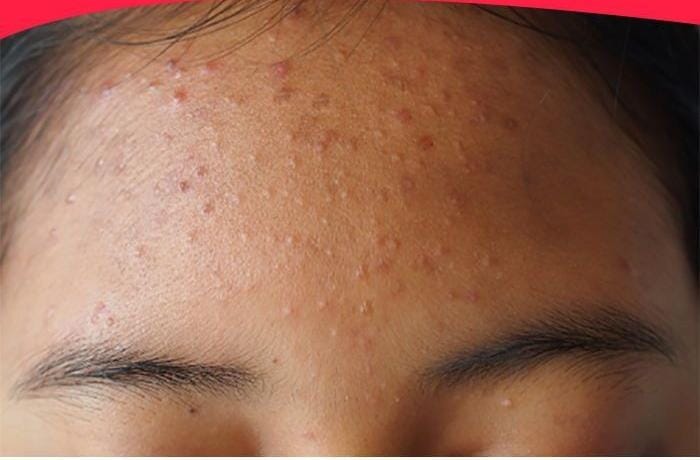
Why do we get acne?

Acne is a condition of skin when hair follicles become plugged with oil and dead skin cells. Acne can be blackheads, whiteheads, pimples or cysts. Teens are most affected by acne because of hormonal changes that comes with puberty. The hair follicles or pores in skin contains Sebaceous glands (oil glands). These glands generate Sebum, an oil that lubricates your hair and skin. Sebaceous glands make the right amount of sebum. As the body begin to mature and develop though hormones stimulate the sebaceous glands to make more sebum. Pores becomes clogged if there is much sebum. Then bacteria get trapped inside pores and multiply in number causing swelling and redness to skin.

Symptoms

  1. whiteheads ( closed plugged pores)
  2. Blackheads ( open plugged pores)
  3. Small red , tender pumps (papuls)

Tips to prevent pimples

  1. Properly wash from face.
  2. Stay hydrated.
  3. Use tea tree oil.
  4. use antibiotics.
  5. Good diet.

Evolutions in the medical domain

  • Small pox was a deadly and contagious disease that nearly killed 35% of its victims, while leaving the rest blind or scarred. The last natural case of small pox according to WHO was in 1977 and it was completely eradicated in 1980 with no such cases now in India.
  • Polio While the WHO continues with its efforts to eradicate the disease, it has been eliminated in India. India certified polio free in March 2014 from over 50000 cases in 1995 when it launched the campaign against polio.
  • Yaws is a kind of chronic bacterial disease which mostly affects tribal population that inhabits remote, hilly and forest areas. It targets skin, bones and joints and was eliminated from India in 2006.
  • Rinderpest caused the death of millions of cattle, buffalo, yak and wild animals leading to famine and starvation. It was declared eradicated in 2011 making it the first animal disease to be eliminated in the history of mankind.

With all the advancements in medicine and science the human race have managed to battle and have won against some of the deadliest diseases mentioned above with the evolution of vaccines and medications and there are also many emerging medical advancements which is very vital for the mankind and for the progression of the society and economy. The broader availability of technologies, digital platforms and aging global population are driving change in the health care industry faster than ever before. The technology over medicines is been growing seamlessly which we might have failed to perceive because of its abundance. Let us have a look at some of the tremendous advancements in the medical field.

Drug development – The development of covid 19 vaccines in less than a year is also one of the greater scientific accomplishments in human history. It is the process of bringing a new pharmaceutical drug to the market once a lead compound has been identified through the process of drug discovery. There has been a constant development in drugs against various diseases. The most important drugs are penicillin for the treatment of microbial diseases, insulin, morphine, aspirin, steroids etc.

Nano medicine– is the medical application of nanotechnology that uses the knowledge and tools of nanotechnology to the prevention and treatment of diseases. It has its applications in imaging, sensing, diagnosis, and delivery through medical devices. It has demonstrated great potential for enabling improved diagnosis and monitoring of many serious illness including cancer, cardiovascular and neurological disorders, HIV/AIDS.

AI & Machine learning are at their best when supplied with vast amounts of raw data, much as one would find flowing in and out of a medical facility. AI is increasingly being used in remote monitoring and telehealth applications. It makes it possible to analyze millions of CAT scans and from that detected patterns could be used to treat, prevent, or predict diseases.

Cancer immunotherapy– Immunotherapy is changing definitions in the medical world, primarily by curing previously un-curable diseases. The premise of immunotherapy is to genetically alter a patient’s cells to work in tandem with the body’s immune system to fight cancer. Unlike chemotherapy, immunotherapy detects and destroys more cancerous cells and reduce tumor growth.

Robotic surgery– Robotics has been making an impact on medical care since the 1980’s, but as the technology behind it has improved, the applications have increased exponentially. Nanobots in the bloodstream can diagnose and prevent disease. Image guided robots can now investigate lesions on the brain without damaging any if the surrounding tissue. Robotic surgery is minimally invasive, more precise, less prone to infection and quicker to heal.

Quantum computing – We still have our place in the initial stages of quantum computing, but this technology has already been used in combination with machine learning to quickly recognize medical tools and annotations during cataract surgery. It could enable a range of disruptive use cases for providers and health plans by accelerating diagnoses, personalizing medicine and optimizing pricing.

Vacuum-induced uterine tamponade device Childbirth should a joyous experience, but between 1% and 5% of women experience postpartum hemorrhage, which is a tragic complication. Vacuum induced uterine tamponade changed all that by creating negative pressure in the uterus to collapse the bleeding cavity and shut off leaking blood vessels. This low cost noninvasive procedure may prove useful with limited access to other treatment options.

Wireless brain sensors This medical device will aid doctors in measuring the temperature and pressure within the brain. Since the sensors are able to dissolve, they reduce the need for additional surgeries.

3-D Printing has quickly become one of the hottest technologies in the market. They can be used to create implants and even joints to be used during surgery. The use of printers can create both long lasting and soluble items. 3-D printing can be used to print pills that contain multiple drugs, which will help patients with the organization , timing and monitoring of multiple medications.

There are plentiful advancements that are flooding the medical industries. And these are the best examples on how technology and medicine go together and all these make it more accurate and more efficient diagnoses and treatments and could win the battle against many dreadful diseases like cancer etc.


The 8 Best Healthy Foods to Gain Weight Fast

1. Homemade protein smoothies

There are many delicious protein smoothie recipes. Avoid most commercial versions, which may contain added sugar and aren’t as nutritious.

2. Milk

Drinking milk is a great way to add protein to your diet. It contains both casein and whey proteins.

3.Rice

Rice is a great source of carbs that are easy to consume and digest.

4. Nuts and nut butters

Nuts and nut butters are delicious, high calorie treats. They’re great for you and easy to add to many different snacks or recipes.

5.Red meats

Red meat is an excellent source of protein that will help you gain muscle. It contains leucine, an amino acid that helps stimulate muscle protein synthesis. The fattier the meat, the more calories you’ll take in.

6. Potatoes and starches

Healthy starches are a great way to get important nutrients and fiber, boost your calorie intake, and increase your muscle glycogen stores.

7.Salmon and oily fish

Salmon and other oily fish are a great source of incredibly healthy omega-3 fats. They also provide high quality protein to help you build muscle.

8.Protein supplements

Protein supplements are a simple and affordable addition to your diet to help you increase your protein intake.

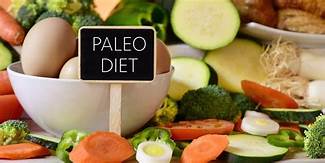
Paleo dieting

The rise of health issues like obesity, diabetes, high blood pressure continues to proliferate with a demand for dieting to lose weight for maintaining a healthy lifestyle. With the tempting delicious food in the restaurants, and the fast foods available right at our doorsteps it may be quite difficult to achieve and maintain a much wanted healthy lifestyle. Everyone who wish to lose weight seem to have ample of options to diet. Each diet has a particular lifestyle and to obtain the best results one has to strongly stick as religiously as possible. Paleo diet was the Google’s most searched for weight loss method in the recent years. It is one of the most popular diets of today and people who have undertaken such a diet find it to be really effective.

As compared to all other fad diets, the Paleo diet is one that holds a unique place as it is principled and based on ancient history. The paleo diet also known as the caveman diet is based around eating plants and wild animals. The diet is based on the foods that would have been hunted, fished and gathered during the stone age era and hence the name caveman diet. A paleo diet is rich in vegetables, fruits, and nuts-all elements of a healthy diet. Foods such as meat, fish, shellfish, eggs, tree nuts, vegetables, roots, fruits and berries are often associated with the diet. It includes meat though preferably unprocessed meet, the wilder the better. Some get to sound this strange and weird because many have a basic idea that diets are often linked with easting less food and which are completely devoid of meat.

It is not a form of diet that promotes starvation or crash dieting rather it educates how to basically enhance the food choices for a healthy result. The aim of a paleo diet is to return to a way of eating that’s more like what early humans ate. Some of the food that should be avoided in a paleo diet are grains like wheat, oats, barley, legumes, potatoes, dairy products, salt and refined sugar. The diet also emphasizes drinking lot of water and being physically active everyday. Over the clinical trials by comparing the paleo diet to other eating diet plans, paleo diet may provide some benefits when compared with diets with fruits, vegetables, lean meats, whole grains, legumes and low fat dairy products.

Risks invloved

  • Paleo dieting deals with cutting out grains, starches and processed foods which means you will be cutting out a lot of sugar. If your body is used to consuming sugar daily, you might initially lose some of its short term energy and boosting properties.
  • Some experts caution against the paleo dieting because eliminating dairy can leave you with lower levels of calcium and vitamin D so this could put you at risk of developing osteoporosis, bone fractures or rickets and other critical bone diseases.
  • If you are not careful about the types of proteins you intake, the diet can put at increased risk of developing cardiovascular disease for instance, red meat is high in saturated fats, which can raise blood cholesterol levels and increase the risk of heart disease.
  • Consuming the paleo diet-recommended amount of saturated fats can increase the risk of kidney and heart diseases.

Perks

  • Promotes healthy blood glucose level.
  • Better blood pressure control
  • More weight loss
  • Better appetite management
  • Improved satiety
  • Improved cholesterol balance

The food which the paleo diet comprises find their importance in gastrointestinal health and over all inflammation levels. Many anecdotal stories of people’s improved health and well being on the Paleo diet have had positive results regarding blood glucose and cholesterol levels. For significant dietary change, it is best to consult a doctor before diving into the Paleo diet. It is always prominent to work with your doctor and pay keen attention to how your body responds because paleo dieting doesn’t work the same way for everyone.

3 R’s of Waste Management

Waste is one of the biggest problems for humans in today’s world. Whether it be of any kind ,(solid or liquid) it can cause a lot of health damage and many other problems. Basically, waste is any material that is discarded because it has serves its purpose and is no longer useful for us. waste is anything that occupies space, produces odour and smell, and has some weight.

But management of this waste is very difficult and important step to manage it. we know that nature recycles a lot of waste through many processes but due to increasing population , nature cannot manage all waste and this is where humans have to step up because if we will not be look into this it will gradually destroy our environment, cause harmful diseases and many other serious problems.

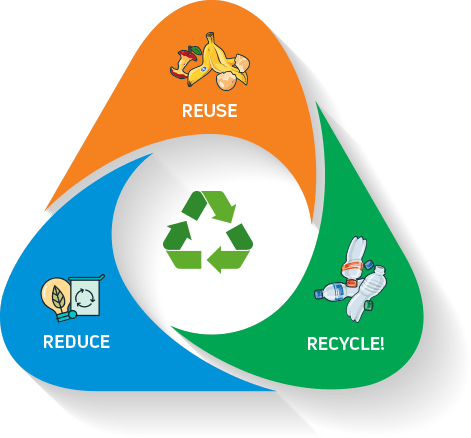
one of the easiest and popular way to do management of waste is 3 R’s( Reuse, Reduce and Recycle ) let us discuss these 3 R’s in detail :-

  1. Reduce: reducing the waste is the very good way to manage the waste in environment . As more we will reduce the waste more , the less waste will be in environment .some efforts that we can do to reduce waste are:-

we should try to use disposals as minimum as possible, we should buy less products with packaging as it is a very big reason of waste, we always see food packages in streets and roads. This is a major reason of waste. we should either avoid packaging food or manage it properly by keeping it in dustbin. some more methods are:-

  • we should change our old processes for best use of raw material , through which we will be able to reduce waste in industries.
  • the liquid waste can be reduced by many scientific techniques such as precipitation etc.
  • we should try to use segregation of waste method to manage the waste .

2. Reuse: This method is becoming popular day by day. because if we reuse any particular material rather than throwing it away after just 1 use, definitely we will be able to reduce waste in pour area or environment .

we should not throw any material or product just due to a small defect or something else we can do something out of it. it can be reused in a different manner. we should only throw it if we realize that it cannot be reused anymore.

In countries like India, some waste materials like glass, bottles rubber etc. are placed casually in streets, these materials’ can be reused if we use them properly. Although many waste collectors in areas collect these wastes and supply them in useful areas helping in reducing the waste.

3. Recycle : the best R of waste management is recycling the waste. it is a processing of remanufacturing a product to make it useful again. some materials that can be recycled are such as plastic, rubber , glass etc. In India, we have tonnes of waste that is recycled . Plastic is one of the most recyled material that is recycled in tonnes. Recycling helps in reducing the consumption of fresh materials .it is one of the most important process of waste management .

FLOATING NEIGHBORHOODS OF AMSTERDAM: A STEP TO COMBAT SEA LEVEL RISE

“Floating Neighborhood” is a water-based solution for the problem for Holland’s housing needs. This neighborhood floats, freezes, tilts on the water of Lake Eimer. The goal is to “make a circular, resilient, floating neighborhood”. The floating houses have similar architecture to that of the land homes and each house is connected to the floor of Lake Eimer. The building elements of the houses are: wood, plastic and glass. The architecture of the neighborhood is based on water environment and each house have individual water jetties for getting connected with land. Running below the jetties, cables and pipes generate gas, electricity, water, cable, and provide a sewage drainage system for each floating home. The community of the water dwellers have the facility where when one resident is short on electrical power, another neighbor can offer some of theirs if they’ve got any leftover current. The Municipal Authority along with other innovators, planners and architects developed a draft for sustainability master plan for the floating development with maximum priority on sustainability.

Floating House

The main aim of “Floating Neighborhood” is to build sustainable neighborhood capable of addressing the challenges of an aquatic environment and harness the unique synergies it offers to residents. The neighborhood has adopted many approaches for solving environmental issues and rising sea level.

Adopted Approaches:

Sustainability of Floating Neighborhoods
  • Sustainable Solutions: The neighborhood relies on carbon intensive gas heating, well-insulated homes and passive solar heating through designs which make maximum utilization of natural sunlight, along with pumps which harvest warmth from the canal water even in winter. Solar boilers provide hot water, and water-recycling showers are equipped with technologies that recover heat that would otherwise go down the drain.
  • Harvesting waste water: The wastewater is transported to a nearby floating biorefinery which recovers nutrients and energy from the organic waste streams. Houses have vacuum toilets which are linked with decentralized sanitation facility and use anaerobic digester for producing energy using biogas, phosphorous and nitrates.
  • Usage of Sustainable Building Materials: The neighborhood uses sustainable building materials only which are light in weight and buoyant (bamboo is mostly preferred). The neighborhood has a community center which serves as a hub of neighborhood wide sustainability initiatives.
  • Smart Microgrid on Water: With the help of smart microgrid system on water, the residents have special permission that provides them the ownership of their own grid as well as energy sourcing and billing. Each house as installed large solar PV array and heat which with battery storage systems. The households have connections with energy management system which intelligently coordinates supply and demand of power within the community and allows the residents to trade energy with each other.
  • Replicable Blueprint for Green Building: The homes have green roofs where the residents can grow foods and plants. They can also collect rainwater and use it for different purposes. The rainwater can also be used for flushing the ultra-efficient toilets. The homes have solar hot water collector which connects to fixtures like recirculating shower, which cleans water in a water loop and saves both water and energy.
Floating House of Amsterdam