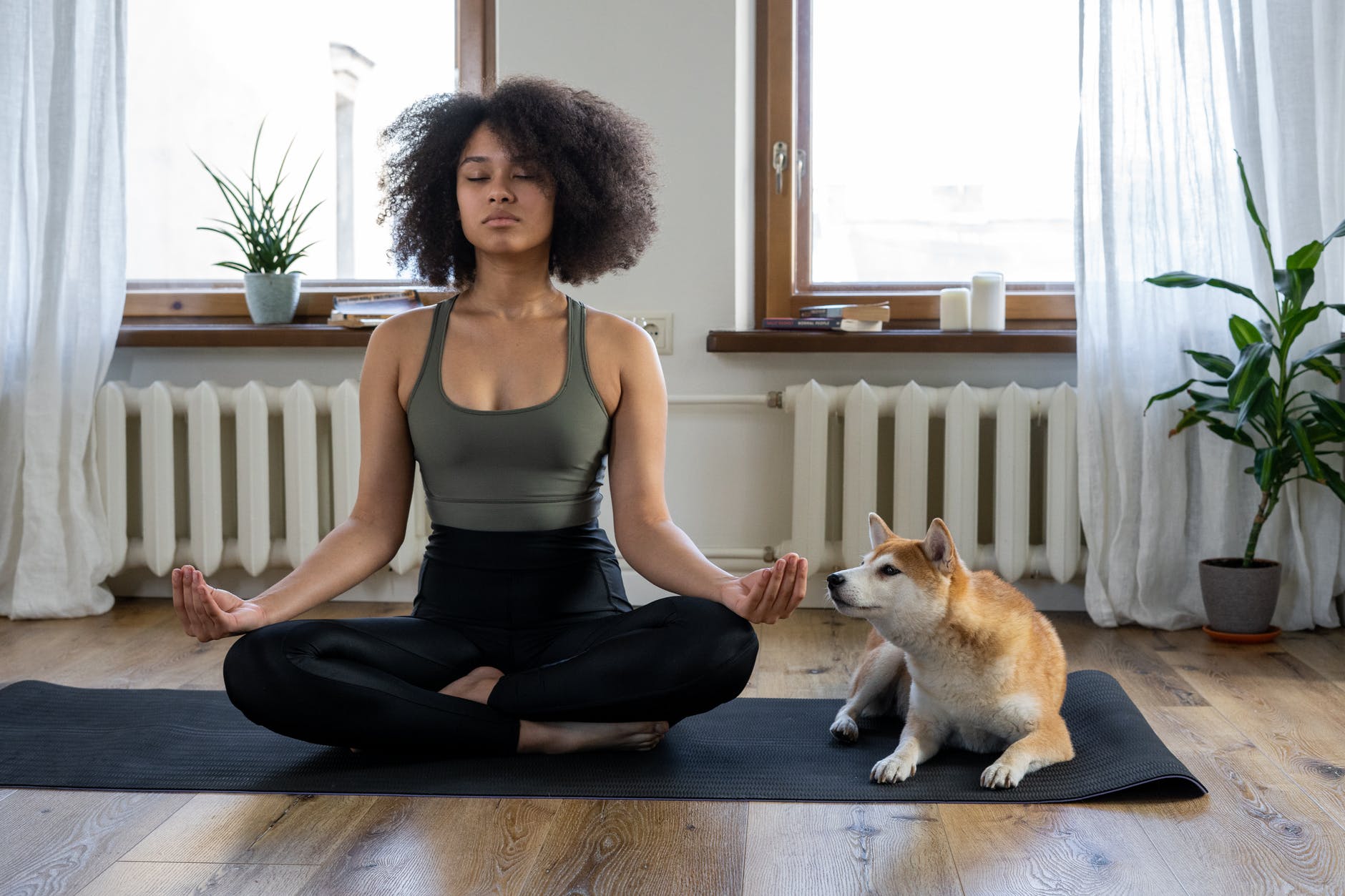
YOGA AND MEDITATION: 2 PILLARS OF HEALTHY LIFE

” Yoga is a light, which one lit, will never dim. The better you practice, the brighter is the flame. “

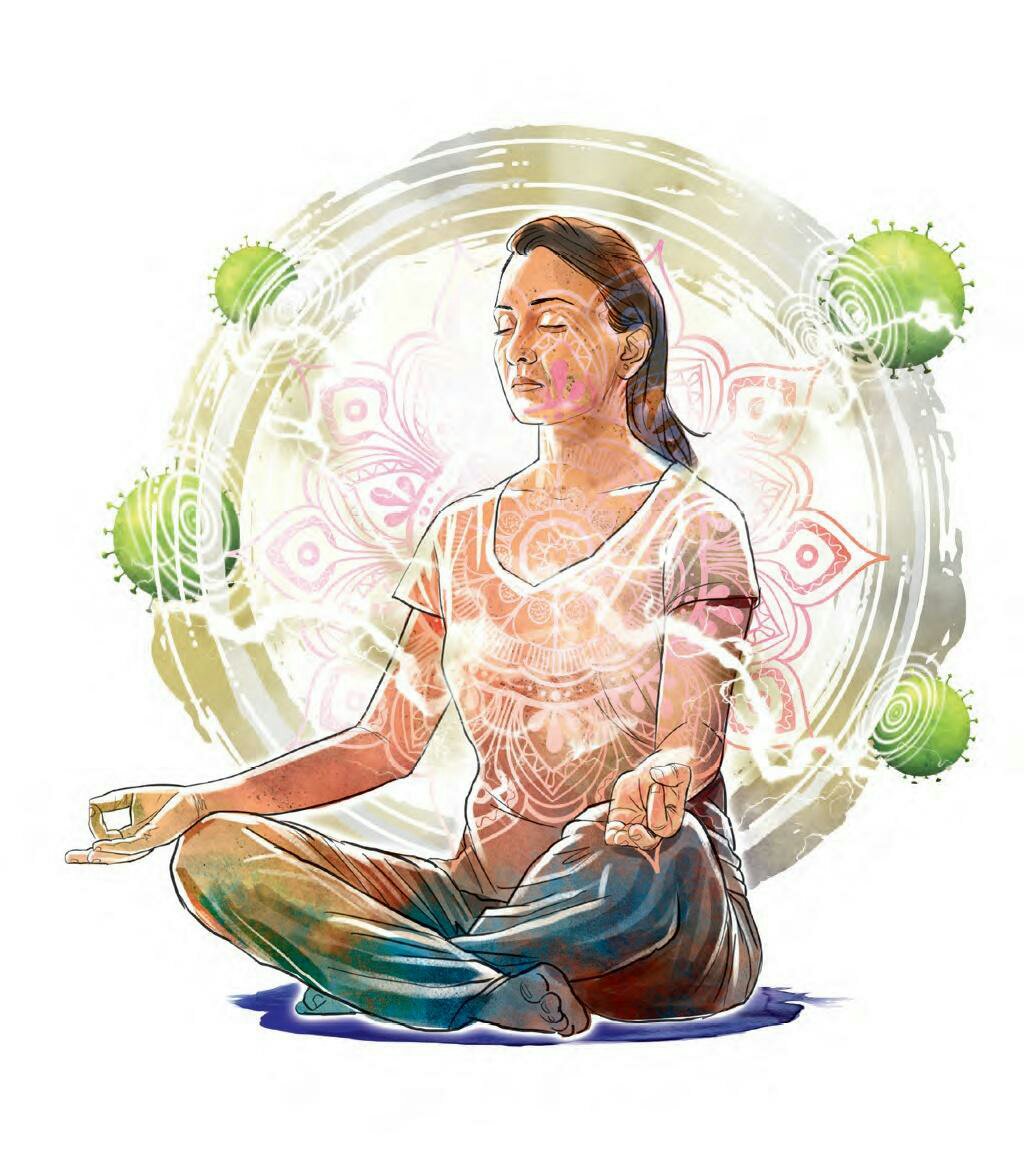
YOGA AND MEDITATION: 2 PILLARS OF HEALTHY LIFE, a study of balance and essentially a practice for your soul which in turn is works through the medium of your body. It is the science of well being, youthfulness and which beautifully integrates our mind, body and soul. It is very true that we can not always control what goes on outside but we can definitely take control on what goes on inside and thus we say that the nature of yoga is to shine the light of awareness into the darkest corners of the body.


Yoga gives us a safe space and time to the simplicity of breath and movement and enables us to connect ourselves. Yoga is invigoration in relaxation and cessation of the movements in the mind. We all are made up of mainly three elements which are “mind, body and soul” and to be perfect in all three elements we need to have knowledge, health and inner peace for which the yoga and meditation plays a key role in achieving it.

do check out how yoga transformed people’s life https://www.yogajournal.com/lifestyle/6-inspiring-yoga-stories-practice-changed-yogis-lives/#:~:text=A%20growing%20body%20of%20research%20shows%20that%20yoga,chronic%20stress%20and%20PTSD%29%2C%20emotional%20regulation%2C%20and%20pain.

Meditation is same like a gym in which you develop a powerful mental muscles of calm and insight. The true meditation is about feeling being fully present in the current moment. It is a best means of personal and spiritual development because we must always remember that when we inhale, we are taking the strength from god and when you are exhaling it represents the service you are giving to the outer world.

To keep the body in a very healthy condition is our duty otherwise we shall not be able to keep our mind stronger and clearer and thus one must practice the 2 pillars of healthy life with firm determination and perseverance without any mental reservation or doubts. By its constant practice, we can easily free ourselves from fear, anguish and loneliness. It greatly helps us in achieving clarity of life and self awareness, it teaches us to cure what need not to be endured and endure what can not be cured.

do check out ROLE OF YOGA IN EDUCATION: https://www.yogateacherstrainingrishikesh.com/a-role-of-yoga-in-education.html#:~:text=The%20role%20of%20yoga%20in%20education%20as%20per,enhances%20the%20self-realization%20or%20self-awareness%20within%20the%20children.

2 PILLARS OF HEALTHY LIFE: IMPACT ON HEALTH

    1. CONNECTS YOU WITH SUPPORTIVE COMMUNITY
    2. STRESS MANAGEMENT
    3. KEEPS YOU ENERGENTIC THROUGH OUT YOUR DAY
    4. IMPROVES STRENGTH, BALANCE AND FLEXIBILITY
    5. GREAT HELP IN RELIEVING BACK PAIN.


YOGA AND MEDITATION: 2 PILLARS OF HEALTHY LIFE

 ” Yoga is a light, which one lit, will never dim. The better you practice, the brighter is the flame. “

YOGA AND MEDITATION: 2 PILLARS OF HEALTHY LIFE, a study of balance and essentially a practice for your soul which in turn is works through the medium of your body. It is the science of well being, youthfulness and which beautifully integrates our mind, body and soul. It is very true that we can not always control what goes on outside but we can definitely take control on what goes on inside and thus we say that the nature of yoga is to shine the light of awareness into the darkest corners of the body.

Yoga gives us a safe space and time to the simplicity of breath and movement and enables us to connect ourselves. Yoga is invigoration in relaxation and cessation of the movements in the mind. We all are made up of mainly three elements which are “mind, body and soul” and to be perfect in all three elements we need to have knowledge, health and inner peace for which the yoga and meditation plays a key role in achieving it.

do check out how yoga transformed people’s life https://www.yogajournal.com/lifestyle/6-inspiring-yoga-stories-practice-changed-yogis-lives/#:~:text=A%20growing%20body%20of%20research%20shows%20that%20yoga,chronic%20stress%20and%20PTSD%29%2C%20emotional%20regulation%2C%20and%20pain.

Meditation is same like a gym in which you develop a powerful mental muscles of calm and insight. The true meditation is about feeling being fully present in the current moment. It is a best means of personal and spiritual development because we must always remember that when we inhale, we are taking the strength from god and when you are exhaling it represents the service you are giving to the outer world.

To keep the body in a very healthy condition is our duty otherwise we shall not be able to keep our mind stronger and clearer and thus one must practice the 2 pillars of healthy life with firm determination and perseverance without any mental reservation or doubts. By its constant practice, we can easily free ourselves from fear, anguish and loneliness. It greatly helps us in achieving clarity of life and self awareness, it teaches us to cure what need not to be endured and endure what can not be cured.

do check out ROLE OF YOGA IN EDUCATION: https://www.yogateacherstrainingrishikesh.com/a-role-of-yoga-in-education.html#:~:text=The%20role%20of%20yoga%20in%20education%20as%20per,enhances%20the%20self-realization%20or%20self-awareness%20within%20the%20children.

2 PILLARS OF HEALTHY LIFE: IMPACT ON HEALTH

    1. CONNECTS YOU WITH SUPPORTIVE COMMUNITY
    2. STRESS MANAGEMENT
    3. KEEPS YOU ENERGENTIC THROUGH OUT YOUR DAY
    4. IMPROVES STRENGTH, BALANCE AND FLEXIBILITY
    5. GREAT HELP IN RELIEVING BACK PAIN.


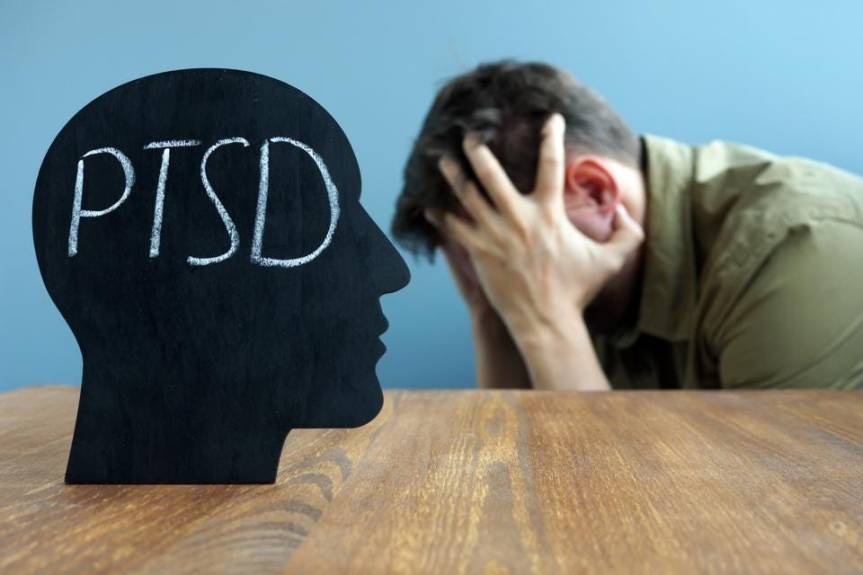
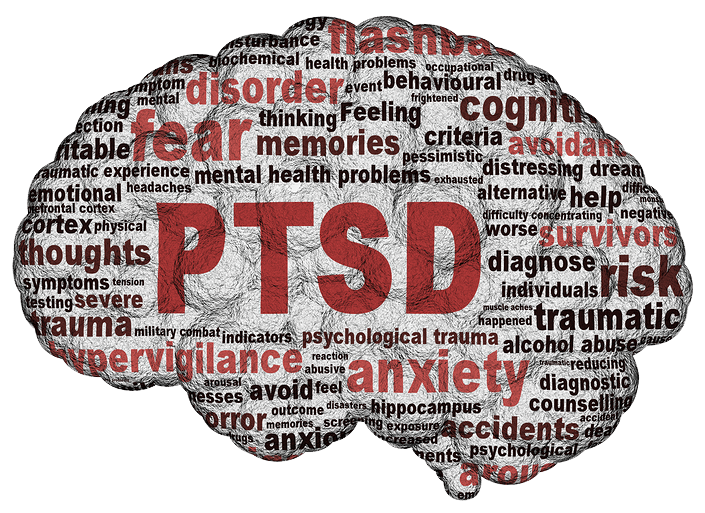
Post-traumatic Stress Disorder.

Post-traumatic stress disorder (PTSD) is an phychological disorder that a person can face who has experienced or witnessed a traumatic event such as a natural disaster, terrorist attack, war/combat, rape, or death, sexual violence or serious injury.

People with PTSD have intense and annoying thoughts and feelings associated with their experience that last long after the traumatic event is over. One may relive the event through flashbacks and nightmares. They may feel sad, afraid, or angry. And they may feel separated or alienated from others. People with PTSD can avoid situations and people that are reminiscent of traumatic events and have a strong negative reaction to mundane things such as loud noises and accidental contact.

According to reports in context to United States, about 3.6% of people about 5.2 million adults develop PTSD in time of last year , and an estimated 7.8 million Americans will develop Women are more likely to develop PTSD than men. This may be because their are high chances that women are more likely to be victims of domestic violence, abuse and rape.

Symptoms:
• Intrusive thought: Intrusive thoughts such as repeated involuntary reminders. A miserable dream; or a flashback of a traumatic event. Flashbacks are so vivid that people feel like they are remembering or seeing the traumatic experience in front of them.
• Avoidance: Avoiding the memory of traumatic events may include avoiding people, places, activities, objects, and situations that can cause disastrous memory. People may try not to remember or think about traumatic events. They may resist talking about what happened and how it makes them feel.
• Mood changes and Behaviour : Negative thoughts and feelings that lead to persistent and distorted beliefs about oneself and others, such as not being able to remember important aspects of traumatic events. Distorted thoughts about the cause or effect of an event can lead to false accusations of yourself or others. Persistent fear, fear, anger, guilt, or shame. There is much less interest in the activities that I enjoyed before. Feeling alienated or alienated from others; or unable to experience positive emotions (lack of happiness or satisfaction).

Treatment:
It is important to note that not everyone who experiences trauma develops PTSD, and not everyone who develops PTSD requires psychiatric treatment. For some people, the symptoms of PTSD disappear over time. Others are better with the help of their support system (family, friends,etc) . However, many people with PTSD need specialized medical treatment to help recover from psychological stress. It is important to remember that trauma which causes the PTSD can lead to serious distress. The sooner a person is treated, the more likely one can recover fast from PTSD.
Psychiatrists and other mental health professionals use several effective ( authorized and proven) methods to help people recover from PTSD. Both talk therapy and medical dosage provide effective evidence-based treatment for PTSD.

STRESS- CAUSES, EFFECTS,SYMPTOMS AND TREATMENT

BY DAKSHITA NAITHANI

INTRODUCTION

Stress is a human emotion that is natural and affects everyone at some point in their lives. The human body is built to recognise and respond to stress. An individual’s body creates physical and mental reactions in response to changes or difficulties (stressors). It is any sort of change that produces physical, emotional, or psychological pressure. It may be caused by a variety of conditions or life events. When we encounter anything new, unanticipated which challenges our sense of self, or when we believe we have little control over a situation, it is frequently activated.

Your body’s stress reactions assist it in adapting to new conditions. A stress reaction, for example, may help your body work harder and remain awake longer if you have an important test coming up. When stresses persist without release or times of relaxation, it becomes a problem.

To some extent, everyone is stressed. We all handle stress in various ways which also has a significant impact on your wellbeing .Genetics, early life events, personality, and social and economic conditions can all influence our capacity to cope.

TYPES OF STRESS

Not all types of stress are harmful or even negative. Some of the different types of stress that you might experience include:

Acute stress:  We face this type of stress in daily life it is short term and can be either positive or distressing.

 Chronic stress: Chronic stress is a type of stress that appears to be never-ending and unavoidable, such as the stress of a physically demanding profession; chronic stress can also result from catastrophic events and psychological trauma.

Episodic acute stress: Acute stress that appears to be rampant and becomes a way of life, resulting in a life of constant distress, is known as episodic acute stress.

Eustress: Eustress is a thrilling and enjoyable experience. It’s a type of positive stress that can help you stay energised. It’s linked to adrenaline rushes, as when you’re skiing or rushing to reach a target.

CAUSES OF STRESS

There are numerous factors that might generate stress in one’s life. Work, economics, partnerships, parenthood, and day-to-day hassles are all common causes of stress. Workplace stress may also be detrimental to your psychological health. Workplace stress causes people to miss an average of 24 days of work each year due to illness.

Even life changes that are positive in nature such as moving to a larger house, getting a work promotion, or going on vacation can lead to stress. If you’re anxious in certain situations, you could have a hard time understanding why, or you might be hesitant to express your thoughts with others.

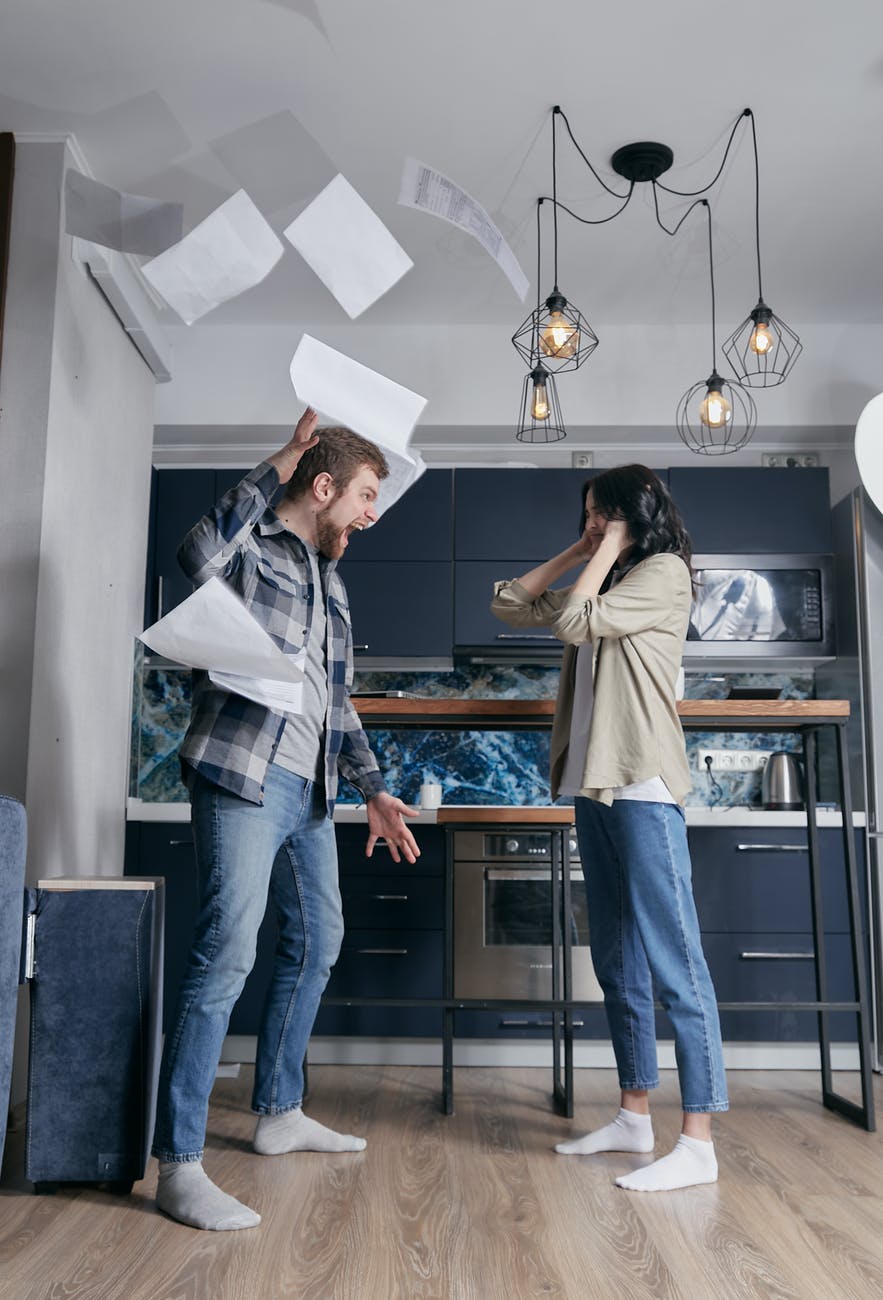
The fight-or-flight response, which is usually triggered by stress, is the body’s reaction to a perceived threat or danger. The fight-or-flight response, which was called for its capacity to enable us to physically fight or flee when faced with danger when is triggered in situations where both the responses are not appropriate, such as in traffic or during a stressful day at work. The relaxation reaction does not occur frequently enough in instances of chronic stress, and being in a near-constant state of fight-or-flight might harm the body.

HOW CHRONIC STRESS AFFECTS YOUR HEALTH

When you consider the influence stress has on your life, you can see the link between your mind and body. Physical health problems might arise when you are worried out about a relationship, money, or your living circumstances. It’s also true in reverse. Wellness issues, whether you have high blood pressure or diabetes, will have an impact on your stress level and mental health.

Heart attacks, arrhythmias, and even sudden death can be triggered by severe acute stress, such as being involved in a natural disaster or getting into a verbal altercation. Stress has an emotional impact as well. While mild anxiety or frustration may result from some stress, prolonged stress can lead to burnout, anxiety disorders, and depression. When under a lot of stress, your autonomic nervous system becomes overactive, which can harm your body.

SIGNS AND SYMPTOMS

Continuous activation of the stress response creates wear and tear on the body. When a person is under stress for a long term symptoms manifest themselves in the form of physical, emotional, and behavioural manifestations.

Physical symptoms of stress include:

  • Aches and pains such as chest pain or a feeling like your heart is racing.
  • Feeling exhausted all the time or having trouble while sleeping.
  • Having Headaches, High blood pressure, dizziness or shaking.
  • Muscle tension or jaw clenching (Grinding teeth)
  • Having various digestive problems.
  • It also results in a weak immune system.
  • Clammy or sweaty palms

Stress can lead to emotional and mental symptoms such as:

  • Anxiety or irritability.
  • Depression.
  • Panic attacks.
  • Sadness.
  • Changes in mood

Identifying Stress

Having stress for long-terms has also been related to various gastrointestinal diseases including Irritable Bowel Syndrome (IBS) or stomach ulcers, as well as cardiovascular illness, according to certain studies.

Stress may originate from a variety of places, but even little everyday pressures from job, school, family, and friends can have a negative impact on your mind and body.

If you think it might be bothering you, there are a few things you can look for:

  • Difficulty concentrating, worrying, anxiety, and difficulties remembering are all psychological symptoms.
  • Anger, irritability, moodiness, and frustration are examples of emotional indicators.
  • High blood pressure, weight fluctuations, frequent colds or infections, and changes in the menstrual cycle and libido are among physical symptoms.
  • Poor self-care, not having time for the activities you like, or depending on drugs and alcohol to cope are all behavioural markers to look out for.

TREATMENT

There is no one particular therapy for stress because it is not a separate medical diagnosis. Change the environment, improve stress coping abilities, apply various relaxation techniques and treating conditions that may have been created by chronic stress are all part of stress treatment.

Psychotherapy, medication, and complementary and alternative medicine are some of the therapies that may be beneficial.

HOW TO COPE WITH STRESS

Stress is unavoidable, but can be managed. One can take control of their health and decrease the influence stress has on life once they understand the toll it takes and how to battle it. You can’t escape stress, but you can keep it from becoming overwhelming by using the following methods on a regular basis:

  1. Exercise

Regular exercise is one of the most effective methods to calm your body and mind. Plus it will also lift your spirits. Work up to 2 hours and 30 minutes of moderately intensive activity, such as brisk walks, or 75 minutes of rigorous exercise, such as swimming laps, running, or participating in other sports. Focus on creating realistic fitness goals so you don’t give up.

  • Relax Your Muscles

Your muscles stiffen up when you’re anxious. Stretching, getting a massage and other self-care activities can help loosen them up and rejuvenate your body. Taking a hot bath or shower is a great way to relax. Having a restful night’s sleep is also very important.

  • Deep Breathing

Stopping and taking a few deep breaths can immediately relieve stress. Once you get the hang of it, you’ll be amazed at how much better you feel. Simply take these five steps:

  • Sit with your hands in your lap and your feet on the floor in a comfortable posture.
  • Close your eyes for a moment.
  • Consider yourself in a soothing environment. It may be on the beach, in a lovely field of grass, anyplace else that helps you feel calm.
  • Slowly inhale and exhale deeply.
  • At a moment, do it for 5 to 10 minutes.
  • Eat Well

Eating a good well-balanced, regular diet will make you feel better overall. It may also aid with mood regulation. For energy, your meals should include plenty of vegetables, fruit, healthy grains, and lean protein and make sure you don’t forget any. 

  • Slow Down
  • 5 to 10 minutes ahead of time, set your watch. You’ll be able to arrive a bit earlier and avoid the worry of being late.
  • Switch to the slow lane if you’re travelling on the highway to prevent road rage.
  • Break down projects into manageable chunks. If you don’t have to, don’t try to respond to all 100 emails; instead, respond to a handful of them.
  • Take a Break

 To give your mind a break from stress, schedule some genuine leisure. It may be difficult for you at first if you are someone who enjoys setting objectives for the day. But if you stay with it, you’ll come to like these times. Meditation, Yoga, Tai chi, Prayer, Listening to music, and spending time in nature are all relaxing activities.

  • Make Time for Hobbies

You must schedule time for activities that you like. Every day, try to do something that makes you happy, it helps you to relax. It doesn’t have to take a long time; 15 to 20 minutes would suffice. Reading, knitting, doing an art project, playing golf, watching a movie, doing puzzles, and playing cards and board games are all relaxing activities.

  • Talk About Your Problems

If anything is troubling you, talking about it might help you relax. Family members, friends, a trustworthy priest, a doctor, or a therapist are all good places to start.

So, when you’re worried, pay attention to what you’re thinking or saying. Change the negative message you’re sending yourself to a positive one. Don’t tell yourself, “I can’t do this,” for example. Instead, tell yourself, “I can do this,” or “I’m doing the best I can.”

  • Go Easy On Yourself

Accept that no matter how hard you strive, you will never be able to achieve everything with perfection. So, do yourself a favour and quit being hard over yourself and stop overestimating your abilities. Also, remember to retain your sense of humour. Laughter is one of the most effective ways to relax.

  1. Eliminate Your Triggers

Determine the main sources of stress in your life. Is it your job, your commute, or your schooling that’s the problem? If you can figure out what they are you may get rid of them or at least decrease them in your life.

Importance of Meditation

When we hear the word meditation, we feel like we have to get immersed in a deep concentration. We feel like we have some magical powers for the same. But today I am here to brief you about what meditation is. It is a calm and lovable state of mind. It is a journey of slowing your thinking process and also a path towards positive thinking. So, meditation is a state of mind which should incorporated in your life. In times of crisis, where the pandemic has significantly affected our mental health ,we should spare at least 5 mins wherein we could sit in peace, let the thoughts and emotions flow. 

Photo by Prasanth Inturi on Pexels.com

So yes , it is rightly said that we thrive every moment to turn our lives into a positive direction. 
But only a calm, relaxed and blissful mind can pave the way for a successful and well lived experience on this planet. To do so , we have to acknowledge and adopt meditation in our culture.

Now let’s take a look at some benefits of meditation 1- regular meditation helps in coping with anxiety attacks- practicing meditation decreases grey matter in the areas of the brain associated with fear and anxiety, and increases grey matters in areas where compassion and love exist. 

2- helps in getting rid of unwanted/ negative thoughts- As an idol is created after removing unwanted stones, in the same way, meditation helps you to remove unwanted thoughts and a beautiful personality comes before everyone. 

3-Meditation improves concentration and memory- the calmer the mind is , the more you can focus on things and see them clearly ; which also makes it easier to remember. 

4- increases your productivity- when you’re in a peaceful state of mind , you would be able to determine which tasks are most important and which aren’t urgent.

To conclude, when we start meditating we start seeing significant changes in our life. Therefore, start meditating today to live a stress free , productive life.

MEDITATION – A GUIDE TO START


MEDITATION – GUIDE TO START

WHAT IS MEDITATION? THE REAL ACTION:

We are all reactors to nature i.e. Whenever we hear a sound or noise, we tend to hear it, see what it is, at first case we feel it. You may think what is the relation between the above and meditation. The intense ability to control us by imitating ourselves. When you see a gorgeous beautiful thing, our eyes seek attention to it and makes us to go glare at it, but it is dangerous behind; which eyes doesn’t realize. Mind instructs not to see, eyes obey, that is when control occurs.


ATTAINING WAYS:

There are a ‘n’ number of ways to do meditation based on one’s nature. But the common attribute is to hold the heart. The Heart is like a lake, each stone thrown on it raises waves and these waves doesn’t allow us realize the true nature of us. The Moon’s light falls on the river, as the river is with waves, we couldn’t see the reflection clearly. Likewise, many things affect us externally for a stationary time; escaping from the trap make us find who we are and understand what we are.

WHERE TO DO MEDITATION?

“Arrange a separate, isolated room if possible. Sleeping, eating and entering the room without bathing should be totally avoided; keep it orthodox” says Swami Vivekananda. But in an era as such, it goes hardly possible. As there is a will, there is a path; take any place which is distraction free especially from the digital world. Make sure that while starting meditation, anger, worry or any other emotion should be avoided. Mind and heart should be neutral.

THE FIRST THING TO DO:

First, leave heart to wander around in its own direction. Slowly monitor them, keenly observe as its the prior idea to start it. Without knowing what your soul is doing, controlling it is impossible. There may be vivid, evil thoughts too, which to encounter may be shocked in the beginning. As you continue with the process, you can feel its reducing potency. Things get into your control and you become only yours.The Mind gets unaffected by extrinsic factors. First believe that your body is rigid and with it you can realize all that is possible in the world.

TAKE A STRESS REDUCTION BREAK ! DO THIS…

” Don’t stress the could haves , if it should have , it would have “

Above thought is the thing which we all understand & will praise & will say that it is right . BUT , what happens to us when we have to apply this above thought ? We as a human being are much concerned about the could haves , the could haves which are not even certain , their uncertainty gives us stress . Why we don’t understand that taking stress for things which are not even certain in our lives would affect out health . And because of this we can suffer from health issues that would result severe in their future lives .

Every one wants to get relief from stress , but very few work on reducing stress . Let me tell you the fast & quick way to relive from your stress

MEDITATION IS THAT WAY !

If stress has you anxious, tense and worried, consider trying meditation. Spending even a few minutes in meditation can restore your calm and inner peace. Anyone can practice meditation. It’s simple and inexpensive, and it doesn’t require any special equipment. And you can practice meditation wherever you are — whether you’re out for a walk, riding the bus, waiting at the doctor’s office or even in the middle of a difficult business meeting, or while studying .

During meditation you have to be n full attention , close your eyes & should try to concentrate , it will work out best when you will do it with Chinese flute . It will fill your eyes , ears & mind with relaxation , & hence you will forget all your stress . Doing such meditation for just 10 mins in a day will fill you with energy & enthusiasm & also you will feel relief from your stress . Meditation can give you a sense of calm, peace and balance that can benefit both your emotional well-being and your overall health. And these benefits don’t end when your meditation session ends. Meditation can help carry you more calmly through your day and may help you manage symptoms of certain medical conditions. Meditation might also be useful if you have a medical condition, especially one that may be worsened by stress.

While a growing body of scientific research supports the health benefits of meditation, some researchers believe it’s not yet possible to draw conclusions about the possible benefits of meditation. With that in mind, some research suggests that meditation may help people manage symptoms of conditions such as: anxiety, asthma , cancer ,chronic pain , depression, high blood pressure , sleep problems , tension headaches , etc. Don’t let the thought of meditating the “right” way add to your stress. If you choose to, you can attend special meditation centers or group classes led by trained instructors. But you can also practice meditation easily on your own. And you can make meditation as formal or informal as you like, however it suits your lifestyle and situation. Some people build meditation into their daily routine. For example, they may start and end each day with an hour of meditation. But all you really need is a few minutes of quality time for meditation.

As we always says , ” its not the quantity but the quality that matters . Hence you should spend the quality time doing mediation , & give you body a boost instead of stress .

What is Beauty?

We live in a culture that is obsessed with beauty. Movies, shows and other media constantly push the idea that we should look good and that we should look for beauty in our partners.

But what is beauty? How do your define it ? What do you find beautiful?

The idea of external beauty tends to be very shallow. A person we know to be cruel and harsh might be attractive, but we would not describe them or see them as beautiful. Even the best make-up or photoshop filters are not enough to make someone truly beautiful.

Beauty is something internal.

A person who is there is for you when you are down, someone who is kind, intelligent, virtuous and giving is lot more beautiful, and that is a beauty that lasts a lifetime.

No matter how well we care for our looks, they will fade and change with time. They might be affected by sickness or an accident or simply age. They are not lasting or deeply purposeful. However, what’s inside is. Beauty is based on empathy and compassion. Beauty is having self-awareness and being willing to admit when we are wrong. Its about being generous and giving, emotionally as well as in the material sense. Its internal beauty that matters, however, what allows us to live truly good lives.

Why Silence is So Powerful

“Silence is a source of great strength” – Lao Tzu the founder of Taoism philosophy

Silence nourishes our mind and soul and makes us reflective as it is our internal necessity. Through silence we ingress into the imaginary world where we can expand our creativity beyond our boundaries. Silence makes us physically, mentally, emotionally, and morally strong.

  In today’s increasingly stressful and fast-moving world, we rarely apply wisdom while taking our decisions. Instead, we prefer the mechanics of quick problem-solving to get immediate outcomes. Decisions that are taken without thinking are mostly irrational and random. For making proper decisions, we need to use silence as a tool. It often provides us the opportunity to have sufficient time to think deeply and understand the matter before jumping to a random decision.

 When you are in silence, your mind and soul are deeply connected, and in this phase, your inspirations may bubble-up. You may find solutions suddenly for which you might have been struggling for a long time.

You all might have once heard these famous lines “At times silence can speak louder than voice.” Choosing silence is the best way to enhance conversations and strengthen your bonds as it’s a space between our feelings and response. When you keep silent, naturally, you would listen more in a conversation, and others would have the opportunity to speak and share more. Active listening is the key for trust-worthy and effective relationships. Silence helps us in thinking deeper, wakes us up, and increases our emotional regulation.

“Silence” is an explicit power that can either glorify or destroy your life, depending on your choice. Your engagement to its lighter or darker side would decide your transformation.

How To Practice Mindfulness In Your Everyday Life

The word “mindfulness” is talked about a lot lately, but really what exactly does it necessarily imply? Its origins may be traced back to Buddhist and Hindu beliefs, and it arose from the concepts of enlightenment and nirvana. It is defined as the practise of mindfulness and health of the body, mind, and soul. It is wellness in the sense that it extends beyond eating well and exercising; mental wellbeing, inner peace, sexual health, and so forth.

Everything seems to be quicker, noisier, and ruder nowadays. Everyone around us appears anxious and distracted, their eyes locked to their phones. In this fast-paced world, adopting mindfulness techniques on a regular basis may appear to be a difficult job, but it isn’t as far-fetched as it may appear.

Merely checking in with yourself for 10 seconds may educate us to gain clarity of body and mind, increase productivity all through the day, and empower us to take some responsibility for our mental health. Life might be difficult, but there is never too much happening on to treating yourself as a buddy to keep in touch with during the day.

Here are some ways to practice mindfulness in your everyday life:

Self-care is crucial

Self-care is a means of caring for oneself in the most fundamental ways: allowing yourself to recharge and loving yourself as you would a loved one. Everybody’s experience with mindfulness and mental clarity will differ. It could be meditation, exercising, getting a massage, writing, tidying, or something else.

This idea can also change depending on whether you are an introvert or extrovert. Knowing yourself, your tastes and preferences, and from where you draw your energy is a good first step in treating yourself as a friend.

Spend time with people who are driven and goal-oriented

Whenever it comes to becoming more conscious of your own emotional magnitude, aligning yourself with individuals who value similar habits is a wonderful place to start. Whether that’s around friends, family, or coworkers, the individuals you spend your time with have a greater effect on your everyday routines than you think. Trying to make mental check-ins a goal begins with you, but it can be a tough goal to achieve on your own.

Living mindfully benefits people near you as well as your loved ones. People can gain from exposure to this attitude if you regard yourself with care. Your good energy will wear off on them, regardless of whether they like it or not, and supply them with the compassion, love, and understanding they need.

Improve your work-life balance

When attempting to enhance your job performance, it is natural to get overly focused on your work and ignore your personal life. It is important to understand that you can seldom do better on the job if the other side is in disarray. You will feel anxious, and it will be difficult to concentrate on your task. A healthy work-life balance reduces stress and contributes to the development of a well-rounded individual.

Remember to include your personal hobbies and interests. Maintain a social life so that you have someone to share your trip with. In addition, expand or start a pastime. Taking care of plants, for example, is a fantastic way of spending time off from work. Being surrounded by nature is beneficial because it soothes the mind and stimulates creativity.

At Least 10 Minutes Every Day, Take a breath, Relax, and Repeat

Setting an alarm, pausing whatever I’m working on, closing my eyes, taking calm breaths, and using this time to really think about three things I’m thankful for on that particular day has been useful beginner-level mindfulness practices that I’ve done (and liked) in the past. It helps me to check in with myself, promotes clarity of mind, and generates a pleasant environment.

Regardless of what your views are, prayer may be a powerful technique for centering yourself, reducing stress, and assisting you in relinquishing control over things you can’t influence. It is comparable to meditation in that it demands a similar state of mind.

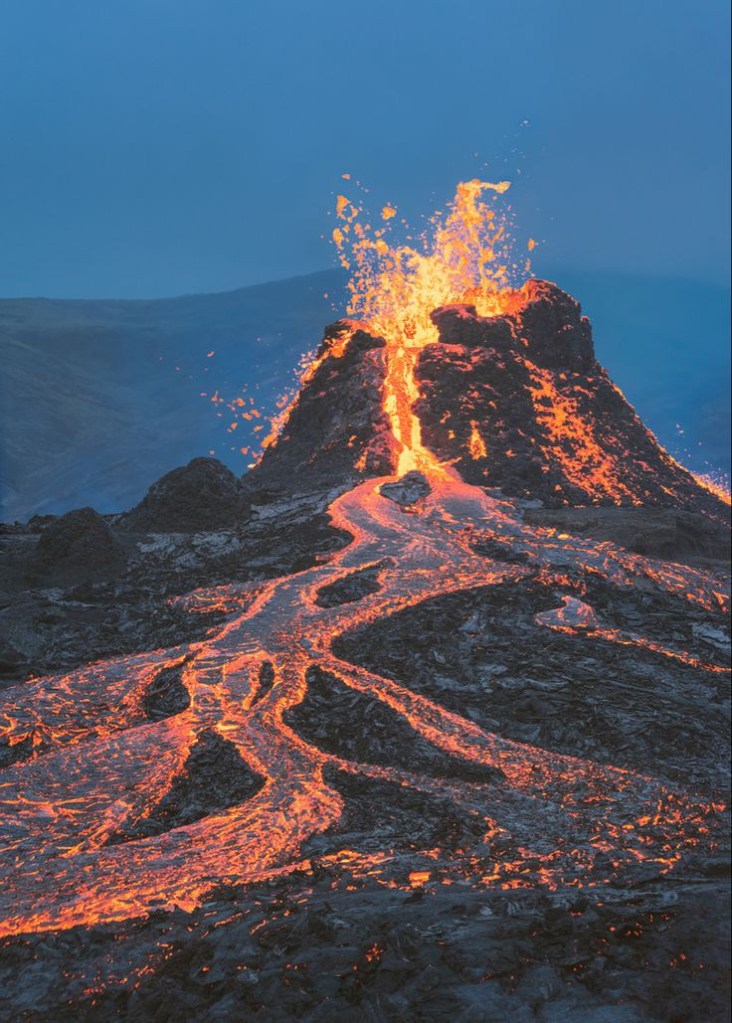
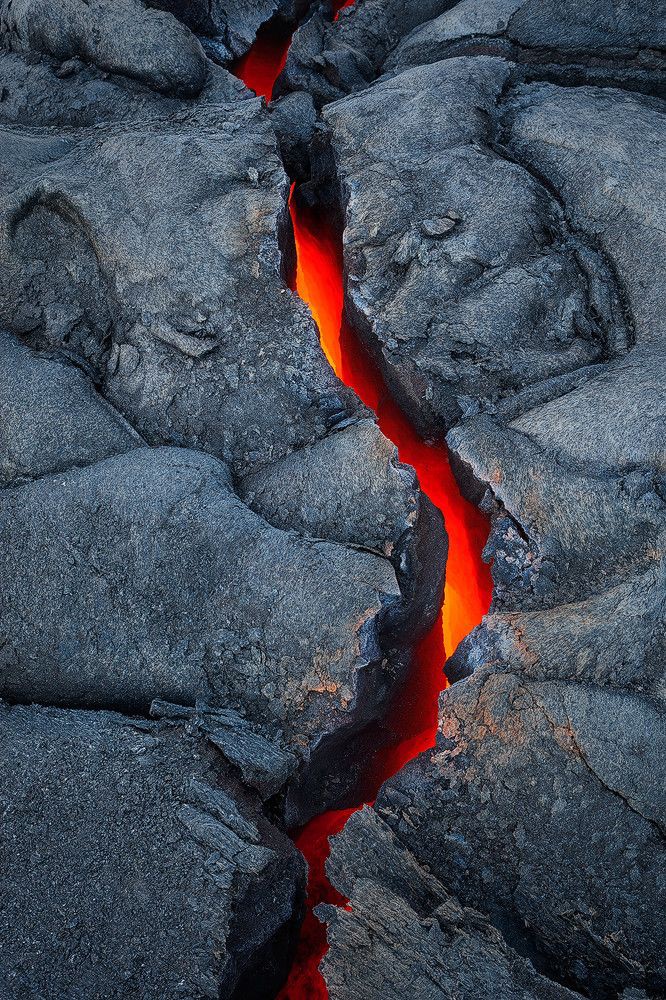
Volcano Eruption

“We are, all of us, growing volcanoes that approach the hour of their eruption, but how near or distant that is, nobody knows- not even God.”

~ Friedrich Nietzsche

We always talk about , what it would be like to see volcano eruption in front of your eyes ?

How amazing it would be like to find out , how the volcano erupt ?

There are many things that we don’t know exist in our earth 🌍. Do you want to know about it . If yes , than read the editorial .

Introduction

A volcano is a rupture in the crust of a planetary-mass object, such as Earth, that allows hot lava, volcanic ash, and gases to escape from a magma chamber below the surface.

On Earth, volcanoes are most often found where tectonic plates are diverging or converging, and most are found underwater.

The word volcano is derived from the name of Vulcano, a volcanic island in the Aeolian Islands of Italy whose name in turn comes from Vulcan, the god of fire in Roman mythology.

Many ancient accounts ascribe volcanic eruptions to supernatural causes, such as the actions of gods or demigods. To the ancient Greeks, volcanoes’ capricious power could only be explained as acts of the gods, while 16th/17th-century German astronomer Johannes Kepler believed they were ducts for the Earth’s tears.[87] One early idea counter to this was proposed by Jesuit Athanasius Kircher (1602–1680), who witnessed eruptions of Mount Etna and Stromboli, then visited the crater of Vesuvius and published his view of an Earth with a central fire connected to numerous others caused by the burning of sulfur, bitumen and coal.

Types of eruptions

  • Hydrothermal eruption. An eruption driven by the heat in a hydrothermal systems.
  • Phreatic eruption. An eruption driven by the heat from magma interacting with water.
  • Phreatomagmatic eruption.
  • Lava.
  • Strombolian and Hawaiian eruptions.
  • Vulcanian eruptions.
  • Subplinian and Plinian eruptions.

How do volcanoes erupt?

Deep within the Earth it is so hot that some rocks slowly melt and become a thick flowing substance called magma. Since it is lighter than the solid rock around it, magma rises and collects in magma chambers. Eventually, some of the magma pushes through vents and fissures to the Earth’s surface. Magma that has erupted is called lava.

The explosivity of an eruption depends on the composition of the magma. If magma is thin and runny, gases can escape easily from it.
Explosive volcanic eruptions can be dangerous and deadly.

Humans and volcanoes

Volcanic eruptions pose a significant threat to human civilization. However, volcanic activity has also provided humans with important resources.

Although volcanic eruptions pose considerable hazards to humans, past volcanic activity has created important economic resources.

Volcanic ash and weathered basalt produce some of the most fertile soil in the world, rich in nutrients such as iron, magnesium, potassium, calcium, and phosphorus.

Volcanic activity is responsible for emplacing valuable mineral resources, such as metal ores.

The paradox of volcanoes was that they were symbols of destruction but also life. Once the lava slows and cools, it solidifies and then breaks down over time to become soil – rich, fertile soil.
She wasn’t a black hole, she decided. She was a volcano. And like a volcano she couldn’t run away from herself. She’d have to stay there and tend to that wasteland.
She could plant a forest inside herself.

Matt Haig, The Midnight Library

Link

Change Your Habits, Change Your Life

We often complain about the current state of affairs while fantasizing about what could have been. In the end, our life becomes a giant culmination of things we could have done and the chances we missed. What we fail to realise is that if we never leap, the situation we are in would never change. We tend to look at events in isolation and miss out on the grand scheme of things. This tendency of ours prevents us from striving towards change, suspending us in the limbo of mediocrity. If we wish to turn our life over and start a new journey, we must begin by changing the individual habits that are keeping us firmly rooted in our discontented lives. Even if we are already happy with the way things are, there are always greener pastures we can move to by tweaking our habits a little.

Our attitude, which is a set of beliefs, inclinations or emotions, towards the happenings of our lives is a predominant determinant of our actions. To bring about change in our lives, we must believe that we are capable of it. Self-efficacy is a core competency without which a person can not sail through his or her life. Belief in ourselves is indispensable, and when we start losing it, we start losing the ability to steer our lives in the direction we want. Our upbringing greatly influences that way we see the problems in our lives. However, we should not think that the attitudes instilled in us in childhood are set in stone. We have control over our minds and bodies, and we mustn’t forget that. As long as we recognise and unlearn our problematic behaviour, we are on the path of progress.

We tend to complain about a lot of things in life. Before complaining, we should ask ourselves; Can we do something about it? If there is nothing that can be done, we can do nothing but pray to God, hoping that she hears our pleas. If we find that something can be done about the situation, we must get right to it without complaint, because it is our duty or dharma to do so. Once we take a proactive approach to the problems in our lives, we’ll find that there weren’t many, to begin with, and most could have been solved with a little effort on our part.

Meditating regularly, if only for ten minutes, also sets our mind at ease and makes it more receptive for positive changes in the future. This directly relates to self-efficacy, as only a strong and in-charge mind could attempt to bring about substantial change. 

Focus on our mind and soul would be wasted if we do not keep our bodies healthy. Eating healthy and exercising regularly is extremely important. But, this fact of life is often ignored by those who are under a lot of stress. This starts a vicious downward spiral towards worse habits and eventually culminates in substance abuse and dependence. Our body is a temple, and we must treat it with the same respect we do to holy places. If it helps, we can view our body as God’s creation which is not to be tampered with. Healthy physicality produces excellent results over some time. Besides, exercising instils a sense of routine and structure that helps in planning our lives.

It is important to keep in mind that habits take time to form. We can’t expect an overnight transformation. If we are planning to make big changes in our lives, we should start small. Adopting little changes along the way to a better lifestyle is the most effective method to bring about a sustainable change. We need to prevent relapse into our old habits, and for that, a gradual but concrete movement towards better choices is universally preferred. Above everything, we must sail through the difficulties with a set purpose. If we have the end goal in sight, we could even overturn habits that are very hard to shake. So, we must find purpose and meaning in life before setting stride.

The Power of Meditation

Our life is a race, we chase money, career, happiness experiences. We were constantly thinking about the next thing we need to do and worrying about our future. We have so many tasks, worries, responsibilities and needs, meditation is a powerful tool that helps us slow down and take a break. It has a long history of thousands of years evolved from many different cultures and traditions.
Meditation is a state of awareness, we stop the life race and observe with awareness inside ourselves and outside it here and now this is called mindfulness. While meditating we are mindful to the present moment we pay attention to things we usually ignore like the current atmosphere in our body’s processes. Meditation has many benefits; it reduces negativity, stress, anxiety, depression, tension and anger at the same time it increases positivity, self-awareness, calmness, focus, tolerance and creativity. Meditation refreshes our mind and recharges our batteries, it is like a mental restart button which lets us have a fresh point of view. More clearly we can look as it is an inner bath for our mind and soul. Scientifically, meditating prevents and lowers the risk of diseases usually those which relate to stress and blood pressure like a heart attack. Less stress means more health. People who meditate on a regular basis have higher levels of alpha waves which reduce negative emotions. Meditating over time has positive impacts on our brain, body and soul. There are many ways to practice meditation. The most common one being mindful to your breath; sit right where you are no matter if it is at work, home or any other place and start paying attention to your breath, inhale and exhale without effort, you can focus on different parts of your body and imagine our breadth moving towards them. And another recommended way is listening to guided meditation and following the instructions. Adopting meditation as a habit will help us upgrade our lifestyle and add more value to our life. Meditation can change our brain patterns and increase the performance of cognitive functions which are needed for thinking, remembering, learning, problem solving etc. Meditation really helps in managing pain, depression and anxiety of people all around the world. Even mindfulness meditation classes are being offered in schools and hospitals because of their effectiveness. The focus of mindfulness meditation is to practice the brain in staying and focusing solely in the moments, which is why the meditator is encouraged to think of nothing but his or her breathing and to have a mantra. The aim is to let go of the regrets of the past as well as anxieties of the future to have a relaxing line in the present meditation as food for the soul. It nourishes our minds and values, qualities like compassion, responsibility, peacefulness, truthfulness and forbearing temptations. It helps in making and keeping good relationships with others and most especially with ourselves. The calmness and tranquillity we get from this experience give us a sense of comfort and stability. Allowing us to stay positive in life and be resilient to any negativity. Throwing out meditation is not just a mere activity for relaxation, it is the world’s greatest therapy. So, why not give it a try when we are feeling stressed out and angry at someone. Just take a deep breath and relax at the moment. Clear your mind and be grateful for all these life experiences that can help you improve. After all, we want to improve the world, we have to first start with ourselves. So take time every day to keep clear and bring that clarity to those around you.

Typhoid and low levels of Serotonin

Vaishali Singh

It’s the seventh time I got detected positive with typhoid, the first time my Widal test came out to be positive was when I was in 5th standard and today I am in the second year of my college it’s been more than 10 years but the problem is still there, the typhoid bacteria Salmonella typhi, activates in favourable condition, for 2 years I had no typhoid but still the problems related to intestine were there, I always suffer from stomach and digestion related problems and overtime these problems decreased the amount of serotonin in my body, my poor metabolism and digestive problems ultimately caused me low levels of serotonin which keeps me frustrated and unhappy for long period of time, most of the times I feel so empty, unhappy and lonely, for years I never understood that it was a clinical problem as I never gave it my attention but the research and deep analysis of 2 days made me understood that every mental health problem has connection to your physical health, the low levels of serotonin makes one feel depressed, broken, restless, emotional and unhappy, and overtime this problem can lead to severe problems which can destroy your mental peace so always take it seriously, you feel low most of the times because your feeling can may have a huge connection with your physical health, now the solution to my problem is to keep your body fit with regular Yoga, exercises and most importantly the healthy food, the another important thing is to do the meditation sessions to boost the serotonin, since this february my health condition is poor and I am struggling to make myself happy but today I understood the proper reason so now I can hope I’ll be better with continuos efforts.

Thank you for reading it, the purpose of putting it here was to aware you that if you’re suffering from Typhoid, or any other disease which affects your intestine or may be any other organ, can lead to decrease in your serotonin level and can cause you depression or severe anxiety but don’t be sad instead work for it, first of all just take time to get recover from that health condition then focus upon healthy food, workout and meditation overtime you will be healed.

What is Serotonin? Serotonin is a neurotransmitter, it’s involved in numerous core physical processes such as the regulation of sleep, appetite, and aggression. For more details read this link, https://www.integrativepsychiatry.net/product-category/neurotransmitters/serotonin/

The Art of Meditation

Meditation is a very important tool to manage stress and reducing anxiety and depression. It is a conscious effort of allowing your anxieties, fears, and anger to calm down so that one can order their own mind , eliminate the stressful thoughts and enhances physical and emotional well-being. It helps us in attaining peace of mind and soul and also helps us tune into a positive mindset.

Meditation can give us a sense of calm, peace and balance that benefits both your emotional well-being and your overall health. They also lead us to a state of self realization, where our mind is away from the anxieties of the past and the anticipations about the future. With emotional stability and calmness, one ends up feeling more confident and is able to face life. It makes people empathetic and thus able to understand others’ emotions, actions, and behaviors. It also improve our physical health by reducing strain on the heart, lowering blood pressure, improved blood circulation, less perspiration , improved data retention and focus , improved sleep patterns and deeper relaxation.

Types of meditation and relaxation techniques include:

1. Mindfulness

Mindfulness meditation practices require you to concentrate in your present. It ensures stability and control of the present state without getting disturbed by what comes or goes. We establish an embodied presence and learn to see clearly and feel fully the changing flow of sensations, feelings of both pleasantness and unpleasantness, emotions and sounds. For example : close your eyes and start breathing, neither long breaths nor too short ones. Breathe like you naturally do. Just that you are conscious about it, not controlling it in any manner. While you do so, you are sure to feel multiple sensations. What we want you to do is to just feel them, coming and going, not attracting any neither repelling one. You just rest and relax, without any judgement. When you practice this discipline of mindfulness meditation, and while you are onto exercising the breathing routine, your thoughts start mingling and flowing in the process. The intention is not to get involved with the thoughts or to judge them, but simply to be aware of each mental note as it arises.

2. Transcendental Meditation

This is a technique of detaching oneself and promoting harmony and self realization. It involves sitting up with your back straight. In this method, we use a mantra such as a word , sound or phrase repeatedly silently to narrow your conscious awareness and eliminate all thoughts from your mind. We focus exclusively on your mantra to achieve a state of perfect stillness and consciousness. It curbs insomnia, gives more power to our body and mind and increases productivity.

3. Walking Meditation

In this meditation, practitioners move slowly and continuously while staying aware of the body and mind. It encourages us to focus on each footstep in order to be fully present.  We must take deep breaths , use good posture , take deep breaths, and experience the motions of the body. This allows us to cultivate a a sense of mind- body awareness by focusing on your body’s posture.

4. Mantra Meditation

In this type of meditation, we silently repeat a calming word , thought or phrase to prevent distracting thoughts and helps us concentrate on that one particular sound. In every moment that we pay full attention to the mantra, we are not disturbed by any other thoughts, memories, or sensations. This helps reduce stress and improves our concentration and well-being.

Meditation is a simple strategy that can help obtain better health and a happier life. It takes time to learn to meditate but the more we practice , the quicker we learn and the more benefits we get and hence this will certainly have a big difference in our life.