Gender-based violence enormously impacts the mental health of a person. In this case, mental health counseling has a significant role to determine support to gender based violence survivors. Post-violence survivors possibly suffer with depression, anxiety and post traumatic stress disorder. Accurate role of mental healthcare prevents the increasing number of GBV; to reduce negative thoughts. Countries having Gender Based violence prevention based on rigid public health models that do not carry mental health components, though GBV must require concepts, competencies and standards of mental health to interdict the GBV. Inequality of gender, gender stereotypes & prejudice, difference of femininity and masculinity capabilities, Upbringing in patriarchal society or mindset aggression, male ego are several elements increasing insensitivity and hideousness and intricate to control the GBV.
Source: Forbes Health
1) Mental health professionals well aware of how to help and support the survivors, what are their emotional & psychological requirements in case of physical,verbal, sexual violences, anxiety and depression mental health professional (MHP) capable to encounter accordingly.
2) Counseling is a faithful forum where anyone can be vulnerable, survivors can find it easy to open up & release themselves emotionally in front of mental health Counselors. MHP can maintain solidarity to survivors, value their experience, understand their needs, ensure faith of confidentiality that no word will go out in fact each word will be taken into consideration.
3) In gender-based violence, survivors evidently confront the issue of acceptance and believing. Professionals competent enough to provide acceptance and build confidence in them
4) Survivors need emotional Support as Counselors understand it entrusts emotional assistance.
5) Mental health counseling significantly helps survivors to uplift their lives by feeling confident that helps them to know about themselves and find sustainability on a financial level. Health professionals may support the idea of a high level of self awareness for themselves for more influential results.
6) Different Mental health counseling Programs and survey research increase the efficiency and credibility of Counseling for survivors. Research determines the effectiveness of orientation of work, concluding the conceptual results that enhance the relevance and reliability of surveys.
7) Mental health professionals help survivors to overcome feelings of unwantedness just by listening and understanding their outputs, that give them sufficient emotional support.
8) Mental health counseling must be provided 24×7 through E – Governance and from NGOs online portals. Government initiatives become extremely important regarding gender Based violence, their women empowerment Policies must confirm the positive results on society that ultimately helps women socially.
9) Determining mental health counseling in rural areas is crucial because women, especially in marginalized communities, find it far more difficult to come out and express their needs because of social structure & norms. Mostly do not know what to do in such situations. At this time, mental health counselors untapped them & make them aware of their legal, social and political rights; moreover their human rights.
10) Gender based violence survivors do not know what to do now at first, self doubt engraved in them strongly. Mental health professional advisory assistance supports them to better their condition by doing counseling sessions and penetrating positivity.
11) Cognitive behavioral therapy helpful to reduce mental health issues
12) Psychological counseling for survivors
13) Therapeutic counseling addresses issues like self blame, guilt trauma and much more.
14) Empower survivors to adopt adequate strategies to handle violence and protect themselves.
15) Crisis intervention, free legal, shelter care, supportive groups and psychotherapy to both prevent social isolation and social support.
16) Require sensitive the staff; sensitivity to the person and the problem
17) Maintain privacy and safety for clients.
National human Rights commission Report protection the Rights of LGBTQ community in Covid 19
No discrimination at health centre, healthcare professionals should be sensitised about it.
Skill development programmes
Online classes, provision of education without discrimination
All different schemes should take into account of gender diversity and vulnerabilities of LGBTQ in terms of eligibility requirements like ID proofs, ensure transgender and interested covered in schemes.
Medico – legal case for survivors of domestic and sexual violence along with timely treatment, psycho- social support.
Access to health services at primary health centers, community health and quarantine centers.
Mental health treatment/therapies and counseling through all district and local hospitals and medical health centers during pandemic.
Listen to and believe survivors because the perpetrator is only responsible for actions. Teach in schools what is to be men and make them aware of their emotional side. Call for responses and services require a mandate for solution. Understanding human values is extremely vital as men have a hard time to evaluate those values, learn the signs of abuse and how we can help and talk extensively and exclusively of gender based violence.
Anything that’s human is mentionable, and anything that is mentionable can be more manageable. When we can talk about our feelings, they become less overwhelming, less upsetting, and less scary.” — Fred Rogers
Public health is a core components of democracy. Contemporary Health policies are unenable to build coherence with SDGs. It reflected the major execution constraints. Health Policies of India always been a disappointment point; the indecisive nature of Governance dragged country on the dangerous edge. According to world bank, India spend in Public health 3.54% of their GDP on 136.64cr demographic capacity. It is the lowest budget in World. Comparing to countries like Nepal, Myanmar, Haiti, South Sudan, Algeria and Cuba invested more than India; all spend at least 6% of their GDP in public health. Other developed nations like UK, Germany, France spend more than 10% and USA give 16% of their GDP to health care sector.
Source: Commonwealth health hub
National health policy suggested that expenditure on health by states should be increased to up to 8% but none of the states ready to invest more than 5.4% of total budget in healthcare system. Spending less in health sector decrease our capacity to fight against the pandemic in most difficult times. We require to spend more, design appropriate Policy and most importantly implement and monitor those policies in structured manner for fruitful results.
National health mission was to provide health benefits in Rural(2005) & Urban (2013). Main functions of this programme are strengthening health system, prevention of communicable and non – communicable diseases, and create universal accessibility , affordable & quality healthcare service to all citizens in urban and rural areas. This programme was extended because of the tremendous outcome which only displayed on papers but still governance needs to played their proper role in designing and implementing accurate policy. India faces several challenges in the path of addressing health crisis; India lacks strategic Policy, constructive concepts, regulation and work ethics.
Source: ncbi.nih.gov.in
National health policy 1983 was the failure; cannot Considered to revive the healthcare crisis. Infact, liberalization opened the direction to move towards the public private partnership to achieve health services to all. To providing Healthcare services to urban poor is as essential as in rural areas. ORF mention in their report on URBAN HEALTH GOVERNANCE IN INDIA: A POLICY ROUNDTABLE addressing health as central component of urban planning and governance. Migration from rural to urban areas becoming extremely important aspect of urbanization, where people believes urban healthcare services are far more better than rural; but the urban system as crucially defected as the rural area, it raises question on the governance structure. Indian Health system cannot deal with diseases like tuberculosis, malaria, HIV+AIDS , deficiency of vitamins. Governance have to acknowledge the basic problem in health sector then only can able to build the health policy.
PUBLIC HEALTH ISSUES LEAD TO THE HEALTH CRISIS
National health policy 1983, 2002 and 2017 unleash to achieve an acceptable standard of good health system by upgrading infrastructure in existing public health; but it did not acquired the beneficial results out of these policies because Problem lying in Health Governance. Regulatory mechanism, Monitoring and evaluation of health policy aspects are not effectively pressuring for powerful outcomes. In India, 23% of sick population, 7% below poverty line population are not capable to afford Healthcare.
Source: Overview
According to spending in healthcare, India rank extremely low, estimation of spending Rs 3 per person on per day that count 1.02% of the GDP, meanwhile other countries average spending is 6%. WHO in Health financing profile 2017 depicted 67.78% of aggregate expenditure was paid out of pocket, on the other hand, the world average is 18.2%. let’s examine state – wise spending in public health.
Source: Overview
Bihar spend Rs 491 per capita on health (on 12.7cr population) less than half the Indian average spending 1.33. Madhya Pradesh spend Rs716 (on 86.8cr demography) and Uttar Pradesh Rs 733 (on 24.6cr population). On the contrary, we see complete different picture in Mizoram who spend Rs 5,862 of 4.2 % of it’s GDP (12.6cr population), Arunachal Pradesh Rs 5,177 (1.6% population) and Sikkim Rs 5126 (6.63 lakh). Two different spectrum in one country where few states neglect their public healthcare whereas others more inclined towards ensuring public health to their people.
Due to neglection of health sector, states who spend less suffering the most during Covid -19. These states had to faced the situation like lack of beds, hospital services, medical staff and medical equipments. This problem occurred because of years of neglection in health sector, health policy evaluation process was not used as weapon to counter the health crisis in India.
Lack of allocation to healthcare and lack of Governance capability caused the much bigger crisis. Covid -19 is global pandemic but it made Indian healthcare system came on it’s knees; when capital of country facing run out of beds, desperate hunt for oxygen cylinder, medical supplies it’s showed Indian healthcare system is rotten, toilsome and intricate.
Our Government and Governance is solemn enough to diminishing the health crisis. Capital of country not capable to fight against sudden health crisis then we can presuppose the conditions in rural areas. In this situation, Governance need to evaluate their mistakes that’s how Governance will play it’s sophisticated part, need some measures to ensure the public healthcare in entire country, should not resisted to only urban health centres.
Corruption in health sector, lowest quality health programme, poor cooperation between public & private sectors, lack of health awareness and no accessibility to medicines or testing machine services created cluster in health sector; which reflected as more weakness during Covid -19. When India became epicenter of global pandemic during dangerous second wave; India made international headline. The scenes of families from hospital were horrified. It also depicted how Government failed us.
Government and bureaucrats have no capability to overturn the crisis and find relevant solution in serious conditions in country. Indian government lack leadership quality, Political will. Governance cannot work until top political leaders and bureaucrats show some credibility to disperse the crisis. India estimated 4.34 lakh death due to covid-19. Health crisis is not new in india, Government never capable to find dynamic Policy to eradicate diseases like Tuberculosis, Malaria, HIV+AIDS. Tuberculosis caused 220,000 death every year. WHO estimated 2.64 million TB cases in 2020. KPMG report revealed that 74% doctors practice in urban areas this simply means rural area lack primary healthcare treatment facility. India has huge scarcity of doctors, nurses, paramedics and testing machines especially in rural areas. That’s how migration become prominent from rural to urban. WHO also suggested 1 doctor for 1000 people meaning 1:100 but India has 1:1445.
National TB Elimination Programme was not as effective as thought to obliterate the deadly disease from the country; where all other nation found the way to kill the health crisis. We need to revive the health policy structure and find new future oriented health policy to counter any sudden global health crisis. Let’s discuss few criteria to resist the health crisis in India.
RECOMMENDATIONS TO BUILD COLLAPSING HEALTH SYSTEM
PUBLIC PRIVATE PARTNERSHIP
Last two years shook Indian healthcare system, demanded to take evident steps in healthcare sector. This is a accurate time to transform the ancient health policy and bring unique & innovative public health programme concerning the target population. Two main components of health crisis are affordability and accessibility which majority of population cannot reach to. Well governed PPP is the direction to improve the Indian healthcare system; through PPP India have seen success in the fields such as education, urban development and infrastructure.
Source: Alijazeera
• PPP provide resources to Government, which will bring experience and finances of the private sector. It will create a bridge between affordability and accessibility to all citizens.
• PPP ensures the expertise, finances, affordability, technology, specialist doctors.
• Now, one aspect need to consider that Public – Private sector will bring the resources but how, where, what to utilize at what place and in how much quantity for that Non – Government Organization can play the role of agent to fulfill the necessary requirements & provide research to private sector.
• Non – government organization can play essential role to ensure the PPP goals spread to all citizens. These organization overlook the formulation, Implementation and functioning of PPP. It can be great gap filler between affordability and accessibility.
• But, PPP should manage in control manner make sure by Governance it’s roles and functions otherwise PPP increase the burden of expenditure on common citizen. Governance needs to evaluate time to time the working mechanisms of PPP.
• Also, it is necessary to collaborate with non profit organization to maximize the result of PPP. Need to tackle down the any coming vagueness in PPP, maintain regulation.
INCREASE ALLOCATION TO HEALTHCARE
India must increase the spending on public healthcare. It should not differ state to state. Each state has to spend good amount of their GDP in Public health. Centre Government construct one same Affordable healthcare Programme for all states. Through INTER – GOVERNMENTAL RELATION center Government ensure overlapping authority model to communicate. Govt should spend at least more than 6% of their GDP. It will provide huge access to necessary medical services in the country.
NATIONAL FREE MEDICATION AND COUNSELING
Center and state government incite medication facility including counseling and spread awareness regarding health issues of human body. Make citizens more conscious about their body. Now, this method has challenging step concerning in rural areas with help of NGOs, ASHA workers, door to door awareness is necessary to spread the words about the sanitation, coronavirus precautions, HIV+AIDS awareness and TB awareness programme. In digitalized world, Mobile clinic can play great outlay of serving information of diseases to the people. Lunch effective powerful awareness programme in urban and rural areas Ensuring the awareness reaching to all citizens in country.
Center and state government incite medication facility including counseling and spread awareness regarding health issues of human body. Make citizens more conscious about their body. Now, this method has challenging step concerning in rural areas with help of NGOs, ASHA workers, door to door awareness is necessary to spread the words about the sanitation, coronavirus precautions, HIV+AIDS awareness and TB awareness programme. In digitalized world, Mobile clinic can play great outlay of serving information of diseases to the people. Lunch effective powerful awareness programme in urban and rural areas Ensuring the awareness reaching to all citizens in country.
CONCLUSION
Health Governance is one kind of Governance that we must deal with caution. Good Public Health Governance reflect the sincerety of Government ; it ensure the transparency, accountability and promote citizen centric Approach. Government determine universal Public healthcare no resistance to PAN areas. Providing Healthcare to citizens consider as enriching the immunity of country. Policy makers recite properly the Implementation part while performing the health policy; Keep the track of Monitoring then only we can decisively conclude the success of health policies.
Public health is a core components of democracy. Contemporary Health policies are unenable to build coherence with SDGs. It reflected the major execution constraints. Health Policies of India always been a disappointment point; the indecisive nature of Governance dragged country on the dangerous edge. According to world bank, India spend in Public health 3.54% of their GDP on 136.64cr demographic capacity. It is the lowest budget in World. Comparing to countries like Nepal, Myanmar, Haiti, South Sudan, Algeria and Cuba invested more than India; all spend at least 6% of their GDP in public health. Other developed nations like UK, Germany, France spend more than 10% and USA give 16% of their GDP to health care sector.
Source: Commonwealth health hub
National health policy suggested that expenditure on health by states should be increased to up to 8% but none of the states ready to invest more than 5.4% of total budget in healthcare system. Spending less in health sector decrease our capacity to fight against the pandemic in most difficult times. We require to spend more, design appropriate Policy and most importantly implement and monitor those policies in structured manner for fruitful results.
National health mission was to provide health benefits in Rural(2005) & Urban (2013). Main functions of this programme are strengthening health system, prevention of communicable and non – communicable diseases, and create universal accessibility , affordable & quality healthcare service to all citizens in urban and rural areas. This programme was extended because of the tremendous outcome which only displayed on papers but still governance needs to played their proper role in designing and implementing accurate policy. India faces several challenges in the path of addressing health crisis; India lacks strategic Policy, constructive concepts, regulation and work ethics.
Source: ncbi.nih.gov.in
National health policy 1983 was the failure; cannot Considered to revive the healthcare crisis. Infact, liberalization opened the direction to move towards the public private partnership to achieve health services to all. To providing Healthcare services to urban poor is as essential as in rural areas. ORF mention in their report on URBAN HEALTH GOVERNANCE IN INDIA: A POLICY ROUNDTABLE addressing health as central component of urban planning and governance. Migration from rural to urban areas becoming extremely important aspect of urbanization, where people believes urban healthcare services are far more better than rural; but the urban system as crucially defected as the rural area, it raises question on the governance structure. Indian Health system cannot deal with diseases like tuberculosis, malaria, HIV+AIDS , deficiency of vitamins. Governance have to acknowledge the basic problem in health sector then only can able to build the health policy.
PUBLIC HEALTH ISSUES LEAD TO THE HEALTH CRISIS
National health policy 1983, 2002 and 2017 unleash to achieve an acceptable standard of good health system by upgrading infrastructure in existing public health; but it did not acquired the beneficial results out of these policies because Problem lying in Health Governance. Regulatory mechanism, Monitoring and evaluation of health policy aspects are not effectively pressuring for powerful outcomes. In India, 23% of sick population, 7% below poverty line population are not capable to afford Healthcare.
Source: Overview
According to spending in healthcare, India rank extremely low, estimation of spending Rs 3 per person on per day that count 1.02% of the GDP, meanwhile other countries average spending is 6%. WHO in Health financing profile 2017 depicted 67.78% of aggregate expenditure was paid out of pocket, on the other hand, the world average is 18.2%. let’s examine state – wise spending in public health.
Source: Overview
Bihar spend Rs 491 per capita on health (on 12.7cr population) less than half the Indian average spending 1.33. Madhya Pradesh spend Rs716 (on 86.8cr demography) and Uttar Pradesh Rs 733 (on 24.6cr population). On the contrary, we see complete different picture in Mizoram who spend Rs 5,862 of 4.2 % of it’s GDP (12.6cr population), Arunachal Pradesh Rs 5,177 (1.6% population) and Sikkim Rs 5126 (6.63 lakh). Two different spectrum in one country where few states neglect their public healthcare whereas others more inclined towards ensuring public health to their people.
Due to neglection of health sector, states who spend less suffering the most during Covid -19. These states had to faced the situation like lack of beds, hospital services, medical staff and medical equipments. This problem occurred because of years of neglection in health sector, health policy evaluation process was not used as weapon to counter the health crisis in India.
Lack of allocation to healthcare and lack of Governance capability caused the much bigger crisis. Covid -19 is global pandemic but it made Indian healthcare system came on it’s knees; when capital of country facing run out of beds, desperate hunt for oxygen cylinder, medical supplies it’s showed Indian healthcare system is rotten, toilsome and intricate.
Our Government and Governance is solemn enough to diminishing the health crisis. Capital of country not capable to fight against sudden health crisis then we can presuppose the conditions in rural areas. In this situation, Governance need to evaluate their mistakes that’s how Governance will play it’s sophisticated part, need some measures to ensure the public healthcare in entire country, should not resisted to only urban health centres.
Corruption in health sector, lowest quality health programme, poor cooperation between public & private sectors, lack of health awareness and no accessibility to medicines or testing machine services created cluster in health sector; which reflected as more weakness during Covid -19. When India became epicenter of global pandemic during dangerous second wave; India made international headline. The scenes of families from hospital were horrified. It also depicted how Government failed us.
Government and bureaucrats have no capability to overturn the crisis and find relevant solution in serious conditions in country. Indian government lack leadership quality, Political will. Governance cannot work until top political leaders and bureaucrats show some credibility to disperse the crisis. India estimated 4.34 lakh death due to covid-19. Health crisis is not new in india, Government never capable to find dynamic Policy to eradicate diseases like Tuberculosis, Malaria, HIV+AIDS. Tuberculosis caused 220,000 death every year. WHO estimated 2.64 million TB cases in 2020. KPMG report revealed that 74% doctors practice in urban areas this simply means rural area lack primary healthcare treatment facility. India has huge scarcity of doctors, nurses, paramedics and testing machines especially in rural areas. That’s how migration become prominent from rural to urban. WHO also suggested 1 doctor for 1000 people meaning 1:100 but India has 1:1445.
National TB Elimination Programme was not as effective as thought to obliterate the deadly disease from the country; where all other nation found the way to kill the health crisis. We need to revive the health policy structure and find new future oriented health policy to counter any sudden global health crisis. Let’s discuss few criteria to resist the health crisis in India.
RECOMMENDATIONS TO BUILD COLLAPSING HEALTH SYSTEM
PUBLIC PRIVATE PARTNERSHIP
Last two years shook Indian healthcare system, demanded to take evident steps in healthcare sector. This is a accurate time to transform the ancient health policy and bring unique & innovative public health programme concerning the target population. Two main components of health crisis are affordability and accessibility which majority of population cannot reach to. Well governed PPP is the direction to improve the Indian healthcare system; through PPP India have seen success in the fields such as education, urban development and infrastructure.
Source: Alijazeera
• PPP provide resources to Government, which will bring experience and finances of the private sector. It will create a bridge between affordability and accessibility to all citizens.
• PPP ensures the expertise, finances, affordability, technology, specialist doctors.
• Now, one aspect need to consider that Public – Private sector will bring the resources but how, where, what to utilize at what place and in how much quantity for that Non – Government Organization can play the role of agent to fulfill the necessary requirements & provide research to private sector.
• Non – government organization can play essential role to ensure the PPP goals spread to all citizens. These organization overlook the formulation, Implementation and functioning of PPP. It can be great gap filler between affordability and accessibility.
• But, PPP should manage in control manner make sure by Governance it’s roles and functions otherwise PPP increase the burden of expenditure on common citizen. Governance needs to evaluate time to time the working mechanisms of PPP.
• Also, it is necessary to collaborate with non profit organization to maximize the result of PPP. Need to tackle down the any coming vagueness in PPP, maintain regulation.
INCREASE ALLOCATION TO HEALTHCARE
India must increase the spending on public healthcare. It should not differ state to state. Each state has to spend good amount of their GDP in Public health. Centre Government construct one same Affordable healthcare Programme for all states. Through INTER – GOVERNMENTAL RELATION center Government ensure overlapping authority model to communicate. Govt should spend at least more than 6% of their GDP. It will provide huge access to necessary medical services in the country.
NATIONAL FREE MEDICATION AND COUNSELING
Center and state government incite medication facility including counseling and spread awareness regarding health issues of human body. Make citizens more conscious about their body. Now, this method has challenging step concerning in rural areas with help of NGOs, ASHA workers, door to door awareness is necessary to spread the words about the sanitation, coronavirus precautions, HIV+AIDS awareness and TB awareness programme. In digitalized world, Mobile clinic can play great outlay of serving information of diseases to the people. Lunch effective powerful awareness programme in urban and rural areas Ensuring the awareness reaching to all citizens in country.
Center and state government incite medication facility including counseling and spread awareness regarding health issues of human body. Make citizens more conscious about their body. Now, this method has challenging step concerning in rural areas with help of NGOs, ASHA workers, door to door awareness is necessary to spread the words about the sanitation, coronavirus precautions, HIV+AIDS awareness and TB awareness programme. In digitalized world, Mobile clinic can play great outlay of serving information of diseases to the people. Lunch effective powerful awareness programme in urban and rural areas Ensuring the awareness reaching to all citizens in country.
CONCLUSION
Health Governance is one kind of Governance that we must deal with caution. Good Public Health Governance reflect the sincerety of Government ; it ensure the transparency, accountability and promote citizen centric Approach. Government determine universal Public healthcare no resistance to PAN areas. Providing Healthcare to citizens consider as enriching the immunity of country. Policy makers recite properly the Implementation part while performing the health policy; Keep the track of Monitoring then only we can decisively conclude the success of health policies.
Tuberculosis is a pandemic globally become significant health threat in many countries. India top the list of having most tuberculosis patients. TB is airborne disease. Every year, India estimated TB patient is 28 lakhs, which is 27 per cent of the global total, almost 1200 TB patient die everyday, 10 every 3 minutes. In 2017, 204 TB cases per 1,00,000 encountered. India has the highest number of multi drug resistant TB (MDR-TB) cases in the world. Largest number of people living with multi resistance TB which normal dosage of Isoniziad and INH will not work on patient or first line drug of TB will not work on you.
Source: The New England Journal of Medicine NEJM
According to Health Ministry & Welfare data explain, only 63 per cent of the patients infected with airborne disease and currently under treatment. Further, 1,47,000 patients are resistant to first and second line TB medicines. World Health Organization (WHO) reported India had 2.7 million new cases and 440,000 deaths due to TB in 2018 – the highest in the world. Despite such conditions India has not implemented goal measures effectively to control the spread of TB. Imagine if we are not capable to control TB then can we measure Coronavirus? when we have paucity of hospital, less number of health workers and doctors.
HISTORY OF TUBERCULOSIS IN INDIA
Credit: Mint (Tuberculosis Patients at a Govt hospital)
For TB patients first open air isolation institution and treatment of TB patients was started in Ajmer & almore 1906. The anti TB movement in the country gained momentum with TB association of India which was established in 1939.
The Bhore committee report issued in 1946 estimated that about 2.5 million patients required treatment in the country with 6,000 beds available. National Tuberculosis Control programme (NTP) was formulated in 1962. NTP was not implemented properly then revised into National TB Control Programme (RNTCP) was developed. Sir Joseph Bhore recommended re – modelling the health services integrate curative & preventive medicine at all levels. Bhore committee was not able to reach the plan , recognizing the lack of access to basic healthcare in rural areas, National Health Policy 1993 emphasized on primary care, commitment to provide “Health to all” by the year 2000. By 2000 India still not achieved most of the goals of the national health policy.
National Health Policy by 2010 & to increase public investment from 0.9% to between 20% which is 3% of GDP. National Rural Health Mission 2005 – 2012 was launched to provide Healthcare to rural population. Special focus on 18 states who has weak Healthcare system.
MEASURES TAKEN BY GOVERNMENT Indian government launched the TB free India campaign, Target of elimination of TB in the country by 2025. DOTS – Directory observed Treatment ,it is a strategy to diagnose the TB through sputum testing. CBNAAT – Catridge based Nuclei acid amplification test, this test help two ways to detect TB that whether person diagnose with TB, if it is TB is it MDR or the other one first line drug. First time central TB Division (CTD) introduced a quarterly ranking of TB elimination efforts by all the states and UTs. TB preventive Therepy (TPT) give financial expenditure which include in the assessment. Saksham project provide psycho – social counseling to TB patients.
Nikshay poshan yojana (NPY) scheme made to give financial support to TB patients for their nutritional diet. The Nikshay Ecosystem is the National TB information System which is one – stop solution to collected information of patients and manage program activity & evaluate through out the country.TB Harega Desh Jeetega – This strategy launched in September 2019 for fight against TB.
ARE GOVERNMENT MEASURES GOING WELL ON GROUND LEVEL
After implementing most of the best policies are not capable to eliminate TB. India known for the fact that “poor quality of Healthcare”. There is shortage of testing centres, DOT centres, and other facilities to identify and treatment of new TB patients. GOI has set a target of zero – tuberculosis deaths by the 2025 rather should focus on zero – tuberculosis patients till 2030.
Despite all the notable measures taken by the government still needs to robust efforts to improve the early diagnose for the appropriate treatment which is significant for ending of TB. We need to expand both laboratory network as well as diagnostic facilities to cover the whole nation under the umbrella of one program National TB Elimination Programme. Private sector plays crucial role in terms of providing mandatory tuberculosis treatment quality care.
The UN sustainable development Goals (SDGs) include ending the TB epidemic by 2030 under the Goal 3. India set target to eliminate TB by 2025 ( which is five years ahead of SDGs) appears ‘unrealistic’ , ‘unattainable’ as seeing today’s condition of India which requires high quality of care to each person. We need to increase TB services for those who are not able to reach the TB centres , increase the engagement of private sector facilities and support system of universal access to drug susceptibility testing and second line TB drugs.
GOI said that new tools resulting from greater tuberculosis research & development (R&D) which is important to prevent Economic losses. 30 per cent of Indian population infected with tuberculosis. Consequently, we need accurate level of care which helps for detecting tuberculosis infection. India need close coordination between Ministry of Science & Technology , Ministry of Health and Research oriented pharmaceutical companies together to reach target to fight against the Tuberculosis. India strictly implement the strategy of finding the TB cases rather waiting for patient with TB to reach to the hospital.Under the make in India program, development of a first line anti – TB drug was proposed in public sector.
Awareness about TB and its prevention among masses is important. Media campaigns must planned under the program to promote TB preventive measures swasth E – gurukul is one such initiative of WHO.
Union Health Minister , Harsh Vardhan said:
“we as a nation, need to come together to fight against tuberculosis and the stigma surrounding it so that every TB patient seek care with dignity and without discrimination. The community must act as a well spring of support and comfort for a patient”.
Union Health Minister Harshvardhan in press conference talking about social stigma around TB;
We must talk about the social stigma attach with Tuberculosis. Association of HIV with TB estimated 9 per cent of all HIV – TB deaths in the world, the second highest number globally 92,000 HIV – TB patients were accounted on annual basis.
If GOI implement all policies wisely and evaluate them in every 6 months we can reach to attain our goal to eliminate Tuberculosis from India. In rural areas, officers must help to detect TB before it become MDR by making reports of how many people each month diagnose with TB. If we do not take serious measures now it will be difficult to achieve the set target of “elimination of TB in 2025”.
Tuberculosis is a pandemic globally become significant health threat in many countries. India top the list of having most tuberculosis patients. TB is airborne disease. Every year, India estimated TB patient is 28 lakhs, which is 27 per cent of the global total, almost 1200 TB patient die everyday, 10 every 3 minutes. In 2017, 204 TB cases per 1,00,000 encountered. India has the highest number of multi drug resistant TB (MDR-TB) cases in the world. Largest number of people living with multi resistance TB which normal dosage of Isoniziad and INH will not work on patient or first line drug of TB will not work on you.
Source: The New England Journal of Medicine NEJM
According to Health Ministry & Welfare data explain, only 63 per cent of the patients infected with airborne disease and currently under treatment. Further, 1,47,000 patients are resistant to first and second line TB medicines. World Health Organization (WHO) reported India had 2.7 million new cases and 440,000 deaths due to TB in 2018 – the highest in the world. Despite such conditions India has not implemented goal measures effectively to control the spread of TB. Imagine if we are not capable to control TB then can we measure Coronavirus? when we have paucity of hospital, less number of health workers and doctors.
HISTORY OF TUBERCULOSIS IN INDIA
Credit: Mint (Tuberculosis Patients at a Govt hospital)
For TB patients first open air isolation institution and treatment of TB patients was started in Ajmer & almore 1906. The anti TB movement in the country gained momentum with TB association of India which was established in 1939.
The Bhore committee report issued in 1946 estimated that about 2.5 million patients required treatment in the country with 6,000 beds available. National Tuberculosis Control programme (NTP) was formulated in 1962. NTP was not implemented properly then revised into National TB Control Programme (RNTCP) was developed. Sir Joseph Bhore recommended re – modelling the health services integrate curative & preventive medicine at all levels. Bhore committee was not able to reach the plan , recognizing the lack of access to basic healthcare in rural areas, National Health Policy 1993 emphasized on primary care, commitment to provide “Health to all” by the year 2000. By 2000 India still not achieved most of the goals of the national health policy.
National Health Policy by 2010 & to increase public investment from 0.9% to between 20% which is 3% of GDP. National Rural Health Mission 2005 – 2012 was launched to provide Healthcare to rural population. Special focus on 18 states who has weak Healthcare system.
MEASURES TAKEN BY GOVERNMENT Indian government launched the TB free India campaign, Target of elimination of TB in the country by 2025. DOTS – Directory observed Treatment ,it is a strategy to diagnose the TB through sputum testing. CBNAAT – Catridge based Nuclei acid amplification test, this test help two ways to detect TB that whether person diagnose with TB, if it is TB is it MDR or the other one first line drug. First time central TB Division (CTD) introduced a quarterly ranking of TB elimination efforts by all the states and UTs. TB preventive Therepy (TPT) give financial expenditure which include in the assessment. Saksham project provide psycho – social counseling to TB patients.
Nikshay poshan yojana (NPY) scheme made to give financial support to TB patients for their nutritional diet. The Nikshay Ecosystem is the National TB information System which is one – stop solution to collected information of patients and manage program activity & evaluate through out the country.TB Harega Desh Jeetega – This strategy launched in September 2019 for fight against TB.
ARE GOVERNMENT MEASURES GOING WELL ON GROUND LEVEL
After implementing most of the best policies are not capable to eliminate TB. India known for the fact that “poor quality of Healthcare”. There is shortage of testing centres, DOT centres, and other facilities to identify and treatment of new TB patients. GOI has set a target of zero – tuberculosis deaths by the 2025 rather should focus on zero – tuberculosis patients till 2030.
Despite all the notable measures taken by the government still needs to robust efforts to improve the early diagnose for the appropriate treatment which is significant for ending of TB. We need to expand both laboratory network as well as diagnostic facilities to cover the whole nation under the umbrella of one program National TB Elimination Programme. Private sector plays crucial role in terms of providing mandatory tuberculosis treatment quality care.
The UN sustainable development Goals (SDGs) include ending the TB epidemic by 2030 under the Goal 3. India set target to eliminate TB by 2025 ( which is five years ahead of SDGs) appears ‘unrealistic’ , ‘unattainable’ as seeing today’s condition of India which requires high quality of care to each person. We need to increase TB services for those who are not able to reach the TB centres , increase the engagement of private sector facilities and support system of universal access to drug susceptibility testing and second line TB drugs.
GOI said that new tools resulting from greater tuberculosis research & development (R&D) which is important to prevent Economic losses. 30 per cent of Indian population infected with tuberculosis. Consequently, we need accurate level of care which helps for detecting tuberculosis infection. India need close coordination between Ministry of Science & Technology , Ministry of Health and Research oriented pharmaceutical companies together to reach target to fight against the Tuberculosis. India strictly implement the strategy of finding the TB cases rather waiting for patient with TB to reach to the hospital.Under the make in India program, development of a first line anti – TB drug was proposed in public sector.
Awareness about TB and its prevention among masses is important. Media campaigns must planned under the program to promote TB preventive measures swasth E – gurukul is one such initiative of WHO.
Union Health Minister , Harsh Vardhan said:
“we as a nation, need to come together to fight against tuberculosis and the stigma surrounding it so that every TB patient seek care with dignity and without discrimination. The community must act as a well spring of support and comfort for a patient”.
Union Health Minister Harshvardhan in press conference talking about social stigma around TB;
We must talk about the social stigma attach with Tuberculosis. Association of HIV with TB estimated 9 per cent of all HIV – TB deaths in the world, the second highest number globally 92,000 HIV – TB patients were accounted on annual basis.
If GOI implement all policies wisely and evaluate them in every 6 months we can reach to attain our goal to eliminate Tuberculosis from India. In rural areas, officers must help to detect TB before it become MDR by making reports of how many people each month diagnose with TB. If we do not take serious measures now it will be difficult to achieve the set target of “elimination of TB in 2025”.
Jealousy is common nowadays but none admits it. People love flaunting anger which is as destructive as jealousy but the former isn’t related to self image always. Its just a product of either our emotional state or our pride. But why is jealousy hidden? And why is it more dangerous? Because if anger means killing one’s peace and calmness, jealousy slowly poisons one’s self image,slowly,until there is a sudden awareness of one losing his true identity.
Its not a fault. But
the society perceives it as one. Most of the times people can’t help it. Anger can be controlled but jealousy cannot be controlled if it ever generates in their mind. Yes, it is true that perceptions help us to maintain a positive mental health but not always one can nurture a positive perception. Jealousy is a mirror of our insecurities, self doubt and inferiority complex because when one is truly happy with what they are, they never find the need to compare themselves with some other individuals who are possessing some other different talents or possessions. Often at work or even in colleges and schools, people face the problem of dealing with their insecurities and doubts. People usually applaud the ones who have some visible, well known, unique talents which they successfully convert into skills but however, we all tend to ignore the ones who fail to convert their talents into skills and instead of motivating them, most of the times we find them being cornered, which results to low self esteem. Such people may or may not be compared by their colleagues or family but they start comparing themselves with others and tend to pin point flaws which they think they possess. Whereas in reality these assumptions are worse than hallucinations. Such thoughts and mental state has often lead to many cases of severe depression and suicides as these people loose the interest in their lives and due to continuous comparison, they forget their worth. Henceforth,people who are jealous of others are not always the enemies or haters. They are mostly people who find themselves cornered in the presence of the other people or a particular person, and often loose their confidence and self esteem while comparing their achievements and talents with the others who are applauded in the room
Jealousy is also a product of perfection. When one is considered to be the BEST in the room, their fear often pokes them to hold on to their position and even if someone is applauded, they don’t take it positively. Their mind perceives it as a COMPETITION where they have to win. This is when one starts either being aggressive or a bully. Sometimes even a demotivator. That’s when one stops being a leader and starts being a boss. One compliment to someone else and the mental peace remains broken. This is how fragile jealousy makes our mind. However in such cases one should talk. If not to their friends or family members, they can talk with themselves. If self comparison is worse than the others comparing us, self appraisal and motivation is way better than the others motivating us. Spending time with ourselves and discovering what we are good at supports our self image. Unless we polish ourselves, we can’t shine.
When our mind accepts the fact that we are a separate individual and that we can’t be someone’s replica, we often free ourselves from one of the most deadliest manmade mental torture device, jealousy. If someone has something better to offer to the world, instead of torturing our peace and our basic personality, we can learn from them. And to do that, we can keep aside our ego and accept the fact that none is the best and there will always be people around us who maybe better or worse than us. The choice is in our hands. We can learn from the better and be our best or we can compare ourselves with the better and be the worse.
In ancient roman period there existed a practice about which few know today. The businessmen and other influential people acted as patrons for painters and writers in return of something which required more than their artistry. They acted as ‘Anteambulo’. The term literally translates to ‘clearing the path’. The artists had the responsibility to walk in front of their patrons, communicating messages and finding directions for them. It was like a give and take relation wherein the artists got the necessities of life and patrons for their work. On the other hand, the influential businessmen got artists to clear the path for them.
So, why am I narrating such an ancient practice in this article?
Leading requires a habit of following. A leader with no experience is actually, more inferior than a follower. Referring to the practice of Anteambulo, it was the artist who had to clear the path for his patron. It can be seen in two perspectives:
•The egoistic approach: Serving someone by finding paths for them may sound rude . An artist may go on to describe the practice as biased and discriminatory and may despite the upper castes in his works. But while he does that, he forgets how, because of his patron, he was able to bring his views and arts to life and to the people.
• The humble approach: Clearing the path for someone else may equal to serving someone but while clearing the path and finding directions( both physical and philosophical) for your superior you makes it easy for the master to flourish which in turn provides you with your necessities of life and your art AND you learn where to go, what to avoid, the right method and the right direction as you have been giving directions to the patron. Clearing the path for yourself becomes easy and crystal clear. The point of the approach is, when a master flourishes, so does the follower.
What is the significance of ‘Anteambulo’ in today’s world?
Its endless. In today’s world where ego dominates every other person, the theory of Anteambulo acts like a lesson. Who even likes their bosses and seniors at work? They seem so bossy to most. It hurts your image of yourself. You end up asking questions to yourself and sometimes to them:
•Who are you to be so bossy? Who do you think you are?
Answer: Who do YOU think you are? You are questioning to someone superior who knows what they are doing and who definitely know who they are. They struggled to be there. But who are YOU? Your high grades? Your skills? Your beauty? Your ‘idea’ of yourself? No. Sometimes all we know or all we ‘think’ we know is too less or too wrong.
You are your patience, your curiosity, your morals, your determination, your action and above all, your humility. Every person born till date was blessed with humility and polluted with ego. They either cleaned it up or set up more factories in themselves.
• Its him/her who benefits out of my hard work! He won’t give me credit so I will not do the work either. Why should I?
Answer: Because it’s not about the credit, its about the learning. Using the ‘I loose so he looses too’ formula will make you the biggest looser. Ryan Holiday refers to this practice as the ‘Canvas Strategy‘. In Ryan Holiday’s words, ‘Find canvas for other people to paint on’ . And definitely, not ask credits for finding the canvas but learn from what and how the other paints. Push someone who is really good at doing something so that they can do better and you can learn from them. When you start with a new job or a course or when you’re training for some new sports, you have no knowledge of it. Even If you do, its not enough. Knowing theoretical knowledge and gaining practical knowledge together, makes you grow. In order to gain practical knowledge, you need to observe, learn and look up to someone who is better than you. Being an Anteambulo is never wrong.
Have you ever helped someone without expectations? Just for the sake of helping?
Then, congratulations. You are an Anteambulo too.
Helping someone out of a problem or just listening to one’s problems can make wonders. The other person may feel better, get back their hope or something even better….they may be the better version of themselves! After all it is the small things that make big changes. Observe them. See how your advices, how your love for them makes them grow. With time, you may learn to solve problems with ease. That will be a lesson. A learning. Being the Anteambulo and bringing up better work and new ideas to your seniors,boss,friend,teacher or coach may assist them in doing the best in new ways and you may too, in the process, learn how to make use of these new ideas in a similar way to succeed.
Don’t run for the credit but for the knowledge. Every learner is a leader.
The benefits of traveling are not just a one-time thing: traveling changes you physically and psychologically. Having little time or money isn’t a valid excuse.
Here are some of the main benefits of traveling, in case you need convincing. And I’m sure that once you get started, you’ll find some more yourself!
1. Traveling Improves Your Health!
From cutting down on stress, to lowering your chances of developing a heart disease, the health benefits of traveling are huge.
2.Traveling Makes You Smarter!
Even more than just languages, traveling helps you learn about yourself. You might run into challenging situations where you need to be resourceful and think differently.
3.Traveling Improves Your Understanding Of Other Cultures!
Travelling always develop empathy and a deeper understanding of other cultures. Being more understanding and tolerant about a culture different than ours is part of being smarter.
4.Traveling Makes You More Interesting!
Mentioning something that most people aren’t familiar with or bring a new perspective is always a good way to shine in a social situation.
5.Travel Makes You Happier!
Sure, a travel experience easily makes you happier by getting you away from your daily grind.
6.Travel Lets You Disconnect & Recharge!
One of the best things you can do for your mental health every now and again
7.Travel Makes You Physically Healthier!
If you’re an active individual and asking why is travel important, there are some great benefits of traveling in store for you!
8.Traveling Can Boost Your Creativity!
Traveling can help! If you’re looking to reignite your creativity,
Hypnotherapy is an adjunctive technique that utilizes hypnosis to aid in the treatment of specific symptoms or health conditions. Hypnotherapy works by inducing a hypnotic state marked by waking awareness that allows people to experience detached external attention and to focus on inner experiences. It is sometimes used as part of a treatment plan for phobias and other anxiety disorders. It is also sometimes used for pain management, weight loss, smoking cessation, and a variety of other applications. Formal explorations in the therapeutic uses for hypnosis began in the late 1700s but did not gain scientific credibility until much more recently. Modern researchers have further explored how hypnosis can be used, which conditions it can treat, and how effective it may be compared to other treatments.
What Hypnotherapy Can Help With
There are many different reasons why a person might want to try hypnotherapy. Research suggests that some possible applications include:
Chronic pain conditions
Dementia symptoms
Nausea and vomiting related to chemotherapy
Pain during childbirth, dental procedures, or surgery
Skin conditions, such as psoriasis and warts
Symptoms of irritable bowel syndrome (IBS)
Symptoms of attention-deficit/hyperactivity disorder (ADHD)
Hypnotherapy may also be used by licensed physicians and psychologists in the treatment of conditions like anxiety disorders, depression, eating disorders, and post traumatic stress disorder (PTSD).
Benefits of Hypnotherapy
Some people may experience dramatic results with hypnotherapy. In other cases, people may simply feel very relaxed. Some of the benefits of hypnotherapy may include:
Awareness: Some people remain fully aware during the entire experience. They recall everything that happens and are even able to have conversations while under hypnosis. Other people may experience states of relaxation that are so deep that they may even feel detached from what is happening.
Focus: Most of the time, we are distracted by our surroundings. Whether the TV is blaring, your kids are demanding attention or your spouse wants to talk, it can be difficult to fully focus on yourself. Our conscious minds are also cluttered. You may be worried about paying a bill, concerned about an upcoming project, or planning tonight’s dinner. The therapy session is intended to break through these day-to-day concerns and allow you to focus completely on the problem at hand.
Relaxation: In the hypnotic state, you are deeply relaxed. Your conscious mind is quieted, allowing your unconscous mind to deeply focus on your issue. You are also calmer, and therefore more receptive to facing your problems or fears.
Most hypnotherapists utilize a series of calming messages, such as “you are safe” and “no one can harm you” to reassure their clients that during hypnosis they can objectively face their problems without having a panicked reaction.
Effectiveness
The effectiveness and impact of hypnotherapy can vary based on the individual and how the treatment is used. Hypnotherapy has been shown to have some degree of efficacy for certain applications, particularly:
Pain reduction and control during dental procedures and childbirth
Reduction in nausea and vomiting in individuals being treated for cancer with chemotherapy
Reduction in the severity of symptoms associated with irritable bowel syndrome (IBS)
While it may help people cope with problems related to stress and anxiety, it may be best applied when used in conjunction with first-line treatments such as cognitive behaviour therapy (CBT) and medications.
Things to Consider
While hypnotherapy is generally safe and well-tolerated, that does not mean that it doesn’t pose some potential risks, such as:
Hypnotherapy can produce false or distorted memories in some cases.
People who are very suggestible may experience a decreased sense of personal control while under hypnosis.
Some people can experience side effects such as anxiety, headaches, or dizziness.
Hypnotherapy may not be appropriate for people who are experiencing symptoms of psychosis such as hallucinations and delusions
Common Misconceptions
Hypnotherapy is still considered controversial, as many mental health professionals dispute its effectiveness. There are a number of myths and misconceptions about hypnotherapy that can affect how people view this therapeutic tool.
Hypnotherapy is often confused with stage hypnosis. Stage hypnotists are performers who are excellent at reading people. They seekextroverts who will put on a great show for the crowd. Whether or not their subjects are truly hypnotized is debatable, but they are willing to go along with the sometimes outrageous suggestions of the stage hypnotist.
Hypnotherapy doesn’t cause you to forget what happened. You will remember the things that occur during your hypnotic state, you will not be asleep or unconscious, and you will be able to break the hypnotic trance at any time.
Hypnotherapy doesn’t cause you to lose control. During hypnotherapy, you remain in control. It is not possible for anyone to force you to do anything against your will, even under hypnosis. You will be tuned in to the work at hand, and so may not pay attention to your surroundings, but you will always be in charge of your own actions, behaviors, and statements.
Being hypnotizable doesn’t mean you are less intelligent. While some people believe that they cannot be hypnotized, research suggests that most people are hypnotizable to a certain degree. Only about 10% of people are difficult or impossible to hypnotize.
Chhichhore, the movie which taught us that, suicide is not right option, movies which taught us “ NEVER GIVE UP”, we just have to keep going, doing our best just keep going and enjoy your life cause these moments are never gonna come back.
In life things we love the most always disappears quickly and its life.
The film tells the story of Aniruddha “Anni” Pathak, a middle-aged divorcee whose son Raghav tries to commit suicide but survives, though he is in a critical condition for his unwillingness to live out of fear he would be called a “loser”. Desperate, he goes against the wishes of his former girlfriend turned ex-wife Maya’s wishes to recount his own journey in 1992 as a “loser” in a gang of six; as he continues along to convince Raghav, the other five receive news of the tragedy and decide to join their friend in his pain to complete a story they never fail to cherish as a lesson in their life.
Since childhood we are listening this, from our parents, family members and relatives, if you win this competition, I’ll buy you your fav dress or I’ll buy you motorcycle, if you get first rank in your school or college test, I’ll buy you smartphone, if you got selected or if you pass the test I’ll give you this or that or whatever you want I’ll give you, blab blah. But no one told us that if you didn’t won or if you got second rank or if you failed the test, it’s okay, it’s completely okay, atleast you have tried and worked very hard for this. What’s big deal if you didn’t got selected, the most important thing is, you tried and didn’t give up easily. Life is all about second change for them who don’t give up easily and try until they give their best. Let’s say that, it wasn’t your best and promise yourself that you will try very hard to give your best and trust yourself, if you think you can do it then you definitely can and one day you will definitely became successful and will achieve your dream.
Its human nature that we got disappointed very soon, we think like we did so much hard work for this and after all this what we got is failure.
Its life and in life things always don’t go as we planned, just trust yourself and try harder, you may struggle but it won’t matter anymore. If you feel like quitting, think about the reason why you started.
NEVER QUIT. NEVER GIVE UP. FLY IT TO THE END.
Here are some memorable dialogues from Chhichore we will always remember
1. “Tumhara result decide nahi karta hai ki tum loser ho ki nahi… Tumhari koshish decide karti hai!”
2. “Success ke baad ka plan sabke paas hai… lekin agar, galti se fail ho gaye… toh failure se kaise deal karna hai… Koi baat hi nahi karna chahta.”
3. “Hum haar jeet, success failure mein itna ulajh gaye hai… ki, zindagi jeena bhool gaye hai… Zindagi mein agar kuch sabse zyada important hai… toh woh hai khud ZINDAGI.”
4. “Doosron se haarke loser kehlane se kahin zyada bura hai…khud se haarke loser kehlana.”
5. “I am a failure, mera kuchh nhi ho sakta… But we forgot success doesn’t come at once.”
6. “Dost jinke sath hum haste hai, rote hai Par zindagi jeena sikhte hai.”
Maya Angelou quoted, “I’ve learned that regardless of your relationship with your parents, you’ll miss them when they’re gone from your life. ” It is indeed the truth. Lately I have been thinking a lot about relationship between parents and child nowadays.
Though we love our parents more than anything in this world and so they do. It is of no question that our parents took care of us and will always do, no matter how old we become. But, don’t you think that these days parents-child conflict are increasing way too much? What could be the reason behind that?
The first thing that comes in our mind is obviously generation gap and it’s true. Why generation gap? It is basically age gap between parents and children. However, the major issue arrives due to the mental gap in terms of thinking and current trends. These days, children, mostly teenagers believe that they are grown-ups and it’s high time for them to be independent. This helps them to gain more self-esteem. On the whole, both parents and children do not see things from the standpoint of each other and thus leads to conflict.
Some teenagers feel that their parents should trust them and give them freedom but they also know that parents are more concerned about their safety, which sometimes make children irritated.
Technology also affects the relationship between them. Technological ability is also important. Parents might not learn technology as quick as teenagers and when they try to learn from them, they get impatient. Our world keeps changing and developing, things rarely stay the same, causing generation gaps between the parents and their children.
Below are some of the significant points which need to be understood.
• Parents often do not tolerate mistakes and tend to tell their children off. They need to understand that this is their learning phase and making mistakes will make them grow in life, but if they only get punished for it, it widens the gap and creates a lack of proper communication.
• Children are expected to be replicas of parents often have dreams for their kids. They should not impose their wish on them without knowing what they want.
• Comparing children to each other or telling them how you were as a child also widens the gap. Due to this, they lose confidence and enthusiasm they may previously had.
• Lack of understanding is also the major cause. Listening and understanding what a children is trying to convey could be a good step. But, it is lacking these days. Parents often feel like because they have already been the age their child is currently, that they understand how their child thinks. They should understand things have changed from then to now.
Now, how to solve these problems? Here are some ways :
Keep an open mind – The way that kid think is different from how parents do. Keeping an open mind and not assuming that they are same as you were at their age is very important. You must also understand that there are some things that are acceptable in society and therefore acceptable to your child that may not have been acceptable when you were the same age.
Communicate – Taking out time to communicate with your kids will be very helpful. Your child must feel comfortable to talk to you about anything. The children must be assured that they can approach their parents with anything and can speak freely without any fear. And this way parents need not to worry about their children hiding thing from them.
Listen – Parents need to allow their kids time to talk without interruption and listen to what they have to say. Learning your child’s thoughts and opinions makes them feel like what they want or feel matters to you, which in turn makes them feel much closer to you than before. Having a parent who listens as well instead of only talks and lectures will give your child more encouragement to listen to you in return.
Understand – With listening comes understanding and this means that you have to learn to put yourself in your child’s shoes and trying to understand how they feel and what they want from what they tell you. If you are able to understand where your child is coming from, you will be able to close that generation gap to some extent.
Unconditional Love – Love has a way of crossing boundaries and bringing people together if acted upon. So show your children how much you love them. This unconditional love and support that they get from you is very encouraging and makes children more inclined to show that same love and understanding back.
In the end, I would like to mention that children should also treat parents with love and affection because they did and are doing a lot for you everyday that is unnoticed. Your one word of affection can make their day. No matter how miserable you feel while they’re scolding you, never stop respecting them.
Positive psychology is one of the newest branches of psychology to emerge. This particular area of psychology focuses on how to help human beings prosper and lead healthy, happy lives. While many other branches of psychology tend to focus on dysfunction and abnormal behaviour, positive psychology is centered on helping people become happier. Positive psychology is designed to “complement and extend the problem-focused psychology that has been dominant for decades,” explained the late Christopher Peterson, author of “A Primer in Positive Psychology” and professor at the University of Michigan, in a 2008 article published in Psychology Today. “Positive psychology is…a call for psychological science and practice to be as concerned with strength as with weakness; as interested in building the best things in life as in repairing the worst; and as concerned with making the lives of normal people fulfilling as with healing pathology,” Peterson wrote.
According to leading authorities in the field, Martin Seligman and Mihaly Csikszentmihalyi, positive psychology will help achieve “scientific understanding and effective interventions to build thriving in individuals, families, and communities.” In order to understand the field of positive psychology, it is essential to start by learning more about its major theories, applications, and history.
History of Positive Psychology
“Before World War II, psychology had three distinct missions: curing mental illness, making the lives of all people more productive and fulfilling, and identifying and nurturing high talent,” wrote Seligman and Mihaly Csikszenmihalyi in 2000. Shortly after WWII, the primary focus of psychology shifted to the first priority: treating abnormal behavior and mental illness. In the 1950s, humanist thinkers like Carl Rogers, Erich Formm and Abraham Maslow helped renew interest in the other two areas by developing theories that focused on happiness and the positive aspects of human nature.
General interest in positive psychology has grown tremendously since the concept was introduced. Today, more and more people are searching for information on how they can become more fulfilled and achieve their full potential.
Uses
Positive psychology can have a range of real-world applications in areas including eduction, therapy, self-help, stress management, and workplace issues. Some of the major topics of interest in positive psychology include: Character strengths and virtues, Flow, Gratifications, Gratitude, Happiness, Pleasure, Helplessness, Hope, Mindfulness, Optimism, Positive thinking, Resilience .
Impact of Positive Psychology
Some of the major findings of positive psychology include: Money doesn’t necessarily buy well-being, but spending money on other people can make individuals happier, People are generally happy, Some of the best ways to combat disappointments and setbacks include strong social relationships and character strengths, While happiness is influenced by genetics, people can learn to be happier by developing optimism, gratitude, and altruism, Work can be important to well-being, especially when people are able to engage in work that is purposeful and meaningful.
Potential Pitfalls
Positive psychology is often confused with positive thinking, and misconstrued as self-help tactics rather than research-backed theories. Positive thinking is a way of thinking ourselves into better behavior and greater resilience, rather than behaving our way into a different frame of mind. Positive psychology, on the other hand, is the scientific study of what makes people thrive. It focuses on behaviors that can lead to a more optimized frame of mind as well as on thought patterns that lead to more functional behaviors.
Many people glamourize jealousy by saying it’s a sign of love. It’s not! It’s a sign of insecurity and reflective of seeing your partner as an object to be possessed. It’s a negative emotion stemming from both desire and insecurity, but not love. Conversely, if you love the fact someone is possessive about you, it stems from your debilitating need to be loved and be taken care of, even at the cost of your freedom
What is Jealousy?
Jealousy and possessiveness are not safe cocoons. It’s a prison where the prisoner has to behave as per the rules and insecurities of the jailor or be punished for it. There is no space or regard for trust, individuality or personal growth. Your love for your partner and your desire to see them happy will be used as a means to whip you into subservience and to force you to bow down to their demons. None of it is healthy, desirable or productive. None of it will create harmony and long term happiness.
To truly love is to trust. To allow those you love to blossom, be the best they can be. To be protective and not possessive because being protective is to care about them and being possessive is all about catering to the self.
Why We Feel Jealous?
Jealousy is often thought of in the context of romantic relationships: a boyfriend who forbids his girlfriend from talking to other men, for instance, or a person who can’t stand to see her old flame post pictures with a new partner on Facebook. But the feeling can occur in almost every type of human relationship—from siblings competing for parental attention to coworkers trying to impress a respected boss.
Although jealousy is a painful emotional experience, evolutionary psychologists regard it not as an emotion to be suppressed but as one to heed—as a signal or a wake-up call that a valued relationship is in danger and that steps need to be taken to regain the affection of a mate or friend. As a result, jealousy is seen as a necessary emotion, because it preserves social bonds and motivates people to engage in behaviors that maintain important relationships.
How to Deal With Jealousy?
Even though it may feel taboo, simply acknowledging jealousy’s presence can both help ward it off in the future and strengthen a relationship in the present. Exploring the emotions that underpin jealousy can inspire self-reflection that may help to develop internal coping skills. Being honest with the other party about jealous feelings can spur productive conversations about what the relationship might be missing and how to repair the bond
Valuable though it can be, jealousy also has the potential to fuel damaging behavior. It can compel someone to obsessively monitor another’s communication, relationships, and whereabouts; attempt to lower their self-confidence; or even behave violently.
FAQs
Why am I so jealous?
Research has identified many root causes of extreme jealousy, including low self-esteem, high neuroticism, and feeling possessive of others, particularly romantic partners. Fear of abandonment is also a key motivator.
Are men more jealous than women?
Men and women both feel jealousy. Some evidence suggests that in the context of romantic relationships, men feel greater jealousy about sexual infidelity (real or perceived), while women tend to feel more jealous about emotional infidelity.
Anger is a human emotion. But when its get out of control, it leads to destruction in your relationship, workplace, and etc. It is a unpredictable and powerful emotion, which makes you regret after some time. In this blog, we are going to counter the following topics – What is anger? Types of anger, what is anger management? Anger management techniques, disadvantages of Anger.
Anger is an intense emotion you feel when something has gone wrong or someone has wronged you. Anger is also a emotion like others. Everyone at some other the point will become angry. When you get angry, your heart beat and blood pressure go up. It can be caused by both internal and external events. You can get angry on a person, an event, or a problem. Also your adrenaline, and noradrenalin levels go up. Anger can have many physical and mental consequences. The external expression of anger can be found in facial expression, body language, and etc.
Types of Anger
Passive aggressive– It is the indirect way to express negative feeling towards a person.
Behavioral– it is a type of anger that is expressed physically. It is usually aggressive.
Overwhelmed– It is a uncontrollable type of anger, it usually causes when a situation is beyond our control. This type of anger results in hopeless situation.
What is Anger management?
Anger management is the way to manage and control your anger. The goal of anger management is to control your emotional feelings that cause anger. It helps you to control your reactions.
Anger management techniques
Think before you speak – it’s easy to say something, But it often regrets, we cannot take our words back. Take few seconds and think and speak. Do not react so fast.
Once you calm, explain the reason for your anger– Once you calm down, explain the person the reason behind your anger. Make them understand. This is the best way to control your anger.
Relax– Sometimes anger and frustration is caused by problems in our lives, surrounding, etc. Close your eyes and take a deep breathe, think solution for problem, causes for the problem, reasons for problem, and etc. This help you to get solution for your problem.
Change your environment– Sometimes changing your environment helps you to change your mood. Go to a place where you can get peace.
Do some exercise– physical exercises helps you to reduce your anger. If you feel anger, and just do some exercise like jogging, walking, etc.
Spend time with your friends– Spending time with your friends help you to feel better. Explain them the cause for your anger. Get support from them.
Disadvantages of Anger
Outburst of Anger may result in heart attack– Anger may effect on our cardiac health, it doubles the chance to get heart attack.
It shortens your life span– In a study, it was found that the person who angers often has short life span.
It weakens our immune system– You may not believe this but, it is true anger weakens our immune system. Anger imbalance our hormones, which weakens our immune system.
Horticulture, the branch of plant agriculture dealing with garden crops, generally fruits,vegetables, and ornamental plants. The Horticulture falls between domestic gardening and field agriculture, through all forms of cultivation naturally have close links.
It is divided into the cultivation of plants for food and plants for ornament. Pomology deals with fruit and nut crops. Oliericuture deals with herbaceous plants for the kitchen, including, for example carrots, cauliflower. Floriculture deals with the production of flowers and ornamental plants; generally, cut flowers, pot plants, and greenery. Landscape Horticulture is a broad category that includes plants for the landscape, including lawn turf but particularly nursery crops such as shrubs, trees, and vines. The specialisation of the horticulture and the success of the crop are influenced by many factors. Among these are climate, terrain, and other regional variations.
HORTICULTURAL REGIONS :
TEMPERATURE ZONES :
Temperature zones for horticulture cannot be defined exactly by lines of latitude or longitude but are usually regarded as including those areas where frost in winter occurs, even though rarely. Thus, most parts of Europe, North America and Northern Asia are included, though some parts of the United States, such as southern Florida, are considered subtropical. The temperature zones are also the areas of the grasses – the finest lawns particularly are in the regions of moderate or high rainfall- and of the great cereal crops. Rice is excluded as being tropical, but wheat, barley, corn and Rye grow well in the temperature zones. Plants in the temperature zones benefit from a winter resting season, which clearly differentiates them from tropical plants which tend to grow continuously. Most of the great gardens of the world have been developed in temperature zones. Particular features such as rose gardens, herbaceous borders, annual borders, woodland gardens, and rock gardens are also those of temperature zone gardens. Nearly all depends for their success on the winter resting period.
TROPICAL ZONES :
There is no sharp line of demarcation between the topics and the subtropics. Just as many tropical plants can be cultivated in the subtropics, so also many subtropical and even temperature plants can be grown satisfactorily in the tropics. Elevation is a determining factor. In addition to Elevation, another determinant is the annual distribution of rainfall. Plants that grow and flower in the monsoon areas, as in India, will not succeed where the climate is uniformly wet. Another factor is the length of day, the number of hours the sun is above the horizon;some plants flower only if the day is long, but others make their growth during the long days and flower when the day is short. In the tropics of Asia and parts of central and south America, the dominant features of the gardens are flowering trees, shrubs, and climbers. Herbaceous plants are relatively few, but many kinds of orchids can be grown.
PROPAGATION :
propagation is the controlled perpetuation of plants,is the most basic of Horticulture practices . It’s two objectives are to achieve an increase in numbers and to preserve the essential characteristics of the plant. Propagation can be achieved sexually by seed or asexually by utilising specialised vegetative structures of the plant or by employing such techniques are cutting, layering, grafting and tissue culture
SEED PROPAGATION :
The most common method of propagation for self- pollinated plants is by seed. In self-pollinated plants,the sperm nuclei in pollen produced by a flower fertilize egg cells of a flower on the same plant. Propagation by seed is also used widely for many cross- pollinated plants pollen is carried from one plant to another. The practice of saving seed to plant the following year has developed into a specialized part of horticulture. Seed technology involves all of the steps necessary ensure production of seed with high viability, freedom from disease, purity, and trueness to type. These processes may include specialized growing and harvesting techniques, cleaning, and distribution. Germination in such seed may be accomplished by treatment to remove these inhibitors. This may involve cold stratification, storing seed at high relative humidity and low temperatures, usually slightly above freezing. Cold stratification is a prerequisite to the uniform germination of many temperature-zone species such as apple, bear, and redbud.
VEGETATIVE PROPAGATION :
Asexual or vegetative reproduction is based on the ability of plants to regenerate tissues and parts. In many plants vegetative propagation is a completely natural process; in others it is an artificial one. It has may advantages. These include the unchanged prepetuation of naturally cross pollimated palnts and the possibility of propagation seedless progeny. Vegetative propagation is accomplished be use of
Apomictic seed
Specialized vegetatice structres such as runners, bulbs, corms, rhizomes, offshoot, tubers, stems and roots.


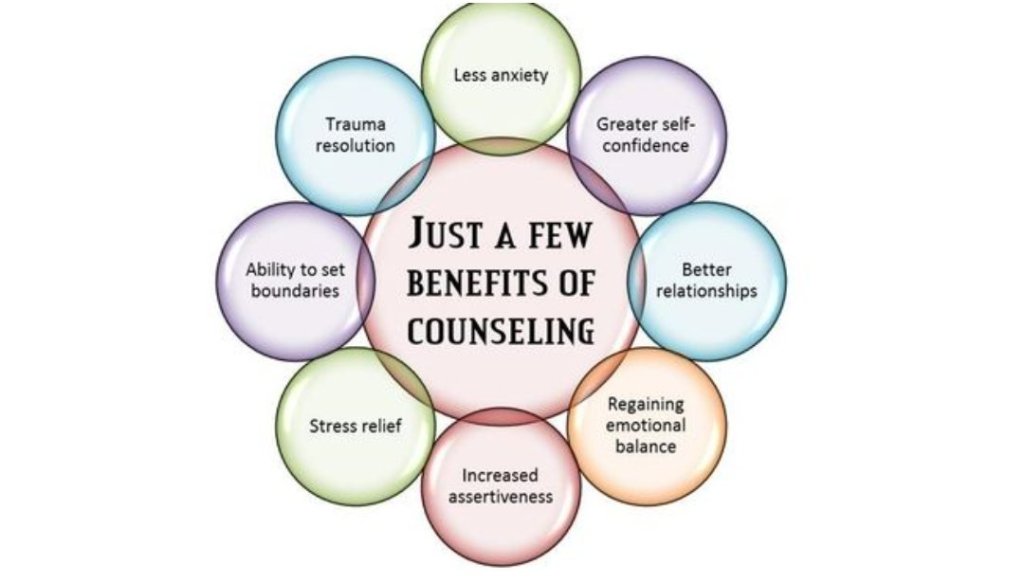

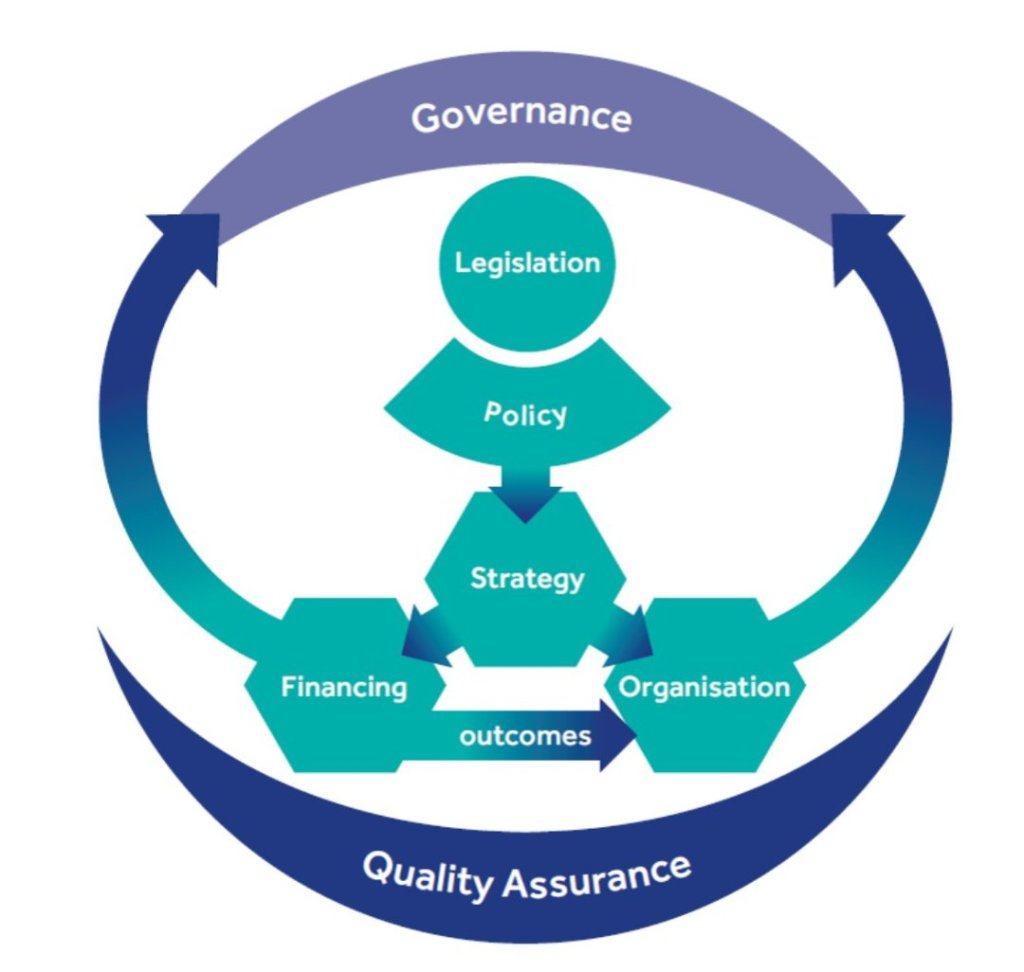
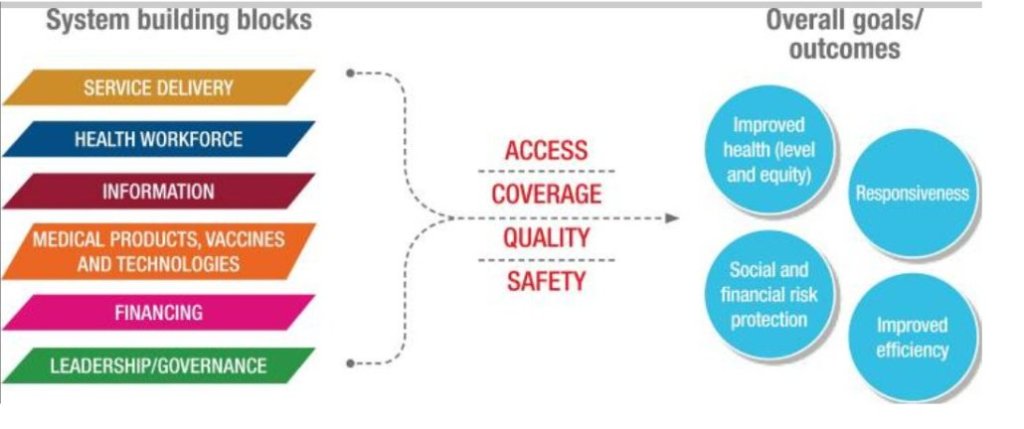
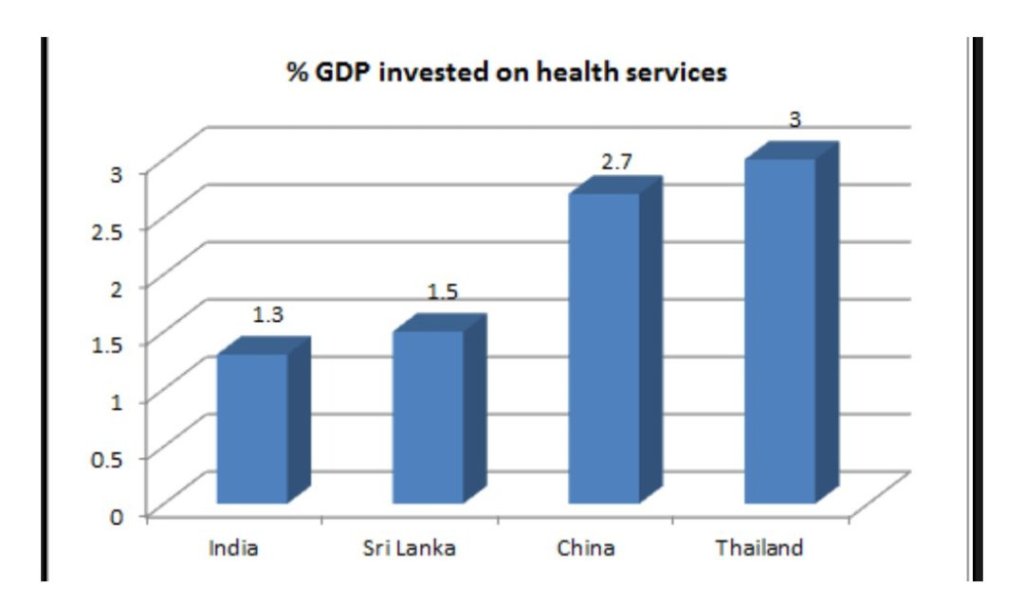
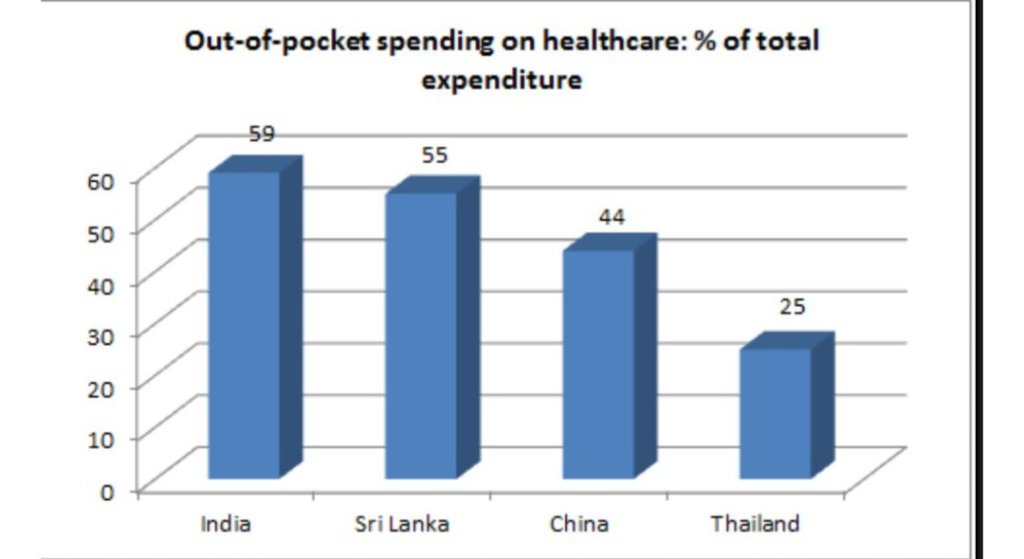
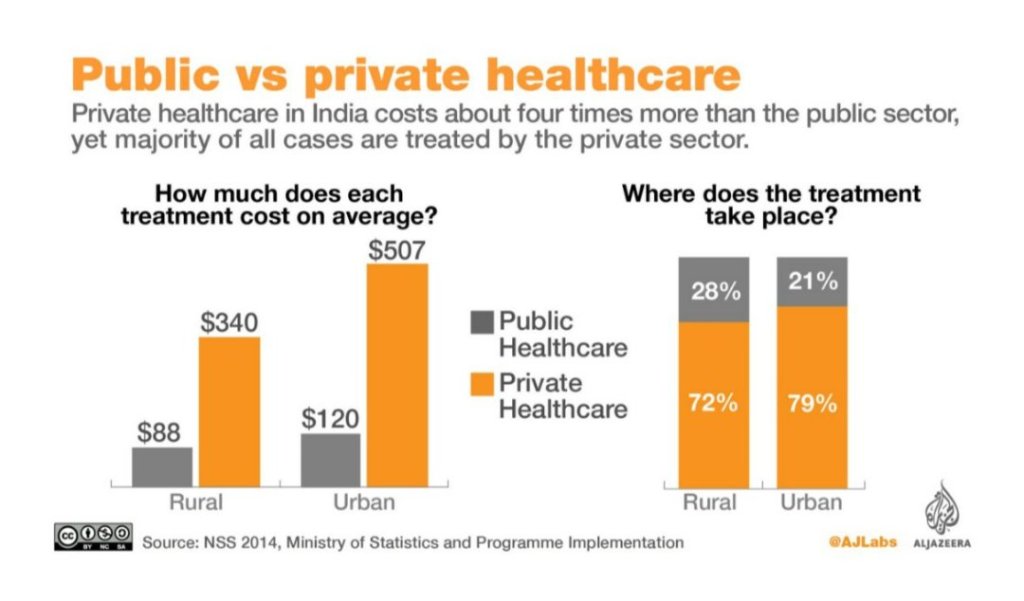
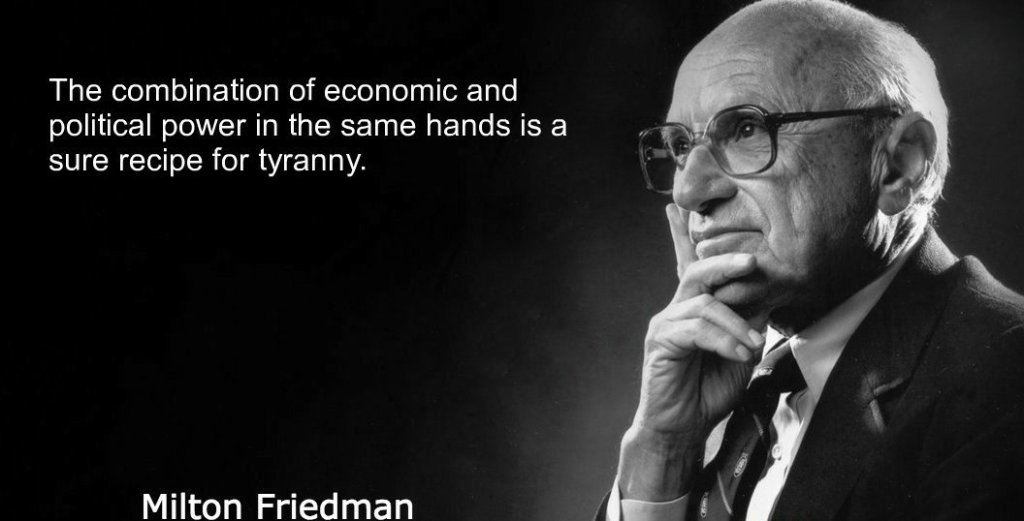
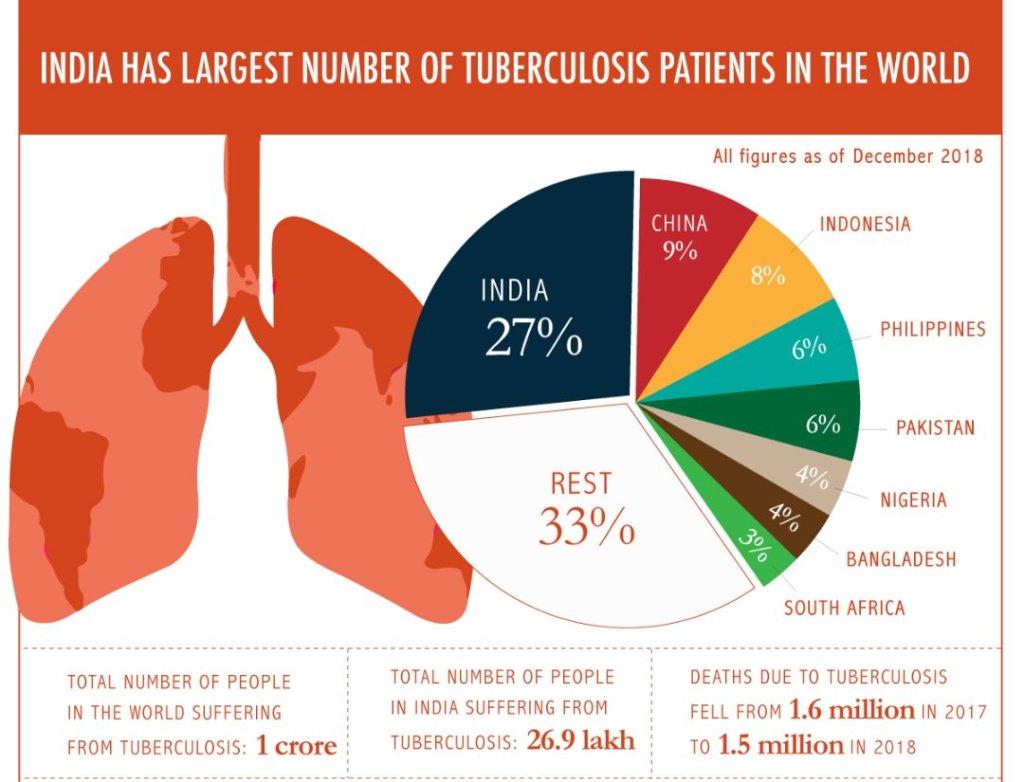
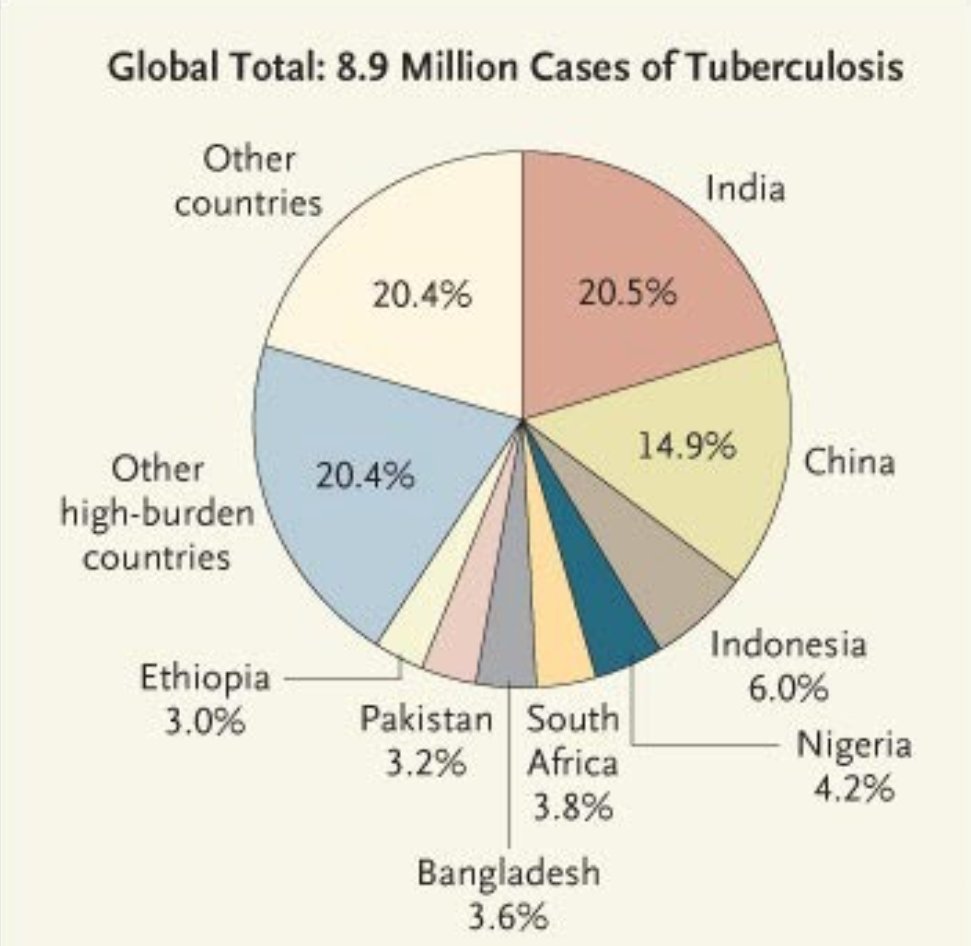
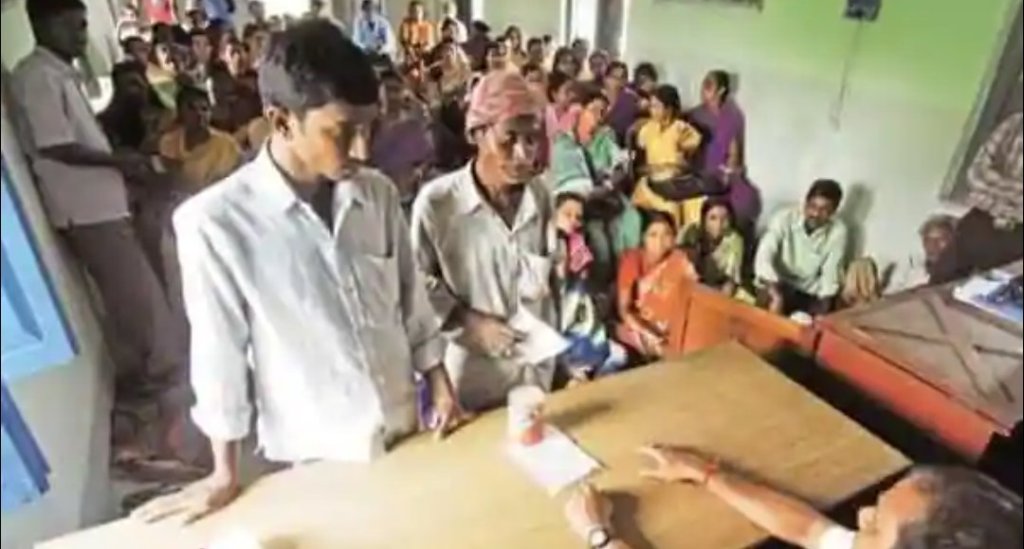


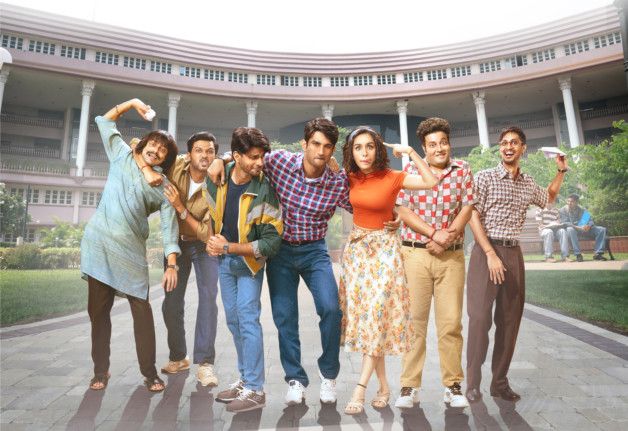










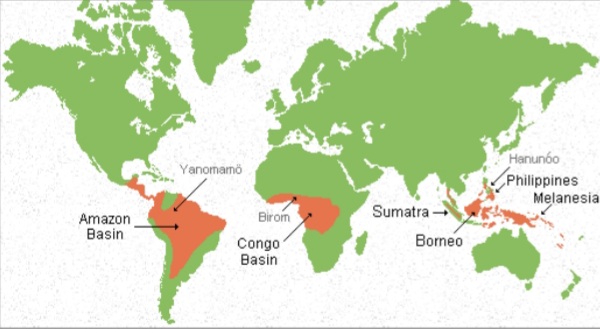

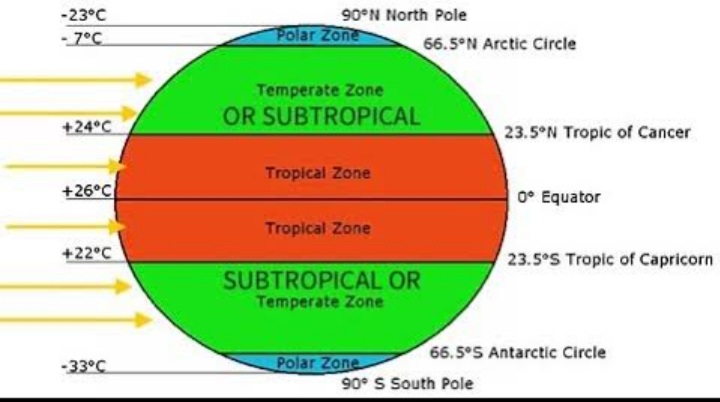

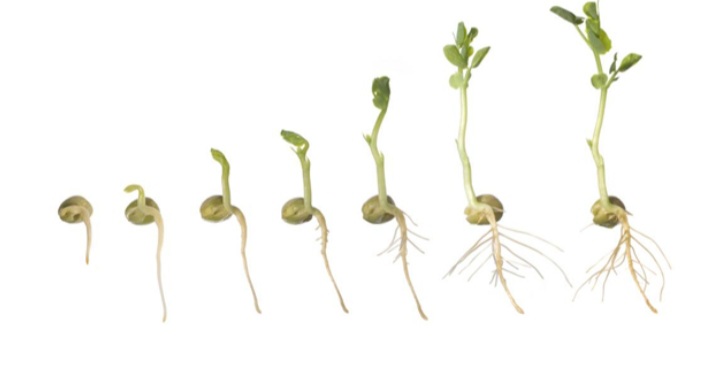
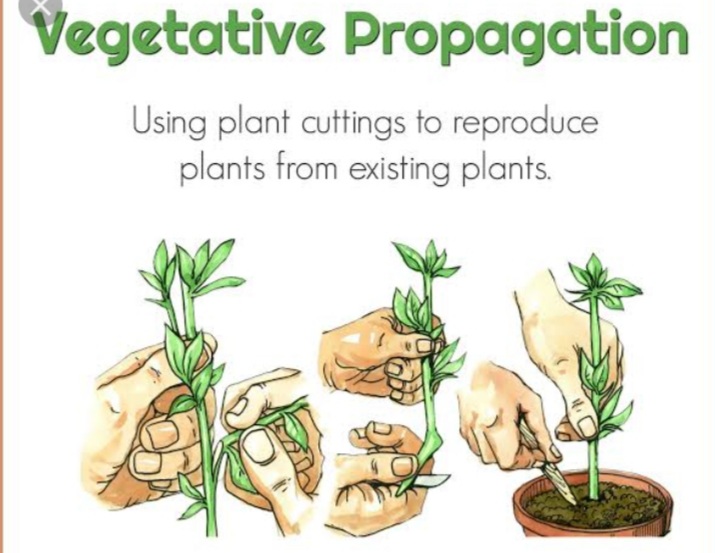
 Eduindex
You must be logged in to post a comment.