Positive Psychology

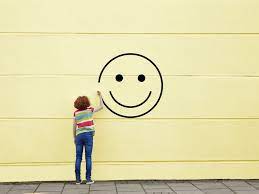
Positive psychology is one of the newest branches of psychology to emerge. This particular area of psychology focuses on how to help human beings prosper and lead healthy, happy lives. While many other branches of psychology tend to focus on dysfunction and abnormal behaviour, positive psychology is centered on helping people become happier. Positive psychology is designed to “complement and extend the problem-focused psychology that has been dominant for decades,” explained the late Christopher Peterson, author of “A Primer in Positive Psychology” and professor at the University of Michigan, in a 2008 article published in Psychology Today. “Positive psychology is…a call for psychological science and practice to be as concerned with strength as with weakness; as interested in building the best things in life as in repairing the worst; and as concerned with making the lives of normal people fulfilling as with healing pathology,” Peterson wrote.

According to leading authorities in the field, Martin Seligman and Mihaly Csikszentmihalyi, positive psychology will help achieve “scientific understanding and effective interventions to build thriving in individuals, families, and communities.” In order to understand the field of positive psychology, it is essential to start by learning more about its major theories, applications, and history.

History of Positive Psychology

“Before World War II, psychology had three distinct missions: curing mental illness, making the lives of all people more productive and fulfilling, and identifying and nurturing high talent,” wrote Seligman and Mihaly Csikszenmihalyi in 2000. Shortly after WWII, the primary focus of psychology shifted to the first priority: treating abnormal behavior and mental illness. In the 1950s, humanist thinkers like Carl Rogers, Erich Formm and Abraham Maslow helped renew interest in the other two areas by developing theories that focused on happiness and the positive aspects of human nature.

General interest in positive psychology has grown tremendously since the concept was introduced. Today, more and more people are searching for information on how they can become more fulfilled and achieve their full potential.

Uses

Positive psychology can have a range of real-world applications in areas including eduction, therapy, self-help, stress management, and workplace issues. Some of the major topics of interest in positive psychology include: Character strengths and virtues, Flow, Gratifications, Gratitude, Happiness, Pleasure, Helplessness, Hope, Mindfulness, Optimism, Positive thinking, Resilience .

Impact of Positive Psychology

Some of the major findings of positive psychology include: Money doesn’t necessarily buy well-being, but spending money on other people can make individuals happier, People are generally happy, Some of the best ways to combat disappointments and setbacks include strong social relationships and character strengths, While happiness is influenced by genetics, people can learn to be happier by developing optimism, gratitude, and altruism, Work can be important to well-being, especially when people are able to engage in work that is purposeful and meaningful.

Potential Pitfalls

Positive psychology is often confused with positive thinking, and misconstrued as self-help tactics rather than research-backed theories. Positive thinking is a way of thinking ourselves into better behavior and greater resilience, rather than behaving our way into a different frame of mind. Positive psychology, on the other hand, is the scientific study of what makes people thrive. It focuses on behaviors that can lead to a more optimized frame of mind as well as on thought patterns that lead to more functional behaviors.
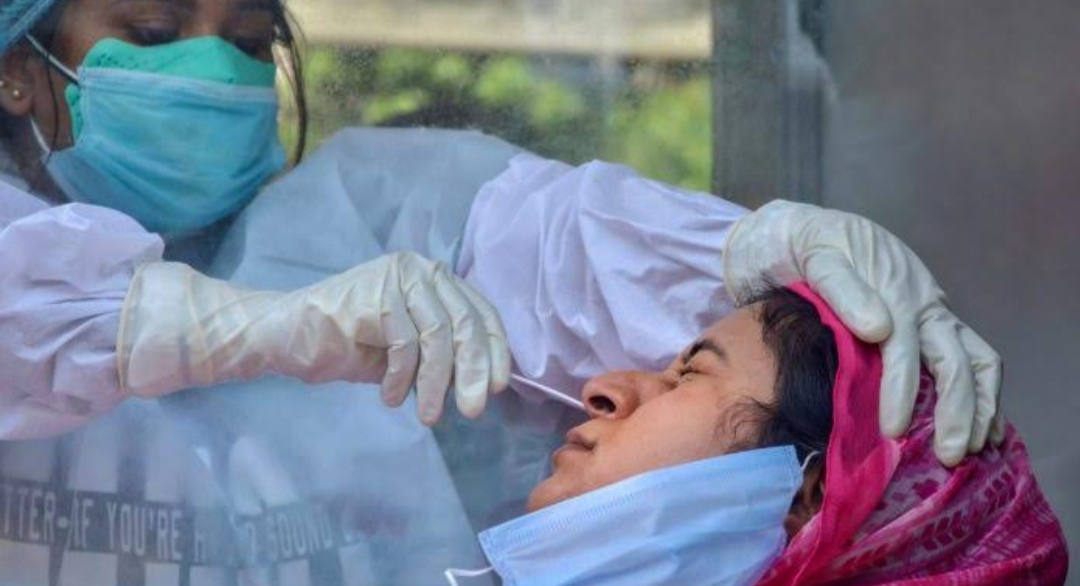
Weekly positive rate falls below 5% across districts in Andhra Pradesh.

The Covid-19 weekly case positivity rate has finally dropped to below 5% in all districts of the state for the first time in months during the ongoing second wave. Even last week, when Andhra Pradesh’s average weekly positivity rate stood at 3.2%, East Godavari and West Godavari had crossed the 5% positivity rate threshold.

As per the latest weekly case positivity rate statistics between July 12 and 18, Kurnool has the lowest case positivity rate among all districts at 0.74%.

In all, Anantapur, Kurnool, Srikakulam and Vizianagaram have a less than 2% weekly case positivity rate. While the weekly positivity rate ranges between 3% and 5% in five districts, eight districts have a positivity rate less than 3%.

The case positivity rate is a key indicator to gauge the spread of the disease in the community at a certain point in time. The World Health Organisation (WHO), in an advisory released in May last year, stated that less than 5% samples testing positive for Covid-19, at least for two weeks, is an indicator that the disease is under control.

Corresponding with the lowering case positivity rate, the daily new infection numbers have now dropped to about the 2,000 to 3,000 range from the peak of 24,171 cases on May 16. But districts such as East Godavari, West Godavari, Visakhapatnam and Chittoor still continue to contribute a major chunk of the daily infection numbers. This can be gauged from the fact that while the state’s cumulative case positivity rate stood at 8.22% as of July 18, it is as much as 12.43% in East Godavari, 9.88% in Chittoor and 8.59% in West Godavari.

Despite the fall in case positivity rate, the state health department is augmenting infrastructure at all hospitals in its preparation for the anticipated third wave. A special focus has been laid on improving infrastructure to treat paediatric Covid-19 cases based on the assumptions of several experts and reports that the third wave may hit children.

OBESITY

Difference Between Obesity and Morbid Obesity | Difference Between

Nowadays, obesity has become an enormous as well as fatal health problems. This problem not only in India but in other countries also. Even in United States of America, one out in three adults and one out of five children and teenagers are facing the problems of obesity. In India also, we are sailing in the same boat. Most of the people since childhood fall prey to obesity is most of the countries of the world . In fact, ‘obesity is that condition of the body in which the amount of fat increases at extreme level.’ In other words, obesity can be defined as ‘the condition when an individual weighs 20 per cent or more than the ideal weight. ‘ A child weighing around 30 pounds (approximately 13.600 kg ) or more than the ideal body weight is usually considered an obese. In the state of obesity, the body weight of the individual is always more in comparison to height . Due to a number of health risks of obesity , it has been declared a disease . It has been observed that obese persons usually fall prey to diabetes, hypertension, cardiovascular diseases, cancer, arthritis , osteoarthritis, flat foot, respiratory problems , varicose veins , liver malfunctions , etc .

Generally , the questions arises : What should be the ideal body weight of an individual ? Who is obese and who is not? Different methods are used in various countries to know the obesity of an individual .According to the first method , after having a glance over the shape of the body it can be observed whether he/she is obese or not . But this method cannot be called an appropriate method to know about obesity of an individual because the approval of a society about body shape changes with the passage of time . For example , plump females used to be liked by society in yester century in India . According to the second method , if an individual’s body weight is more than in proportion to height (according to height and weight chart) , the individual will be obese . But this method cannot be accepted as the best method. The third method is a more scientific method . In this method , the body fat percentage is calculated . If the body fat percentage of a person is more than the requirement , he/she will be an obese . This is the most accurate method to know the obesity but it is not easy to apply this method . In comparison to other methods , the weight and height chart is still preferred to know one’s obesity because it is easily available , cheap and easy to use . Another method to know the obesity is BMI (or Body Mass Index ). If you want to know your body mass index , then divide your body weight in kg by your height in meter square viz .

Obesity - Lompoc Valley Medical Center

A Monk

Who are Monks ?

Why people are becoming Monks?

Is it some kind of religion ?

How a monk lives ?

What kind of God they persuit ?

Want to know more about them , then start some reading .

Introduction

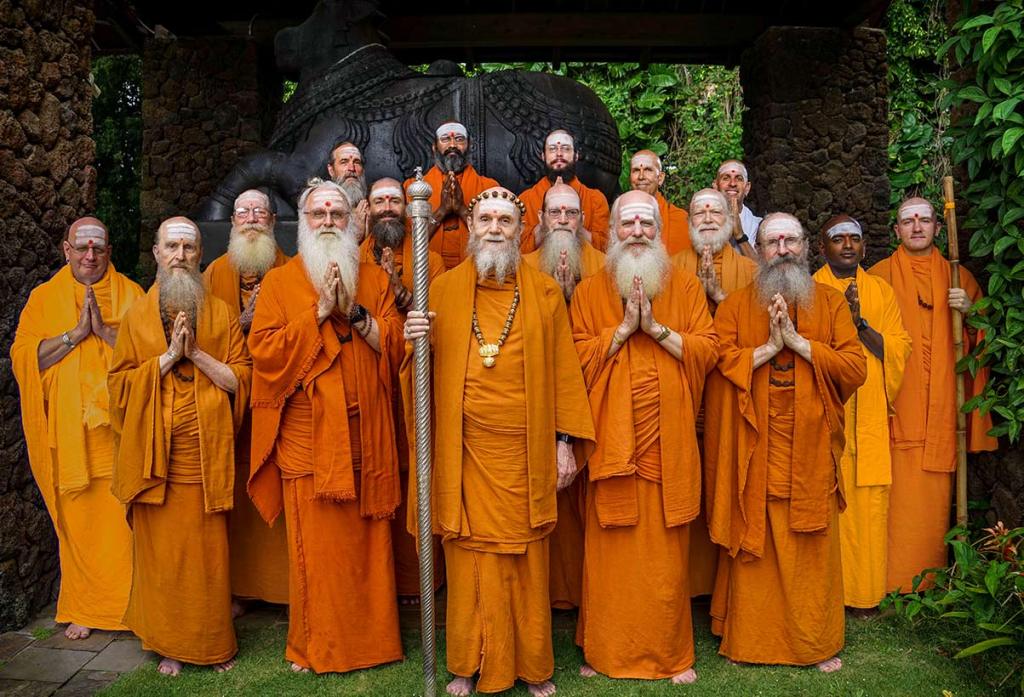
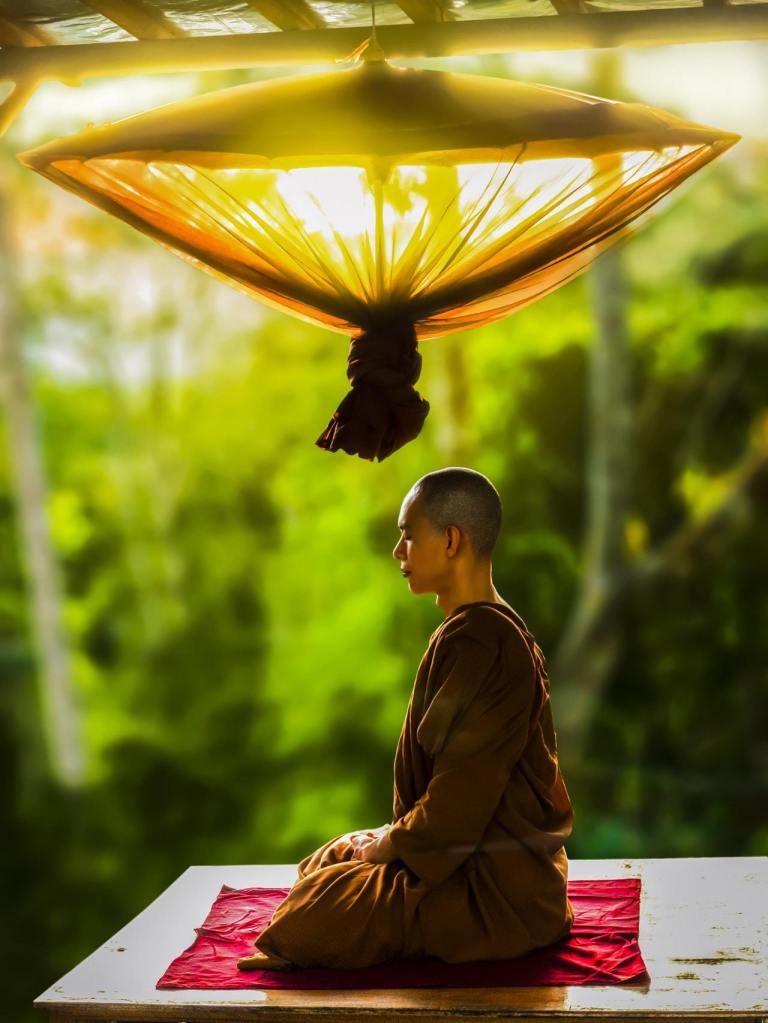
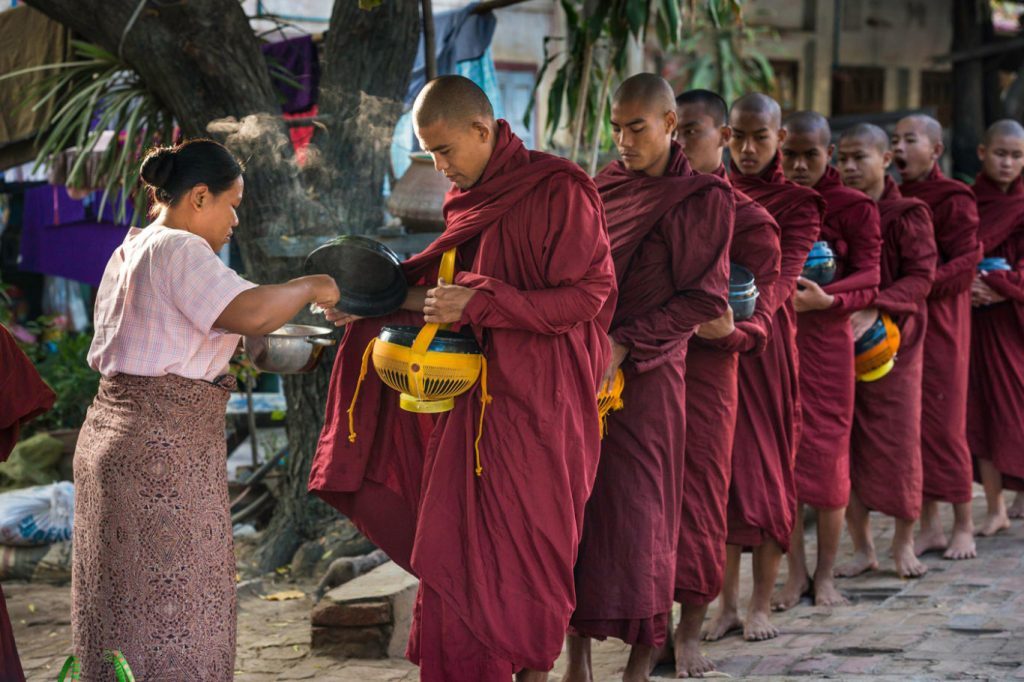
A monk is a person who practices religious asceticism by monastic living, either alone or with any number of other monks . A monk may be a person who decides to dedicate his life to serving all other living beings, or to be an ascetic who voluntarily chooses to leave mainstream society and live his or her life in prayer and contemplation. The concept is ancient and can be seen in many religions and in philosophy.

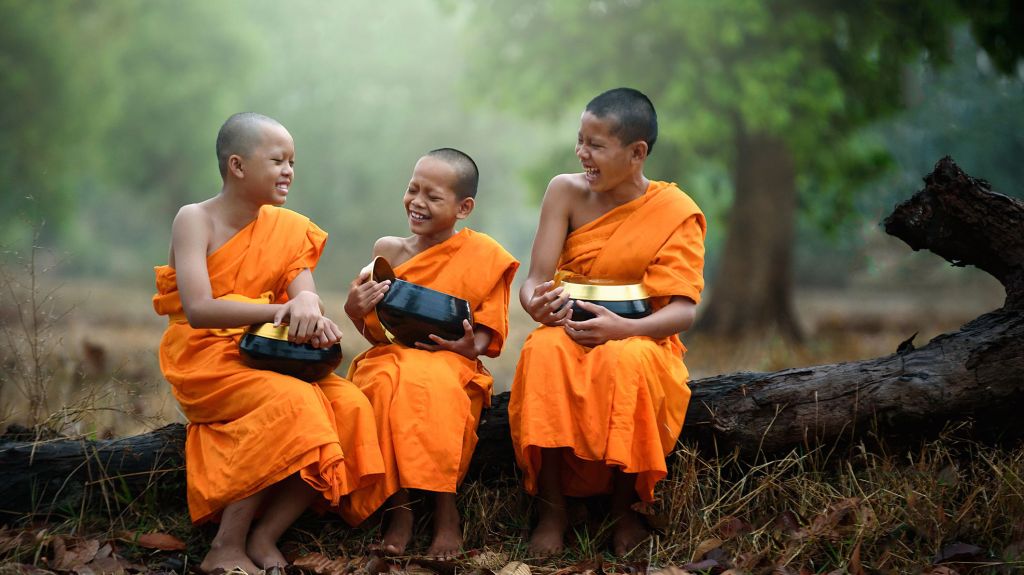
In simple words , A monk is a man who devoted part or all of his life to a religion. The word comes from Ancient Greek, and can be translated as solitary. In Greek, the word can apply to women, but in modern English it is mainly used for men. The word nun is usually used for female monastics. Monks practice asceticism. They either live alone, or together with other monks who share the same ideals. Monks can be found in different religions, most often in Buddhism, Christianity, Hinduism, Jainism and Taoism.

There living

Monks usually follow rules and regulations for convenient life. As a monk you must obey these rules .

  1. Poverty: the monk cannot own anything.
  2. Chastity: the monk cannot have sex or a sexual relationship and cannot start a family or get married.
  3. Solitude: the monk should always be alone. Some monks choose to not follow this law.
  4. Silence: the monk shall not speak unless it is necessary.
  5. Generosity: the monk should always help other people.
  6. Stillness: the monk cannot travel far unless it is necessary. Sometimes this means that the monk must be cloistered which means that they must not leave their monastery (especially Warsa period). Sometimes they can be allowed to leave, but must not go very far.
  7. Duty: The monk must do some things every day. For example, the monk must pray or meditate and must do some work.

Indian monks

One of the finest and versatile monk in India was Swami Vivekananda . Swami Vivekananda was greatly inspired by Ramakrishna. For Swami, Ramakrishna was just a plain and simple villager, who was a part of the Kali temple. However, his intense spiritual practices intrigued Swami.

For five years, Swami learnt everything from his master, Ramakrishna. After his master left the world, everyone looked up to Swami. He urged the followers of Ramakrishna to leave the worldly pleasures and look up to God.

“You cannot believe in God until you believe in yourself.”

His saying intrigued just not one nation but the whole world .

Life lessons

Being a monk , gives you a pleasure of being yourself . We live in the world where we get pleasure from materialistic things . We become selfish , ruthless, dull, lifeless and worthless. You have to believe in yourself in order to excel in life.

Start learning from lessons.

  • When you start to do meditation you recognize the egotistical mind.
  • Trying until you get it right.
  • The answer to your question is inside of you.
  • Real wisdom in life comes from doing something and failing.
  • We must be both compassionate and resilient.
  • Patience is a virtue.
  • Detach from your ego.
  • Happiness come from within, and also comes from outside.

Link

SCIENCE AND TECHNOLOGY

Science and technology play a huge role in our society as well as in our lives. Nowadays we all are surrounded by technology and are dependent on it for everything we do. Especially after this pandemic everything is in virtual mode and is completely based on technology. We live in the technological era where gadgets are of outmost importance to us. A gadget is simply a human made device which is programmed to reduce human effort and does a piece of job easily without any hassle.

In this fast-growing world we human beings are always surrounded by machines and gadgets for every need of ours starting from the time we get up in the morning till we again go to bed we even use gadgets while we are asleep such as air conditioner, insect repellent and many more. Science is a boon for us, but in the other hand as everything has its own merits and demerits there are also people who do use science for a bad cause. Technology is good but it is advisable to keep this technology out of the reach of children as otherwise they will not tend to learn things and will prefer to take the help of science to solve a particular existing problem this may affect their growth.

IMPORTANCE OF SCIENCE AND TECHNOLOGY :


Technology, science and knowledge are important in modern contemporary society. Essential questions include the following : How does science and technology produce new products, new ways of living and new nutritious? Why is new technology and knowledge so fundamental to us in the ways through which we imagine the future?


Technology, knowledge and science are fundamental in modern contemporary society. The understanding of how social, cultural and material elements influence the production of new practices, new ways of under of contemporary postmodern society. Studies of technology and science provides students with insight into how different processes of knowledge are initiated and progressed, and how innovative technological processes are developed employed and increase in importance.
In this manner, students will be provided with the academic basis for working with detailed analyses of different forms of technologies and process of knowledge within business life or industry and commerce, research work , political development, management of knowledge and innovation.


THE RELATIONSHIP BETWEEN SCIENCE AND TECHNOLOGY :


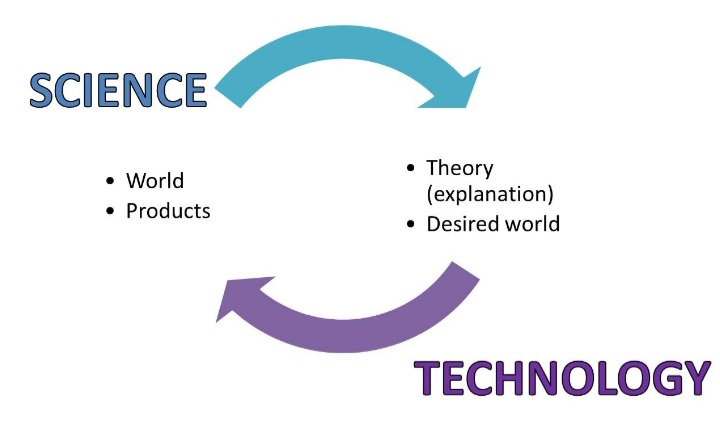
Science , technology and innovation each represent a successively larger category of activities which are highly interdependent but distinct. Science contributes to technology in at least six ways.

  1. New knowledge which serves as a direct source of ideas of new technological possibilities.
  2. Source from tools and techniques for more efficient engineering design and a knowledge based for evaluation of feasibility of designs
  3. Research instrumentation, laboratory techniques and analytical methods used in research that eventually find their way into design or industrial practices, often through intermediate disciplines.
  4. Practice of research as a source for development and assimilation of new human skill and capabilities eventually useful for technology.
  5. Creation of a knowledge base that becomes increasingly important in the assessment of technology in terms of its wider social and environmental impacts
  6. Knowledge base that enables more efficient strategies of applied research, development, and refinement of new technologies.

THe ROLE OF SCIENCE AND TECHNOLOGY


Teaching technological literacy, critical thinking and problem- solving through science education gives students the skills and knowledge they need to succeed in school and beyond.

SCIENCE AND TECHNOLOGY USED IN SOCIETY :


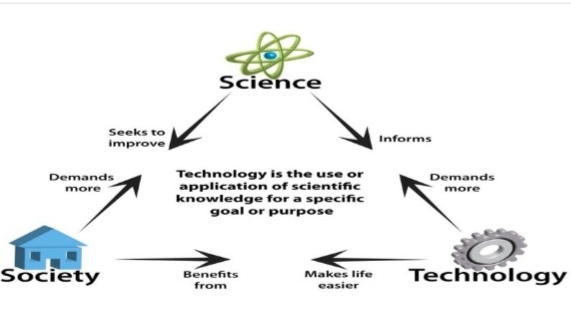
Science and technology have had a major impact on society, and their impact is growing. By making life easier, science has given an the chance to pursue societal concerns such as ethics, aesthetics, education and justice to create cultures, and to improve human conditions.

Horticulture

Horticulture, the branch of plant agriculture dealing with garden crops, generally fruits,vegetables, and ornamental plants. The Horticulture falls between domestic gardening and field agriculture, through all forms of cultivation naturally have close links.


It is divided into the cultivation of plants for food and plants for ornament. Pomology deals with fruit and nut crops. Oliericuture deals with herbaceous plants for the kitchen, including, for example carrots, cauliflower. Floriculture deals with the production of flowers and ornamental plants; generally, cut flowers, pot plants, and greenery. Landscape Horticulture is a broad category that includes plants for the landscape, including lawn turf but particularly nursery crops such as shrubs, trees, and vines.
The specialisation of the horticulture and the success of the crop are influenced by many factors. Among these are climate, terrain, and other regional variations.


HORTICULTURAL REGIONS :

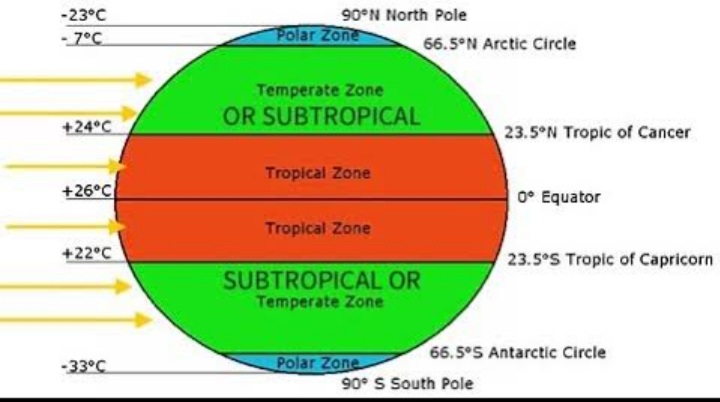
TEMPERATURE ZONES :


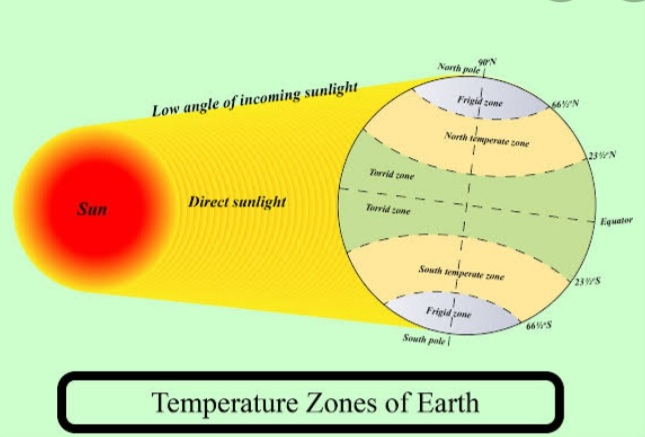
Temperature zones for horticulture cannot be defined exactly by lines of latitude or longitude but are usually regarded as including those areas where frost in winter occurs, even though rarely. Thus, most parts of Europe, North America and Northern Asia
are included, though some parts of the United States, such as southern Florida, are considered subtropical.
The temperature zones are also the areas of the grasses – the finest lawns particularly are in the regions of moderate or high rainfall- and of the great cereal crops. Rice is excluded as being tropical, but wheat, barley, corn and Rye grow well in the temperature zones.
Plants in the temperature zones benefit from a winter resting season, which clearly differentiates them from tropical plants which tend to grow continuously. Most of the great gardens of the world have been developed in temperature zones. Particular features such as rose gardens, herbaceous borders, annual borders, woodland gardens, and rock gardens are also those of temperature zone gardens. Nearly all depends for their success on the winter resting period.


TROPICAL ZONES :


There is no sharp line of demarcation between the topics and the subtropics. Just as many tropical plants can be cultivated in the subtropics, so also many subtropical and even temperature plants can be grown satisfactorily in the tropics. Elevation is a determining factor. In addition to Elevation, another determinant is the annual distribution of rainfall. Plants that grow and flower in the monsoon areas, as in India, will not succeed where the climate is uniformly wet. Another factor is the length of day, the number of hours the sun is above the horizon;some plants flower only if the day is long, but others make their growth during the long days and flower when the day is short.
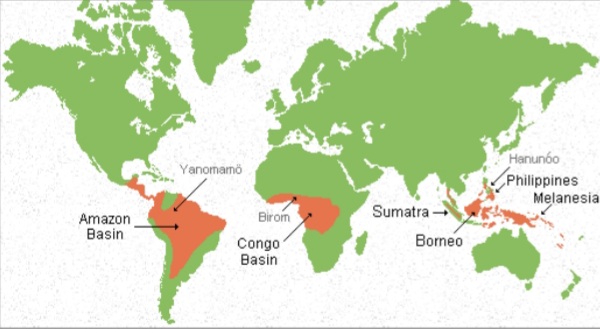
In the tropics of Asia and parts of central and south America, the dominant features of the gardens are flowering trees, shrubs, and climbers. Herbaceous plants are relatively few, but many kinds of orchids can be grown.

PROPAGATION :


propagation is the controlled perpetuation of plants,is the most basic of Horticulture practices . It’s two objectives are to achieve an increase in numbers and to preserve the essential characteristics of the plant. Propagation can be achieved sexually by seed or asexually by utilising specialised vegetative structures of the plant or by employing such techniques are cutting, layering, grafting and tissue culture

SEED PROPAGATION :


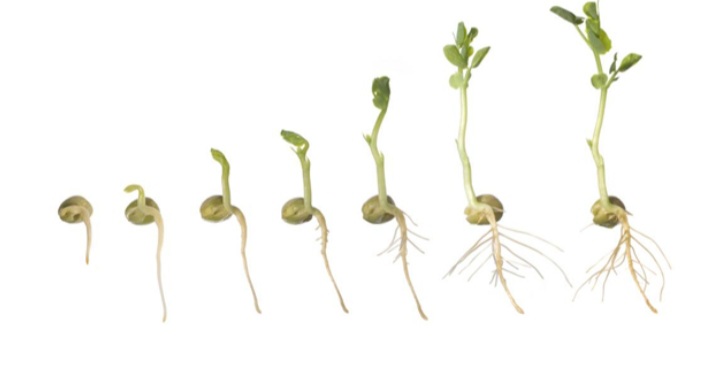
The most common method of propagation for self- pollinated plants is by seed. In self-pollinated plants,the sperm nuclei in pollen produced by a flower fertilize egg cells of a flower on the same plant. Propagation by seed is also used widely for many cross- pollinated plants pollen is carried from one plant to another.
The practice of saving seed to plant the following year has developed into a specialized part of horticulture. Seed technology involves all of the steps necessary ensure production of seed with high viability, freedom from disease, purity, and trueness to type. These processes may include specialized growing and harvesting techniques, cleaning, and distribution. Germination in such seed may be accomplished by treatment to remove these inhibitors. This may involve cold stratification, storing seed at high relative humidity and low temperatures, usually slightly above freezing. Cold stratification is a prerequisite to the uniform germination of many temperature-zone species such as apple, bear, and redbud.

VEGETATIVE PROPAGATION :


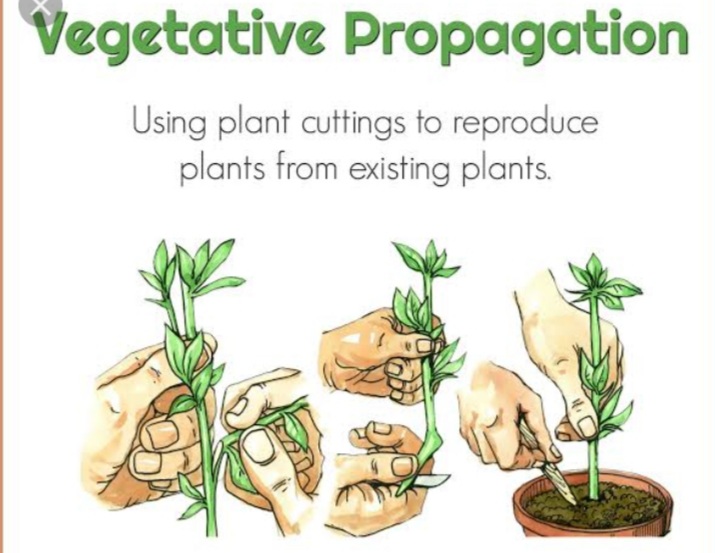
Asexual or vegetative reproduction is based on the ability of plants to regenerate tissues and parts. In many plants vegetative propagation is a completely natural process; in others it is an artificial one. It has may advantages. These include the unchanged prepetuation of naturally cross pollimated palnts and the possibility of propagation seedless progeny.
Vegetative propagation is accomplished be use of

  1. Apomictic seed
    1. Specialized vegetatice structres such as runners, bulbs, corms, rhizomes, offshoot, tubers, stems and roots.
  2. Layers and cuttimgs
  3. Grafting and budding
    1. tissue culture.

Stress due to repeated exams

Students often feel stress due to repeated exams, assignments, homework, class test etc. Many schools and colleges pressure students to study and get good marks. In this blog we are going to counter the following topics stress due to exams, stress management techniques, need of extracurricular.

Stress due to Exams

Nowadays stress is common among school and college students because of repeated exams, class tests and assignments. Every school and college wants its students to study well get good marks. That’s right I agree, but in order to increase students marks they keep extra classes after school, keep repeated tests. With this student feels stress. Student goes to school at 9:00 am and return back to home at 8:00 pm. After returning home also he has to do his homework. Thus he left with no time to play or do anything else he wants. Every school should increase the interest in studies to its students. If they were successful, then each and every students enjoys studying, like this student will not feel any kind of stress.

Stress management techniques for students

Stress is the feeling of physical and emotional stress. Stress adversely effect the physical and mental state of a person. According to a survey teen are most effected stress comparing to adults. These are some stress management techniques to reduce stress.

1. Sleep well

Student scheduled plan may even miss there sleep. You should have to sleep atleast 8 hours per day, inorder to have good health. Students who sleep less than 8 hours are often found less productive on comparing to student who sleep atleast 8 hours.

2. Exercise regularly

It was found in a study that doing yoga and exercise every day help to reduce stress levels. There are several benefits of doing exercise and yoga. It also help to improve your health condition. Physical activity may help bump up the production of your brain’s feel-good neurotransmitters, called endorphins.

3. Listen to music

Music is the best medecine to relieve stress. Listening music conveniently decrease the stress levels. Music help you to calm down your mind from your tension.

4. Eat a healthier diet

You may not believe the eating healthy food can low your stress levels. Eating a healthier diet boost brainpower, which help to focus on your work with great potential.

5. Spend time with friends and family

Friends and family are the one who supports us in our bad times. They will encourage us. They may help to relieve our stress. You can share your tensions and problems to them. They give the sense of and self-worth.

6. Go out and have fun

If you feel stressed, then just go out play with your friends. Playing games help to reduce your stress levels. This will give relaxation to mind as well as body. Gaming results in dopamine secretion, which makes you feel good.

Need of extracurricular in schools

Every student is unique, some are interested in music and some in art and some in computers etc. Every school should encourage students in the subject which they love. If they do so, then every student will become a champion. There should be some extracurricular activities such as sports, NCC, events etc in schools other than academics.

That’s all from my side. I hope you like it. This blog is not criticizing any school, but it is showing the need of change in schools. Thank you.

How to grow Aloevera and Uses of it

Most people know that you can use Aloevera to soothe sunburns. However, this versatile plant has several other medicinal properties, making it one of nature’s best herbal remedies. Its vitamins, minerals, and phytonutrients make it an anti-inflammatory powerhouse. We can find Aloevera plant in everything from skin and hair care products to ointments, drinks.

There are 500 species of aloe vera, but Aloe barbadensis Miller, native to the Arabian peninsula, is the most widely available and most popular one. You can buy a small plant from farmers markets or small local growers, and let it grow, or buy a large plant and divide it as it gets even bigger.

Aloe vera needs a minimum of six hours of daily sunlight, so it’ll grow best in bright spots indoors (especially in the winter) or in a sheltered, sunny part of the garden. It can handle full sun, but it doesn’t need it. You can move the plant outside during summer, just make sure it receives the proper amount of light. 

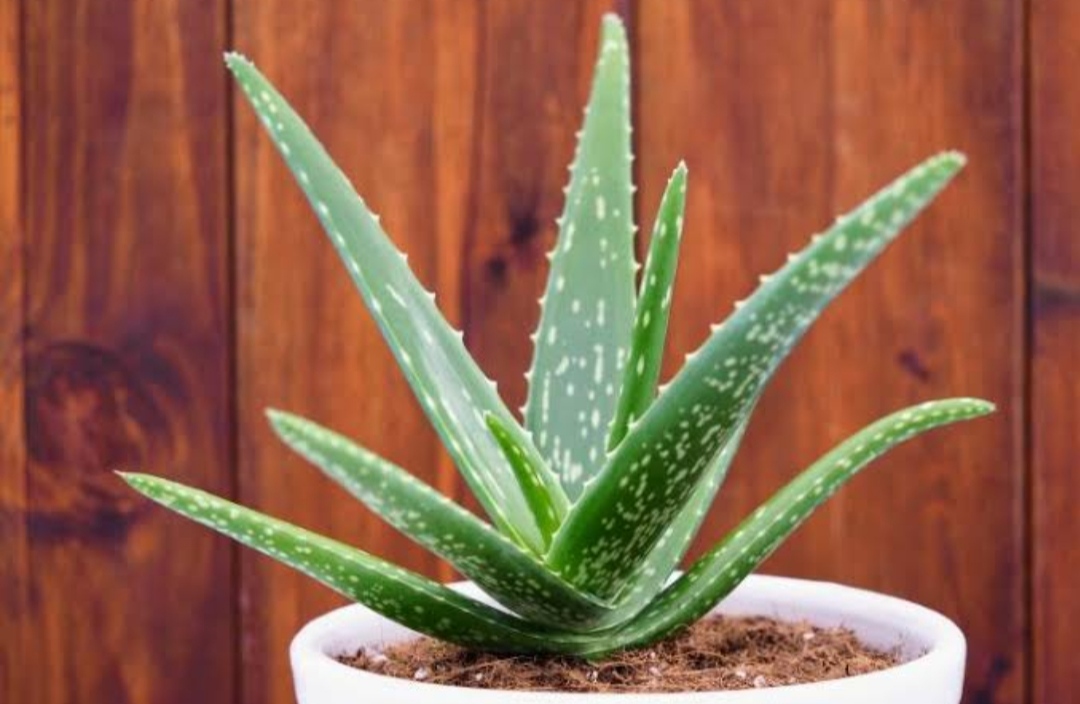
Aloe vera leaves are long and slightly curved with ragged edges. Inside, you’ll find a clear gel.

Use sharp, clean kitchen scissors or a knife, and cut a bottom leaf from the base of the plant. Place the cut aloe leaf into a small cup or glass, cut end down. You’ll notice a yellow sap seeping out—allow it to drain for 10 minutes before discarding it. 

While not toxic in small quantities, this sap is bitter, has laxative properties, and can cause intestinal discomfort.

Once you get rid of the sap, it’s time to extract the aloe vera gel. Using a clean, sharp knife, trim the fleshy leaf’s top, bottom, and sides, then slice it horizontally, like filleting a fish. With a clean large spoon or a dull knife, gently scrape the mucilaginous gel into a container.

Aloe vera gel is known for its anti-inflammatory, skin protection, antibacterial, antiviral, antiseptic, and wound healing properties.

Aloevera gel is used to treat

Acne

Dandruff

Mosquito bites

It can be also used as moisturiser and sanitizer.

Health Education

A sound mind lives in a sound body’.

Introduction

Health education is a profession of educating people about health. Areas within this profession encompass environmental health, physical health, social health, emotional health, intellectual health, and spiritual health, as well as sexual and reproductive health education.

Health education teaches about physical, mental, emotional and social health. It motivates students to improve and maintain their health, prevent disease, and reduce risky behaviours. It also focuses on emotional, mental and social health too. Educating students on the importance of health builds their motivation.

Health education is one strategy for implementing health promotion and disease prevention programs. Health education provides learning experiences on health topics. Health education strategies are tailored for their target population. Health education presents information to target populations on particular health topics, including the health benefits/threats they face, and provides tools to build capacity and support behavior change in an appropriate setting.

History

From the late nineteenth to the mid-twentieth century, the aim of public health was controlling the harm from infectious diseases, which were largely under control by the 1950s. By the mid 1970s it was clear that reducing illness, death, and rising health care costs could best be achieved through a focus on health promotion and disease prevention. At the heart of the new approach was the role of a health educator.

Code of ethics

The Health Education Code of Ethics has been a work in progress since approximately 1976, begun by the Society for Public Health Education (SOPHE).

“The Code of Ethics that has evolved from this long and arduous process is not seen as a completed project. Rather, it is envisioned as a living document that will continue to evolve as the practice of Health Education changes to meet the challenges of the new millennium.”

Importance of Health Education .

Health education builds student’s knowledge, skills, and positive attitudes about health. Health education teaches about physical, mental, emotional and social health. It motivates students to improve and maintain their health, prevent disease, and reduce risky behaviours.

Health education curricula and instruction help students to learn skills so that they will use to make healthy choices throughout their lifetime.

Health education teaches people of all ages about how diet and exercise contribute to a healthy lifestyle. It also encourages positive changes in behaviour and lowers the risk of addiction to drugs, alcohol and unsafe sexual practices. The majority of schools around the country have courses aimed at teaching health education to students. These courses often revolve around the body, healthy eating, sex and exercising. Some students are taught basic health and physical fitness early on. More in-depth courses are designed for middle and high school students.

Health education encourages a person to make healthy choices. They are instructed to avoid unhealthy habits. ‘A sound mind lives in a sound body’. Rabindranath Tagore and C.V. Raman, if they were confined to sick bed, could not have won the Nobel Prize. In fact, a sickly student with all his talents and abilities lags behind in the race of life.

Health education also teaches about the emotional and mental health of the student. A healthy person is the happiest person in the world.

Link

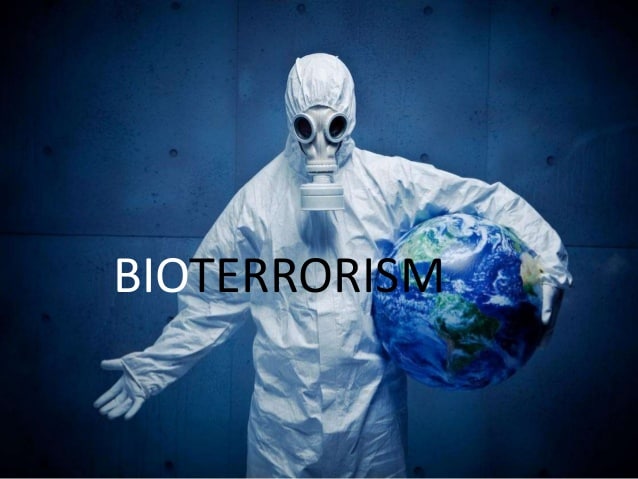
Bioterrorism

From the past two decades , it is stated that the threat of biological warfare is not a myth but a harsh reality of the world . Due to the outbreak , we can recognise the high risk and consequences of bioterrorism.

This editorial provides you the overview of bioterrorism , it’s symptoms , causes , measures and impact on humans in present scenario .

Introduction

A bioterrorism attack is the deliberate release of viruses, bacteria, or other germs to cause illness or death. These germs are often found in nature. But they can sometimes be made more harmful by increasing their ability to cause disease, spread, or resist medical treatment.

Biological agents spread through the air, water, or in food. Some can also spread from person to person. They can be very hard to detect. They don’t cause illness for several hours or days. Scientists worry that anthrax, botulism, Ebola and other hemorrhagic fever viruses, plague, or smallpox could be used as biological agents.

Despite patchy intelligence, France started its own biological weapons programme in the early 1920s. It was headed by Auguste Trillat, an inventive German-educated chemist who envisioned and tested the sustained virulence of airborne pathogens.

The goal of bioterrorism is usually to create fear and/or intimidate governments or societies for the purpose of gaining political, religious, or ideological goals. Bioterrorism may have a different effect on societies than would weapons such as explosives.

Symptoms

The symptoms of exposure to a biological agent might include sore throat, fever, double or blurred vision, rash or skin blisters, exhaustion, difficulty talking, confusion, descending muscle weakness, nausea, abdominal pain, vomiting, diarrhea, and coughing.

History

Historically, biological weapons have been a threat to humans for many centuries. At those times, very crude methods such as fecal matter, animal carcasses, etc. were used to contaminate water sources, but now the concentrated forms of biological agents such as dried spores and genetically modified organisms are available, which are fatal even in minute quantity.

During the Indo-Pakistan war of 1965, a scrub typhus outbreak in north-eastern India came under suspicion. India’s defense and intelligence outfits were alert to the outbreak of pneumonic plague – well known in biological warfare – in Surat and Bubonic plague in Beed in 1994, which caused several deaths and sizeable economic loss.

Prevention

There are some points that you need to consider during the outbreak :

  • If you become aware of a suspicious substance, quickly get away.
  • Cover your mouth and nose with layers of fabric that can filter the air but still allow breathing. Examples include two to three layers of cotton such as a t-shirt, handkerchief or towel.
  • Depending on the situation, wear a face mask to reduce inhaling or spreading germs.
  • If you have been exposed to a biological agent, remove and bag your clothes and personal items.
  • Follow official instructions for disposal of contaminated items.
  • Wash yourself with soap and water and put on clean clothes.
  • Contact authorities and seek medical assistance. You may be advised to stay away from others or even to quarantine.
  • If your symptoms match those described and you are in the group considered at risk, immediately seek emergency medical attention.
  • Follow the instructions of doctors and other public health officials.
    Avoid crowds.
  • Wash your hands with soap and water frequently.
  • Do not share food or utensils.

Link

Is MSG bad for our health?

What is MSG? Monosodium Glutamate (MSG) is added to many foods to enhance flavor. MSG is commonly found in canned foods, soups, fast foods, and processed foods. While (FDA) has classified MSG as a food ingredient that’s “generally recognized as safe,” but its use remains controversial. That’s why FDA require that it should be listed on the label.

Symptoms that may occur after consuming MSG include:

  •  Nausea
  • Weakness or fatigue
  •  Headache
  •  Sweating or flushing
  • Numbness
  •  Chest pain
  •  Hives
  • But there reaction is short term or mild, that don’t require treatment. The only way to prevent a reaction is to avoid foods containing MSG.

Food containing MSG.

MSG is used in many common foods including snacks, seasoning, soups, and noodles. MSG is a flavor enhancer, so it’s included in many seasonings. Dressings like ketchup, mayonnaise, barbecue sauce, soy sauce, mustard, and salad dressings have been known to contain MSG to boost flavor. Many foods contain MSG naturally such as year extract, soy extract.

Many of the foods containing MSG, like instant noodles, chips, aren’t necessarily part of a balanced diet, so we can easily avoid eating them. When consumed regularly can lead to obesity, heart disease, diabetes, effects on the reproductive organs, and other health risks. MSG, which has been banned in certain [US] cities and MSG is scientific invention. It’s in news since, when a scientist coined the term “Chinese Restaurant Syndrome” for MSG symptioms.

However there is no scientific evidence to suggest that MSG has any adverse effects in general population in the amounts normally consumed as part of the diet. Many governing food agency consider MSG safe for human consumption as a flavor enhancer. It’s harmful only when they consume large amounts of MSG on an empty stomach. 

Homemade foods contain more vegetables, less carbohydrates, less calories and less fat than any other fast food. It’s the best.

The Origin of Buddhism .

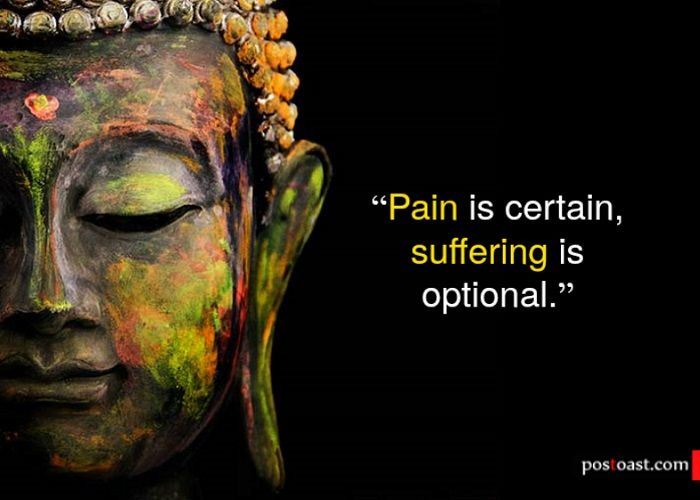
We are what we think. All that we are arises with our thoughts. With our thoughts, we make the world.
Peace comes from within. Do not seek it without.

Lord Buddha

Introduction.

He was a spiritual personality . An ancient teacher and enlightened many . A founder of world religion Buddhism . He was popularly known as Gautama Buddha (also known as Siddhattha Gotama or Siddhārtha Gautama or Buddha Shakyamuni ) .

The Enlightened One who rediscovered an ancient path to release clinging and craving and escape the cycle of birth and rebirth. He taught for around 45 years and built a large following, both monastic and lay. His teaching is based on his insight into the arising of duḥkha (the unsatisfactoriness of clinging to impermanent states and things) and the ending of duhkha—the state called Nibbāna or Nirvana (extinguishing of the three fires).

Buddhism

Buddhism, one of the major religions and philosophical systems of southern and eastern Asia and of the world. Buddha is one of the many epithets of a teacher who lived in northern India sometime between the 6th and the 4th century before the Common Era.

The title buddha was used by a number of religious groups in ancient India and had a range of meanings, but it came to be associated most strongly with the tradition of Buddhism and to mean an enlightened being, one who has awakened from the sleep of ignorance and achieved freedom from suffering.

According to the various traditions of Buddhism, there have been buddhas in the past and there will be buddhas in the future. Some forms of Buddhism hold that there is only one buddha for each historical age; others hold that all beings will eventually become buddhas because they possess the buddha nature (tathagatagarbha).

According to Buddhist doctrine, the universe is the product of karma, the law of the cause and effect of actions, according to which virtuous actions create pleasure in the future and nonvirtuous actions create pain.

Your work is to discover your world and then with all your heart give yourself to it.

Lord Buddha

History

Gautama Buddha ( born c. 6th–4th century BCE, Lumbini, near Kapilavastu, Shakya republic, Kosala kingdom [now in Nepal]—died, Kusinara, Malla republic, Magadha kingdom [now Kasia, India]).

Buddha is one of the many epithets of a teacher who lived in northern India sometime between the 6th and the 4th century before the Common Era.

Learnings from Gautama Buddha.

1. “Three things cannot be hidden: the sun, the moon and the truth.”

2. “You will not be punished for your anger; you will be punished by your anger.”

3. “You can search throughout the entire universe for someone who is more deserving of your love and affection than you are yourself, and that person is not to be found anywhere. You, yourself, as much as anybody in the entire universe, deserve your love and affection.”

4. “We are shaped by our thoughts; we become what we think. When the mind is pure, joy follows like a shadow that never leaves.”

5. “Believe nothing, no matter where you read it, or who said it, no matter if I have said it, unless it agrees with your own reason and your own common sense.”

Link

How continuous sleep loss can impact on our mental and physical health..?

Recently a new study took place to see what will happen if we sleep less than 6 hours a day and if it is continued for 8 days, what type of consequences we will face.

The results of a recent study suggest that, all it takes is three consecutive nights of sleep loss to cause our mental and physical wellbeing to greatly deteriorate.

Scientists said that minimum eight hours of sleep is necessary for an adult to main physical and mental health.

“”Many of us think that we can pay our sleep debt on weekends and be more productive on weekdays.””

“However, results from this study show that having just one night of sleep loss can significantly effects our daily functioning.”

After the study, experts said that we will experience symptoms like angry, nervous, lonely, irritable and frustrated feelings as a result of sleep loss. We will also experience more physical symptoms, such as upper respiratory issues, aches, gastrointestinal problems and other health concerns.

It is necessary and important to balance both the health and work. Take enough rest , stay healthy both physically and mentally.

Covid-19 THIRD WAVE.

Raising the alarm bells for policymakers and citizens, a research report has contended that India may witness the third covid wave from August 2021. The report – COVID-19: The race to finishing line – prepared by SBI Research, claims that the covid third wave peak will arrive in the month of September 2021.

The research report says that India achieved its second wave peak on 7th May. “Going by the current data, India can experience cases around10,000 somewhere around the 2nd week of July. However, the cases can start rising by the second fortnight of August,” the report said.


These are the highlights from the report:

1. Global data shows that on average third wave peak cases are around 1.7 times the peak cases at the time of second-wave.
2. However, based on historical trends the cases can start rising by the second fortnight of Aug’21 with peak cases at least a month later.
3. India has started giving more than 40 lakh vaccination doses per day as shown by 7 DMA.
4. Overall, India has fully vaccinated 4.6% of its population, apart from 20.8% having received one dose. This is still lower than other countries including the US, the UK, Israel, Spain, France among others.
5. The decline in bank deposits in FY21 and concomitant increase in health expenditure may result in further increase in household debt to GDP in FY22.
6. States with high per capita GDP have been associated with higher Covid-19 deaths per million while low per capita GDP are associated with low Covid-19 deaths.
7. Only 4.6 per cent of the population in India is fully vaccinated, while 20.8 per cent have received one dose, much lower compared to other countries including the US (47.1 per cent), the UK (48.7 per cent), Israel (59.8 per cent), Spain (38.5 per cent), France (31.2), among others.

Environmental pollution

“Humankind has not woven the web of life. We are but one thread within it. Whatever we do to the web, we do to ourselves. All things are bound together. All things connect.”

~ Chief Seattle

What is environmental pollution ?

Is it degrading our lifestyle ?

How can we improve our environment ?

Let’s get through the topic .

Introduction

One of the greatest problems that the world is facing today is that of environmental pollution, which is causing grave and irreparable damage to the natural world and human society with about 40% of deaths worldwide being caused by water, air and soil pollution and coupled with human overpopulation has contributed to the malnutrition of 3.7 billion people worldwide, making them more susceptible to disease.

Environmental pollution is defined as “the contamination of the physical and biological components of the earth/atmosphere system to such an extent that normal environmental processes are adversely affected.”

From: Environmental Management, 2017

We all are well known about the word Environmental pollution . It is not some kind of new phenomenon , yet it is a greatest problem facing by our society . Still , people are avoiding the topic to its utmost.

Environmental pollution is one of the most serious global challenges. Wild-type organisms have a slower degradation rate of hazardous materials.

Both developed and developing nations share this burden together, though awareness and stricter laws in developed countries have contributed to a larger extent in protecting their environment.

Reasons behind environmental pollution

  • The Burning of Fossil Fuels. Industrial Emission.
  • Indoor Air Pollution.
  • Wildfires.
  • Microbial Decaying Process.
  • Transportation.
  • Open Burning of Garbage Waste.
  • Construction and Demolition.
  • Urbanization and industrialization. Since the era of industrial revolution, man has continued to introduce hazardous materials into the environment at an alarming rate.Mining and exploration.
  • Agricultural activities.
  • Particulate matter.
  • Plastics.
  • Energy production.
  • Deforestation.
  • Mining.
  • Over population.
  • Increase in global average temperature.

Effects of environmental pollution

Environmental pollution is an incurable disease . It can only be prevented.

Barry commoner

1. Effects on Humans. The effects of environmental pollution on humans are mainly physical, but can also turn into neuro-affections in the long term. The best-known troubles to us are respiratory, in the form of allergies, asthma, irritation of the eyes and nasal passages, or other forms of respiratory infections. Other rarer diseases include hepatitis, typhoid affections, diarrhea, and hormonal disruptions.

2. Effects on Animals . Environmental pollution mainly affects animals by causing harm to their living environment, making it toxic for them to live in.

3. Effects on plants . As for animals, plants, and especially trees, can be destroyed by acid rains (and this will also have a negative impact on animals as well, as their natural environment will be modified), ozone in the lower atmosphere block the plant respiration, and harmful pollutants can be absorbed from the water or soil.

Solutions for environmental pollution.

  • Evironment planning.
  • Shifting to eco-friendly transportation.
  • Air pollution must involve moving away from fossil fuels, replace them with sustainable fuels .
  • Solar power .
  • Wind power.
  • Go green.
  • Storage facilities for solid waste.
  • Environmental friendly products.
  • Policies implimentation for environmental pollution.
  • We also need to work on electromagnetic radiation (ER) reduction.
  • Awareness through mass media.
  • More green parks and areas.
  • Environmental education, etc,.

“We say we love flowers, yet we pluck them. We say we love trees, yet we cut them down. And people still wonder why some are afraid when told they are loved.”

~ Paul Morley

Link