Health Effectiveness of Mushroom

Mushrooms are one of the most used vegetables .It is very delicious & nutritious .Mushrooms are also called toadstools . A mushroom is a body of fungus which is able to bear spores . Here we are talking about some edible mushrooms .Mushrooms are usually born above the soil or rotten dead waste & Their growth rate is very rapid .

Mushrooms are from the kingdom of ‘Fungi’ & Under ‘Basidiomycota’ phylum . Mushrooms are divided into 3 body parts — 1) Stem or, Stipe ; 2) Cap or, Pileus ; 3) Gills or Lamellae (It generates microspore & stores them) .The most popular & edible mushroom is Agaricus bisporus .Mushrooms can be edible and non-edible. Non-edibles are poisonous & it harms our body . Some well known edible mushroom species are —  Portobello ,Button ,Shiitake(It is also called as “King of Mushrooms”) ,Oyster ,Maitake ,Enoki ,white mushroom & many others .Now, let’s talk about their nutritional value  .

Agaricus bisporus
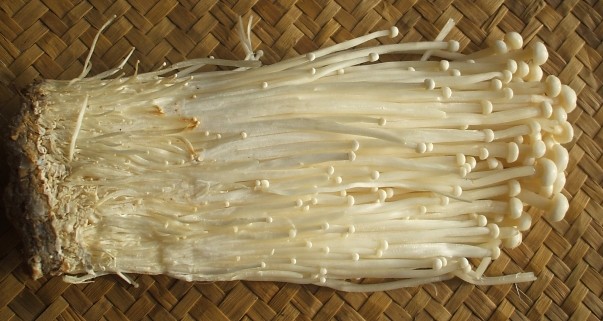
Enoki Mushroom
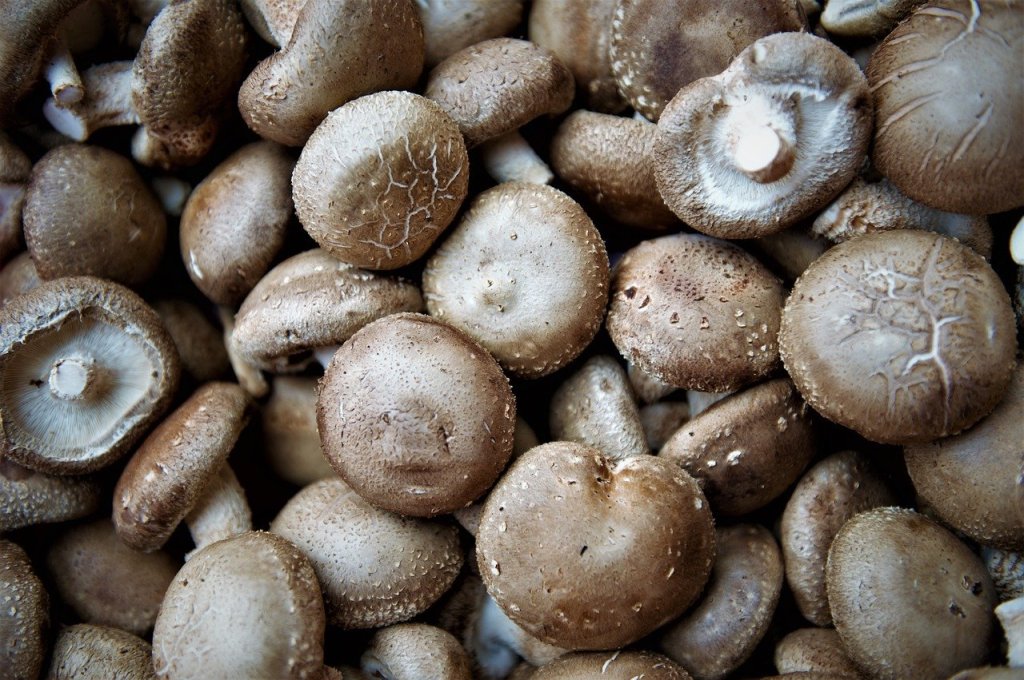
Shiitake Mushroom

Nutritional value : nutritional value per 100g raw and uncooked mushrooms are given below —– 

1) 4.3 gram carbohydrate 

2) 0.1 gram fat

3) 2.5 gram protein

4) Many types of Vitamin B are available ~~ a) 0.1 milligram of Vitamin B1 ;b) 0.5 mg of vitamin B2 ; c) 3.8 mg of vitamin B3 ; d) 1.5 mg of vitamin B5 ; e) 0.11 mg of Vitamin B6 ; f) 25 microgram of Vitamin B9 , g) no amount of Vitamin C .Vitamin  B2 ,vitamin B5 and vitamin B3 are in a lots of amount in a mushroom .

5)Various minerals are also presents ~~ a) 18 mg of calcium ;b) 0.4 mg of iron ;c) 9 mg of magnesium ;d) 0.14 mg of Manganese ;e) 120 mg of phosphorus ;f) 448 mg of potassium ; g) 6 mg of sodium ;h) 1.1 mg of zinc .

6) Mushroom body contains 92% water 

7) Mushrooms contain a very high amount of 2 important antioxidants — Ergothioneine & Glutathione .

8) It also has lots of folate .

9) Mushrooms give away 94 KJ or 22 Kcal energy .

Effect on Health : 

1) Mushrooms contain a lot of calcium which is a main component of our bones . That’s why mushrooms are beneficial for our bone health. It prevents osteoporosis and joint pain problems . 

2) It also fights against cancer as mushrooms have Vitamin D and antioxidants .Folate which is also present in mushrooms, helps in the synthesis process of DNA .

3) Mushrooms have a lot of fibre. fibre helps to control the Glucose level of blood. In that way the blood sugar level remains at a safe margin .

4) Potassium, Vitamin C and fibre are good for the cardiovascular system, especially for the heart .Mushrooms have all these elements so it also prevents the risk of heart diseases .

5) Selenium, which is available in mushrooms, increases the immune power of our body and helps to prevent flu and common cold .

6) Mushrooms are a very good diet vegetable .

7) Mushrooms give a lot of energy to our body as it has lots of protein .

8)  Folate is present in mushrooms and It helps in the fetal health for any pregnant women .

9) Mushrooms contain two important antioxidants (Ergothioneine & Glutathione) that work against aging of our skin and body .

10) Mushrooms prevent the aging of our brain .

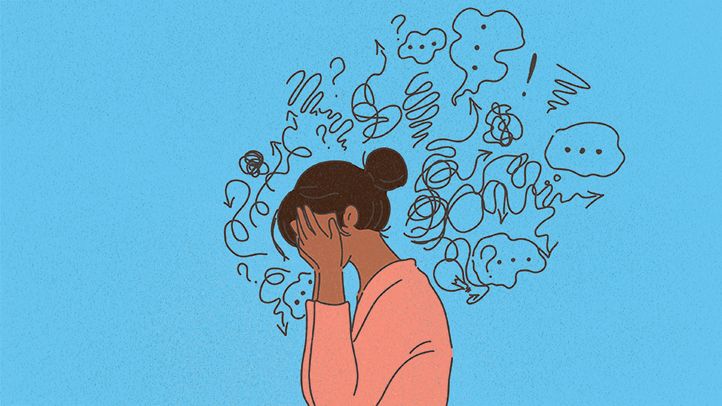
Depression: Screaming that nobody can hear

what people never understand is the depression isn’t about the outside its about inside.

There was a little girl filled with happiness and hope, Who wanted to explore the world know more about people and was hoping to get love the way she use to give to others. She was a simple minded girl her life was going great she made alot of friends but little did she know a black whole was waiting for her to consume all her happiness and hope.

What is depression?

There are wounds that never show on body that are deeper and more hurtful than anything that bleed.

Depression, also known as major depressive disorder is a common disorderserious medical illness that negatively affects how you feel, the way you think and how you act. Fortunately, it is also treatable. Depression causes feelings of sadness and/or a loss of interest in activities you once enjoyed, basically it causes lack of interest in life. It can lead to a variety of emotional and physical problems and can decrease your ability to function at work and at home.

Symptoms of depression.

Tears come from the heart and not from the brain.

Depression symptoms can vary from mild to severe and can include:-

  • Your mood is depressed for most of the day, especially in the morning.
  • You feel tired or have a lack of energy almost every day.
  • You feel worthless or guilty almost every day.
  • You feel hopeless or pessimistic.
  • You have a hard time focusing, remembering details, and making decisions.
  • You can’t sleep, or you sleep too much, almost every day.
  • You have almost no interest or pleasure in many activities nearly every day.
  • You think often about death or suicide (not just a fear of death).
  • You feel restless or slowed down.
  • You’ve lost or gained weight.
  • Feel cranky and restless.
  • Lose pleasure in life.
  • Overeat or stop feeling hungry.
  • Have aches, pains, headaches, cramps, or digestive problems that don’t go away or get better with treatment.
  • Have sad, anxious, or “empty” feelings.

These symptoms are common, not everyone with depression will have the same ones. 

Self help.

“why did u tried to kill yourself?” “You told me to be happy. “

There are a number of things people can do to help reduce the symptoms of depression. For many people, regular exercise helps create positive feeling and improves mood. Getting enough quality sleep on a regular basis, eating a healthy diet and avoiding alcohol (a depressant) can also help reduce symptoms of depression.

Depression is a real illness and help is available. With proper diagnosis and treatment, the vast majority of people with depression will overcome it. If you are experiencing symptoms of depression, a first step is to see your family physician or psychiatrist. Talk about your concerns and request a thorough evaluation. This is a start to addressing your mental health needs.

How friendship can help depression

Part of being a person is about helping others.

The benefits of friendship for people that are depressed are astounding. Relationships, although not a substitute for professional therapy, can help people dealing with depression with their healing. Dr. Leaf says, “A strong friendship can help heal someone’s thinking habits and improve how the brain functions, helping them gain clarity into their situation, building up mental resilience and encouraging them to face and overcome what is causing them distress.”

Friendship is all about supporting each other in good times and in bad. Although depression can challenge a strong friendship, it doesn’t make it impossible for the friendship to continue. In fact, the friendship can be beneficial to both parties. Dr. Leaf explains, “Studies show that helping others can also increase our own healing by up to 63%! This is why it is so important to try to be there for a friend who is experiencing mental distress on both the person that is ill and the supportive friend.”

And being friends with someone who is depressed isn’t always so difficult. You may still be able to enjoy good times and meaningful conversation. As Bernat explains, “Despite what you might think, talking to friends and family living with depression can be easy and maybe fun. Not like Facebook-selfie-with-Lady-Gaga-at-an-underground-party fun though. Instead, I’m talking about the kind of fun where people enjoy each other’s company effortlessly, no one feels awkward, and no one accuses the sad person of ruining the holidays.”

we can bring change by helping each other, By showing these small kindness we can make this world a better place to live. Love people the way they are never ask them to change and help each other and support each other something it’s better to loose in arguments even if they are wrong because it can make them feel better.

Positive Psychology

Positive psychology is one of the newest branches of psychology to emerge. This particular area of psychology focuses on how to help human beings prosper and lead healthy, happy lives. While many other branches of psychology tend to focus on dysfunction and abnormal behaviour, positive psychology is centered on helping people become happier. Positive psychology is designed to “complement and extend the problem-focused psychology that has been dominant for decades,” explained the late Christopher Peterson, author of “A Primer in Positive Psychology” and professor at the University of Michigan, in a 2008 article published in Psychology Today. “Positive psychology is…a call for psychological science and practice to be as concerned with strength as with weakness; as interested in building the best things in life as in repairing the worst; and as concerned with making the lives of normal people fulfilling as with healing pathology,” Peterson wrote.

According to leading authorities in the field, Martin Seligman and Mihaly Csikszentmihalyi, positive psychology will help achieve “scientific understanding and effective interventions to build thriving in individuals, families, and communities.” In order to understand the field of positive psychology, it is essential to start by learning more about its major theories, applications, and history.

History of Positive Psychology

“Before World War II, psychology had three distinct missions: curing mental illness, making the lives of all people more productive and fulfilling, and identifying and nurturing high talent,” wrote Seligman and Mihaly Csikszenmihalyi in 2000. Shortly after WWII, the primary focus of psychology shifted to the first priority: treating abnormal behavior and mental illness. In the 1950s, humanist thinkers like Carl Rogers, Erich Formm and Abraham Maslow helped renew interest in the other two areas by developing theories that focused on happiness and the positive aspects of human nature.

General interest in positive psychology has grown tremendously since the concept was introduced. Today, more and more people are searching for information on how they can become more fulfilled and achieve their full potential.

Uses

Positive psychology can have a range of real-world applications in areas including eduction, therapy, self-help, stress management, and workplace issues. Some of the major topics of interest in positive psychology include: Character strengths and virtues, Flow, Gratifications, Gratitude, Happiness, Pleasure, Helplessness, Hope, Mindfulness, Optimism, Positive thinking, Resilience .

Impact of Positive Psychology

Some of the major findings of positive psychology include: Money doesn’t necessarily buy well-being, but spending money on other people can make individuals happier, People are generally happy, Some of the best ways to combat disappointments and setbacks include strong social relationships and character strengths, While happiness is influenced by genetics, people can learn to be happier by developing optimism, gratitude, and altruism, Work can be important to well-being, especially when people are able to engage in work that is purposeful and meaningful.

Potential Pitfalls

Positive psychology is often confused with positive thinking, and misconstrued as self-help tactics rather than research-backed theories. Positive thinking is a way of thinking ourselves into better behavior and greater resilience, rather than behaving our way into a different frame of mind. Positive psychology, on the other hand, is the scientific study of what makes people thrive. It focuses on behaviors that can lead to a more optimized frame of mind as well as on thought patterns that lead to more functional behaviors.

WHAT DOES ADOLESCENCE NEED?

Need for independence

With the growing physical and mental development an adolescent wants to express his opinion independently, to take part in different social activities and to become self-dependent like any adult member of the society. On attaining adolescence, the child who earlier used to depend on his elders, finds himself full of life and energy and cannot help but to take part in the diverse activities of the society. Thus, he defies the dominance of his elders and wants to proceed in life independently

Need for self-recognition

The adolescents not only want to take part in different social activities but also want self-recognition. They want to attract attention of other people by showing their abilities. The children in adolescence want to project themselves before the society in such a way so that people can appreciate their qualities and give them due respect and recognition.

Need for self-expression

There is a great desire among the children in adolescence to express their feelings, thoughts and ideas. At this age, every child wants to express himself in his area of proficiency like sports, dramatics, studies, music, literature, art or any other medium.

Need for social life

One of the important needs of adolescents is to take part in the greater social environment. Before entering into the age of adolescence, children do not get much scope to mix with people outside their family. But as they attain adolescence children want to experience the greater social-life and want to get involved closely in different social activities. This need for social life gets an outlet when the adolescents involve themselves in the activities of different social institutions like club, social welfare committee, community service etc.

Need for self-reliance

Another important need of children in adolescence is the need for self-reliance. There is a great desire among the children of this age to become self-reliant as soon as they attain puberty. And they start dreaming about their future professions and the ways to establish themselves in their respective fields. The children of this age are also very eager to acquire professional qualifications according to their choice.

Need for Philosophy of life, morality and need to know the unknown

The children in adolescence want to have a philosophy of life, a clear concept of morality and want to know all the things which are unknown to them. They have a lot of inquiries regarding the basic purpose of life. They want to know how human life can be goal-directed and what is the main aim of life. When the children attain puberty, they also indulge in a great deal of thinking over the concept of right and wrong, good and bad. They want to evaluate all the activities of themselves and people around them in accordance with the concept of right and wrong. There is always a tendency among them to do whatever is morally right. And if they do something morally wrong, they go through terrible mental agony. At adolescence, there is also a great desire among the children to know what is unknown to them. The new discoveries of science have a great influence on the minds of adolescents.

Need to satisfy sex-related curiosity

As the children attain puberty they develop a deep sex-related curiosity. This curiosity greatly perturbs them as the result of natural outcome of their sexual development. First, they try to satisfy this curiosity by natural means. But later, by being ignored or scolded by the elders, they try to satisfy this curiosity through abnormal ways. Adolescence is one of the important stages of growth and development of the child. At this stage a unique disturbance develops in the mind of the child. According to modern Psychologists, this disturbance in the mind of the child is not an essential outcome of his physical development, rather it occurs in the mind of adolescents because of unfavourable environment.

Ayurveda

Ayurveda is an alternative medicine system with historical roots in the Indian subcontinent.The theory and practice of Ayurveda is pseudoscientific.Ayurveda is heavily practiced in India and Nepal, where around 80% of the population report using it.

    The word “ayurveda” is Sanskrit: आयुर्वेद, Āyurveda, meaning knowledge of life and longevity.Ayurveda is attributed to Dhanvantari, the physician to the gods in Hindu mythology, who received it from Brahma. Its earliest concepts were set out in the portion of the Vedas known as the Atharvaveda.
    Ayurveda therapies have varied and evolved over more than two millennia.[2] Therapies include medicines, special diets, meditation, yoga, massage, laxatives, enemas, and medical oils. Medicines are typically based on complex herbal compounds, minerals, and metal substances (perhaps under the influence of early Indian alchemy or rasa shastra).
     Ancient Ayurveda texts also taught surgical techniques, including rhinoplasty, kidney stone extractions, sutures, and the extraction of foreign objects.
    Ayurveda has two basic aims: 
 First, to preserve the health of healthy people and to help them attain the four principle aims of life (virtue, purpose or wealth, pleasure, and release or liberation from cycle of rebirth); second, to treat illness and disease.

Why Do Our Brains Require Sleep?

We spend around one-third of our lifetimes sleeping. Sleeping is as crucial to our bodies as having to eat, drink, and breath, and it is critical for sustaining excellent mental and physiological wellness Sleep allows us to recuperate from both mental and physical effort.

Sleep and health are inextricably linked; sleep deprivation increases the likelihood of poor health, and poor health makes it more difficult to sleep. Sleep problems are also one of the earliest symptoms of a health issue. Anxiety and depression, for example, are common mental health issues that are frequently underlying sleep disorders.

Anxiety might lead your mind to rush, making it difficult to sleep. Oversleeping can result from depression, which might cause you to sleep late or sleep a lot throughout the day. If you have disturbing thoughts, it might also induce sleeplessness. Nightmares and night terrors can be caused by post-traumatic stress disorder (PTSD).

These may cause you to wake up and/or make you apprehensive about going asleep. Mania might cause you to feel exhilarated or energised, and you may not feel exhausted or desire to sleep. You may also experience obsessive thoughts that make it difficult to sleep. Medication might cause adverse effects such as sleeplessness, nightmares, and excessive sleep. Sleep issues might also occur after you stop taking your medicine.

We can all gain from bettering our sleeping habits. For most of us, it may simply be a matter of adopting little lifestyle or mindset changes to aid us sleep better. Insomnia (loss of sleep or poor quality sleep) or other sleep issues affect up to one-third of the population.These can have an impact on our mood, energy, and concentration levels, as well as our capacity to stay awake and perform at work during the day.

What factors might contribute to sleep issues?

There are several factors that might influence our sleep. They are as follows:

  • tension or anxiety
  • a change in the sound levels or temperature of your bedroom 
  • a changed schedule, for instance, due to jet lag
  • excessive drinking of  coffee or alcohol
  • consecutive shifts
  • medical or psychiatric issues
  • adverse effects of medications

How to get better sleep?

Often, simple practises might help you sleep better. If they don’t help, talk to your doctor about additional options, especially because sleep disorders might be an indicator of other health concerns.

There are four basic things to think about if you want to recover from a spell of bad sleep:

Health

We know that bad health has an impact on sleep and vice versa. Sleep issues are frequently associated with mental health issues such as sadness and anxiety. It is critical to treat any health problems, for both physical symptoms as well as for any anxieties that may keep you up.

Environment

It is vital to sleep in a comfortable environment, and the bedroom and bed should be the primary areas you connect with sleep. Viewing TV shows playing on your smartphones or other devices, and snacking in bed, especially, all can have an impact on the nature of our sleep. Temperature, excessive noise, and lighting all have an impact on our sleep.

Attitude

It is easy to fall asleep when we can relax and let go of our worries. We’ve all experienced nights wherein we stayed awake and worried. We should attempt to unwind, be less stressed, and calm before going to bed. This might be more difficult than ever these days, but breathing exercises, a hot bath, or meditation can help.

Lifestyle

What you consume might have an impact on your sleep. Caffeine and other stimulants can make it difficult to sleep, and a large or heavy meal close to night can make sleep unpleasant. While alcohol may appear to help you fall asleep, it really lowers the quality of your sleep later on. Exercising during the day is also beneficial to sleep, but because it generates adrenaline, exercising in the evening, however, may be less beneficial.

Food Pollution.

We, human beings are vulnerable to various types of pollution. And Food is one of the most significant things we need to survive in this world. So, if the food we consume becomes polluted then what are the chances for us to stay healthy? Food Pollution over time has become a topic of concern, so let’s have look at it. 

What is Food Pollution?

Food Pollution is defined as the presence of toxic chemicals (elements or compounds) or biological contaminants which are not naturally present in food or are above their natural background level (for those chemicals which are naturally found in some foods).

What are the effects of Food Pollution?

Food Pollution can affect us by causing mild to moderate to severe food illness and it can also cause various health issues like hormonal and metabolic imbalance, and even various types of cancer. Certain pesticides present in the food can also cause Nervous System problems. Further, in few cases, highly polluted food can cause immediate food poisoning or even death. Approximately, more than 70 million cases of food-borne diseases occur alone in the U.S. every year, resulting in 5,000 deaths per year. 

What are the causes of Food Pollution? 

There are several causes of Food Pollution. Practically, any pollutant has the potential to pollute food just by coming in contact with it.  And vegetables can get polluted by bacterial problems which can only be destroyed by processing the contaminated food at high temperatures. Let’s have a look at situations where toxic chemicals can get into the food:-

★ consumption of polluted water and/or food by fish or other animals;

★ food processing, packaging, and handling;

★ propagation and concentration of pollutants through the food chain;

★ growing of food (e.g. crops, fruits, vegetables) in polluted soils, solid wastes (e.g. mine tailings), or areas with polluted groundwater;

★ irrigation of grown food (e.g. vegetables, fruits, crops) with polluted water;

★ growing of food (e.g. crops, fruits, vegetables) in areas with polluted air;

★ agricultural treatments with pesticides, insecticides, and/or herbicides;

★ agricultural application of sewage sludge and/or polluted fertilizers (which contain ash from power plants). 

Safe Food Alternative

Japan has come up with an alternative for producing safe food, according to which vegetables should be grown in factories that terminate the unpredictable effect of environmental pollution, unpredictable weather, or pests. Also, the process would be all computerized that would control various factors affecting growth. This idea of a safe food alternative was given by OZU cooperation in Tokyo. Can this be the way of future agriculture? Well, this we’ll see. 

Hazards of Food Pollution are everywhere and all can be done on an individual level is; by informing ourselves and taking action. 

Unhealthy foods

As we know there are many healthy and unhealthy foods that we eat in our daily life. We know that unhealthy foods are not good for our health. Today, in this blog we are going to see some food items that you should not eat at all. These are some most dangerous unhealthy food that often spoils your health.

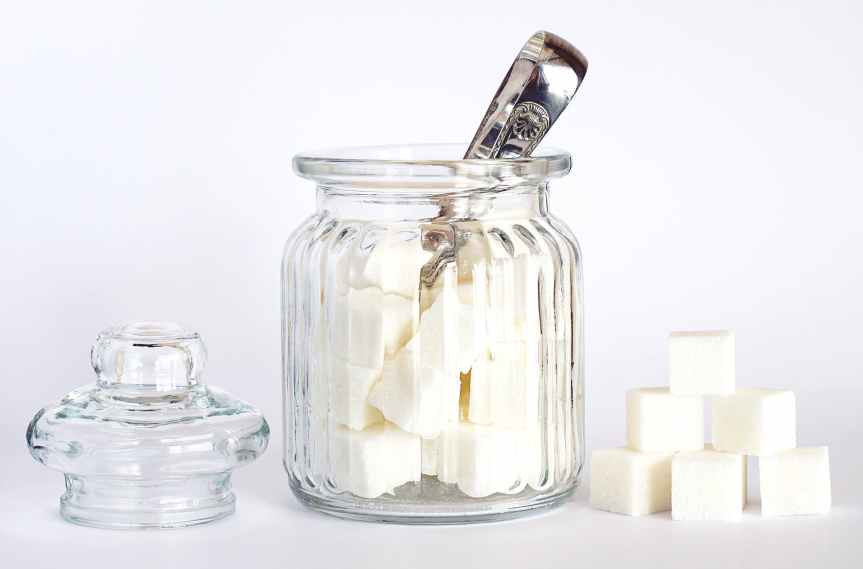
  1. Sugary drinks

It is one of the most favorite among teenagers and adults. But it is not good for your health; drinking sugary drinks will increase the intake of calories. It will also drastically increase your belly fat, excessive of belly fight may increase the risk of type 2 diabetes and heart diseases. Consuming sugary drinks in a large amount will drive down your insulin resistance. When this happen, your pancreas have to produce even more insulin to remove glucose. It contains no nutrients like vitamins and minerals except sugar. It increases the chance to cancer.

2. Pizzas

Pizzas are one of the most famous and popular food item in the world. They are extremely high in calories and they are also made of unhealthy food items. Pizzas contain refined carbohydrates, sodium and fat which makes it dangerous to eat. Eating pizza will increase the chance of getting heart diseases. According to a survey, every American eat at least 46 slices of pizzas in a year. There are some pizzas which good for your health like pizza with veggies with extra nutrients.

3. Chips

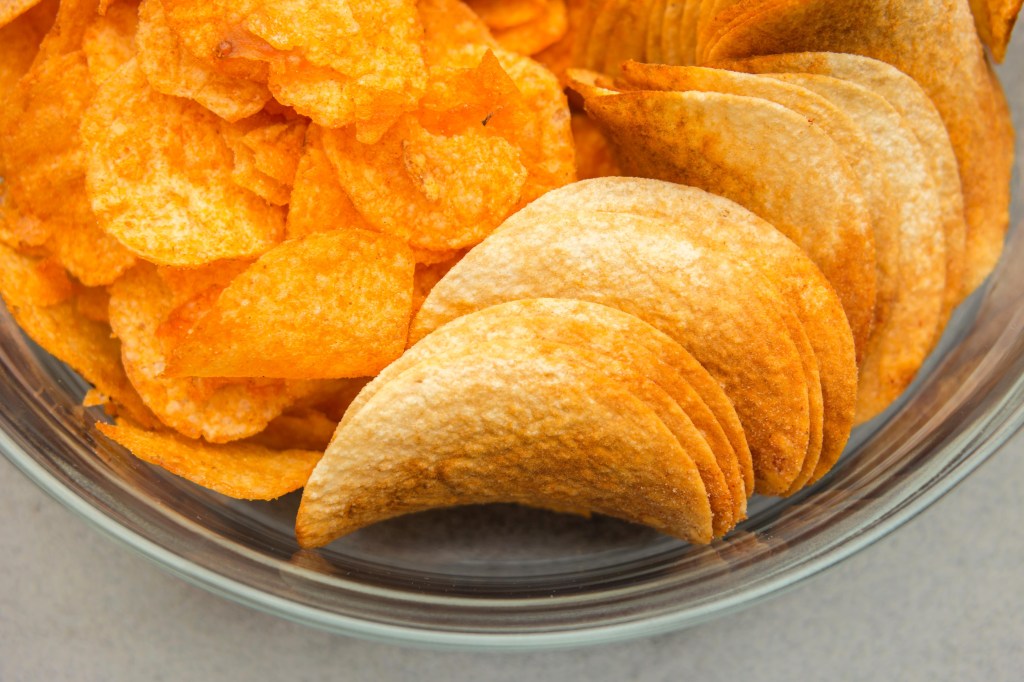
Chips are also one of the most popular food item, every year they make $7 Billion sales. According to a survey 85 percent of the Americans eat chips. Now, you can understand how famous are chips? Chips are high in fats and calories, which makes you fat. Being overweight may increase your chance to get heart diseases. They contain sodium; intake of large of sodium may result in high blood pressure. Not all chips are harmful, chips like baked potato chips and tortilla chips are safe to eat.

4. White bread

Most of the breads are unhealthy, if eaten in large amount. They are made of refined wheat, which are generally low in nutrients and calories. They bread in large amount will raise your blood pressure, as your blood level rises it increases the chance of type 2 diabetes. Eating bread will make you over weight; a single slice of bread contains 65 calories. White breads are high in sodium, which is generally not good for your health.

5. Doughnuts

Doughnuts are the favorite snacks for most of the people, but eating donuts have severe effects on our health. Doughnuts are high in calories, a single doughnut have about 300 calories in it. Eating a single doughnut a day can increase your weight. They contain too much of sugar in them, consuming them can lead severe diabetes issues. They don’t have nutrients, they just made of only flour and sugar. They have high sodium in it, a single doughnut have 140 to 150 milligrams of sodium. Not all doughnuts are bad, there are some doughnuts which you can eat for example French cruller.

That’s all from my side. I hope you like it.

PERSONAL HYGIENE HABITS

One of the best ways to maintain good health is to maintain good personal hygiene. Personal hygiene helps you to stay clean, gives you confidence and has a positive impact on personal relationships, and reduces the risk of illness and adverse medical conditions caused by poor hygiene. Continue to learn about ten ways you can practice personal hygiene.

Ten Practices of Personal Hygiene

  1. Wash Your Hands Regularly: Washing your hands is one of the most effective ways to reduce the spread of infection. You should wash your hands especially before and after meals, after going to the toilet and when you meet a sick person. To get the most effective results, be sure to wash your hands properly.

Brush your hands with clean water and soap.
Put your hands together by rubbing them thoroughly with soap.
Rub your hands for at least 20 seconds.
Wash your hands thoroughly.
Wipe your hands with a towel or dry air.

  1. Bathing: Cleansing your body removes dead skin cells and impurities and helps fight infections. For older adults, it is recommended to bathe or shower at least twice a week to achieve the best results.
  2. Brush your teeth twice a day: Be sure to brush your teeth twice a day, once in the morning and at night, to keep your oral hygiene consistent with regular dental check-ups.
  3. Floss Your Teeth Daily: In addition to brushing your teeth, brush your teeth once a day for proper oral hygiene.
  4. Take Care of Your Nails: Cleaning and cutting your nails reduces the risk of infected hangnails and nail beds.
  5. Wear clean clothes: After dressing, wash them thoroughly with a cleaner and dry them immediately when cleaning. Dirty clothes can catch bacteria that can lead to body odor or even skin irritation.
  6. Shut your mouth when you cough or sneeze: This is very important to avoid spreading the virus to people around you.
  7. Get Sleep Free: Getting enough sleep is important for your health, no matter how old you are. It is recommended that all adults sleep between seven and nine hours a night.
  8. Create a habit: Whatever procedure you can take to maintain your personal hygiene, make a mental checklist or write it down. In this way, you will remember and follow the steps you need to take to stay clean and healthy.
  9. Visit a Doctor: Regular appointment with health professionals can help you catch infections and infections early, making them easier to treat. Visit your healthcare provider where you have concerns and schedule daily check-ups.

EFFECTS OF SUGAR ON OUR BODY

1. BRAIN

Sugar lights up your brain reward center with dopamine. Some studies say it is more addictive than cocaine. 

2. SKIN

Sugar accelerates ageing and exacerbates condition like acne and rosacea.

 3. HEART

Too much sugar harden arteries and damages heart Tissue

4. LIVER

The liver converts excess sugar into fat. Overloading the liver with sugar is similar to overloading it with alcohol. 

5. KIDNEY

When blood sugar is too high, the kidneys spell the sugar into urine, which can cause permanent damage.

 6. STOMACH

Stomach throws off gut health interrupting the microbiome of the digestive track. 

7. FERTILITY

High blood sugars impairs reproductive function in both men and women.

 8. MOUTH

Sugar consumption lead to tooth decay and gum disease. 

HEALTH IS WEALTH

Health is God’s gift to us. Health refers to the physical and mental state of a human being. To stay healthy is not an option but a necessity to live a happy life. The basic laws of good health are related to the food we eat, the amount of physical exercise we do, our cleanliness, rest, and relaxation. A healthy person is normally more confident, self-assured, sociable, and energetic. A healthy person views things clearly, calmly, and without prejudice. 

Introduction

We live in a super-fast age. The Internet has shrunk the world dramatically and people are connected 24×7. Multitasking is the order of the day, as we struggle to fulfill our responsibilities for everyone in life. In this fight, we often forget to spare time for ourselves. The stress levels continue to build up until one day a major collapse may make us realize that in all this hectic activity, we have forgotten to take care of one important thing – our health. 

As we spend days shuttling between hospital and home, put our body through one test after another, trying to find out what has gone wrong, we are forced to remember that ‘Health is indeed Wealth’. 

In earlier days, life was very simple. People worked for a stipulated time, often walked everywhere, ate more homemade food, did household chores, and enjoyed a healthy balance in life. 

Now people have cars and bikes to commute, so they walk less. With the demand for more working hours, people are awake till late nights and indulge in more junk food than home-cooked food. Modern equipment at home has reduced the labour work and increased dependency on this equipment.  People don’t have enough time to exercise or even get enough sunlight. Basically, nowadays people are living very unhealthy lifestyles. 

Unhealthy living conditions have increased the contraction of people to various diseases like obesity, diabetes, heart attacks, hypertension, etc. This has alarming implications in our near future. So it is very important to focus on our health as much as we focus on our work. Moderation in food habits, daily exercise, and balanced work-life can surely make a big difference to our health and body. When a person stays mentally and physically fit, his action and decision are more practical and logical and hence he is more successful in life. Furthermore, good health has a direct impact on our personality. 

Importance of Good Health

A healthy body has all the major components that help in the proper functioning of the body. The essential component is the state of physical health. Your life term extends when you maintain good physical fitness. If you are committed to exercising with a sensible diet, then you can develop a sense of well-being and can even prevent yourself from chronic illness, disability, and premature death. Some of the benefits of increased physical activity are as follows.

1. It Improves Our HealthIt increases the efficiency of the heart and lungs.

2. A good walk can reduce cholesterol levels. 

3 . Good exercise increases muscle strength.

4. It reduces blood pressure.

5. It reduces the risk of major illnesses such as diabetes and heart disease.

Improved Sense of Well-beingIt helps in developing more energy.

1. It reduces stress levels.

2. Quality of sleep improves.

3. It helps in developing the ability to cope with stress.

4. It increases mental sharpness.

Improved AppearancesWeight loss contributes to a good physique. 

1. Toned muscles generate more energy.

2. Improved posture enhances our appearance.

3. Enhanced Social LifeIt improves self-image

It increases opportunities to make new friends.

It increases opportunities to share an activity with friends or family members.

Increased Stamina

Increased productivity.

Increased physical capabilities.

Less frequent injuries.

Improved immunity to minor illnesses.

Along with physical fitness, a good mental state is also essential for good health. Mental health means the emotional and psychological state of an individual. The best way to maintain good mental health is by staying positive and meditating.

Reasons Emotions Are Important!

[Bhoomika Saini]

Emotions can play an important role in how you think and behave. The emotions you feel each day can compel you to take action and influence the decisions you make about your life, both large and small.

Emotions can be short-lived, such as a flash of annoyance at a co-worker, or long-lasting, such as enduring sadness over the loss of a relationship. But why exactly do we experience emotions? What role do they serve?

Photo by Andrea Piacquadio on Pexels.com

Emotions Can Motivate You to Act

Emotions motivate us
Brand New Images / Getty Images

When faced with a nerve-wracking exam, you might feel a lot of anxiety about whether you will perform well and how the test will impact your final grade. Because of these emotional responses, you might be more likely to study.

Since you experienced a particular emotion, you had the motivation to take action and do something positive to improve your chances of getting a good grade.

You also tend to take certain actions in order to experience positive emotions and minimize the probability of feeling negative emotions. For example, you might seek out social activities or hobbies that provide you with a sense of happiness, contentment, and excitement. On the other hand, you would probably avoid situations that might potentially lead to boredom, sadness, or anxiety.

Emotions increase the likelihood that you will take an action. When you are angry, you are likely to confront the source of your irritation. When you experience fear, you are more likely to flee the threat. When you feel love, you might seek out a partner.

Emotions Help You Avoid Danger

Emotions help us avoid danger
Adam Mitchinson / Getty Images

Naturalist Charles Darwin was one of the earliest researchers to scientifically study emotions. He believed that emotions are adaptations that allow both humans and animals to survive and reproduce.

He suggested that emotional displays could also play an important role in safety and survival. If you encountered a hissing or spitting animal, it would clearly indicate that the creature was angry and defensive, leading to you back off and avoid possible danger.

Emotions can also prepare the body to take action. The amygdala, in particular, is responsible for triggering emotional responses that prepare your body to cope with things like fear and anger.

Sometimes this fear can trigger the body’s fight-or-flight response, which leads to a number of physiological responses that prepare the body to either stay and face the danger or flee to safety.

Emotions serve an adaptive role by motivating you to act quickly and take actions that will maximize your chances of survival and success.

Emotions Can Help You Make Decisions

Emotions help us make decisions
Jon Feingersh / Getty Images

Your emotions have a major influence on the decisions you make, from what you decide to have for breakfast to which candidates you choose to vote for in political elections.

Researchers have also found that people with certain types of brain damage affecting their ability to experience emotions also have a decreased ability to make good decisions.

Even in situations where you believe your decisions are guided purely by logic and rationality, emotions play a key role. Emotional intelligence, or your ability to understand and manage emotions, has been shown to play an important role in decision-making.

Research has found that experiencing fear increases perceptions of risk, feeling disgusted makes people more likely to discard their belongings, and feeling joy or anger causes people to leap into action.

Emotions Help Others Understand You Better

Emotions aid social interaction
franckreporter / Getty Images

When you interact with other people, it is important to give clues to help them understand how you are feeling. These cues might involve emotional expression through body language, such as various facial expressions connected with the particular emotions you are experiencing.

In other cases, it might involve directly stating how you feel. When you tell friends or family members that you are feeling happy, sad, excited, or frightened, you are giving them important information that they can then use to take action.

Research suggests that people experience positive emotions 2.5 times more frequently than they do negative emotions.

Emotions Allow You to Understand Others

Emotions allow us to understand others
Geber86 / Getty Images

Just as your own emotions provide valuable information to others, the emotional expressions of those around you also give a wealth of social information. Social communication is an important part of your daily life and relationships, and being able to interpret and react to the emotions of others is essential.

It allows you to respond appropriately and build deeper, more meaningful relationships with your friends, family, and loved ones. It also allows you to communicate effectively in a variety of social situations, from dealing with an irate customer to managing a hot-headed employee.

Understanding the emotional displays of others gives us clear information about how we might need to respond in a particular situation.

Which part of the brain processes emotions?

The emotional processing network is the group of brain regions and structures responsible for processing emotions. Parts of the brain involved in this process include the amygdala, the hippocampus, the prefrontal cortex, and the cingulate cortex.5

Why are emotions an important part of decision-making?

Emotions can help a decision-maker determine which aspects of a decision are the most relevant to their specific situation. They may also help people make faster decisions.3

What is the appraisal theory of emotion?

This theory suggests that emotions step from the cognitive evaluations that people make about specific events. In other words, it implies that people must think about a situation before having an emotional response.

Health Benefits of Carrot

Carrots

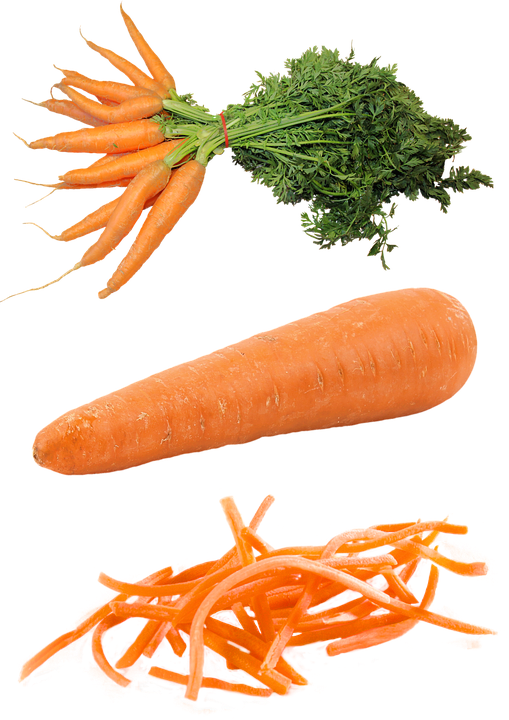
 Its scientific name is Daucus carota. It is a root type of vegetable. It is crunchy, sweet in taste. It is highly nutritious and very healthy for our body. It is a widely known vegetable. It comes with many colors like white, Orange, yellow, red and purple. Let’s take a look at the nutrition value of carrot ––

Various Colorful Carrots

Nutrition value: If we take an average quantity of raw carrot, we get the following nutrition –

  1. 0.6 gram protein per 100 gram raw carrot.
  2.  0.2 gram protein per 100 gram raw carrot.
  3. 6.8 gram of carbohydrate per 100 gram raw carrot.
  4.  6.6 gram sugar per 100 gram raw carrot.
  5. 2.8 gram dietary fiber per 100 gram raw carrot.
  6.  8.72 microgram vitamin A per100 gram raw carrot.
  7.  174 mg potassium per 100 gram raw carrot.
  8.  0.12 mg Vitamin B6 per 100 gram raw carrot.
  9.  21 mg of folate per 100 gram raw carrot. Carrot is a very good source of Beta carotene, vitamin A, Vitamin B6, folate, fiber , lycopene and Alpha carotene. It contains  88% water in its body and so many antioxidants. Carrot also gives 156/37 kilo joule energy per calories per 100 gram raw carrot. Carrot is one of the big source of dietary fibers , Vitamin A ,starch .                                                                                                                                                                          
Carrot Juice

How to Eat A Carrot :                                                                                                            Carrot is a mostly used as a salad ingredient. It can be eaten raw or cooked but raw carrots are most nutritious one. Carrot juice are the most effective among them. Carrot leaves have so much Vitamin C then carrot root. Carrot leaves are also used as garnishing ingredient of salads, soup and other dishes. It is used as herb.

Health benefits:

  1. Beta carotene and Alpha carotene have the power to prevent various cancer like breast cancer, colon cancer , stomach cancer. So, the risk of Cancer is reduced by carrot .
  2. Carrot helps to reduce bad cholesterol in blood and prevent heart disease.
  3. It also helps to maintain blood sugar level in blood .So carrot is very good for diabetic patients.
  4. The vitamin A and fiber helps to deposit excessive fat in our liver and nourishers liver.
  5. The antioxidants ,Vitamin A and beta-carotene of carrots make human skin glow and youthful. It also fight against sin damage of skin ,aging effect ,wrinkles ,dry skin problems etc.
  6. Carrot helps to increase immunity power of body & prevents the common dieses like common cold to attack our body .
  7. Carrot contain very low amount of calories so carrot helps to lose our weight & used as aided vegetable .
  8. Vitamin and beta-carotene are good for our eyes and prevent blindness.
  9. Vitamin K ,which is able to find in carrot strengthen the bone strength of our body and heals the broken bones crack in faster speed.
  10. Carrot contains big amount of Vitamin A .Vitamin A is very good for our oral system .It helps to clean our gum & teeth .The minerals in carrots prevents the tooth damage & cavities for its anti bacterial property .

Therapy For Anxiety Disorder

[Bhoomika Saini]

In some cases, medications have a role in treating anxiety disorders. But for many, therapy—alone or in combination with medication—is the most effective treatment option. The reason being that therapy, unlike medication, gives you the tools to manage the anxiety yourself, now and in the future.

Different therapeutic techniques have been developed to treat anxiety and have evolved over time from psychoanalytic approaches to the newest cognitive behavioral therapies.

Understanding Anxiety Disorders

About 19% of U.S. adults and 31% of adolescents age 13 to 18 experience anxiety each year, according to the National Institute of Mental Health (NIMH).

There are several major types of anxiety disorders that can be treated using therapeutic approaches.

  • Panic disorder
  • Obsessive-compulsive disorder (OCD)
  • Phobias
  • Generalized anxiety disorder (GAD)
  • Social anxiety disorder (SAD)
  • Post-traumatic stress disorder (PTSD)

Regardless of the specific disorder, the underlying processes that drive them often follow a similar pattern. People with anxiety tend to react to unpleasant thoughts, feelings, and situations in a more extreme way and may try to manage those reactions by avoiding triggers. Unfortunately, this type of avoidance only serves to reinforce fears and worries. Most modern types of therapy address negative thinking and avoidance to help you manage your anxiety.

Types of Therapy for Anxiety

The goal of all therapeutic approaches is to help you understand why you feel the way you feel, what your triggers are, and how you might change your reaction to them. Some types of therapy even teach practical techniques to help reframe your negative thinking and change your behaviors.

Anxiety disorders differ considerably, so therapy is tailored to your specific symptoms and diagnosis. It can be conducted in an individual, family, couple, or group setting. How often you meet with your therapist and for how long will depend on your specific symptoms and diagnosis.

Psychiatrists, psychologists, and other mental health professionals use several types of anxiety therapy. The choice of therapy also depends on your diagnosis and the severity of your symptoms.

Cognitive Behavioral Therapy

Cognitive behavioral therapy (CBT) is the most widely-used therapy for anxiety disorders. Research has found it to be effective in treating SAD, GAD, phobias, and panic disorders, among other conditions.

The premise of CBT is that your thoughts—not your current situation—affect how you feel and subsequently behave. So, the goal of CBT is to identify and understand your negative thinking and ineffective behavior patterns and replace them with more realistic thoughts and effective actions and coping mechanisms.

During this process, your therapist acts like a coach teaching you helpful strategies. For example, you might do a lot of “black-and-white” thinking, where you assume that things are all bad or all good. Instead, you would replace those thoughts with the more realistic perception that there are many shades of grey in between.

It takes practice to use these strategies. Once you start to recognize your anxiety and your triggers, you can learn to apply the coping skills that you learn in CBT to manage fear, panic, and worry.

Exposure Therapy

Exposure therapy is one of the most common CBT methods used to treat a variety of anxiety disorders, including specific phobias, SAD, and PTSD. The basic premise behind exposure therapy is that if you’re afraid of something, the best way to conquer it is head-on.

During exposure therapy, your therapist will slowly introduce you to anxiety-producing objects or situations. This is often done using a technique known as “systematic desensitization,” which involves three steps:

  1. Relax: Your therapist will teach you relaxation training to help combat your anxiety. Examples of relaxation training include progressive muscle relaxation, deep breathing, meditation, and guided imagery.
  2. List: Create a list of your anxiety-provoking triggers, ranking them in terms of intensity.
  3. Expose: In this final step, you’ll gradually work your way through your listed anxiety-provoking objects or situations, using the relaxation techniques when necessary.

There are several ways your psychologist may choose to expose you to your anxiety-provoking stimuli. Here are the most common:

  • Imaginal exposure: In this type of exposure, you’ll be instructed to vividly imagine your anxiety-provoking object or situation.
  • In vivo exposure: In this method, you’ll face your anxiety-provoking object or situation in real life. So with this type of exposure, a person with social anxiety might be instructed to give a speech in front of an audience.
  • Virtual reality exposure: In some cases, virtual reality can be used when in vivo exposure isn’t possible. Virtual reality therapy uses technology to combine elements of in vivo and imaginal exposure. This method has proven especially helpful for soldiers and others who live with PTSD.

Dialectical Behavioral Therapy

Dialectical behavior therapy (DBT) is a highly effective type of CBT. Originally used to treat borderline personality disorder (BPD), DBT is now used to treat a variety of conditions, including anxiety.

DBT focuses on helping you develop what seems like a “dialectical” (opposite) outlook, acceptance, and change. During DBT treatment, you’ll learn to both accept your anxiety all the while actively working to change it. It’s similar to the notion of loving yourself the way you are, while still trying to change yourself for the better.

DBT treatment teaches four powerful skills:

  • Mindfulness: Connecting with the present moment and notice passing thoughts (like anxiety) without being ruled by them
  • Distress tolerance: Managing your anxiety when faced with a stressful situation
  • Interpersonal effectiveness: Learning how to say no, or ask for what you need
  • Emotion regulation: Managing anxiety before they get out of control

Acceptance and Commitment Therapy

Acceptance and commitment therapy (ACT) is another form of therapy that has been shown effective for a variety of anxiety disorders. ACT involves identifying your values in life and then acting in ways that match your values.

Art Therapy

Art therapy is a non-verbal, experience-oriented therapy. It involves either using visual art (such as painting, drawing, sculpting) to express and process emotion or using art to practice mindfulness and relaxation. Although it can be provided as a standalone therapy, it’s commonly used in combination with other treatment methods such as CBT.

Being a newer form of therapy, more research is needed to confirm its effectiveness in reducing anxiety symptoms.

Psychoanalytic Therapy

According to this Freudian model, anxiety symptoms reflect unconscious conflicts. The purpose of psychoanalytic therapy is to resolve them. In psychoanalysis, you and your therapist examine your thoughts, fears, and desires to better understand how you view yourself and to reduce your anxiety. This is one of the most intensive forms of treatment; it can take years to identify patterns in your way of thinking.

The terms “psychoanalysis” and “psychodynamic therapy” are often used interchangeably, but psychoanalysis is actually a subset of psychodynamic therapy.

Interpersonal Therapy

Interpersonal therapy (IPT) focuses on social roles and relationships. In IPT, you’ll work with your therapist to identify any interpersonal issues you may have, such as unresolved grief, conflicts with family or friends, changes in work or social roles, and problems relating to others. You’ll then learn healthy ways to express emotions and ways to improve your communication with others.

Although originally developed to treat major depression, IPT may be used if your anxiety relates primarily to your relationships with other people, as is the case with SAD.

What to Expect From Therapy

A common misunderstanding about therapy is that you’ll immediately start to feel better. Sometimes this is the case. But much of the time, you feel worse before you start feeling better. Surprisingly, feeling worse is often a sign of progress. And if you think about it, that makes sense.

When you make the decision to enter into therapy, it’s often because you haven’t been able to work through your anxiety on your own. Therapy involves exploring your anxiety and the reasons behind it in a deeper, more meaningful way. This can cause a temporary spike in your anxiety.

Therapy should never be thought of as a quick fix. It’s a process that’s unique to each individual. The type of therapy you need, the skills, that you learn, and how long you’re in therapy depends entirely on the type of anxiety you have and the severity of your symptoms.

It’s important to understand that though the process won’t always feel good, it will be completely worthwhile in the end.

How to Make the Most of Therapy

Trying to make a change can be a challenge. Being in therapy for anxiety is no exception. However, if you are persistent, you should see improvement.

Here are a few ways to make the most of your therapy—and actually see some results:

  • Don’t pretend to be OK
  • Ask questions
  • Tell your therapist anything and everything
  • Do the work outside your sessions
  • Focus on your goals
  • Practice healthy lifestyle choices
  • Make sure you have a social support system
  • Reduce stress in your life that makes your anxiety worse

In this way, you can see that putting in an effort and being present throughout the therapy process will have the biggest impact on how well it works for you.


Let’s Relieve Stress [part 2]

[Bhoomika Saini]

When stress becomes overwhelming, or it’s chronic, it can take a toll on your well-being. That’s why it’s important to have effective stress relievers that can calm your mind and your body. 

And what works for you at home might not be an option when you’re at work or in the community (dancing around your living room might be helpful but dancing in the grocery store might not be). 

So it’s important to have a variety of stress relief tools at your disposal. Then, you’ll be able to pick a strategy that works best for your current circumstances. 

Long-Term Stress-Relief Strategies for Lasting Health

Certain habits can promote resilience to stress, as well as increase overall wellness. For example, those who exercise or meditate regularly tend to become less stressed in the face of a difficult challenge.

So it’s important to create a lifestyle that will help you ward off stress and deal with challenges in a healthy way. 

Eat a Balanced Diet

A poor diet can bring greater reactivity toward stress. Emotional eating and reaching for high-fat, high-sugar foods can provide a temporary sense of relief that adds to your long-term stress.

Refined carbs, like cookies and potato chips, can cause a spike in blood sugar. When your blood sugar crashes, you might experience more stress and anxiety.

Consuming a healthy diet can help you combat stress over the long haul. Foods like eggs, avocado, and walnuts support mood regulation and energy balance. 

Make Time for Leisure Activities

Leisure activities can be a wonderful way to relieve stress. Yet, many people feel as though their lives are too busy for hobbies, games, or extra fun.

But building time for leisure into your schedule could be key to helping you feel your best. And when you feel better, you’ll perform better, which means leisure time may make your work time more efficient.

Whether you find joy in caring for a garden or you like making quilts, hobbies and leisure are key to living your best life.

Develop a Positive Self-Talk Habit

The way you talk to yourself matters. Harsh self-criticism, self-doubt, and catastrophic predictions aren’t helpful. If you’re constantly thinking things like, “I don’t have time for this,” and “I can’t stand this,” you’ll stress yourself out.

It’s important to learn to talk to yourself in a more realistic, compassionate manner. When you call yourself names or doubt your ability to succeed, reply with a kinder inner dialogue.

Positive self-talk can help you develop a healthier outlook. And an optimistic and compassionate conversation can help you manage your emotions and take positive action. 

Practice Yoga

Yoga combines physical movement, meditation, light exercise, and controlled breathing—all of which provide excellent stress relief.

And while you’re likely to reap immediate benefits from a single yoga session, you’re likely to receive long-term benefits if you incorporate it into your life in a consistent way. 

Yoga offers a variety of physical, psychological, and spiritual benefits. To get started, you might take a class, enroll in an online program, or use an app to help you begin practicing.

Express Gratitude

Gratitude helps you recognize all the things you have to be thankful for. Whether you’re grateful for a sunny day or thankful you arrived at work safely, think about all the good things you have in life.

Gratitude also reminds you of all of the resources you have to cope with stress, which can be quite empowering. 

Studies also show grateful people enjoy better mental health, lower stress, and a better quality of life.

So whether you decide to make it a habit to identify what you’re grateful for as you sit around the dinner table or you decide to write down three things you’re grateful for in a gratitude journal every day, make gratitude a regular habit. 

Prioritize Exercise

Physical activity is key to managing stress and improving mental health. And the best news is, there are many different kinds of activities that can reduce your stress.

Join a gym, take a class, or exercise outside. Keep in mind that there are many different ways to get more physical activity in your day too.

Walking, strength training, kayaking, hiking, and spin class are just a few different examples of ways you can get stress relief.

Strategies That Engage in Problem-Focused Coping

Most stress relievers focus on changing your emotions. But sometimes, you won’t necessarily get relief until you change the environment. 

This is referred to as problem-focused coping (as opposed to emotion-focused coping). Problem-focused coping involves taking steps to remove the stressor from your life (as opposed to changing how you feel about the stressor).

Reassess Your To-Do Lists

If you’re trying to squeeze 20 hours worth of work into 16 hours, you’re going to feel stressed. Reducing your workload could be key to helping you get through the day feeling better.

Whether that means stepping away from a committee you joined or it involves hiring someone to complete some of your household chores for you, 

Honing your time management skills can allow you to minimize the stressors that you experience, and better manage the ones you can’t avoid.

When you are able to complete everything on your “to do” list without the stress of rushing or forgetting, your whole life feels easier.

Obtain Social Support

Having supportive people in your life is the key to stress management. If you lack emotional support and friendship, it’s important to get it.

That may mean reaching out to your existing network. Perhaps confiding in a family member or distant friend can help you become closer and it may give you the social support you need.

You may also need to expand your network. Join an organization, attend a support group, or get professional help if you lack supportive people in your life. 

Cut out Things That Add to Your Stress

Sometimes, the best way to reduce your stress is to cut something out of your life. Get rid of the things that are adding to your stress so you can experience more peace. 

Watching the news, being constantly connected to your digital devices, drinking alcohol, and consuming too much caffeine are just a few of the things that may add more stress to your life. Making some changes to your daily habits could be instrumental in helping you feel better.

A Word From Verywell

Finding the best stress relief strategies may take some experimenting. Some strategies may take practice too.

But it’s important to keep looking for the tools that will help you manage life’s inevitable ups and downs in a healthy way. Keeping stress at a manageable level is important for your overall well-being.