We thrive on performance, competitiveness, and perfection in today’s culture, which leads to an insidious increase in stress. Stress produces harm that is frequently underestimated, and it is a social phenomena that should be thoroughly investigated and assessed.
What is Stress?
Stress is our bodies’ reaction to pressure. Stress may be caused by a variety of conditions or occurrences in one’s life. It is frequently triggered when we encounter something novel, unexpected, or threatening to our sense of self, or when we believe we have little control over a situation. We all react differently to stress. Our capacity to cope can be influenced by genetics, early life experiences, personality, and social and economic conditions. When we are stressed, our bodies create stress hormones, which cause us to fight or flee and activate our immune system. This enables us to react swiftly in risky circumstances.
This stress reaction can be beneficial at times: it can help us overcome anxiety or pain in order to run a marathon or make a speech, for example. When a stressful incident is done, our stress hormones typically return to normal soon, and there are no long-term consequences.
However, excessive stress might have a detrimental impact. It can keep us in a constant state of fight or flight, leaving us exhausted or unable to cope. This can have a long-term impact on our physical and emotional health.
Stress: The Bane Of Modern Existence
Our forefathers used to claim that “work is health,” but we now know that this is no longer the case. People are subjected to unprecedented levels of stress in today’s society and job. The symptoms of stress are everywhere, and the repercussions are diverse. The stress we feel on a daily basis is mostly produced by a number of phenomena that are inherent in today’s culture, including, but not limited to:
Increased workload to boost productivity improvements
Continuous pursuit of perfection;
Obsession with winning;
Balancing job, personal life, and family life;
Significant shifts in attitudes and societal standards.
Stress affects all social groupings and age groups; no one can fully escape it. However, depending on their personal, psychological, professional, and health background, some people are more severely affected by its repercussions.
What is the source of our anxiety? Stress is the body’s natural reaction to everyday occurrences. There are several sources of stress and numerous strategies to deal with it. Fundamentally, stress is a human defensive mechanism, but it is critical not to allow it to take control.
Stress may originate from a variety of factors, including physical, psychological, emotional, social, and so on. A stressful occasion might be either joyous or sad (wedding, birth, travel, etc). (getting fired, going through a divorce, the loss of a loved one, etc.). The stimulus might be modest or large, and it can be brief or persistent. Because we do not all react the same way to stressors, it is critical to understand your stress triggers in order to effectively deal with them.
Signs of Stress:-
When confronted with a stressful circumstance, the human body responds by producing a variety of chemicals, including adrenaline. Stress can induce symptoms such as palpitations, a lump in the throat, worry, discomfort, and so on in its early stages. These symptoms are generally transient. Uncontrolled stress, on the other hand, may be damaging to one’s well-being and health over time; symptoms can then be physical, emotional, psychological, or behavioural in character. Here are a couple such examples:
sleep disorders
muscular tension
digestive disorders
irritability
agitation
depression
anxiety
burnout
increased isolation
relationship problems
work absenteeism
lower performance
loss of self-esteem
Aside from such obvious short-term consequences, stress leads to the development of a number of chronic illnesses, including heart disease, vascular disease, and cancer.
Obviously, stress has a bad impact. However, when correctly handled, it may have a positive impact. Indeed, it can assist to improve attention, contribute to creativity, enhance productivity, and aid in the development of new abilities. However, in order to do so, you must first learn to regulate and manage it.
How you might behave:-
Withdraw from others or lash out at them be unable to make a decision or be flexible be moved to tears
have difficulty falling or staying asleep
encounter sexual issues
More than usual, you smoke, consume alcohol, or use drugs.
No, No, this is not a click bait. And no this is not sponsored by Kesh King.
Have you noticed that you have been losing a lot of hair recently. Well some can say it’s due to the changing weather, but don’t you think we are also forgetting a very generous contributor to this problem.
Yes I’m talking about stress. I know, such a cliched topic right. Stress. Sounds so normal. You guys would be like , ‘everyone has stress, nothing new about it’. But man, what a sad statement this is. The fact that everyone is going through some tough situation , is actually worrisome , don’t you think . Whether due to the pandemic, or some personal issues, or work stress . And the worst of them all is stressing over nothing, you know when everything is going well, and you begin to wonder, well , this ain’t right. I stress about stress before there’s even stress to stress about. What sort of sorcery is that!
The poor is stressing over money , so are the rich. Student is worried about her grades and the graduate is worried about getting a job. Many of us are stressed due to some financial difficulties and some due to personal or family issues. Many of us are losing sleep, and some of us are losing their hair ( yup, sacrificed a whole lot ). The worst thing about stress is that it’s involuntary. You often can’t help but fall into this trap. Having no control over things is both a boon and a bane. When you have the control , you can’t help but stress over how to solve an issue. When you don’t , you consider yourself completely helpless, and often worthless.
This is where the self destruction begins. Stressing over things makes you question your abilities, insecurities, and often leads you on to this dark path, one would never dare to walk on. How to come out of this ? How to tell yourself that stress , to a certain extent is okay, but when exceeds a certain limit, is lethal.
Please, please make yourself a priority. I cannot stress this enough , that YOU matter the most. That’s it.
Take a sheet of paper, and write down the things that are stressing you out. Think about the possible solutions you can come up for them. Cannot come up with a solution? Then buddy, try and move on. Let’s leave some things in the hands of time.
Some things take time, don’t rush it.
Trust your journey. You’ve reached till here, thank yourself and appreciate yourself.
Dance it out . Yes this works. Don’t tell me that dancing to the tunes of Ishq tera tadpave ( what an irony ! ) or any other banger doesn’t make you happy. P.S. if you haven’t heard the song, just give it a shot.
Start breathing. I mean I know everybody breathes, but this time feel it. And be thankful for it.
Please talk to someone . A friend, therapist anyone. It might not help you get a solution, but at least will assure you that you’re not alone.
So where does this end ? The same place it began, in that beautiful mind of yours.
Turns out, it was some what of a click bait right . But hey, it worked 🙂
Stress is part of being human, and it can help motivate you to get things done. Even high stress from serious illness, job loss, a death in the family, or a painful life event can be a natural part of life. You may feel down or anxious, and that’s normal too for a while. Talk to your doctor if you feel down or anxious for more than several weeks or if it starts to interfere with your home or work life. Therapy, medication, and other strategies can help. In the meantime, there are things you can learn to manage stress before it gets to be too much. Consider these suggestions:
Exercise : To start with, physical activity can help improve your sleep. And better sleep means better stress management. Doctors don’t yet know exactly why, but people who exercise more tend to get better deep “slow wave” sleep that helps renew the brain and the body. Just take care not to exercise too close to bedtime, which disrupts sleep for some people. Exercise also seems to help mood. Part of the reason may be that it stimulates your body to release a number of hormones like endorphins and endocannabinoids that help block pain, improve sleep, and sedate you. Some of them (endocannabinoids) may be responsible for the euphoric feeling, or “runner’s high,” that some people report after long runs. People who exercise also tend to feel less anxious and more positive about themselves. When your body feels good, your mind often follows. Get a dose of stress relief with these exercises: running, swimming, dancing, cycling, aerobics.
Diet : The benefits of eating health foods extend beyond your waistline to your mental health. A healthy diet can lessen the effects of stress, build up your immune system, level your mood, and lower your blood pressure. Lots of added sugar and fat can have the opposite effect. And junk food can seem even more appealing when you’re under a lot of stress. To stay healthy and on an even keel, look for complex carbohydrates, lean protiens, and fatty acids found in fish, meat, eggs and nuts. Antioxidants help too. They protect your cells against damage that chronic stress can cause. You can find them in a huge variety of foods like beans, fruits, berries, vegetables, and spices such as ginger. Stick to a healthy diet with a few simple tips. Make a shopping list. Carry healthy snacks with you when you leave the house. Stay away from processed foods, and try not to eat mindlessly. Scientists have pinpointed some nutrients that seem to help lessen the effects of stress on the body and mind. Be sure to get enough these as part of a balanced diet: Vitamin C, Magnesium, Omega-3 fatty acids.
Sleep : A common side effect of stress is that you may struggle to fall asleep. If this happens three times a week for at least 3 months, you may have insomnia, an inability to fall and stay asleep. Lack of sleep can also add to your stress level and cause a cycle of stress and sleeplessness. Better sleep habits can help. This includes both your daily routine and the way you set up your bedroom. Habits that may help include: Exercise regularly, Get out in the sunlight, Drink less alcohol and caffeine close to bedtime, Set a sleep schedule, Don’t look at your electronics 30-60 minutes before bed, try meditation or other forms of relaxation at bedtime. The role of your bedroom in good sleep hygiene also is important. In general, your room should be dark, quiet, and cool — 60-65 degrees is thought to be an ideal temperature to stay asleep. Your bed also plays an important role. Your mattress should provide support, space and most of all, comfort.
Meditation : It has been around for over 5,000 years for a reason. Meditation works well for many people and has many benefits. It can lower stress, anxiety, and chronic pain as well as improve sleep, energy levels, and mood. To meditate, you will need to: Find a quiet place, Get comfortable (sitting or lying down), Focus your attention on a word, phrase, object, or even your breath, Let your thoughts come and go and do not judge them.
Deep breathing: When you practice deep breathing, you turn on your body’s natural ability to relax. This creates a state of deep rest that can change how your body responds to stress. It sends more oxygen to your brain and calms the part of your nervous system that handles your ability to relax. Try belly breathing. Get comfortable, close your eyes, and place one hand on your stomach and the other on your chest. Take a deep breath in through your nose. You should feel your belly rise more than your chest. Now, exhale through your nose and pay close attention to how your body relaxes. Repeat.
Set peace of mind as your highest goal, and organise ur life around it.
What is stress?
Stress is a natural feeling of not being able to cope with specific demands and events. However, stress can become a chronic condition if a person does not take steps to manage it.
Stress is the body’s natural defense against predators and danger. It causes the body to flood with hormones that prepare its systems to evade or confront danger. People commonly refer to this as the fight-or-flight mechanism.
When humans face a challenge or threat, they have a partly physical response. The body activates resources that help people either stay and confront the challenge or get to safety as fast as possible.
The body produces larger quantities of the chemicals cortisol, epinephrine, and norepinephrine. These trigger the following physical reactions:
increased blood pressure
heightened muscle preparedness
sweating
alertness
These factors all improve a person’s ability to respond to a potentially hazardous or challenging situation. Norepinephrine and epinephrine also cause a faster heart rate.
Stress is your body’s response to changes in your life. Because life involves constant change ranging from everyday, routine changes like commuting from home to work to adapting to major life changes like marriage, divorce, or death of a loved one there is no avoiding stress
Your goal shouldn’t be to eliminate all stress but to eliminate unnecessary stress and effectively manage the rest. There are some common causes of stress that many people experience, but each person is different.
Causes of stress.
stress can be the reason behind high blood pressure.
Stress can come from many sources, which are known as “stressors” Because our experience of what is considered “stressful” is created by our unique perceptions of what we encounter in life (based on our own mix of personality traits, available resources, and habitual thought patterns), a situation may be perceived as “stressful” by one person and merely “challenging” by someone else.
Simply put, one person’s stress trigger may not register as stressful to someone else. That said, certain situations tend to cause more stress in most people and can increasethe risk of burnout stress management
How can we manage our stress?
Stress can be effectively managed in many different ways.
Exercise
Physical activities can help in improving your sleep. And better sleep means better stress management. Doctors don’t yet know exactly why, but people who exercise more tend to get better deep “slow wave” sleep that helps renew the brain and body. Just take care not to exercise too close to bedtime, which disrupts sleep for some people.
Exercise also seems to help mood. Part of the reason may be that it stimulates your body to release a number of hormones like endorphins and endocannabinoids that help block pain, improve sleep, and sedate you. Some of them (endocannabinoids) may be responsible for the euphoric feeling, or “runner’s high,” that some people report after long runs.
People who exercise also tend to feel less anxious and more positive about themselves. When your body feels good, your mind often follows. Get a dose of stress relief with these exercises:
Running
Swimming
Dancing
Cycling
Aerobics
Diet
The benefits of eating health foods extend beyond your waistline to your mental health. A healthy diet can lessen the effects of stress, build up your immune system, level your mood, and lower your blood pressure. Lots of added sugar and fat can have the opposite effect. And junk food can seem even more appealing when you’re under a lot of stress.
To stay healthy and on an even keel, look for complex carbohydrates, lean proteins, and fatty acids found in fish, meat, eggs, and nuts.
Antioxidants help too. They protect your cells against damage that chronic stress can cause. You can find them in a huge variety of foods like beans, fruits, berries, vegetables, and spices such as ginger.
Scientists have pinpointed some nutrients that seem to help lessen the effects of stress on the body and mind. Be sure to get enough these as part of a balanced diet:
vitamin C
Magnesium
Omega-3 fatty acids
Sleep
A common side effect of stress is that you may struggle to fall asleep. If this happens three times a week for at least 3 months, you may have insomnia, an inability to fall and stay asleep. Lack of sleep can also add to your stress level and cause a cycle of stress and sleeplessness
Better sleep habits can help. This includes both your daily routine and the way you set up your bedroom. Habits that may help include:
Exercise regularly.
Get out in the sunlight.
Drink less alcohol and caffeine close to bedtime.
Set a sleep schedule.
Don’t look at your electronics 30-60 minutes before bed.
Try meditation or other forms of relaxation at bedtim
The role of your bedroom in good sleep hygiene also is importantYour bed also plays an important role. Your mattress should provide support, space and most of all, comfort.
Relaxation Techniques
Yoga. This is a form of exercise, but it can also be a meditation. There are many types of yoga. The ones that focus on slow movement, stretching, and deep breathing are best for lowering your anxiety and stress.
Meditation. It has been around for over 5,000 years for a reason. Meditation works well for many people and has many benefits. It can lower stress, anxiety, and chronic pain as well as improve sleep, energy levels, and mood. To meditate, you will need to:
Find a quiet place.
Get comfortable (sitting or lying down).
Focus your attention on a word, phrase, object, or even your breath.
Let your thoughts come and go and do not judge them.
Deep breathing. When you practice deep breathing, you turn on your body’s natural ability to relax. This creates a state of deep rest that can change how your body responds to stress. It sends more oxygen to your brain and calms the part of your nervous system that handles your ability to relax.
Try belly breathing. Get comfortable, close your eyes, and place one hand on your stomach and the other on your chest. Take a deep breath in through your nose. You should feel your belly rise more than your chest. Now, exhale through your nose and pay close attention to how your body relaxes. Repeat.
The word “mindfulness” is talked about a lot lately, but really what exactly does it necessarily imply? Its origins may be traced back to Buddhist and Hindu beliefs, and it arose from the concepts of enlightenment and nirvana. It is defined as the practise of mindfulness and health of the body, mind, and soul. It is wellness in the sense that it extends beyond eating well and exercising; mental wellbeing, inner peace, sexual health, and so forth.
Everything seems to be quicker, noisier, and ruder nowadays. Everyone around us appears anxious and distracted, their eyes locked to their phones. In this fast-paced world, adopting mindfulness techniques on a regular basis may appear to be a difficult job, but it isn’t as far-fetched as it may appear.
Merely checking in with yourself for 10 seconds may educate us to gain clarity of body and mind, increase productivity all through the day, and empower us to take some responsibility for our mental health. Life might be difficult, but there is never too much happening on to treating yourself as a buddy to keep in touch with during the day.
Here are some ways to practice mindfulness in your everyday life:
Self-care is crucial
Self-care is a means of caring for oneself in the most fundamental ways: allowing yourself to recharge and loving yourself as you would a loved one. Everybody’s experience with mindfulness and mental clarity will differ. It could be meditation, exercising, getting a massage, writing, tidying, or something else.
This idea can also change depending on whether you are an introvert or extrovert. Knowing yourself, your tastes and preferences, and from where you draw your energy is a good first step in treating yourself as a friend.
Spend time with people who are driven and goal-oriented
Whenever it comes to becoming more conscious of your own emotional magnitude, aligning yourself with individuals who value similar habits is a wonderful place to start. Whether that’s around friends, family, or coworkers, the individuals you spend your time with have a greater effect on your everyday routines than you think. Trying to make mental check-ins a goal begins with you, but it can be a tough goal to achieve on your own.
Living mindfully benefits people near you as well as your loved ones. People can gain from exposure to this attitude if you regard yourself with care. Your good energy will wear off on them, regardless of whether they like it or not, and supply them with the compassion, love, and understanding they need.
Improve your work-life balance
When attempting to enhance your job performance, it is natural to get overly focused on your work and ignore your personal life. It is important to understand that you can seldom do better on the job if the other side is in disarray. You will feel anxious, and it will be difficult to concentrate on your task. A healthy work-life balance reduces stress and contributes to the development of a well-rounded individual.
Remember to include your personal hobbies and interests. Maintain a social life so that you have someone to share your trip with. In addition, expand or start a pastime. Taking care of plants, for example, is a fantastic way of spending time off from work. Being surrounded by nature is beneficial because it soothes the mind and stimulates creativity.
At Least 10 Minutes Every Day, Take a breath, Relax, and Repeat
Setting an alarm, pausing whatever I’m working on, closing my eyes, taking calm breaths, and using this time to really think about three things I’m thankful for on that particular day has been useful beginner-level mindfulness practices that I’ve done (and liked) in the past. It helps me to check in with myself, promotes clarity of mind, and generates a pleasant environment.
Regardless of what your views are, prayer may be a powerful technique for centering yourself, reducing stress, and assisting you in relinquishing control over things you can’t influence. It is comparable to meditation in that it demands a similar state of mind.
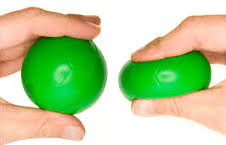
By a rigid body, we generally mean a hard solid object having a definite shape and size. As we know that solid bodies are not perfectly rigid. They can be moulded or given any shape. A body may get deformed, if an external force is applied on it. When the deforming force is removed, some bodies tend to regain their original size and shape while others do not show any such tendancy.
Deforming Force :-
If a force is applied on a body which is neither free to move nor free to rotate, the molecules of the body experience a force that tends to change their relative positions. As a result, the body may undergo a change in length, volume or shape. The force responsible for it is known as a deforming force.
DEFORMING FORCE
Elasticity :-
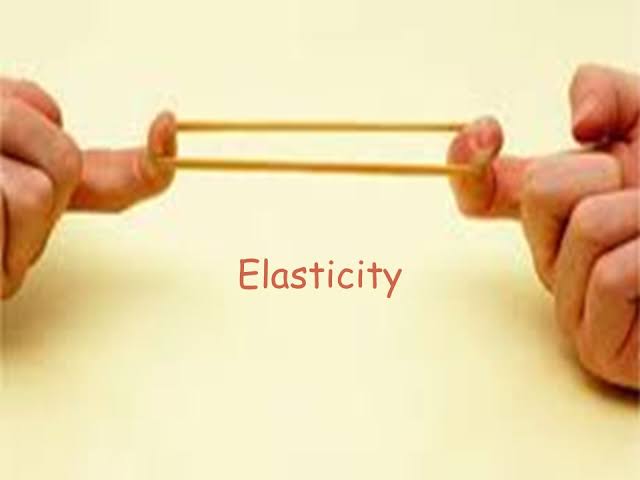
Elasticity is defined as if a body regains its original shape and size after the deforming force is applied on it. The objects and materials that follow this property are known as elastic bodies. We can call it a temporary change.
Perfectly Elastic Body :-
This is defined as the nature of an object to regain its original shape and size immediately and completely after the deforming force applied on it is removed. The objects and materials that follow this property are considered as perfectly elastic bodies. Example is rubber band, quartz filter, etc.
Plasticity :-
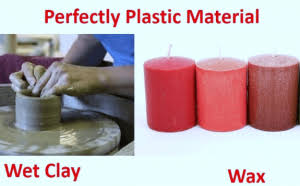
Plasticity is defined as a nature of an object or material in which it does not able to regain its original shape and size even after the deforming force applied on it is removed completely. We can call it a permanent change.
Perfectly Plastic Body :-
This is defined as the nature of an object or material in which it completely regains its original size and shape after the deforming force applied on it is completely removed. Example is mud.
STRESS :-
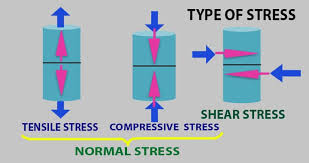
When a body tries to regain its original shape and size after the removal of deforming force applied on it, then an internal force is generated within the body. This internal force responsible for helping the object to gain its original shape and size is nothing but stress. Stress is the internal force of an object acting per unit area. Its SI unit is Nm2 and CGS unit is dyne cm-2 . Types of Stress :-
Tensile Stress –If after applying stress on a body such that the length of the body increases in the direction of the deforming force then it is considered as tensile stress. It’s other name is longitudinal stress.
Compressional Stress –If the length of the body decreases in the direction in which the stress is applied, then it is known as Compressional stress.
Hydrostatic Stress –If force is applied on the body in a uniform manner, then this type of stress is commonly known as hydrostatic stress.
Tangential or Shearing Stress –In this case, the force is applied on the body in a tangential manner such that it leads to change in the shape of the body. This stress is known as tangential or shearing stress.
Injuries to areas of the body that is usually protected /covered.
Delay in seeking medical attention for a child
Is violent to animals or other children
Tries to hide bruises or other injuries
May be extremely withdrawn or extremely aggressive
Is wary of adults or of a particular individual
Cannot recall how the injuries occurred or gives inconsistent explanations
Emotional Abuse
It occurs when a child’s emotional, psychological or social well-being and sense of worth is continually battered. It can include a pattern of criticizing, rejecting, discriminating, degrading, ignoring, isolating, corrupting, exploiting and terrorizing a child.
Indicator in child
Bed-wetting or bed soiling that has no medical cause
Frequent Headaches, nausea, abdominal pains
Has not attained significant developmental milestones
Displays attention seeking behaviours or displays extreme inhibition in play
When at play, behaviour may model or copy negative behaviour and language used at home
Suffers from severe developmental gaps
Indicator in adults
Constantly labels the child or publicly humiliates the child
Continually threatens the child with physical harm or forces the child to witness physical harm inflicted on a loved one
Has unrealistic expectations of the child
Sexual Abuse
Sexual abuse includes acts where an adult uses a child for a sexual purpose. While it may involve a stranger.
Indicator in child
Torn, stained or bloody underclothing
Bruises, lacerations, redness, swelling or bleeding in genital, vaginal or anal area
Blood in urine or faeces
Unusual or excessive itching or pain in the genital or anal area
Difficulty in sitting and/or walking
Signs of sexually transmitted disease Indicators in a child’s behaviour
Outburst of anger
Self-harm (cutting, burning or other harmful activities)
Age-inappropriate sexual play with toys, self, others
Sophisticated or unusual sexual knowledge
Nightmares, sleeping problems
Becoming withdrawn or very clingy
Becoming unusually secretive
Sudden unexplained personality changes, mood swings and seeming insecure
Regressing to younger behaviours, e.g. bedwetting
Fear of certain places or persons e.g. bedroom or bathroom, friend-uncle
Indicators in adult behaviour
Insist on physical affection such as kissing, hugging or wrestling even when the child clearly does not want it.
Insist on time alone with a child with no interruptions.
Spend most of their spare time with children and have little interest in spending time with people their own age.
Frequently walk in on children/ teenagers in the bathroom.
Treat a particular child as a favourite, making them feel ‘special’ compared with others in the family.
Regularly offer to baby-sit children for free or take children on overnight outings alone.
Buy children expensive gifts or give them money for no apparent reason.
What to do??
Learn to recognize the signs
Provide a listening ear
Offer help
Give helpful information
Explain that violence is not OK
Look for community systemic support for the family
Can contact Childline (1098) to talk over your concerns confidentially with a trained social worker.
Take following steps on Emergency
Step-1: Immediately contact parents if child is not abused by parents and if child can give information of his/her parents.
Step-2: Contact any one of the following agencies to provide required support to parents and child: DCPU, SJPU, Childline, CPCs, Police or CWC. You can also take help from credible NGOs working on Child Rights in your area.
Step-3: Provide emergency support such as medical aid, clothing, food and transportation to safe places. Make sure that you handover this child to responsible adults from above mentioned list only.
Step-4: Help authorities with whatever information and evidence you have as regards abuse of the child to make sure that the abuser is punished. If possible give written information.
Step-5: Maintain privacy to ensure that the name of the child is not disclosed to media or public in any ways.
Prevention
Create Safe places for children in community, neighbourhood and society.
Create Structures and Systems where children can express their feelings and emotions freely without any inhibitions.
Create Structures and Systems to ensure safety and to ensure that children are supervised.
Educate children about safety measures. Provide information about the emergency contact numbers.
Create awareness: About child protection systems and networks. Keep this information handy.
Build network of concern individuals and groups to help children. Develop support systems for children.
Article describing how to analyze subreddit discussions to validate startup concepts, referencing RedScraper and linking naturally to Reddit data scraping and Reddit market research tools.
Many individuals nowadays have lost sight of their hobbies, interests, and passions as a result of their stressful lives. As a consequence, individuals suffer from stress as a result of overwork and weariness.
Stress is really intense. It could have a detrimental influence on both your physical and emotional health. Whenever you think, your mind is in continual contact with your body. Your ideas generate feelings and emotions, which can be impacted by environmental stresses. This demonstrates how intimately the mind and body are linked, making it critical to identify the role stress tends to play in your daily lives.
Sadly, despite the evident negative impacts of stress, many individuals continue to ignore it. Nevertheless, properly combating stress requires prioritising your own needs. It’s time for action if you’d like to reclaim your rhythm after being stressed out.
While it is difficult to escape stress in life, you can learn how to manage it efficiently. There seem to be measures you could do to help you cope with daily pressures more effectively so you can get back into your flow easily.
1. Recognize The Sources Of Stress
One of the primary causes of stress is a hectic and unhealthy lifestyle, however this varies from person to person. Make a list of the things in your life that are giving you stress. Is it effective? Is it a personal issue? This is the first and most important step in properly combating stress. The more you understand what causes your anxiety or concern, the better you will be able to handle or combat stress.
2. Cultivate Mindfulness
When you are worried, your brain and body’s normal reaction is to fight or flee. Meditation and breathing techniques, on the other hand, have also been shown to perform marvels in terms of stress relief and perhaps even improvement in mental health. Find a few periods of solace each day when you can relax and make some time for yourself to get through your concerns and cleanse your thoughts.
3. Prioritize self-care
Why aren’t you taking care of yourself the same way you take care of your house with regular upgrades or your car with planned maintenance? Among the most essential realisations is that no one can take more care of you than yourself. Ignoring oneself makes you increasingly vulnerable towards the dangers of stress. While scheduling time for self-care, keep the following in mind:
While it may seem self-evident, it bears repeating: eat well, exercise frequently, and get enough sleep. Many individuals do not realise this, yet it may have an impact on how you felt during the day. If you eat poorly and don’t get enough sleep, it’s simple to notice indications of stress in your body.
Many individuals feel uneasy about investing money on self-care items or services. If you have troublesome skin, arrange for a consultation with an expert who can help you clean your skin. If crystals provide you a burst of mental and physical vitality, purchase that citrine bracelet and make yourself happy
4. Rise Up and Begin Moving
Getting up and moving about is among the best methods to combat stress and feel better. Although it may be tough to find opportunities for proper exercise once you have a career and a home to look after, you should make an attempt if you’d like to regain your flow. Endorphins are hormones that make us feel good while you workout. You will feel much better on the inside if you feel happy about your physique.
5. Align Yourself with Positive People
Understand that you are not alone in your battle against stress. You should surround yourself with individuals who can help you manage your stress levels in check so it doesn’t spiral out of control. Stress may cause feelings of loneliness, so make an effort to spend more time with your loved ones.
Seek comfort and guidance from reliable loved ones. There are also several support systems available, so if you don’t feel at ease approaching anybody about your stress issues, you can always join any of them just for added help. Spend time around individuals who make you happy and do activities which bring you joy.
It can also be difficult to determine where to start when attempting to combat stress. Although stress is a normal part of life, it may sometimes become excessive and cause physical and mental issues. Joy and comfort are within your grasp—try either of these tactics and you’ll see that you can definitely battle stress and reclaim your flow!
Everyone goes through stress in their day-to-day life. Also, everyone goes through different types of stress and has different ways to manage it. But, do we know our stress? How to manage our stress? And do we know stress can be positive also? Well, some of us do and some of us don’t. So, let’s find about Stress and how to manage it.
What is Stress?
Stress is the psychological, physiological, and behavioral response by an individual when they perceive a lack of equilibrium between the demands placed upon them and their ability to meet those demands, which, over some time, leads to ill-health. (Palmer, 1989)
What are types of stress?
There are three commonly known stresses and they are:-
I) Acute Stress:-
The most common stress we encounter in day-to-day life is Acute stress. It is short-term stress that can either be positive or negative.
II) Chronic Stress:-
It is the opposite of Acute stress. Chronic stress feels never-ending and has serious impacts on life. For example, the stress of bad marriage, traumatic experiences.
III) Episodic Acute Stress:-
When a person experiences Acute stress more frequently then that stress is known as Episodic Acute stress. Episodic Acute stress can be very exhausting both physically and mentally.
How do you know if you’re going through stress?
As mentioned above, everyone goes through different types of stress. Mentioned below are some of the common symptoms of stress:-
★ Difficulty sleeping;
★ Weight gain or weight loss;
★ Stomach pain;
★ Heartburn;
★ Excessive sleeping;
★ Social isolation;
★ Fatigue;
★ Nausea;
★ Irritability;
★ Teeth grinding;
★ Panic attacks;
★ Headaches;
★ Difficulty concentrating;
★ Sweaty hands or feet;
★ Feeling overwhelmed;
★ and obsessive or compulsive behaviors.
Now that you know enough about stress, its types, and its symptoms, let’s know about stress management and some stress management techniques.
What is Stress management?
Stress management is what it sounds like, it is a set of techniques and programs planned to help people with stress.
Mentioned below are some different Stress management techniques and strategies:-
I) Take a break from technology.
II) Manage your time.
III) Stop overthinking.
IV) Create healthy boundaries.
V) Make changes in your diet and exercise regularly.
VI) Start Meditating.
VII) Get enough sleep.
VIII) Talk to your family and friends.
IX) Build resilience.
X) Practice Mindfulness.
Stress can affect you and your surrounding. So be aware of what kind of stress you are going through. And start practicing the techniques mentioned above for your well-being. Take time to time breaks from your work. And always remember not every stress has a negative impact, some of the stress pushes you to make the best out of it.
Live your life, live your dreams, live it with more positive stress than negative.
It may seem that there’s nothing you can do about your stress level. The bills aren’t going to stop coming, there will never be more hours in the day for all your errands, and your career or family responsibilities will always be demanding. But you have a lot more control than you might think. In fact, the simple realization that you’re in control of your life is the foundation of stress management. Managing stress is all about taking charge: taking charge of your thoughts, your emotions, your schedule, your environment, and the way you deal with problems. The ultimate goal is a balanced life, with time for work, relationships, relaxation, and fun – plus the resilience to hold up under pressure and meet challenges head on.
Identify the sources of stress in your life: Stress management starts with identifying the sources of stress in your life. This isn’t as easy as it sounds. Your true sources of stress aren’t always obvious, and it’s all too easy to overlook your own stress-inducing thoughts, feelings, and behaviors. Sure, you may know that you’re constantly worried about work deadlines. But maybe it’s your procrastination, rather than the actual job demands, that leads to deadline stress. Think about the ways you currently manage and cope with stress in your life. Your stress journal can help you identify them. Are your coping strategies healthy or unhealthy, helpful or unproductive? Unfortunately, many people cope with stress in ways that compound the problem. Unhealthy ways of coping with stress: These coping strategies may temporarily reduce stress, but they cause more damage in the long run: • Smoking • Drinking too much • Overeating or undereating • Zoning out for hours in front of the TV or computer • Withdrawing from friends, family, and activities • Using pills or drugs to relax • Sleeping too much • Procrastinating • Filling up every minute of the day to avoid facing problems • Taking out your stress on others (lashing out, angry outbursts, physical violence)
Learning healthier ways to manage stress: If your methods of coping with stress aren’t contributing to your greater emotional and physical health, it’s time to find healthier ones. There are many healthy ways to manage and cope with stress, but they all require change. You can either change the situation or change your reaction. When deciding which option to choose, it’s helpful to think of the four As: avoid, alter, adapt, or accept. Since everyone has a unique response to stress, there is no “one size fits all” solution to managing it. No single method works for everyone or in every situation, so experiment with different techniques and strategies. Focus on what makes you feel calm and in control. Not all stress can be avoided, and it’s not healthy to avoid a situation that needs to be addressed. You may be surprised, however, by the number of stressors in your life that you can eliminate. ●Learn how to say “no” – Know your limits and stick to them. Whether in your personal or professional life, refuse to accept added responsibilities when you’re close to reaching them. Taking on more than you can handle is a surefire recipe for stress. ●Avoid people who stress you out – If someone consistently causes stress in your life and you can’t turn the relationship around, limit the amount of time you spend with that person or end the relationship entirely. ●Take control of your environment – If the evening news makes you anxious, turn the TV off. If traffic’s got you tense, take a longer but less-traveled route. If going to the market is an unpleasant chore, do your grocery shopping online. ●Avoid hot-button topics – If you get upset over religion or politics, cross them off your conversation list. If you repeatedly argue about the same subject with the same people, stop bringing it up or excuse yourself when it’s the topic of discussion. ●Pare down your to-do list – Analyze your schedule, responsibilities, and daily tasks. If you’ve got too much on your plate, distinguish between the “shoulds” and the “musts.” Drop tasks that aren’t truly necessary to the bottom of the list or eliminate them entirely. ●Express your feelings instead of bottling them up. If something or someone is bothering you, communicate your concerns in an open and respectful way. If you don’t voice your feelings, resentment will build and the situation will likely remain the same. ●Be willing to compromise. When you ask someone to change their behavior, be willing to do the same. If you both are willing to bend at least a little, you’ll have a good chance of finding a happy middle ground. ●Be more assertive. Don’t take a backseat in your own life. Deal with problems head on, doing your best to anticipate and prevent them. If you’ve got an exam to study for and your chatty roommate just got home, say up front that you only have five minutes to talk. ●Manage your time better. Poor time management can cause a lot of stress. When you’re stretched too thin and running behind, it’s hard to stay calm and focused. But if you plan ahead and make sure you don’t overextend yourself, you can alter the amount of stress you’re under. ●Focus on the positive. When stress is getting you down, take a moment to reflect on all the things you appreciate in your life, including your own positive qualities and gifts. This simple strategy can help you keep things in perspective. ●Set aside relaxation time. Include rest and relaxation in your daily schedule. Don’t allow other obligations to encroach. This is your time to take a break from all responsibilities and recharge your batteries. ●Connect with others. Spend time with positive people who enhance your life. A strong support system will buffer you from the negative effects of stress. ●Do something you enjoy every day. Make time for leisure activities that bring you joy, whether it be stargazing, playing the piano, or working on your bike. ●Keep your sense of humor. This includes the ability to laugh at yourself. The act of laughing helps your body fight stress in a number of ways.
Learn the relaxation response: You can control your stress levels with relaxation techniques that evoke the body’s relaxation response, a state of restfulness that is the opposite of the stress response. Regularly practicing these techniques will build your physical and emotional resilience, heal your body, and boost your overall feelings of joy and equanimity.
It may seem that there’s nothing you can do about your stress level. The bills aren’t going to stop coming, there will never be more hours in the day for all your errands, and your career or family responsibilities will always be demanding. But you have a lot more control than you might think. In fact, the simple realization that you’re in control of your life is the foundation of stress management.
Managing stress is all about taking charge: taking charge of your thoughts, your emotions, your schedule, your environment, and the way you deal with problems. The ultimate goal is a balanced life, with time for work, relationships, relaxation, and fun – plus the resilience to hold up under pressure and meet challenges head on.
Identify the sources of stress in your life-
Stress management starts with identifying the sources of stress in your life. This isn’t as easy as it sounds. Your true sources of stress aren’t always obvious, and it’s all too easy to overlook your own stress-inducing thoughts, feelings, and behaviors. Sure, you may know that you’re constantly worried about work deadlines. But maybe it’s your procrastination, rather than the actual job demands, that leads to deadline stress.
To identify your true sources of stress, look closely at your habits, attitude, and excuses:
Do you explain away stress as temporary (“I just have a million things going on right now”) even though you can’t remember the last time you took a breather?
Do you define stress as an integral part of your work or home life (“Things are always crazy around here”) or as a part of your personality (“I have a lot of nervous energy, that’s all”).
Do you blame your stress on other people or outside events, or view it as entirely normal and unexceptional?
Until you accept responsibility for the role you play in creating or maintaining it, your stress level will remain outside your control.
Start a stress journal-
A stress journal can help you identify the regular stressors in your life and the way you deal with them. Each time you feel stressed, keep track of it in your journal. As you keep a daily log, you will begin to see patterns and common themes. Write down:
What caused your stress (make a guess if you’re unsure).
How you felt, both physically and emotionally.
How you acted in response.
What you did to make yourself feel better.
Look at how you currently cope with stress-
Think about the ways you currently manage and cope with stress in your life. Your stress journal can help you identify them. Are your coping strategies healthy or unhealthy, helpful or unproductive? Unfortunately, many people cope with stress in ways that compound the problem.
Unhealthy ways of coping with stress-
These coping strategies may temporarily reduce stress, but they cause more damage in the long run:
• Smoking • Drinking too much • Overeating or undereating • Zoning out for hours in front of the TV or computer • Withdrawing from friends, family, and activities • Using pills or drugs to relax • Sleeping too much • Procrastinating • Filling up every minute of the day to avoid facing problems • Taking out your stress on others (lashing out, angry outbursts, physical violence)
Learning healthier ways to manage stress-
If your methods of coping with stress aren’t contributing to your greater emotional and physical health, it’s time to find healthier ones. There are many healthy ways to manage and cope with stress, but they all require change. You can either change the situation or change your reaction. When deciding which option to choose, it’s helpful to think of the four As: avoid, alter, adapt, or accept.
Since everyone has a unique response to stress, there is no “one size fits all” solution to managing it. No single method works for everyone or in every situation, so experiment with different techniques and strategies. Focus on what makes you feel calm and in control.
Not all stress can be avoided, and it’s not healthy to avoid a situation that needs to be addressed. You may be surprised, however, by the number of stressors in your life that you can eliminate.
Learn how to say “no” – Know your limits and stick to them. Whether in your personal or professional life, refuse to accept added responsibilities when you’re close to reaching them. Taking on more than you can handle is a surefire recipe for stress.
Avoid people who stress you out – If someone consistently causes stress in your life and you can’t turn the relationship around, limit the amount of time you spend with that person or end the relationship entirely.
Take control of your environment – If the evening news makes you anxious, turn the TV off. If traffic’s got you tense, take a longer but less-traveled route. If going to the market is an unpleasant chore, do your grocery shopping online.
Avoid hot-button topics – If you get upset over religion or politics, cross them off your conversation list. If you repeatedly argue about the same subject with the same people, stop bringing it up or excuse yourself when it’s the topic of discussion.
Pare down your to-do list – Analyze your schedule, responsibilities, and daily tasks. If you’ve got too much on your plate, distinguish between the “shoulds” and the “musts.” Drop tasks that aren’t truly necessary to the bottom of the list or eliminate them entirely.
Stress management strategy #2: Alter the situation-
If you can’t avoid a stressful situation, try to alter it. Figure out what you can do to change things so the problem doesn’t present itself in the future. Often, this involves changing the way you communicate and operate in your daily life.
Express your feelings instead of bottling them up. If something or someone is bothering you, communicate your concerns in an open and respectful way. If you don’t voice your feelings, resentment will build and the situation will likely remain the same.
Be willing to compromise. When you ask someone to change their behavior, be willing to do the same. If you both are willing to bend at least a little, you’ll have a good chance of finding a happy middle ground.
Be more assertive. Don’t take a backseat in your own life. Deal with problems head on, doing your best to anticipate and prevent them. If you’ve got an exam to study for and your chatty roommate just got home, say up front that you only have five minutes to talk.
Manage your time better. Poor time management can cause a lot of stress. When you’re stretched too thin and running behind, it’s hard to stay calm and focused. But if you plan ahead and make sure you don’t overextend yourself, you can alter the amount of stress you’re under.
Stress management strategy #3: Adapt to the stressor-
If you can’t change the stressor, change yourself. You can adapt to stressful situations and regain your sense of control by changing your expectations and attitude.
Reframe problems. Try to view stressful situations from a more positive perspective. Rather than fuming about a traffic jam, look at it as an opportunity to pause and regroup, listen to your favorite radio station, or enjoy some alone time.
Look at the big picture. Take perspective of the stressful situation. Ask yourself how important it will be in the long run. Will it matter in a month? A year? Is it really worth getting upset over? If the answer is no, focus your time and energy elsewhere.
Adjust your standards. Perfectionism is a major source of avoidable stress. Stop setting yourself up for failure by demanding perfection. Set reasonable standards for yourself and others, and learn to be okay with “good enough.”
Focus on the positive. When stress is getting you down, take a moment to reflect on all the things you appreciate in your life, including your own positive qualities and gifts. This simple strategy can help you keep things in perspective.
Stress management strategy #4: Accept the things you can’t change-
Some sources of stress are unavoidable. You can’t prevent or change stressors such as the death of a loved one, a serious illness, or a national recession. In such cases, the best way to cope with stress is to accept things as they are. Acceptance may be difficult, but in the long run, it’s easier than railing against a situation you can’t change.
Don’t try to control the uncontrollable. Many things in life are beyond our control— particularly the behavior of other people. Rather than stressing out over them, focus on the things you can control such as the way you choose to react to problems.
Look for the upside. As the saying goes, “What doesn’t kill us makes us stronger.” When facing major challenges, try to look at them as opportunities for personal growth. If your own poor choices contributed to a stressful situation, reflect on them and learn from your mistakes.
Share your feelings. Talk to a trusted friend or make an appointment with a therapist. Expressing what you’re going through can be very cathartic, even if there’s nothing you can do to alter the stressful situation.
Learn to forgive. Accept the fact that we live in an imperfect world and that people make mistakes. Let go of anger and resentments. Free yourself from negative energy by forgiving and moving on.
Stress management strategy #5: Make time for fun and relaxation-
Beyond a take-charge approach and a positive attitude, you can reduce stress in your life by nurturing yourself. If you regularly make time for fun and relaxation, you’ll be in a better place to handle life’s stressors when they inevitably come.
Healthy ways to relax and recharge
Go for a walk.
Spend time in nature.
Call a good friend.
Sweat out tension with a good workout.
Write in your journal.
Take a long bath.
Light scented candles
Savor a warm cup of coffee or tea.
Play with a pet.
Work in your garden.
Get a massage.
Curl up with a good book.
Listen to music.
Watch a comedy
Don’t get so caught up in the hustle and bustle of life that you forget to take care of your own needs. Nurturing yourself is a necessity, not a luxury.
Set aside relaxation time. Include rest and relaxation in your daily schedule. Don’t allow other obligations to encroach. This is your time to take a break from all responsibilities and recharge your batteries.
Connect with others. Spend time with positive people who enhance your life. A strong support system will buffer you from the negative effects of stress.
Do something you enjoy every day. Make time for leisure activities that bring you joy, whether it be stargazing, playing the piano, or working on your bike.
Keep your sense of humor. This includes the ability to laugh at yourself. The act of laughing helps your body fight stress in a number of ways.
Learn the relaxation response
You can control your stress levels with relaxation techniques that evoke the body’s relaxation response, a state of restfulness that is the opposite of the stress response. Regularly practicing these techniques will build your physical and emotional resilience, heal your body, and boost your overall feelings of joy and equanimity.
“Working long hours is a major risk factor for heart-related ailments, almost equivalent to having diabetes and hypertension together,” said a doctor
In May 2021, the World Health Organization (WHO) found that long working hours have been increasing deaths from heart disease and stroke. In the pandemic, this has become a more pressing issue, as working from home has caused people to spend long hours in front of their computer screens. The report by WHO and ILO found that this work-related burden is particularly significant in men. According to Dr Kumar Narayanan, consultant cardiac electrophysiologist at Medicover Hospitals Hyderabad, the link between mental stress and heart disease is well established. “Nowadays, not only are working hours excessively long, but stress at work has escalated exponentially. Work timings are also often unhealthy, extending into odd hours as people work across time zones in a globally-linked world. All this leads to harmful stress responses in the body, along with unhealthy diet, sedentariness, smoking and inadequate sleep.” Weighing his thoughts on this, Dr P C Mondal, a senior consultant intervention cardiologist and HOD at Kolkata’s Apollo-Gleneagles Hospital said while patients with pre-existing cardiovascular diseases (especially heart failure) and those with coronary risk factors (diabetes, obesity) are at an increased risk of severe disease and mortality from COVID-19(especially older patients), there may also be the development of new cardiovascular implications (including cardiomyopathy/myocarditis/Acute Coronary Syndromes) in patients without pre-existing cardiovascular diseases.
What are the things that one needs to know –
1. Avoiding a diet rich in fats, salt, low fiber, junk and fast foods. 2. Exercising more. 3. Lowering the consumption of tobacco, or completely stopping it.
“Psychosocial stress includes job-related stress due to long working hours, persistent stress, high work demands, and job insecurity,” he said, adding: “All these factors over a period of 25 years lead to the same level of risk of heart attacks as people who smoke and do not exercise.” Summing it up, Dr Ulhas M Pandurangi, chief of division of cardiac electrophysiology and pacing at Arrhythmia-Heart Failure Academy, Chennai, noted: “Stress can tax the heart dearly. It is clear — working long hours is a major risk factor for heart-related ailments, almost equivalent to having diabetes and hypertension together.”
Foods which are good for a healthy heart –
1. Eat fish high in omega-3s such as salmon, tuna etc 2. Healthy nuts like almonds or walnuts 3. Berries containing phytonutrients such as blueberries, strawberries etc 4. Oats are the comfort food nutrient powerhouse. 5. Fruits like orange and papaya. 6. Dark chocolates 7. Legumes 8. Vegetables like spinach, broccoli etc.
It's not about eating. It's about using the food to deal with anxiety and stress.
Staying at home during the time of this pandemic invited a lot of stress and anxiety for every individual. Since, many of us had become lazy during this time. We have stopped eating healthy as it is easy to order unhealthy food from online stores rather than cooking healthy and learning at home. This habit made us unhealthy, also it is harming our health day by day. Stress along with unhealthy eating is like inviting problems in your own home.
A healthy diet builds a solid, more enduring foundation for your body by reducing oxidation and inflammation and by helping to reduce weight gain.
There are many ways that can reduce your stress and make you feel better. Here, we’ll be discussing about one of them. And it’ll begin from eating healthy during the time of stress. Healthy food can bring wonders to oneself, so stop eating unhealthy food and start eating healthy today. One step to drive away your stress shall begin from here.
Also, there’s a huge difference between eating healthy during stress and stressful eating. One can be beneficial and other one could bring huge disadvantages to you. Moreover, adding some exercise in the routine wouldn’t hurt much.
So, here are some foods that can help you to avoid unhealthy eating and to drive your stress away.
Stay healthy ,stay fit
Sweet Potato– To calm down the stress, sweet potato might work well as it contains potassium, beta-carotene and other vitamins that also reduces the urge to eat carbohydrates and sweets, thus helping you to avoid the urge to eat more.
Eggs- They are packed with vitamins, minerals, amino acids and antioxidants that play an important role in relieving stress.
Chickpeas- They are packed with stress-fighting vitamins and minerals, including magnesium, potassium, B vitamins, zinc, selenium, manganese, and copper that can help in stress reduction.
Dark Chocolate- Many experts say that it helps in reducing stress as it contains flavonoids and magnesium that may reduce the depression symptoms too.
Turmeric- Curcumin in tumeric may help lower anxiety by reducing inflammation and oxidative stress that often increase in people experiencing mood disorders, such as anxiety and depression.
Yogurt- It contains healthful bacteria, Lactobacillus and Bifidobacteria. There is emerging that these bacteria and fermented products have positive effects on brain health.
Green Tea- Theanine in green tea has anti-anxiety and calming effects and may increase the production of serotonin and dopamine.
Warm milk- It has loads of B vitamins that reduce anxiety and improve mood. For instance, vitamin B6 (pyridoxine) raises serotonin levels to perk you up.
Nuts- Nuts are full of nutrients, including B vitamins, along with healthy fatty acids. B vitamins are an important part of a healthy diet and can help reduce stress.
Citrus foods- Flavonoids found in citrus fruits have anti-inflammatory capabilities that are thought to help protect against the chain of events that causes the nervous system to deteriorate.
Oatmeal- Oatmeal is warm and comforting-and it also helps your brain generate the destressing neurotransmitter serotonin.
Green Leafy Vegetables- Green leafy vegetables like spinach contain folate, which produces dopamine, a pleasure-inducing brain chemical, helping you to keep calm.
Start eating right today to nourish your body. So, first step to drive your stress away starts today.
Being born in money or torn away by poverty is the world where we live
The Hallucination
Are the money makers living their life without fear ?
Can a poorer get to live more life than its fated ?
Will you ignore the one who hurt you immensely ?
Or like a coward , can you run from the truth ?
If yes , than pray to god for providing you such an imaginary world . Don’t take it seriously but you really need to wake up .
The Truth
The life that we are living is not a game to play . We need be realistic while taking decisions in our life . I don’t want to sound like an arrogant person . But we need to think before taking any decision because it may or may not harm our future . In our life we only focus on materialistic things and grow accustom to them . Which leads to the situation where we become selfish and fiercely jealous to one’s personality .
We judge them regarding to their status , money , power , clothes and their physique . Ding ding …. It’s time for the truth we become impetuous .
So what we learn from OJO -MOJO . 1. Like OJO that donot study and fail in your class. OR 2. MOJO that learn workhard and get award from the school . I choose options 1 (hehe don’t get any ideas I am a hardworker so I will choose my handsome MOJO not an overconfident OJO )
The REALITY
Not against the world of imagination just a believer of reality .
Life is not easy I agree with you but can we make it easy , Is the question only you can answer .
For me , we can only when we are focusing on our work rather than its result . I am not repulsive about getting a promotion on my first day on the work . But I am excited about learning new things and improve my capabilities . That how we need to react . I didn’t get the idea of getting a luxurious jet when I didn’t even have a penny to spend on my health . Well if you can just don’t forget to take me as well ( Huh.. greedy me ) .
I do imagine my life being in the island with some hot people around me ( its a wild imagination) . Well I can’t change that . But what I can change is the accept the reality ( like sitting in my PJ’s , eating popcorn and drooling over Michele Morrone yeah I am fan of 365 days ) .
Conclusion
Life is a series of natural and spontaneous changes. Don’t resist them; that only creates sorrow. Let reality be reality. Let things flow naturally forward in whatever way they like.
Lao Tzu
things that are written in the blog is my perspective of life . i am not taunting anyone . its your life you can live according to your rules .
and yes pictures that i used in the blogs are from pintrest .
‘Stress’ is a word so often used these days. People often tend to say they are ‘stressed’. It might be because of some work pressure or any personal issues. But do we really know what stress actually means?
Stress is the adaptive response of the body and mind against an external situation, when an individual is unable to meet the demands of the opportunity or the situation, and the outcome of it is crucial and uncertain at the same time.
Stress is evident when there is physical, psychological and/or behavioral change in an individual. However, stress is not always negative or adverse. Heart attacks are very common in people with high stress levels.
Stress is actually a neutral word. It can be either negative or positive. The stress becomes negative when it is developed because of an undesirable events or situations, known as ‘distress’. On the flip side, when stress is developed because of some desirable events or situations with successful effects, it is called as ‘eustress’.
Distress has a negative impact on the physical, psychological and/or behavioral aspects of an individual which results in degradation of performance and/or routine work that he/she might otherwise would have done efficiently. The decision-making ability becomes inefficient and ineffective, sleep cycle is hindered resulting in insomnia or oversleep, and health deteriorates.
Any sort of personal or organizational loss can result in distress. Death of a dear one, loss of job, divorce, all such events leave a negative impact and sense of grief and sadness in an individual. When this feeling of grief and sadness takes over an individual and gets out of his coping abilities, it contributes to distress.
Eustress on the other hand, positively impacts an individual. It is the healthy and developmental stress resulting in improved performance levels, when the level of stress is at optimum level. It ignites a feeling of excitement and keeps an individual motivated to perform his best. The stress for submitting your project within the given deadline or stress for performing your best at your job pushes you to perform the best you can. As there is a sense of competition and will to earn appreciation. You work hard and put all your efforts to achieve the desired result. This is how eustress works. However, this is only possible when the stress level is optimum and under control of the individual. Otherwise, if the stress level is high it might result in distress because of breakdown of the individual, hampering the performance negatively.
How Can You Deal with Stress?
Every individual is unique and has differing stress coping levels. An event that is making a person uncomfortable or anxious might be exciting for another person. A person may be hesitant to speak in public, but another person might love to speak in public. This is how diverse people are. When people are so diverse, how can there be a common solution for stress? There is no “one size fits all” concept in coping with stress.
Often people start to seclude themselves when stress levels are high, as they think no one would understand them. This might be an effect of their experiences where they might have talked about their feelings, but people would have mocked them for it or just ignored, not understanding the seriousness of the issue. But talking about your feelings with someone actually relieves and decreases the burden inside you. Bottling up your feelings actually acts as a ticking time bomb which would explode at some point. Talk to anyone you like to or is close to you.
Indulge yourself into activities you like. It might be listening to music, reading books, sketching, stitching or anything you like. It would help you keep your mind busy, not letting you think of any unnecessary or hyper thoughts. This would help your mind stay peaceful and gradually decrease the stress level.
Yoga and meditation are of immense benefit to heal yourself of stress. It helps you maintain a harmony between your mind and body, increasing your focus and concentration levels, and lowering your stress levels.
Use affirmations for yourself. Stand in front of the mirror and tell yourself “I can do it”, “I have the power to overcome my fears”. This is important because people with stress often give up and think they can’t do anything in the situation prevailing or anything in general. Such affirmations provide a sense of positivity to deal with the stress.
Sometimes stress in not self-curable. It needs medical help at times. When nothing works for you seek foe medical help. Contact a certified psychiatrist or therapist.
However, it is crucial to have proper details about the psychiatrist or therapist so that any wrong treatment doesn’t contribute further scaring to their mental health.



























 Eduindex

You must be logged in to post a comment.