Let’s Relieve Stress [part 1]

[Bhoomika Saini]

From minor challenges to major crises, stress is part of life. And while you can’t always control your circumstances, you can control how you respond to them.

There isn’t a one-size-fits-all option when it comes to stress relief, however. What works for one person might not work for another.

Let’s go through some effective ways to relieve stress.

Short-Term Stress-Relief Strategies You Can Do Anywhere

Whether you’re about to be interviewed for a job or you’re feeling overwhelmed by your child’s behavior at the playground, it’s important to have some stress reduction tools that can lower your stress right now.

The best short-term strategies:

  • Can be performed anywhere
  • Take very little practice to master
  • Are free
  • Provide immediate relief

Try Guided Imagery

Guided imagery is like taking a short vacation in your mind. It can involve imaging yourself being in your “happy place”—maybe picturing yourself sitting on a beach, listening to the waves, smelling the ocean, and feeling the warm sand underneath you.

Guided imagery can be done with a recording where you listen to someone walk you through a peaceful scene. Or, once you know how to do it yourself, you can practice guided imagery on your own. 

Simply close your eyes for a minute and walk yourself through a peaceful scene. Think about all the sensory experiences you’d engage in and allow yourself to feel as though you’re really there. After a few minutes, open your eyes and return to the present moment.

Meditate

Meditation brings short-term stress relief as well as lasting stress management benefits. There are many different forms of meditation to try–each one is unique and brings its own appeal.

You might develop a mantra that you repeat in your mind as you take slow deep breaths. Or, you might take a few minutes to practice mindfulness, which involves being in the moment. Simply pay attention to what you see, hear, taste, touch, and smell.

When you’re focused on the here-and-now, you won’t be able to ruminate about something that already happened and you can’t worry about something in the future. Meditation and mindfulness take practice, but it can make a big difference in your overall stress level.

Practice Progressive Muscle Relaxation

Progressive muscle relaxation involves relaxing all the muscles in your body, group by group. To practice, you can start with a few deep breaths.

Then, practice tightening and relaxing each muscle group, starting with your forehead and moving down to your toes. 

With practice, you’ll learn to recognize tension and tightness in your muscles and you’ll be able to relax more easily. Each time you practice, however, you should experience a feeling of relaxation sweeping through your body. 

Focus on Breathing

Just focusing on your breath or changing the way you breathe can make a big difference to your overall stress level. Breathing techniques can calm your body and your brain in just a few minutes.

The best news is, no one around you will even know you’re doing them. So whether you’re in a stressful meeting or you’re sitting in a crowded theater, breathing exercises could be key to reducing your stress.

While there are many different breathing exercises, like karate breathing, a few simple ones include:

  1. Breathe in through your nose and watch your belly fill with air. Count slowly to three as you inhale. Hold for one second and then slowly breathe out through your nose as you count to three again.
  2. Breathe in through your nose and imagine that you’re inhaling peaceful, calm air. Imagine that air spreading throughout your body. As you exhale, imagine that you’re breathing out stress and tension. 

Take a Walk

Exercise is a fantastic stress reliever that can work in minutes. Taking a walk allows you to enjoy a change of scenery, which can get you into a different frame of mind, and brings the benefits of exercise as well.

So whether you just need to take a stroll around the office to get a break from a frustrating task or you decide to go for a long walk in the park after work, walking is a simple but effective way to rejuvenate your mind and body.
Fast-Acting Stress-Relief Strategies That Work Well at Home

In the privacy of your own home, there are many stress relief strategies that can help you relax fast. So whether you’ve had a tough day at work or you’re stressed about how much you have to do, these strategies can give you some immediate relief from your stress.

Get a Hug From a Loved One

Physical touch can do a lot to relieve your stress. Hugging a loved one can be especially beneficial.

When you hug someone, oxytocin (also known as the “cuddle hormone”) is released. Oxytocin is associated with higher levels of happiness and lower levels of stress.

Oxytocin also causes a reduction in blood pressure. It reduces the stress hormone norepinephrine and can produce a sense of relaxation. 

So don’t be afraid to ask a loved one for a hug if you need it. It’s good for both of you and it can be one of the simplest forms of stress relief available.

Enjoy Aromatherapy

Aromatherapy has real benefits for stress relief—it can help you to feel energized, more relaxed, or more present in the moment.

Emerging research suggests certain scents can alter brain wave activity and decrease stress hormones in the body.

So whether you enjoy candles, diffusers, or body products, consider incorporating some aromatherapy into your day. 

Create Artwork

Getting in touch with your creative side may have been easy for you during childhood, but if you’ve lost touch with your penchant for artwork, it’s not too late to pick it up again.

If you aren’t into drawing or painting, consider coloring in a coloring book. Adult coloring books have risen in popularity and for good reason—coloring can be a great stress reliever.

Research consistently shows that coloring can have a meditative effect. One study found that anxiety levels decline in people who were coloring complex geometric patterns, making it a perfect outlet for stress reduction.

What Is Ikigai?

Ikigai (ee-key-guy) is a Japanese notion that combines the words iki, which means “alive” or “life,” and gai, which means “benefit” or “value.” When these phrases are combined, they indicate something which provides your life value, significance, or goal.

The notion of ikigai is claimed to have originated from traditional Japanese medicine’s core health and wellness concepts. According to this medical tradition, one’s physiological well-being is influenced by one’s mental wellbeing and perception of meaning in life

Explanations of ikigai are frequently associated with components of social identity, such as job and family life, but it is also explained as something more. It is the concept of finding meaning in all you are doing in life. Interests, relationships, public service and traveling all contribute to your ikigai.

Ikigai is frequently connected with a Venn diagram depicting the points where the following elements overlap:

  • What you love
  • What you are good at
  • What the world needs
  • What you can be paid for

THE DIFFERENT SPHERES OF IKIGAI

WHAT YOU LOVE

This sphere contains everything we do or encounter in life that offers us the most joy and helps us feel the most lively and satisfied. What matters is that we give ourselves permission to think very carefully as to what we enjoy, without regard for whether we are excellent at it, whether the world needs it, or if we can be paid to do it.

WHAT ARE YOU GOOD AT

This sphere contains whatever you are exceptionally great at, such as abilities you’ve learned, interests you’ve pursued, talents you’ve demonstrated since a young age, and so on. It’s possible that you’re excellent at something. This category includes skills or capabilities, regardless of if you are passionate about them, if the world needs them, or if you can be compensated for them.

WHAT THE WORLD NEEDS

The “world” here could refer to mankind overall, a local group with whom you are in contact, or somewhere in between. Whatever the world requires may be established based on your perceptions or the requirements voiced by others. Outside one’s own needs, this area of ikigai links most directly with other people and doing good for others.

WHAT YOU CAN BE PAID FOR

This domain of the diagram also alludes to the world or society as a whole, because it involves what somebody else is prepared to pay you for. Whether you can get compensated for your interests or skills is determined by circumstances such as the condition of the economy, the demand for your passions/talents, and so on.

A “balance point” in this ikigai diagram would thus include something that you are passionate about, are also skilled at, that perhaps the world really needs currently, and for which you will get paid.

IN PURSUIT OF A PURPOSE

Everybody, according to the Japanese culture, possesses ikigai. It denotes the worth that one discovers in their life or the things which make one feel as though their life is worthwhile. It pertains to both mental and spiritual situations that give one the impression that their existence has meaning.

What particularly appeals to me about ikigai is its interchangeability. It is unique to each individual and recognises that the concept of “happy” is really rather complex. Ikigai, as an idea, can grow alongside you. If one route of purpose is no longer available, you may adapt, shift, and follow other pursuits with purpose. This is accommodated by Ikigai.

Even though the present really doesn’t seem right, if you do not feel genuinely valued in your current condition but have a great desire to strive towards, you will have discovered your ikigai.

We frequently measure ourselves to everyone else, and when people around us appear to be doing better than us, we might feel like losers We soon overlook what we’re aiming for and we reject our current journey. This is where I believe ikigai may truly help. When we follow the concepts of ikigai, we are brought back to ourselves, towards our own purposes, and to the road we are taking to get there. Ikigai is just as much about adjustments, difficulties, and blunders as it is about achieving the “ideal” goal of a contented existence.

The concept in itself is not innovative or revolutionary, but it’s worth remembering.

Anger management

Anger is a human emotion. But when its get out of control, it leads to destruction in your relationship, workplace, and etc. It is a unpredictable and powerful emotion, which makes you regret after some time. In this blog, we are going to counter the following topics – What is anger? Types of anger, what is anger management? Anger management techniques, disadvantages of Anger.

Image by Małgorzata Tomczak from Pixabay

What is Anger?

Anger is an intense emotion you feel when something has gone wrong or someone has wronged you. Anger is also a emotion like others. Everyone at some other the point will become angry. When you get angry, your heart beat and blood pressure go up. It can be caused by both internal and external events. You can get angry on a person, an event, or a problem. Also your adrenaline, and noradrenalin levels go up. Anger can have many physical and mental consequences. The external expression of anger can be found in facial expression, body language, and etc.

Types of Anger

  • Passive aggressive It is the indirect way to express negative feeling towards a person.
  • Behavioral it is a type of anger that is expressed physically. It is usually aggressive.
  • Overwhelmed It is a uncontrollable type of anger, it usually causes when a situation is beyond our control. This type of anger results in hopeless situation.

What is Anger management?

Anger management is the way to manage and control your anger. The goal of anger management is to control your emotional feelings that cause anger. It helps you to control your reactions.

Anger management techniques

  1. Think before you speak – it’s easy to say something, But it often regrets, we cannot take our words back. Take few seconds and think and speak. Do not react so fast.
  2. Once you calm, explain the reason for your anger Once you calm down, explain the person the reason behind your anger. Make them understand. This is the best way to control your anger.
  3. Relax Sometimes anger and frustration is caused by problems in our lives, surrounding, etc. Close your eyes and take a deep breathe, think solution for problem, causes for the problem, reasons for problem, and etc. This help you to get solution for your problem.
  4. Change your environment Sometimes changing your environment helps you to change your mood. Go to a place where you can get peace.
  5. Do some exercise physical exercises helps you to reduce your anger. If you feel anger, and just do some exercise like jogging, walking, etc.
  6. Spend time with your friends Spending time with your friends help you to feel better. Explain them the cause for your anger. Get support from them.

Disadvantages of Anger

  1. Outburst of Anger may result in heart attack Anger may effect on our cardiac health, it doubles the chance to get heart attack.
  2. It shortens your life span In a study, it was found that the person who angers often has short life span.
  3. It weakens our immune system You may not believe this but, it is true anger weakens our immune system. Anger imbalance our hormones, which weakens our immune system.

That’s all from my side. I hope you like it.

Things to do in your 20s

Photo by Helena Lopes on Pexels.com

This is the time when you start becoming more independent and truly begin the journey of self- discovery. A time for many big decisions and experiences and certainly is one of the most important phases of your life. Here are few things that one must learn to make the most of this period in life

LEARN FINANCES

Financial education is one of the most important subjects but yet ignored by many young adults. The sooner you start saving, investing and managing, the sooner you will learn and see the results. Since you are young, you don’t really have much to lose, this will help you practice without lasting consequences and will give you a leg up in regards to your peers and provides you with experience. So start planning for the future.

MAKE MISTAKES

Do not fear making mistakes, take the risk, take the chance. Our mistakes are what helps us grow and learn. So, for your 20s, embrace the idea that you will make mistakes and lots of them! But always learn the lesson that it has taught you, or else it would be an effort in vain. These lessons must be the push on your journey towards a better self.

LEARN HEALTHY HABITS

In 20s, health is at its peak, so this creates an illusion for many young adults that they can eat junk and drink anything for pleasure, but these choices have severe long-term consequences on body. So, this time of your life is a good opportunity to establish life-long healthy habits.

Consider your diet, learn to cook, and find a way of exercising that works best for you. Starting early on to build a healthy foundation is likely to improve your well-being significantly and will be one of the best investments for future.

TRAVEL

Even if you are short on your budget, travel your city and neighboring towns, because traveling can add value to your life. When you travel, you learn how to adapt to new situations, it takes you out of our comfort zone and allows you to test yourself. You learn to live with people, often without a common cultural ground or language. It gives a new perspective about life and boosts confidence.

The Impact of Music: Can It Help Your Health?

It’s difficult to discover anyone who doesn’t have a special bond to music. Even though you can’t hold a tune or play a musical instrument, you can certainly draw up a list of songs that bring back nice memories and lift your mood. Doctors have traditionally played their favourite tunes in the surgery room to reduce tension, and bringing music to patients has been related to better clinical outcome.

Music has the ability to evoke any feeling imaginable. It can lift us to unfathomable heights, soothe us in our sadness or loneliness, helps us in expressing our anger or irritation in a non-harmful way, gets our bodies going, and provides peace and serenity to our souls. Music has the ability to boost our health and well-being, which adds to its greatness.Music therapy has been more important in many aspects of recovery over the last few decades.

What precisely is music therapy?

Music therapy is a psychological approach that employs music’s inherently mood-lifting characteristics to assist people in improving their mental health and general health. It is a goal-oriented treatment which may include music creation, songwriting, singing, dancing, hearing music and analyzing music. Music therapy affects the body, mind, and soul. It  may divert the mind, slows down the rhythms of the body, and affect our mood, both of which can impact our actions.

This method of therapy may be beneficial for those suffering from anxiety and depression, as well as improving the quality of life for those suffering from physical ailments. Anybody can participate in music therapy; you wouldn’t need knowledge of music to benefit from it. 

Music therapy treatments are planned with the patient’s general wellbeing, communications skills, cognitive capabilities, psychological well-being, and hobbies in mind.

Types of Music Therapy

Music therapy is an evolving process in which patients participate in the creation of music, or a passive one in which patients hear to or respond to music. Certain therapists may employ a hybrid strategy that includes both active as well as passive musical engagement.

There are many recognized techniques in music therapy, such as:

Analytical music therapy: Analytical music therapy enables you to communicate your unconscious ideas through an improvised musical “conversation” such as singing or playing an instrument, which you may then ponder upon and analyse with your therapist.

Benenzon music therapy: This method integrates some psychoanalytic principles with the process of producing music. The quest for your “musical sound identification,” which defines the exterior sound that most closely fits your interior psychological condition, is part of Benenzon music therapy.

Cognitive behavioural music therapy (CBMT): It blends cognitive behavioural therapy (CBT) with music. Music is utilised in CBMT to encourage certain behaviours and alter others. This method is planned rather than improvised, and it may involve having to listen to music performing, singing, or playing a musical instrument.

Community music therapy: This style focuses on utilising music to support transformation on a group level. It is carried out in a group environment and necessitates a great degree of participation from each participant.

Vocal psychotherapy: In this approach, you engage with your thoughts and desires by using numerous vocal exercises, natural sounds, and breathing techniques. This exercise is intended to help you get in touch with yourself more deeply.

The Advantages of Music Therapy

Because music therapy can be extensively customised, it is appropriate for people of all ages—even very young toddlers can gain from it. It is also adaptable and beneficial to persons with varying degrees of musical expertise as well as varied mental or physical health issues.

Music therapy can stimulate brain areas that regulate memories, feelings, mobility, sensory relay, some autonomic activities, decision-making, and rewards. It can help children and young people with developmental and/or learning impairments enhance their motor skills and improve their communication.

Overall, music therapy has been shown to promote good emotions such as relaxation, happiness, emotional closeness, optimism, and confidence.

MENTAL HEALTH: THAT DRIVES YOUR WELL-BEING

“Health is a state of complete physical, mental and social well-being and not merely the absence of disease or infirmity.”

World Health Organization (WHO)

DEFINING MENTAL HEALTH

The World Health Organization (WHO) defines Mental Health as ” A state of well-being which an individual realizes his or her own abilities, can cope with the normal stresses of life, can work productively, and is able to make a contribution to his or her community.” Mental Health includes many aspects, like psychological, social, emotional well-being etc. and plays a vital role in determining how a person thinks, feels and acts. Mental health helps in determining the stress level of a person and thus can help in reducing it. It helps to relate people with others and make choices. It is important at every stage of life and affects the life in numerous ways.

If a person had mental health problems, then its thinking, mood, behavior, actions etc. will be affected to a great extent and can cause problem in society. Some of the factors that contribute to mental health are :

  1. Biological Factors: Genes or brain chemistry
  2. Life Experiences: Trauma or abuse
  3. Family history of mental health problems

UNDERSTANDING THE RELEVANCE OF MENTAL HEALTH

Mental health is an essential and vital component of health and mental health is similar to the condition, where there is no mental disorder or disabilities. A person with sound mental health is able to realize his or her duty and responsibilities and is capable to cope with the stresses of life which are normal and can work productively, With this the person can efficiently contribute to his or her community.

Mental Health is fundamental ability of an person to think, respond, interact with each other, earn a living and enjoy life. On this basis, we can say that, it is very necessary to preserve, conserve and protect a persona mental health because it can affect other individuals around them, the society, their community and the world itself.

FACTORS DETERMINING MENTAL HEALTH

Numerous factors affect a persons mental health and they can be social, biological and psychological. For example, violence and social pressures can mentally disturb a person.

Poor mental health can affect the way a person responds to others and to the society. It can lead to social change, stressed work conditions, gender discrimination, social exclusion, prejudice, unhealthy lifestyle etc. There are specific factors which can affect a persons mental health and can make people vulnerable to mental health problems and disorders.

PROMOTING MENTAL HEALTH

Different ways to promote mental health:

  1. Socio economic empowerment of women for increasing their access to education, schemes etc.
  2. Early Childhood interventions for providing proper infrastructures which will be child sensitive.
  3. Programs targeting vulnerable people of the society; like migrants, minorities etc.
  4. Mental health promotional educational centers and mental health interventions at work.
  5. Social support for elderly people.
  6. Poverty reduction and social protection to the vulnerable group.
  7. Promotion of rights, opportunities and care to everyone having mental disorders.
  8. Violence prevention and community development programs.

AIDS Awareness

AIDS Awareness

AIDS or Acquired Immuno Deficiency Syndrome is a dreaded disease because it is not yet curable. This killer disease is spreading rapidly throughout the world. It is a disease which can strike anyone, anytime and anywhere unless proper precautions and preventive measures are taken. There are many misconceptions about the disease and the way it spreads. Even a majority of educated urban population is in the dark as far as this fatal and incurable disease is concerned. Many educated young men, women and adults are in the illusion that it can happen only to the prostitutes, rickshaw pullers, truck drivers, labourers or illiterate villagers. The illusion and ignorance is taking a heavy toll on the young men and women in school, colleges and universities and an increasing number of them are being attacked by HIV.

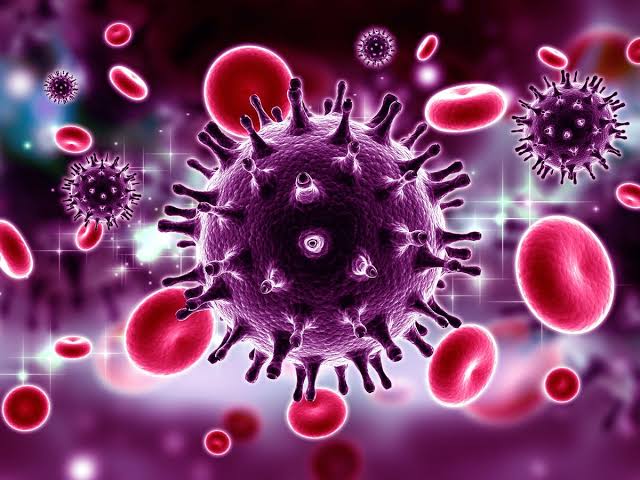
Human Immunodeficiency Virus

This killer disease is caused by a retrovirus called Human Immunodeficiency Virus (HIV). HIV attacks the human immune system by causing increasing loss of T-4 cells of blood. These cells are primarily responsible for energizing immune responses. The HIV infection gradually destroys the entire resistance system and then the patient succumbs to the diseases. The HIV remains somewhat dormant for 10-15 years and it makes its detection difficult in the early stages mainly because the victim remains totally unaware of it and does not go for diagnosis. It makes the diagnosis difficult and the problem more complicated. And then, finally the is caught unaware one day, when he proves HIV positive in the later stages. Within this period he might have transmitted the virus including many innocent children. This is the horrible nature of this disease.

There are about 30 million people affected with AIDS worldwide. In India, there are about 2.4 million confirmed AIDS patients in 2008 according to the statistics of UN AIDS and NACO. The disease is spreading fast in big cities and towns mainly because of lack of proper awareness among the masses. The disease spreads through homo and heterosexual contacts. Intravenous drug abuses, transfusion of blood products from infected persons are other causes of transmission of the dreaded disease. The other cause of its transmission is from infected mothers to their babies.

The disease is still incurable in spite of intensive and worldwide research. However, a patient’s life can be prolonged by 4-5 years by administration of certain drugs and medicines and proper and intensive care of the patient. But these medicines and care are very expensive and beyond the reach of most of the HIV patients. Moreover, the AIDS virus soon develops into a resistant strain to a particular medicine. And it necessitates the administration of a combination or cocktail of a number of drugs. It makes the patient’s care all the more expensive. For want of proper drugs and care the patient does a slow, lingering and painful death. Moreover, an AIDS patient is rejected by one and all. Even close relations refuse to accept an AIDS patient because of mainly misconception about the disease.

Casual contact like handshake or embrace of the HIV patient does not transmit the disease. It cannot be transmitted either by mosquito bite. Though there is no cure for the virus but still the patients deserve better care and treatment from the society. A combination of certain very costly drugs given to the patient can certainly minimise the complication yo certain extent and increase the life of an AIDS patient. These medicines should be produced on a large scale to make them less expensive. They should be made easily available on subsidised rates. The problem can be eased further by a mass movement in its awareness. The students in schools and colleges should be taught how to avoid the disease and help the infected people. There are many problems, issues and questions related to the AIDS patients which need to be discussed and debated before any decision can be taken about them. Really, it is a crisis of humanity and the mankind and should be treated as such. If not, no country or society can successfully fight the menace of AIDS.

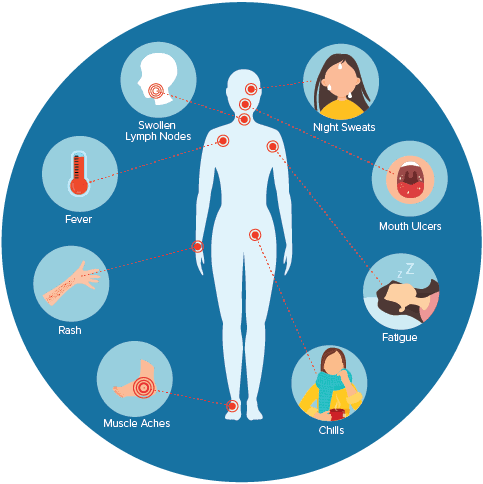
Symptoms of AIDS

STRESS MANAGEMENT :Give your stress wings and let it fly away.

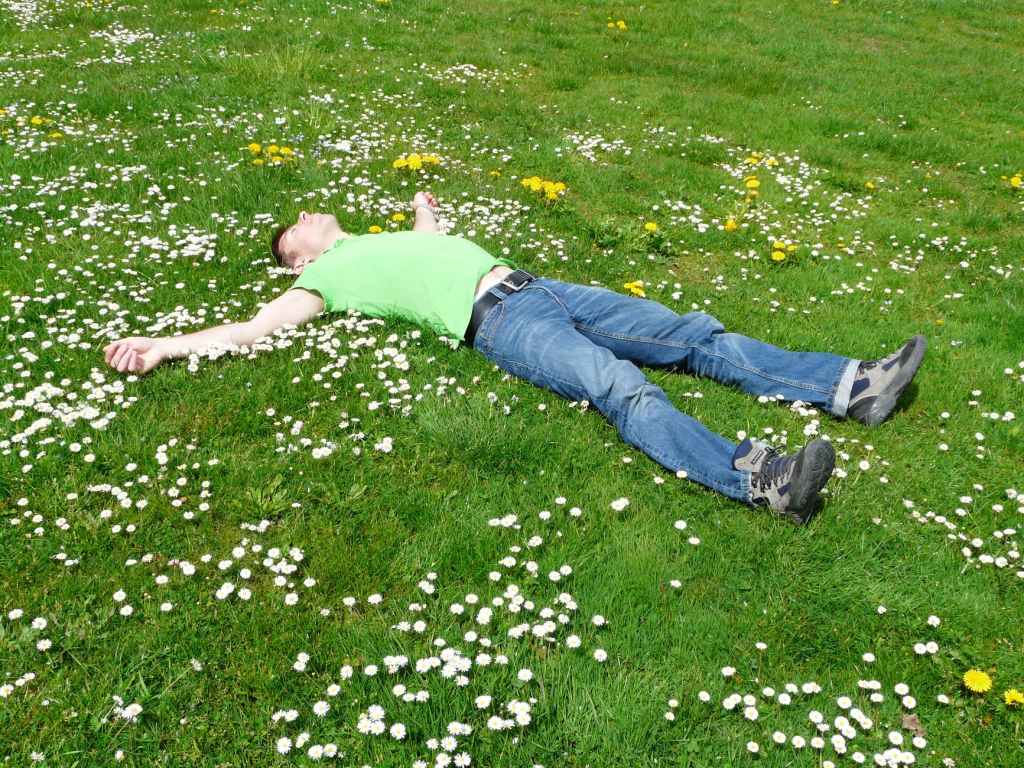
Set peace of mind as your highest goal, and organise ur life around it.

What is stress?

Stress is a natural feeling of not being able to cope with specific demands and events. However, stress can become a chronic condition if a person does not take steps to manage it.

Stress is the body’s natural defense against predators and danger. It causes the body to flood with hormones that prepare its systems to evade or confront danger. People commonly refer to this as the fight-or-flight mechanism.

When humans face a challenge or threat, they have a partly physical response. The body activates resources that help people either stay and confront the challenge or get to safety as fast as possible.

The body produces larger quantities of the chemicals cortisol, epinephrine, and norepinephrine. These trigger the following physical reactions:

  • increased blood pressure
  • heightened muscle preparedness
  • sweating
  • alertness

These factors all improve a person’s ability to respond to a potentially hazardous or challenging situation. Norepinephrine and epinephrine also cause a faster heart rate.

Stress is your body’s response to changes in your life. Because life involves constant change ranging from everyday, routine changes like commuting from home to work to adapting to major life changes like marriage, divorce, or death of a loved one there is no avoiding stress

Your goal shouldn’t be to eliminate all stress but to eliminate unnecessary stress and effectively manage the rest. There are some common causes of stress  that many people experience, but each person is different.

Causes of stress.

stress can be the reason behind high blood pressure.

Stress can come from many sources, which are known as “stressors” Because our experience of what is considered “stressful” is created by our unique perceptions of what we encounter in life (based on our own mix of personality traits, available resources, and habitual thought patterns), a situation may be perceived as “stressful” by one person and merely “challenging” by someone else.

Simply put, one person’s stress trigger may not register as stressful to someone else. That said, certain situations tend to cause more stress in most people and can increase the risk of burnout stress management

How can we manage our stress?

Stress can be effectively managed in many different ways.

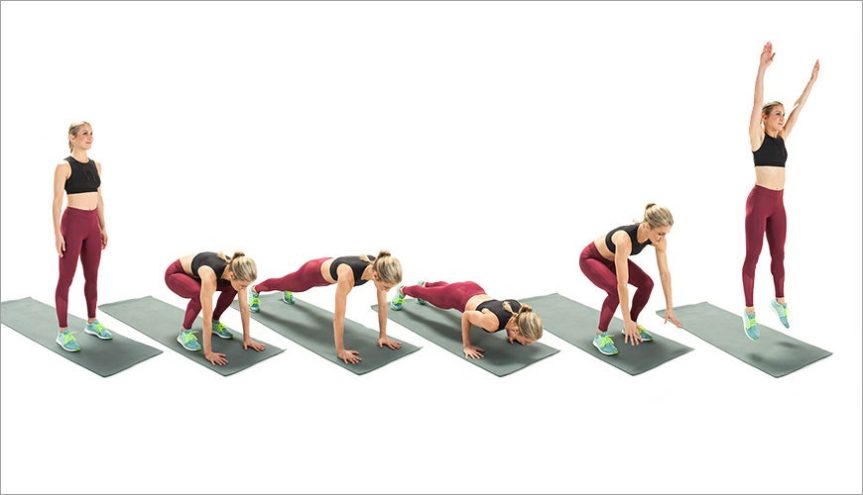
Exercise

Physical activities can help in improving your sleep. And better sleep  means better stress management. Doctors don’t yet know exactly why, but people who exercise more tend to get better deep “slow wave” sleep that helps renew the brain  and body. Just take care not to exercise  too close to bedtime, which disrupts sleep for some people.

Exercise also seems to help mood. Part of the reason may be that it stimulates your body to release a number of hormones like endorphins and endocannabinoids that help block pain, improve sleep, and sedate you. Some of them (endocannabinoids) may be responsible for the euphoric feeling, or “runner’s high,” that some people report after long runs.

People who exercise also tend to feel less anxious and more positive about themselves. When your body feels good, your mind often follows. Get a dose of stress relief with these exercises:

  • Running
  • Swimming
  • Dancing
  • Cycling
  • Aerobics

Diet

The benefits of eating health foods extend beyond your waistline to your mental health. A healthy diet  can lessen the effects of stress, build up your immune system, level your mood, and lower your blood pressure. Lots of added sugar  and fat  can have the opposite effect. And junk food can seem even more appealing when you’re under a lot of stress.

To stay healthy and on an even keel, look for complex carbohydrates, lean proteins, and fatty acids found in fish, meat, eggs, and nuts.

Antioxidants  help too. They protect your cells against damage that chronic stress can cause. You can find them in a huge variety of foods like beans, fruits, berries, vegetables, and spices such as ginger.

Scientists have pinpointed some nutrients that seem to help lessen the effects of stress on the body and mind. Be sure to get enough these as part of a balanced diet:

  • vitamin C
  • Magnesium
  • Omega-3 fatty acids

Sleep

A common side effect of stress is that you may struggle to fall asleep. If this happens three times a week for at least 3 months, you may have insomnia, an inability to fall and stay asleep. Lack of sleep can also add to your stress level and cause a cycle of stress and sleeplessness

Better sleep habits can help. This includes both your daily routine and the way you set up your bedroom. Habits that may help include:

  • Exercise regularly.
  • Get out in the sunlight.
  • Drink less alcohol and caffeine  close to bedtime.
  • Set a sleep schedule.
  • Don’t look at your electronics 30-60 minutes before bed.
  • Try meditation  or other forms of relaxation at bedtim

The role of your bedroom in good sleep hygiene also is importantYour bed also plays an important role. Your mattress should provide support, space and most of all, comfort.

Relaxation Techniques

Yoga. This is a form of exercise, but it can also be a meditation. There are many types of yoga. The ones that focus on slow movement, stretching, and deep breathing  are best for lowering your anxiety  and stress.

Meditation. It has been around for over 5,000 years for a reason. Meditation works well for many people and has many benefits. It can lower stress, anxiety, and chronic pain as well as improve sleep, energy levels, and mood. To meditate, you will need to:

  1. Find a quiet place.
  2. Get comfortable (sitting or lying down).
  3. Focus your attention on a word, phrase, object, or even your breath.
  4. Let your thoughts come and go and do not judge them.

Deep breathing. When you practice deep breathing, you turn on your body’s natural ability to relax. This creates a state of deep rest that can change how your body responds to stress. It sends more oxygen to your brain and calms the part of your nervous system that handles your ability to relax.

Try belly breathing. Get comfortable, close your eyes, and place one hand on your stomach  and the other on your chest. Take a deep breath in through your nose. You should feel your belly rise more than your chest. Now, exhale through your nose and pay close attention to how your body relaxes. Repeat.

How To Practice Mindfulness In Your Everyday Life

The word “mindfulness” is talked about a lot lately, but really what exactly does it necessarily imply? Its origins may be traced back to Buddhist and Hindu beliefs, and it arose from the concepts of enlightenment and nirvana. It is defined as the practise of mindfulness and health of the body, mind, and soul. It is wellness in the sense that it extends beyond eating well and exercising; mental wellbeing, inner peace, sexual health, and so forth.

Everything seems to be quicker, noisier, and ruder nowadays. Everyone around us appears anxious and distracted, their eyes locked to their phones. In this fast-paced world, adopting mindfulness techniques on a regular basis may appear to be a difficult job, but it isn’t as far-fetched as it may appear.

Merely checking in with yourself for 10 seconds may educate us to gain clarity of body and mind, increase productivity all through the day, and empower us to take some responsibility for our mental health. Life might be difficult, but there is never too much happening on to treating yourself as a buddy to keep in touch with during the day.

Here are some ways to practice mindfulness in your everyday life:

Self-care is crucial

Self-care is a means of caring for oneself in the most fundamental ways: allowing yourself to recharge and loving yourself as you would a loved one. Everybody’s experience with mindfulness and mental clarity will differ. It could be meditation, exercising, getting a massage, writing, tidying, or something else.

This idea can also change depending on whether you are an introvert or extrovert. Knowing yourself, your tastes and preferences, and from where you draw your energy is a good first step in treating yourself as a friend.

Spend time with people who are driven and goal-oriented

Whenever it comes to becoming more conscious of your own emotional magnitude, aligning yourself with individuals who value similar habits is a wonderful place to start. Whether that’s around friends, family, or coworkers, the individuals you spend your time with have a greater effect on your everyday routines than you think. Trying to make mental check-ins a goal begins with you, but it can be a tough goal to achieve on your own.

Living mindfully benefits people near you as well as your loved ones. People can gain from exposure to this attitude if you regard yourself with care. Your good energy will wear off on them, regardless of whether they like it or not, and supply them with the compassion, love, and understanding they need.

Improve your work-life balance

When attempting to enhance your job performance, it is natural to get overly focused on your work and ignore your personal life. It is important to understand that you can seldom do better on the job if the other side is in disarray. You will feel anxious, and it will be difficult to concentrate on your task. A healthy work-life balance reduces stress and contributes to the development of a well-rounded individual.

Remember to include your personal hobbies and interests. Maintain a social life so that you have someone to share your trip with. In addition, expand or start a pastime. Taking care of plants, for example, is a fantastic way of spending time off from work. Being surrounded by nature is beneficial because it soothes the mind and stimulates creativity.

At Least 10 Minutes Every Day, Take a breath, Relax, and Repeat

Setting an alarm, pausing whatever I’m working on, closing my eyes, taking calm breaths, and using this time to really think about three things I’m thankful for on that particular day has been useful beginner-level mindfulness practices that I’ve done (and liked) in the past. It helps me to check in with myself, promotes clarity of mind, and generates a pleasant environment.

Regardless of what your views are, prayer may be a powerful technique for centering yourself, reducing stress, and assisting you in relinquishing control over things you can’t influence. It is comparable to meditation in that it demands a similar state of mind.

PHYSICAL FITNESS

Prioritize Your Health & Wellness: Learn The Importance Of Physical Fitness  | Shaw Academy

Different people have different points of view regarding fitness . For a common man to have a good physique is a symbol of physical fitness . For a doctor , the proper functioning of physiological systems is physical fitness . In fact , physical fitness is a simple term with a broad meaning . Physical fitness of a common person means the capacity to do the routine work without any fatigue or exertion and after doing his work he has power to do some more work with quick recovery . Physical fitness is more than the possession of strength and endurance . It means having the best possible health with the capacity to do one’s everyday task , engage in recreational pursuits and meet emergencies , when they arise . As a matter of fact , physical fitness is possessed by that individual , who remains enthusiast , works cheerfully and does the emergency work with vigour . Physical fitness implies a relation between the task to be performed and the individual’s capability to perform it .in fact , to understand the physical fitness in better way , it would be more beneficial to go through the following definitions of physical fitness .

  • According to Webster’s Encyclopaedia , “ It is the ability of a person to do daily routine work without fatigue ; moreover to participate in playful activities and still reserve enough capacity to meet any emergency .
  • According to Don Hoskins ,”The human body’s ability to move with the desired speed , balance , agility and strength gained through proper exercise and nutrition , “
  • According to Kroles , “Successful adaption to the stresses of one’s lifestyle.”
  • According to David R. Lamb , “Physical fitness is the capacity to meet the present and potential physical challenges of life with success .”

In fact , it can be said that physical fitness is the ability to function effectively and efficiently , enjoy leisure , be healthy , resist disease and cope with the emergency situations . Physical fitness varies according to the nature of work , individual’s size , shape of the body , age and sex . For physical fitness , we require an efficient motor mechanism , efficient organic mechanism and an efficient mental functioning .

Health care system in India

• NITI Aayog document – ‘Investment Opportunities in India’s Healthcare Sector’

 Promotes further privatisation of health care
 Explores the pandemic as business opportunity for the health “industry” to grow.
• Author – Importance of public health and an enhanced government role in
health delivery services.
• Story of 2 states (model) Kerala and Maharashtra comparison
 Both are big states – comparable state GDPs
 Kerala COVID mortality – 0.48%
 Maharashtra COVID mortality – 2%.
 Reasons
 Huge differences in the effectiveness of public health systems
 Kerala has more government doctors compared to Maharashtra
 Kerala also has a higher proportion of government hospital beds
 Kerala allocates over one and half times higher funds on public health every year in per capita terms compared to Maharashtra.
 Weak public health system has proved to be a critical deficiency
 Clear message: a neglect of public health systems means large-scale, avoidable losses of lives.

Lacunae in the health care system

  1. Resource allocation
  2. • Central vista project – ₹20,000 crores
  3. • Could be utilised for setting up oxygen plants,
    numerous lives would have been saved.
  4. • Paltry allocation for National Urban health
  5. • Last time allocation – Rs. 1000 crores (amounts to Rs 2 per individual per month)
  6. • Parliamentary Standing Committee – Suggested
    allocating ₹1.6 lakh crores for public health during the current year (almost doubling of the present central health Budget)

2.To regulate the private players in health sector

• High Pricing
 COVID-19 care often costs ₹1 lakh to ₹3 lakh per week in large private hospitals
 Massive hospital bills – untold distress even among the middle class.

• Unregulated drug use
 Eg. Drug Remidesvir was used in COVID patients without valid evidence on
efficacy
 Indiscriminate use of steroids culminated

  • Mucormycosis infections

• Effective implementation of Clinical Establishments (Registration and Regulation)
Act
 Only 11 states have implemented it
 Not effectively implemented due to a major
delay in notification of central minimum
standards, and failure to develop the central framework for regulation of rates.

• In essence : Need to regulate the private
hospitals. And invest more in the public health

Mother Earth – Our home planet

Earth is the only planet where life can exist.

Earth is also called Blue planet.

If we destroy the earth, we destroy the chance of life.

Earth is our mother as we born here,we grow here,we eat ,play and our whole life cycle take place on earth.
Earth  provide everything that we use today whether it is directly or indirectly.

Life existed on earth is as it is suitable for having an atmosphere, suitable temperature and water is present in its liquid form on Earth due to the position of Earth on solar system.

Earth is the third planet from the Sun at a distance of about 93 million miles (150 million km).

We called Mother earth because Earth provide everything to us like a mother. Our existence become possible only due to earth.
Everything that we needed to survive and thrive is only due to our mother earth it provide us  food, shelter, home , water, air, medicine , suitable temperature and everything that we need for our existence.
But we affect our mother Earth in various ways only for the sake of our greed.

Due to our greedy behaviour natural environment of Earth get changes.

Earth provides enough to satisfy Every man’s needs but not Every man’s greed

Mahatma Gandhi

Earth day is celebrated on 22 April.

Thus ,there is a need to  save our mother Earth.

The optimal temperature of earth rises ,the glaciers are melting  and every type of pollution like air pollution water pollution ,soil pollution ,noise pollution every thing are going on its peak and that’s why why every living organism get affected by this.


Due to this anthropogenic action every single living organism get affected even when they don’t take part in this  destructive action.

Anthropogenic action is referred to as the action which is done by humans.

Impact of anthropogenic activities on  earth
First of all the major impact is  due to overpopulation –
● Due to overpopulation the overconsumption of resources are at its peak .
Even after the implementation of various sustainable act but it doesn’t make any major changes on environment.
● To fulfill the requirements of population we need more food supplies that’s why there is increase in uses of fertilizers and various chemicals to increase the food production.
■ And it will leads to lack of nutrients in grains ,soil infertility or or it may leads to desertification.
● To fulfill the requirements of people there is need to increase the land area so it has been observed that it leads to deforestation.
● Anthropogenic activities are responsible for an intensive emission of greenhouse gases to the atmosphere, leads to an increase of 35% of carbon dioxide (CO2, greenhouse gases) emissions between 1990 and 2010.
● Emission of large amount of carbon dioxide and other greenhouse gases leads to rise in temperature of Earth, increase pollution and it causes various type of disease also.
● For affordable price and easy to use the production of plastic also increases.


These all are the the main factors that affect the ecosystems too.

Measures taken to save mother earth:-

  • Reduce, reuse and recycle
  • Choose sustainable development
  • Volunteer for clean up our environment
  • Choose long lasting light bulbs
  • Try to use renewable resource more than non-renewable resources
  • Save water
  • Plant more trees
  • Use public transport system
  • Try to avoid plastic use
  • Try to minimise pollution at individual level
  • Use reusable shopping bags
  • Educate others about anthropogenic activities or the impact of anthropogenic actions on our environment and what can we do to prevent its bad effects

Save earth, save home

Why are supplements bad ?

Anything that changes any natural process is considered to be bad. Supplements used to increase body metabolism by artificial processes are also not good for health, but not all.

What are supplements ?

Supplements include vitamins, minerals, enzymes, amino acids and herbs. They are marketed in many different forms like in tablets, capsules, pills or other forms.

Some common supplements

  • Calcium
  • Green tea
  • Vitamin D
  • Garlic
  • Fish oil
  • Ginseng
  • Echinacea
  • Melatonin
Photo by Nataliya Vaitkevich on Pexels.com

Why supplements are bad ?

It is a less known fact that there is no safety testing of the supplements by FDA. There is no such rule that the potential adverse effects be mentioned on the supplements.

Many people using supplements since decades, don’t even know about the harmful effects of supplements. They just use in the hope of maybe curing some allergies or minor diseases. But supplements are not always safe and beneficial.

Some multivitamins are not known to cause health risks but it’s better to be cautious. Many supplements contain some ingredients that may cause severe biological effects. They may complicate your health any lead to harmful effects.

Things to know before using supplements

  1. Although some supplements come from natural sources, that doesn’t mean they are safe to use.
  • Some supplements may contain many contaminants like drugs or chemicals that make them of poor quality.
  • Do not at any cost combine any supplements.
  • It is also advised to not take supplements along with medicines.
  • Do not substitute supplements for the prescribed medicines.
  • Do not consume supplements in a large quantity.
  • Always speak with your healthcare provider before taking any supplements.

Can Guinea Pigs Eat Apples ?

“An apple a day, keeps the doctor away.” Everyone must have heard this. But is it true for guinea pigs ? Can guinea pigs eat apples ? Are apples safe for them ? Allow us to enlighten you on the fact that guinea pigs can in fact eat apples but with some restrictions. If you pet a guinea pig and are curious to know about their diet then you have come to the right place. Come on, let’s have a look.

Can Guinea Pigs Eat Apples ?

Yes, guinea pigs can eat apples. But listen guinea pig owners, this is for you. You certainly can give your pet apples. But first you just have to take care of the conditions which come with feeding apples to your guinea pig. Here we will tell you all about guinea pigs and apples. This is the perfect guide for your pet regarding apples.

Photo by Scott Webb on Pexels.com

Are Apples safe for Guinea Pigs ?

Yes, apples are safe for guinea pigs but only in moderation. Apples contain a high sugar content which is not considered appropriate for guinea pigs. Here are some listed conditions to take care of before serving apples to guinea pigs.

  1. Apples are safe for guinea pigs but the stem and the seeds  of the apple can have a damaging effect on their health. The seeds contain enough cyanide to have an adverse effect on their health but not enough to kill them. The main reason to not feed apple seeds to guinea pigs is that they might choke on them.
  • Guinea pigs can have apples in a small quantity. Excessive feeding can lead to various problems like diarrhoea and other health issues.
  • Apple skin contains most of the nutrients which are good for guinea pigs. They can eat apples with their skin on and enjoy the  crunchiness of the fruit. Apple skin or peel contains fibre which is good for their health. Unwashed for waxed skin may damage their health.
  • Guinea pigs do like apples, but ensure that you feed them as a treat and not include them in their daily diet.
  • In addition to the crunchy fruit you can also feed them apple leaves. Apples contain calcium which is good for guinea pigs.
  • Unripe, sore or rotten apples can also damage guinea pigs’ health.
  • Guinea pigs enjoy the hard fibrous core of the apples, but make sure they are seed free and not so sour to eat.

What happens if a guinea pig eats too much Apple ?

If your pet ate too much apple, it’s nothing to worry about. It may have a bit of diarrhoea, but it will be fine. Don’t worry about taking it to the vet because there will not be any long-term problems.

Consider feeding them small apple chunks. Since apples are high in sugar content you may want to restrict their diet of apples to once a day or maybe only 2-3 a week.

Too much of an apple to guinea pig may lead to bloating. You may also want to know that Vitamin C is the most important ingredient in a guinea pigs’ diet. And apples have a higher Vitamin C content than most fruits. Apples are considered to be safe and enjoyable for Guinea pigs but they are not the best diet for them.

Till now we have made sure that you know the answer to the main question, which is, “Can Guinea Pigs eat apples ?” Now coming on to the types of apples they can consume and how you should feed them.

Which Type of Apples can Guinea Pigs Eat ?

Apples are the most diverse fruit. It comes in many types, about 2500 different varieties. Let us have a look on which type of apples your furry pet would like to munch on.

Guinea pigs can eat both red and green apples. But as green apples are much more sour than the red ones, your pet may not like them.

Apples come in many varieties, textures and flavours, so you might want to know the preference of your pet before feeding them.

How Much Apple Should a Guinea Pig be Given ?

Guinea pigs can eat apples, but that doesn’t mean they can eat a whole one of them. You should not give your pet a whole apple to eat, maybe not even a half. Guinea pigs like to be served with small chunks of apples for them. Giving anything in excess to them is a health hazard. And as well as apples are not an essential part of a guinea pigs’ diet.

Guinea pigs can also be fed different snacks of apples like apple sticks, apple leaves and many more for your pet. So now, are you sure about your answer to the question, “can guinea pigs eat apples ?’

Most guinea pigs like eating this crunchy food but as we humans, these furry animals are also moody and some of them may not like apples. But it is certain that yes, guinea pigs can absolutely enjoy apples.

What Are Superfoods?

Superfoods are food items that are considered to be highly nutritious and hence beneficial to one’s health. They are primarily plant-based, however some include fish and dairy. Blueberries, salmon, kale, and acai are some of the few foods that have earned the “superfood” moniker. Nevertheless, there are no hard and fast rules for defining what is or isn’t a superfood.

Superfoods include a wide range of nutrients, including antioxidants, that are considered to protect against cancer. They also include good fats, that are considered to protect one against heart disease; fibre, that is believed to reduce diabetes and digestive issues; and phytochemicals, that are the compounds in plants that give plants their vivid colours and aromas and have various health advantages.

Consuming nutrient-dense foods (such as several so-called superfoods) is unquestionably beneficial. The best approach to a balanced diet, however, is to eat a variety of healthy foods in the appropriate proportions.

Some of the most common superfoods are:

BERRIES

Berries’ greater flavonoid content have been found to reduce the chances of a heart attack.  Acai berries, blueberries, raspberries, tart cherries, cranberries, and goji berries are some of the most well-known superfood berries. 

Acai berries are tiny, dark purple berries native to South America. They include 19 amino acids as well as several antioxidants. Blueberries have a high fibre, manganese, and vitamin K content. Cranberries include a flavonoid which helps reduce the incidence of urinary tract infection. Goji berries are a tiny red fruit originating from Asia that is strong in vitamin C and E, as well as a variety of flavonoids. These are commonly used in Eastern medicine for treating diabetes and hypertension as well as to promote the health of the eyes, liver, and kidneys.

SOY

Soybeans contain a high amount of isoflavones, a kind of phytochemical. Phytochemicals are substances which are naturally found in plants. According to some studies, isoflavones in soy assist in lowering the quantity of bad cholesterol in the blood.

Soy has been demonstrated in a few trials to help reduce age-related dementia. Soy isoflavones may help decrease bone degeneration and enhance bone mineral density following menopause, in addition to alleviating menstrual pain.

TEA

Tea has minimal calories, aids in water absorption, and is high in antioxidants. Catechins, which are powerful antioxidants found predominantly in green tea, have anti-inflammatory and anti-carcinogenic effects. According to one study, both green and white tea decreased stress levels, with white tea having an even larger effect. Green tea could possibly possess anti-arthritic properties due to its ability to reduce general inflammation.

LEAFY GREENS

Superfood leafy greens include kale, spinach, Swiss chard, beet greens, and collard greens. These foods tend to be high in vitamin A, C, E, and K, as well as several B vitamins. Carotenoids, iron, magnesium, potassium, and calcium are also abundant in leafy greens.

Kale and other leafy greens are rich in fibre and water content, which aid in constipation prevention and encourage regularity as well as a healthier intestinal system.

SALMON

Salmon and other fatty fish, such as trout and herring, have high omega-3 fatty acid content, which can reduce the risk of irregular heartbeats, lower cholesterol, and prevent the formation of arterial plaque.

DARK CHOCOLATE

Dark chocolate contains a high concentration of flavonoids, according to research. Flavonoids have antioxidant properties, can actually reduce the risk of  coronary heart disease and some forms of cancer, and therefore can enhance the immune system. Cacao powder is the ingredient in chocolate that is mainly responsible for these properties.

WINE AND GRAPES

Resveratrol, a polyphenol contained in wines which has earned itself the moniker “heart healthy,” is found in the skins of red grapes. Several studies have suggested that resveratrol can help prevent diabetic neuropathy and retinopathy. Resveratrol has also been proven to be useful in the treatment of Alzheimer’s disease, the alleviation of menopausal symptoms, and the improvement of blood sugar regulation. Nevertheless, large-scale human-subject research is still needed to validate these conclusions.

Although wine contains antioxidants, remember that munching on grapes provides the very same benefits as well as added fibre.