Why Do Our Brains Require Sleep?

We spend around one-third of our lifetimes sleeping. Sleeping is as crucial to our bodies as having to eat, drink, and breath, and it is critical for sustaining excellent mental and physiological wellness Sleep allows us to recuperate from both mental and physical effort.

Sleep and health are inextricably linked; sleep deprivation increases the likelihood of poor health, and poor health makes it more difficult to sleep. Sleep problems are also one of the earliest symptoms of a health issue. Anxiety and depression, for example, are common mental health issues that are frequently underlying sleep disorders.

Anxiety might lead your mind to rush, making it difficult to sleep. Oversleeping can result from depression, which might cause you to sleep late or sleep a lot throughout the day. If you have disturbing thoughts, it might also induce sleeplessness. Nightmares and night terrors can be caused by post-traumatic stress disorder (PTSD).

These may cause you to wake up and/or make you apprehensive about going asleep. Mania might cause you to feel exhilarated or energised, and you may not feel exhausted or desire to sleep. You may also experience obsessive thoughts that make it difficult to sleep. Medication might cause adverse effects such as sleeplessness, nightmares, and excessive sleep. Sleep issues might also occur after you stop taking your medicine.

We can all gain from bettering our sleeping habits. For most of us, it may simply be a matter of adopting little lifestyle or mindset changes to aid us sleep better. Insomnia (loss of sleep or poor quality sleep) or other sleep issues affect up to one-third of the population.These can have an impact on our mood, energy, and concentration levels, as well as our capacity to stay awake and perform at work during the day.

What factors might contribute to sleep issues?

There are several factors that might influence our sleep. They are as follows:

  • tension or anxiety
  • a change in the sound levels or temperature of your bedroom 
  • a changed schedule, for instance, due to jet lag
  • excessive drinking of  coffee or alcohol
  • consecutive shifts
  • medical or psychiatric issues
  • adverse effects of medications

How to get better sleep?

Often, simple practises might help you sleep better. If they don’t help, talk to your doctor about additional options, especially because sleep disorders might be an indicator of other health concerns.

There are four basic things to think about if you want to recover from a spell of bad sleep:

Health

We know that bad health has an impact on sleep and vice versa. Sleep issues are frequently associated with mental health issues such as sadness and anxiety. It is critical to treat any health problems, for both physical symptoms as well as for any anxieties that may keep you up.

Environment

It is vital to sleep in a comfortable environment, and the bedroom and bed should be the primary areas you connect with sleep. Viewing TV shows playing on your smartphones or other devices, and snacking in bed, especially, all can have an impact on the nature of our sleep. Temperature, excessive noise, and lighting all have an impact on our sleep.

Attitude

It is easy to fall asleep when we can relax and let go of our worries. We’ve all experienced nights wherein we stayed awake and worried. We should attempt to unwind, be less stressed, and calm before going to bed. This might be more difficult than ever these days, but breathing exercises, a hot bath, or meditation can help.

Lifestyle

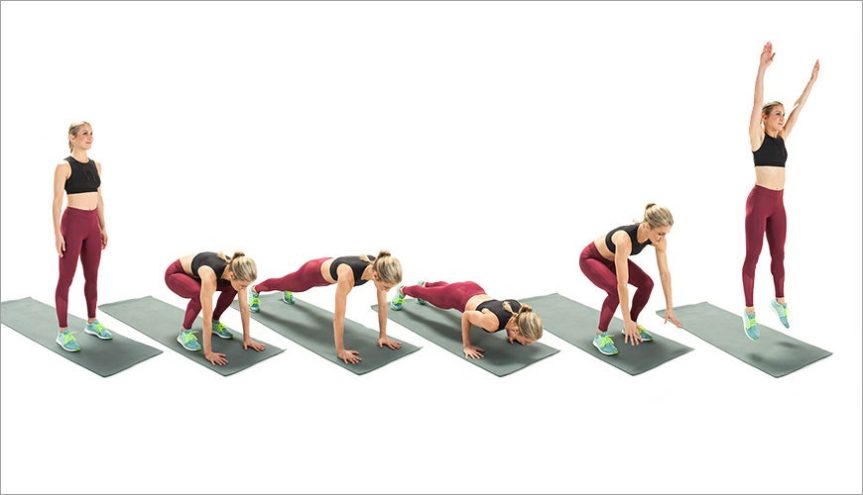
What you consume might have an impact on your sleep. Caffeine and other stimulants can make it difficult to sleep, and a large or heavy meal close to night can make sleep unpleasant. While alcohol may appear to help you fall asleep, it really lowers the quality of your sleep later on. Exercising during the day is also beneficial to sleep, but because it generates adrenaline, exercising in the evening, however, may be less beneficial.
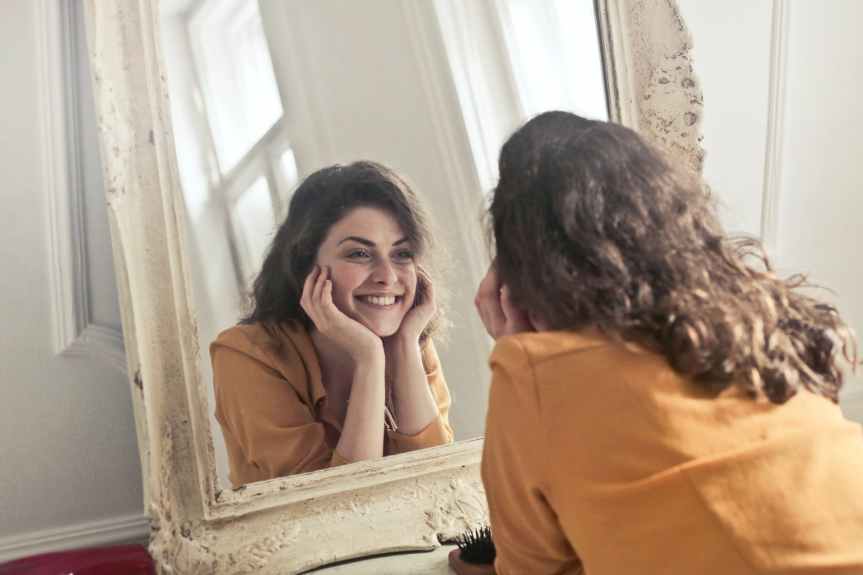

PERSONAL HYGIENE HABITS

One of the best ways to maintain good health is to maintain good personal hygiene. Personal hygiene helps you to stay clean, gives you confidence and has a positive impact on personal relationships, and reduces the risk of illness and adverse medical conditions caused by poor hygiene. Continue to learn about ten ways you can practice personal hygiene.

Ten Practices of Personal Hygiene

  1. Wash Your Hands Regularly: Washing your hands is one of the most effective ways to reduce the spread of infection. You should wash your hands especially before and after meals, after going to the toilet and when you meet a sick person. To get the most effective results, be sure to wash your hands properly.

Brush your hands with clean water and soap.
Put your hands together by rubbing them thoroughly with soap.
Rub your hands for at least 20 seconds.
Wash your hands thoroughly.
Wipe your hands with a towel or dry air.

  1. Bathing: Cleansing your body removes dead skin cells and impurities and helps fight infections. For older adults, it is recommended to bathe or shower at least twice a week to achieve the best results.
  2. Brush your teeth twice a day: Be sure to brush your teeth twice a day, once in the morning and at night, to keep your oral hygiene consistent with regular dental check-ups.
  3. Floss Your Teeth Daily: In addition to brushing your teeth, brush your teeth once a day for proper oral hygiene.
  4. Take Care of Your Nails: Cleaning and cutting your nails reduces the risk of infected hangnails and nail beds.
  5. Wear clean clothes: After dressing, wash them thoroughly with a cleaner and dry them immediately when cleaning. Dirty clothes can catch bacteria that can lead to body odor or even skin irritation.
  6. Shut your mouth when you cough or sneeze: This is very important to avoid spreading the virus to people around you.
  7. Get Sleep Free: Getting enough sleep is important for your health, no matter how old you are. It is recommended that all adults sleep between seven and nine hours a night.
  8. Create a habit: Whatever procedure you can take to maintain your personal hygiene, make a mental checklist or write it down. In this way, you will remember and follow the steps you need to take to stay clean and healthy.
  9. Visit a Doctor: Regular appointment with health professionals can help you catch infections and infections early, making them easier to treat. Visit your healthcare provider where you have concerns and schedule daily check-ups.

What is Beauty?

We live in a culture that is obsessed with beauty. Movies, shows and other media constantly push the idea that we should look good and that we should look for beauty in our partners.

But what is beauty? How do your define it ? What do you find beautiful?

The idea of external beauty tends to be very shallow. A person we know to be cruel and harsh might be attractive, but we would not describe them or see them as beautiful. Even the best make-up or photoshop filters are not enough to make someone truly beautiful.

Beauty is something internal.

A person who is there is for you when you are down, someone who is kind, intelligent, virtuous and giving is lot more beautiful, and that is a beauty that lasts a lifetime.

No matter how well we care for our looks, they will fade and change with time. They might be affected by sickness or an accident or simply age. They are not lasting or deeply purposeful. However, what’s inside is. Beauty is based on empathy and compassion. Beauty is having self-awareness and being willing to admit when we are wrong. Its about being generous and giving, emotionally as well as in the material sense. Its internal beauty that matters, however, what allows us to live truly good lives.

PCOD

PCOD Diet – Introduction

PCOS or polycystic ovary syndrome is the most common condition women experience today. It abuses women of childbearing age. Although the situation is quite common but similar findings are often overlooked. Most women do not even know that they suffer from PCOS until late in the evening. The passage of time, in this case, does not refer to anything fatal, but PCOD tends to affect the reproductive system and metabolic health of the body significantly. Now, why is this happening? Our reproductive system and many other bodily functions can be altered by minor changes in hormone levels. It’s amazing, isn’t it? But it is true.

One of the first problems that come with PCOD is the side effects of excessive male hormones and high insulin production in a woman’s body. And this change will allow your body to show you symptoms such as menopause, rapid obesity, acne, and excessive hair growth in unwanted areas and more. The first step in this regard is to know that you suffer from PCOS and the next to understand what changes your body is experiencing due to hormonal imbalances. And then you can finally take a step towards minor changes that will help you fight this situation. As you know any curable disease can be cared for once the diagnosis has been completed and treatment is given in a timely manner.

Let’s start by combining the symptoms:

Although PCOS is more common these days, the symptoms are not the same for two people who suffer from the same symptoms. So when this often goes unnoticed. But as they say that prevention is better than cure, so below are some of the most common symptoms associated with PCOD, if you may have one or two of them, then it might be best to seek professional help.

  1. Unusual or missing time: This is one of the most common symptoms associated with PCOS. In some cases, PCOS even presents problems with timing of blood transfusions, vision, etc.
  2. Infertility: Infertility is due to premature and problematic ovulation shown in your irregular menstrual cycle.
  3. Excessive hair growth on the face and body: This is due to the excessive production of male hormones in a woman.
  4. Hair loss or baldness.
  5. Acne: Not the general acne, we women deal with it. But if you have problems with excessive and uncontrollable acne, then you may want to dig deeper into the problem.
  6. Obesity: This is one of the biggest problems with PCOD. You tend to gain weight even after you put yourself on a diet. And that is when the situation becomes difficult to deal with. Women with PCOD, on the other hand, tend to gain weight more easily and on the other hand, treatment requires them to lose weight.
  7. Insulin resistance: This causes high levels of insulin in your body. Cells in the body fail to use the produced insulin thus sending a signal to the body to increase the amount of fluid, and that leads to elevated levels of insulin in your body.
  8. Anxiety: Yes, anxiety is real but you have to ask yourself how it relates to PCOD. Anxiety leads to depression, and this affects your hormone secretion, thereby disrupting hormone levels.

As they say it is not easy to be a woman. How can one expect to live a stress-free life in a world where everyone is busy climbing the ladder of success? There is no time to relax. Understandably, but all you need to do is set a balance. PCOD does not really have a cure other than hormonal pills that faithfully affect your health and can also cause weight gain, which you obviously need to avoid. Now what can you do? For a solution to this problem read on.

How can you deal with PCOD in a natural way?

Yes, even if you have a lot of artificial options, you can actually choose natural and health options like good nutrition and basic exercise. On top of these two live a healthy lifestyle and say goodbye to PCOD forever. It may not be as easy as taking pills, but it will be healthier, more effective and a longer lasting solution.

As you have already seen that weight gain for PCOD is a problem for such women so let’s talk about diet and what is wrong.

PCOD Food:

PCOD Diet chart is very important in PCOD control game. But how do you know if you’re overweight and you need to lose some weight? It’s really easy. If your BMPCOS diet chart is over 25 years old congratulations you need to lose weight and join a tough journey to do just that. Once you know this, it is easy to know how much you will have to spend. Remember that even a small change in your weight will help you to cope. Next, you need to know that you cannot skip meals. Skipping food increases your blood sugar level which will affect your insulin levels, so have a regular diet. Combine that with 30 minutes of exercise every day, and say ‘no’ to smoking. That’s all. It’s simple and easy, not really but one can always try.

  1. Nutritious food: You can make oats and fruit your new bae. Because your body needs nutrients and not a crazy diet chart for one meal a day. The goal is not just to lose weight and look thinner; the goal is to give your body what it needs. You need to pack it as an anti-inflammatory food you can in our diet. So your shopping list should include raw vegetables, blueberries, and pineapples. High in protein such as fish, eggs, chicken breast, avocado, and good fats. But remember the key is part. You need to control your food portions.
  2. Adieu’s fast food: Yes, it’s sad but because it’s so good. Sprinkle your pasta dishes with green salad bowls Replace white rice instead of brown. Avoid processed foods. Fruits are your new BFF like grapefruit, lime, lemon and berries.
  3. Low and regular diets: This will help you control your blood sugar levels. Choose a smoothie for your breakfast, have a sandwich at noon, for lunch you can have something low. The goal is to be balanced. Seek help on youtube to make those boring salad dishes look yummy.
  4. Not all fats are bad: Your body needs good fats. These good fats will enable your body to absorb vitamins such as A, D, E, K. What are the best fats? Foods such as avocado, salmon, mackerel and fish should be part of your diet.
  5. Have a cheat date: Food for PCOD needs is not easy, especially if you are violent, it will be your worst nightmare. So have a cheat day, don’t overdo it but have fry whatever you want in small portions. This is because we do not want you to be sad and depressed about food, the last thing we want. Because PCOD diet and lifestyle go hand in hand.how to exercise with PCOD

What Is Ikigai?

Ikigai (ee-key-guy) is a Japanese notion that combines the words iki, which means “alive” or “life,” and gai, which means “benefit” or “value.” When these phrases are combined, they indicate something which provides your life value, significance, or goal.

The notion of ikigai is claimed to have originated from traditional Japanese medicine’s core health and wellness concepts. According to this medical tradition, one’s physiological well-being is influenced by one’s mental wellbeing and perception of meaning in life

Explanations of ikigai are frequently associated with components of social identity, such as job and family life, but it is also explained as something more. It is the concept of finding meaning in all you are doing in life. Interests, relationships, public service and traveling all contribute to your ikigai.

Ikigai is frequently connected with a Venn diagram depicting the points where the following elements overlap:

  • What you love
  • What you are good at
  • What the world needs
  • What you can be paid for

THE DIFFERENT SPHERES OF IKIGAI

WHAT YOU LOVE

This sphere contains everything we do or encounter in life that offers us the most joy and helps us feel the most lively and satisfied. What matters is that we give ourselves permission to think very carefully as to what we enjoy, without regard for whether we are excellent at it, whether the world needs it, or if we can be paid to do it.

WHAT ARE YOU GOOD AT

This sphere contains whatever you are exceptionally great at, such as abilities you’ve learned, interests you’ve pursued, talents you’ve demonstrated since a young age, and so on. It’s possible that you’re excellent at something. This category includes skills or capabilities, regardless of if you are passionate about them, if the world needs them, or if you can be compensated for them.

WHAT THE WORLD NEEDS

The “world” here could refer to mankind overall, a local group with whom you are in contact, or somewhere in between. Whatever the world requires may be established based on your perceptions or the requirements voiced by others. Outside one’s own needs, this area of ikigai links most directly with other people and doing good for others.

WHAT YOU CAN BE PAID FOR

This domain of the diagram also alludes to the world or society as a whole, because it involves what somebody else is prepared to pay you for. Whether you can get compensated for your interests or skills is determined by circumstances such as the condition of the economy, the demand for your passions/talents, and so on.

A “balance point” in this ikigai diagram would thus include something that you are passionate about, are also skilled at, that perhaps the world really needs currently, and for which you will get paid.

IN PURSUIT OF A PURPOSE

Everybody, according to the Japanese culture, possesses ikigai. It denotes the worth that one discovers in their life or the things which make one feel as though their life is worthwhile. It pertains to both mental and spiritual situations that give one the impression that their existence has meaning.

What particularly appeals to me about ikigai is its interchangeability. It is unique to each individual and recognises that the concept of “happy” is really rather complex. Ikigai, as an idea, can grow alongside you. If one route of purpose is no longer available, you may adapt, shift, and follow other pursuits with purpose. This is accommodated by Ikigai.

Even though the present really doesn’t seem right, if you do not feel genuinely valued in your current condition but have a great desire to strive towards, you will have discovered your ikigai.

We frequently measure ourselves to everyone else, and when people around us appear to be doing better than us, we might feel like losers We soon overlook what we’re aiming for and we reject our current journey. This is where I believe ikigai may truly help. When we follow the concepts of ikigai, we are brought back to ourselves, towards our own purposes, and to the road we are taking to get there. Ikigai is just as much about adjustments, difficulties, and blunders as it is about achieving the “ideal” goal of a contented existence.

The concept in itself is not innovative or revolutionary, but it’s worth remembering.

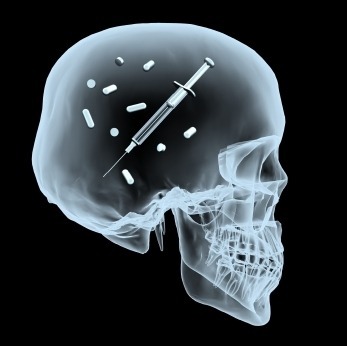
All Addictions are Dangerous

Whenever the word ‘addiction’ pops up, people often connect it immediately to drugs, smoking or alcohol and deny to think further more. But getting used to anything beyond a limit, be it a coffee, food or shopping is an addiction and is equally dangerous.

While some of these addictions might appear more harmless on the surface, but in reality all of them limit your life in some way or the other. It’s important to try and quit if you recognize that a habit is taking over your life.

First, start by acknowledging the problem and then believe in yourself that with proper work you can overcome this problem. I am not telling that this would be easy, but surely it would be worth the effort. Take it day at a time. It can be intimidating in the start, but take baby steps to reach goal and don’t quit.

One day at a time….

Be optimistic, reach the root of the problem and take some time to truly understand where this habit comes from and how it is ruining your life and health. Sometimes contemplating on your mistakes can help you get rid of them once and for all.

Stay committed and do not leave mid-way. I promise you that your transformation will help you live a much more enriching, creative, free and empowering life.

The advent of Fashion trends in pandemic life

Photo by Nataliya Vaitkevich on Pexels.com

“Your prolific life flares from the fashion you do, have, and live”. Indeed, fashion is one of the most prominent elements for millennials. The transformation has been one of the processes through which we all humans have gone through since the establishment.

                          Profoundly, pandemic life has changed everything in this course of life, the lifestyle, food we eat, and the clothes we all wear!

 Clothes are evident, and the fashion which we follow affects us posthumously. The fashion of 2021 is back on track with the easy peasy, breezy, comfy life. People are less bothered by societal norms and the trendy life rather than more into their comfort zone.

        Fashion affects human life more as it affects psychologically. As the season occurs, festive emerged, our taste of fashions fluctuates. Humans are uncertain and so their fashion too!

   The advent of fashion portrays us the new normal which we live in, work from home, chilling at home, fam – jam and so on.

Let’s talk about the altering in the fashion world, The mask, a protector weapon in today’s life. though it’s a new rule for all people but rather the rule has converted into a new trend. Women especially have an area of interest in the fashion world and this is how the fashion world aims at women’s society! whether it’s lipstick, shoes, classy dresses, or maybe a cute hat all is on the side of women.

      Women exist, so fashion exists! It’s humor but a reality that we have relied more on masks than other things. Our priorities lie to wear masks. Wearing a mask on any sort of dress makes them trendy. Certain trends of lipsticks have been distorted due to the arrival of the pandemic but it’s vague if we still use lipsticks on masks.

     Still, there is always a way to the dazzling notions in the minds of these crafted minds of the industry. Invisible masks, which are safe yet the best way to make a woman feel more glamourous and enthralling.

It has 2 faces for a matter of any sort of matter. Even fashion has its 2 sides, the pros and cons of masks showcase us how even masks filter up our inabilities to use them. Certain situations like eating, drink made this life more miserable for humans.

       Living with despair and abashed thoughts in the new life of pandemic where hope is the only element present in the world. Fashion made our lives more fruitful to have conventions on ourselves. Today’s fashion is more about having faith in oneself and being confident of what we wear in our life to enjoy our life with our comfort zone. How one can be more indigently glamorous in their way, living aftermath with a bright side with all those flickering optimism and yet not so according to the word.

 Today’s fashion is about you, not about them!

It’s a simple quote, yet a transparent difference one can look into it with their point.

The Impact of Music: Can It Help Your Health?

It’s difficult to discover anyone who doesn’t have a special bond to music. Even though you can’t hold a tune or play a musical instrument, you can certainly draw up a list of songs that bring back nice memories and lift your mood. Doctors have traditionally played their favourite tunes in the surgery room to reduce tension, and bringing music to patients has been related to better clinical outcome.

Music has the ability to evoke any feeling imaginable. It can lift us to unfathomable heights, soothe us in our sadness or loneliness, helps us in expressing our anger or irritation in a non-harmful way, gets our bodies going, and provides peace and serenity to our souls. Music has the ability to boost our health and well-being, which adds to its greatness.Music therapy has been more important in many aspects of recovery over the last few decades.

What precisely is music therapy?

Music therapy is a psychological approach that employs music’s inherently mood-lifting characteristics to assist people in improving their mental health and general health. It is a goal-oriented treatment which may include music creation, songwriting, singing, dancing, hearing music and analyzing music. Music therapy affects the body, mind, and soul. It  may divert the mind, slows down the rhythms of the body, and affect our mood, both of which can impact our actions.

This method of therapy may be beneficial for those suffering from anxiety and depression, as well as improving the quality of life for those suffering from physical ailments. Anybody can participate in music therapy; you wouldn’t need knowledge of music to benefit from it. 

Music therapy treatments are planned with the patient’s general wellbeing, communications skills, cognitive capabilities, psychological well-being, and hobbies in mind.

Types of Music Therapy

Music therapy is an evolving process in which patients participate in the creation of music, or a passive one in which patients hear to or respond to music. Certain therapists may employ a hybrid strategy that includes both active as well as passive musical engagement.

There are many recognized techniques in music therapy, such as:

Analytical music therapy: Analytical music therapy enables you to communicate your unconscious ideas through an improvised musical “conversation” such as singing or playing an instrument, which you may then ponder upon and analyse with your therapist.

Benenzon music therapy: This method integrates some psychoanalytic principles with the process of producing music. The quest for your “musical sound identification,” which defines the exterior sound that most closely fits your interior psychological condition, is part of Benenzon music therapy.

Cognitive behavioural music therapy (CBMT): It blends cognitive behavioural therapy (CBT) with music. Music is utilised in CBMT to encourage certain behaviours and alter others. This method is planned rather than improvised, and it may involve having to listen to music performing, singing, or playing a musical instrument.

Community music therapy: This style focuses on utilising music to support transformation on a group level. It is carried out in a group environment and necessitates a great degree of participation from each participant.

Vocal psychotherapy: In this approach, you engage with your thoughts and desires by using numerous vocal exercises, natural sounds, and breathing techniques. This exercise is intended to help you get in touch with yourself more deeply.

The Advantages of Music Therapy

Because music therapy can be extensively customised, it is appropriate for people of all ages—even very young toddlers can gain from it. It is also adaptable and beneficial to persons with varying degrees of musical expertise as well as varied mental or physical health issues.

Music therapy can stimulate brain areas that regulate memories, feelings, mobility, sensory relay, some autonomic activities, decision-making, and rewards. It can help children and young people with developmental and/or learning impairments enhance their motor skills and improve their communication.

Overall, music therapy has been shown to promote good emotions such as relaxation, happiness, emotional closeness, optimism, and confidence.

ANGER MANAGEMENT

Anger is a normal, healthy, negative or negative feeling. Like any emotion, you convey a message, telling you that the situation is annoying, unfair, or intimidating. If your knee-jerk reaction to anger erupts, however, that message will never have a chance to be conveyed. Thus, while it is normal to feel anger when you have been mistreated or abused, anger becomes a problem if you express it in a way that could hurt yourself or others.

You may think that venting your anger is healthy, and that the people around you are very sympathetic, that your anger is justified, or that you need to show your anger in order to gain respect. But the fact is that anger is more likely to have a negative impact on people’s perceptions, distort your judgment, and lead to success.

Consequences of anger

Persistent anger or uncontrolled anger can have devastating effects on you:

Physical health. Constant exposure to high levels of stress and anger makes you more prone to heart disease, diabetes, weakened immune systems, insomnia, and high blood pressure.


Mental health. Persistent anger consumes a lot of mental energy, and it disturbs your thinking, making it difficult to concentrate or enjoy life. It can also lead to depression, depression, and other mental health problems.
Work. Constructive criticism, artistic differences, and heated debate can be healthy. But exclusion only divides colleagues, managers, or clients and destroys their self-esteem.


Relationships. Anger can create lasting scars on your loved ones and can lead to friendships and relationships at work. Outbursts of anger make it difficult for others to trust you, to speak honestly, or to feel comfortable – and especially to children. If you have a hot temper, you may feel like it is out of your hands and there is little you can do to soften the beast. But you can control your anger more than you think. By understanding the real causes of your anger and these anger tools, you can learn to express your feelings without hurting others and keeping your anger from ruining your life.

TECHNIQUES FOR ANGER MANAGEMENT:-


When you are angry, you may experience feelings anywhere from minor irritability to anger. If that happens, try the following:

;Breathe deeply from your diaphragm.
:Give yourself a spoken word.
:Slightly repeat the calm word or phrase “relax” or “calm down.” Repeat as you breathe out until the anger subsides.
:Afterward, express yourself clearly and calmly.

Some Ways to Control Anger


:Exercise like regular exercise is a way to improve your mood and relieve tension.
:Avoid drugs and alcohol, which can make you more prone to depression. Alcohol can also relieve your tension by saying or doing something you used to do.
:Get the support of others. Talk about your feelings and try to work on changing your behavior.
:If you have trouble recognizing when you have angry thoughts, keep a written record of when you feel angry.
:Try to get a different perspective by putting yourself in someone else’s place.
:Learn how to laugh and see jokes in situations.
:Really listen. Listening can help improve communication and can build trust between people. This hope can help you to deal with potentially hostile emotions. A useful communication function is to say to someone, “Let me make sure I understand what you are saying” and then return to them what you think was their main message or opinion. This approach can help to clarify misunderstandings that can lead to frustration, and point out issues where you can ultimately “agree to disagree” without arguing.
:Strengthen yourself by expressing your feelings in a calm and direct manner, without self-defense, hostility, or spiritual suspicion. Read self-help books or seek professional help from a therapist to learn how to use confidence and control skills.

CONCLUSION

If you believe that your anger is out of control and has a negative effect on your health and relationships, seek the help of a mental-health professional. A psychiatrist or other licensed mental health professional can work with you to teach you ways to change your thinking and behavior. A mental health professional can help you deal with your anger in a positive way.

Ask your doctor if medication can be helpful. In some cases, anti-depressants, certain anticonvulsants, and low-antipsychotic may help to treat a sudden attack of anger or rage. Avoid alcohol, benzodiazepines that work temporarily like Xanax, or street drugs that can cause you to say or do things in a hurry. Choose your therapist carefully, and make sure you talk to a professional who is trained to teach anger control skills and assurance techniques.

SELF CARE

Self-care can be defined by the word itself – self-care. Self-care includes anything you do to keep yourself healthy – physically, mentally and spiritually. While prioritizing self-care may sound reasonable, especially if you are considering a long life, it is often the first thing we should do when we find ourselves in a difficult situation, be it because of poor health, financial crisis, job loss, divorce or, in our current situation, the COVID-19 epidemic. That’s why it’s important to keep it in mind and not think backwards, especially when we find ourselves in challenging times.

Why Does Self-Care Matter?


In a society where people are expected to work long hours beyond the holidays, there is a basic belief that we should always be productive – which could eventually take the opportunity to take care of themselves. But by taking the time to engage in self-care, you can eliminate the stresses of daily life and reset yourself to return to a high-quality environment where the product is further expanded. When you consider the costs associated with mental health services, lost wages and more, spending some time with yourself can ultimately benefit everyone.

Burning a candle on both sides, which will be discussed, brings serious consequences, which can include but not limited to depression, frustration, anxiety, anger, and other negative consequences. Practicing self-care has been proven clinically to reduce or eliminate anxiety and depression, reduce stress, improve concentration, reduce frustration and anger, increase happiness, improve energy, and more. From a physical standpoint, self-care is guaranteed at the clinic to reduce heart disease, stroke and cancer. Spiritually, it can help us to keep our balance and to understand our purpose in life.

Self-care is an important activity to do every day. Doing so will lead toward a better balance among your dimensions of wellness and lead toward improved overall health and wellness. Life is precious, and it is meant to be enjoyed.

How To Practice Mindfulness In Your Everyday Life

The word “mindfulness” is talked about a lot lately, but really what exactly does it necessarily imply? Its origins may be traced back to Buddhist and Hindu beliefs, and it arose from the concepts of enlightenment and nirvana. It is defined as the practise of mindfulness and health of the body, mind, and soul. It is wellness in the sense that it extends beyond eating well and exercising; mental wellbeing, inner peace, sexual health, and so forth.

Everything seems to be quicker, noisier, and ruder nowadays. Everyone around us appears anxious and distracted, their eyes locked to their phones. In this fast-paced world, adopting mindfulness techniques on a regular basis may appear to be a difficult job, but it isn’t as far-fetched as it may appear.

Merely checking in with yourself for 10 seconds may educate us to gain clarity of body and mind, increase productivity all through the day, and empower us to take some responsibility for our mental health. Life might be difficult, but there is never too much happening on to treating yourself as a buddy to keep in touch with during the day.

Here are some ways to practice mindfulness in your everyday life:

Self-care is crucial

Self-care is a means of caring for oneself in the most fundamental ways: allowing yourself to recharge and loving yourself as you would a loved one. Everybody’s experience with mindfulness and mental clarity will differ. It could be meditation, exercising, getting a massage, writing, tidying, or something else.

This idea can also change depending on whether you are an introvert or extrovert. Knowing yourself, your tastes and preferences, and from where you draw your energy is a good first step in treating yourself as a friend.

Spend time with people who are driven and goal-oriented

Whenever it comes to becoming more conscious of your own emotional magnitude, aligning yourself with individuals who value similar habits is a wonderful place to start. Whether that’s around friends, family, or coworkers, the individuals you spend your time with have a greater effect on your everyday routines than you think. Trying to make mental check-ins a goal begins with you, but it can be a tough goal to achieve on your own.

Living mindfully benefits people near you as well as your loved ones. People can gain from exposure to this attitude if you regard yourself with care. Your good energy will wear off on them, regardless of whether they like it or not, and supply them with the compassion, love, and understanding they need.

Improve your work-life balance

When attempting to enhance your job performance, it is natural to get overly focused on your work and ignore your personal life. It is important to understand that you can seldom do better on the job if the other side is in disarray. You will feel anxious, and it will be difficult to concentrate on your task. A healthy work-life balance reduces stress and contributes to the development of a well-rounded individual.

Remember to include your personal hobbies and interests. Maintain a social life so that you have someone to share your trip with. In addition, expand or start a pastime. Taking care of plants, for example, is a fantastic way of spending time off from work. Being surrounded by nature is beneficial because it soothes the mind and stimulates creativity.

At Least 10 Minutes Every Day, Take a breath, Relax, and Repeat

Setting an alarm, pausing whatever I’m working on, closing my eyes, taking calm breaths, and using this time to really think about three things I’m thankful for on that particular day has been useful beginner-level mindfulness practices that I’ve done (and liked) in the past. It helps me to check in with myself, promotes clarity of mind, and generates a pleasant environment.

Regardless of what your views are, prayer may be a powerful technique for centering yourself, reducing stress, and assisting you in relinquishing control over things you can’t influence. It is comparable to meditation in that it demands a similar state of mind.

Drink More Water

Water is a vital part of our everyday lives and is used by our body in many different ways. It is so important that humans can’t survive for more than a week without fresh water. However, a lot of us underestimate the importance of drinking water daily and do not truly appreciate what water does for our bodies. Depending on factors such as location, fat index, age and sex, the average human is between 55-60% water. In fact, the brain alone is made up of 73% water, the lungs are 83%, and even bones contain some amount of water. Despite all this, many people take it for granted, not drinking even close to the adequate amount of water needed for bodily functions to take place properly. So, an understanding of how water helps us may encourage people to drink water more frequently.

Some of its Benefits

  • You need water to stay hydrated and maintain an adequate amount of fluid in your body. Water helps in the production of sweat, which keeps body temperatures cool as you exercise. When you perspire, the excess heat from your body is lost to the atmosphere through evaporation, regulating your body at an optimal temperature. Water also prevents your muscles from getting tired as fast and allows you to have a quicker recovery post-workout.
  • Drinking more water can actually help in weight loss. When your stomach senses that it is full, it sends signals to the brain to make you feel full. This reduces your hunger and makes you less likely to overeat.
  • There is a strong correlation between your mental energy levels and how hydrated you are. Water is needed in every cell in your body and your brain cells are no exception. Water helps transport oxygen and nutrients to the brain for optimal mental function.
  • One of the most common causes of headaches is dehydration. When you are dehydrated, the brain contracts temporarily due to fluid loss. Hence, drinking water helps in preventing headaches and other minor health problems.
  • Constipation occurs when the stools in your colon don’t get enough water. When you are dehydrated, water is diverted from the large intestine to hydrate the rest of your body. So, ample amount of water needs to be consumed to ensure healthy bowel movements.
  • Kidney stones are hard deposits of salt and minerals that form within the kidney or urinary tract. You need enough fluids in your system to dilute the concentration of minerals that can turn into these stones. Hence, water prevents the formation of kidney stones.
  • When your skin is dehydrated, it will become dry, tight and flaky. Staying hydrated can reduce the appearance of ageing, making you look younger and fresher.

How much water should you drink?

The body constantly loses water throughout the day, mostly through urine and sweat but also from regular body functions like breathing. To prevent dehydration, you need to get plenty of water from drink and food every day. The recommended daily water intake for adults is 8 – 10 glasses of 250ml each glass. However, there is no universally agreed quantity of water that must be consumed daily, and the amount may vary depending on the person. Many internal and external factors determine how much water a person should drink per day. So, we must identify in our own lives whether we think we are getting enough water or not. In case you are feeling excessive thirst, dry mouth, dry skin, headaches, sleepiness, dizziness, etc., it is an indication that you are not drinking enough water.

It is also important to highlight that though drinking ample amount of water everyday is important, one should not overdo it. Drinking too much water can lead to water intoxication, which is when the levels of salt and other electrolytes in your body become too diluted. While it is rare, this can be a medical emergency if the electrolytes in your body fall too low and too fast.

At the end of the day, we should drink an adequate amount of water as per our requirements. This will allow us to reap the benefits of water, and prevent symptoms of not drinking water.

PHYSICAL FITNESS

Prioritize Your Health & Wellness: Learn The Importance Of Physical Fitness  | Shaw Academy

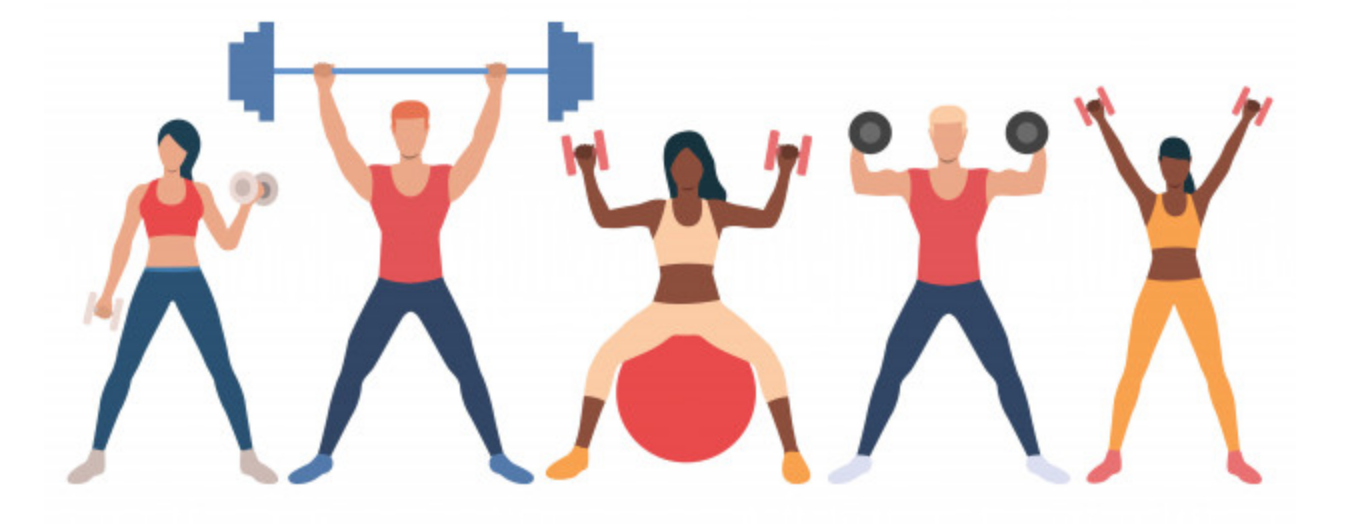
Different people have different points of view regarding fitness . For a common man to have a good physique is a symbol of physical fitness . For a doctor , the proper functioning of physiological systems is physical fitness . In fact , physical fitness is a simple term with a broad meaning . Physical fitness of a common person means the capacity to do the routine work without any fatigue or exertion and after doing his work he has power to do some more work with quick recovery . Physical fitness is more than the possession of strength and endurance . It means having the best possible health with the capacity to do one’s everyday task , engage in recreational pursuits and meet emergencies , when they arise . As a matter of fact , physical fitness is possessed by that individual , who remains enthusiast , works cheerfully and does the emergency work with vigour . Physical fitness implies a relation between the task to be performed and the individual’s capability to perform it .in fact , to understand the physical fitness in better way , it would be more beneficial to go through the following definitions of physical fitness .

  • According to Webster’s Encyclopaedia , “ It is the ability of a person to do daily routine work without fatigue ; moreover to participate in playful activities and still reserve enough capacity to meet any emergency .
  • According to Don Hoskins ,”The human body’s ability to move with the desired speed , balance , agility and strength gained through proper exercise and nutrition , “
  • According to Kroles , “Successful adaption to the stresses of one’s lifestyle.”
  • According to David R. Lamb , “Physical fitness is the capacity to meet the present and potential physical challenges of life with success .”

In fact , it can be said that physical fitness is the ability to function effectively and efficiently , enjoy leisure , be healthy , resist disease and cope with the emergency situations . Physical fitness varies according to the nature of work , individual’s size , shape of the body , age and sex . For physical fitness , we require an efficient motor mechanism , efficient organic mechanism and an efficient mental functioning .

How To Stop The Habit Of Negative Thinking

The further we let ourselves think negatively then the more we will think negatively and it will become all the more difficult to stop that thought pattern. However, thinking positively all the time is not the answer to defeating negative thinking. It is plausible to have fewer negative thoughts and reinterpret those thoughts in a more rational way.

The way to control negative thinking so that it would not become a bad attitude about life is to understand that negative, cynical, or disparaging thoughts are common among most individuals. Being harsh on oneself isn’t the answer, and neither is finding a good response to every negative thought. If you’ve had a bad day, you can state that it was a tough day. If you have a disagreement with somebody, you could be correct in believing that they have been treating you unfairly. We don’t have to make negative ideas unacceptably common.

But, if you realise that perhaps the majority of your recent thinking has been pessimistic and it is proving to be increasingly difficult to remain cheerful or positive, it may be time to attempt to put your thoughts into balance. You surely wouldn’t want to sour every scenario by dwelling on the negative attributes. If we let negative thoughts overwhelm us, we may find it more difficult to relax, be nice to others, and be appreciative of our life experiences.

Here are some ideas to help you keep negative thoughts under control:

Allow negative thoughts to come and go

Let yourself think negatively. Resist from retorting that you must not think that way. Recognize the notion, and then just let it go. Your thoughts do not represent you or your situation. Many individuals consider their thoughts as balloons that drift away as quickly as they are formed. You don’t really have to give every thought equal value or allow it to determine every prospective circumstance.

Be actively involved in your expression of appreciation

Whatever type of day you’re experiencing, make some time to reflect on some things you’re grateful for. It could be as simple as the cup of coffee you’re sipping or the fact that it’s Friday. If you practise gratitude even when you’re not struggling, then you will be able to recall what it was you were appreciative for when things go tough.

Avoid thinking in terms of all or nothing

Extreme thinking inhibits us from dealing with each circumstance on its own terms. The constant use of terms like “never” and “always” makes it difficult for us to understand that things change with time and that we really do not wish to foresee the future. Rather, use terms like “frequently” or “sometimes.”

Keep your expectations in check

We frequently anticipate situations to go a certain way and sometimes they don’t. We are then dissatisfied, which is quite natural. Which is why we should avoid placing too many precise expectations on a particular type of result that we cannot foresee. We don’t know whether or not relationships will pan out the way in which we want them to. We can’t be sure whether a job will be a good fit for us or not. Everything might appear to be going smoothly before something unexpected happens. When we have preconceptions about just how things are going to turn out, we are much less equipped for surprises.

Letting ourselves experience all of our emotions without turning them away ensures that even if we are dissatisfied, we understand everything will turn out just fine. We can withstand a circumstance even though we are upset, unhappy, or dubious about it. Allow your ideas to linger and be deliberate in appreciating the good in your life. You’ll find that you can manage anything and that your negativity now seems to be under control.

We all have unpleasant thoughts from time to time. We’re having an awful day, and it seems like the entire universe is conspiring against us. We start believing that everything is more difficult for us, that life is unjust, or that other people do not even have our best interests at heart.

The further we let ourselves think negatively then the more we will think negatively and it will become all the more difficult to stop that thought pattern. However, thinking positively all the time is not the answer to defeating negative thinking. It is plausible to have fewer negative thoughts and reinterpret those thoughts in a more rational way.

The way to control negative thinking so that it would not become a bad attitude about life is to understand that negative, cynical, or disparaging thoughts are common among most individuals. Being harsh on oneself isn’t the answer, and neither is finding a good response to every negative thought. If you’ve had a bad day, you can state that it was a tough day. If you have a disagreement with somebody, you could be correct in believing that they have been treating you unfairly. We don’t have to make negative ideas unacceptably common.

But, if you realise that perhaps the majority of your recent thinking has been pessimistic and it is proving to be increasingly difficult to remain cheerful or positive, it may be time to attempt to put your thoughts into balance. You surely wouldn’t want to sour every scenario by dwelling on the negative attributes. If we let negative thoughts overwhelm us, we may find it more difficult to relax, be nice to others, and be appreciative of our life experiences.

Here are some ideas to help you keep negative thoughts under control:

Allow negative thoughts to come and go

Let yourself think negatively. Resist from retorting that you must not think that way. Recognize the notion, and then just let it go. Your thoughts do not represent you or your situation. Many individuals consider their thoughts as balloons that drift away as quickly as they are formed. You don’t really have to give every thought equal value or allow it to determine every prospective circumstance.

Be actively involved in your expression of appreciation

Whatever type of day you’re experiencing, make some time to reflect on some things you’re grateful for. It could be as simple as the cup of coffee you’re sipping or the fact that it’s Friday. If you practise gratitude even when you’re not struggling, then you will be able to recall what it was you were appreciative for when things go tough.

Avoid thinking in terms of all or nothing

Extreme thinking inhibits us from dealing with each circumstance on its own terms. The constant use of terms like “never” and “always” makes it difficult for us to understand that things change with time and that we really do not wish to foresee the future. Rather, use terms like “frequently” or “sometimes.”

Keep your expectations in check

We frequently anticipate situations to go a certain way and sometimes they don’t. We are then dissatisfied, which is quite natural. Which is why we should avoid placing too many precise expectations on a particular type of result that we cannot foresee. We don’t know whether or not relationships will pan out the way in which we want them to. We can’t be sure whether a job will be a good fit for us or not. Everything might appear to be going smoothly before something unexpected happens. When we have preconceptions about just how things are going to turn out, we are much less equipped for surprises.

Letting ourselves experience all of our emotions without turning them away ensures that even if we are dissatisfied, we understand everything will turn out just fine. We can withstand a circumstance even though we are upset, unhappy, or dubious about it. Allow your ideas to linger and be deliberate in appreciating the good in your life. You’ll find that you can manage anything and that your negativity now seems to be under control.

YOGA

WHAT IS YOGA ?

Yoga is an ancient practice that involves posture, concentration, and deep breathing.

Practicing regular yoga can encourage endurance of a reliable source, strength, calmness, flexibility, and well-being.

Yoga is now a world-class exercise. According to a 2017 national survey, 1 in 7 people in the United States has used yoga in the last 12 months.

HISTORY


The first word for “yoga” comes from Rig Veda, a collection of ancient texts. Yoga comes from the Sanskrit word “yuj,” meaning “union” or “joining.”

Yoga can be traced back to northern India more than 5,000 years ago.

Indian monks spread their knowledge of yoga in the West in the 1890s. The teachings of modern yoga have become quite popular in Western lands in the 1970’s.

PHILOSPHY

The overall philosophy of yoga is that of connecting the mind, body, and spirit.

There are six branches of yoga. Each branch represents a different focus and set of symbols.

TYPES OF YOGA

1)Hatha yoga: This is a branch of body and mind that aims to make the body and mind the foremost.
2)Raja yoga: This branch incorporates meditation and adherence to a series of disciplinary measures known as the eight limbs of yoga.
3)Karma yoga: This is a practice that aims to create a future free of indifference and selfishness.
4)Bhakti yoga: This aims to establish a way of devotion, a positive way of conveying emotions and cultivating acceptance and tolerance.
5)Jnana yoga: This branch of yoga is about wisdom, expertise, and the development of understanding through study.
6)Tantra yoga: This is the practice of rituals, ceremonies, or relationships.

Chakras

The word “chakra” means “spinning wheel.”

Yoga ends by calling the chakras the centers of energy, thoughts, feelings, and physical body. According to yogic teachers, chakras determine how people actually experience it through emotional reactions, desires or arguments, levels of confidence or fear, and even physical symptoms and consequences.

When energy is restricted to the chakra, it causes physical, mental, or emotional imbalance resulting from symptoms such as anxiety, fatigue, or poor digestion.

Asanas are the most visible form of Hatha yoga. Yoga practitioners use asanas to release energy and promote uneven chakra.

There are seven major chakras, each focusing on:

1)Sahasrara: The chakra of the crown, which is the crown on the head, symbolizes spiritual communication.
2)Ajna: Located between the eyebrows, the third chakra of the eye is related to intuition.
3)Vishuddha: The chakra of the throat is associated with self-defense and verbal communication.
4)Anahata: The heart chakra, located in the middle of the chest, contributes to a professional and personal relationship. Any imbalance in this chakra will affect oxygen, hormones, tissues and organ control.
5)Manipura: The solar plexus chakra is located in the abdomen. It is similar with confidence, wisdom, and self-control.
6)Svadhishthana: The sacral chakra, under the belly button, connects pleasure, well-being, and energy.
7)Muladhara: The root chakra, located at the base of the spine, connects the mind and body to the earth to keep a person focused. It controls the sciatic nerve and the parasympathetic nervous system.