Organic Farming in India: The Future of Sustainable Agriculture

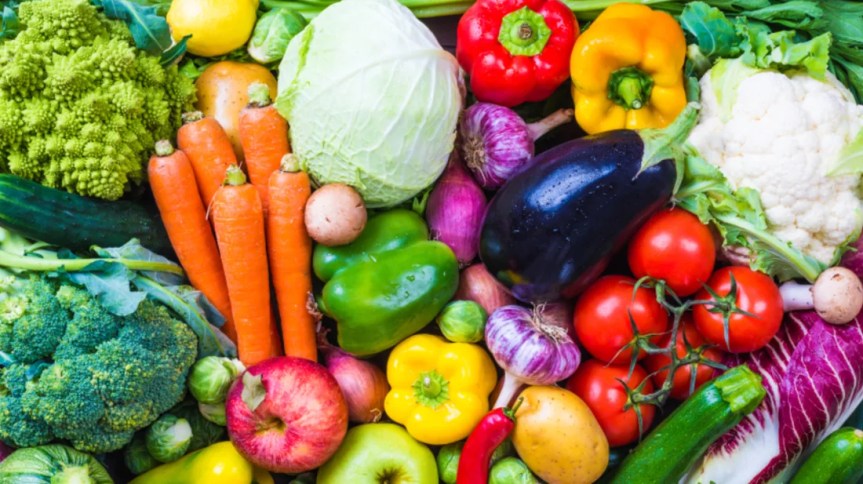
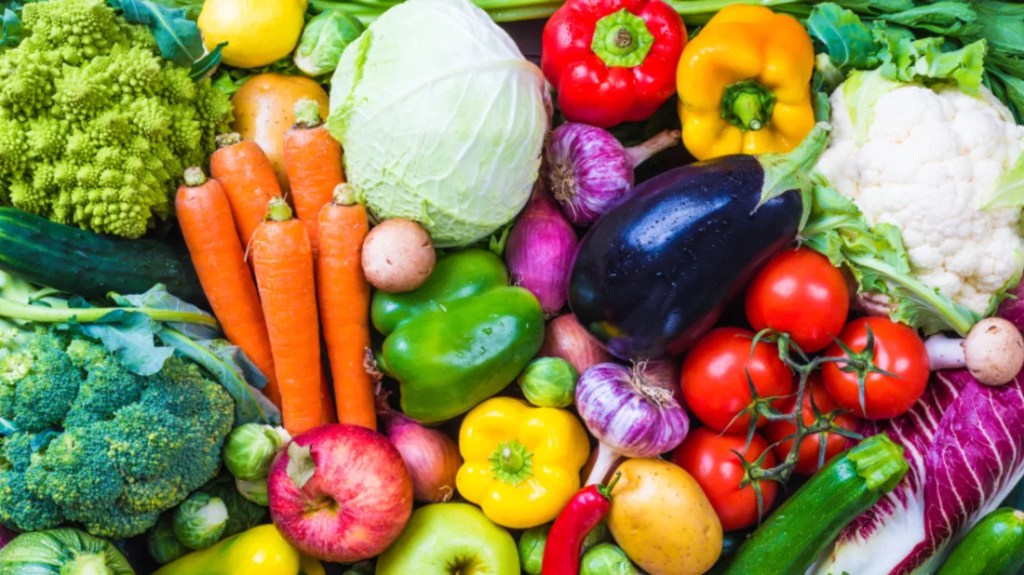
Organic Farming Produce

Introduction

The term ‘organic’ was first coined by Northbourne, in 1940, in his book entitled ‘Look to the Land’. In recent years, organic farming as a cultivation process is gaining increasing popularity . Organically grown foods have become one of the best choices for both consumers and farmers. Organically grown foods are part of go green lifestyle.

Farmers showing their Organic Harvest

Why Being Preferred These Days: The Importance of Organic Farming

Food quality and safety are two vital factors that have attained constant attention in common people. Growing environmental awareness and several food hazards (e.g. dioxins, bovine spongiform encephalopathy, and bacterial contamination) have substantially decreased the consumer’s trust towards food quality in the last decades. Intensive conventional farming can add contamination to the food chain. For these reasons, consumers are quested for safer and better foods that are produced through more ecologically and authentically by local systems. Organically grown food and food products are believed to meet these demands.

Organic Farming Processes

Organic Farming Process

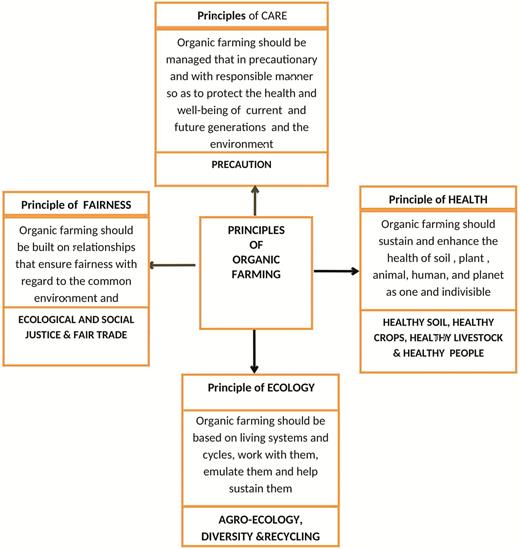
Organic farming and food processing practices are wide-ranging and necessitate the development of socially, ecologically, and economically sustainable food production system. The International Federation of Organic Agriculture Movements (IFOAM) has suggested the basic four principles of organic farming, i.e. the principle of health, ecology, fairness, and care . The main principles and practices of organic food production are to inspire and enhance biological cycles in the farming system, keep and enhance deep-rooted soil fertility, reduce all types of pollution, evade the application of pesticides and synthetic fertilizers, conserve genetic diversity in food, consider the vast socio-ecological impact of food production, and produce high-quality food in sufficient quantity.

Principles of Organic Farming  

According to the National Organic Programme implemented by USDA Organic Food Production Act (OFPA, 1990), agriculture needs specific prerequisites for both crop cultivation and animal husbandry. To be acceptable as organic, crops should be cultivated in lands without any synthetic pesticides, chemical fertilizers, and herbicides for 3 years before harvesting with enough buffer zone to lower contamination from the adjacent farms. Genetically engineered products, sewage sludge, and ionizing radiation are strictly prohibited. Fertility and nutrient content of soil are managed primarily by farming practices, with crop rotation, and using cover crops that are boosted with animal and plant waste manures. Pests, diseases, and weeds are mainly controlled with the adaptation of physical and biological control systems without using herbicides and synthetic pesticides. Organic livestock should be reared devoid of scheduled application of growth hormones or antibiotics and they should be provided with enough access to the outdoor. Preventive health practices such as routine vaccination, vitamins and minerals supplementation are also needed.
Principles of Organic Farming

Types of Organic Farming

Organic Farming are of two types. Here are the two types of Organic Farming being performed in India.

(a) Pure Organic Farming – pure organic farming, there is avoiding every unnatural chemical. In the process of pure farming, fertilizer and pesticides obtain from natural sources. It is called a pure form of organic farming. Pure organic farming is the best for high productivity. 

(b) Integrated Organic Farming – Integrated organic farming consists of integrated nutrients management and integrated pest management.

Organic Farming in India

Organic farming is in a nascent stage in India. About 2.78 million hectare of farmland was under organic cultivation as of March 2020, according to the Union Ministry of Agriculture and Farmers’ Welfare. This is two per cent of the 140.1 million net sown area in the country. A few states have taken the lead in improving organic farming coverage, as a major part of this area is concentrated only in a handful of states. Madhya Pradesh tops the list with 0.76 million of area under organic cultivation — that is over 27 per cent of India’s total organic cultivation area. The top three states — Madhya Pradesh, Rajasthan and Maharashtra — account for about half the area under organic cultivation. The top 10 states account for about 80 per cent of the total area under organic cultivation. Sikkim is the only Indian state to have become fully organic so far. Even though India has very small organic area under cultivation, in terms of number of organic farmers it is being ranked first. India has over 1.9 million farmers as of March 2020, which is 1.3 per cent of 146 million agricultural landholders.

Advantages and Disadvantages of Organic Farming

Advantages of Organic Farming

Organic farming in India is very economical, it uses no expensive fertilizers, pesticides, HYV seeds for the plantation of crops. It has no expenses. 

With the use of cheaper and local inputs, a farmer can earn a good return on investment. This is one of the most important benefits of organic farming in India. 

There is a huge demand for organic products in India and worldwide and can earn more income through export.

Organic products are more nutritional, tasty, and good for health to chemical and fertilizer utilized products. 

Organic farming in India is very environment friendly, it does not use fertilizers and chemicals. 

Disadvantages of Organic Farming

Organic farming in India has fewer choices, and off-season crops are limited.

Organic agricultural products are low in the early years. Farmers find it difficult to accommodate mass production.

The main disadvantage of organic farming is the lack of marketing of the products and Inadequate infrastructure.

Organic Farming in India

Future of Organic Farming in India

India is an agriculture-based country with 67% of its population and 55% of manpower depending on farming and related activities. Agriculture fulfils the basic needs of India’s fastest-growing population accounted for 30% of total income. Organic farming has been found to be an indigenous practice of India that practised in countless rural and farming communities over the millennium. The arrival of modern techniques and increased burden of population led to a propensity towards conventional farming that involves the use of synthetic fertilizer, chemical pesticides, application of genetic modification techniques, etc.

Organic Farming leads to Sustainability and Holistic Growth

Even in developing countries like India, the demand for organically grown produce is more as people are more aware now about the safety and quality of food, and the organic process has a massive influence on soil health, which devoid of chemical pesticides. Organic cultivation has an immense prospect of income generation too. The soil in India is bestowed with various types of naturally available organic nutrient resources that aid in organic farming.
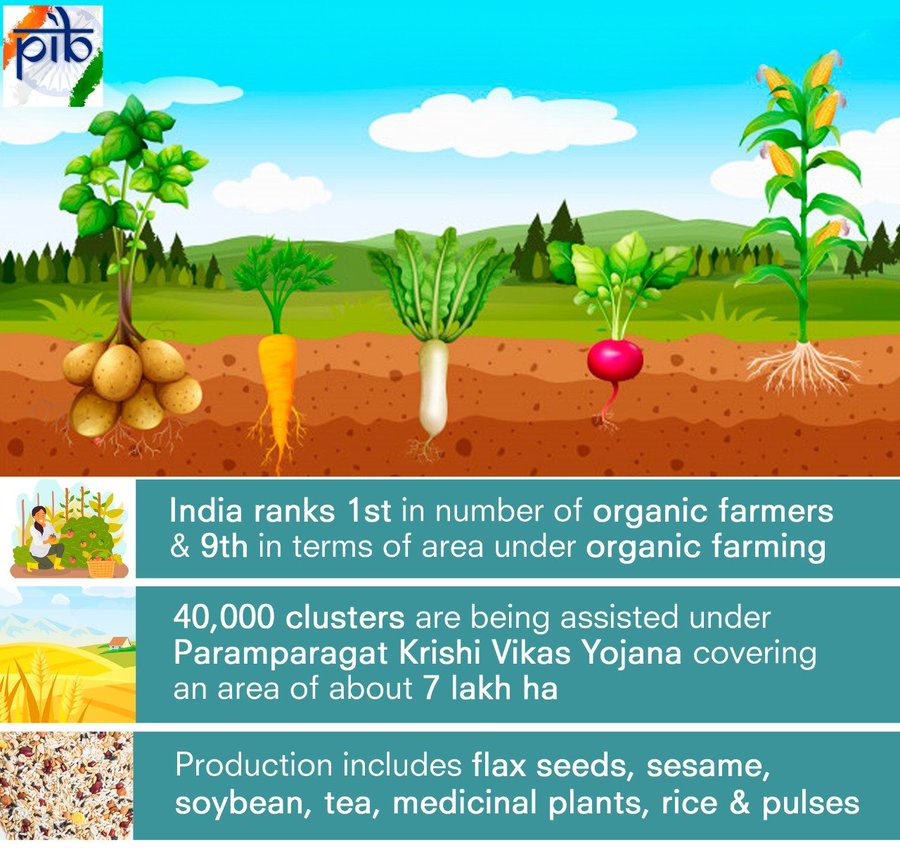
As per data collected from Government of India

Conclusion

India is a country with a concrete traditional farming system, ingenious farmers, extensive drylands, and nominal use of chemical fertilizers and pesticides. Moreover, adequate rainfall in north-east hilly regions of the country where few negligible chemicals are employed for a long period of time, come to fruition as naturally organic lands. Organic farming yields more nutritious and safe food. The popularity of organic food is growing dramatically as consumer seeks the organic foods that are thought to be healthier and safer. Thus, organic food perhaps ensures food safety from farm to plate. The organic farming process is more eco-friendly than conventional farming. Organic farming keeps soil healthy and maintains environment integrity thereby, promoting the health of consumers. Moreover, the organic produce market is now the fastest growing market all over the world including India. Organic agriculture promotes the health of consumers of a nation, the ecological health of a nation, and the economic growth of a nation by income generation holistically. India, at present, is the world’s largest organic producers and with this vision, we can conclude that encouraging organic farming in India can build a nutritionally, ecologically, and economically healthy nation in near future.

How to Live a Healthier Lifestyle

The phrase ‘healthy lifestyle’ is an abbreviated definition of what it looks like to live a vibrant, active life with a healthy body and healthy mind. Creating a healthy lifestyle doesn’t have to mean drastic changes. Making gradual small changes to your daily routine can have a big impact.

What Is a Healthy Lifestyle?
You know the obvious behaviors that describe someone who is healthy and takes care of themselves. A healthy person doesn’t smoke, tries to maintain a healthy weight, eats healthy foods with plenty of fruits, vegetables and fiber and, of course, exercises on a regular basis.

Then there are other elements to add to the list. A healthy person also knows how to manage stress, gets good quality sleep each night, doesn’t drink too much, doesn’t sit too much—basically, does everything in moderation all the time. When you look at everything that could possibly go into a healthy lifestyle, you can see just how hard all of those things are in our current world.


The good news is, you don’t have to change everything at the same time. In fact, the trick to healthy living is making small changes—taking more steps each day,1 adding fruit to your cereal, having an extra glass of water, or saying no to that second helping of buttery mashed potatoes. One thing you can do right now to make your lifestyle healthier is to move more.


Benefits of Physical Activity
You know you need to exercise, but there are many excuses not to do it. You’re too busy, don’t know where to start, you’re not motivated or you’re afraid you’ll injure yourself. Maybe you think exercise has to be really hard or it isn’t good enough.

Whatever definition you have about what exercise is or isn’t, the bottom line is that exercise is movement. Whether it’s walking around the block or running a marathon, that movement is exercise and every time you move more than you normally do, it counts.


Healthy Weight Loss or Maintenance
Even if you opt for small changes, the benefits are still pretty amazing. For example, increasing your activity level can help you to reach and maintain a healthy weight. If you are currently overweight, small steps toward that goal can have an impact.

8 Foods For Our Moods

Everything has a vibration. Whatever you do,say,eat and drink has an effect on you. It either builds you up or breaks you down without your knowledge. An unhealthy diet comprising of less vegetables and organic food can effect your mood drastically. Other than obesity, It also attracts sadness, frustration and negativity as a whole.

Having organic food and a balanced diet has a contrary effect.  It makes us feel energetic, refreshed, alive and happy. In simple words, it boosts our mood and lifts our vibes. It assists us in attracting what we desire . Good health and good mind are very closely related to each other. Let us look into some of these uplifting foods:


Green Leafy Vegetables: Leafy Vegetables are organic and the fresher they are, the better. Spinach, chard and other dark leafy vegetables contain magnesium which positively effects serotonin and boosts our mood. Lack of magnesium can cause a risk of anxiety and depression.

Beans: As protein packed foods, beans contribute to our mental health through the fibre present in them. Fibre helps regulate blood sugar which  in turn makes our mood better. Beans are also an excellent source of magnesium, iron, potassium and phosphorus.

Bananas: Bananas appear in every list of food concerning mood boosts. They are high in Vitamin B6 which synthesize feel good neurotransmitters like serotonin and dopamine. Bananas consist both sugar and fibre. Sugar, when paired with fibre, releases slowly into our bloodstream allowing for stable blood sugar levels which stabilizes our mood. Low blood sugar levels may lead to mood swings.

Bananas with a green coloured peel are a great source of probiotics which is a kind of fibre which helps feed healthy bacteria to our gut.

Berries: Berries are packed with a variety of antioxidants. Blueberries are rich in the antioxidant flavonoids which assist in activating brain pathways associated with reduced inflammation and risk of depression. Blueberries and strawberries contain a compound called polyphenolics which improves concentration, memory and attention span.


Salmon: Salmons are rich in omega-3, fatty acids. Especially DHA and EPA. Omega acids are anti inflammatory and are necessary for brain and nervous system development. EPA and DHA have shown to eliminate depression and they can effect our personality and impulse control. Salmons are also high in proteins, Vitamin B12 and D. Vitamin D is linked to better and stable mood. Vitamin B12 on the other hand works in cooperation with folate to help convert amino acids into neurotransmitters which are found in low levels among depression patients.

Almonds: Almonds are rich in protein  including tyrosine for neurotransmitter production It also contains Vitamin E, magnesium and fibre. As an antioxidant, Vitamin E can help fight radical damage in the brain and has shown to improve memory and cognition.Almonds and walnuts have calcium which can help offset hormonal imbalance in women and decrease the symptoms of depression, anxiety, irritability and impaired memory.

Cashews on the other hand, are rich in tryptophan, a neuro chemical which our body turns into serotonin. Vitamin B6 and magnesium present in cashews help to control mood swings. A handful of unsalted cashews are just enough to get the necessary nutrients.

However, not everytime one may feel like indulging in organic foods. In such cases, one may try chocolates! Dark chocolates, to be specific.  Rich in many mood boosting compounds, its sugar is a quick source of fuel to the brain which in return may improve our mood. It helps reducing anxiety and improves the conditions of clinical depression. Dark chocolates with large amounts of cacao can have positive effects on stress levels and even the immunity. It releases feel good compounds such as caffeine and N-acylethanolamine which is chemically similar to cannabinoids that is linked to an improved mood.

Coffee: For some of us, Coffee is a mood saver. Indeed it is. Its high level of caffeine and chlorogenic acid boosts our mood. The caffeine increases our attention by preventing adesnosine from attaching to the brain receptors that promote tiredness.The list of such food goes on. Some examples are oats,lentils,eggs,herbs,spices, fermented foods and tea.

The list of such food goes on. Some examples are oats,lentils,eggs,herbs,spices, fermented foods and tea.


There are  lists of healthy foods,habits,lifestyle,behaviour and practices . What makes them healthy is the vibes and energy which they carry. It is known amongst many that how a vegetarian diet can help to calm down a person. How exercises boosts our mood and how meditation helps us understand ourselves better.

All of these practices are healthy because they help to promote good vibes in us. When we come in contact with something which vibrates at a higher frequency, it improves our vibrations . When we inculcate activities with such  high frequency vibrations, we improve our own vibes. Thereby, attracting positivity.

Green Tea and 6 Reasons Why You Should Drink It Daily

Green tea is often regarded as one of the world’s healthiest beverages. It’s high in antioxidants, which have a variety of health benefits, including:

– enhanced mental performance

– slimming down

– anti-cancer protection

– reducing the risk of coronary artery disease

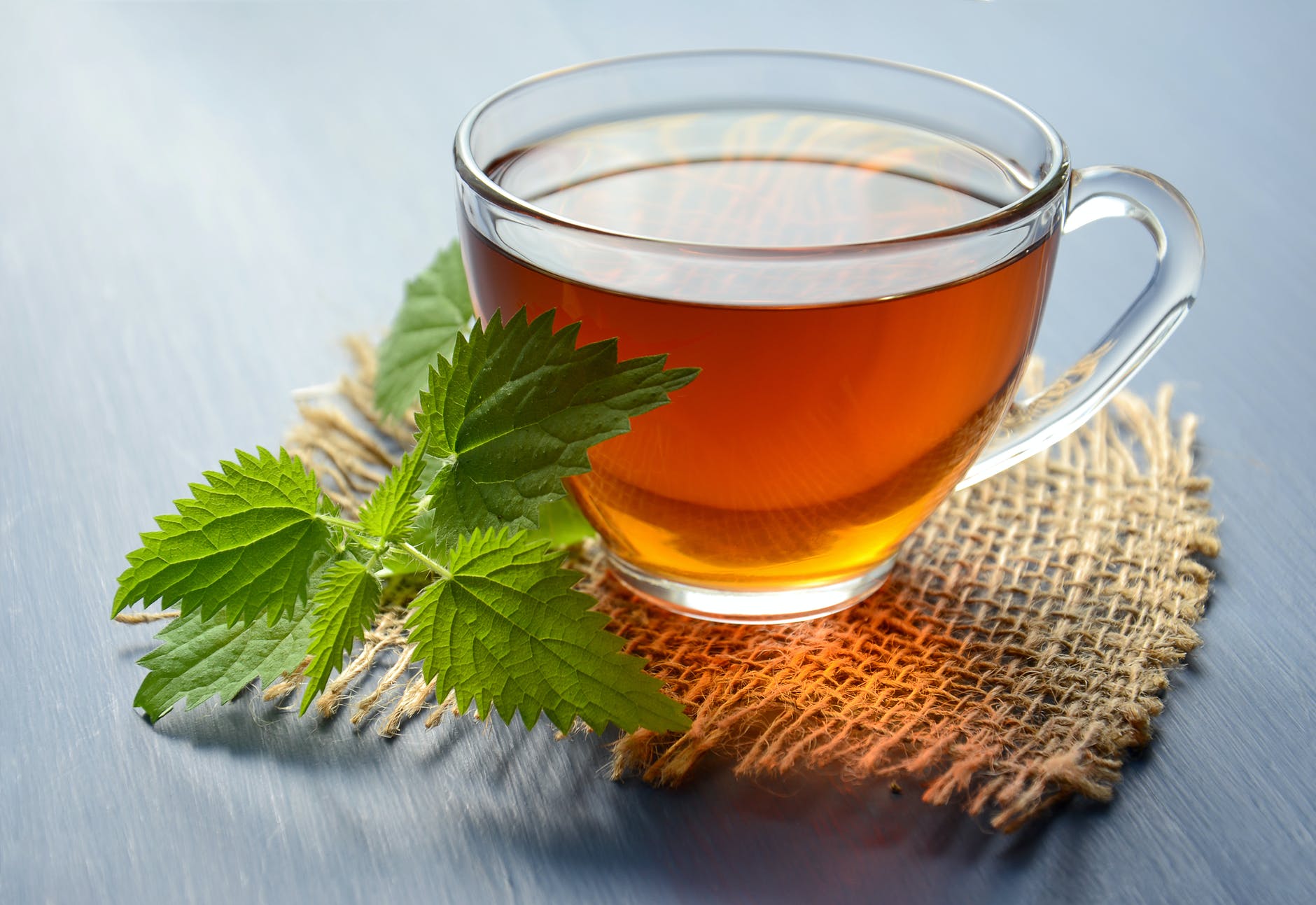
Photo by Mareefe on Pexels.com

1. Contains Healthy Bioactive Compounds: Green tea is more than just a drink that keeps you hydrated. The green tea plant has a variety of beneficial substances that make their way into the finished beverage. Tea is high in polyphenols, which are natural substances with health advantages such as inflammation reduction and cancer prevention. Epigallocatechin-3-gallate is a catechin found in green tea (EGCG). Catechins are natural antioxidants that aid in the prevention of cell damage as well as providing other advantages. These chemicals can protect cells and molecules from damage by reducing the generation of free radicals in the body. These free radicals contribute to ageing and a variety of ailments. One of the most potent components in green tea is EGCG. Its ability to assist treat a variety of ailments has been studied. It appears to be one among the key chemicals responsible for the therapeutic benefits of green tea. Green tea also contains trace minerals that are beneficial to your health.

2. Increases Fat Burning: If you look at the ingredients list of any fat-burning supplement, you’ll almost certainly see green tea. This is because green tea has been shown to increase fat burning and metabolic rate in studies. Green tea extract boosted the quantity of calories burnt by 4% in a research involving ten healthy men. Green tea extract boosted fat oxidation by 17 percent in another study involving 12 healthy males when compared to those who took a placebo.

However, some research on green tea have found no increase in metabolism, suggesting that the effects may vary depending on the individual and how the study was conducted.

3. May Protect The Brain From Aging: Green tea has been shown to increase brain function in the near term as well as protect the brain as it ages. Alzheimer’s disease is a widespread neurological illness that is the leading cause of dementia among seniors. Another prevalent neurodegenerative disease is Parkinson’s disease, which is characterised by the death of dopamine-producing neurons in the brain. Green tea catechin chemicals have been shown in several studies to have diverse protective effects on neurons in test tubes and animal models, potentially lowering the incidence of dementia.

4. May Improve Brain Function: Green tea may assist increase brain function in addition to keeping you alert. Caffeine, a well-known stimulant, is the main active component. It doesn’t have as much caffeine as coffee, but it’s enough to elicit a response without generating the jittery affects that come with too much caffeine. Caffeine impacts the brain by inhibiting adenosine, an inhibitory neurotransmitter. This enhances neuronal activity and neurotransmitter concentrations such as dopamine and norepinephrine. Caffeine has been found in studies to increase mood, vigilance, response time, and memory, among other aspects of brain function.

5. Antioxidants May Lower the Risk of Some Cancer: Cancer is a disease caused by uncontrolled cell development. It is one of the major causes of death in the world. Oxidative damage has been linked to chronic inflammation, which has been linked to chronic diseases such as cancer. Antioxidants can aid in the prevention of oxidative damage. Green tea is high in antioxidants and is a great source of them. Green tea components have been associated to a lower risk of cancer in studies such as these:

Breast cancer: Breast cancer is a disease that affects women. According to a meta-analysis of observational studies, women who drank more green tea had a 20–30 percent lower risk of breast cancer, one of the most frequent diseases in women.

Prostate cancer: Prostate cancer is a disease that affects men. Men who drank green tea had a decreased chance of advanced prostate cancer, according to one study.

Colorectal cancer: Colorectal cancer is a type of cancer that affects the colon. Green tea drinkers were 42 percent less likely to acquire colorectal cancer, according to a review of 29 research.

Green tea users are less likely to acquire numerous types of cancer, according to many observational studies, but more high-quality research is needed to corroborate these findings.

Avoid adding milk to your tea to obtain the maximum health advantages. According to certain research, it may lower the antioxidant value of various teas.

Guava fruit

Have not all of us enjoyed a plateful of guavas sprinkled with chaat masala atop?

Guava benefits for health and skin

1. Immunity Booster
Guava fruit contains 4 times the vitamin C content present in oranges. Vitamin C helps improve immunity and protects you against common infections

2. Lowers Risk of Cancer
Guava fruit has shown to be widely successful in reducing prostate cancer risk and also inhibit the growth of breast cancer cells.

3.Improves Eyesight
Due to the presence of Vitamin A, guava is well known as a booster for vision health. It can not only prevent degradation of eyesight, but even improve eyesight.

4. Beats Toothache
Guava leaves have a potent anti-inflammatory action and a powerful antibacterial ability which fights infection and kills germs.

5.Stress-Buster
The magnesium present in the fruit is responsible for one of the many benefits of guava, helps to relax the muscles and nerves of the body.

6.Weight Loss
Guava is just the ticket. Without compromising your intake of proteins, vitamins and fiber, guava helps you lose weight by regulating your metabolism.

7.Cough and Cold
Guava has one of the highest quantities of vitamin-C and iron among fruits, and both are proven to be preventive against cold and viral infections.

What is the best time to eat guava?
In fact, fruits are best absorbed on an empty stomach, early morning, as a snack between two meals, or before or after a workout to refuel your body.

How many guava can I eat a day?
One guava makes up one of the 4-5 recommended servings of fruit per day. Like many fruits, guava has a significant amount of sugar in it.

RECIPES TO PROMOTE WEIGHT LOSS (DESI-VERSION)

Our diet plays a crucial role in the process of weight loss and having a well-balanced diet and some mind-full eating in regulated portions is always the key for healthy and fit body. It might not be as difficult as it may sound if you start with a little patience and consistency. Sometimes a Subtle tweak here and there in diet is absolutely fine!

Here are few recipes which works out for weight loss journey

TURMERIC TEA

Turmeric consists of a powerful ingredient called as ‘curcumin’ which basically is the main active ingredient in turmeric that aids in cutting down the body fat. ‘Curcumin’ plays a major role to help suppress the fat but it does not fully absorb in the body. To make absorption work other ingredients such as black pepper is made use of. Therefore, this detoxifying drink makes the body light as well as helps cut down the excess fat if used regularly.

Recipe link:-  https://yummyindiankitchen.com/turmeric-tea-recipe-for-weight-loss/#how-does-it-help-in-belly-fat-loss

OATS KHICHDI

India’s favorite comfort food made into a high-protein, healthy one! Brimming with the goodness of oats, moong dal, carrot, green peas, tomatoes, chilies and olive oil, this hearty bowl of khichdi is sure to leave you healthy, happy and satiated

Recipe link :   https://food.ndtv.com/recipe-oats-khichdi-951242

FENUGREEK SOUP

Fenugreek seeds are rich source for vitamins, minerals and poly-nutrients .It is also rich in vital vitamins such as thiamine, pyridoxine, vitamin A , vitamin C and other essential nutrients for optimum health.

Recipe link : https://simpleindianrecipes.com/Home/FenugreekSproutsSoup.aspx

CARAMEL MAKHNA

Makhanas are popularly known as lotus seeds, fox nuts, Euryale ferox, gorgon nuts and phool makhana. It’s actually the puffed lotus seeds or the puffed fox nuts that has high nutritional and medicinal values

Recipe link :- https://www.indianveggiedelight.com/caramel-makhana-recipe/

Remember to always fill your plate with good amount of veggies, greens and fruits. Drink loads of water and buttermilk. If possible take a 20-30 min walk or jog because it speeds up the process of weight loss.

Positive Psychology

Positive psychology is one of the newest branches of psychology to emerge. This particular area of psychology focuses on how to help human beings prosper and lead healthy, happy lives. While many other branches of psychology tend to focus on dysfunction and abnormal behaviour, positive psychology is centered on helping people become happier. Positive psychology is designed to “complement and extend the problem-focused psychology that has been dominant for decades,” explained the late Christopher Peterson, author of “A Primer in Positive Psychology” and professor at the University of Michigan, in a 2008 article published in Psychology Today. “Positive psychology is…a call for psychological science and practice to be as concerned with strength as with weakness; as interested in building the best things in life as in repairing the worst; and as concerned with making the lives of normal people fulfilling as with healing pathology,” Peterson wrote.

According to leading authorities in the field, Martin Seligman and Mihaly Csikszentmihalyi, positive psychology will help achieve “scientific understanding and effective interventions to build thriving in individuals, families, and communities.” In order to understand the field of positive psychology, it is essential to start by learning more about its major theories, applications, and history.

History of Positive Psychology

“Before World War II, psychology had three distinct missions: curing mental illness, making the lives of all people more productive and fulfilling, and identifying and nurturing high talent,” wrote Seligman and Mihaly Csikszenmihalyi in 2000. Shortly after WWII, the primary focus of psychology shifted to the first priority: treating abnormal behavior and mental illness. In the 1950s, humanist thinkers like Carl Rogers, Erich Formm and Abraham Maslow helped renew interest in the other two areas by developing theories that focused on happiness and the positive aspects of human nature.

General interest in positive psychology has grown tremendously since the concept was introduced. Today, more and more people are searching for information on how they can become more fulfilled and achieve their full potential.

Uses

Positive psychology can have a range of real-world applications in areas including eduction, therapy, self-help, stress management, and workplace issues. Some of the major topics of interest in positive psychology include: Character strengths and virtues, Flow, Gratifications, Gratitude, Happiness, Pleasure, Helplessness, Hope, Mindfulness, Optimism, Positive thinking, Resilience .

Impact of Positive Psychology

Some of the major findings of positive psychology include: Money doesn’t necessarily buy well-being, but spending money on other people can make individuals happier, People are generally happy, Some of the best ways to combat disappointments and setbacks include strong social relationships and character strengths, While happiness is influenced by genetics, people can learn to be happier by developing optimism, gratitude, and altruism, Work can be important to well-being, especially when people are able to engage in work that is purposeful and meaningful.

Potential Pitfalls

Positive psychology is often confused with positive thinking, and misconstrued as self-help tactics rather than research-backed theories. Positive thinking is a way of thinking ourselves into better behavior and greater resilience, rather than behaving our way into a different frame of mind. Positive psychology, on the other hand, is the scientific study of what makes people thrive. It focuses on behaviors that can lead to a more optimized frame of mind as well as on thought patterns that lead to more functional behaviors.

Stress..?

[Bhoomika Saini]

What Is Stress?

Stress can be defined as any type of change that causes physical, emotional, or psychological strain. Stress is your body’s response to anything that requires attention or action. 

Everyone experiences stress to some degree. The way you respond to stress, however, makes a big difference to your overall well-being.

Sometimes, the best way to manage your stress involves changing your situation. At other times, the best strategy involves changing the way you respond to the situation.

Developing a clear understanding of how stress impacts your physical and mental health is important. It’s also important to recognize how your mental and physical health affects your stress level.

Signs

Stress can be short-term or long-term. Both can lead to a variety of symptoms, but chronic stress can take a serious toll on the body over time and have long-lasting health effects.

Some common signs of stress include:

  • Changes in mood
  • Clammy or sweaty palms
  • Decreased sex drive
  • Diarrhea
  • Difficulty sleeping
  • Digestive problems
  • Dizziness
  • Feeling anxious
  • Frequent sickness
  • Grinding teeth
  • Headaches
  • Low energy
  • Muscle tension, especially in the neck and shoulders
  • Physical aches and pains
  • Racing heartbeat
  • Trembling

Identifying Stress

Stress is not always easy to recognize, but there are some ways to identify some signs that you might be experiencing too much pressure. Sometimes stress can come from an obvious source, but sometimes even small daily stresses from work, school, family, and friends can take a toll on your mind and body.

If you think stress might be affecting you, there are a few things you can watch for:

  • Psychological signs such as difficulty concentrating, worrying, anxiety, and trouble remembering
  • Emotional signs such as being angry, irritated, moody, or frustrated
  • Physical signs such as high blood pressure, changes in weight, frequent colds or infections, and changes in the menstrual cycle and libido
  • Behavioral signs such as poor self-care, not having time for the things you enjoy, or relying on drugs and alcohol to cope

Causes

There are many different things in life that can cause stress. Some of the main sources of stress include work, finances, relationships, parenting, and day-to-day inconveniences.

Stress can trigger the body’s response to a perceived threat or danger, known as the fight-or-flight response. During this reaction, certain hormones like adrenaline and cortisol are released. This speeds the heart rate, slows digestion, shunts blood flow to major muscle groups, and changes various other autonomic nervous functions, giving the body a burst of energy and strength.

Originally named for its ability to enable us to physically fight or run away when faced with danger, the fight-or-flight response is now activated in situations where neither response is appropriate—like in traffic or during a stressful day at work.

When the perceived threat is gone, systems are designed to return to normal function via the relaxation response. But in cases of chronic stress, the relaxation response doesn’t occur often enough, and being in a near-constant state of fight-or-flight can cause damage to the body.

Stress can also lead to some unhealthy habits that have a negative impact on your health. For example, many people cope with stress by eating too much or by smoking. These unhealthy habits damage the body and create bigger problems in the long-term.

Types of Stress

Not all types of stress are harmful or even negative. Some of the different types of stress that you might experience include:

  • Acute stress: Acute stress is a very short-term type of stress that can either be positive or more distressing; this is the type of stress we most often encounter in day-to-day life.
  • Chronic stress: Chronic stress is stress that seems never-ending and inescapable, like the stress of a bad marriage or an extremely taxing job; chronic stress can also stem from traumatic experiences and childhood trauma.
  • Episodic acute stress: Episodic acute stress is acute stress that seems to run rampant and be a way of life, creating a life of ongoing distress.
  • Eustress: Eustress is fun and exciting. It’s known as a positive type of stress that can keep you energized. It’s associated with surges of adrenaline, such as when you are skiing or racing to meet a deadline. 

Impact of Stress

The connection between your mind and body is apparent when you examine the impact stress has on your life.

Feeling stressed out over a relationship, money, or your living situation can create physical health issues. The inverse is also true. Health problems, whether you’re dealing with high blood pressure or you have diabetes, will also affect your stress level and your mental health. When your brain experiences high degrees of stress, your body reacts accordingly.

Serious acute stress, like being involved in a natural disaster or getting into a verbal altercation, can trigger heart attacks, arrhythmias, and even sudden death. However, this happens mostly in individuals who already have heart disease.

Stress also takes an emotional toll. While some stress may produce feelings of mild anxiety or frustration, prolonged stress can also lead to burnout, anxiety disorders, and depression.

Chronic stress can have a serious impact on your health as well. If you experience chronic stress, your autonomic nervous system will be overactive, which is likely to damage your body.

Stress-Influenced Conditions

  • Diabetes
  • Hair loss
  • Heart disease
  • Hyperthyroidism
  • Obesity
  • Sexual dysfunction
  • Tooth and gum disease
  • Ulcers

The effects of video games on a child’s behaviour

Video gaming has become a popular activity for people of all ages. Many children and adolescents spend large amounts of time playing them, although no one should have more than two hours total of screen time in a day. Video gaming is a multi-billion dollar industry, bringing in more money than movies and DVDs combined. Video games have become very sophisticated and realistic and some games connect to the Internet, which allow children and adolescents to play online with unknown adults and peers.

While some games have educational content, many of the most popular games emphasize negative themes. They promote the killing of people or animals, the use and abuse of drugs and alcohol, criminal behavior, disrespect for the law and other authority figures, sexual exploitation and violence towards women, racial, sexual and gender stereotypes, and foul language obscenities and obscene gestures. Examples of video games not acceptable for children because they have these themes include the popular ones Grand Theft Auto, Call of Duty, and Mortal Kombat.

There is growing research on the effects of video games on children. Studies of children exposed to violence have shown that they can become immune or numb to the horror of violence, imitate the violence they see and show more aggressive behavior with greater exposure to violence. Studies have also shown that the more realistic and repeated the exposure to violence, the greater the impact on children. Children and adolescents can become overly involved and even obsessed with video games, leading to poor social skills, time away from family time, school work and other hobbies, lower grades, reading less, exercising less, becoming overweight, and having aggressive thoughts and behaviors.

So how can you, as a parent, protect your child against these types of video games? First, you can check the Entertainment Software Rating Board ratings to learn about the game’s content. Every video game will actually have a label on the front to tell you what type of game it is. If it says M for mature, it’s not for your child.

Play the video games with your child to experience the game’s content and know exactly what your child is playing. Set clear rules about the game’s content for both playing time in and outside of your home. Strongly warn your children about the potential serious dangers of Internet contacts and relationships while playing online. There are a lot of online predators that will look for children specifically playing video games and this can lead to them meeting in real life. Finally, remember that you are a role model for your child. Make sure the video games you play as an adult are ones that you would want your child to play.

If you are concerned as a parent that your child is spending too much time playing video games or your child starts becoming obsessed with aggressive or violent video games, make sure you set some limits. You’re not allowed to play games for one hour after all the homework is done and encourage your child to participate in other activities so they’re not drawn to those video games. By being aware of what games are out there, you can help your child make appropriate decisions about gaming no matter where your child plays.

MEANING OF FIRST AID

Safety First: Three Tips for Packing the Perfect First Aid Kit

Every individua ‘s life and work are closely related to his environment . Man has progressed in various fields of life such as industrialisation , mechanisation, transport and science, etc. Therefore, this age is called an electronic age or space age. But on the other hand, this development has created such conditions that a person may get injured anywhere and at anytime.

In spite of good measures aimed at industrial safety and the development of safety devices and techniques, the number of accidents is still high in industries and specially in day to day life. Indeed, there is no definite time of such injuries. These can happen to anyone, anywhere and at anytime. Injuries usually occur in industries and on the farm, during the repair, maintenance and operation of vehicles of various kinds, during games and sports and in various situations everyday. These often happen by accident, so it is impossible to anticipate the time and place of an accident. Someone may get fractured, another may be bitten by snake. So, it can be said that every individual is trapped in one way or the other by accidents. In fact, it is very difficult ton get medical aid to victims at the sport of the accident. At that moment, some immediate possible aid is required to the victim. So, first aid is the first help which is given to the wounded or accidental victims before the arrival of the doctor.

In other words, ” It is an immediate and temporary care given to a victim of an accident or sudden illness before the services of a physician is obtained.

In can also be said that first aid is that aid is that aid which is provided to the injured in case of an accident, injury or sudden illness. It enables the trained persons to render the help to preserve life, promote recovery of the injury until the arrival of the doctor.

In fact, the area of field of sports and games is such a field, where getting injured is very common. Any player can be injured at least once during his/her sports career. The facilities of a qualified doctor are available in national or international level competitions but usually such facilities or services of a doctor are not available during practice, training or competitions of normal levels. The teacher of health and physical education should also have enough knowledge of first aid so that he may provide first aid to the players at the time of training and competitions.

YOGA AND LIFESTYLE

In a first for East India, Visva Bharati varsity commences PG diploma  course in yoga studies - Education Today News

Indeed , it is an astonishing fact that a yogic tradition , which is more than five thousand years old , has recently become a popular way of life . Presently , people consider that yoga is a significant means to achieve a healthy as well as a positive lifestyle . In fact , the power of yoga lies in its simplicity , flexibility and diversity . As a matter of fact , yoga helps in improving our flexibility , lowers our stress level and increases our confidence and finally contributes to a healthier lifestyle on the whole . There are various lifestyle diseases like obesity , diabetes , asthma , hypertension , back pain , migraine and depression which can be prevented and treated up to some extent with the help of certain yogic exercises .

Asanas As Preventive Measures

52,455 BEST Yoga Poses Male IMAGES, STOCK PHOTOS & VECTORS | Adobe Stock

According to Patanjali , asana means , “sthiram sukham aasanam “ i.e,. ” that position which is comfortable and steady ” . In Brahamanopanishad , “ To sit in a comfortable position or posture for everlasting period is called asana “. Asana is that state of body in which the body may be positioned easily . As a matter of fact , the ability to sit comfortably for an extended period of time in any position is called asana . In asanas , body is kept in various positions in such a way that the activities of organs and glands of body become more effective and eventually the health of mind and body is improved .

In fact , asana is a means through which physical and mental development is achieved . Prevention of diseases and delay in ageing are the desired effects that can be achieved through yogic exercises .

There are different types of asanas which include meditative asanas , relaxative asanas and corrective asanas . Regular practice of the above- mentioned asanas significantly affects various systems or organs of our body . Asanas can be used as preventive measures because they provide the following physiological benefits , which ultimately help us in avoiding various lifestyle diseases such as diabetes , obesity and cardiovascular diseases .

4 REASONS WHY GETTING ENOUGH SLEEP IS IMPORTANT

1. If you do not get the amount of sleep then you have not only wasted a whole night but the following day too.

Because sleep is like a charger that refills you with energy & also heals the tiredness to face the challenges and proactively command your day with great energy and enthusiasm.

2. Rest is also important and because it is lacking you will usually take more time than the actual time you estimated for the task.

The simple reason behind why it happens is you aren’t thinking clearly and if you aren’t thinking clearly then how you can act clearly , that’s so simple.

3. When your complete energy is drained because of the whole day’s work your concentration level is not at its best to perform vital tasks and thus you become diverted to perform less important tasks.

4. Creativity often reduces when you don’t sleep properly.

And if you aren’t creative when you are doing a precious task, means for that task you have sacrificed your sleeping  hours then it must be a precious one, right ?

Snacking healthy

 We often consider snacks “bad” because a lot of the time people only snack on unhealthy food. But, did you know snacks are as important as any other meals? Snacks if consumed correctly are a great source of energy and nutrients

So, here are a few tips on how to snack healthy:

Avoid eating straight out of a bag: We tend to lose track of how much we eat when we eat directly from the bag. So it is advisable to pour it in a plate or a bowl so you don’t end up overeating.

We eat what we see: When we are hungry we tend to eat the first thing we see. If you go in your kitchen and the first thing you see on the kitchen counter is a bag of chips, chances are you might eat it. Remove all the unhealthy snacks from your sight and instead keep fruits or nuts on the counter. So every time you are hungry you reach out for healthier alternatives.

Planning ahead of time: Plan all the snacks you will be making a week ahead. So, the next time you go grocery shopping you will remember to get the ingredients needed. This will allow your brain to be prepared for making the snacks knowing you purchased all ingredients for it.

Meal prep:  Preparing healthy snacks might seem like a lot of work. We might give up and open a bag of chips instead.

 That’s when meal prep comes to the rescue. We can meal prep by already cutting the fruits or veggies in the morning and place them in small glass containers. This would also make fruits look more appetising and chances are we might eat them. We can also use the fruits and veggies in making smoothies or eating them with our favourite dips. We can also prepare dips like hummus in advance to eat with our veggies.

Spice things up: We normally don’t prefer eating healthy snacks because we don’t think it tastes as good as junk food. So, we need to spice things up a little. Here are some healthy snacks ideas that you can enjoy:

  • Making smoothies of your choice. Smoothies are filled with nutrients and they taste amazing. Add in your favourite fruits in your smoothies and you can always try mixing new things in it to spice things up.
  • Adding pumpkin, sunflower, hemp seeds to your oatmeal or your peanut butter can add extra nutrition to your snacks. You can also add them to your smoothies.
  • Add dips in it. If you are someone who doesn’t like eating fruits alone, you can always dip them in something you like. You can dip your fruits in nut butter or eat your carrots, celery, cucumber, and cherry tomatoes with tzatziki. You can also dip your raw veggies in hummus.
  • Fresh juices. Another thing you can do is prepare fresh juices in the morning. You can have them with your snacks later during the day.
  • Eating raw nuts. Nuts have a lot of health benefits. If you don’t like eating raw nuts you can always add them to your smoothie or you can eat them roasted.
  • Greek yogurt and berries. Greek yogurt is high in protein and berries are a great source of anti-oxidants.

There are a bunch of other healthy snack recipes which are fun and tasty to eat. Eating healthy snacks will fill your craving and give your body the nutrients it needs.

Skincare: An Essential or A Scam?

I was one of those few God’s favorites who had clear skin and perfect hair during my early and mid-teens. To my horror, my late-teens turned out to be a can of worms when I started getting oily skin, breakouts, acne, frizz, dandruff, hair fall, and what-not.

One of the main misconceptions about having oily skin is that people advise you to wash your face often to keep the oiliness at bay. Not knowing better, I followed the routine religiously. My mom and my grandma recommended some DIYs that could potentially benefit my skin. So, I tried putting lemon, baking soda, cinnamon powder, and other nasties to restore the natural oil balance. I never applied moisturizer or sunscreen for fear that it may make my skin oilier. I basically went all the way out, trying to get back my perfect skin. Unknowingly, I did more harm than good.

Fast forward to my days in college. I was tremendously insecure about my never-ending acne while all the other girls flaunted their flawless skin. I started wearing makeup in hopes that it would conceal my blemishes and imperfections. Again, I did not follow the correct methods in applying or removing the makeup.

I finally gave up thinking that perfect skin was not for me. I reverted back to my old ways when I let my skin do what it does naturally. It did not improve my skin, but it did not worsen it too. This was the time that I came across an Instagram page of a skincare blogger. Despite my skepticism, I was curious about what she had to say. I browsed through her feed. Based on her experience and reviews, I figured that she knew what she was talking about.

I messaged her and told her about my woes. She recommended that I start off simple with a mild cleanser, a moisturizer, and sunscreen. I decided to give it a try. What did I have to lose anyway? To this day, that was the best decision that I had ever taken.

After noticing a few positive changes in my skin, I researched various products. I desperately wanted to get it right this time. I thought a skincare routine might seem like high maintenance, but it really wasn’t. I learned that investing early in skincare could have lasting effects. Besides, less is more. It is vital to not layer too many products. Skincare makes you age gracefully. As we know, prevention is always better than cure. So, why take chances with your skin?

The basic skincare regimen consists of only three steps: cleanse, moisturize and protect against the sun. It is necessary to invest in a mild cleanser, a hydrating moisturizer, and a sunscreen having an SPF of at least 30. The first step is to identify your skin type and your skin concerns. The next step is to know the layering of your products. The final and crucial step is consistency. After following this routine initially, you can build on it using toners, exfoliators, serums, face masks, facial oils, etc.

Skincare is not an overnight miracle. It does not provide a temporary fix but gets the ball rolling to healthier skin. Patience is the key to seeing good results. You have to test different products to find which works best for you. To commit fully to having healthy skin, you should be ready to invest your time, energy, and money.

Every skin is unique. The same product can give different results for another person. A bad experience with a product does not signify that it is not a quality product. Based on your age, allergies, expectations, skin needs, preference of a fragrance or a texture, the results and experiences vary.

The billion-dollar skincare industry is growing steadily every day and doesn’t seem to be stopping anytime soon. For the most part, it consists of fraudulent and deceptive claims. A new brand launches a new product every hour. The industry thrives by feeding on your insecurities and flaws. Even though we don’t need most skincare products, the companies persuade us to buy more and more products. But, that does not mean that the entire industry is a scam. Ultimately, it is in our hands to not fall prey to the scamming leeches and invest in the right products.

Skincare changed my life for the better. It boosted my confidence and made me feel comfortable in my own skin. “Perfect skin” does not exist. Instead, healthy skin is what we should strive for.

Health tips for students that don’t suck

Photo by Gabby K on Pexels.com

You are a student so you’re probably young and feel indestructible. But we all have to take care of ourselves if we want to stay healthy, especially if we want to do well in your studies. The good news is that staying healthy doesn’t mean giving up everything you enjoy. And if you stick to these basic health tips, you should be in great shape to excel in your studies.

1. You Are What You Eat

Eating well is vital for healthy living, but it’s not something that students are always good at. There’s a reason for all those cold beans and instant noodles.  stereotypes, after all.

This is changing, though. Increasing awareness of diet means more students are eating healthily. Many are even trying vegetarianism and veganism, which are good for the environment as well! But the most important thing is making time to eat proper, healthy meals on a regular basis.

2. A Healthy Body

Maybe you’re a gym bunny already. Good for you. But if not, don’t be put off by people demanding that you “feel the burn.” Even a little bit of regular exercise can help keep you healthy.

Ideally, you should find time for around 150 minutes of moderate aerobic activity per week. You can even work it into your daily routine, if going to the gym doesn’t appeal to you.

3. A Healthy Mind

Anxiety and other mental health issues affect most people at some point. And students can be especially vulnerable, since balancing your studies, work, and social life is often stressful.

But there are simple ways you can help stay healthy, including:

  • Being aware of your own mental health and stress levels.
  • Knowing your stress triggers.
  • Taking time out to relax now and then.
  • Meditation and breathing techniques.

Most important, though, is not being afraid to seek help if you need it. Your college should have support systems in place if you are feeling overwhelmed.

Talking to friends or family when you’re feeling low is a great first step, too.

4. Sleeping Is Good

Sleep is just as important as diet and exercise for a healthy lifestyle. Ideally, you should get between seven and nine hours every night. If this isn’t currently the case, cutting back on caffeine after 3pm and avoiding illuminated screens (phones, tablets, etc.) before bed could help.

5. Sex, Drugs and Rock ‘n’ Roll (in Moderation)

While college life should, of course, include trying out new things and having fun, excessive partying will take its toll. Limiting yourself to going out at the weekends is a good start. If nothing else, it will mean you won’t have to deal with 9am lectures on next to no sleep.

6. Do Good

This one might sound strange, especially if your schedule is already hectic, but research shows that volunteering counteracts stress and makes you happier. It also lets you try new things and get valuable experience, so there’s plenty to gain from being selfless!

These were some of the basic health tips for students. Everything in moderation is the key to a healthy student life.

I hope these tips were helpful to you.

Thank you!